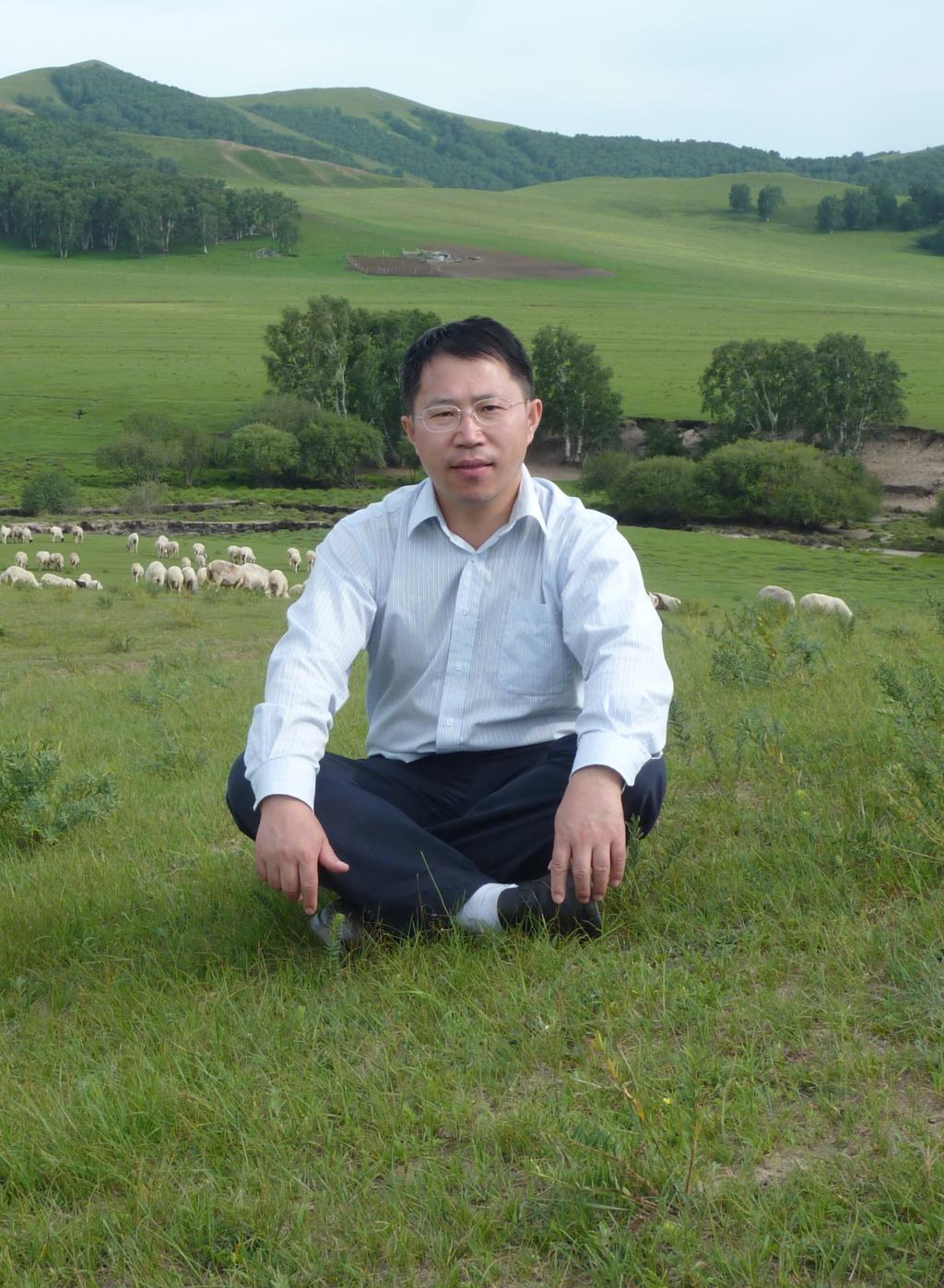
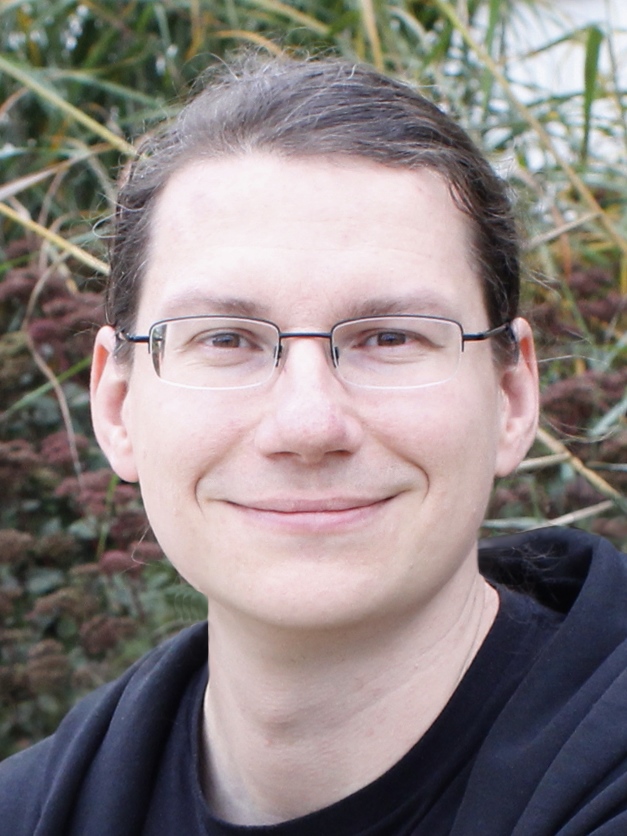
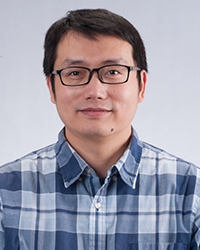
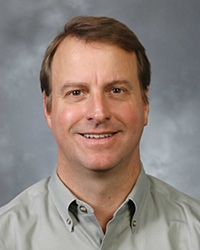
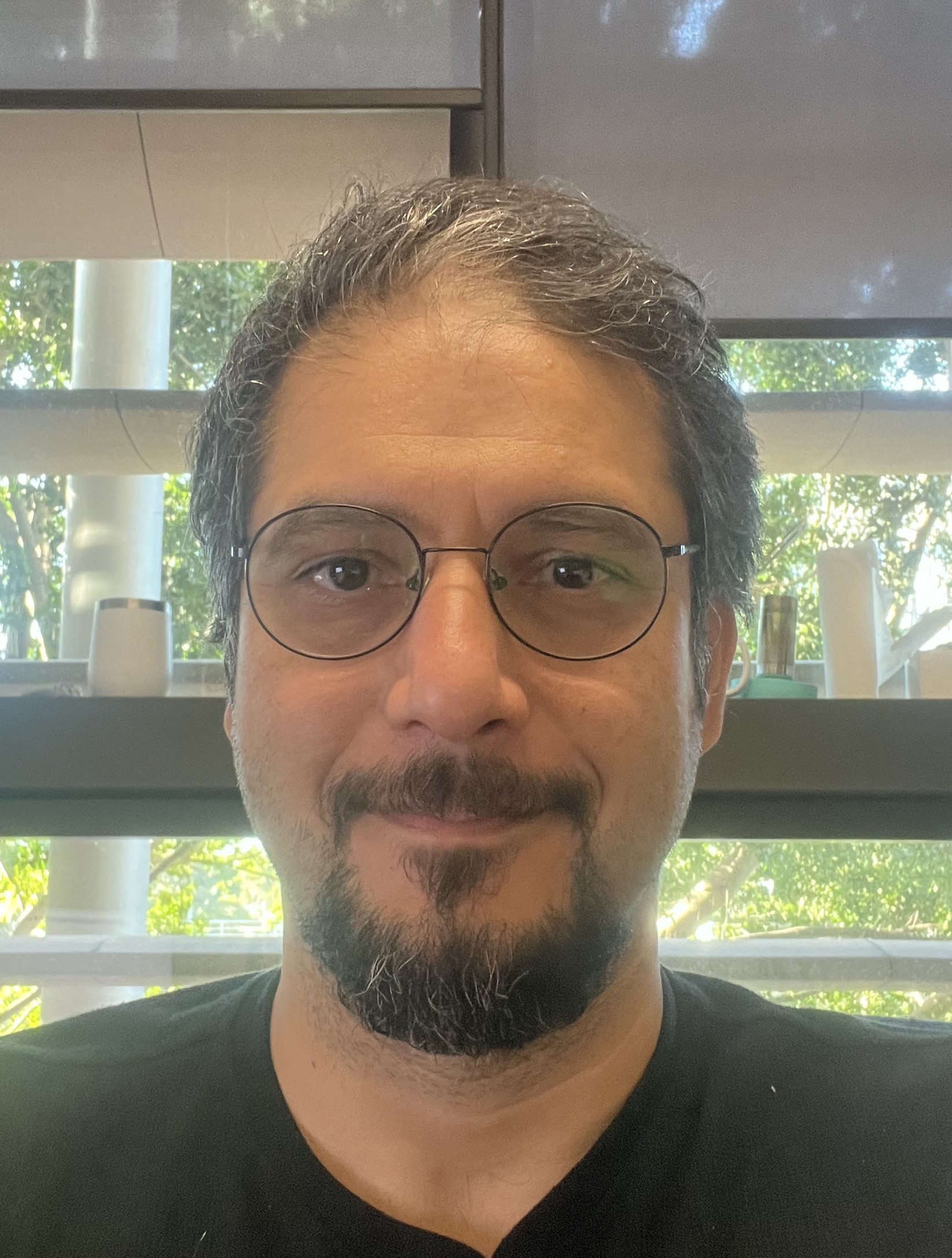
Qiangyong Zhang is a Professor and PhD Tutor at the School of Civil Engineering , Shandong University , serving as Deputy Dean. His work focuses on geotechnical engineering, particularly deep underground structures and rock mechanics. Stability analysis of surrounding rock in deep caves Numerical and physical simulation of geotechnical systems Mechanical properties of fractured rock masses High slope reinforcement Rock-soil interaction mechanics Underground engineering disaster risk control Tunnel construction mechanics His research trends emphasize zonal disintegration mechanisms, time-dependent rock behavior, seepage-stress coupling, and advanced numerical/experimental methods for underground energy storage. Scientific contributions include: Over 15 recent publications in high-impact journals Development of specialized geomechanical test systems Fundamental studies on creep, fracturing, and reinforcement Scientific awards : Recognized as Taishan Scholar Distinguished Expert . Collaborative network spans multiple institutions, with co-authors from Chinese academia and industry in energy/geotechnical sectors.
Ji-Peng Wang is a Professor in Geomechanics and Hydraulic Engineering at the School of Civil Engineering, Shandong University. He is recognized as a Taishan Scholar (Young Professional) and Qilu Young Scholar of Shandong University. His research spans computational and experimental mechanics of granular materials, unsaturated soil mechanics, slope and dam stability, and environmental geotechnical engineering. He serves as the Secretary of International Affairs for the School and is an International Collaboration Ambassador for Shandong University. Education: BEng in Hydraulic and Hydro-electric Engineering, Sichuan University (2006-2010) MSc in Civil Engineering (Geotechnical), University of Nottingham (2009-2010) PhD in Geomechanics, University of Nottingham (2011-2015) His research focuses on the micro-macro behavior of unsaturated soils, capillary effects in granular materials, and stability evaluation of slopes and dams. He integrates advanced techniques like X-ray CT and DEM modeling to study soil-root interactions, rainfall infiltration, and multiphase fluid dynamics. Recent trends in his publications include unsaturated soil mechanics, capillary force quantification, and computational methods for hydraulic conductivity estimation. His work often bridges experimental and numerical approaches, collaborating with institutions like Ghent University and Université Grenoble Alpes. Scientific Awards: Taishan Scholar of Shandong Province (Young Professional) Qilu Young Scholar of Shandong University Dean’s Scholarship of University of Nottingham (prize holder) He actively recruits students for master, PhD, and postdoctoral positions in geotechnical engineering and related fields. He serves as a reviewer for leading journals and is a member of professional societies such as the International Society of Soil Mechanics and Geotechnical Engineering.
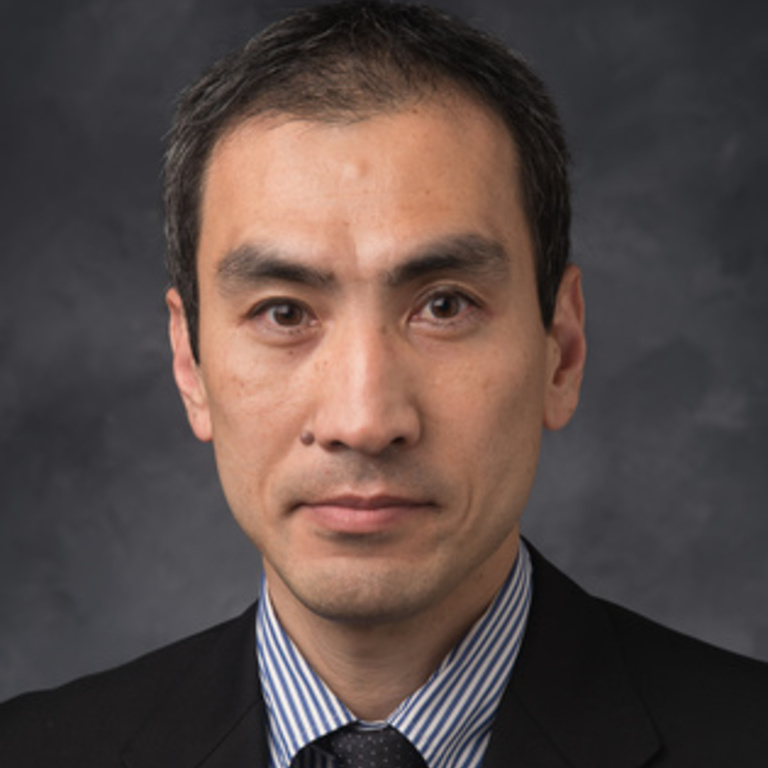
Hiroyuki Sugiyama is a Professor of Mechanical Engineering at the University of Iowa's College of Engineering and a Researcher at the Iowa Technology Institute. He holds a PhD from the University of Illinois at Chicago (2005) and has been with the College since 2013. His research focuses on computational multibody dynamics, railroad vehicle dynamics, tire/road interaction, and finite element methods. Key areas include flexible multibody systems, wheel/rail contact modeling, and off-road mobility simulations. Education: PhD in Mechanical Engineering from University of Illinois at Chicago (2005); MS and BS in Mechanical Engineering from Aoyama Gakuin University, Tokyo (1999 and 1997). Research interests span advanced modeling techniques for vehicle dynamics, including tire-soil interaction, data-driven approaches, and multiscale simulation frameworks. Recent work emphasizes hierarchical modeling, reduced-order methods, and integration of machine learning for efficiency. His studies often involve experimental validation, such as scaled roller test rigs and terrain simulations. Publications highlight contributions to multibody systems, railway dynamics, and computational methods. His work appears in top journals and conferences, with a focus on practical applications like amphibious vehicle design and wind turbine drivetrain optimization. Labs/Teams: Leads the Computational Multibody Dynamics Lab, developing open-source tools like the Chrono dynamics engine. Active in professional societies including the American Society of Mechanical Engineers and Society of Automotive Engineers.
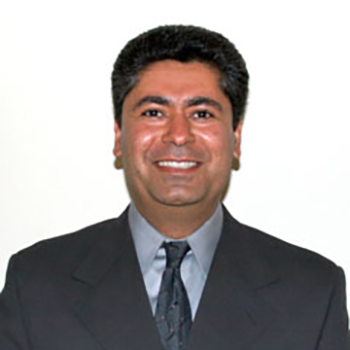
Mehrdad Razavi, PhD is an Associate Professor of Mineral Engineering at New Mexico Tech, specializing in geotechnical engineering and applied geomechanics. His research focuses on soil mechanics, ground improvement, slope stability analysis, and innovative applications of industrial byproducts like cement kiln dust (CKD). He holds a faculty position in the Department of Mineral Engineering within the College of Engineering. Razavi’s work emphasizes computational methods in geotechnical engineering, including advanced imaging techniques such as photogrammetry and X-ray computed tomography. His research portfolio spans over two decades, with contributions to soil stabilization, rock mechanics, and environmental engineering solutions. His most recent publications (2020–2025) highlight advancements in soil-cement column performance, erosion control using CKD, and educational platforms for slope stability analysis. He has pioneered methods for analyzing rock discontinuities and underground pillar stability in mining contexts. His studies often bridge theoretical models with practical applications in civil and mining engineering. Notable research areas: Soil stabilization, CKD utilization, slope mechanics, rock fragmentation analysis Technical expertise: Digital image correlation, thermal imaging, 3D tomography Interdisciplinary focus: Integrating geophysics, material science, and computational tools
P.J. Vardon is a researcher at Delft University of Technology's Civil Engineering & Geosciences faculty, specializing in Geo-engineering. His work focuses on geotechnical and geoenvironmental engineering, with expertise in numerical modeling techniques like the Material Point Method, geothermal energy systems, and soil-structure interaction analysis. Research areas: Geotechnical engineering, Material Point Method, geothermal energy, soil mechanics, and environmental geotechnics. Awards: Multiple honors including the Environmental Geotechnics Prize (2019), InterPore Rosette (2017), and NENnovation Award (2020). Public engagement: Regular media contributions on geothermal energy and sustainable ground use. His recent publications highlight applications of stochastic modeling to slope failures, optimization of geothermal infrastructure, and energy-efficient geotechnical solutions.
Fred Boadu is an Associate Professor in the Department of Civil and Environmental Engineering at Duke University's Pratt School of Engineering, where he also serves as the Director of Master's Studies. His research lies at the intersection of geophysics, environmental engineering, and computational mechanics, focusing on non-invasive methods to characterize porous media such as soils, fractured rocks, and biological tissues. His research interests center on understanding how engineering, environmental, and petrophysical properties of porous media influence measurable geophysical responses. He develops methodologies to infer these properties from geophysical data using advanced techniques including fractal analysis and artificial neural networks. His work spans laboratory experiments, field studies, and numerical modeling, with applications in environmental health, infrastructure development, and subsurface resource management. Dr. Boadu’s recent publications reveal a strong trend toward integrating machine learning and fractal models with geophysical measurements to predict soil and rock properties. His research increasingly emphasizes sustainable materials, tropical geotechnics, and environmental contamination—particularly nitrate pollution in Ghanaian groundwater. The interdisciplinary nature of his work bridges civil engineering, environmental science, and data-driven modeling. Junior Faculty Enhancement Award - Applied Science Category, Oak Ridge Associated Universities, 1997 Dr. Boadu has advised multiple Master of Engineering students through internship and project courses such as MENG 550–553 and CEE 780. While specific grant details are not listed, his sustained research output and industry collaborations with oil companies (Chevron, Amoco, Mobil) and national entities like Ghana National Petroleum Corporation suggest a history of funded projects. He has also contributed to education and public awareness campaigns on health hazards from groundwater contamination in Ghana. His research group, accessible via http://applied-geophysics.cee.duke.edu , focuses on applied geophysics, utilizing computational tools and experimental data to solve real-world engineering and environmental problems.
Karsten Rink is a researcher at the Helmholtz Centre for Environmental Research - UFZ in Leipzig, Germany. He leads the "Data Integration and Visualisation" project group within the Department of Environmental Informatics . His work focuses on environmental data visualization , geospatial data management , and software development for OpenGeoSys - a simulation framework for environmental processes. Key projects: OpenGeoSys Data Explorer , TESSIN VISLab , MEVA (Meteorological Data Visualization) Major collaborations: Mont Terri Underground Research Laboratory , Poyang Lake Basin , Dead Sea Water Resources Research Highlights include developing Virtual Geographic Environments for analyzing: Hydro-Meteorological Extremes in urban systems Multi-Compartment Water/Solute Dynamics in large catchments Energy-Water Nexus challenges Groundwater Balance in arid regions Technical Innovations feature Unity-based 3D visualization workflows, multi-device meteorological data validation , and cross-platform data conversion tools between OpenGeoSys, ParaView, and VTK. Publications (2023-2014) demonstrate expertise in: Environmental software frameworks Scientific visualization Hydrogeological modeling Climate-urban interactions Subsurface energy systems Water management digitization Collaborative Projects span from German Unity Anniversary visualization to Dead Sea groundwater studies , integrating with initiatives like MOSES (Modular Observation Solutions for Earth Systems) and Digital Earth .
Jun Ge is a Researcher at the Bureau of Economic Geology, University of Texas at Austin. He holds a Ph.D. in Civil Engineering from the University of North Dakota (2018), an M.S. in Petroleum Engineering from Texas A&M University (2009), and an M.S. in Economic Geology from Peking University (2003). His primary research areas include reservoir geomechanical modeling, CO2 storage and enhanced oil recovery (EOR), hydraulic fracturing design, and subsurface waste disposal. Education Ph.D., Civil Engineering, University of North Dakota, 2018 M.S., Petroleum Engineering, Texas A&M University, 2009 M.S., Economic Geology, Peking University, 2003 B.S., Geology, China University of Geosciences, 2000 Jun Ge has extensive experience in CO2 sequestration projects such as the Bell Creek Project with DOE and Denbury, and the CarbonSafe Project. He has led multiple reservoir simulation efforts for TexNet Seismic Monitoring Program and the Bakken Production Optimization Program (BPOP). His work also involves discrete fracture network (DFN) analysis and geomechanical modeling for naturally fractured reservoirs. His recent publications focus on stress redistribution during hydraulic fracturing, CO2 storage efficiency, and micromechanical properties of shale formations. He is a member of the American Rock Mechanics Association (ARMA), Society of Petroleum Engineers (SPE), and American Geophysical Union (AGU).
Peter H. Hennings serves as a Research Professor at the Bureau of Economic Geology (BEG), which is part of the Jackson School of Geosciences at the University of Texas at Austin. His work focuses on geophysical research with particular emphasis on seismology and energy-related geological studies. Dr. Hennings' research interests span multiple critical areas of geoscience including Geophysics , Seismology , Structural Geology , Energy Resources , Carbon Sequestration , and Induced Seismicity . His work addresses fundamental questions about earthquake mechanisms, particularly those related to energy production activities, and contributes to our understanding of subsurface processes critical for resource development and environmental protection. Analysis of his publication record reveals a strong focus on seismotectonic characteristics of the Midland Basin, wastewater injection-induced seismicity, and 3-D lithospheric structure mapping. His research demonstrates an interdisciplinary approach combining field observations, modeling techniques, and statistical analysis to address complex geological problems with practical implications for energy development and seismic hazard assessment. Dr. Hennings has contributed to significant research initiatives including the Center for Injection and Seismicity Research (CISR) and the Gulf Coast Carbon Center (GCCC), focusing on the intersection of energy production, geological storage, and seismic risk. His work supports critical energy and environmental decision-making through advanced geophysical analysis and contributes to the Bureau's mission of providing science-based solutions to geological challenges facing Texas and the nation.
Dr. Ying Da Wang is a Lecturer in the School of Minerals and Energy Resources Engineering within the Faculty of Engineering at the University of New South Wales. She is based in the Tyree Energy Technologies Building and specializes in the intersection of artificial intelligence and petroleum engineering, with a focus on digital rock analysis and energy transition technologies. PhD: 2020, UNSW, Machine Learning Methods and Computationally Efficient Techniques in Digital Rock Analysis and micro-CT Imaging Dr. Wang's research centers on applying machine learning techniques to solve complex problems in digital petrophysics and energy systems. Her work spans three primary areas: Machine Learning Methods for Digital Petrophysics, Efficient and Massive Computations of Pore Scale Flow, and Underground Hydrogen Storage. She has developed expertise in using computational fluid dynamics, particularly lattice Boltzmann and pore network modeling approaches, to analyze multiphase flow in porous media. Her research directly addresses critical challenges in carbon capture and storage, hydrogen storage, and enhanced oil recovery, contributing to Australia's energy transition and climate change mitigation strategies. Analysis of Dr. Wang's publication record reveals a clear trajectory focusing on the integration of artificial intelligence with traditional petroleum engineering methods. Her recent work shows increasing emphasis on energy transition technologies, particularly carbon sequestration and hydrogen storage, reflecting the global shift toward sustainable energy solutions. The interdisciplinary nature of her research bridges computational science, machine learning, and subsurface engineering, creating novel approaches to longstanding challenges in the energy sector. Dr. Wang actively supervises research projects with keywords including hydrogen storage, carbon capture and storage, artificial intelligence, artificial neural networks, reservoir simulations, multiphase flow, computational fluid dynamics, lattice Boltzmann, pore network, porous media, and x-ray CT image processing. She teaches courses in Enhanced Oil Recovery (2021), Production Engineering (2021), and Business Practices in the Petroleum Industry (2020, 2021), preparing the next generation of engineers for both traditional and emerging energy sectors.
Chong Xu is a Research Professor at the National Institute of Natural Hazards, Ministry of Emergency Management of China, a position he has held since July 2019. Previously, he was affiliated with the Institute of Geology, China Earthquake Administration. His work centers on geohazards, including earthquakes, landslides, and seismic risk modeling. National Institute of Natural Hazards, Ministry of Emergency Management of China (2019–present) Institute of Crustal Dynamics, China Earthquake Administration (former) Institute of Geology, China Earthquake Administration (former) Chong Xu earned his Ph.D. from the Institute of Geology and Geophysics, Chinese Academy of Sciences. His research spans earthquake geology, landslide dynamics, seismic hazard modeling, and climate change adaptation in vulnerable regions. His research interests include natural hazards , seismic hazard assessment , landslide modeling , fault system analysis , geomechanics , and disaster risk reduction . He applies interdisciplinary methods combining field observations, numerical modeling, and geospatial analysis to understand complex geohazard chains. The recent publications reflect a strong focus on earthquake-triggered landslides , seismic wave interaction with geological structures , and climate change adaptation in mountainous regions . His work emphasizes practical risk assessment and mitigation strategies, particularly in tectonically active zones of China and South Asia. Chong Xu serves in editorial roles for high-impact journals: Associate Editor, Frontiers in Earth Science (Geohazards and Georisks) Review Editor, Frontiers in Remote Sensing (Data Fusion and Assimilation) Topic Editor, Prevention, Mitigation, and Relief of Compound and Chained Natural Hazards, volume III He actively contributes to scientific collaboration and knowledge dissemination through editorial work and conference participation. While no formal grants are listed, his extensive publication record and editorial leadership indicate sustained research funding and institutional support. He collaborates with researchers across China and internationally, particularly in geohazard-prone areas. Chong Xu is part of research networks focused on earthquake hazard chains and compound natural disasters. His work is often conducted in collaboration with institutions such as the Seismological Society of China and international universities. He contributes to building resilience through scientific understanding of cascading hazards.
Dr. Rob Govers is an Associate Professor in Tectonophysics at the Department of Earth Sciences, Faculty of Geosciences, Utrecht University. His research focuses on the geodynamics of plate boundaries, lithosphere to upper mantle scale deformation processes, and the earthquake cycle with particular emphasis on subduction zones. His work integrates geophysical observations with numerical modeling to understand tectonic processes across various spatial and temporal scales. Dr. Govers' primary research interests lie in the geodynamics of plate boundaries and the earthquake cycle, with specific focus on subduction zones. He develops and utilizes numerical modeling tools (including GTECTON and GFLEX) to solve partial differential equations related to tectonic processes. His research spans multiple geographical regions including the active margins of the North American continent, the Caribbean region, and the Mediterranean-Tethys region including Tibet. His work bridges observational geophysics with theoretical geodynamics to better understand how plate boundaries behave over seismic and geological timescales. His expertise encompasses earthquake analysis, geothermal energy systems, rheology, and sedimentary basin evolution. Analysis of Dr. Govers' recent publications reveals a strong focus on earthquake cycle modeling, particularly at subduction zones. His work increasingly incorporates data assimilation techniques and Bayesian inference methods to constrain geodynamic models. There's a clear trend toward integrating multiple data sources (geodetic, geological, and paleoseismic) to develop more comprehensive models of tectonic processes. His research also addresses practical applications including land subsidence related to hydrocarbon extraction and the impacts of deglaciation on crustal deformation, demonstrating the relevance of fundamental geoscience to societal challenges. Dr. Govers has maintained an active research program with extensive collaborations both within Utrecht University and internationally. His research is supported by various grants that enable computational modeling, fieldwork, and participation in major scientific conferences. He has supervised numerous graduate students and postdoctoral researchers, contributing to the next generation of geoscientists. Dr. Govers is associated with research groups focused on computational geophysics and tectonics at Utrecht University. He contributes to the development and application of the GTecton finite element modeling package, which is used for simulating various geodynamic processes including glacial isostatic adjustment and earthquake cycles. His work often involves interdisciplinary collaboration between geophysicists, geologists, and computational scientists, highlighting the integrative nature of modern Earth sciences research.
PD Dr. Antonio Pio Rinaldi is an Associate Professor at ETH Zürich's Department of Earth and Planetary Sciences, affiliated with the Swiss Seismological Service (SED). His research focuses on seismology, geophysics, and induced seismicity, particularly in geothermal systems and hydraulic stimulation. He leads projects on fault dynamics, CO2 storage, and microseismic monitoring using advanced technologies like Distributed Acoustic Sensing (DAS). His work bridges computational modeling and field experiments, contributing to real-time seismic hazard assessment and reservoir engineering. Research Interests: Seismology, fault mechanics, geothermal energy, hydraulic fracturing, and geological hazards. His studies address induced earthquakes, fluid-rock interactions, and infrastructure safety in subsurface engineering. Key Projects: BedrettoLab experiments on hydraulic stimulation, CO2 sequestration in Trüllikon, and advanced seismic monitoring techniques. His research supports sustainable geothermal energy development and risk mitigation in mining/tunneling. Publications: Recent papers focus on dynamic rupture modeling, induced seismicity forecasting, and multi-scale geophysical monitoring. His work emphasizes interdisciplinary approaches to understand subsurface processes.
Alexander Gasnikov is a Leading researcher at the Laboratory № 10 within the Institute for Information Transmission Problems of the Russian Academy of Sciences (Kharkevich Institute) . He holds a Doctor of Physical and Mathematical Sciences degree and the academic status of Docent . Research Focus: Applied mathematics, partial differential equations, gradient flows, thermodynamics, and continuum mechanics. Key Contributions: Development of mathematical models for reaction-diffusion systems, multiscale analysis, optimal transport, and GENERIC frameworks for dissipative materials. Email: gasnikov@yandex.ru Scientific Trends: His work emphasizes evolutionary variational inequalities, entropy dissipation, and connections between quantum mechanics and macroscopic models. Articles highlight nonlinear dynamics, stability analysis, and applications in geophysics and nanotechnology.
Professor Hamid Roshan is a faculty member at the School of Minerals and Energy Resources Engineering within the Faculty of Engineering at UNSW Sydney. He graduated with a PhD in Petroleum Geomechanics Engineering from UNSW Sydney in 2012, followed by 3.5 years of postdoctoral training in the School of Civil and Environmental Engineering. He was appointed to his current position in 2016 after gaining valuable industry experience with the Underground Gas Storage Company, where he worked on the Sarajeh field gas storage project. Professor Roshan's research spans multiphysics geomechanics and rock characterization, with applications across Mining, Civil, and Petroleum Engineering sectors. His work integrates theoretical, numerical, and experimental approaches to solve complex geomechanical problems. Since 2017, he has developed the advanced GeoEngineering Research Lab at UNSW, where next-generation equipment for coupled geomechanics-rock characterization has been designed and built, offering state-of-the-art services to industry. His research interests include THMC Experimental and Computational Modelling in CCUS, Coal Seam Gas and Shale Gas Engineering, Geophysics and Data-driven Rock Mass Characterization, Borehole Geotechnical Logging, In-situ Stress Measurement and Estimation, and Fundamentals of Rock Mechanics with a focus on Multiphysics Geomechanics. His recent publications demonstrate expertise in ultramafic rock interactions, geothermal energy storage, shale gas reservoirs, and advanced computational modeling techniques. Professor Roshan has developed and patented field-scale downhole logging tools for stress-mechanical property measurements along with software solutions for the mining industry. His work has practical applications in carbon sequestration, underground hydrogen storage, and unconventional gas extraction. Professional Recognition: American Rock Mechanics Association Future Leader Professional Memberships: Australian Geomechanics Society, International Society of Rock Mechanics, Society of Petroleum Engineers Professor Roshan teaches Petrophysics (PTRL2020), Formation Evaluation (PTRL5107), Integrated Oil and Gas Reservoir Evaluation (PTRL4010), and Geomechanics A, while actively seeking students with strong academic backgrounds for research opportunities.