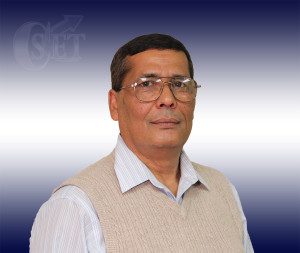
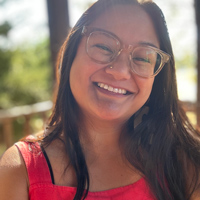
Abu O. A. Khan is a Professor in the Department of Chemistry, Physics, and Atmospheric Sciences at Jackson State University's College of Science, Engineering, and Technology. With a Ph.D. in Civil and Geological Engineering from the University of Manitoba, Canada, his research focuses on LIDAR , GIS , and Surface Hydrology , particularly in analyzing hydro-meteorological events spatially and temporally. Education: Ph.D. in Civil and Geological Engineering, University of Manitoba, Canada Research Interests: Dr. Khan specializes in remote sensing technologies and statistical modeling of river systems, with a focus on bank erosion, braided rivers, and water resource challenges in Bangladesh. His work bridges engineering analysis with environmental policy considerations. Key Publications: Recent works explore LIDAR intensity data applications, braided river morphodynamics, and flood hazard modeling. His earlier publications focus on coastal engineering and small-scale water conservancy projects. Contact: Email abu.obaida.khan@jsums.edu or call (601) 979-8628.
Tamás Néda serves as a Lecturer at the Environmental Science Department within the Faculty of Sciences and Arts at Sapientia Hungarian University of Transylvania, Cluj-Napoca. His academic responsibilities include teaching undergraduate courses in General Physics, Unconventional Energy, Environmental Radioactivity, and Environmental Pollution by Physical Agents, alongside Master's level instruction in Environmental Monitoring of Physical Factors. Dr. Néda's research centers on environmental physics with specialized expertise in radiation dosimetry and the effects of ionizing/non-ionizing radiations. His work extensively investigates environmental radioactivity, particularly radon and thoron dynamics in mofettes and soil gas across Romania's Carpathian region. This research directly addresses environmental health risks through field measurements of natural radiation sources, geological structure analysis, and modeling of radiation exposure pathways in both natural and built environments. Analysis of his 15 most recent publications reveals consistent focus on radon behavior in volcanic and fault zones of Eastern Europe. Key research trajectories include seasonal variation studies in mofettes, national-scale radon mapping initiatives, therapeutic applications of radon-rich emanations, and interdisciplinary connections between radiation physics, geology, and public health. His methodological approach integrates field measurements with computational modeling to assess environmental radiation risks across diverse spatial scales. Scientific Awards: No scientific awards were documented in available sources Advising and Grants: While departmental activities include student participation in conferences like the Transylvanian Scientific Students' Conference and international exchanges with Eötvös Loránd University, specific details regarding Dr. Néda's advisees, research grants, or funded projects were not provided in source materials. His educational contributions are evident through course development and publication of teaching resources including laboratory manuals. Labs and Teams: Source documentation does not specify dedicated laboratories or research teams under Dr. Néda's leadership, though his collaborative publications with institutions like the National Research and Development Institute for Physics and Nuclear Engineering suggest multi-institutional research networks focused on environmental radiation studies in Romania.
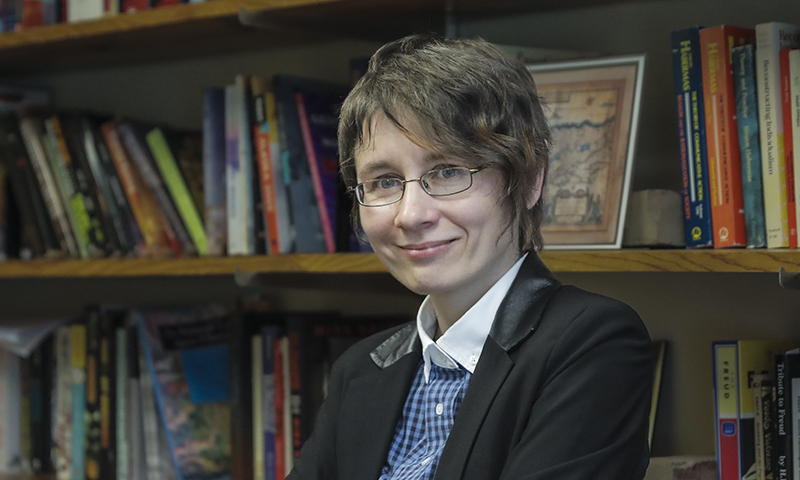
Alla Ivanchikova is a Professor of English and Creative Writing at Hobart and William Smith Colleges, where she has been a faculty member since 2012. She is affiliated with the Department of English and Creative Writing in the School of Humanities, contributing to programs in global literature, creative writing, and interdisciplinary humanities. Institution: Hobart and William Smith Colleges Department: English and Creative Writing Rank: Professor Joined: 2012 Her research focuses on global literature, particularly post-9/11 fiction and film, feminist literary theory, environmental humanities, and literary geographies. She explores how narratives shape and are shaped by geopolitical events, spatial identities, and ecological crises. The trends in her publications reveal a sustained engagement with the cultural aftermath of 9/11, especially in representations of Afghanistan, the interplay between deep time and narrative, and the spatial dimensions of identity and desire. Her work bridges literary analysis with critical geography, postcolonial theory, and queer studies. She is a member of several academic organizations: Modern Language Association (MLA) American Comparative Literature Association (ACLA) Middle East Studies Association (MESA) Alla Ivanchikova teaches courses such as Global English Literature, Environmental Literature, and Representing the 9/11 Wars. She has published a major monograph and numerous peer-reviewed articles in top journals. While no formal advising list or grants are mentioned, her scholarly output is robust and interdisciplinary. She does not appear to lead a lab or research team, but her editorial and collaborative projects suggest strong academic networks.
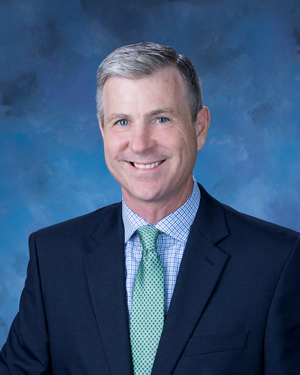
Patrick Sullivan, Ph.D., is a Professor in the Sociobehavioral and Administrative Pharmacy Department at Nova Southeastern University's Barry and Judy Silverman College of Pharmacy, Fort Lauderdale/Davie campus. His research spans health economics, public health, and paleogeography, with a focus on chronic disease management, health disparities, and cost-effectiveness analysis. Patient Protection and Affordable Care Act impacts Systemic corticosteroid complications in asthma Discrete choice experiments in oncology Health-related quality of life metrics Paleogeographic mapping of geological formations His work has been published in high-impact journals and conferences, addressing topics like racial disparities in healthcare access, treatment optimization for cancer and asthma, and geologic reconstructions. Notably, he has contributed to the ISPOR REPORT and several studies on urothelial carcinoma treatment criteria. Despite his interdisciplinary approach, no scientific awards or student advisement details are publicly available in the scraped data.
Rennie Kaunda is an Associate Professor in the Department of Mining Engineering at the Colorado School of Mines (CSM), where he has been a faculty member since 2014. His work integrates rock and soil mechanics with computational modeling to advance sustainable mining practices. He leads the Mining Geotechnics Research Group, which focuses on innovation in ground control, slope stability, and environmental stewardship in mining operations. PhD, Western Michigan University (2007) MS, University of Arizona (2002) BS, University of Arizona (1999) Prof. Kaunda's research centers on rock and soil mechanics , particularly in slope stability , deep underground excavations , and environmental sustainability in mining . He is a pioneer in applying artificial neural networks and computational modeling to solve complex geotechnical problems in mining and civil engineering. His work spans from predicting blast fragmentation to modeling progressive landslides using limited field data. His recent publications reveal a strong trend in integrating machine learning and data-driven methods with traditional geomechanics. Topics include neural network applications in true triaxial stress analysis, landslide displacement modeling, and optimization of rock fragmentation. His research bridges fundamental mechanics with practical industrial applications, particularly in harsh and deep mining environments. WMU Research Grant David Kuenzi Award GSA Research Fellowship Phi Eta Sigma Honor Society Award ZAL Holdings Fellowship Prof. Kaunda is actively involved in mentoring students and leading interdisciplinary research projects through the Mining Geotechnics Research Group. While specific grant details are not listed, his collaborations with the US Army Corps of Engineers and extensive fieldwork across multiple continents suggest robust funding and industry partnerships. His work emphasizes training the next generation of engineers in sustainable and technologically advanced mining practices. He leads the Mining Geotechnics Research Group at CSM, which focuses on developing advanced technologies for sustainable mining. The group engages in multi-disciplinary research involving rock mechanics, hydrogeology, and computational modeling to improve safety, efficiency, and environmental outcomes in mining operations.
Jennifer Piatek is a Professor in the Department of Earth and Space Sciences at Central Connecticut State University, where she contributes to the College of Arts and Sciences. Her office is located in Nicolaus Copernicus Hall, and she is actively involved in teaching and research in planetary sciences. Her research interests focus on planetary geology, particularly Mars, and the application of remote sensing and image analysis in geological studies. She is passionate about accessible field education, ensuring inclusive opportunities for all students in geoscience learning. In terms of research output, no recent publications are listed in the provided text. However, her expertise suggests a strong alignment with planetary surface processes, geological mapping, and educational innovation in field-based learning. Jennifer Piatek is a member of the Planetary Geology Division of the Geological Society of America, reflecting her professional engagement in the field. No scientific awards are mentioned in the available information. She teaches courses such as Planetary Astronomy/Geology (AST 208, AST 378) and Remote Sensing/Image Analysis (ESCI 478), indicating her dual focus on theoretical and applied aspects of planetary science. There is no information available about her advising graduate students or securing research grants. She does not appear to lead a formal research lab or team based on the provided text, but her teaching and research activities suggest active involvement in academic and scientific communities.
Dr. Phillip D. Hays is a Ground Water Specialist at the Natural Resources Conservation Service National Water Management Center affiliated with the University of Arkansas and U.S. Geological Survey . His research focuses on stable isotopes and geochemical indicators to study contaminant movement in groundwater systems and paleoclimate reconstruction . Institutional Affiliation: University of Arkansas, College of Arts & Sciences, Department of Geosciences U.S. Geological Survey, Lower Mississippi-Gulf Water Science Center Research Activities include: Characterizing groundwater contamination in shale development zones (Fayetteville Shale) Investigating arsenic distribution and redox zones in the Mississippi River Valley alluvial aquifer Studying thermal waters and radionuclide contamination in Hot Springs National Park Exploring karst hydrology through isotopic tracing in Arkansas caves Engaging University of Arkansas students in projects spanning mercury contamination (Guianas Ecoregion), salt-marsh restoration (New England), and aquifer dynamics Funding and Collaborations involve interagency partnerships with the Natural Resources Conservation Service and USGS , supporting fieldwork in Arkansas, Louisiana, and coastal regions.
Michelle Peñaloza is an Affiliate Faculty member in the MFA in Creative Writing program at Antioch University, where she teaches poetry and creative writing. As a Filipinx American poet and visual artist, her work explores themes of diaspora, colonial history, intergenerational relationships, and cultural memory through both literary and visual media. MFA in Creative Writing, Poetry, University of Oregon (2011) BA in English and Secondary Education, summa cum laude, Vanderbilt University (2005) Peñaloza's research interests center on poetry as a tool for cultural reclamation, particularly examining Filipinx diaspora experiences, colonial legacies, and the intersections of language, history, and identity. Her creative practice extends into visual art, where she uses collage to explore similar themes through material culture and archival intervention. Her work often engages with the complexities of motherhood, loss, and resilience within immigrant communities. Her publications reveal a consistent engagement with postcolonial narratives, particularly focusing on US-Philippine history and its ongoing impacts. Through multilingual poetry and visual collage, she creates spaces for reimagining historical narratives and exploring the tensions between personal and collective memory. Her work demonstrates how creative practices can serve as both historical intervention and healing mechanisms for communities affected by colonialism. James Laughlin Award, Academy of American Poets (2024) The Frederick Bock Prize, POETRY (2023) Community Foundation of Mendocino County Grant (2023) Upstate California Creative Corps Grant (2023) Barbara Deming Memorial Fund Recipient (2023) Hilary Gravendyk National Book Award (2019) Peñaloza serves as Board Vice President for the Mendocino Coast Writers Conference, demonstrating her commitment to community-building within literary circles. Her creative process often involves collaborative engagements with historical archives and personal family materials, transforming these resources into both literary and visual works that speak to broader diasporic experiences. As an educator, she brings this interdisciplinary approach to her teaching, encouraging students to consider how creative practices can engage with historical and social contexts.
Silke Schwieger is a Researcher at the University of Bamberg , affiliated with the Faculty of Humanities and Cultural Studies and the Physical Geography and Landscape Studies department. Her primary responsibilities include managing IT systems, Geographic Information Systems (GIS), and graphics-related tasks, such as cartographic design and geodatabase administration. Education Studied Geography, Geology, Chemistry, and Public Law at the University of Marburg and University of Regensburg. Research Interests Geographic Information Systems (GIS): Proficient in ArcGIS Pro, ArcView 10.x, and CAD software, focusing on map design, terrain modeling, and scientific visualization. Geomorphology: Engaged in fluvial and coastal geomorphology, particularly in data management for landscape analysis. Geoarchaeology: Supports paleoenvironmental reconstruction and soil science research through geospatial tools. Quaternary Geology: Collaborates on projects involving geodatabase maintenance for geological data. Remote Sensing: Participates in data analysis and integration for environmental studies. Contact Information Office: Am Kranen 1 (room KR1/01.10), D-96047 Bamberg, Germany. Phone: +49-951-863-2422. Email: silke.schwieger@uni-bamberg.de . Consultation hours: Available via the university’s online portal.
Dr. Stefania Ondei is a Research Fellow at the University of Tasmania's Fire Centre , affiliated with the School of Natural Sciences and the Biological Sciences department. Her research focuses on fire ecology, landscape ecology, and geospatial analysis, particularly examining plant flammability and fire management strategies for climate change adaptation. Education: PhD in Fire Science, University of Tasmania (2017) Master's in Environmental Science, University of Milan (2010) Stefania's research addresses critical intersections of fire regimes, biodiversity conservation, and climate change adaptation. She investigates: Plant flammability dynamics in natural and urban landscapes Fire-adapted garden design principles Spatial patterns of vegetation boundaries affected by fire Historical fire regime analysis using geological proxies Multi-scale fire management strategies Climate change impacts on fire ecology Her recent publications (2022-2025) demonstrate growing expertise in: Fire risk assessment methodologies Defensible space design Edaphic controls on vegetation Fire history reconstruction Pollinator-plant-landuse relationships Fire behavior modeling Dr. Ondei supervises: Cristian Santiago Montalvo Mancheno (2020-present) Thomas James Keen (2024-present) Completed supervision of Carley Nichole Fuller (2017-2022) and Vishesh Leon Diengdoh (2017-2022) Previously supervised Honours student on fire regimes in the Tasmanian Wilderness World Heritage Area She actively engages with: FireLab3 - University of Tasmania's fire research facility City of Hobart's Sparking Conversations Igniting Action initiative Australian Plants Society Tasmania Blakes Opening fire regime research in Tasmania's World Heritage areas
Lillian Hess Tanguay is an Associate Professor of Geology in the College of Liberal Arts and Sciences at Long Island University (LIU). Her academic work centers on sedimentary geology, coastal processes, and petroleum geology, with extensive research on barrier beach systems and carbonate reservoir characterization. Research Interests: Her specialties include Coastal Processes, Oceanography, Petroleum Geology, Petrophysics, and Sedimentary Geology. She investigates the impacts of storms and human engineering on coastal sediment budgets, particularly on Long Island’s barrier beaches. Her work also delves into the petrophysical properties of carbonate reservoirs, utilizing mercury porosimetry and capillary pressure analysis to understand pore structure and reservoir efficiency. Publication Trends: Over her career, her research has evolved from field-based coastal studies to advanced petrophysical analysis of hydrocarbon reservoirs. Her publications reflect a strong interdisciplinary approach, combining sedimentology, engineering geology, and digital tools such as GIS and iPad-based field applications. Much of her work focuses on the Rockaway Peninsula and the Ordovician Red River Formation, demonstrating long-term thematic consistency. Scientific Awards: No awards mentioned in the provided text. Advising and Grants: There is no information available regarding students advised or grants received. However, her collaborative publications suggest involvement in multidisciplinary research teams and potential grant-funded projects, particularly in coastal and petroleum geology. Labs and Teams: While specific lab affiliations are not stated, her use of GIS, mercury porosimetry, and digital field tools implies engagement with geoscience laboratories and technical research groups at LIU or through external collaborations.
Dr. Frederick W. Vollmer is a Professor of Structural Geology at the Department of Geology, State University of New York at New Paltz. He serves as Chair of the department and focuses his research on structural features such as folds, faults, and rock fabric, integrating computer algorithms for orientation data analysis. His work bridges field studies with computational methods to interpret regional tectonic histories and deformation mechanics. Ph.D. Geology (1985), University of Minnesota M.S. Geology (1981), SUNY Albany B.S. Geology (1978), UC Davis His research spans structural geology, tectonics, and petrology, with a strong emphasis on finite strain and orientation data analysis. He develops software tools like Orient , EllipseFit , and Antevs to visualize and quantify geological phenomena. Vollmer's recent work includes analyzing joint sets in the Catskill Mountains for tectonic clues and studying seismic anisotropy in Colorado's basement rocks. He has supervised numerous students on projects involving fault kinematics, melange fabrics, and shear sense indicators, including Myles Dower, Dylan Frawley, and others. His publications and conference presentations highlight interdisciplinary approaches combining field data with computational models.
R. M. Francis is a Lecturer in Creative and Professional Writing at the School of Humanities, University of Wolverhampton. A Black Country-based writer, he integrates regional identity with diverse genres like horror, geopoetics, and psychoanalytic theory. PhD from University of Wolverhampton (2019) MA with Distinction from Teesside University (2014) His research spans regional writing, environmental psychology, and horror fiction . Key projects include Being Human Festival (2023-24) and Arts Council England's Big Bookshare Pilot (2023-24). Francis's work explores intersections of Black Country dialect literature and psychogeographic mapping , combining Freudian analysis with post-industrial landscapes . His publications manifest as interdisciplinary outputs from poetry collections to academic articles on cultural stasis. Current roles include Reviews Editor for the Journal of Class and Culture . His creative practice bridges horror fiction with ecological consciousness , maintaining a focus on site-specific narratives and deep topography .
Greg A. Valentine is a UB Distinguished Professor in the Department of Earth Sciences at the University of Buffalo, State University of New York. He specializes in basaltic volcanism, pyroclastic deposits, and volcanic risk assessment through multiphase fluid dynamics and numerical modeling. Education: PhD in Geological Sciences, University of California Santa Barbara (1988) His research encompasses physical processes of basaltic eruptions, from small-scale vent dynamics to large-volume ignimbrite-forming events. Key areas include computational fluid dynamics for pyroclastic currents, soft sediment deformation in dry pyroclastic deposits, and volcanic landform evolution in arid environments. Recent publications (2024-2018) reveal trends in phreatomagmatic explosion dynamics, numerical modeling of pyroclastic flows, erosion processes in volcanic constructs, caldera-forming eruptions, lithic content in ignimbrites, magma-water interaction experiments. Scientific Awards: UB Distinguished Professor He has advised 9 PhD and MS students, including Brandon Keim (2022) on computational models of pyroclastic surges and Maria Clara Parreira Murta (2022) on Utah basaltic volcanism. Former students like Andrew Harp (2018) and Matthew Sweeney (2018) explored magma transport and multiphase eruption modeling respectively.
Lennart de Groot is an Associate Professor at the Paleomagnetic Laboratory Fort Hoofddijk, Department of Earth Sciences, Faculty of Geosciences, Utrecht University, Netherlands. His research focuses on Earth's magnetic field behavior across human and geological timescales using volcanic rocks and micromagnetic techniques. PhD (cum laude): Utrecht University, 2013 Master in Geophysics: Utrecht University, 2008 Bachelor in Earth Sciences: Utrecht University, 2007 Exchange semester: Center for Wave Phenomena, Colorado School of Mines, 2007 Research Interests: De Groot combines fieldwork, lab measurements, and computational modeling to study Earth's magnetic field through volcanic rock magnetization. His Micromagnetic Tomography (MIMATOM) project enables non-destructive grain-scale magnetic moment determination. Key areas include: Geomagnetic field evolution Paleomagnetic dating Micromagnetic modeling Rock magnetic properties Magnetic signal interpretation Non-destructive sampling techniques Scientific Awards: Recipient of the 2018 William Gilbert Award (AGU) and 2016 Vening Meinesz Prize (NWO). Member of Young Academy of Europe since 2020. Leadership & Outreach: Active in science communication with TV/radio appearances and co-developer of the Hoe?Zo! Show for children. Serves on AGU section board and grant committees.