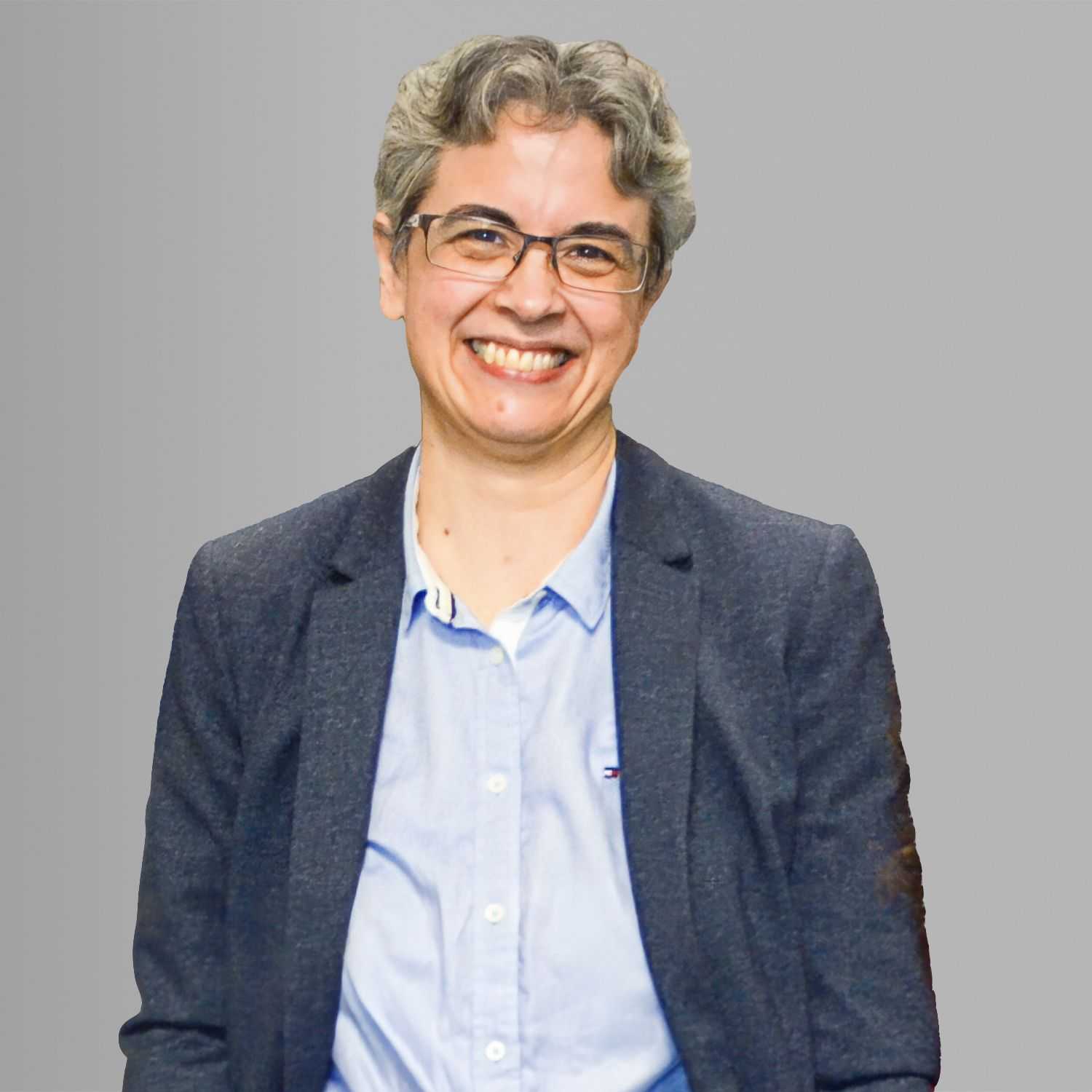
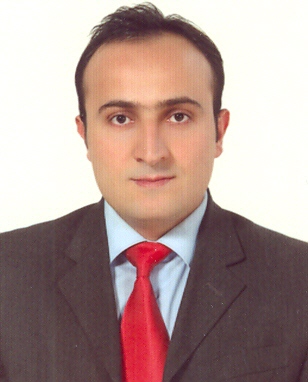
Hongyu Zhang is a Lecturer in the Department of Earth, Geographic, and Climate Sciences at the University of Massachusetts Amherst, where he contributes to the Geographic Information Science and Technology (GIST) program. He is based at the Mount Ida Campus and is actively engaged in research and teaching at the intersection of geography, technology, and ethics. Education: PhD in Geography, McGill University, 2024 MSc in Geography, Western University, 2017 Bachelor of Environmental Studies (BES) in Geomatics, University of Waterloo, 2015 (with minor in Computer Science and Diploma of Excellence in GIS) Hongyu's research focuses on geoprivacy , GeoAI , and the ethical dimensions of spatial data . He investigates how individuals disclose location information on social media, particularly in Chinese digital environments like Weibo, using mixed methods to understand the sociotechnical dynamics of privacy. His work aims to promote responsible spatial data science by bridging GIScience with human behavior and digital ethics. His recent publications and open-source contributions reflect a strong trend in social media analysis , geoprivacy discourse , and computational ethics . He develops tools and datasets to analyze privacy-related language and behavior online, with a focus on Chinese platforms. His work also extends to GIS education , where he emphasizes project-based learning to improve student employability in geospatial fields. Scientific Contributions: Development of lexicons for analyzing geoprivacy in Chinese social media Creation of datasets on microblog content and user comments Open educational resources in data science and GIS Research on algorithmic price discrimination and digital surveillance Hongyu is committed to open science and student mentorship. While no formal list of advisees is available, his teaching and project-based approach suggest active engagement with students. He has no listed scientific awards, but his research output and GitHub activity indicate a growing scholarly presence in geospatial ethics and digital society. He maintains an active research website and GitHub profile, where he shares code, datasets, and educational materials, reflecting a transparent and collaborative research philosophy.
.png)