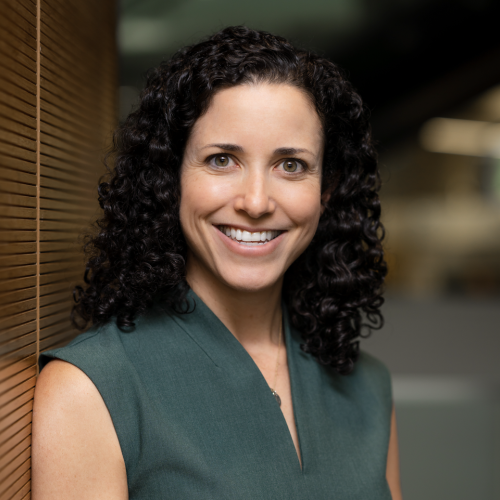
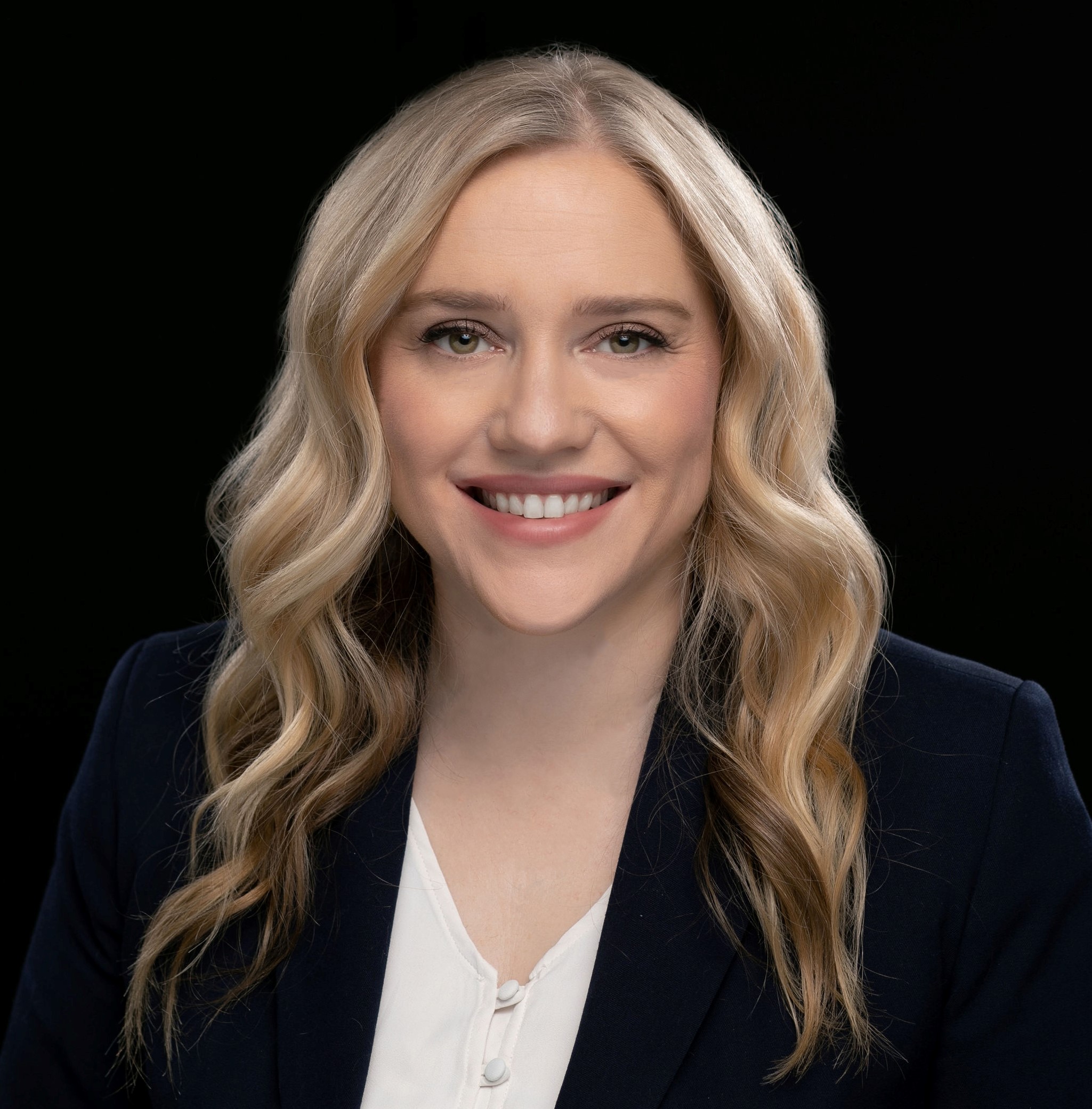
Susan Anenberg is a Professor and Chair of the Environmental and Occupational Health department at the George Washington University Milken Institute School of Public Health. She directs the GW Climate and Health Institute and serves as President of the AGU GeoHealth Section (2023-2024). Her research integrates epidemiology, atmospheric modeling, and policy analysis to quantify health impacts of air pollution and climate change. PhD in Environmental Science and Engineering from UNC (2011) Former EPA environmental scientist and U.S. Chemical Safety Board deputy director Key research themes include: Global air pollution burden of disease estimation Climate change health co-benefits analysis Satellite remote sensing for exposure assessment Environmental justice and exposure disparities GeoHealth policy frameworks Her recent work leverages geospatial datasets to reveal racial/ethnic disparities in NO2 exposure and develops decision-support tools for urban climate action plans. She has contributed to major publications in Lancet Planetary Health , Science , and Nature , and serves on advisory boards for EPA, WHO, and the U.S. National Academy of Sciences. Scientific engagement includes: Co-founding Environmental Health Analytics, LLC Technical advisory roles for Clean Air Act and climate policy Development of multi-modal vehicle electrification health impact models
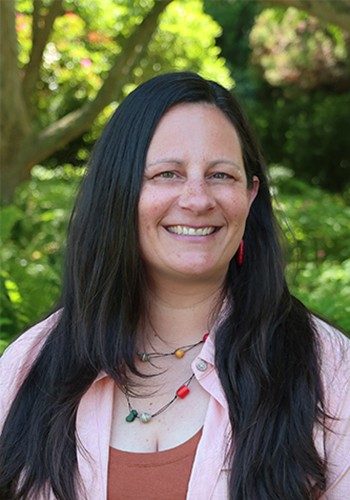
Mi-Ling Li serves as Assistant Professor of Environmental Chemistry and Toxicology at the University of Delaware's College of Earth, Ocean & Environment, holding joint appointments in the School of Marine Science & Policy and Department of Earth Sciences, Water Science & Policy Program. Her interdisciplinary research bridges environmental science and public health through the emerging field of GeoHealth. Her academic foundation includes: Sc.D. in Environmental Health from Harvard University M.Sc. in Aquatic Sciences and Environmental Health Sciences from the University of Michigan, Ann Arbor B.Sc. (Honours) in Environmental Science from Zhejiang University of Technology, China Dr. Li's research program investigates chemical sources, transport, and fate in aquatic ecosystems , with specialized focus on mercury biogeochemistry and PFAS contamination. She pioneers the application of stable isotope geochemistry to trace contaminant pathways and assess ecological-human health risks. Her work uniquely connects global environmental changes to contaminant dynamics in marine food webs, emphasizing bioaccumulation processes and exposure pathways. Analysis of her 15 most recent publications reveals dominant research themes in mercury cycling (73% of articles), PFAS monitoring (13%), and selenium-mercury interactions (7%). Methodologically, 87% employ stable isotope techniques, while 60% integrate ecosystem modeling. Key geographic foci include Arctic marine systems (40%), East Asian coastal zones (27%), and global fisheries (20%), demonstrating her transboundary approach to contaminant science. She leads the CHEER (Chemical Exposure and Environmental Research) group, which maintains an explicitly interdisciplinary framework connecting earth sciences, toxicology, and public health. The group's research scheme integrates field sampling, laboratory analysis, and computational modeling to address complex environmental health challenges in coastal and marine ecosystems.
Dr. Wael Al-Delaimy is a Professor at the Herbert Wertheim School of Public Health & Human Longevity Science at the University of California San Diego (UCSD). He holds leadership roles in multiple NIH-funded programs addressing climate change and global health equity. His research focuses on non-communicable diseases, environmental health, refugee mental health, and tobacco control, with a strong emphasis on vulnerable populations. Al-Delaimy has pioneered initiatives such as the GeoHealth Hub on Climate Change in the Middle East and North Africa, and the Global Center on Climate Change and Health-Energy-Food-Health Systems. Education: MD from Baghdad University (Iraq, 1991), PhD in Epidemiology from the University of Otago (New Zealand, 2000). Postdoctoral training at Harvard School of Public Health (2000–2004). Joined UCSD faculty in 2004, advancing to Full Professor. Research Interests: Climate change impacts on health, mental health resilience in refugees, tobacco control policies, and ethical research practices in global health. He leads programs addressing environmental justice, such as the California American Indian Tobacco Initiative Evaluation and the HRSA-funded Community Health Workers Program. Grants & Awards: Principal Investigator on NIH Fogarty grants (P20TW012709, U2RTW012228), and recipient of the 2024 UCSD Integrity Award. His work spans over 200 publications, focusing on climate change epidemiology, refugee health, and tobacco harm reduction. Labs & Teams: Director of the Al-Delaimy Research Group at UCSD, collaborating with 11 international universities. Active in the Global Mental Health Initiative and Research Ethics Training Program in Jordan.
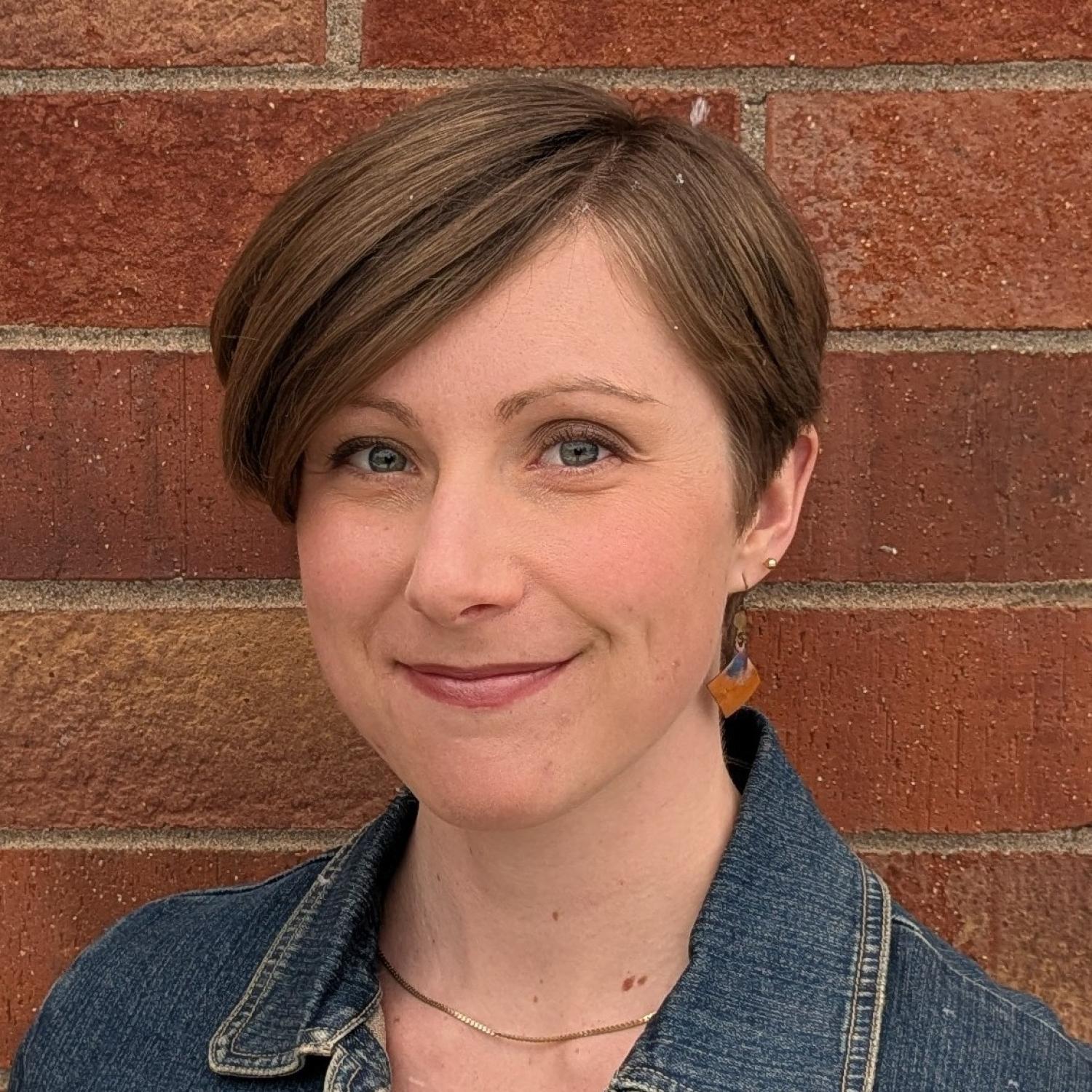
Ellen M. Considine is an incoming Assistant Professor of Geography and Fellow of CIRES at the University of Colorado Boulder, starting August 2025. Her work integrates environmental change, health and wellbeing, and data science to develop pragmatic, equitable solutions for public and planetary health challenges. Education: PhD in Biostatistics from Harvard University (2025) BS in Applied Mathematics from CU Boulder Research Interests: GeoHealth and Planetary Health Applied Statistics and Data Science Policy and Decision-Making under Uncertainty Environmental Justice in Air Quality AI/ML Applications for Climate-Health Low-Cost Sensor Networks for Equitable Monitoring Scientific Awards: American Statistical Association Student Paper Competition Winner (2024) NSF Graduate Research Fellowship (2020) CU Boulder Outstanding Graduate (2020) Publications focus on causal inference for plastic waste policy analysis, AI-driven heat alerts, sensor equity in air quality, wildfire PM2.5 modeling, and interdisciplinary data science applications. She emphasizes environmental justice and equity in all projects.
Prof. Johannes Barth, Ph.D. is a Professor and Chair of Applied Geology at the GeoZentrum Nordbayern (GeoCenter Northern Bavaria) within the Friedrich-Alexander-Universität Erlangen-Nürnberg (FAU). His office is located in Room O1.106 at Schlossgarten 5, 91054 Erlangen, Germany. With an extensive publication record spanning from 1997 to 2025, Prof. Barth has established himself as a leading researcher in hydrogeology and isotope geochemistry. Prof. Barth's research focuses on hydrogeology, isotope geochemistry, and environmental systems . His work investigates groundwater systems, carbon cycling in aquatic environments, and the application of stable isotopes to understand water-rock interactions. He has conducted significant research on karst aquifers, particularly in Sri Lanka, examining issues related to seawater intrusion, groundwater quality, and connections to public health concerns like Chronic Kidney Disease of unknown etiology (CKDu). His research often bridges fundamental geochemical processes with practical environmental and health applications. Analysis of Prof. Barth's recent publications (2023-2025) reveals a strong focus on tropical hydrogeology, isotope applications, and environmental health . His work demonstrates expertise in using stable isotopes (particularly oxygen and carbon) to trace water sources, understand biogeochemical processes, and address water quality issues. There's a notable emphasis on Sri Lankan groundwater systems and their connections to human health, as well as broader investigations of carbon cycling in freshwater ecosystems and lakes. Prof. Barth actively collaborates with researchers across multiple disciplines and countries, particularly with Sri Lankan scientists studying groundwater-related health issues. His work bridges geoscience with public health through the "One Health" approach, demonstrating the interdisciplinary nature of modern environmental research.
Kaveh Khoshnood is an Associate Professor of Epidemiology (Microbial Diseases) at the Yale School of Public Health, where he serves as Director of Undergraduate Studies and Faculty Director for the Humanitarian Research Lab. He is Program Co-Director of the Global Health Ethics Program at the Yale Institute for Global Health and an executive committee member at the Yale Council on Middle East Studies. Dr. Khoshnood's academic affiliations span multiple departments and organizations including: Epidemiology of Microbial Diseases (Primary Appointment) School of Nursing (Secondary Appointment) African Studies Center for Interdisciplinary Research on AIDS Climate Change and Health Formative Childhood and Peace Building GEOHealth-MENA program Global Health Studies Yale Center for Asylum Medicine Yale Institute for Global Health Trained as an infectious disease epidemiologist with over three decades of experience, Dr. Khoshnood specializes in HIV prevention research among people who use drugs and other at-risk populations. His research interests encompass epidemiology and prevention of HIV/AIDS, research ethics, and humanitarian health, with particular focus on health and human rights, international relations, and ethical dilemmas involving vulnerable populations. His work spans multiple continents, with active research and mentoring in China, Lebanon, and Bhutan. Dr. Khoshnood's recent scholarly output demonstrates significant contributions to understanding healthcare delivery in conflict zones, with emphasis on Ukraine, Syria, and Yemen. His work combines epidemiological methods with human rights documentation, producing actionable evidence for humanitarian response. Through the Humanitarian Research Lab, he has pioneered methodologies for documenting war crimes against healthcare infrastructure and exposed Russia's program of coerced adoption of Ukrainian children. Among his notable recognitions are the Teacher of the Year Award from the Yale School of Public Health and the Surgeon General's Certificate of Appreciation. Dr. Khoshnood has served as a consultant for the Office of AIDS Research at the National Institute on Drug Abuse, extending his impact on national health policy. As Faculty Director of the Humanitarian Research Lab, Dr. Khoshnood oversees a team that analyzes open source and remote sensing data, including satellite imagery and social media information, to document humanitarian crises and support operational response. The Lab maintains rigorous chain-of-custody procedures for data preservation to support accountability mechanisms. Their real-time analyses provide critical support to partners delivering healthcare in conflict settings worldwide.
Pablo Timoner is a Researcher at the Institute of Global Health, part of the Faculty of Medicine at the University of Geneva. He holds a PhD in Environmental Sciences (2021) and a Master’s in aquatic ecology (2017). His work focuses on climate change impacts on biodiversity, geospatial modeling for health accessibility, and river ecosystem dynamics. Currently, he collaborates with the WHO on geospatial models to enhance healthcare accessibility in emergencies and fragile contexts. Education : PhD in Environmental Sciences, University of Geneva (2021) Master’s thesis on aquatic macroinvertebrates in restored river channels, University of Geneva (2017) Research Interests : Climate change impacts on biodiversity, geospatial health service modeling, river ecosystem resilience, and freshwater invertebrate ecology. His work integrates GIS tools, biostatistical approaches, and environmental data to address global challenges in health and ecology. Articles Trends : Recent publications emphasize snow cover dynamics in Swiss alpine regions, healthcare accessibility modeling in Mali, and biodiversity shifts in freshwater ecosystems. Tools like the inAccessMod R package reflect his focus on open-source geospatial solutions. Scientific Awards : No awards explicitly listed. Advising & Grants : Collaborates on WHO-funded projects and contributes to initiatives like EUROPONDS. No formal advisees listed. Labs/Teams : Active member of the GeoHealth group, focusing on global health and environmental data integration.
Marloes J.M. Penning de Vries is an Assistant Professor in the Department of Water Resources . Her research focuses on environmental science and remote sensing applications, particularly in water resources management, hydrology, and climate change. She contributes to UN Sustainable Development Goals through studies on invasive species management, satellite data integration for health research, and estuarine dynamics. Notable work includes analyzing suspended particulate matter in the Scheldt Estuary and closing water balances via satellite gravimetry. Collaborations: International projects on estuaries, geohealth, and gravimetry. Research Outputs: Over 28 publications since 2007, with recent emphasis on remote sensing techniques. Her 2022 presentation on long-term Earth observation of SPM in the Scheldt Estuary highlights her engagement in interdisciplinary environmental studies.
Tao Hu is an Assistant Professor in the Department of Geography at Oklahoma State University (OSU), serving since 2021. He holds a PhD (2015) and BS (2009) in Geography from Wuhan University, China. Prior to OSU, he worked as a Postdoctoral Research Fellow at Harvard University's Center for Geographic Analysis (2019–2021) and Kent State University (2016–2019). Research Focus: Leverages geospatial big data (remote sensing, social media, smartphone mobility) and GeoAI models to address health disparities, environmental health, and urban sustainability challenges. Key Contributions: Over 60 peer-reviewed articles, including 5 ESI Highly Cited Papers (top 1%). Research supported by NSF, USDA, and ESIP. His work spans FAIR workflow systems, disaster public perception analysis (e.g., Ohio train derailment), heat vulnerability modeling, and healthcare accessibility via mobility data. He emphasizes reproducible GIScience and societal impact through actionable insights. Teaching includes courses on GIS in public health, health geography, and programming for geospatial applications. His lab integrates geospatial AI with health equity, environmental justice, and smart city initiatives.
Korine N. Kolivras is a Professor in the Department of Geography at Virginia Tech’s College of Natural Resources and Environment. Her research focuses on medical geography, particularly the interplay between environmental variability and human health, with a specialization in emerging infectious diseases such as Lyme disease and valley fever. She has conducted extensive studies on Lyme disease emergence in Virginia and Appalachia, linking land cover changes to disease spread. Her work also addresses environmental health disparities in Central Appalachia, examining connections between surface mining, flooding, and adverse birth outcomes. Education: Ph.D. in Geography, University of Arizona (2004); M.A. in Geography, University of Arizona (2000); B.A. in Geography, Shippensburg University (1997). Research interests include climate change impacts on health, geospatial techniques in public health, and syndemic health risks in marginalized communities. She has led trans-disciplinary projects funded by NIH, NSF, and the Powell River Project, totaling over $725,000 in grants. Notable grants include studies on adverse birth outcomes linked to surface mining and flooding’s health impacts using satellite data. Her publications span peer-reviewed journals like PLOS Water, GeoHealth, and the International Journal of Disaster Risk Reduction, emphasizing geospatial analysis of health risks. She teaches courses in medical geography, geographic theory, and climate-health linkages.
Jennifer Stowell is a Research Scientist in the Center for Climate and Health at Boston University's School of Public Health. She specializes in applying spatial and epidemiological methods to study climate change's adverse effects on human health, with a focus on vulnerable populations. Her work examines extreme heat, wildfire smoke, and prescribed fire impacts on pregnancy, birth outcomes, and children's health. Education: Postdoctoral Fellow, Rollins School of Public Health, Emory University PhD in Environmental Health Science, Rollins School of Public Health, Emory University MPH in Environmental Health, Rollins School of Public Health, Emory University BS in Geography, Brigham Young University Research interests include air pollution, urban air quality, and environmental exposures. Recent work highlights interdisciplinary approaches to climate and health linkages, wildfire smoke health impacts, and policy-relevant research. Key contributions include Lancet Countdown reports and studies on wildfire PM2.5 exposure risks in California and the southeastern US. Her research emphasizes actionable insights for public health systems, with ongoing studies on climate-driven health inequities and adaptation strategies. Collaborations focus on integrating geospatial data and epidemiological models to address climate-related health challenges.
Dr. Yunyao Li is an Assistant Professor in the Department of Earth and Environmental Sciences at The University of Texas at Arlington. Her research focuses on wildfire air quality impacts, atmospheric composition modeling, and ensemble forecasting systems for environmental hazards. She collaborates with NOAA, NASA, and other agencies to advance predictive capabilities for air quality decision-making. Research Interests: Wildfire air quality and health impact Real-time forecasting systems Data assimilation techniques Extreme weather-climate interactions Her recent work analyzes multi-model ensemble approaches to improve wildfire smoke predictions, with applications in public health risk mitigation. Publications demonstrate innovations in plume-rise parameterizations, satellite data integration, and subseasonal forecasting. Awards: National Center for Women & IT Educator Award (2025) GeoCAFE Scholar (2024) AGU GeoHealth Elevator Pitch Winner (2023) Dr. Li mentors graduate students in atmospheric science projects ranging from fire plume modeling to machine learning applications. She serves on AGU committees and contributes to WMO wildfire advisory initiatives.
Dan Brabander is a Professor of Geosciences at Wellesley College, with a focus on interdisciplinary research at the intersection of environmental geochemistry and public health. He has collaborated with institutions such as MIT’s Parsons Lab and Harvard School of Public Health, contributing to the development of the emergent discipline of 'GeoHealth.' His research explores the fate and transport of legacy metals in urban environments, sustainable agriculture, and community-driven scientific engagement. Projects led by Brabander have received media attention from NPR, Boston Globe, and Time Magazine. Ph.D., Brown University M.A., SUNY Binghamton B.S., SUNY Binghamton Brabander’s work emphasizes transdisciplinary systems thinking and project-based learning, particularly in courses like 'Paradigms, Predictions, and Joules' and 'Environmental, Health, and Sustainability Sciences.' His team includes undergraduates, community scientists, and non-profit partners. Recent publications highlight his expertise in urban geochemistry, metal contamination, and community science, with a focus on sites like Tar Creek Superfund Site and Walden Pond. His research spans microplastics, lead mobility, and innovative compost remediation techniques. Wellesley College’s Pinanski Prize for Excellence in Teaching (2010) Brabander’s collaborations with media outlets and advocacy groups underscore his commitment to actionable science and environmental justice in STEM education.
Gabriel Filippelli is a Chancellor's Professor of Earth Sciences at Indiana University (IU) and Executive Director of the IU Environmental Resilience Institute. He also directs the Center for Urban Health. His roles include Editor-in-Chief of GeoHealth and former Jefferson Science Fellow at the U.S. Department of State. Filippelli holds a Ph.D. in Earth Sciences from UC Santa Cruz (1994) and a B.S. in Geology from UC Davis (1986). His research focuses on biogeochemical cycles, climate change impacts, and urban environmental health. Key themes include lead contamination, phosphorus cycling, and the intersection of geoscience with public health. He has directed over $9M in research funding and published in high-impact journals like Science , Nature , and Geology . Recent work explores urban water quality, community-driven pollution monitoring, and planetary-scale climate dynamics. Notable contributions include linking Devonian plant evolution to mass extinctions and advocating for equitable environmental policies. Awards include the 2022 Fulbright Distinguished Chair and Chancellor’s Professor distinction. Awards: 2022 Fulbright Chair, 2021 Improving Kid’s Environment Award, 2020 Chancellor’s Professor Grants: $9M+ in research funding Labs: Biogeochemistry laboratory with advanced analytical equipment (ICP-MS, spectrometers) Community Engagement: DustSafe initiative, urban lead mapping projects
Timo Falkenberg is a faculty member and division head (Abteilungsleiter) at the Institute of Hygiene and Public Health, part of the Faculty of Medicine at the University of Bonn, Germany. He is actively involved in research and teaching, particularly in the areas of One Health, Planetary Health, and urban health. He is affiliated with the GeoHealth Centre at the University Hospital Bonn and leads research on the intersection of environmental systems and public health. His research interests focus on integrated health approaches, particularly One Health and Planetary Health, with applications in urban transformations, sustainable diets, water and health, and antimicrobial resistance. He investigates how environmental factors such as urban blue and green spaces, air and water quality, and agricultural practices influence human health. His work emphasizes intersectoral collaboration, health system strengthening, and sustainable solutions for public health challenges. The recent publications highlight a strong trend toward interdisciplinary research that bridges environmental science, public health, and social sciences. His work spans from qualitative explorations of air purifier use in daycare centers to systematic literature reviews on Earth system modeling and planetary health. A significant portion of his research is applied, involving case studies in India and Germany, and developing tools like the OHRAD for disease prioritization. The articles collectively reflect a commitment to actionable science that informs policy and practice in global and urban health contexts. Integrating portable air purifiers in German daycare centers during the COVID-19 pandemic Linking Earth System Modeling and Planetary Health One Health Operationalization in a Local Health System: Learnings From an urban City of India, Ahmedabad Integrationsmedium Wasser Urban park qualities driving visitors mental well-being and wildlife conservation in a Neotropical megacity Timo Falkenberg has been involved in multiple research projects, including "One Health and Urban Transformation", funded by NRW Forschungskolleg at the Center for Development Research, University of Bonn. He has not received any explicitly mentioned scientific awards in the provided text. He advises students and researchers, as evidenced by co-authored publications with junior researchers and PhD candidates. He is a key member of the AG Kistemann research group and the GeoHealth Centre, which brings together interdisciplinary expertise to address complex health challenges. The team conducts research on environmental microbiology, cultural aspects of water and health, development and water, and planetary health, reflecting a comprehensive approach to health in the context of global change.