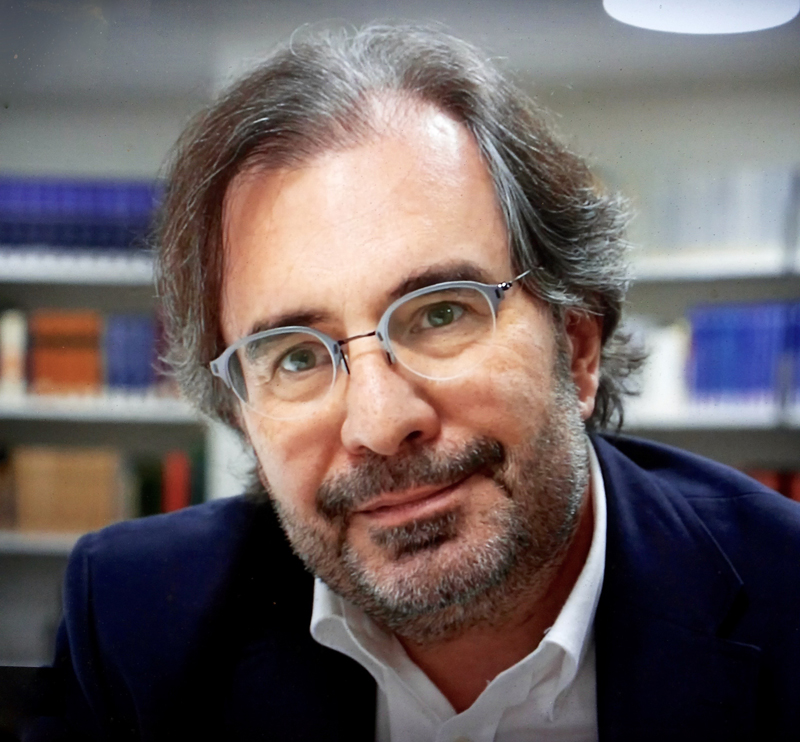
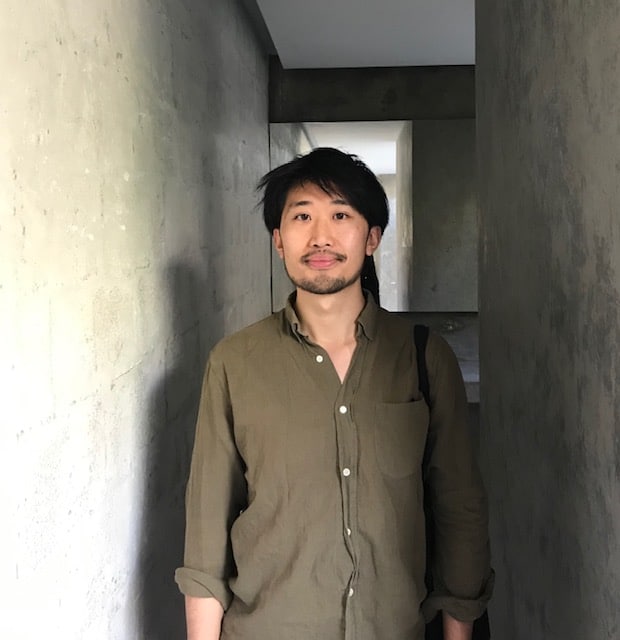
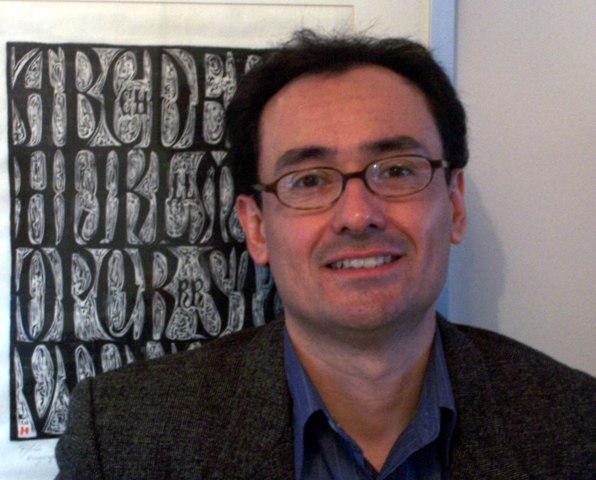
Prof. Monika Fludernik is a Professor of English Literature at the University of Freiburg since 1994, affiliated with the School of Language & Literature at FRIAS. Her academic journey includes a Dr.phil. from the University of Graz (1982), Habilitation at the University of Vienna (1992), and former roles as assistant professor (1984–1992). She is a leading figure in narratology, postcolonial studies, and medieval/Renaissance literature. Current research focuses on prison narratives and narrative structures in English literature (1250–1750). Her awards include the Perkins Prize (1996) and the Landesforschungspreis (2001). She is a corresponding member of the Austrian Academy of Sciences (since 2000) and Academia Europaea (since 2008). Her FRIAS project explores metaphor’s role in ideology and knowledge production, analyzing prison imagery as a case study. Research interests span metaphor theory, carceral imaginary, and cognitive approaches to literature. Publications include Towards a 'Natural' Narratology (1996), An Introduction to Narratology (2009), and edited volumes on postcolonialism and diaspora studies. Her articles critically examine narrative techniques, spatiality in confinement, and colonial discourse.
Michael Basseler is an Adjunct Professor of Literary and Cultural Studies at the Graduate Centre for the Study of Culture (GCSC) at Justus-Liebig-Universität Gießen. He serves as the Managing Director of GCSC/GGK and has been the academic director since 2013. His work focuses on American literature and culture, particularly on African American literature, narrative theory, and interdisciplinary resilience studies. His educational background includes a PhD dissertation on cultural memory and trauma in contemporary African American novels and a postdoctoral dissertation (Habilitation) on literature as a form of "life knowledge" through short stories from the late 19th to early 21st century. Basseler's research interests span Literary and Cultural theory, African American literature and culture, Literature and knowledge, Narrative theory and cultural narratology, Interdisciplinary resilience studies, and genre theory and history. His recent projects focus on the concept of (cultural) resilience, issues of race and racism, and post-Cold War culture. His scholarly approach integrates literary analysis with cultural studies to examine how narratives shape and reflect cultural understandings of resilience, memory, and identity. His publications reveal a consistent focus on short literary forms, particularly the short story, and their evolving functions in contemporary culture. He has made significant contributions to understanding how literature serves as "life knowledge" and how narratives engage with concepts of resilience in times of crisis. His work often bridges theoretical frameworks with close readings of specific texts to illuminate broader cultural patterns. Reviewed works in Amerikastudien/American Studies Active member of Deutsche Gesellschaft für Amerikastudien (since 2009) Founding member of European Network for Short Fiction Research (since 2014) As a supervisor, Basseler has guided numerous doctoral students through their dissertations, with a focus on contemporary cultural issues including African American identity, Caribbean literary interventions, resilience narratives, and cultural memory. His current research projects include "Narrating Resilience, Achieving Happiness?" (since 2021) and "Short Forms Beyond Borders" (EU Strategic Partnerships, 2020-2023), which explores short forms as tools for cultural, educational, and social mediation in Europe. Basseler leads an international research group and collaborates with specialists from six European universities and a private firm to develop short forms as both tools and objects of pedagogical innovation and cultural mediation, recognizing the growing relevance of brevity in contemporary society across various media forms.
Luca Zoppelli is a Professor of Musicology at the University of Fribourg, Switzerland, since 2000. Previously, he held academic positions at the University of Salento (1993–1998 as Lecturer, then Associate Professor) and taught at several Italian conservatories including Padua, Vicenza, and Lecce. His research focuses on 19th-century opera, Venetian music history, musical dramaturgy, and the aesthetics of Baroque music. He co-directs the critical edition of Vincenzo Bellini's works and served as editor of the Schweizer Jahrbuch für Musikwissenschaft / Annales Suisses de Musicologie (2008–2019). Education: Studied Musicology and Literature at Ca' Foscari University in Venice (B.A., 1984 under Giovanni Morelli). Specialized in Baroque music aesthetics, operatic narrative structures, and the interplay between music and drama. His work bridges historical analysis with contemporary musicological methodologies. Research interests prominently feature operatic composition processes, the role of narrative in music, and the socio-political dimensions of 19th-century Italian opera. His publications critically analyze composers like Rossini, Verdi, Wagner, and Bellini, with notable contributions to understanding musical dramaturgy and the evolution of operatic forms.
Kasper Welbers is an Associate Professor at the Department of Communication Science, Faculty of Social Sciences, Vrije Universiteit Amsterdam. He holds additional appointments at the Network Institute and the Communication Choices, Content and Consequences (CCCC) research group. He is co-Director of The Societal Analytics Lab, Vice Chair of the Computational Methods Division at the International Communication Association (ICA), and a scientific representative of the OPINION COST Action network. His research focuses on computational communication science, journalism, and political communication, particularly exploring how news spreads and the role of gatekeepers in media systems. He develops open-source tools for research and advocates for reproducible computational methods. Education and Academic Background: While formal education details are not explicitly provided, his academic trajectory is evident through his faculty role and publications. Research Interests: Welbers combines methodological innovations with substantive research on news diffusion, media gatekeeping, and computational text analysis. His work addresses topics like dark platforms' agenda-setting roles, automated content analysis techniques, and the impact of platform policies on data donation studies. He emphasizes ethical research practices and open-source infrastructure development. Grants and Awards: He received the Faculty of Social Sciences Dissertation Award (2017) and Teacher Talent Award (2019), highlighting both research and pedagogical excellence. Labs and Collaborations: His work is anchored in The Societal Analytics Lab, fostering interdisciplinary research on societal challenges through computational methods. Collaborations span global networks like the OPINION COST Action, addressing cross-cultural media dynamics. Teaching: He teaches courses such as Computational Analysis of Digital Communication and contributes to curriculum development in AI ethics and data science for societal issues.
Kalina Bontcheva is a Senior Researcher in the Natural Language Processing Group within the Department of Computer Science at the University of Sheffield. She holds an EPSRC Career Acceleration Fellowship (working part-time since October 2015) focused on personalized summarization of social media content. Her research spans multiple EU-funded projects including PHEME (computing veracity of social media), TrendMiner, DecarboNet, and uComp, with significant contributions to the GATE (General Architecture for Text Engineering) open-source NLP infrastructure since 1999. Dr. Bontcheva's research interests focus on the intersection of natural language processing and social media analysis. Her work encompasses NLP for social media, semantic search, information extraction from social platforms, crowdsourcing of NLP corpora, collaborative text annotation, semantic technologies, and text mining and analytics. She has particular expertise in developing methods for personalized, abstractive multi-document summarization across different social media platforms, addressing the challenges of noisy, jargon-filled and dynamic content. Her interdisciplinary approach combines machine learning, semantic technologies, and social dimension analysis to create systems that adapt to individual users' information seeking goals. Analysis of her recent publications reveals a strong focus on social media processing challenges, with emphasis on Twitter analysis, temporal expression recognition, and handling noisy text. Her work consistently addresses the unique characteristics of social media content and develops specialized techniques for information extraction, sentiment analysis, and user geolocation within these platforms. The GATE framework serves as the foundation for much of her tool development, demonstrating her commitment to creating reusable, open-source NLP infrastructure. Her most significant award is the EPSRC Career Acceleration Fellowship, which supports her work on personalized social media summarization. This prestigious fellowship includes a substantial budget of £560k and involves collaborations with industry partners including The Press Association, British Telecom, and Fizzback. Dr. Bontcheva has led numerous major research projects throughout her career. She was Principal Investigator on three EU-funded projects (MUSING, TAO, and ServiceFinder) between 2006-2009, coordinating the TAO consortium with seven partner institutions. She currently leads the PHEME EU project and serves as PI for TrendMiner and DecarboNet European projects, while also contributing as Co-I on the uComp project. Her project portfolio demonstrates consistent success in securing competitive research funding across multiple domains within NLP and semantic technologies. She works within the Natural Language Processing Group at the University of Sheffield, which has been central to the development of the GATE infrastructure. Her work connects with various initiatives including the GATE Cloud platform and the TextVRE project for e-humanities textual studies. She has established collaborations with organizations including the Press Association, British Telecom, Oxford Internet Institute, and Sheffield's Department of Journalism to ensure her research addresses real-world needs across different user communities.
Kenneth Yu is an Assistant Professor in the Department of Classics at the University of Toronto, with additional affiliation to the Department for the Study of Religion. His research intersects Imperial Greek literature, ancient religious frameworks, and classical scholarship methodologies. University of Toronto (St. George Campus) Department of Classics & Department for the Study of Religion Academic rank: Assistant Professor Yu's scholarly focus spans three key areas: Analysis of Greek religious epistemology and its disciplinary history Commentary practices in antiquity across philosophical and literary texts Evolution of aetiological reasoning from Homeric hymns to Imperial ethnography His recent publications and projects include: Problems in Greek Religion: Constructing the Gods between Thauma and Philology (monograph) Co-edited volume The Oxford Handbook of Global Commentary (2020-25 SSHRC-funded) Titles in Ancient Greek Literature: Forms, Practices, and Theories (2022-25 SSHRC-funded) Yu has held distinguished fellowships at: Collège de France Hardt Foundation (Switzerland) Institute of Classical Studies (University of Leuven) Center for Hellenic Studies (2022-23) His academic credentials include: AB & PhD in Classics, University of Chicago
Yin Liu is a Professor and Department Head of English at the University of Saskatchewan’s College of Arts and Science. She holds a Ph.D. from the University of Alberta and specializes in medieval English language, literature, and digital humanities. Her research focuses on Middle English romances, medieval manuscript studies, and the intersection of textual and visual communication. Current projects include the Medieval Codes initiative. Education: B.A. and Ph.D. (English) from the University of Alberta. Research interests include: Medieval English language and literature History of the English language Manuscript studies Medieval reading practices Digital humanities applications Teaching includes courses like Middle English Romances and historical linguistics. She has been honored with three Teaching Excellence Awards (2005, 2017, 2018) from the University of Saskatchewan. Her work bridges textual analysis and digital innovation, exploring how medieval texts were read, annotated, and transmitted. She supervises graduate students in English and collaborates on interdisciplinary projects such as ArchBook and the Oxford English Dictionary’s historical methodologies.
Paul Firbas is an Associate Professor in the Department of Hispanic Languages and Literature at Stony Brook University, with affiliations in the Department of History. He holds a Ph.D. from Princeton University (2001), an M.A. from the University of Notre Dame (1995), and a B.A. from Universidad Católica del Perú (1992). Previously, he was an Assistant Professor at Princeton University (2001-2007) and a Visiting Professor at Columbia University (Spring 2007). Education: Ph.D., Princeton University, 2001; M.A., University of Notre Dame, 1995; B.A., Universidad Católica del Perú, 1992 His research focuses on Epic Poetry , Colonial Latin American Literature , Textual Criticism , Colonial Geopolitics , and Digital Humanities . He has extensively studied Spanish-American texts from the colonial period, particularly those discussing transatlantic South America's geography, information circulation, and moral geography. His work bridges literary analysis with historical documentation, emphasizing the role of epic poetry in shaping colonial identity. Recent publications include a 2025 digital humanities project on Magellanic route information flows, the 2023 two-volume edition of Lima's early news-sheets, and critical studies on 18th-century Lima's satire (2009), 16th-17th century Peruvian poetry (2019), and 2006 critical edition of 'Armas antárticas' . These works highlight transatlantic networks, geopolitical shifts, and literary responses to colonial crises. He has co-edited multiple volumes, including 'La biblioteca del Inca Garcilaso' (2016) and 'La forma inicial' (2015), a conversation book with Ricardo Piglia. His research also intersects with documentary film studies, as seen in 'Conversaciones en Princeton' (1998), co-edited with Pedro Meira Monteiro.
Patrick Moran is an Associate Professor of French in the Department of French, Hispanic & Italian Studies at the University of British Columbia's Faculty of Arts. He joined UBC in 2018 after teaching positions at Université Paris-Sorbonne, Université Lyon 2, Université Montpellier 3, McMaster University, University of Ottawa, and Université Laval. Moran holds a PhD from Université Paris-Sorbonne and is an alumnus of the École Normale Supérieure (Paris). Moran specializes in medieval French literature with particular focus on Arthurian romance from the 12th and 13th centuries. His research uniquely bridges literary theory—especially reader-response theory, narrative theory, and cognitive poetics—with material philology and codicology. He has also published significant research on fantasy fiction and modern medievalism, while himself being an author of two fantasy novels and multiple science fiction short stories. His scholarly work examines medieval narrative genres, manuscript studies, and the intersection between theoretical approaches and textual materiality. Moran's research output shows a clear trajectory from his doctoral work on inter-romanesque networks in Grail cycles to broader investigations of genre theory, narrative structure, and the reception of medieval literature. His 2019 Cambridge University Press monograph The Canons of Fantasy: Lands of High Adventure represents a significant expansion of his scholarly interests into fantasy literature studies. His recent publications increasingly explore the connections between medieval narrative techniques and contemporary interactive media. SSHRC Insight Development Grant (2019-2022): Literary Genre in the French-Speaking Middle Ages: From Manuscript Studies to Cognitive Theory UBC Public Humanities Hub Project (2020): Tracing the Scribe: Reassessing Professional Networks in the Paris Book Trade (collaborative project) Moran maintains an active research agenda with publications spanning medieval French literature, Arthurian studies, narrative theory, and fantasy literature. His work demonstrates how medieval textual practices continue to inform contemporary narrative forms, from traditional scholarship to digital media and interactive fiction.
Sheena Gardner is a Professor of Applied Linguistics at Coventry University, associated with the Research Centre for Arts, Memory and Communities. She previously held roles as Head of English and Languages at Coventry and as Reader in Educational Linguistics at the University of Birmingham. Her research focuses on genre analysis, corpus linguistics, educational linguistics, and systemic functional linguistics, with a particular emphasis on English for academic purposes and multilingual education contexts. She has extensive international experience in Malaysia, Botswana, Pakistan, and China, and has contributed over 70 publications in leading journals such as Applied Linguistics and TESOL Quarterly . Her work integrates teaching and research, exploring language use in diverse educational settings. Recent research includes analyzing language in pandemic communication, student writing practices, and stakeholder engagement in Pakistan. She actively collaborates internationally and has presented at numerous conferences. Gardner is committed to advancing pedagogical approaches that address linguistic diversity and improve academic writing instruction. She currently supervises PhD students and advocates for inclusive educational practices. Key areas of expertise include corpus-driven analysis of student feedback, cross-linguistic comparisons in academic writing, and the application of systemic functional linguistics to genre pedagogy. Her research often addresses issues of equity, such as attainment disparities in higher education and strategies for enhancing diversity in academic environments.
Renáta Pavlová, PhD is a Lecturer for Slovak language at the Institute of Slavic Linguistics and Cultural Studies, Faculty of Humanities, University of Regensburg since September 2020. Previously, she served as a Scientific Assistant at Constantine the Philosopher University in Nitra (2017-2020) and as a Slovak Language Lecturer at the Slavic Institute, University of Cologne (2016-2013). Her academic journey includes completing her PhD at Constantine the Philosopher University in Nitra in 2011 with a dissertation on 'Slovak as a Foreign Language.' Dr. Pavlová's educational background includes: Studies in Slovak Language and Literature – German Language and Literature at Constantine the Philosopher University, Nitra (1998-2003) PhD in Slovak as a Foreign Language from Constantine the Philosopher University, Nitra (2011) Dr. Pavlová's research focuses on three interconnected areas: Slovak as a foreign language with emphasis on linguodidactic aspects, machine translation between German and Slovak, and the development of reading comprehension in foreign language learning. Her work in linguodidactics examines effective teaching methodologies for Slovak language acquisition, while her machine translation research analyzes error patterns and quality assessment. The reading comprehension strand investigates intervention programs for developing literacy skills in both native and foreign language contexts, with applications across primary and secondary education levels. Her recent publications demonstrate a consistent focus on the intersection of language learning, technology, and literacy development. The trend shows increasing attention to machine translation quality assessment, particularly examining morphosyntactic and lexical errors in German-Slovak translation. Her work also reveals a strong commitment to practical applications, with numerous publications on language testing, certification (particularly ECL exams), and intervention programs for reading comprehension. The collaborative nature of her research is evident through multiple co-authored works with colleagues across various institutions. Dr. Pavlová has been involved in several significant research projects including VEGA projects on reading comprehension development (2019, 2017), APVV projects on machine translation error classification (2018), and KEGA projects on language preparation (2019). She also contributed to international initiatives like EUROPODIANS (2009) for developing online Slovak courses and EURONOUNCE (2009) analyzing Slovak pronunciation by German speakers. As an educator, Dr. Pavlová teaches various Slovak language courses at University of Regensburg, including Slovak I, Slovak III (general and translation-specific), Slovak Conversation, and specialized seminars on Machine Translation. She actively participates in cultural outreach, having recently attended events with the Slovak Ambassador and the President of the Slovak Republic, demonstrating her role in promoting Slovak language and culture internationally.
Lucia Busso is a Researcher at Aston University, affiliated with the Research Centre for the Humanities and the Aston Institute for Forensic Linguistics within the College of Business and Social Sciences. Her research focuses on usage-based models of language, corpus linguistics, cognitive linguistics, and experimental methods applied to forensic and sociolinguistic contexts. She holds a PhD in Linguistics from Università di Pisa (2015–2018), awarded in 2019. Her work spans topics such as valency coercion in Italian, construction grammar, forensic linguistic analysis, and corpus-driven studies of media representation. Key areas include analyzing power dynamics in online communities, legal-lay language differences, and metaphorical discourse in pandemic reporting. She contributes to interdisciplinary projects, including the development of specialized corpora like CorIELLS and the Aston Forensic Linguistic Databank (FOLD). Busso’s research highlights the intersection of cognitive and corpus-based approaches, with recent studies emphasizing forensic applications, gender-based violence representation, and sociolinguistic patterns in Italian and English. Her methodologies integrate computational tools, experimental psychology, and qualitative discourse analysis. Her articles reflect a commitment to advancing linguistic theory while addressing real-world issues like media framing, legal language, and anonymous communication dynamics. She actively engages in public outreach, such as the CorpusCast podcast episode on forensic linguistics.
Alessandro Lameiras Koerich is a Professor in the Department of Software Engineering and IT at École de technologie supérieure (ÉTS), part of the Université du Québec network in Montreal, Canada. He is affiliated with the LIVIA (Imaging, Vision and Artificial Intelligence Laboratory), where he conducts research in machine learning, computer vision, and pattern recognition. His work focuses on developing AI solutions for real-world applications in healthcare, security, and multimedia analysis. His research interests span multiple domains of artificial intelligence, with particular emphasis on multimodal machine learning, affective computing, and trusted machine learning systems. Dr. Koerich's work explores how AI can interpret human emotions through facial expressions and audio analysis, develop robust models resistant to adversarial attacks, and create efficient learning systems that can adapt to changing data streams. His research bridges theoretical advances with practical applications in healthcare monitoring, security systems, and multimedia content analysis. Analysis of his recent publications reveals a strong focus on multimodal emotion recognition, with increasing emphasis on transformer architectures, knowledge distillation techniques, and addressing challenges in real-world settings (in-the-wild recognition). His work consistently combines computer vision with audio processing, demonstrating expertise in both visual and auditory modalities for affective computing applications. Recent trends show growing interest in large language models for audio classification and addressing challenges of concept drift in text stream mining. Dr. Koerich actively supervises numerous graduate students across various research projects, with a particular focus on multimodal expression recognition, music genre classification, and robust machine learning systems. His collaborations span multiple institutions and research groups, reflecting the interdisciplinary nature of his work in artificial intelligence. He is a key member of the LIVIA laboratory, which has established ÉTS as a leading institution in computer vision research in Canada (ranked 6th according to CSRankings). The laboratory focuses on solving real-life problems through AI engineering, particularly in developing complex deep learning models with massive amounts of data that have incomplete annotations.
Scott Jarvis is a Professor in the Department of English at Northern Arizona University with an extensive research portfolio spanning linguistics and language acquisition. His scholarly impact is evidenced by an h-index of 26 and 4029 citations according to Scopus metrics. Dr. Jarvis's research focuses on second language acquisition , language assessment , and cross-linguistic influences . His work examines language attrition among Macedonian L2 learners, conceptual transfer mechanisms between languages, and lexical diversity patterns across media contexts. The research fingerprint analysis shows strong associations with English (100%), Lexical studies (61%), Finnish language (58%), Swedish language (54%), and Native Speaker phenomena (47%). Recent publications demonstrate increasing interdisciplinary applications of linguistic research, particularly in forensic contexts (Miranda rights comprehension analysis) and digital humanities (TV genre prediction through lexical analysis). His methodological approaches range from Rasch analysis for assessment tools to multivariate modeling for corpus linguistics. With 59 scholarly works documented since 2000, Dr. Jarvis maintains consistent research productivity with publications appearing through 2024. His work shows international collaboration patterns and appears in journals spanning applied linguistics, language assessment, and forensic linguistics.
Professor Anna Wojciechowska is a distinguished faculty member at the University of Zielona Góra, where she serves as Professor in the Department of Linguistics within the Faculty of Humanities. She holds the prestigious position of Director of the Doctoral School of Humanities and Social Sciences and is an active member of the University Senate for the 2020-2024 term. Her academic career has been deeply rooted at her alma mater since her graduation with distinction from the Polish Studies Department in Zielona Góra. Graduated with distinction from Polish Studies Department at University of Zielona Góra Completed research internship at University of Wrocław under Professor Jan Miodek (1993) Doctoral dissertation prepared under Professor Marian Bugajski, defended at University of Wrocław (1997) Habilitation monograph published in 2012, earned habilitation from University of Silesia in Katowice (2013) Professor Wojciechowska's research spans multiple dimensions of linguistic inquiry, with particular emphasis on the pragmatic and genological aspects of linguistic communication across both synchronic and diachronic perspectives. Her scholarly journey began with stylistics and cultural linguistics, focusing on individual language determinants, before expanding to contemporary press statements and digital communication. Her historical linguistic research has examined manuscripts from the partition period and meeting minutes from Polish social associations, culminating in her habilitation work on 19th-century community protocols. Her research methodology integrates textual analysis with sociolinguistic theory to explore how language functions within specific cultural and historical contexts. Analysis of Professor Wojciechowska's publication record reveals a consistent scholarly trajectory centered on Polish linguistic traditions, with particular focus on epistolary discourse and protocol communication. Her work demonstrates methodological diversity, employing both qualitative discourse analysis and quantitative linguistic approaches. A significant portion of her research examines the intersection of language with cultural memory, particularly through examination of literary correspondence and institutional documentation. Her recent publications show increasing engagement with digital communication while maintaining her foundational expertise in historical linguistics and genre studies. Director of the Doctoral School of Humanities and Social Sciences Member of the Senate of the University of Zielona Góra (2020-2024) Active participant in the Polish Linguistic Society Member of the Society of Polish Language Enthusiasts Professor Wojciechowska has supervised numerous bachelor's, master's, and doctoral theses throughout her career. She served as secretary for three academic conferences and supervised the 'Sem' Student Linguistics Club for ten years. She participated in two research projects sponsored by the Ministry of Science and Higher Education as part of the National Program for the Development of Humanities (2012-2014). She has been instrumental in developing study programs for Polish Philology with journalism specialization and Media Communication, and is the author and co-author of two ECTS guides. Her organizational contributions include co-founding the Language Counseling Center at the Department of Linguistics. Professor Wojciechowska co-founded and continues to be actively involved with the Language Counseling Center at the Department of Linguistics, University of Zielona Góra. She has been a key member of the 20th/21st Century Literature and Fairy Tale Research Workshop, collaborating with colleagues across various linguistic disciplines. Her work with the Language Counseling Center demonstrates her commitment to practical language application and community engagement, bridging academic research with real-world language challenges.