Dr. Evelina Akimova is an Assistant Professor of Sociology at Purdue University. Her research integrates social science genomics , chronotype analysis , and quantitative causal inference to explore health inequalities and career trajectories.
Elizabeth Rebecca Hauser is a Professor of Biostatistics & Bioinformatics at Duke University and Member of the Duke Molecular Physiology Institute, leading research in statistical genetics and biostatistics with focus on gene-environment interactions in human diseases. Her work bridges computational methods with biomedical applications across multiple disease domains. Her educational qualifications include: Ph.D. in Biostatistics, University of Michigan, Ann Arbor (1998) M.S. in Biostatistics, University of Michigan, Ann Arbor (1992) M.H.S., Johns Hopkins University (1985) Dr. Hauser's research integrates statistical genetics, genetic epidemiology, and biostatistics to investigate cardiovascular disease, Gulf War Illness, colon cancer, suicide, exercise behavior, aging, and kidney disease. She develops methods for gene mapping and genetic association studies while emphasizing environmental interactions, with recent work leveraging large veteran cohorts like the Million Veteran Program. Her approach combines computational biology with clinical applications to advance personalized medicine. Analysis of her 2024-2025 publications reveals strong thematic focus on veteran health outcomes, particularly Gulf War Illness multimorbidity patterns, cardiovascular genetics through lipoprotein analysis, colorectal cancer risk recalibration, and suicide prevention. These studies consistently employ advanced statistical modeling of genetic and 'omics data within large cohorts, demonstrating methodological innovation in electronic health record analysis and risk prediction. Dr. Hauser directs multiple major grants including: Duke University Program in Environmental Health (NIEHS, 2019-2029) The Effect of Exercise on T Cell Aging in Rheumatoid Arthritis (NIA, 2024-2029) Accelerated Aging in Gulf War Illness (DoD, 2023-2027) Skeletal Muscle Molecular Drug Targets for Exercise-induced Cardiometabolic Health (NHLBI, 2021-2026) Duke CARiNG-StARR Residency Program (NIH, 2020-2025) She co-leads research teams within the Duke Center for Statistical Genetics and Genomics and Duke Molecular Physiology Institute, fostering collaborative projects that integrate statistical methodology development with biomedical discovery across cardiovascular, neurological, and cancer research domains.
Zhicheng Ji is an Assistant Professor of Biostatistics & Bioinformatics at Duke University, affiliated with the Division of Integrative Genomics. His research focuses on developing computational methods for single-cell RNA-seq , spatial transcriptomics , and genomic data analysis . He teaches courses like BIOSTAT 824: Case Studies in Biomedical Data Science . Research Highlights : Statistical modeling of microbiome data Machine learning for cell segmentation T cell immunology in cancer Multi-omics data integration Spatially variable gene detection Foundation models for epigenetics Scientific Awards : NIGMS Grant (2024-2029) for spatial transcriptomics NIEHS Grant (2023-2028) on PFAS exposure NSF ERC PreMiEr (2022-2027) NCI Grant (2022-2027) on ferroptosis
Seung Yeoun Lee is a Professor in the Department of Mathematics and Statistics at Sejong University, where he has been faculty since 1993. His research focuses on applying advanced statistical methodologies to biomedical problems, particularly in cancer research and survival analysis. He serves as Vice President of the Korean Statistical Society and previously served as President of the International Biometric Society Korean Region from 2016-2017. Education: Ph.D. in Statistics, University of Michigan (1990) M.S. in Statistics, Seoul National University (1986) B.S. in Statistics, Seoul National University (1984) Professor Lee's research primarily centers on survival analysis methodologies and their applications in biomedical research, with a particular emphasis on gene-gene interactions and clinical trial statistics. He has pioneered innovative approaches including the Cox model based unified MDR method for gene-gene interaction analysis for survival phenotypes. His work bridges mathematical statistics with practical medical applications, particularly in pancreatic cancer diagnostics and prognostics. The fingerprint analysis of his work shows strong connections to Dimensionality Reduction (94%), Pancreas Cancer research (89%), and Gene Interaction studies (64%). His recent publications demonstrate a clear trend toward interdisciplinary research combining traditional biostatistical methods with modern machine learning approaches. Many papers focus on survival prediction models, dimensionality reduction techniques, and applications to pancreatic cancer research. His work consistently involves international collaborations across statistics, oncology, and computational biology fields, reflecting the highly interdisciplinary nature of modern biomedical research. Professor Lee has made substantial contributions to biostatistical methodology with an h-index of 22, reflecting the impact of his 89 research publications. His work contributes to UN Sustainable Development Goals related to good health and well-being through advanced statistical approaches to medical research. His research group focuses on developing and applying advanced statistical methods to solve complex biomedical problems, with particular emphasis on cancer research and survival analysis. The interdisciplinary nature of his work suggests extensive collaborations with medical researchers, oncologists, and computational biologists across multiple institutions.
Joshua Warren is a Professor in the Department of Biostatistics at the Yale School of Public Health. He holds appointments in Climate Change and Health, Public Health Modeling, the Yale Superfund Research Center, and the Yale-BI Biomedical Data Science Fellowship. His academic journey includes a PhD in Statistics from North Carolina State University (2011), an MS from the same institution (2009), and a postdoctoral fellowship at UNC Chapel Hill (2014) before joining Yale. Warren's research focuses on developing hierarchical Bayesian methods for spatial and spatiotemporal data, assessing environmental exposures' impact on human health, and characterizing infectious disease spread. His work frequently involves introducing spatial and spatiotemporal models in Bayesian settings to study associations between environmental exposures like air pollution and health outcomes including preterm birth, low birth weight, and congenital anomalies. He also applies these methods in collaborative settings including epidemiology, geography, nutrition, and glaucoma research. His 15 most recent publications demonstrate extensive work at the intersection of environmental health, spatial statistics, and public health. The research spans air pollution health effects, tuberculosis transmission modeling, heat wave impacts on birth outcomes, and statistical methodology development. His work shows particular strength in applying Bayesian approaches to complex spatial and temporal data in public health contexts. Coauthor, Kenneth Rothman Epidemiology Prize Paper (2018) First Author, Best Paper in Biometrics (2012) Warren serves as Associate Editor for Statistics in Biosciences (2015-present) and previously for the Journal of the American Statistical Association (2018-2020). He has reviewed for the Health Effects Institute (2019), Swiss National Science Foundation (2017), and NIH study sections (2016). His collaborative network includes researchers like Nicole Deziel, Daniel Weinberger, Ted Cohen, and Xiaomei Ma. His laboratory focuses on statistical methods development with applications to public health problems, particularly those involving spatial and temporal data structures. Warren's work bridges theoretical statistics with practical public health applications, making significant contributions to how we understand environmental health risks and infectious disease dynamics.
Shengxian Ding is a Postdoctoral Associate at the Yale School of Public Health , focusing on Biostatistics, Neuroscience, and Public Health . Her research develops advanced statistical models for biomedical data analysis. Her work includes 2025: Subgroup Mediation Analysis , 2024: Shape Mediation in Alzheimer’s Disease , and 2023: Tumor Growth Quantification via MRI , reflecting expertise in Regression Models, Neuroimaging, and Computational Biology . Contact: naomi.ding@yale.edu
Tormod Rogne, MD, PhD, is an Assistant Professor Adjunct in Chronic Disease Epidemiology at the Yale School of Public Health. His research focuses on perinatal epidemiology, with particular interest in how climate change affects pregnancy, modifiable risk factors on reproductive health, and the long-term health consequences of being born preterm. He applies modern epidemiological methods including Mendelian randomization, negative controls, and genetic epidemiological approaches to address clinically relevant questions using high-quality population-based data. MD from Norwegian University of Science and Technology, NTNU (2015) PhD from Norwegian University of Science and Technology, NTNU (2016) Residency at Akershus University Hospital and Ski Municipality (2018) Fulbright Scholar at Yale School of Public Health (2019) Postdoctoral Scholar at Norwegian University of Science and Technology, NTNU (2021) Dr. Rogne's research spans several key areas of perinatal and environmental epidemiology. He investigates how environmental factors like climate change and temperature extremes affect pregnancy outcomes and child health. His work also explores the genetic and environmental determinants of reproductive health and adverse pregnancy outcomes. Of particular note is his research on how being born preterm affects long-term risk of cardiovascular and infectious diseases. Dr. Rogne emphasizes the use of high-quality data from population-based cohorts and national registries, applying sophisticated methods like negative controls, inverse-probability weighting, and genome-wide association analyses to ensure robust findings. His recent publications reveal a strong methodological focus on Mendelian randomization techniques to establish causal relationships in perinatal health. His work spans cardiovascular epidemiology, infectious disease epidemiology, and environmental health, with consistent themes including climate change impacts on pregnancy, socioeconomic determinants of health outcomes, and the developmental origins of disease. The geographic scope of his research includes both high-income settings like Norway and global health contexts in Africa. Fulbright Scholarship (2017) Tom Wilhelmsen Foundation's Research Stipend (2013) Dr. Rogne maintains active collaborations with multiple researchers including Andrew DeWan, Xiaomei Ma, Joshua Warren, Kai Chen, Rong Wang, and Zeyan Liew. His work is supported by various research initiatives including the Fulbright Program and the Tom Wilhelmsen Foundation. He is affiliated with the Yale Center for Perinatal, Pediatric and Environmental Epidemiology, where he contributes to advancing research on women's and children's health through epidemiologic studies investigating environmental, genetic, and clinical factors. As part of the Yale Center for Perinatal, Pediatric and Environmental Epidemiology, Dr. Rogne works within a collaborative team focused on promoting women's and children's health through rigorous epidemiologic research. The Center, originally founded in 1979 as the Yale Perinatal Epidemiology Unit, continues to be a leader in investigating how environmental, genetic, and clinical factors impact pregnancy, birth, and childhood development.
Gabriel Dallago serves as Assistant Professor in the Department of Animal Science within the Faculty of Agricultural and Food Sciences at the University of Manitoba. His research integrates advanced data analytics with livestock production systems to enhance animal welfare and farm decision-making processes. His educational background includes: PhD from McGill University, Canada MSc from Federal University of the Vales of Jequitinhonha and Mucuri, Brazil BSc from Federal University of the Vales of Jequitinhonha and Mucuri, Brazil Dallago's research program centers on machine learning and deep learning applications for livestock management. Key initiatives include developing predictive models for animal bio-responses, integrating multimodal data streams to analyze complex farm systems, and optimizing dairy cow longevity through data-driven interventions. His work bridges computational science with practical agricultural challenges, focusing on tangible improvements in production efficiency and animal well-being. Precision monitoring of dairy cow behavior and welfare Early-life management impacts on herd productivity Computer vision applications for livestock assessment Economic modeling of livestock production systems Analysis of his 15 most recent publications (2022-2025) reveals strong thematic concentration in dairy science (47%), swine production (20%), and animal nutrition (20%), with consistent application of computational methods. Notable trends include increasing use of machine learning for welfare assessment (evident in 60% of recent works), growing emphasis on economic sustainability metrics, and innovative sensor integration for real-time livestock monitoring. Dallago teaches ANSC 7500 (Methodology in Agricultural and Food Sciences) and AGRI 4100 (Current Issues in Agricultural Systems), though specific advising relationships and grant details remain unreported in available materials. His research appears to operate through interdisciplinary collaborations leveraging computational tools and on-farm data collection systems, though dedicated laboratory descriptions are absent from current documentation.
Anna Green is an Assistant Professor at the Manning College of Information & Computer Sciences (CICS) at the University of Massachusetts Amherst. She directs the Sequence Analysis and Genomics (SAGE) lab, which focuses on developing computational methods to understand genetic variation, with special emphasis on antibiotic-resistant bacteria. Her research integrates machine learning with genomic analysis to predict antibiotic resistance and understand its genetic basis. Education: Postdoctoral Fellow in Biomedical Informatics (2023) - Harvard Medical School PhD in Systems Biology (2019) - Harvard University BS in Molecular and Cell Biology (2013) - University of Connecticut Her research program at SAGE Lab focuses on: Applying machine learning to genomic sequences to predict antibiotic resistance Developing interpretable models of resistance mechanisms in bacteria Studying evolutionary patterns in Mycobacterium tuberculosis populations Discovering protein interactions through computational analysis of genomic sequences Building frameworks for coevolutionary sequence analysis Her recent publications demonstrate a consistent focus on antimicrobial resistance mechanisms in tuberculosis using cutting-edge computational approaches. Research spans machine learning applications, genomic dependency analysis, transcriptomic responses, and protein interaction mapping, consistently addressing public health challenges posed by evolving bacterial resistance. Dr. Green teaches several courses including: Introduction to Computational Biology and Bioinformatics (INFO 390C) Computational Biology and Bioinformatics (CS 690U) Machine learning on biological sequence data (CS 692X) She directs the SAGE Lab at UMass Amherst, where her team develops computational methods to combat antibiotic resistance through genomic analysis and predictive modeling.
Associate Professor On Sun Lau serves as Associate Professor and Assistant Head of Department in the Department of Biological Sciences at the National University of Singapore (NUS), concurrently holding the position of Associate Director at the Research Centre on Sustainable Urban Farming (SUrF). His institutional address is 14 Science Drive 4, Singapore 117543. Dr. Lau's educational foundation includes: Postdoctoral training at Stanford University Ph.D. from Yale University B.Sc. and M.Phil. from The Chinese University of Hong Kong His research investigates environmental influences on plant development using stomata as a model system, focusing on signaling networks controlling gas-exchange pores through multidisciplinary approaches spanning cell biology, biochemistry, genetics, and genomics. This work bridges fundamental mechanisms with agricultural applications for improving photosynthetic efficiency and water usage in crops. Analysis of 15 recent publications reveals consistent emphasis on stomatal development mechanisms, particularly transcription factor regulation (SPEECHLESS), environmental signaling pathways (light, temperature, hormones), and molecular techniques like MOBE-ChIP for cell-specific chromatin studies, with increasing translational focus toward sustainable agriculture. Dr. Lau's scientific recognition includes: NUS Early Career Research Award (2017) Croucher Fellowship (2010) John S. Nicholas Prize (2010) Croucher Scholarship (2003) He actively contributes to scholarly discourse as Editorial Board member for Scientific Reports and BMC Plant Biology, Associate Editor for Frontiers in Plant Science, and Advisory Board member for New Phytologist and Cells & Development. His leadership in SUrF demonstrates commitment to sustainable urban agriculture solutions through interdisciplinary collaboration.
Sean Palecek is the Milton J. and A. Maude Shoemaker Professor in the Department of Chemical and Biological Engineering at the University of Wisconsin–Madison. His research focuses on engineering platforms to regulate human pluripotent stem cell (hPSC) differentiation for cardiovascular and neurovascular applications. He is based in 3637 Engineering Hall and leads the Palecek Lab, which develops innovative methods for stem cell fate specification and tissue engineering. BChE, Chemical Engineering, University of Delaware MS, Chemical Engineering, University of Illinois at Urbana-Champaign PhD, Chemical Engineering, Massachusetts Institute of Technology Postdoc., Molecular Genetics and Cell Biology, University of Chicago His research integrates stem cell biology with biomaterials and engineering principles to generate functional cardiomyocytes, brain endothelial cells, and mural cells. His lab leverages Notch3 signaling, proteomics, and organoid systems to model diseases and develop regenerative therapies. Current projects emphasize hypoimmunogenic cardiac organoids, vascular grafts, and blood-brain barrier models for neurotherapeutic screening. The 15 most recent articles highlight his work in human pluripotent stem cell (hPSC) differentiation to cardiomyocytes, endothelial cells, and brain mural cells. Key trends include organoid manufacturing , neurovascular unit modeling , metabolic profiling , and biomaterials for cell transport . His team explores Notch3 activation, SNRK signaling, and transcriptional analysis to optimize cell therapy and disease models. Scientific contributions include the Milton J. and A. Maude Shoemaker Professorship, a named chair recognizing his leadership in chemical and biological engineering. For more details, visit his lab’s website: Palecek Lab .
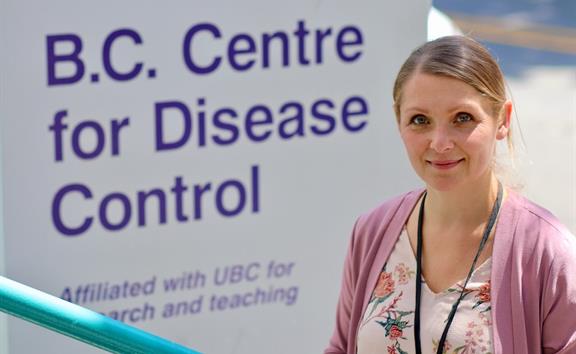
Dr. Agatha Jassem is a Clinical Associate Professor in the Department of Pathology & Laboratory Medicine at the University of British Columbia and serves as the co-program head of the Virology Lab at the British Columbia Centre for Disease Control (BCCDC) Public Health Laboratory. She holds leadership roles as President of both the Canadian Association for Clinical Microbiology and Infectious Diseases and the British Columbia Association of Clinical Scientists. Her educational background includes a BSc (Hons) in Biology from York University (2006), a PhD from UBC's Department of Pathology & Laboratory Medicine (2012), and an accredited Clinical Microbiology Fellowship at the National Institutes of Health Clinical Center (2014). She is certified in clinical microbiology by both the American Board of Medical Microbiology and the Canadian College of Microbiologists (2016). Dr. Jassem's research focuses on developing and implementing molecular and serological diagnostic tests for respiratory pathogens and sexually transmitted and blood-borne infections. She oversees provincial diagnostic and surveillance services for these pathogens and serves as the BC Lab Lead for the Canadian Sentinel Practitioner Surveillance Network, which monitors SARS-CoV-2 and influenza vaccine effectiveness. Her work includes characterizing immune responses post-infection and vaccination, validating novel multiplex serology methods, and studying viral genomics to understand SARS-CoV-2 evolution under vaccine pressure. Her recent publications demonstrate expertise across multiple areas of virology, including SARS-CoV-2 antigenic relationships, respiratory syncytial virus immunity, avian influenza surveillance, and innovative diagnostic approaches like phage immunoprecipitation sequencing. Her work often addresses public health challenges, particularly in serving hard-to-reach populations through initiatives like dried blood spot sampling for HCV and HIV diagnosis. Dr. Jassem has received recognition through her board certifications and leadership positions in professional organizations. Her scientific contributions span both fundamental virology research and practical public health applications, with a particular focus on emerging infectious disease threats and diagnostic innovation. She is actively involved in teaching and science communication, participating in numerous outreach initiatives. Her work bridges clinical microbiology, public health laboratory services, and academic research, making significant contributions to Canada's response to infectious disease threats.
Pascal Gagneux is an Associate Director at the Center of Academic Research and Training in Anthropogeny (CARTA) and a joint faculty member in the Anthropology and Pathology Departments at the University of California San Diego. His research bridges evolutionary biology, glycobiology, and reproductive medicine, focusing on glycan roles in human-chimpanzee divergence and disease susceptibility. Education: PhD in Zoology (1998), MS in Population Biology (Basel University, Switzerland) Faculty: Cellular and Molecular Medicine (2007-present), CARTA (2008-present) As a molecular primatologist, he investigates glycan-mediated cellular recognition in reproduction and infection. His lab discovered sperm-associated neuraminidases critical for fertilization and demonstrated how influenza A viruses exploit sialic acid pathways. Current work explores human-specific glycan evolution through comparative anthropogeny frameworks. His publications span 2025-2020 , emphasizing: Glycan dynamics in age-related macular degeneration Human susceptibility to Alzheimer’s disease Microbial-glycan interactions in infectious disease Evolution of postreproductive cognitive protection Sialome evolution in host-pathogen systems Transdisciplinary anthropogeny research While no specific awards are mentioned, his work integrates UCSD’s biological anthropology labs with sociocultural implications of glycan biology. He also directs a graduate specialization in anthropogeny across eight PhD programs. The Gagneux Lab operates at the intersection of glycobiology, reproduction, and evolutionary medicine, using primate models to decode molecular mechanisms distinguishing humans from other apes.
Pablo G Cámara is an Associate Professor of Genetics at the University of Pennsylvania's Perelman School of Medicine. He serves as Senior Fellow at the Institute for Biomedical Informatics and is affiliated with the Center for AI and Data Science in Integrated Diagnostics, the Statistical Center for Single-Cell and Spatial Genomics, and the Department of Genetics. His research focuses on computational approaches to cellular heterogeneity in diseases, particularly brain tumors, integrating topology, geometry, statistics, physics, and computer science. BS, Theoretical Physics, Universidad Autonoma de Madrid (2002) PhD, Theoretical Physics, Universidad Autonoma de Madrid (2006) His work combines single-cell technologies with mathematical frameworks to decode tumor ecosystems and signaling networks. Key themes include metric geometry applications, tumor-genome interactions, and interdisciplinary collaborations in neurodevelopment and cancer research. Recent publications highlight his methodological innovations in single-cell data analysis, tumor biology, CAR T-cell therapy, and quantum computing. Collaborations span immunology, neuro-oncology, and developmental biology domains. The Camara Lab at Penn Medicine develops computational tools for integrating morphometric, transcriptomic, and physiological data, aiming to advance precision oncology and developmental neuroscience through geometric and topological approaches.
David M. Markovitz is a tenured Professor in the Department of Internal Medicine at the University of Michigan Medical School. He has maintained continuous faculty appointments at the University since 1988, progressing from Assistant Professor (1988-1994) to Associate Professor with tenure (1994-2002) and ultimately to his current Professor position (2002-present). Dr. Markovitz leads a multidisciplinary research team comprising four additional faculty members, postdoctoral fellows, PhD students, MD/PhD students, medical students, physicians, public health students, and undergraduates. Dr. Markovitz's research program spans several interconnected domains in molecular medicine. His laboratory employs diverse methodologies including NMR, crystallography, molecular dynamics modeling, glycoclusters, next-generation sequencing, bioinformatics, and animal models to investigate viral pathogenesis and develop novel therapeutic approaches. His work has produced 92 publications and resulted in significant discoveries across multiple fields. The publication record reveals several major research trajectories: investigations into HIV transcription mechanisms; characterization of the DEK protein's role in cancer and juvenile arthritis; discovery of vimentin as a secreted inflammatory factor; exploration of human endogenous retroviruses (HERVs) in disease pathogenesis; and development of engineered lectins as broad-spectrum antiviral agents. His most notable contribution involves engineering banana lectin (BanLec) through a single amino acid mutation (H84T) that eliminates mitogenicity while preserving antiviral activity against HIV, hepatitis C, influenza, and coronaviruses including SARS and MERS. Dr. Markovitz has received numerous prestigious awards including the Burroughs Wellcome Clinical Scientist Award (2003), Association of American Physicians membership (2004), and a Transformative R01 from the NIH Office of the Director (2009). National Cancer Institute – Clinical Investigator Award (1990) Life and Health Insurance Medical Research Fund Scholar (1991) American Society for Clinical Investigation (1997) Burroughs Wellcome Clinical Scientist Award (2003) Association of American Physicians (2004) Transformative R01, NIH (2009) American Clinical and Climatological Association (2012) His current research portfolio demonstrates strong funding support across multiple domains. As Principal Investigator, he leads projects including DEK-targeted therapy for juvenile arthritis (Rheumatology Research Foundation), development of H84T BanLec for Ebola/Marburg treatment (DTRA), and lectin-based lung cancer therapy (UM Mi-Kickstart). As Co-PI, he contributes to NIH-funded research on DEK in hematopoiesis and international collaborations studying HERVs in human disease. His mentorship extends to numerous doctoral students, postdocs, and medical trainees who have gone on to independent research careers. Dr. Markovitz directs a vibrant research ecosystem that includes faculty collaborators Rafael Contreras, Scott Gitlin, and Mark Kaplan. His laboratory maintains extensive collaborations across the University of Michigan and with international partners. The research program bridges basic science discoveries with translational applications, particularly in developing novel therapeutics for viral diseases, autoimmune conditions, and cancer. His work on DEK aptamers and engineered lectins represents promising pathways toward clinical applications in inflammation and infectious disease.