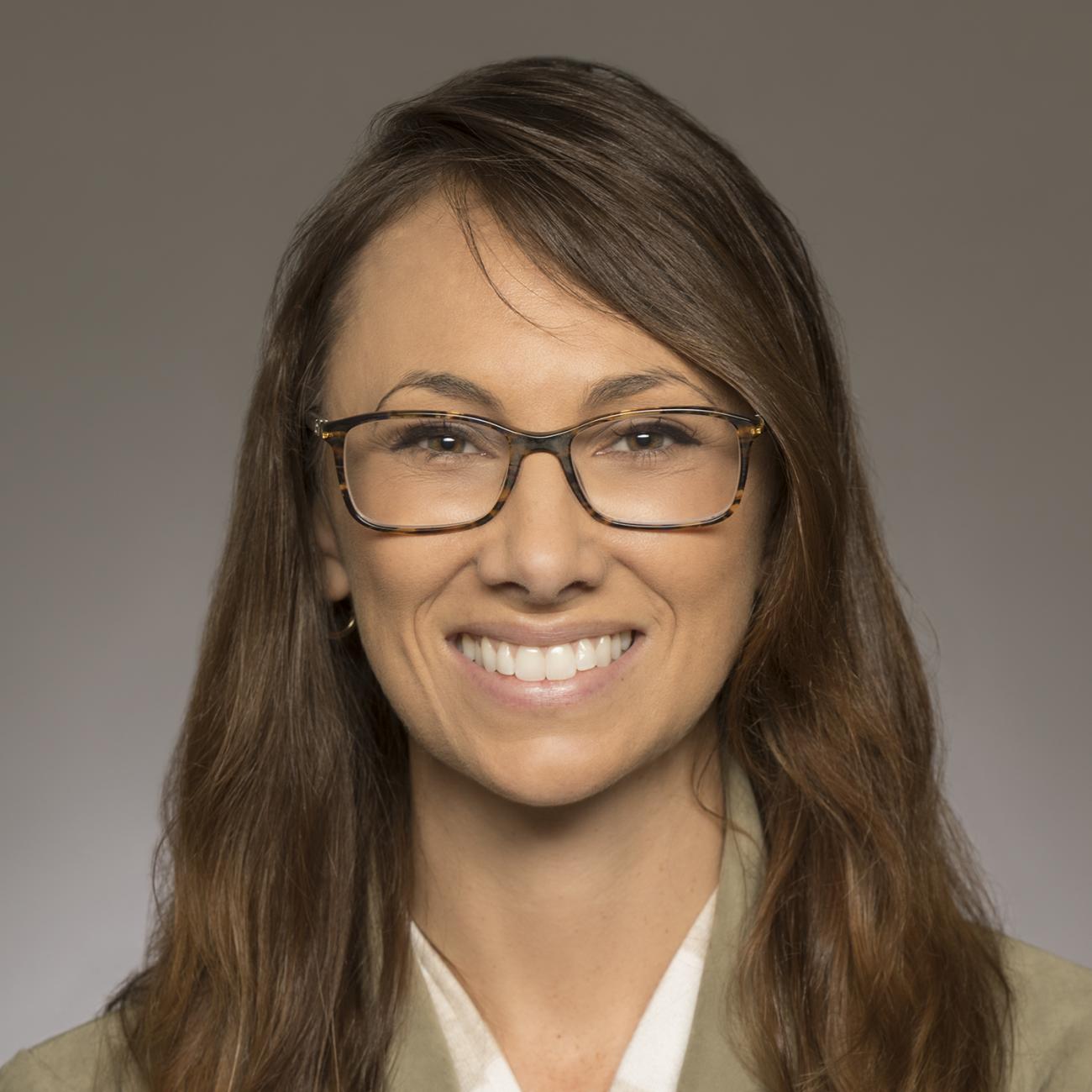
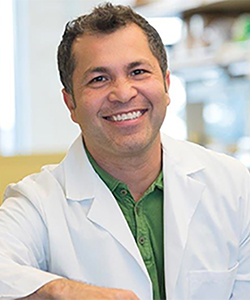
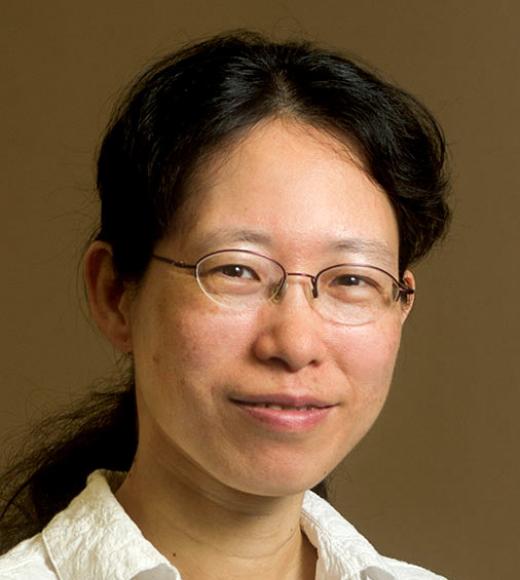
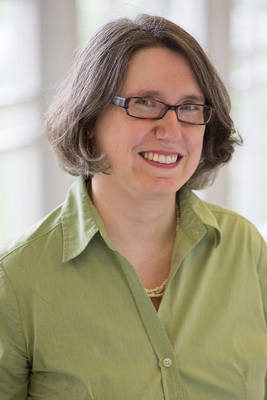
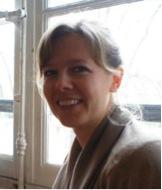
Simone Fior is a Lecturer at the Department of Environmental Systems Science , ETH Zürich , focusing on ecological genetics and plant adaptation. Their research integrates genomic, quantitative genetics, and ecological field experiments, particularly on Dianthus (Caryophyllaceae) along altitudinal and climatic gradients. Recent work explores climate-induced range shifts, local adaptation, and genomic responses to environmental changes. Professional experience includes roles at ETH Zürich since 2013 (Senior Assistant, Postdoc) and prior positions at the Edmund Mach Foundation (2009-2012) and University of Insubria (2007-2008). Education spans a PhD in Plant Biology (University of Milan, 2007) and an MSc in Natural Sciences (University of Milan, 2003). Simone co-organizes the Bioinformatics for Adaptation Genomics Winter School . Key research areas include adaptive divergence , polygenic adaptation , climate change biology , and phylogenomics . Articles emphasize genomic selection signatures, functional-structural modeling, and ecological-genetic interactions. Notable collaborations involve Jake Alexander, Alex Widmer, and interdisciplinary teams at ETH Zurich.
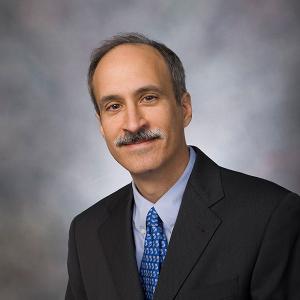
George Perry is a Professor of Anthropology at Pennsylvania State University, with research intersections in Biology, Evolutionary Medicine, and Genomics. He is affiliated with the Huck Institutes' Center for Infectious Disease Dynamics, Ecology, Molecular Cellular and Integrative Biosciences, and Bioinformatics and Genomics programs. Perry directs the Anthropological Genomics Lab , focusing on paleogenomics and evolutionary adaptation. Research areas: anthropological genomics, parasite evolution, human body size transitions, and evolutionary medicine Key collaborations: international teams in Madagascar, Europe, and Africa Leadership: Bioinformatics and Genomics Chair (2019–2023) His 2025–2022 publications span evolutionary responses to invasive species, human migration health impacts, chemosensory gene adaptation, and primate genomic diversity. Notable methodological contributions include ancient DNA recovery and comparative paleogenomics. Perry advises graduate students like Vanessa Garcia and Annette Mercedes, with grants including NIH support for Cuban health disparity studies. Scientific leadership includes tenure-line promotions (2023) and NASA Space Grant collaborations.
Megan L. Matthews is an Assistant Professor in the Department of Chemistry at the University of Pennsylvania, School of Arts & Sciences, where she leads an active research group focused on chemical biology and enzymology. Her lab develops innovative chemical proteomics technologies to uncover novel enzyme cofactors and regulatory post-translational modifications, particularly those involving reactive electrophiles, which cannot be predicted from genomic sequences. B.S. in Chemistry, Miami University (2005) Ph.D. in Chemistry, The Pennsylvania State University (2011) Postdoctoral Fellow, The Scripps Research Institute (2012–2017) Her research centers on the concept of the 'electrophilome'—a largely unexplored half of the reactive proteome. By designing 'reverse-polarity' chemical probes, her group enables the discovery of functionally significant electrophilic modifications in proteins, especially those involved in cancer and Alzheimer’s disease. These discoveries open new avenues for therapeutic intervention through covalent targeting. The recent publications demonstrate a consistent focus on enzyme mechanisms, cofactor discovery, and chemical probe development. Her work spans from fundamental enzymology (e.g., halogenases, ribonucleotide reductases) to applied chemical biology (e.g., hydrazine probes, chemoproteomic profiling). The keywords across her publications highlight emerging themes in metalloenzymes, radical chemistry, and covalent proteome mapping. Her scientific contributions have been recognized through prestigious fellowships, including the Merck Helen Hay Whitney Postdoctoral Fellowship. She has published in top-tier journals such as Nature , Nature Chemical Biology , and Journal of the American Chemical Society . Dr. Matthews advises graduate students and postdoctoral researchers in her lab, fostering a collaborative and inclusive environment. Her lab emphasizes the importance of diverse perspectives in scientific discovery. She has secured research funding to support projects in probe development, target characterization, and disease mechanism studies, particularly in neurodegenerative diseases and cancer. The Matthews Lab is actively engaged in advancing reverse-polarity activity-based protein profiling (RP-ABPP) for in vivo applications and inhibitor screening. The group collaborates with experts in structural biology, spectroscopy, and disease modeling to translate basic discoveries into therapeutic insights.
Yousif Shamoo is the Ralph and Dorothy Looney Professor of BioSciences at Rice University, where he has been a faculty member since 1998. He previously served as Vice Provost for Research (2014-2022) and Director of the Institute of Biosciences and Bioengineering (2008-2014). He holds a Ph.D. in Molecular Biophysics and Biochemistry from Yale University (1988). His research focuses on combating multi-drug resistant bacteria through experimental evolution and biophysical approaches. Key interests include: Evolutionary trajectories of antibiotic resistance in pathogens like Enterococcus and Acinetobacter Biochemical basis of adaptation using microfluidics, genomics, and structural biology Discovery of novel antimicrobial strategies targeting cell membrane stress pathways Microbial interactions in spatially structured environments Publications emphasize antimicrobial resistance mechanisms, evolutionary biophysics, and microfluidic technology development. Recent work explores daptomycin resistance pathways ( LiaFSR ), membrane lipid signaling, and high-throughput evolution platforms. Awards & Honors: AAAS Fellow (2024) Ralph and Dorothy Looney Professorship (2020) George R. Brown Award for Excellence in Teaching (2015) George R. Brown Superior Teaching Award (4×, 2009 onward) ASM Distinguished Lecturer (2011-2013) He leads an active research group funded by NIH and DoD, advising 15+ graduate students. Current projects integrate synthetic biology with Streptomyces-derived drug discovery and microfluidic biosurveillance platforms.
Max Lau is an Assistant Professor in the Department of Biostatistics and Bioinformatics and the Department of Epidemiology at Emory University. His research focuses on integrating machine learning and computational methods with epidemiological and genomic data to study infectious disease dynamics. He teaches courses such as BIOS 790R (Advanced Seminar in Biostatistics) and DATA 534 (Applied Machine Learning). Dr. Lau's work emphasizes scalable Bayesian inference, graph neural networks, and stochastic modeling to address challenges in disease transmission, outbreak control, and pathogen evolution. His recent research includes developing tools like ScITree and Epilearn, and he has contributed to understanding measles dynamics, tuberculosis treatment, and livestock disease management. His academic contributions span over 30 publications since 2010, with a particular focus on phylodynamics, epidemic modeling, and vaccine strategy evaluation. His interdisciplinary approach bridges computational methods with public health applications, aiming to enhance disease prediction and intervention efficacy.
Arthur Lesk is a Professor of Biochemistry and Molecular Biology at Pennsylvania State University since 2003. Previously, he held roles including faculty member at the clinical school of the University of Cambridge (1990–2003), group leader at the European Molecular Biology Laboratory (1987–1990), and professor of chemistry at Fairleigh Dickinson University (1971–1987). He earned a B.A. from Harvard University (1961), Ph.D. from Princeton University (1966), and M.Sc. from the University of Cambridge (1999). His research focuses on bioinformatics, genomics, protein structure, and molecular biology. He has authored 189 scientific articles, 10 books, and has an h-index of 61. Notable works include Protein Science (2021) and Introduction to Bioinformatics (2019). Lesk chairs CODATA’s Biological Macromolecules Task Group and is a Fellow of the AAAS and Royal Society of Biology. He maintains active teaching and research roles, delivering lectures globally. His contributions include advancing protein structure databases and computational methods for molecular biology. Lesk is a Life Member of Clare Hall, Cambridge, and has held visiting positions at universities in New Zealand, Australia, and Europe.
Hector Aguilar-Carreno is a Professor of Virology in the Department of Microbiology and Immunology at Cornell University's College of Veterinary Medicine, where he also serves as Associate Vice Provost in the Office of the Vice President for Research and Innovation. His research focuses on high-mortality paramyxoviruses including Nipah virus (NiV) and Hendra virus (HeV), as well as coronaviruses and other enveloped viruses. Dr. Aguilar-Carreno received his BS in Biochemical Engineering from Instituto Tecnologico de Tepic, Mexico, followed by an MS in Biology from California State University, Los Angeles, and a PhD in Biochemistry and Molecular Biology from the University of Southern California. He completed postdoctoral training in Virology at UCLA under Dr. Benhur Lee before becoming an Assistant Professor at Washington State University's Paul G. Allen School for Global Animal Health. His research spans four main areas: (1) Viral entry mechanisms, where his lab has identified novel domains in viral glycoproteins important for membrane fusion; (2) Viral egress, using multi-omics approaches to study viral assembly and budding; (3) Vaccine development using viral-like particles to generate neutralizing antibodies; and (4) Antiviral discovery targeting enveloped viruses. His lab employs innovative techniques including Flow Virometry and Raman Spectroscopy to study viral entry processes. Analysis of his recent publications reveals a strong focus on paramyxoviruses (particularly Nipah and Hendra viruses), coronavirus research, and the development of broad-spectrum antivirals. His work spans fundamental virology to translational applications, with numerous publications in high-impact journals including Nature, Science, and Cell Reports. President Elect of the American Society of Virology Chair of the American Society of Virology Diversity, Equity, and Inclusion committee Chair of the Cornell CVM Diversity Committee Director of the Cornell Program for Achieving Career Excellence Chair of 16 PhD student thesis committees Dr. Aguilar-Carreno has served on numerous scientific committees including the American Society for Virology Education Committee, the American Society of Microbiology Committee for Minority Education, and as a Standing Member of the VIR-A NIH study section. His leadership extends to chairing the Cornell CVM Diversity Committee and serving on the Cornell presidential postdoctoral fellowship committee, demonstrating significant commitment to diversity and mentorship in science.
Dr. Xi Chen is a Professor in the Department of Chemistry at the University of California, Davis, where he has been a faculty member since 2003. His research spans carbohydrate chemistry, glycobiology, and cancer biology, with notable contributions to chemoenzymatic methods for glycoconjugate synthesis. Dr. Chen's work focuses on developing hybrid chemical-enzymatic approaches to synthesize complex carbohydrates and glycoconjugates, characterizing glycosyltransferase mechanisms, and designing enzyme mutants for improved catalysis. He also investigates carbohydrate-based diagnostics and therapeutics, particularly in cancer and inflammatory diseases. His recent publications highlight interdisciplinary studies linking carbohydrate metabolism to p53 tumor suppression pathways and RNA-binding protein regulation in cancer. Awards include AAAS Fellow (2015), ACS Isbell Award (2012), and NSF CAREER Award (2006). He earned his Ph.D. at Wayne State University (2000) and B.S. at Xiamen University (1994). Scientific Awards American Association for the Advancement of Science Fellow (2015) Dean's Team Award for Excellence (2013) Carbohydrate Research Award for Creativity (2013) ACS CARB Horace S. Isbell Award (2012)
Dr. Tim Halim is a Sir Henry Dale Fellow and Junior Group Leader at the Cancer Research UK Cambridge Institute (CRUK Cambridge Institute), University of Cambridge. His primary research program focuses on pancreatic cancer, with thoracic cancer as a secondary research focus within the CRUK Cambridge Centre's structured research programs. Dr. Halim's research expertise lies at the intersection of cancer biology and immunology, with particular emphasis on innate lymphoid cells (especially ILC2) and regulatory T cells within the tumor microenvironment. His work investigates how these immune cell populations interact with cancer cells and influence tumor progression, metastasis, and response to therapy. His research has significant implications for developing novel immunotherapeutic approaches for pancreatic and thoracic cancers. His publication record demonstrates a consistent focus on the role of innate lymphoid cells in cancer, with recent work examining IL-33 and ILC2 in pancreatic cancer, cross-talk between ILC2 and regulatory T cells, and the influence of innate lymphoid cells on pancreatic stromal composition. His research employs advanced techniques including in vivo labeling, single-cell analysis, and fate-mapping approaches to understand immune cell behavior in cancer contexts. Dr. Halim has been awarded the prestigious Sir Henry Dale Fellowship, a joint fellowship from the Royal Society and Wellcome Trust that supports early-career researchers of outstanding promise working at the interface of basic and clinical science.
Chiu Ping Cheng is a Professor in the Department of Biology at the University of Minnesota, USA, specializing in Molecular Biology and Plant-Microbe Interactions . With over two decades of research on Ralstonia solanacearum and its interactions with solanaceous crops, Dr. Cheng has pioneered studies on plant defense mechanisms against bacterial wilt, regulatory gene functions, and biocontrol agent applications. Current research: Plant-pathogen interactions Special techniques: Genomic screening, bacteriophage-derived proteins Key pathogens: Ralstonia solanacearum, Pectobacterium carotovorum His recent publications (2024) explore tomato cultivar resistance variation , NADPH oxidase-effector interactions , and phenylpropanoid metabolism in wild mungbean . Though no formal scientific awards are listed, his work has been featured in leading journals like Plant Cell & Environment and New Phytologist . Dr. Cheng operates from the Life Science Building R942 laboratory.
Dr. Silu Wang is an Assistant Professor in the Department of Biological Sciences at the University at Buffalo. Her research focuses on speciation, adaptation, and forest evolutionary genomics, particularly in avian species. She leads the Forest Speciation Lab, studying the genomic and ecological mechanisms underlying species divergence in North American and global forest ecosystems. Her work integrates field studies, genomic analyses, and computational modeling to address biodiversity conservation challenges under climate change. Education: BS in Behavior Genetics and Neurobiology, University of Toronto MA in Ecology, Evolution and Behavior, University of Texas, Austin PhD in Zoology, University of British Columbia Postdoctoral Research at University of California Berkeley and UC Davis Research Interests: Dr. Wang investigates how hybridization, climate adaptation, and reproductive isolation shape avian biodiversity. Her lab uses old-growth forest bird species as models to study early-stage speciation processes, including mate choice, genetic incompatibilities, and mitochondrial-nuclear interactions. Key themes include understanding organismal responses to environmental changes and developing genomic tools for conservation prioritization. Lab and Teams: The Forest Speciation Lab collaborates with institutions globally, focusing on fieldwork in temperate and tropical forests. Current projects include studies on warbler hybrid zones, tinamou speciation, and the genomic architecture of mitonuclear coevolution. Teaching: Dr. Wang teaches courses on Speciation, Tropical Ecology, and Evolutionary Biology, emphasizing hands-on research training for students.
Nicole C. Riddle is a Professor and Associate Chair for Research and Facilities in the Department of Biology at the University of Alabama at Birmingham (UAB). She holds a B.S. in Biology from the University of Missouri Columbia and a Ph.D. in Evolutionary and Population Biology from Washington University in St. Louis. Her research focuses on epigenetics and chromatin dynamics, particularly in the context of aging and sex differences using Drosophila melanogaster as a model system. Dr. Riddle's work explores how epigenetic mechanisms influence lifespan, genome stability, and phenotypic variation. She has pioneered the use of Drosophila to study exercise-induced physiological changes and their genetic underpinnings. Her lab investigates the roles of HP1 proteins in transcriptional regulation and chromatin organization, with recent studies emphasizing cross-species comparisons of aging mechanisms. Her research has been supported by grants including the BII: IISAGE project on sex-specific aging mechanisms. Notable contributions include developing novel tools like the Rotating Exercise Quantification System (REQS) to measure Drosophila activity levels. Dr. Riddle actively mentors students and postdoctoral researchers, inviting inquiries via riddlenc@uab.edu to join her lab.
John Wakeley is a Professor of Organismic and Evolutionary Biology at Harvard University's Faculty of Arts and Sciences. He leads the Wakeley Lab, focusing on theoretical population genetics, mathematical models of genetic variation, and evolutionary processes. His research integrates analytical and computational methods to study contemporary and historical factors shaping genetic diversity. As of 2023, he is not accepting new graduate students for the academic year 2023-2024. Wakeley's work emphasizes coalescent theory, population structure, and evolutionary game theory. Notable contributions include developing statistical tools for analyzing ancient DNA and advancing models of ancestry reconstruction. Recent projects explore topics such as recurrent mutation in rare variants and the implications of big family effects on coalescence patterns. His lab members include researchers like Louis Fan, Jack Edwards, and Erin Ciccone, collaborating on diverse projects in theoretical and applied population genetics. Key scientific outputs include studies on iterated survival games and genomic analyses of butterfly radiation.
Britt Koskella is an Associate Professor at the University of California, Berkeley, affiliated with the Department of Environmental Science, Policy, and Management within the College of Natural Resources. Her research focuses on evolutionary biology, particularly host-pathogen coevolution and microbial interactions, integrating experimental evolution, field studies, and molecular biology. She leads the Koskella Lab, which investigates how microbial communities, phages, and pathogens influence host health and agricultural sustainability. Research Interests: Dr. Koskella explores the coevolutionary dynamics between hosts and their symbionts, including bacteriophage-bacteria interactions in plant microbiomes. Her work bridges ecological and evolutionary principles to address applied challenges in disease management and sustainable agriculture. Key areas include understanding phage-mediated selection in natural populations, the role of microbiomes in host defense, and the spatial/temporal adaptation of pathogens. Advancing Knowledge: Dr. Koskella’s lab employs experimental evolution in greenhouses and lab settings to test hypotheses derived from field observations. Recent studies highlight the indirect role of phages in plant disease protection and the design of synthetic microbial communities for agricultural applications. She collaborates on initiatives like the Joint Berkeley Initiative for Microbiome Sciences (JBIMS), emphasizing interdisciplinary approaches. Lab Team & Contributions: The lab includes students and researchers such as Eli Mehlferber, Asa Conover, and others, advancing projects on microbiome assembly, phage therapy, and pathogen coevolution. Dr. Koskella’s work has been published in high-impact journals like Current Biology , American Naturalist , and Ecology Letters .
Christopher Lawson is an Assistant Professor in the Department of Chemical Engineering and Applied Chemistry at the University of Toronto, affiliated with the Faculty of Applied Science and Engineering. He serves as Principal Investigator of the Microbiome Engineering Lab and is part of BioZone – the Centre for Applied Bioscience and Bioengineering. His research focuses on engineering anaerobic microbiomes for resource recovery from waste streams using systems biology, synthetic biology, and machine learning approaches. B.A.Sc., M.A.Sc. (University of British Columbia) Ph.D. (University of Wisconsin-Madison) Postdoctoral Training (Berkeley Lab) Lawson's work addresses the challenge of controlling complex microbial interactions in engineered systems to enable scalable biotechnologies for renewable energy, chemicals, and materials. His lab develops high-throughput methods integrating automation and computational tools to optimize microbiome assembly and metabolic fluxes. Recent publications highlight advancements in metabolic modeling , isotope tracing , and systems-level analysis of anaerobic microbiomes, with applications in wastewater treatment , anammox granules , and bioenergy production . His research bridges fundamental microbiology with industrial-scale bioprocess engineering. Scientific Awards ISME/IWA BioCluster Rising Star Award (2022) Jacobs Engineering Group/AEESP Outstanding Doctoral Dissertation Award (2020) Wesley Eckenfelder Graduate Research Award (2019) WEF Canham Graduate Studies Scholarship (2018) NSERC Post-Graduate Scholarship – Doctoral (2014) Lawson actively mentors students and postdocs, emphasizing technical rigor, communication skills, and independence. His lab collaborates within BioZone and with industry partners to advance "team science" principles. Current projects focus on creating engineered microbiomes for commercial-scale waste valorization.