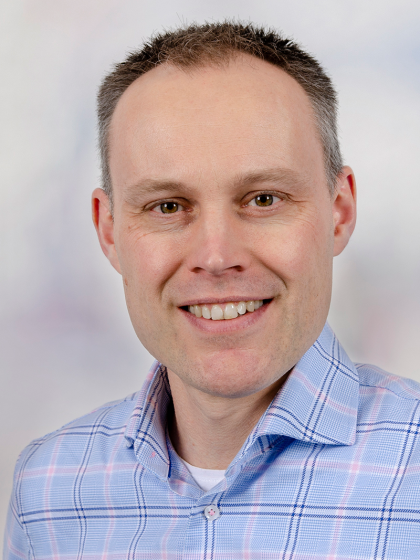
Ulrich Kollerمشاهده پروفایل
دانشیار
- Epidermolysis bullosa
- Gene editing
- RNA therapy
- +۶ مورد دیگر
Ulrich Koller is a Privatdozent (Associate Professor) and Research Group Leader at the University Clinic for Dermatology and Allergology, Paracelsus Medical University in Salzburg, Austria. He leads the Research Program for Molecular Therapy in Genodermatoses and maintains an active research profile with 151 publications and 4 ongoing research projects spanning from 2015 to 2025. Dr. Koller's research focuses on molecular therapies for rare genetic skin disorders, particularly epidermolysis bullosa. His work encompasses gene editing technologies, RNA-based therapies, and molecular interventions targeting skin disorders. He has made significant contributions to understanding the genetic basis of dermatological conditions and developing novel therapeutic approaches. His recent publications demonstrate a strong emphasis on translating molecular discoveries into clinical applications, with particular focus on CRISPR/Cas9-based gene editing, RNA therapeutics, and molecular diagnostics for genodermatoses. These works reflect a strategic progression from basic research to potential clinical translation for patients with severe skin disorders. Non Melanoma Skin Cancer Preis (MEDA Preis), 2013 Österreichischer Dermatologen-Preis (UNILEVER Preis), 2011 Otto-Kraupp Preis (4. Platz), 2020 Sanofi Preis, 2014 Sanofi Preis, 2016 Dr. Koller actively supervises research projects including work on fluorescent JEB cell lines for CRISPR molecule screening and has secured substantial research funding through multiple projects such as 'Effiziente COL17A1 Genreparatur über CRISPR/Cas9n' (2020-2025) and 'Entwicklung einer auf RNA basierenden Therapie' (2021-2024). He serves as a reviewer for journals including American Journal of Physiology Cell Physiology and regularly presents invited lectures on gene editing approaches for epidermolysis bullosa at international conferences throughout 2023-2024. His research group maintains active collaborations with multiple institutions and has developed specialized expertise in molecular diagnostics and therapeutic interventions for rare skin disorders.