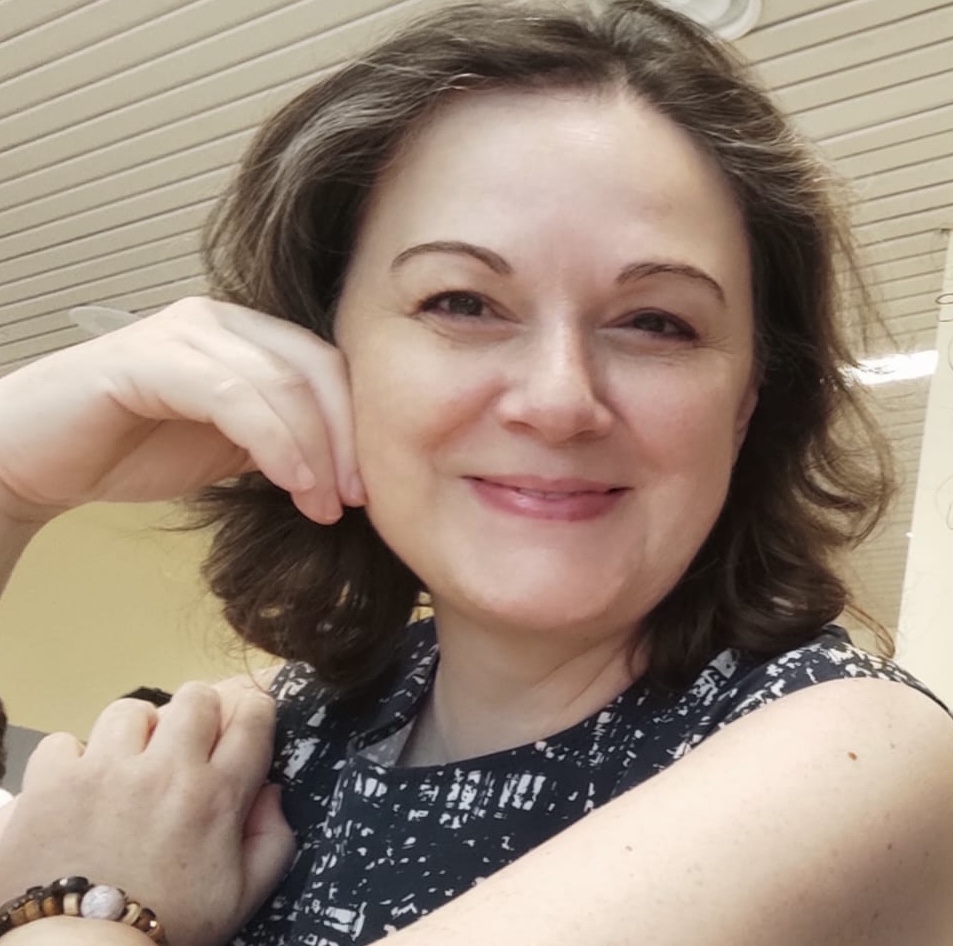
Federica Tomao is an Associate Professor at the Department of Maternal, Child and Urological Sciences within Sapienza University of Rome. She actively teaches and supervises courses in Medicine and Surgery , Nursing , and Midwifery programs across multiple institutions. Current faculty member with academic rank Teaching roles in 6th, 3rd, and 2nd year courses Specialized in gynecologic oncology Research Focus : Her work spans ovarian cancer, breast cancer, and endometrial cancer, emphasizing chemotherapy optimization, precision medicine, and radiomics. Notably, she contributes to understanding PARP inhibitors, immune checkpoint therapies, and fertility preservation techniques in cancer survivors. Recent Publications highlight advancements in sarcopenia analysis, BRCA testing, and radiogenomic nomograms. These studies demonstrate her commitment to bridging imaging and molecular data for improved cancer management. Email : federica.tomao@uniroma1.it
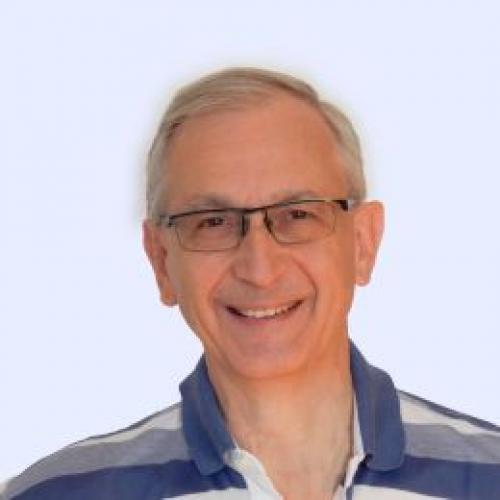
Anna Gottard is an Associate Professor of Statistics at the University of Florence, where she leads the Department of Statistics, Computer Science, and Applications. She directs the Florence Center for Data Science (FDS) and participates in the Technical Scientific Committee of the Tuscan Center for Big Data, Data Science, and AI (CBDAI). Her research focuses on multivariate statistical models, particularly graphical models, and extends to statistical machine learning, fair models, and directional data analysis. She is an Associate Editor for the Journal of the Royal Statistical Society Series A (JRSSA) and Statistical Methods & Applications (SMA). Her recent work includes Bayesian approaches for mixed graphical models, uncertainty-aware classification trees, and methodological advancements in latent uncertainty models. Her contributions span theoretical developments and applied research in interdisciplinary areas like biostatistics and sustainability. Her research interests emphasize bridging statistical theory with practical applications, including fairness in machine learning, interpretable models, and tree-based methodologies. She has actively contributed to open-source software, notably the Mix3Trees R package for mixed-effect tree models. Her work addresses challenges in variable selection, graphical model inference, and ethical AI practices. Current projects explore Bayesian frameworks for complex data structures and methodological improvements in graphical model interpretability. Anna has advised on interdisciplinary collaborations, such as studies on GDPR compliance in biobanking and epidemiological modeling of the SARS-CoV-2 pandemic in Tuscany. She collaborates with institutions like the CBDAI to advance data science applications in regional policy and healthcare. Her research trajectory reflects a commitment to both foundational statistical theory and real-world problem-solving across diverse domains.
Giuseppe Carlo Marano is a Full Professor at the Department of Structural, Building and Geotechnical Engineering at Politecnico di Torino. He is also a component of the SISCON Interdepartmental Center for Infrastructure Safety. With expertise in civil and structural engineering, his work focuses on machine learning applications, seismic risk reduction, and sustainable structural optimization. Education Graduated cum laude in Structural Engineering from Polytechnic University of Bari PhD in Structural Engineering from University of Florence (2000) Research Interests Marano's research spans structural optimization, seismic engineering, and machine learning applications in civil infrastructure. He develops advanced computational models for: Seismic retrofitting of existing structures Optimization of steel and masonry structures Recycled materials in concrete production AI-driven structural health monitoring Multiobjective design methodologies Publication Trends His recent work emphasizes: Machine learning for concrete mix design and damage assessment Optimization of gridshells and arch structures Seismic isolation systems and vibration control Sustainable construction practices with recycled materials Multiobjective genetic algorithms for structural design Scientific Recognitions National Scientific Qualification - First Band (2013, MIUR Italy) Certificate of Appreciation for Outstanding Lecture (2012, China) Academic Contributions As an educator, he teaches: Consolidamento Strutturale (Structural Consolidation) Dinamica delle Vibrazioni Random (Random Vibration Dynamics) Progettazione Generativa (Generative Design) He also leads Challenge@PoliTo initiatives and contributes to national infrastructure safety regulations. Research Projects ADAPT4CE - Adaptive Digital Systems for Circular Economy (2025-2028) AI-ENVISERS - AI for Seismic Retrofit Environmental Impact (2023-2025) ADDOPTML - Additive Manufacturing Optimization (2021-2025)
Professor Carlo Pappone is a Full Professor of Cardiology at Vita-Salute San Raffaele University (since 2019) and Director of the Arrhythmology Department at IRCCS Policlinico San Donato Hospital (since 2015). He has held previous academic/clinical leadership roles at IRCCS San Raffaele Hospital (2000-2010), Villa Maria Cecilia Hospital (2010-2015), and University of Naples Federico II (1990-2000). With 212 publications in top journals like NEJM, JAMA, and Circulation, he has made significant contributions to cardiac arrhythmia research. Current Positions Vita-Salute San Raffaele University (2019-present): Full Professor of Cardiology IRCCS Policlinico San Donato Hospital (2015-present): Director of Arrhythmology Department Previous Roles University of Naples Federico II (1990-2000) University of Michigan Ann Harbor (1990-2000) IRCCS San Raffaele Hospital (2000-2010) Villa Maria Cecilia Hospital (2010-2015) Research Focus: Specializing in cardiovascular diseases, his work spans atrial fibrillation ablation techniques, Brugada syndrome pathogenesis, heart failure device therapy, and ion channel disorders. His H-index of 53 and 18,407 citations reflect his substantial academic impact. Notable Scientific Contributions Author of 44 patents Principal Investigator in 14 clinical trials (clinicaltrials.gov) Developed circumferential pulmonary vein ablation technique Innovator in biventricular pacing systems for heart failure Pioneered research on non-excitatory current for cardiac contractility Scientific Recognition Awarded as Elite Reviewer of JACC (2005) Editorial Board Member of 6 leading journals Reviewer for NEJM, JAMA, Lancet, and Nature Medicine Education Medical Doctorate: University of Naples Federico II
Matteo Bolner is a Post-Doctoral Research Fellow at the University of Bologna's Department of Agricultural and Food Sciences, specializing in livestock genomics and metabolomics. He holds a PhD in Agricultural and Food Sciences (defended March 2025) and an International Master in Bioinformatics from the University of Bologna. His research integrates genomic and metabolomic data to improve livestock sustainability, particularly in pig production systems. Key focuses include identifying metabolic pathways influencing production traits, analyzing pig viromes for disease outbreaks, and leveraging big data for One Health applications. His educational background includes a Biological Sciences degree (2018) and a bioinformatics master's (2021). He interned at CINECA's SCAI department, focusing on HPC software containerization. Current affiliations include membership in the Animal and Food Genomics group, where he explores genomic solutions for breed conservation and sustainable production. Research trends in his articles emphasize multi-omics integration to understand pig metabolism, stress responses, and breed-specific adaptations. He also applies genomics to authenticate food products and enhance conservation strategies for endangered livestock breeds like the Mora Romagnola pig. His work bridges animal science, computational biology, and agricultural sustainability. Notable contributions include developing genomic tools for honey bee population analysis and creating a catalog of mitochondrial insertions in pig genomes. Future directions involve advancing metabolomics-based precision livestock farming and applying big data analytics to livestock One Health challenges.
Luca Sebastiani is a Full Professor in Horticultural Sciences (AGR/03) at Scuola Superiore Sant'Anna in Pisa, Italy, since 2014. He currently coordinates the PhD Course in AgroBioSciences and has previously served as Director of the Institute of Life Sciences (2016-2021). His academic career includes roles as Associate Professor (2002-2014) and Assistant Professor (1998-2002) at the same institution. PhD in Plant Biology from Scuola Superiore Sant'Anna (1996) MSc in Agricultural Sciences from University of Pisa (cum laude, 1991) Postdoctoral research in agricultural biotechnology (1996-1998) Research Interests: Focus on plant-environment interactions, particularly abiotic and biotic stress responses in crops. Key areas include: Physiological and molecular responses to climate change stressors Nutraceutical enhancement of food crops Plant germplasm conservation using molecular markers Agriculture 4.0 integrating AI, IoT, and robotics Phytoremediation using poplar and Brassica species Scientific Contributions: His work bridges molecular mechanisms (aquaporin function, heavy metal transport) with ecosystem-level applications (precision irrigation, contaminant phytoremediation). Recent publications emphasize genome sequencing, stress tolerance modeling, and nutraceutical food development. ISHS Medal for SapFlow Workshop organization (2011) Giovanni Spitali Foundation Award for PhD dissertation (1998) Collaborations: Extensive international collaborations with institutions like Beijing Forestry University, Comenius University, and Purdue University. Currently supervises projects in plant phenotyping, omics technologies, and sustainable crop management.
Giuseppe Rizzo is a Full Professor at the Department of Maternal and Child Health and Urological Sciences, Sapienza University of Rome. His academic career focuses on Maternal Fetal Medicine, with expertise in ultrasound applications, fetal growth restriction, preeclampsia, and congenital anomalies. Research Interests : Delivery optimization, prematurity prediction, ultrasound diagnostics, and placental anomalies. Recent Publications : Over 15 high-impact studies in 2024-2025 on topics like umbilical cord abnormalities, cerebroplacental ratios, and gestational diabetes complications. Clinical Expertise : Prenatal counseling, Doppler ultrasound, and labor management protocols. Collaborations : Active in multicenter trials across Italy and Europe, with a focus on fetal neurosonology and high-fidelity obstetric simulation.
Gianfranco Anfora is a Full Professor at the University of Trento, affiliated with both the Department of Civil, Environmental and Mechanical Engineering and the Center Agriculture Food Environment (C3A), where he serves as Deputy Dean. His research focuses on agricultural entomology, biological control, and sustainable pest management. Key expertise areas include integrated pest control, semiochemicals, and viticulture-related challenges. Anfora teaches courses on biopesticides, vine protection, and eco-sustainable management of invasive species. His research emphasizes vibrational communication in pests like Halyomorpha halys and Drosophila suzukii, exploring non-chemical control strategies such as sterile insect techniques and biological control agents. Collaborative projects include classical biological control programs targeting invasive species in vineyards and果园. Anfora’s work often bridges ecology and applied pest management, addressing climate and landscape impacts on agricultural practices. Recent studies highlight innovations in vibrational mating disruption, substrate-borne signaling, and radiation effects on pest behavior. His contributions aim to balance productivity, environmental sustainability, and regulatory compliance within agri-food systems. No scientific awards are explicitly mentioned, but his extensive publication record reflects significant contributions to entomological and agricultural research.
Livio Trusolino is a Professor in the Department of Oncology at the University of Turin, affiliated with the Institute for Cancer Research and Treatment (IRCCS) in Candiolo. His research focuses on mechanisms of neoplastic transformation, growth factor receptor signaling, and preclinical models of targeted therapies, particularly in colorectal cancer. He leads courses such as 'Targeted Therapies in Colon Cancer' and contributes to the MD-PhD Program in Medicine. His work integrates molecular profiling (proteomics, genomics) with experimental models like patient-derived xenografts to study drug sensitivity and resistance. Key collaborations include projects on KRAS mutations, EGFR blockade, and drug combination therapies. He chairs academic bodies within the Department of Oncology and oversees the Molecular Pharmacology Laboratory. Recent research highlights include identifying biomarkers for therapeutic response and elucidating adaptive mutability in cancers. His contributions bridge basic science and clinical applications, advancing precision oncology strategies for colorectal cancer.
Claudia Palestrini is a Professor at the Department of Life Sciences and Systems Biology , University of Turin. Her work focuses on dung beetles , ground beetles , and Alpine biodiversity conservation , with a strong emphasis on geometric morphometrics , zoogeography , and entomology . Her research integrates ecology , systematics , and phylogeny to study insect communities in Alpine and Mediterranean environments. Key themes include habitat use , species differentiation , and sustainable land management . She has contributed to over 400 publications, with recent work analyzing equine feeding devices and insect acoustic signals . Her teaching includes courses on Entomology for Cultural Heritage , Biological Sciences , and Environmental Education . She serves on academic committees like the Department Council and Interdisciplinary Sport Sciences program. Her work bridges entomology and sustainable sports practices , highlighting the importance of biodiversity in human-impacted ecosystems.
Pietro Liò is a Full Professor in the Department of Computer Science and Technology at the University of Cambridge, where he is also a member of the Artificial Intelligence group. His work bridges computer science and biomedical applications, with a strong focus on advancing AI methods for healthcare. Research Interests: His research is centered on developing Artificial Intelligence and Computational Biology models to unravel the complexity of diseases and support personalized and precision medicine. A current emphasis is on Graph Neural Network modeling, leveraging topological data structures to represent biological and medical systems. His interdisciplinary background enables innovative approaches at the intersection of machine learning and life sciences. The trends in his research, though no specific articles are listed, indicate a strong focus on AI-driven biomedical discovery, particularly using deep learning on structured data for health applications. This includes modeling biological networks, disease mechanisms, and patient-specific conditions through advanced neural architectures. Scientific Awards: As a principal investigator and academic leader, Pietro Liò likely supervises PhD and postdoctoral researchers and secures research grants in AI for health, though specific advisees and funding details are not mentioned in the text. His dual PhD background and affiliation with a leading AI group suggest a robust research program with significant grant involvement. He is associated with AI research activities at Cambridge, including seminars and software development, possibly contributing to or leading a research lab or initiative focused on AI applications in biology and medicine, though no formal lab name is provided beyond the general AI group membership.
Daniele Caviglia serves as Full Professor in the Department of Naval, Electrical, Electronic and Telecommunications Engineering at the University of Genoa, Italy. He holds the position of Coordinator for the Master's Degree in Electronic Engineering and teaches advanced courses including Radio Frequency Electronics, Electronic Devices, and Electronic Systems for Telecommunication across both Bachelor's and Master's programs. His research program focuses on ultra-low-power electronics for biomedical and environmental applications, with three primary thrusts: (1) nW-scale circuit design for bio-signal processing and neural interfaces, (2) advanced beamforming techniques in medical ultrasound imaging, and (3) energy harvesting systems for autonomous environmental monitoring. His group has pioneered inverter-based OTAs achieving sub-10nW operation and developed novel genetic algorithm-optimized apodization methods for plane-wave ultrasound imaging. Recent publications (2024-2025) reveal strong thematic continuity with increasing emphasis on practical implementations - particularly sea wave energy harvesters for environmental buoys and satellite microwave link systems for rainfall monitoring in urban settings. The work consistently bridges fundamental circuit innovation with real-world medical and environmental applications, maintaining high impact in IEEE and Elsevier journals.
Lorena REBECCHI is a Full Professor in the Department of Life Sciences at the University of Modena and Reggio Emilia. Her research focuses on tardigrade biology, particularly their survival mechanisms under extreme conditions such as desiccation, temperature extremes, and radiation. She explores phylogenetic relationships, symbiotic microbiota, and evolutionary adaptations of these organisms. REBECCHI's work integrates morphological, molecular, and physiological approaches, contributing to understanding anhydrobiosis, stress responses, and tardigrade ecology. Key research areas include tardigrade phylogeny (e.g., resolving their position within Panarthropoda), environmental adaptations (e.g., thermal tolerance and acid resistance), and astrobiology applications (e.g., space flight experiments). She has described multiple new species and revised taxonomic classifications within Tardigrada. REBECCHI collaborates internationally, evidenced by conferences like the 2024 IADCI meeting hosted at her institution. Publications emphasize comparative transcriptomics, symbiont evolution, and the structural basis of tardigrade feeding mechanisms. Her lab's work on Antarctic tardigrades highlights climate change impacts and genetic diversity. REBECCHI's research has practical applications in biotechnology (e.g., space food systems) and environmental monitoring.
Damiano Piovesan is Associate Professor in Bioinformatics (SSD BIO/10) at the Department of Biomedical Sciences , University of Padua , Italy. Since March 2022 he has held this rank, having previously served as Assistant Professor (2022) and PostDoc researcher (2019) in the same department. Education 2013 – PhD in Biotechnology, Pharmacology and Toxicology, University of Bologna 2009 – MSc in Bioinformatics, University of Bologna 2007 – BSc in Biotechnology, University of Bologna Research Focus Piovesan’s research integrates machine-learning approaches with structural bioinformatics to advance understanding of intrinsically disordered proteins (IDPs) and protein function prediction . He develops widely used resources such as MobiDB for disorder annotation, DisProt for functional curation of disordered regions, and RING for residue interaction networks. Additional interests include tandem repeat proteins , cancer-related IDP targets , and community benchmarking initiatives (CAFA, CAID, CAGI). Publication Trends His 2024–2025 output is dominated by updates to flagship databases ( InterPro , DisProt , MobiDB ), next-generation disorder predictors leveraging deep learning ( PredIDR , MobiDB-lite 4.0 ), and large-scale genomics challenges ( CAGI6 ). Across the decade, recurring themes include methodological advances in disorder prediction, creation of interoperable bioinformatics platforms, and rigorous benchmarking to ensure community-wide reliability. Scientific Awards No specific awards are listed in the provided materials. Advising & Grants No individual students or grant details are explicitly supplied; however, his leadership in multi-institutional consortia (e.g., InterPro, DisProt, CAFA) implies substantial supervisory and funding coordination roles. Labs & Teams Piovesan is affiliated with the BioComputingUP Lab ( https://biocomputingup.it/ ) at the University of Padua, a hub for computational biology and bioinformatics tool development.
Anna Maria Palermo is an Associate Professor in the Department of Biology, Ecology and Earth Sciences at the University of Calabria, where she specializes in General Botany (BIO/01). She has held this position since October 2022, following a long academic trajectory that includes serving as a confirmed researcher since 2004 and prior technical service from 1990 to 2004. She is actively involved in teaching, research, and academic governance, with no indication of retirement or departure. Education: Laurea in Scienze Biologiche, University of Naples (1986) Professional qualification as Biologist, University of Naples (1987) Her research interests lie at the intersection of molecular botany and cultural heritage conservation. She focuses on molecular biosystematics of Mediterranean flora, particularly rare and endemic species in Calabria, using techniques such as ISSR, RAPD, AFLP, microsatellites, DNA barcoding, and isoenzyme analysis. A second major research line involves the study of biodeteriogens —fungi, cyanobacteria, algae, and lichens—on both organic (paper, wood, parchment) and inorganic (stone, plastic) cultural artifacts. Her work includes developing green conservation methods, notably using titanium dioxide nanoparticles for biocidal and preventive treatments. Her recent publications highlight a strong engagement in orchid pollination biology , heritage biodeterioration , and molecular taxonomy . These works reflect interdisciplinary trends combining ecology, botany, and conservation science, often with applications to historical monuments in Southern Italy. Scientific Service and Recognition: Reviewer for international journals: Environmental Engineering and Management, Journal Plant Biology, Aerobiologia, Studies in Conservation, Journal of Fungi, Horticulture, International Biodeterioration & Biodegradation, Botanical Studies Member of the Scientific Secretariat of the PhD Program in Life Science and Technology (2021) Member of the Italian Botanical Society since 2007 Active participant in research groups on plant biology and conservation Anna Maria Palermo has supervised numerous Master's and PhD theses in Biological Sciences, Natural Sciences, and Cultural Heritage Conservation. She has participated in research projects, organized workshops, and collaborated with various institutions. She is a key member of the Plant Biology Research Group at the University of Calabria, specifically contributing to the section on Biosystematics, Conservation, and Botany in Cultural Heritage led by Prof. Giuseppe Pellegrino.