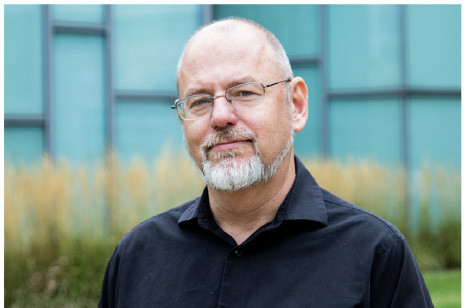
Stefan Helmreich is the Elting E. Morison Professor of Anthropology at MIT, where his research examines how scientists conceptualize fundamental phenomena—especially waves—across oceanography, biology, acoustics, and computing. His interdisciplinary work bridges anthropology, science studies, and media theory. Core research themes include: Cultural and scientific constructions of ocean waves Marine microbial ecologies and alien oceans Sound studies and transduction theories Multispecies ethnography Scientific visualization practices Helmreich's publications demonstrate consistent engagement with wave phenomena as both physical forces and cultural symbols, exploring how scientific representations of waves shape environmental understanding. His award-winning books trace connections between marine science, cosmology, and media technologies. He has received numerous prestigious awards including a Guggenheim Fellowship and multiple book prizes from anthropological associations. Helmreich maintains creative collaborations through projects like 'Wave Count'—a musical exploration of wave representations across genres.
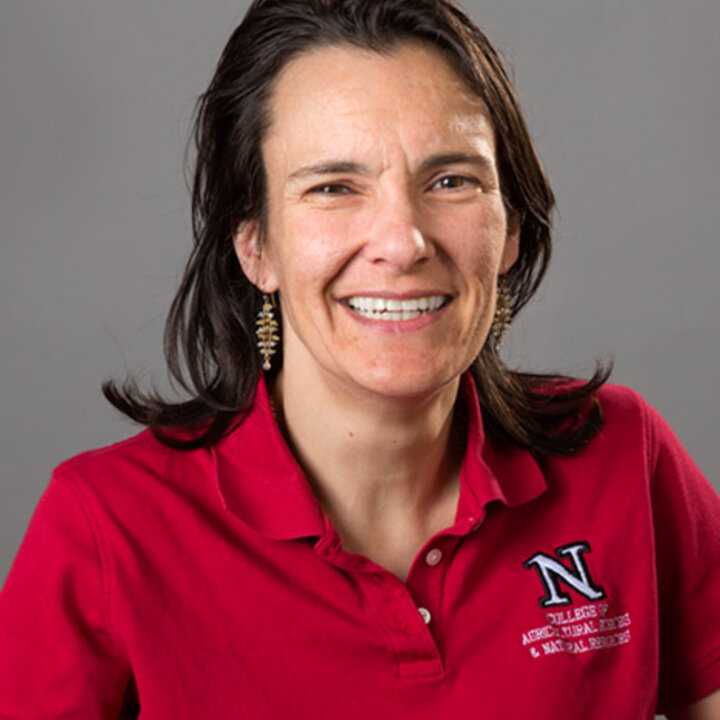
Jennifer L. Clarke is a Professor in the Department of Statistics at the University of Nebraska–Lincoln and Director of the Quantitative Life Science Initiative. She holds leadership roles in enabling big data integration across the University of Nebraska system through collaborative research programs. Her affiliations include the Institute of Agriculture and Natural Resources (IANR) and the College of Agriculture and Natural Resources. Dr. Clarke's research focuses on statistical methodology for high-dimensional data, computational biology, bioinformatics, and bacterial genomics. Her work bridges statistical innovation with applications in oncology, microbiome analysis, and agricultural phenomics. Key areas include predictive modeling, machine learning, and genomic/metagenomic data integration. Her recent publications span cancer biomarker discovery, plant phenotyping methodologies, and microbial community analysis, reflecting her interdisciplinary approach. Articles emphasize translational applications like therapeutic target identification and precision agriculture. Dr. Clarke leads initiatives fostering collaboration between statisticians and domain scientists, including the Quantitative Life Science Initiative and contributions to the Agricultural Genome-to-Phenome Initiative (AG2PI). Her work advances data-driven solutions for healthcare and food security challenges. Notable projects include developing statistical tools for microbiome studies, analyzing root architecture via 3D imaging, and investigating cranberry-derived compounds' cancer-inhibitory mechanisms. Her methodological contributions include hybrid clustering techniques and predictive model validation frameworks.
Lauren Andrews serves as Associate Professor and Marvin and Eva Schlanger Faculty Fellow in the Department of Chemical Engineering at the University of Massachusetts Amherst. Her research integrates synthetic biology and genetic engineering to develop programmable cellular systems for biotechnological applications. Education: Postdoctoral Training: Massachusetts Institute of Technology (Biological Engineering and Broad Institute of MIT and Harvard) PhD: University of Colorado Boulder, Chemical Engineering (2012) MS: University of Colorado Boulder, Chemical Engineering (2009) BS: Cornell University, Chemical Engineering (2006) Dr. Andrews' research focuses on establishing genetic design rules for reprogramming cellular regulation and metabolism. Her lab pioneers synthetic gene networks, genetically-encoded biosensors, and high-throughput methodologies for optimizing genetic designs in both model and non-model bacteria. This work enables precise control of cellular sensing, memory, and environmental responses through multiplexed DNA assembly and next-generation sequencing. Analysis of her 15 most recent publications reveals dominant themes in bacterial biosensor development (particularly for bioremediation), quorum sensing engineering, and programmable genetic circuits for probiotic applications. Her research consistently bridges fundamental genetic circuit design with practical implementations in bacterial consortia and non-model organisms. Scientific Awards: Marvin and Eva Schlanger Faculty Fellowship NSF CAREER Award (2020) for "Programmable synthetic microbial consortia for complex multicellular functions" Her grant portfolio demonstrates significant funding for collaborative research in bacterial communication systems and model-guided design of synthetic ecosystems. The Andrews Lab maintains active partnerships with the MIT-Broad Foundry and Cold Spring Harbor Laboratory, where she co-founded the Synthetic Biology Summer Course. Current projects focus on CRISPR-based regulation in non-model bacteria and algorithmic programming of sequential logic in probiotic strains. The Andrews Lab operates within the Life Science Laboratories at UMass Amherst, utilizing advanced facilities for genetic prototyping and high-throughput screening. Her team develops multiplexed tools for exploring genetic design spaces, with particular emphasis on soil bacteria and Gram-positive pathogens for environmental and therapeutic applications.
Tim Ibell is a Professor in the Department of Architecture & Civil Engineering at the University of Bath, affiliated with the Centre for Climate Adaptation & Environment Research (CAER). He has held leadership roles including Head of Department, Associate Dean (Graduate Studies), and Associate Dean (Research). His career includes a Fulbright Distinguished Scholar Award (2002) and a stint as Sir Kirby Laing Professor of Civil Engineering at the University of Cambridge. He is a Fellow of the Royal Academy of Engineering and has received six best journal-paper awards. Education: Postdoctoral research at the University of Cambridge following industry experience. Joined Bath in 1997. Research focuses on sustainable construction materials, FRP reinforcement, and embodied carbon reduction in concrete structures. His work aligns with UN SDGs on climate action and sustainable cities. Key innovations include fabric-formed concrete structures and low-carbon pile foundations. Recent projects include EPSRC-funded studies on pile optimization, creative design teaching, and resource efficiency in industrial strategy. Collaborations span UK and international institutions. Awards include the Institution of Structural Engineers' recognition and Royal Academy of Engineering Fellowship. Advising and grants: Supervises PhD students in sustainable construction. Leads multi-million-pound research projects addressing embodied carbon and material efficiency. Labs/Teams: Directs CAER and collaborates with interdisciplinary teams on projects like ACORN (Automating Concrete Construction) and MEICON (Minimising Energy in Construction).
Conor Ryan is a Professor in the Department of Computer Science & Information Systems at the University of Limerick. He is a Science Foundation Ireland-funded Investigator since 2002 and a member of multiple research centres including Lero – the Irish Software Research Centre and the Limerick Digital Cancer Research Centre. His research focuses on Genetic Programming, Grammatical Evolution, and their applications in domains like healthcare analytics, digital circuit design, and financial modeling. He has authored over 250 publications, with recent work emphasizing automated feature selection in medical diagnostics, neural architecture search, and blockchain ecosystems. Teaching includes courses on Foundations of Computer Science and Computer Games Programming. Research interests span evolutionary computation, machine learning, and interdisciplinary applications. Collaborations involve global institutions, reflecting his work's impact across computer science, engineering, and healthcare. His research has addressed challenges in breast cancer diagnosis via genetic algorithms, cryptocurrency volatility prediction using random forests, and automated generation of digital circuits. Ongoing projects explore interpretability in AI, energy-efficient computing, and sustainable transport systems through predictive analytics. Professional memberships include roles in the Centre for Research Training in Foundations of Data Science and the Data-Driven Computer Engineering Research Centre, underscoring his commitment to interdisciplinary innovation.
John Ford is an Associate Professor in the Department of Nuclear Engineering at Texas A&M University. His research focuses on radiobiology, radiation carcinogenesis, and medical applications of radiation. He holds academic appointments within the College of Engineering and contributes to the Health Physics, Radiation Biology & Medical Physics research group. Education includes a B.S. and M.S. in Nuclear Engineering from Mississippi State University (1982, 1986), a Ph.D. in Biomedical Sciences from the University of Tennessee (1992), and postdoctoral training at Oak Ridge National Laboratory (1992–1993). His work emphasizes understanding radiation effects on biological systems, with notable contributions to radiation dosimetry, bystander signaling mechanisms, and dietary modulation of radiation damage. Recent studies explore space radiation monitoring technologies and therapeutic applications of radiation. Awards include the BP Award for Teaching Excellence (2007) and ARRO Educator of the Year (2013–2014). Research spans interdisciplinary areas such as radiation-induced cancer mechanisms, nutritional interventions to mitigate radiation effects, and advanced radiation detection instrumentation. He has advised numerous projects in radiation safety curriculum development and collaborated on NASA-funded studies modeling radiation impacts on astronauts.
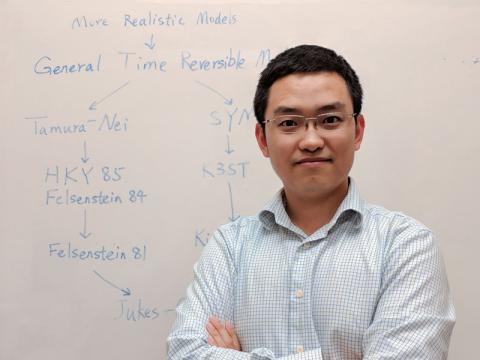
Xiang Ji is an Assistant Professor in the Department of Mathematics at Tulane University, affiliated with the School of Science & Engineering. His research focuses on statistical phylogenetics, computational biology, and bioinformatics, particularly in viral evolution and genomic epidemiology. He collaborates with Dr. Wu-Min Deng on cancer biology research from a bioinformatics perspective. Education: Ph.D., 2017: Bioinformatics and Statistics (Co-Major), North Carolina State University M.S., 2013: Material Science and Engineering, North Carolina State University B.S., 2011: Economics (Double Major) and Physics, Peking University Research Interests: Dr. Ji develops statistical models and computational tools for phylogenetic analysis, including scalable algorithms for large-scale genomic data. His work spans viral evolution, zoonotic disease surveillance, and parallel computing libraries for Bayesian inference. He emphasizes practical implementations such as Torchtree and TreeFlow . Articles Trends: Recent publications emphasize viral evolution dynamics (e.g., SARS-CoV-2, avian influenza), genomic surveillance strategies, and computational methods for phylogenetic inference. His work often bridges statistical theory with real-world applications in public health and epidemiology. Advising & Grants: While specific grant details are not listed, his active research program indicates involvement in funding initiatives related to computational biology and viral evolution. He teaches advanced courses in data analysis, linear models, and probability theory. Labs & Teams: Collaborates with Tulane’s Cancer Biology group and maintains partnerships with institutions globally, focusing on genomic epidemiology and phylogenetic software development.
Xiuwei Zhang is the J.Z. Liang Early-Career Assistant Professor in the School of Computational Science and Engineering (SCoSE) at Georgia Institute of Technology, part of the College of Computing. Her research focuses on computational biology and bioinformatics, particularly in developing machine learning methods for analyzing single-cell omics data, including multi-modal, temporal, and spatial data integration. She leads a lab that designs tools like scDART , scMoMaT , and scMultiSim , which address challenges in multi-omics integration, lineage reconstruction, and simulation. Before joining Georgia Tech, she held postdoctoral positions at UC Berkeley (Nir Yosef’s group), the European Bioinformatics Institute (EBI), and École Polytechnique Fédérale de Lausanne (EPFL). She earned her PhD in computer science from EPFL under Bernard Moret. Her Erdős number is 3, reflecting her collaborative work across computational fields. Her research spans four key areas: multi-batch/single-cell data integration, temporal analysis of cell differentiation, spatial-temporal omics dynamics, and simulation tools for benchmarking methods. She has received prestigious awards, including the NSF CAREER Award (2022) and NIH MIRA (2021). She actively participates in conferences (RECOMB, ISMB) and serves on editorial boards (Journal of Computational Biology). Her group’s recent work includes the scMultiSim simulator (2025), which generates multi-omics spatial data, and LinRace (2023), reconstructing cell lineage histories. She mentors over 15 students and collaborates internationally on projects like the InQuBATE Workshop on Single-Cell Transcriptomics.
Dr. Richard Fair is the Lord-Chandran Distinguished Professor of Engineering at Duke University, with a career spanning semiconductor physics, digital microfluidics, and lab-on-a-chip systems. His research group collaborates with faculty across Duke, Harvard, and Stanford in bioengineering, genomics, and environmental science to develop applications-driven microfluidic platforms. Ph.D. in Electrical and Computer Engineering, Duke University (1969) B.S.E.E., Duke University (1964) M.S.E.E., Pennsylvania State University (1966) Research interests focus on electrowetting-based microfluidics for biosensing, diagnostics, and synthetic biology applications. Key innovations include adaptive droplet routing , magnetic bead manipulation , and integrated optical sensors for real-time analyte detection in environmental and medical contexts. Recent publications emphasize deep reinforcement learning for biochip automation, fluorescent nucleosome detection , and inorganic ion analysis in aerosols. Collaborations with institutions like Advanced Liquid Logic and NSF-funded projects highlight his interdisciplinary approach. IEEE Third Millennium Medal (2000) Solid State Science and Technology Award (Electrochemical Society, 2003) Gordon E. Moore Medal (2009) Fellow, IEEE and Electrochemical Society Grants include NSF awards with Nan Jokerst and Krish Chakrabarty for adaptive lab-on-a-chip optical control, DARPA funding for genomic engineering platforms, and collaborations with the Desert Research Institute on airborne particle sensing. His lab develops scalable solutions for environmental monitoring, clinical diagnostics, and synthetic biology applications.
Professor Guy Williams is a leading academic at the University of Cambridge with a focus on imaging science and clinical neurosciences, affiliated with Downing College and the Wolfson Brain Imaging Centre . Holding a PhD in Physics from his initial Natural Sciences degree, he specializes in nuclear magnetic resonance (NMR) and MRI techniques for brain imaging. Education: BA, PhD in Physics His research centers on non-invasive imaging of brain structure and function, particularly in traumatic brain injury (TBI) and dementia. His work involves developing novel MRI pulse sequences and advanced data analysis algorithms, including AI-based diagnostic tools. He leads studies on white matter integrity post-trauma, longitudinal dementia assessment, and applications of MRI in disorders of consciousness and addiction. Recent publications highlight collaborations in traumatic brain injury outcomes, AI-guided dementia prediction, and neuroimaging of post-COVID cognitive deficits. His team's work on ultra-high field laminar fMRI and distortion correction methods has advanced clinical neuroscience applications. Key techniques include diffusion tensor imaging (DTI), 7 Tesla MRI, and positron emission tomography (PET/MR). His research spans from basic NMR physics to clinical translation, with a strong emphasis on multi-site studies and real-world diagnostic implementation.
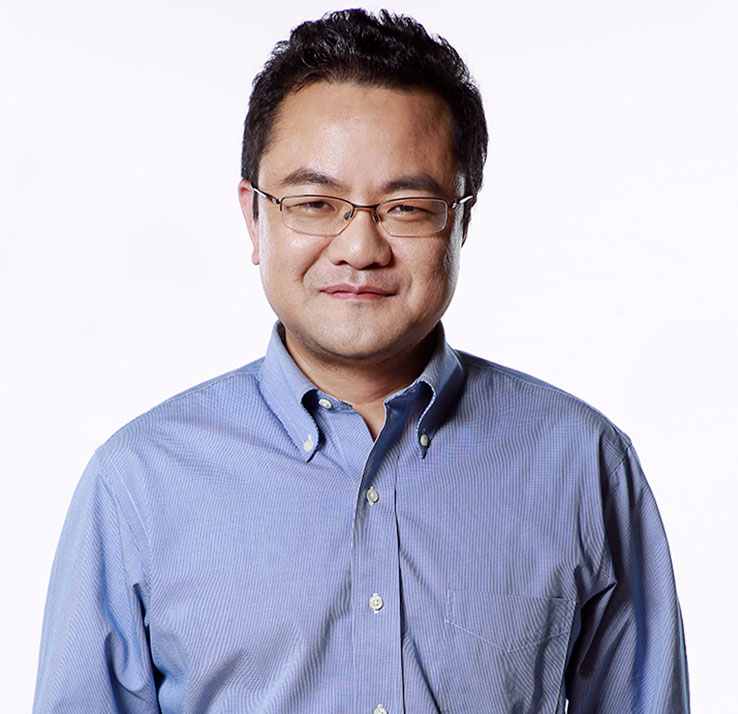
Dr. Hongtu Zhu is the Kenan Distinguished Professor of Biostatistics, Statistics, Radiology, Computer Science, and Genetics at the University of North Carolina at Chapel Hill (UNC). He holds affiliations with the Gillings School of Global Public Health and leads the Biostatistics and Imaging Genomics Analysis Lab. His expertise spans statistical learning, medical imaging, AI, and big data integration, with a focus on precision medicine and biomedicine. Dr. Zhu earned his PhD in Statistics from The Chinese University of Hong Kong (2000) and has held prior roles including DiDi Fellow/Chief Scientist (2018-2020) and Bao-Shan Jing Endowed Professor at MD Anderson Cancer Center (2016-2018). He has published over 345 peer-reviewed articles in top-tier journals like Nature, Science, and JASA, and actively contributes to editorial roles including Coordinating Editor of JASA. His research interests include neuroimaging analysis, knowledge graphs, and AI applications in healthcare. Notable awards include the COPSS Snedecor Award (2025), IEEE Fellowship (2025), and IMS Medallion (2027). He has mentored over 80 PhD students/postdoctoral fellows and serves on NIH grant review panels and professional organizations like the ASA's Section on Statistics in Imaging. Key Contributions: Imaging genomics, brain connectivity studies, ridesharing market optimization, medical AI frameworks Lab Innovations: Brain Imaging Genetics Knowledge Portal, Biomedical Knowledge Graph Interface Teaching: Advanced biostatistics courses (Generalized Linear Models, Deep Learning in Biomedicine) Recent work explores causal inference in healthcare, X chromosome's role in neurobiology, and AI ethics in medical vision-language models. His interdisciplinary projects bridge statistics, computer science, and clinical practice to address complex biomedical challenges.
Dalibor Radovanović is a researcher at Singidunum University , affiliated with the Faculty of Business Informatics . His work spans cybersecurity, blockchain technologies, and their applications in business and IoT systems. Education: Doctoral Dissertation (2016, Singidunum University) Master's & Basic Studies (Faculty of Business Informatics) Secondary Education: ETŠ Nikola Tesla Research Interests include: Security frameworks for IoT and blockchain integration Smart card and wireless network vulnerabilities E-governance and corporate IT audit methodologies Machine learning applications in cybersecurity Environmental performance optimization in agribusiness Publication Trends reveal a focus on blockchain (2022), cybersecurity (2009-2022), and IT governance (2010-2017). His work bridges theoretical analysis with practical implementations in Serbia's digital economy. Collaborations with scholars like Marko Šarac and Saša Adamović highlight interdisciplinary approaches to securing financial systems, educational institutions, and industrial IoT applications.
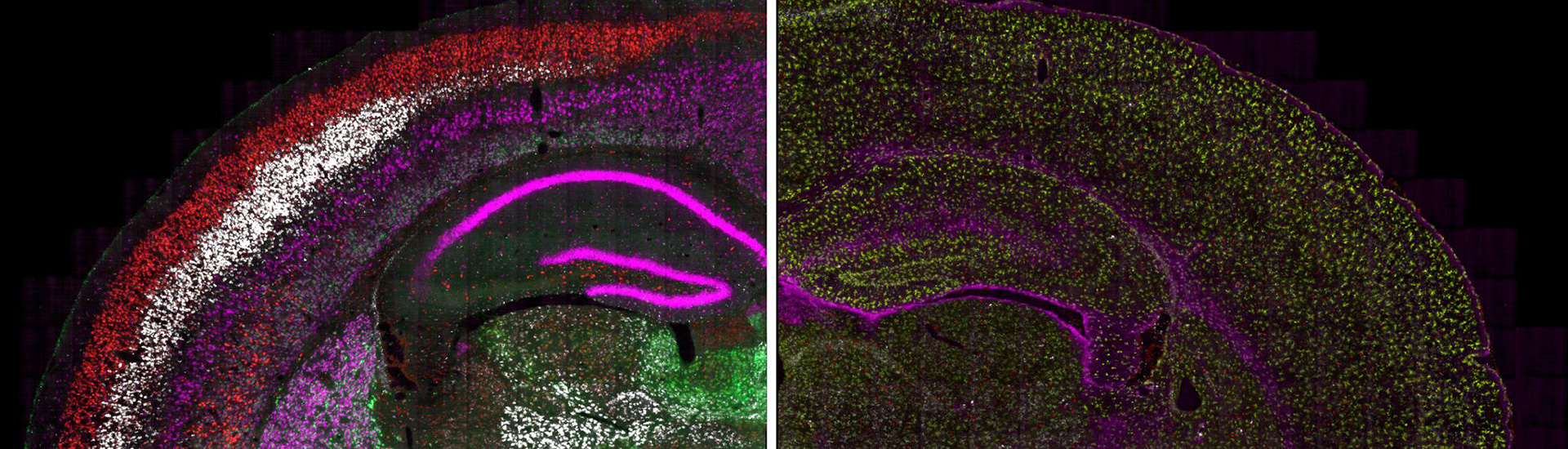
Omer Bayraktar is a Group Leader at the Wellcome Sanger Institute , leading research in the Cellular Genomics Programme. His work focuses on decoding human brain cellular diversity using spatial transcriptomics , imaging , and functional screening to study neural complexity in health and disease. Bayraktar's educational background includes a PhD from HHMI under Chris Doe, investigating neural diversity development in Drosophila , followed by postdoctoral work at University of California, San Francisco and University of Cambridge as a Life Sciences Research Foundation Fellow. He developed a spatial transcriptomic pipeline during his postdoc to analyze astrocyte heterogeneity in the cerebral cortex. His research explores neural cell type mapping , glial-neuronal interactions , and cellular pathways in neurodevelopmental disorders . Recent publications emphasize 3D tissue mapping , multi-omic integration , and computational tools like Cell2fate and WebAtlas. His work bridges neurogenetics and computational biology to advance understanding of human tissue ecosystems. Bayraktar's lab collaborates with the Human Cell Atlas initiative and develops technologies such as automated histology pipelines and highly-multiplexed smFISH for molecular cell typing. His team also investigates glia-based therapies and astrocyte functional heterogeneity in neurodevelopmental contexts. Key scientific contributions include: Discovering astrocyte layer patterns independent of neuronal laminae Developing cell2location for spatial cell mapping Characterizing Drosophila neural stem cell models with human relevance Notable awards include the Life Sciences Research Foundation Fellowship during his postdoctoral training. His current group includes a PhD student , Senior Data Scientists , and Bioinformaticians .
Daan Christiaens is a tenure track lecturer at KU Leuven's Faculty of Medicine and Faculty of Engineering Sciences. He is affiliated with the Department of Electrical Engineering (ESAT) and Department of Imaging & Pathology, serving as a member of the Medical Imaging Division and the KU Leuven Brain Institute (LBI). His academic responsibilities include membership in the Faculty Councils of Engineering Sciences and Medicine. His research focuses on: Inverse problems in medical imaging reconstruction Neuroimaging techniques for brain analysis Advanced quantitative MRI methodologies Diffusion-weighted imaging for microstructural assessment Dr. Christiaens' recent publications (2023-2025) demonstrate a consistent focus on diffusion MRI innovations, including novel reconstruction algorithms, neonatal brain development mapping, and clinical applications for neurodegenerative disorders. Key technical themes include motion correction, multi-shell modeling, and AI-enhanced image processing, while clinical applications span Alzheimer's disease, cerebral palsy, and autism research. He leads significant research projects including: MRI reconstruction with dynamic field monitoring (2024-2028) Compressed sensing for microstructure imaging (2022-2026) Neonatal diffusion MRI network connectivity analysis (2024-2028) As a core developer of the MRtrix3 software framework for medical image processing, he contributes to essential tools in neuroimaging research.
Matthew Lakin is an Associate Professor with tenure in the Department of Computer Science at the University of New Mexico, with a courtesy appointment in the Department of Chemical & Biological Engineering. He is affiliated with the UNM Center for Biomedical Engineering and the School of Engineering, and collaborates extensively with the UNM Health Sciences Center and external institutions. Education: Ph.D., Computer Science, University of Cambridge, 2010 M.A. (Cantab), University of Cambridge, 2009 B.A. (Hons), Computer Science, University of Cambridge, 2005 Dr. Lakin's research focuses on molecular computing, DNA nanotechnology, synthetic biology, and formal verification of biomolecular circuits. He develops computational models and experimental systems for programmable biological devices, especially using heterochiral DNA to enhance stability in living cells. His work spans software tools for biodesign and experimental validation in mammalian systems, with applications in nanomedicine and biosensing. The recent publications highlight a strong trend in engineering robust, intelligent biomolecular systems. His work integrates machine learning concepts into chemical reaction networks, advances geometric modeling of DNA systems, and pioneers L-DNA-based circuits for intracellular applications. The research spans theoretical foundations, software tools, and wet-lab experimentation, emphasizing interdisciplinary innovation. Scientific Awards: Presidential Early Career Award for Scientists and Engineers (PECASE), 2025 NSF CAREER Award, 2021 UNM School of Engineering Junior Faculty Research Excellence Award, 2021 Multiple student awards under his mentorship, including the Outstanding Graduate Student Award and DNA28 Best Student Presentation recognition Dr. Lakin has advised numerous graduate and undergraduate students, including Ph.D. graduates in Biomedical Engineering and Computer Science. He leads major funded projects such as the NSF CAREER grant on heterochiral molecular computing, an EPSCoR Research Fellowship, and a $3M NSF grant on heavy metal biosensing in collaboration with Native American communities. He is also PI on multiple NSF grants related to synthetic cells and nucleic acid technologies. He directs the Lakin Lab for Programmable Biology, which operates within the Department of Computer Science and collaborates with Chemical & Biological Engineering and the Center for Biomedical Engineering. The lab emphasizes both computational modeling and experimental molecular biology, and runs an NSF-funded biotechnology summer camp in partnership with ¡Explora! science museum to strengthen STEM education in New Mexico.