Professor Goran Mashanovich is a leading academic in silicon photonics at the University of Southampton's Optoelectronics Research Centre (ORC) , Faculty of Engineering and Physical Sciences. With a Dipl. Ing. and MSc from the University of Belgrade and a PhD from the University of Surrey, he serves as head of the ORC's Mid-IR silicon photonics group. His expertise spans passive and active photonic devices in silicon and germanium for communication and sensing systems. Education: Dipl. Ing. in Optoelectronics, University of Belgrade MSc in Optoelectronics, University of Belgrade PhD in Silicon Photonics, University of Surrey MSc in Innovative Teaching, University of Surrey His research focuses on Silicon Photonics , Photonics Integrated Circuits , and Sensor Development , particularly in mid-infrared applications. His recent publications demonstrate advancements in waveguide engineering, perovskite integration, and nonlinear optical effects optimization through computational methods. As Principal Investigator on grants exceeding £20 million from EPSRC and industry partners, his collaborative projects include MISSION (mid-infrared healthcare sensors), CORNERSTONE 2.5 , and PIXEurope . He also contributes to global education initiatives as a visiting professor at the University of Belgrade's Faculty of Electrical Engineering.
Dr. Susan Hua is an Associate Professor at the University of Newcastle's School of Biomedical Sciences and Pharmacy, specializing in translational nanopharmaceutics and therapeutic targeting. She established the first translational nanopharmaceutics laboratory in the Hunter region, focusing on drug delivery systems for gastrointestinal, musculoskeletal, and reproductive pathologies. Education: Bachelor of Pharmacy with Honours, University of Queensland (UQ) PhD in Neuroscience and Nanotechnology, UQ Research Interests: Her work centers on using nanotechnology to create targeted drug delivery systems for diseases such as chronic pain, inflammatory conditions, and obstetric complications. Key focuses include oxytocin receptor-targeted liposomes for uterine therapies and localized drug delivery to bypass biological barriers. Awards & Recognition: 2020 DVC(A) Educator Innovation Award 2017 NSW Premier's Early Career Researcher of the Year 2015 HMRI Early Career Researcher of the Year Grants & Collaborations: A/Prof Hua has secured over $5.5M in grants, including NHMRC and ARC funding. She collaborates with institutions like HMRI, John Hunter Hospital, and global teams on projects like nanoparticle-based treatments for preterm labor and uterine hemorrhage. Teaching & Leadership: She coordinates pharmacy programs, emphasizing clinical application and innovation. Her courses include Pharmacotherapeutics and Pharmacy Practice, with awards for teaching excellence (2020, 2011). Labs & Programs: Head of Therapeutic Targeting Program, University of Newcastle Director, Translational Pharmaceutics & Medical Technologies Theme (HMRI)
Finlay Maguire is an Assistant Professor jointly appointed in the Faculty of Computer Science and the Department of Community Health & Epidemiology at Dalhousie University. He leads the Maguire Lab, which develops data-driven methods to address health and social crises through genomic epidemiology and interdisciplinary health data science. He is also affiliated with the Shared Hospital Laboratory, Sunnybrook Research Institute, and multiple national and international public health consortia including PHA4GE, CanCOGeN, and IRIDA. PhD: University College London / Natural History Museum (2016) MA: University of Oxford (2011) Donald Hill Family Fellowship, Dalhousie University (2021) Dr. Maguire's research focuses on two main areas: genomic epidemiology of infectious diseases and interdisciplinary health data science collaborations . His work in genomic epidemiology includes developing bioinformatics and machine learning tools to study antimicrobial resistance (AMR) and SARS-CoV-2 dynamics, often in collaboration with public health agencies. His broader health data science work addresses issues such as online radicalization, healthcare access for refugees, and autism-related language use, combining computational methods with social science. His recent publications (2023–2025) reflect a strong trend in pathogen genomics , AMR , zoonotic spillover , and computational social science . He has published on novel coronaviruses in bats, SARS-CoV-2 animal models, invasive Group A Streptococcus, and sociological analyses of incel communities. Much of this work involves tool development (e.g., ArgNorm, Pathoplexus) and data standardization (e.g., PHA4GE metadata standards). Finalist, 2024 Discovery Awards (Emerging Professional) 2023 President’s Research Excellence Award for an Emerging Investigator, Dalhousie Finalist, 2023 Discovery Awards (Emerging Professional) Funding from CIHR, NSERC, Genome Canada, SSHRC, BMGF Dr. Maguire actively mentors graduate students and postdocs, including PhD candidates in Computer Science and MSc students in Community Health & Epidemiology. He has secured major training grants such as the CIHR Health Research Training Platform and the Canadian One Health Training Program for Emerging Zoonoses. He also contributes to capacity-building initiatives like MicroResearch in Ghana and Kenya. The Maguire Lab is embedded in a rich network of collaborations, including the CARD database, Public Health Agency of Canada, Canadian Food Inspection Agency, and Sunnybrook Health Sciences Centre. The lab emphasizes open science, reproducible research, and interdisciplinary training, as seen in the development of open-source tools and participation in international consortia.
Professor John Pickett serves as Chair of the School of Chemistry at Cardiff University, where he holds the position of Professor of Biological Chemistry. His research program has established him as a leading figure in chemical ecology with significant contributions to understanding chemically mediated interactions between organisms. Professor Pickett's research focuses on chemical ecology involving chemically mediated interactions between various organisms, particularly pests attacking plants and animals. His work encompasses the chemical characterisation of pheromones and other semiochemicals across plants and animals, including insect pests and beneficial organisms. He investigates stress-related chemical signalling by plants and vertebrates (including humans and farm animals), elucidates biosynthetic pathways to pheromones and other semiochemicals, and explores how these compounds can be exploited in pest management through ecological approaches and genetic modification. Analysis of Professor Pickett's recent publications reveals a sustained and impactful research trajectory spanning chemical ecology, agricultural science, and sustainable development. His work demonstrates remarkable continuity in investigating semiochemicals and pheromones while expanding into interdisciplinary areas including AI applications for sustainable futures and the economic impacts of agricultural innovations. A consistent theme throughout his career is the practical application of chemical ecology principles to develop sustainable pest management solutions, particularly through the development and refinement of push-pull farming systems that have transformed agricultural practices in Africa.
Jennifer A. Smith, PhD, MPH is an Associate Professor of Epidemiology and Research Associate Professor of Survey Research at the University of Michigan School of Public Health . She also serves as Director of the Certificate in Public Health Genetics and is Assistant Director of the Cohort Development working group for U-M Precision Health and the Michigan Genomics Initiative. Education: PhD, Epidemiology, University of Michigan (2011) MA, Statistics, University of Michigan (2009) MPH, Health Management and Policy, University of Michigan (2005) BS, Biological Sciences, Cornell University (2001) Research Interests: Dr. Smith is a genetic epidemiologist whose work lies at the intersection of genomics, epigenomics, and social epidemiology . She investigates how genetic, epigenetic, and transcriptomic variation influence age-related chronic diseases such as cardiovascular disease, hypertension, dementia, and cognitive decline. A major focus is understanding how social, psychosocial, and neighborhood determinants interact with genetic risk to shape socioeconomic and racial/ethnic health disparities . Research Projects: Her work leverages large, multi-ethnic cohorts including the Health and Retirement Study (HRS), GENOA, SWAN, MESA, and LASI. She is a core faculty member of the Center for Social Epidemiology and Population Health (CSEPH) , and affiliated with MiCDA, the Center for Midlife Science, and the PNG Program . She also collaborates with leading consortia such as CHARGE and TOPMed. Selected Trends in Publications: Her recent work (2022–2025) emphasizes epigenetic mediation of social determinants on cardiovascular and cognitive health, polygenic risk scores across diverse ancestries , and multi-omics integration in aging and disease. These studies consistently highlight how social environments and genetic architecture jointly influence health outcomes across populations. Contact: Email: smjenn@umich.edu Office: 734-615-9455 Address: 2631 SPH I, 1415 Washington Heights, Ann Arbor, MI 48109
Dr. Dmytro Matsypura is an Associate Professor in the Discipline of Business Analytics at the University of Sydney Business School. He holds a BA (Hons) from Kyiv Polytechnic Institute (KPI), an MS (Hons) from KPI, and a PhD from the University of Massachusetts Amherst. His research focuses on optimization methodologies, network science, and their applications in finance, transportation, ecology, and graph theory. He is a recipient of multiple teaching awards, including the Wayne Lonergan Outstanding Teaching Award (Early Career) in 2010. Education: PhD in Management Science, University of Massachusetts Amherst (2006) MS (Hons) in Information Systems, Kyiv Polytechnic Institute (2000) BA (Hons) in Business Administration, Kyiv Polytechnic Institute (1998) Research Interests: Dr. Matsypura’s work spans operations research and management science, with a focus on mathematical optimization and network science. His methodological contributions include developing efficient optimization algorithms, while his applied research addresses real-world challenges in finance, engineering, and ecology. Notable applications include wildfire fuel management, portfolio margining, and credit card fraud detection via graph-based models. Awards and Recognition: Teaching Excellence Award (2008, 2013, 2018) Wayne Lonergan Outstanding Teaching Award (Early Career) (2010) Grants and Projects: Current projects include Bushfire Analytics: Optimization of Fuel Reduction (2023, ARC Discovery Project). His research frequently integrates interdisciplinary collaborations, such as applying graph theory to biomedical problems and cybersecurity. Labs/Teams: Active in the Sydney Environment Institute, contributing to projects at the intersection of analytics and sustainability. Collaborates with industry on fraud detection and supply chain optimization.
Furkan Alaca is an Assistant Professor at Queen's University's School of Computing, part of the Faculty of Arts and Science. His research focuses on user authentication systems, addressing security and usability challenges. He holds a Ph.D. (2018) in Computer Science from Carleton University, an M.A.Sc. (2012) in Electrical and Computer Engineering, and a B.Eng. (2010) in Communications Engineering, all from Carleton University. His academic career includes teaching roles at Queen's University and the University of Toronto Mississauga, where he taught courses such as Cryptography, Cybersecurity, and Discrete Mathematics. He is affiliated with Queen's Security Research Group and Computer Security Research Lab. Research interests include computer and internet security, usable security, authentication mechanisms, and systems security. He has contributed to advancements in web authentication frameworks, malware analysis, and privacy-preserving technologies. His work spans conferences like IEEE and ACM, with notable publications in cybersecurity, machine learning, and network efficiency. Current teaching includes CISC 447 (Introduction to Cybersecurity) and CISC 468 (Cryptography). He has advised on courses ranging from undergraduate programming to graduate-level security topics.
Volodymyr Kuleshov is an Assistant Professor at Cornell Tech and Cornell University's Department of Computer Science. His research focuses on machine learning, particularly generative models, probabilistic methods, and applications in health and sustainability. He co-founded Afresh, an AI startup reducing food waste, and has commercialized genome sequencing work via Moleculo (now part of Illumina). Kuleshov earned his PhD from Stanford University, advised by prominent figures like Stefano Ermon and Serafim Batzoglou. He teaches courses like CS 5785 (Applied Machine Learning) and CS 6785 (Advanced Topics in Machine Learning). His awards include the NSF CAREER Award and Arthur Samuel Best Thesis Award. Education: PhD in Computer Science from Stanford University (2018), advised by Stefano Ermon, Serafim Batzoglou, Michael Snyder, Christopher Re, and Percy Liang. Research Interests: Core ML (generative models, approximate inference), health tech (genome sequencing, clinical decision support), sustainability (AI-driven food waste reduction). Notable projects include Caduceus for DNA sequence modeling and Diffusion Duality theory. Awards: Google Research Scholar Award (2025), Outstanding Paper Award (EMNLP 2023), NIH MIRA Award (2023). Students/Advising: Over 20 advisees across PhD, Master’s, and undergraduate programs, including Edgar Marroquin (PhD) and Charlie Marx (Stanford). Alumni include Allan Bishop (Bloomberg) and Yong Huang (UCI PhD). Labs/Teams: Leads research groups at Cornell Tech focusing on generative AI and its real-world applications. Collaborates with institutions like MILA (Montreal) and DeepMind.
Dr. Frances Chen is a Professor and Area Coordinator in the Department of Psychology at the University of British Columbia (UBC), located on the traditional, ancestral, and unceded territory of the Musqueam People. She holds a PhD from Stanford University (2009). Her research integrates health psychology, social psychology, and neuroendocrinology to explore how social experiences influence mental and physical health. Key areas include the physiological impacts of loneliness, social support, and hormonal changes during puberty on adolescent development. Education: PhD, Psychology, Stanford University, 2009 Research Focus: Dr. Chen investigates how social interactions 'get under the skin' through studies on loneliness, stress, conflict negotiation, and hormonal mechanisms. Her work emphasizes interventions to enhance social connection and reduce health disparities. Recent Article Trends: Recent publications highlight interdisciplinary approaches, including genetic influences on depression, effects of near-infrared lighting on cognition, and longitudinal studies on adolescent hormonal contraceptive use. Her work bridges basic science and applied health outcomes. Awards & Grants: Michael Smith Health Research BC C2 Award (2022) Killam Faculty Research Fellowship (2019) Teaching & Learning Enhancement Fund Grant (2025) SSHRC Prosociality Project Funding (2023) Lab & Mentorship: Director of the Social Health Lab, she mentors graduate and undergraduate students, prioritizing equity and inclusion. Recent lab achievements include studies on teen health development and interventions to improve student success in psychology programs. Lab Initiatives: UBC Teen Health and Development Study (longitudinal hormonal/mental health tracking) NIR lighting health impact research (collaborative interdisciplinary project) Prosociality 'in the Wild' SSHRC project
Brian Greenfield, MD, FRCPC, ABPN is an Associate Investigator at the Research Institute of the McGill University Health Centre (RI-MUHC) and affiliated with the Brain Repair and Integrative Neuroscience (BRaIN) Program. He is a professor at McGill University and focuses on childhood suicide research through genetic predisposition, disease pathways, treatments, and predictive testing. His work intersects with mental health, borderline personality disorder (BPD), and externalizing disorders in youth. Email: brian.greenfield@muhc.mcgill.ca Dr. Greenfield's research explores the genetic and clinical dimensions of suicide risk in children and adolescents. He investigates biomarkers, predictive algorithms, and treatment models to address mental health crises, particularly in borderline personality disorder and suicidal behaviors. His publications highlight innovative approaches to suicide prevention in youth, including outpatient rapid-response systems, diagnostic tools for BPD, and population-level surveillance algorithms. Research keywords include psychiatry, genetics, health economics, and clinical psychology. As part of the BRaIN Program at RI-MUHC, Dr. Greenfield contributes to translational neuroscience and integrative mental health studies, bridging clinical practice with research to improve outcomes for vulnerable young populations.
Ross L. Levine, MD, is a distinguished Professor and Physician-Scientist at Memorial Sloan Kettering Cancer Center (MSKCC), holding the Edward P. Evans Endowed Chair for Myelodysplastic Syndromes (MDS). As Senior Vice President of Memorial Hospital’s Translational Research division, he leads groundbreaking work in hematologic malignancies, particularly leukemia and myeloproliferative neoplasms (MPNs). His research integrates clinical care with genomic and molecular studies to develop targeted therapies. Levine received his MD from Johns Hopkins University School of Medicine, followed by residency in Internal Medicine at Massachusetts General Hospital and fellowship in Hematology/Oncology at Dana-Farber Cancer Institute. Education: MD, Johns Hopkins University School of Medicine Residencies: Internal Medicine, Massachusetts General Hospital Fellowships: Hematology/Medical Oncology, Dana-Farber Cancer Institute Levine’s research focuses on the genetic and epigenetic drivers of myeloid cancers, including JAK-STAT pathway mutations in MPNs and AML. His team explores therapeutic strategies targeting CXCL8/CXCR2 signaling and clonal hematopoiesis. Key contributions include identifying JAK2 mutations in MPNs and advancing single-cell mutation analysis for clonal evolution studies. His clinical expertise includes treating patients with acute myeloid leukemia (AML), polycythemia vera, and myelofibrosis, performing bone marrow biopsies, and leading clinical trials for targeted therapies. Levine has pioneered translational research programs linking lab discoveries to patient care, emphasizing precision medicine. Awards & Honors: Pershing Square Sohn Prize (2014), Howard Hughes Medical Institute Early Career Award (2007), and multiple Leukemia & Lymphoma Society accolades. He holds leadership roles in professional societies, including co-chairing the American Society of Hematology’s 2016 Scientific Program. Levine’s lab, part of the Human Oncology & Pathogenesis Program (HOPP), collaborates with institutions globally. His work has been published in high-impact journals like Cancer Cell , Nature , and Blood , advancing understanding of cancer genetics and therapeutic innovation.
Karan S Dixit, MD is an Assistant Professor in the Department of Neurology at Northwestern University's Feinberg School of Medicine, specializing in neuro-oncology and serving as Fellowship Director for the education program. His educational background includes: MD from Louisiana State University (2011) Internal Medicine Internship at University of Illinois at Chicago (2012) Neurology Residency and Chief Medical Resident at University of Illinois at Chicago (2015) Neuro-Oncology Fellowship at Northwestern University McGaw Medical Center (2016) He maintains board certification in Neurology (American Board of Psychiatry and Neurology) and Neuro-Oncology (United Council for Neurologic Subspecialties). Dr. Dixit's research centers on CNS lymphoma, lower-grade gliomas, and glioblastoma, with emphasis on novel therapies for treatment resistance. He investigates biomarkers for disease monitoring and explores neurocognitive decline mechanisms related to neural connectivity changes during CNS cancer treatment. His work bridges clinical neurology with translational oncology through molecular diagnostics and therapeutic innovation. His 2025 publications reveal three critical research trajectories: molecular characterization of glioma mutations (TERT/IDH), liquid biopsy applications for CNS lymphoma diagnosis, and repurposing antiseizure drugs with antineoplastic potential. These studies collectively advance precision medicine approaches for treatment-resistant CNS malignancies. Professional recognition includes: John A Kessler Teaching Award (2022, 2019) NeuroNEXT Fellow (2020) Society of Neuro-Oncology Clinical Trials Course (2019) University of Illinois Teaching Excellence Awards (2014-2015) As Fellowship Director, Dr. Dixit mentors neuro-oncology trainees while leading three active clinical trials: Vorasidenib/Pembrolizumab for IDH-mutant glioma (NCT05484622), NX-5948 BTK degrader for CNS lymphoma (NCT05131022), and emavusertib for relapsed PCNSL (NCT03328078). His industry collaborations include Bluprint Oncology Concepts and Servier Pharmaceuticals for therapeutic development. He maintains active membership in the Feinberg Academy of Medical Educators, American Neurological Association, American Academy of Neurology (Neuro-Oncology Section), American Society of Clinical Oncology, and Society of Neuro-Oncology, collaborating through Northwestern Medicine's Robert H. Lurie Comprehensive Cancer Center and Clinical and Translational Sciences Institute.
Lauren Andrews serves as Associate Professor and Marvin and Eva Schlanger Faculty Fellow in the Department of Chemical Engineering at the University of Massachusetts Amherst. Her research integrates synthetic biology and genetic engineering to develop programmable cellular systems for biotechnological applications. Education: Postdoctoral Training: Massachusetts Institute of Technology (Biological Engineering and Broad Institute of MIT and Harvard) PhD: University of Colorado Boulder, Chemical Engineering (2012) MS: University of Colorado Boulder, Chemical Engineering (2009) BS: Cornell University, Chemical Engineering (2006) Dr. Andrews' research focuses on establishing genetic design rules for reprogramming cellular regulation and metabolism. Her lab pioneers synthetic gene networks, genetically-encoded biosensors, and high-throughput methodologies for optimizing genetic designs in both model and non-model bacteria. This work enables precise control of cellular sensing, memory, and environmental responses through multiplexed DNA assembly and next-generation sequencing. Analysis of her 15 most recent publications reveals dominant themes in bacterial biosensor development (particularly for bioremediation), quorum sensing engineering, and programmable genetic circuits for probiotic applications. Her research consistently bridges fundamental genetic circuit design with practical implementations in bacterial consortia and non-model organisms. Scientific Awards: Marvin and Eva Schlanger Faculty Fellowship NSF CAREER Award (2020) for "Programmable synthetic microbial consortia for complex multicellular functions" Her grant portfolio demonstrates significant funding for collaborative research in bacterial communication systems and model-guided design of synthetic ecosystems. The Andrews Lab maintains active partnerships with the MIT-Broad Foundry and Cold Spring Harbor Laboratory, where she co-founded the Synthetic Biology Summer Course. Current projects focus on CRISPR-based regulation in non-model bacteria and algorithmic programming of sequential logic in probiotic strains. The Andrews Lab operates within the Life Science Laboratories at UMass Amherst, utilizing advanced facilities for genetic prototyping and high-throughput screening. Her team develops multiplexed tools for exploring genetic design spaces, with particular emphasis on soil bacteria and Gram-positive pathogens for environmental and therapeutic applications.
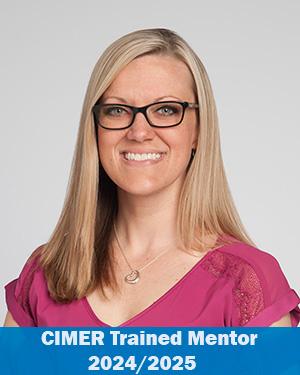
Jessica Williams, PhD is an Assistant Professor in the Department of Neurosciences at the Cleveland Clinic Lerner Research Institute (LRI) with additional faculty appointments at Case Western Reserve University, Kent State University, and Cleveland State University. She serves as the Cleveland Clinic liaison for Kent State University and represents the Clinic on the Executive Council for the Brain Health Institute and the Biomedical Sciences Graduate Program Executive Committee. Education: Postdoctoral Fellowship in Neuroimmunology, Washington University School of Medicine (2017) Ph.D. in Immunology, The Ohio State University (2011) M.S. in Physiology, Purdue University (2006) B.S. in Biology/Chemistry, Lindenwood University (2004) Dr. Williams' research focuses on neuroimmune interactions during multiple sclerosis, particularly examining regional responses of CNS glia to immune stimuli and astrocyte-immune crosstalk. Her lab employs murine MS models, primary human and murine cell analyses, and MS patient lesion assessment to investigate cytokine-mediated neuroprotection and CNS repair mechanisms. Recent work highlights protective astrocyte functions mediated by traditionally deleterious cytokines. Analysis of her 15 most recent publications reveals consistent focus on neuroimmune crosstalk in MS, with increasing emphasis on astrocyte heterogeneity, cytokine signaling (particularly IFNγ), and novel therapeutic targets like immunoproteasomes. Key themes include regional CNS differences in immune responses, glial cell repair mechanisms, and translating basic findings into potential MS therapies. Scientific Awards: Lerner Research Institute Excellence in Education Award (2022) Mentor of the Year Award (2023) Dr. Williams actively mentors the next generation of scientists as evidenced by her CIMER Trained Mentor certification and the graduation of PhD student Brandon Smith. Her research is supported by significant funding from the NIH, National MS Society, W.M. Keck Foundation, Brain Health Research Institute, and Neurological and Vision Impact Area. She regularly serves on study sections for the NIH, National MS Society, and Department of Defense. The Williams Laboratory investigates the interplay between immune and central nervous systems during MS, with current projects examining cytokine-mediated neuroimmune crosstalk for CNS repair and regionally distinct glial responses to inflammation. The lab employs advanced techniques including murine MS models and primary human cell analyses to identify novel therapeutic pathways for MS patients.
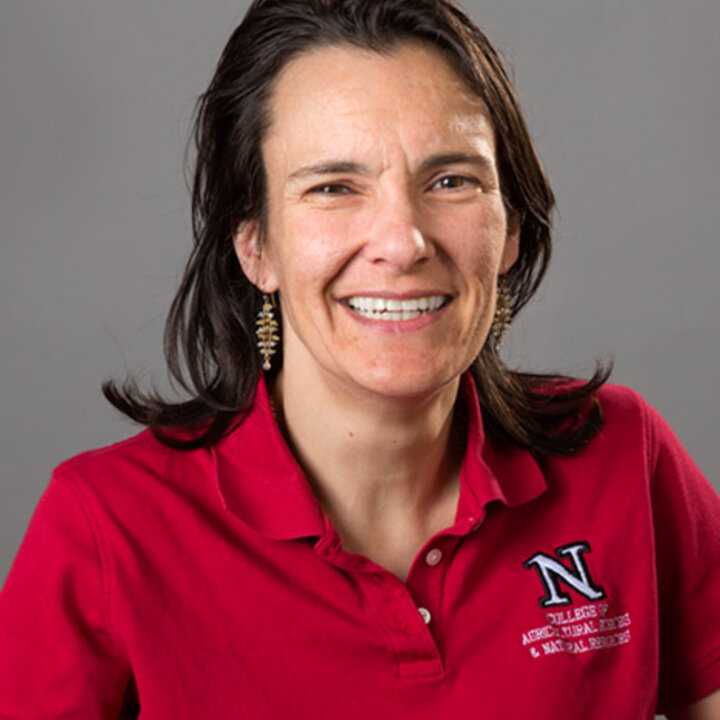
Jennifer L. Clarke is a Professor in the Department of Statistics at the University of Nebraska–Lincoln and Director of the Quantitative Life Science Initiative. She holds leadership roles in enabling big data integration across the University of Nebraska system through collaborative research programs. Her affiliations include the Institute of Agriculture and Natural Resources (IANR) and the College of Agriculture and Natural Resources. Dr. Clarke's research focuses on statistical methodology for high-dimensional data, computational biology, bioinformatics, and bacterial genomics. Her work bridges statistical innovation with applications in oncology, microbiome analysis, and agricultural phenomics. Key areas include predictive modeling, machine learning, and genomic/metagenomic data integration. Her recent publications span cancer biomarker discovery, plant phenotyping methodologies, and microbial community analysis, reflecting her interdisciplinary approach. Articles emphasize translational applications like therapeutic target identification and precision agriculture. Dr. Clarke leads initiatives fostering collaboration between statisticians and domain scientists, including the Quantitative Life Science Initiative and contributions to the Agricultural Genome-to-Phenome Initiative (AG2PI). Her work advances data-driven solutions for healthcare and food security challenges. Notable projects include developing statistical tools for microbiome studies, analyzing root architecture via 3D imaging, and investigating cranberry-derived compounds' cancer-inhibitory mechanisms. Her methodological contributions include hybrid clustering techniques and predictive model validation frameworks.