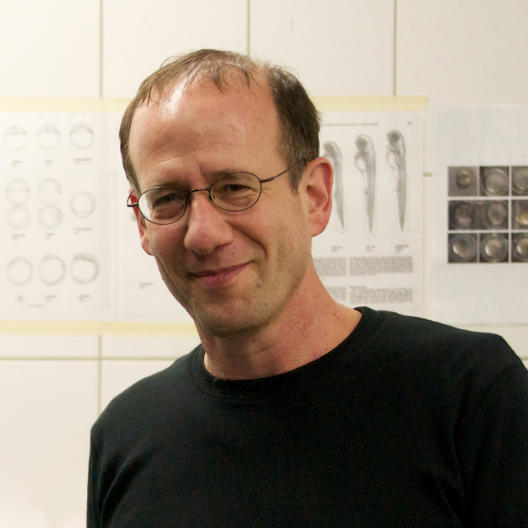
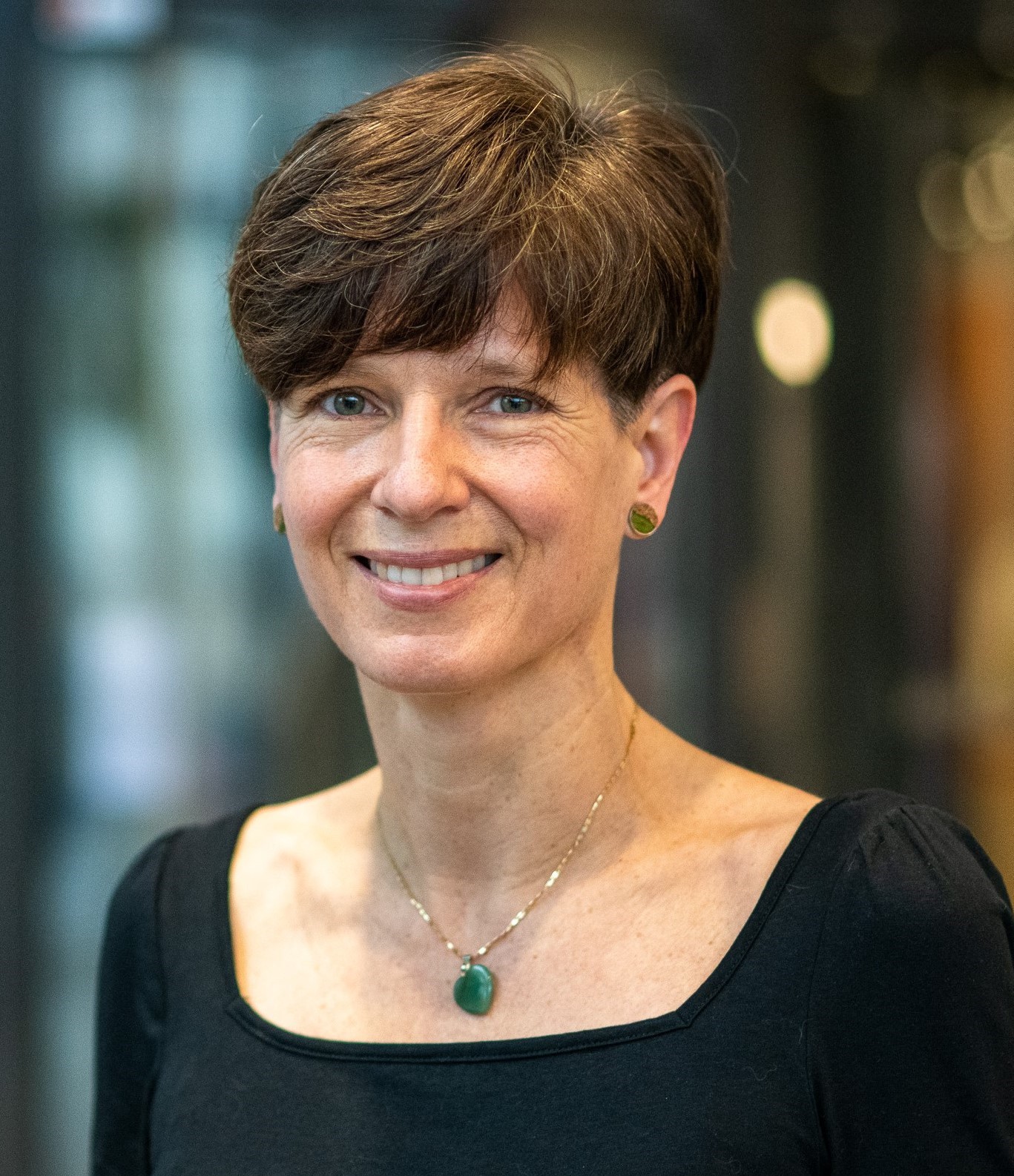
Prof. Thomas Kuner is a Professor and Director of the Department of Functional Neuroanatomy at the University of Heidelberg's Medical Faculty. He holds a medical degree (MD) from Heidelberg (1998) and completed postdoctoral work at Duke University and the Marine Biological Laboratory. Since 2000, he has led a research group at the Max Planck Institute for Medical Research, followed by habilitation in Physiology (2003) and appointment as Professor of Anatomy and Cell Biology (2006). Research Focus: His work focuses on neuroanatomy, synaptic transmission mechanisms, and pain research. Key projects include investigations into the structural and functional properties of synapses (e.g., calyx of Held), the role of presynaptic proteins like Mover, and the molecular basis of pain signaling via the SFB 1158 consortium. His lab uses advanced imaging techniques (e.g., STED microscopy) and genetic models to study neuronal circuits and synaptic plasticity. Funding & Collaborations: Kuner's research is supported by grants from the DFG (e.g., SFB 1158), the Baden-Württemberg Foundation, and other national/international bodies. His interdisciplinary approach bridges cellular neuroscience, molecular biology, and clinical applications in pain management. Teaching & Leadership: He oversees the Institute of Anatomy and Cell Biology, contributing to graduate programs in medical education and anatomy. His team includes postdocs and technicians, with collaborations extending to imaging technology development and medical education innovation.
Prof. Dr. Heiner Rindermann is a Professor of Educational and Developmental Psychology at Chemnitz University of Technology (TUC). Affiliated with TUC's Institute of Psychology under the Behavioural and Social Sciences school, his work bridges educational practices and cognitive development. Academic Timeline: 1988-1993 Heidelberg RA, 1994-1999 LMU Munich RA, 1999-2007 Otto-von-Guericke-University Magdeburg RA, 2001 University of Graz visiting professor, 2003-2004 University of Kassel interim, 2004-2006 Saarland University interim, 2006-2007 Paderborn University interim, 2008-2010 University of Graz Professor, 2010-present TUC Professor. Educational Background: 1972-1985 Baden-Württemberg schools, 1986-1995 University of Heidelberg (PhD 1995), 2005 Landau habilitation. Research Interests focus on cognitive competence development , cross-cultural comparisons , intelligence-societal development links , kindergarten quality assessments , and international comparative studies . His work examines psychometric vs. Piagetian frameworks, emotional competence, and educational program evaluation. Academic Contributions include the William-Stern-Preis (2007) , APS Fellowship (2010) , and Mexican National Award of Giftedness (2016) . He serves on editorial boards for journals like Zeitschrift für Pädagogische Psychologie and Intelligence , and reviews for over 40 journals and institutions. Projects include BMBF-funded SoKonBe (external educational consultation using socio-cognitive conflicts) and international collaborations like the Study of Latin American Intelligence with Earl Hunt and Jelte Wicherts. His publications span books including Cognitive Capitalism (Cambridge University Press, 2018) and chapters in encyclopedias.
Jochen Wolf is Chair of the Evolutionary Biology Division at Ludwig-Maximilians-Universität München (LMU) and a Max Planck Fellow of the Max Planck Institute for Biological Intelligence since 2022. His research integrates evolutionary biology, genomics, and ecology to address fundamental questions about speciation, adaptation, and biodiversity across multiple biological systems. Dr. Wolf's research program applies an integrative approach to understand microevolutionary processes and genetic mechanisms underlying species divergence. His work combines large-scale genomic analyses with laboratory and field experiments to characterize genomic divergence across populations and species. Key empirical systems include natural populations of birds (particularly corvids, swallows, and cuckoos), marine mammals (pinnipeds and killer whales), plant communities, and experimental evolution in fission yeast. His research spans multiple scales from immediate microevolutionary processes to broader evolutionary patterns across time. His recent publications reveal a sophisticated integration of genomic, epigenetic, and ecological perspectives. A notable trend shows increasing focus on structural genomic variation, chromosomal rearrangements, and epigenetic mechanisms as drivers of evolutionary processes. His work demonstrates how these molecular mechanisms interact with ecological factors to shape patterns of biodiversity and adaptation. Dr. Wolf's research has gained significant recognition through publications in top-tier journals including Nature, Science, and Nature Ecology & Evolution. His groundbreaking studies on crow hybrid zones, killer whale ecotypes, and experimental evolution of speciation have been featured in prominent media outlets such as The New Yorker, The Guardian, Scientific American, and Der Spiegel, demonstrating the broad impact of his work. As Principal Investigator, Dr. Wolf actively mentors doctoral students and postdoctoral researchers, fostering the next generation of evolutionary biologists. His lab maintains strong international collaborations, particularly through affiliations with SciLifeLab in Uppsala. Research in his group is supported by multiple funding sources including German Research Foundation grants and European Union programs, enabling both fundamental research and applications to conservation biology. The Wolf lab operates within LMU's Division of Evolutionary Biology, which provides access to state-of-the-art facilities including the Leibniz Supercomputing Centre. The lab maintains strong connections with the Max Planck Institute for Biological Intelligence and SciLifeLab in Uppsala, creating a rich collaborative environment for interdisciplinary research in evolutionary genomics. This network enables comprehensive studies spanning from molecular mechanisms to ecological and evolutionary consequences across diverse biological systems.
Prof. Dr. Andreas S. Schulz is a faculty member at Technische Universität München (TUM), holding a chair in the Department of Mathematics and the Department of Business and Economics. He previously served as the Patrick J. McGovern Chair of Management and Professor of Mathematics at MIT. His research focuses on mathematical optimization, algorithm design, and their applications in logistics, production, healthcare systems, and online advertising. He has held visiting professorships at institutions such as the Sauder School of Business (UBC) and ETH Zurich. Prof. Schulz’s research bridges operations research, theoretical computer science, and economics. He develops analytical methods to solve complex decision-making problems in business, including scheduling, resource allocation, and network optimization. A key interest is applying mathematical approaches to enhance healthcare delivery and system efficiency. Education: PhD in Operations Research (MIT), prior academic roles at MIT and visiting institutions. Key Achievements: Alexander von Humboldt Professorship (2014), Humboldt Research Award (2010), Glover-Klingman Prize (2006). Research Themes: Robust optimization, approximation algorithms, scheduling theory, and algorithmic game theory. His publications span topics like integer programming, optimal transport, and congestion games. He collaborates across disciplines, emphasizing practical applications of theoretical insights.
Prof. Dr. Jörg Stülke is a full Professor of Microbiology and Head of the Department of General Microbiology at the Institute of Microbiology and Genetics, University of Göttingen. He has held this position since 2003 and leads an active research group focused on bacterial metabolism and gene regulation. His research spans two major model systems: the pathogenic bacterium Mycoplasma pneumoniae and the well-studied Bacillus subtilis . His group employs systems-level approaches including transcriptomics, metabolomics, and bioinformatics to understand metabolic regulation and gene expression. Key interests include protein phosphorylation, RNA-mediated regulation, mRNA processing, and the role of second messengers such as cyclic di-AMP in bacterial physiology and pathogenicity. The recent publications reveal a strong trend in molecular microbiology, functional genomics, and systems biology. His work often integrates experimental and computational methods, particularly evident in the development and maintenance of the SubtiWiki database for B. subtilis . The research bridges fundamental mechanisms of life with applications in understanding bacterial virulence and cellular homeostasis. He is affiliated with several graduate programs under the Göttingen Graduate Center for Neurosciences, Biophysics, and Molecular Biosciences (GGNB), including: Molecular Biology (IMPRS) Biomolecules: Structure - Function - Dynamics (GZMB) Molecular Biology of Cells (GZMB) Microbiology and Biochemistry Genome Science (IMPRS) While no individual students are listed, he clearly supervises doctoral candidates through these programs. His group has secured significant research output, including publications in Science , Nucleic Acids Research , and PLOS Pathogens , indicating successful grant funding and collaborative research. The lab maintains a dedicated website at http://genmibio.uni-goettingen.de/ , which serves as a hub for research activities and resources like SubtiWiki.
Professor Ghazaleh Tabatabai serves as Head of Department for Clinical and Experimental Neuro-Oncology at the Hertie Institute for Clinical Brain Research, University of Tübingen. She leads a multidisciplinary research group focused on translational neuro-oncology with active collaborations through the German Glioma Network, German Cancer Consortium (DKTK), European Organisation for Research and Treatment of Cancer (EORTC), European Association of Neuro-Oncology (EANO), and International Consortium on Meningioma (ICOM). Her research program centers on molecular mechanisms of tumorigenesis, therapy resistance, and treatment-induced vulnerabilities in nervous system tumors. The laboratory employs CRISPR screening technologies, molecular profiling, and preclinical models to identify therapeutic targets, with particular expertise in glioma and meningioma biology. Current projects span from discovery through validation to clinical application, including phase I/II trials of novel therapies such as CureVac's mRNA vaccine candidate CVGBM. Recent publications demonstrate leadership in molecular classification of meningiomas, CRISPR-based target discovery, immunotherapy development, and clinical trial design. Her work on the TRACE app for patient-reported outcomes and the PRIDE trial for dose-escalated radiation therapy represents significant clinical translation efforts. The 2024-2025 publication record shows strong productivity with high-impact papers in Neuro-Oncology, Nature Medicine, and Genome Biology. Elected spokesperson of the DFG Board for Neuroscience (2024) Active participation in EANO guideline development Leadership in multiple international consortia including ICOM Principal investigator for clinical trials including N2M2/NOA-20 umbrella trial Professor Tabatabai mentors a large research team including PhD students, medical doctoral candidates, and postdoctoral researchers. Her laboratory maintains active clinical collaborations across neurosurgery, radiation oncology, and medical oncology departments. She is featured in the 'Key To My Research' podcast discussing tumor intelligence and regularly presents at major neuro-oncology conferences including ASCO, EANO, and SNO.
Prof. Dr. Christine Heim is a University Professor (W3) and Director of the Institute of Medical Psychology at Charité – Universitätsmedizin Berlin, where she leads interdisciplinary research on stress psychobiology. She holds concurrent appointments as Research Professor at Pennsylvania State University's College of Health and Human Development and serves as Principal Investigator in the NeuroCure Cluster of Excellence (DFG EXC 2049). Her faculty affiliations include the Berlin School of Mind & Brain, Max Planck School of Cognition, and Einstein Center for Neurosciences. Her research program investigates mechanisms through which early-life stress fundamentally alters biological adaptability across the lifespan, increasing disease risk. Key focuses include: Molecular and epigenetic embedding of stress effects Gene-environment interactions in stress vulnerability Neuroendocrine and immunological consequences of trauma Development of biomarkers and early interventions Her publications demonstrate consistent focus on stress biology across multiple levels of analysis, with recent work emphasizing epigenetic clocks, neural plasticity, and childhood maltreatment outcomes. Research employs multimodal methods integrating psychological, neuroendocrine, immunological, neural, and molecular approaches. She coordinates the BMBF-funded research network 'Programming Effects of Childhood Stress on Lifelong Disease Risk (Kids2Health)' and serves on the Steering Committee for 'Promoting Talent' in the Berlin University Alliance.
Professor Sabine Eming is a Principal Investigator at the Department of Dermatology & FMNS at the University of Cologne, affiliated with the CMMC and collaborating with CECAD. Her research focuses on the molecular basis of age-related skin pathologies and regenerative responses. Investigates tissue regeneration, immunometabolism, and TOR signaling Develops therapeutic strategies for injured/aging tissues Uses cross-species models (mice, zebrafish, Drosophila, humans) Her work bridges basic science and clinical expertise to translate findings into therapeutic approaches, particularly examining: Metabolic reprogramming in wound healing Immune system's role in regeneration vs. scarring Lipid synthesis and filaggrin processing in skin barrier formation Scarless repair mechanisms in zebrafish vs. mammals She leads research into molecular control systems including: Cell death regulation (FADD-RIPK3 pathways) Nutrient-sensing TOR pathway in skin aging Glutamine metabolism in stem cell maintenance Her group develops genetically modified mouse models and collaborates on clinical trials for impaired healing conditions.
Claudia Crocini is a DZHK junior research group leader at the Max Rubner Center for Cardiovascular Metabolic Renal Research, Charité - Universitätsmedizin Berlin. Her work bridges cardiac physiology, epigenetics, and sex-specific medicine to address critical gaps in cardiovascular research where female hearts have been historically neglected. Her research program centers on sex-dependent differences in human cardiac cells, investigating how biological sex influences contractility, ionic currents, gene expression, and epigenetic regulation. By leveraging induced pluripotent stem cell technology, tissue engineering, and computational modeling, her lab identifies fundamental mechanisms underlying sex-specific cardiac responses to disease. This approach integrates cardiac mechanobiology with molecular analysis to uncover targets for precision medicine. Analysis of her publication record reveals a consistent trajectory toward understanding sex-dimorphic cardiac function, with recent work emphasizing sarcomere mechanics, RNA splicing, and nuclear mechanosensing. Her methodology combines voltage/calcium imaging, contractility assays, and next-generation sequencing to establish sex-specific biomarkers and therapeutic pathways. Dr. Crocini's scientific contributions have been recognized through competitive awards: First prize: Best Postdoc at the MDC (2022) Marie Skłodowska-Curie Fellowship for 'TiGER: Titin can govern epigenetic remodelling' (2021) American Heart Association Postdoc Fellowship (2020) Biophysical Society Travel Award (2020) HSFP Long-Term Fellowship (2017) As principal investigator of her DZHK-funded research group, she directs projects examining sex-dependent cardiac adaptation mechanisms while securing major grants including the Marie Skłodowska-Curie and American Heart Association fellowships. Her work directly addresses the urgent need for sex-inclusive cardiac research to improve clinical outcomes. The Crocini Lab operates within the Max Rubner Center, utilizing stem cell differentiation platforms, engineered cardiac tissues, and advanced imaging to dissect sex-specific cardiac physiology. Current projects focus on translating cellular findings into clinically relevant insights for sex-tailored cardiovascular therapies.
Prof. Florian Heigwer serves as Professor of Synthetic Biotechnology at Hochschule Worms, leading the Department of Synthetic Biotechnology. His expertise spans synthetic biology, genetic engineering, and bioprocess development. He oversees academic programs including the Synthetic Biotechnology B.Sc./M.Sc. track and contributes to interdisciplinary research initiatives like the Hermann Hoepke Institute and Biotechnology Academy RLP. Notable awards include the Fraund Prize and GdF Prize. His work integrates biotechnological innovation with industrial applications through projects such as the Biogenic workshop initiative. Academic Role: Full Professor Key Projects: Hermann Hoepke Institute, Biotechnology Academy RLP Affiliations: HAW.rlp Research Data Management (FDM@HAW.rlp) Prof. Heigwer actively promotes applied research in sustainable biotechnologies and education, overseeing study programs like Renewable Energy Management and Process Engineering. His contributions are recognized through industry partnerships and awards highlighting technical innovation.
Professor Erez Raz serves as Director of the Institute of Cell Biology at the University of Münster and is affiliated with the Center for Molecular Biology of Inflammation (ZMBE). He is a prominent member of the Cluster of Excellence "Cells in Motion" and serves on the board of the CiM-IMPRS graduate program. His research group "AG Raz: Cell biology in vivo - Germ-cell development" investigates fundamental mechanisms of cell migration in living organisms. Professor Raz's research focuses on cell migration, cell-fate maintenance, and organogenesis within live vertebrate embryos. His laboratory primarily employs zebrafish as a model organism due to its transparent embryos that develop externally, enabling high-resolution live imaging of cellular processes. His work has revealed critical mechanisms of how cells navigate within developing organisms, with significant implications for understanding pathological conditions like cancer metastasis and inflammatory processes where cell migration becomes dysregulated. His recent publications demonstrate a sustained focus on molecular mechanisms controlling germ cell migration, including the roles of RNA-binding proteins like Dnd1, bleb formation dynamics, mitochondrial regulation of germ cell fitness, and tissue microenvironment influences on cell protrusion types. His research uniquely integrates approaches from cell biology, biophysics, genetics, and mathematical modeling to gain comprehensive insights into cellular migration dynamics. Over 100 publications spanning two decades Extensive collaborations across disciplines Methodological innovations in cell imaging and manipulation Professor Raz has successfully mentored numerous doctoral students and postdoctoral researchers, fostering interdisciplinary collaborations between biologists, physicists, mathematicians, and clinicians. His laboratory has developed innovative techniques for cell ablation, mRNA labeling, and in vivo manipulations using optical tweezers, contributing significantly to methodological advances in the field. His laboratory participates in the Multiscale Imaging Centre and the "Cells in Motion" research network, providing access to state-of-the-art imaging capabilities for studying cellular dynamics at multiple scales, from molecular interactions to whole-organism development.
Katja Bühler is a Professor at the Technical University of Dresden and Co-Head of the Department of Microbial Biotechnology at the Helmholtz Centre for Environmental Research (UFZ) in Leipzig, Germany. She leads the Working Group on Catalytic Biofilms and holds a joint professorship focused on the 'Technology of Productive Biofilms'. Her research spans microbial biotechnology, cyanobacterial systems, and sustainable bioprocess engineering. She is actively involved in national scientific councils, including the Saxon Academy of Sciences and the German National Hydrogen Council (2021–2023), and chaired the UFZ Scientific and Technical Council from 2019 to 2025. Her research interests center on developing alternative biotechnological reactor concepts using in vitro and in vivo approaches, particularly involving cyanobacteria and catalytic biofilms. She investigates biofilm physiology, photobioreactor design, and metabolic engineering for sustainable chemical and hydrogen production. Her work integrates systems biology, biocatalysis, and environmental biotechnology to advance green industrial processes. The recent publications highlight a strong focus on cyanobacterial biofilms, capillary photobioreactors, and net-zero biotechnologies. Key themes include hydrogen production, biofilm scaling, metabolic engineering of Synechocystis , and sustainable feedstock utilization. These works reflect a trajectory toward environmentally sustainable bioprocesses and carbon-neutral technologies. Katja Bühler has no listed scientific awards in the provided text, but her editorial roles and leadership positions indicate significant recognition in her field. She mentors students through PhD programs such as FATE and CLEANER and collaborates extensively with researchers like Bruno Bühler, Andreas Schmid, and Falk Harnisch. Her projects often involve interdisciplinary teams and joint publications across institutions. She leads the Working Group Catalytic Biofilms at UFZ, which focuses on developing high-performance biofilm-based biocatalytic systems for industrial applications. The group explores reactor design, microbial physiology, and metabolic engineering to optimize productivity and sustainability.
Dr. Pedro Henrique D. Batista is a Senior Research Fellow at the Max Planck Institute for Innovation and Competition, specializing in intellectual property law with a focus on innovation, biotechnology, genetic resources, and traditional knowledge. His research addresses regulatory frameworks for biodiversity, patent law reforms, and the intersection of IP with public health and climate change. Education: PhD in Law, Ludwig-Maximilians-Universität München (2013-2024) LL.M., Ludwig-Maximilians-Universität München (2012-2013) Bachelor of Law, University of São Paulo (2006-2011) Research explores the legal challenges of emerging technologies, including CRISPR and digital genetic sequences, and policy solutions for equitable innovation. His work critically examines international agreements like the Nagoya Protocol and TRIPS flexibilities. Publications emphasize regulatory coherence in intellectual property, with recent focus on WIPO reforms, antimicrobial resistance incentives, and climate-related patent frameworks. Articles frequently engage with EU law, Latin American IP systems, and global governance. Awards: Finalist, Best Diploma Thesis Award, University of São Paulo Law School (2011) Coordinates the Smart IP for Latin America Initiative and contributes to international bodies like the CBD Working Group on Digital Sequence Information. Part-time roles included editorship of GRUR International and IIC journals.
Ruben Martins is an Assistant Professor at Carnegie Mellon University's School of Computer Science and serves as the program director of the Master of Science in Computer Science (MSCS) . His research focuses on the intersection of constraint programming, program synthesis, analysis, and verification, with recent work aiming to make formal methods tools more accessible through automated reasoning. Ruben earned his Ph.D. with honors from the Technical University of Lisbon, Portugal (2013) , followed by postdoctoral research at the University of Oxford (2014-2015) and UT Austin (2015-2017) . Research Interests : Ruben's work bridges constraint programming and program synthesis , with applications in software verification , optimization , and automated reasoning . He has developed award-winning tools like Open-WBO , a modular MaxSAT solver that has won gold medals in international competitions. His publications span top-tier venues such as POPL , PLDI , FSE , SAT , and CP , often addressing real-world challenges from program analysis to network security. Scientific Awards include: Distinguished Paper Award at PLDI 2018 Distinguished Paper Award at FSE 2021 Distinguished Paper Award at SAT 2022 Gold medals for Open-WBO in MaxSAT competitions Teaching & Advising : Ruben mentors Ph.D., Master’s, and undergraduate students in research projects related to program synthesis, formal methods, and constraint solving. He teaches courses such as Bug Catching: Automated Program Verification and Advanced Topics in Logic: Automated Reasoning and Satisfiability , emphasizing hands-on experience with tools like Why3. His advising spans topics from AI-driven program repair to network protocol verification , fostering collaboration across disciplines.
Wiebke Kirleis is Professor for Environmental Archaeology and Archaeobotany at the Institute for Pre- and Protohistory, Faculty of Arts and Humanities, Christian-Albrechts-Universität zu Kiel (CAU). She has held this position since May 2014 and was previously a junior professor at the same university from 2008 to 2014. She is actively involved in major interdisciplinary research projects, including the Cluster of Excellence ROOTS and the Collaborative Research Centre 1266 'Scales of Transformation', where she serves as co-speaker and technical platform speaker. PhD in Natural Sciences, University of Göttingen (2002) Diploma in Biology, University of Göttingen (1998) Studies in Botany, Anthropology, and Environmental History, University of Göttingen (1990–1998) Wiebke Kirleis' research centers on the interaction between humans and plants during the late Pleistocene and Holocene, with a focus on plant economy, domestication, agricultural development, and landscape transformation. Her work explores how wild and cultivated plants were used for nutrition, ritual, and technical purposes, and how agricultural innovations such as ploughing and manuring impacted Central European landscapes. She has a strong geographical focus on Northern and Central Germany, Southeastern Europe, the Near and Middle East, and Southeast and East Asia, particularly Indonesia. Her methodological expertise includes archaeobotany (analysis of charred and waterlogged plant remains), palynology (pollen and spore analysis from sediment cores), and anthracology (study of charcoal remains). Her recent research includes studies on broomcorn millet diffusion, early farming in Scandinavia and Russia, and plant use in Bronze Age settlements across Europe and Turkey. She leads and collaborates on numerous interdisciplinary projects, emphasizing the integration of botanical data into broader archaeological narratives. Her publications reflect a consistent trend in environmental archaeology, focusing on plant domestication, agricultural transitions, and human-induced landscape change. Keywords across her recent work include archaeobotany, palynology, Neolithic and Bronze Age subsistence, and environmental reconstruction. Her research spans subfields such as food security, cultural transmission of plant use, early monumentality, and socio-economic aspects of prehistoric agriculture. Board member, Cluster of Excellence ROOTS Co-speaker, CRC 1266 'Scales of Transformation' Speaker, ROOTS Technical Platform Board member, Johanna-Mestorf-Akademie Chair, Scientific Advisory Board, Dithmarschen Stone Age Park (since 2023) Full member, German Archaeological Institute (DAI) Elected member, Commission for Archaeology of Non-European Cultures (KAAK) Wiebke Kirleis has supervised numerous research projects funded by the DFG and other agencies, including the Graduate School 'Human Development in Landscapes'. She has advised students and collaborated internationally with institutions in Italy, Norway, Indonesia, and Australia. Her leadership roles in academic self-administration include serving on planning, budget, and equality committees at CAU Kiel. She is committed to science communication, having launched the digital exhibition 'Alles bleibt anders' and produced educational films on archaeobotany. She is also involved in mentoring female postdocs through the via:mento program. She leads the archaeobotanical component in the 'Superfood' module of the SFB 1266 digital exhibition and is actively involved in the ROOTS Cluster’s Subcluster 'Dietary ROOTS'. Her lab and research team operate within the Institute for Pre- and Protohistory, contributing to the university’s strong focus on interdisciplinary landscape archaeology.