Prof. Dr. Markus Schwarzländer leads the Arbeitsgruppe for Plant Energy Biology at the Institute for Plant Biology and Biotechnology (WWU Münster) . His research focuses on mitochondrial physiology, redox signaling, and biosensor development in Arabidopsis thaliana and other plant species, integrating molecular biology with systems-level analyses to understand energy regulation. Key Research Areas: Mitochondrial-NAD(P)H dynamics Redox-regulated signaling networks Organelle communication Stress-adaptive metabolism Recent work highlights Golgi-localized mitochondrial uncoupling proteins , chloroplast-mitochondria redox coupling , and mitochondrial calcium uniporter function . His group employs cutting-edge fluorescent biosensors and proteomic approaches to dissect energy physiology. Students benefit from hands-on training in bioimaging , metabolic modeling , and organelle biology through iMoPLANT and Life Sciences programs. Scientific Awards: DAAD Fellowship (2019) As an active member of the Faculty of Biology , he collaborates with international institutions including University of São Paulo , CEA France , and Siberian Institute of Plant Physiology , while maintaining a robust publication record in top journals like Plant Cell and Nature . His teaching emphasizes integrative plant sciences and advanced biosensing techniques for B.Sc. and M.Sc. students.
Dr. Gary Brewer is a Professor in the Department of Entomology at the University of Nebraska-Lincoln, with a 60% research and 40% teaching appointment. He has served as department head at NDSU (1997-2006) and UNL (2006-2018). His research focuses on field crops entomology, IPM of pasture cattle flies, salt creek tiger beetle conservation, and pollinator health. He has pioneered a push-pull strategy using coconut oil-derived repellents and led curriculum design for Rwanda’s Conservation Agriculture program. Education: B.S. in Zoology, University of Nebraska-Lincoln (1974) M.S. in Entomology, University of Nebraska-Lincoln (1978) Ph.D. in Entomology, Kansas State University (1984) Research Interests: Brewer’s work spans insect ecology, pest management, and conservation. Key areas include stable fly and horn fly control, pollinator protection, and endangered species recovery (e.g., Salt Creek tiger beetle). His lab develops natural product-based pest repellents and evaluates biopesticides for sustainable agriculture. Grants & Contributions: $362,150 USDA grant for undergraduate research in beneficial insect protection (2018) $325,000 USDA grant for multi-tactic stable fly control (2017) NE Game and Parks funded salt creek tiger beetle reintroduction programs Labs & Teams: Brewer’s team collaborates with industry (e.g., Vestergaard Frandsen) and international partners to advance IPM strategies. His work bridges field research with applied solutions for farmers and conservationists.
Kathrin Lang is a Full Professor at the Department of Chemistry and Applied Biosciences, ETH Zurich, and Head of the Organic Chemistry Laboratory. Her research focuses on chemical biology, particularly the development of tools for genetic code expansion to incorporate non-canonical amino acids into proteins and advance bioorthogonal chemistries for studying biological processes. Keywords: Genetic Code Expansion, Bioorthogonal Chemistry, Protein Engineering, Ubiquitylation Networks, Post-Translational Modifications. Lang’s work emphasizes proximity-triggered crosslinking reactions, bioorthogonal labeling, and in vivo chemistries to address challenges in protein interaction mapping and structural elucidation. Her group’s recent publications highlight methodologies for dual protein labeling, deciphering ubiquitin code, and enhancing cycloaddition reactivity. Current projects include exploring cyclopropene-fused dibenzocyclooctynes for improved labeling and investigating methylated lysine as a conformational regulator in Hsp90. Funding sources include the ERC (Ubl-tool), DFG (SFB1035, SPP1926), and ETH Zurich. She contributes to education through courses like Genetic Code Expansion for Studying Posttranslational Modifications and Chemical Biology and Synthetic Biochemistry . Collaborative efforts span structural biology, microbiology, and synthetic biochemistry, with applications in ubiquitin research and cellular imaging.
Anna Salvati is an Associate Professor specializing in nanomedicine and drug delivery systems. Her research focuses on nanoparticle-cell interactions, biomolecular corona formation, and the physicochemical properties governing nanomaterial behavior in biological environments. Key research themes include cellular uptake mechanisms, toxicity of nanomaterials, and nanoparticle targeting strategies. Recent publications highlight her work on nanoparticle stability, membrane interactions, and environmental impacts of microplastics. Her studies integrate multiomics approaches, advanced imaging, and interlaboratory validation to address challenges in nanomedicine design and safety testing. Current projects explore the role of high-density lipoproteins in nanoparticle functionality and the modulation of drug release kinetics through material engineering.
Pamela Ronald is a Distinguished Professor of Plant Pathology at the University of California, Davis, affiliated with the Department of Plant Pathology within the College of Agricultural and Environmental Sciences. Her research focuses on understanding and enhancing crop resilience, particularly in rice, through genetic and molecular mechanisms. Key areas include plant immunity against pathogens, climate adaptation, and sustainable agricultural practices. Education and Background: Details on her academic qualifications are not explicitly mentioned in the provided text, but her career trajectory suggests advanced training in plant genetics and pathology. Research Interests: Ronald’s work centers on engineering disease-resistant crops, studying plant-microbe interactions, and developing climate-resilient varieties. Notably, she has contributed to identifying genes like XA21 that confer resistance to bacterial infections and pioneered methods to reduce methane emissions in rice. Her studies also explore the role of sulfated peptides in pathogen virulence and host defense mechanisms. Publications Trends: Her recent articles emphasize molecular mechanisms of plant immunity, genetic engineering applications, and sustainability challenges. Themes include directed evolution of immune receptors, machine learning in genotype-phenotype prediction, and mitigation of agricultural greenhouse gases. Awards and Recognition: While specific awards are not listed here, her leadership in plant genetics and advocacy for evidence-based biotechnology policies reflect significant recognition in her field. Grants and Advising: Ronald has led projects funded by agencies like the U.S. Department of Energy, focusing on bioenergy crops like switchgrass. She collaborates globally on initiatives such as the Rice Protein Tagging Project and the AI Institute for Next Generation Food Systems. Labs and Teams: She directs the Crop Genetics Innovation Lab at UC Davis, fostering interdisciplinary research in crop improvement and sustainable agriculture.
Dr. Vadim Backman is the Sachs Family Professor of Biomedical Engineering and Medicine at Northwestern University's McCormick School of Engineering and Applied Sciences and Feinberg School of Medicine. He holds additional roles as Professor of Medicine (Hematology/Oncology) and Biochemistry and Molecular Genetics, Associate Director of Research Technology and Infrastructure at the Robert H. Lurie Comprehensive Cancer Center, and Director of the Center for Physical Genomics and Engineering. He earned his Ph.D. in Medical Engineering from Harvard-MIT and M.S./B.S. in Physics from St. Petersburg Polytechnic Institute. His research focuses on physical and biological science intersections, developing nanoscale imaging and computational technologies to study chromatin dynamics and their role in disease. Key areas include cancer diagnostics/therapeutics, chromatin engineering, and genome nanoimaging. Dr. Backman has published over 230 papers, holds 20+ patents, and leads large-scale projects like NCI Bioengineering Research Partnerships. Education: Ph.D. (Harvard-MIT), M.S. (MIT), M.S./B.S. (St. Petersburg Polytechnic Institute) Affiliations: PhD Programs in Applied Physics and Interdisciplinary Biological Sciences Research emphasizes chromatin's role in disease, with clinical translation for diagnostics and therapy. His lab develops technologies like nano-CHIA and ChromSTEM, advancing understanding of genomic organization and epigenetic regulation. Awards include the Cozzarelli Prize and MIT Technology Review's Top 100 Innovators. Awards: Cozzarelli Prize (2017), AIMBE Fellowship (2009), NSF CAREER Award (2003) Grants and collaborations include managing multi-investigator projects and co-founding biotech companies. Courses taught: BME 302 (Quantitative Systems Physiology), BME 429 (Advanced Physical and Applied Optics).
Ramesh Shanmughom Pillai is a Full Professor at the Department of Molecular Biology, University of Geneva, Switzerland. He holds additional roles as a Visiting Professor at the University of Kumamoto, Japan, and has been a Group Leader at EMBL Grenoble and a postdoctoral fellow at the Friedrich Miescher Institute. His research focuses on RNA modifications, epigenetics, and piRNA pathways in germline biology. Pillai has received prestigious awards including the ERC Consolidator Grant and The RNA Society Scaringe Award. Education: BSc Botany (University of Kerala, India) MSc Biotechnology (IIT Roorkee, India) PhD in Cell Biology (University of Bern, Switzerland) Research Interests: Pillai’s work centers on RNA biology, particularly the role of RNA modifications (e.g., m6A, m6Am) in development and fertility. He investigates piRNA biogenesis, transposon silencing, and the molecular mechanisms of RNA-protein interactions. His studies bridge biochemistry, genetics, and structural biology to elucidate how RNA molecules regulate critical biological processes. Teaching & Service: At the University of Geneva, he teaches Molecular Biology courses (BSc/MSc levels) and advises 5 PhD students and 4 postdocs. He chairs the ERC Consolidator Grant Review Panel and organizes major conferences like the PIWI/piRNAs Meeting and Swiss RNA Workshop. Pillai also serves on editorial boards for Nucleic Acids Research and RNA . Awards: ERC Consolidator Grant (2015) Best PhD Thesis Award (2003) RNA Society Scaringe Award (2005) Grants & Labs: Funded by ERC Starting and Consolidator Grants, his lab explores RNA modification networks in germ cells. Former trainees include Professors Simon Conn (Flinders University) and Hao Wu (CAS, China).
Dr. Zhiwen Jonathan Zhang serves as Associate Professor in the Department of Bioengineering at Santa Clara University's School of Engineering since 2011, with research spanning biomolecular engineering, drug discovery, and BIOAI to combat super-bacterial infections and advance precision protein technologies. Education: Ph.D. in Chemistry and Biochemistry, University of Texas at Austin (2001) Postdoctoral Research, The Scripps Research Institute (2001-2004) His interdisciplinary research pioneers unnatural genetic codes, trM2H systems, site-specific protein cross-linking, and synthetic antibodies. Current focus includes mitochondrial peptide transport, BIOAI design, subcellular protein synthesis, and engineering bacteria for micro-plastics degradation. His lab unraveled molecular dialogues between mammalian and Gram-positive bacterial cells, enabling groundbreaking anti-infective therapies. Publication trends reveal consistent innovation in protein engineering and translational bioengineering, with recent work emphasizing sortase A applications, fluorescent peptide development, and unnatural amino acid incorporation in mammalian systems—demonstrating a trajectory from fundamental biochemistry to industry-ready biotech platforms. Dr. Zhang has mentored 7 post-doctoral researchers, 2 visiting professors, and 5 Ph.D. students while securing grants from NIH NCI R01, NSF SBIR, American Heart Association, Welch Foundation, JOINN Foundation, IBM, and SCU Internal Research. His patented "Biotech+Techbio" platform has co-founded multiple biotech ventures, including two publicly traded companies and a 2024 acquisition. His laboratory maintains active collaborations with Bay Area biotech firms and academic institutions, driving translational research through the patented Biotech+Techbio platform while advancing BIOAI-assisted enzyme discovery for micro-plastics degradation and next-generation antibacterial therapies.
Georg Fantner is an Associate Professor at the Swiss Federal Institute of Technology Lausanne (EPFL) with dual appointments in the School of Engineering (STI) within the Institute of Bioengineering and the School of Life Sciences (SV) for teaching. He directs the Laboratory for Bio- and Nano-Instrumentation (LBNI) and holds leadership roles including President of the Open Science Strategic Committee and the Association des Professeurs de l'EPFL. Research Focus: Bioinstrumentation, Nanotechnology, Scanning Probe Microscopy, and Metrology Teaching: Structural Mechanics for Life Sciences, Metrology, and Metrology Practicals His research pioneers advanced instrumentation for nanoscale characterization, emphasizing data-driven approaches to enhance microscopy techniques. Recent work integrates deep learning with scanning probe microscopy for real-time biological imaging and develops novel MEMS devices for fluid-compatible nanoscale manipulation. Key innovations include hermetically sealed sample chambers for pathogen studies and deterministic nanotopography engineering. Professor Fantner actively mentors 7 current PhD students and has supervised 14 graduates. His laboratory fosters interdisciplinary collaboration across engineering, physics, and life sciences to advance nanoscale measurement technologies and instrumentation development.
Dr. Rodolfo J. Flores serves as an Assistant Professor in the Department of Psychology within the College of Liberal Arts at the University of Texas at El Paso (UTEP). His primary research investigates neuromodulator function in the prefrontal cortex, with emphasis on acetylcholine and dynorphin systems during motivational conflict, stress responses, and addiction pathways. He employs advanced optogenetic and biosensor technologies to dissect neural circuitry underlying psychiatric conditions. Dr. Flores earned his Ph.D. in Social Cognitive and Neuroscience from UTEP in 2019, followed by postdoctoral training at the National Institute of Mental Health (NIMH). His work bridges molecular neuroscience with behavioral outcomes, focusing on how stress and substance exposure alter prefrontal cortical function. His research portfolio demonstrates consistent high-impact publication in top neuroscience journals including Nature Neuroscience , Neuron , and Psychoneuroendocrinology . Current work examines opioid neuropeptide dynamics, nicotine-alcohol interactions, and sex-specific hormonal influences on addiction behaviors. Methodologically, he specializes in genetically encoded biosensors and circuit-level manipulations to study threat processing and reward pathways. Dr. Flores teaches graduate and undergraduate courses including PSYC 4341 (Motivation & Emotion), thesis/dissertation supervision (PSYC 5395/6395), and research applications courses. His lab actively trains students through undergraduate research (RSRC 4033) and independent study opportunities (PSYC 4352).
Christopher Lawson is an Assistant Professor in the Department of Chemical Engineering and Applied Chemistry at the University of Toronto, affiliated with the Faculty of Applied Science and Engineering. He serves as Principal Investigator of the Microbiome Engineering Lab and is part of BioZone – the Centre for Applied Bioscience and Bioengineering. His research focuses on engineering anaerobic microbiomes for resource recovery from waste streams using systems biology, synthetic biology, and machine learning approaches. B.A.Sc., M.A.Sc. (University of British Columbia) Ph.D. (University of Wisconsin-Madison) Postdoctoral Training (Berkeley Lab) Lawson's work addresses the challenge of controlling complex microbial interactions in engineered systems to enable scalable biotechnologies for renewable energy, chemicals, and materials. His lab develops high-throughput methods integrating automation and computational tools to optimize microbiome assembly and metabolic fluxes. Recent publications highlight advancements in metabolic modeling , isotope tracing , and systems-level analysis of anaerobic microbiomes, with applications in wastewater treatment , anammox granules , and bioenergy production . His research bridges fundamental microbiology with industrial-scale bioprocess engineering. Scientific Awards ISME/IWA BioCluster Rising Star Award (2022) Jacobs Engineering Group/AEESP Outstanding Doctoral Dissertation Award (2020) Wesley Eckenfelder Graduate Research Award (2019) WEF Canham Graduate Studies Scholarship (2018) NSERC Post-Graduate Scholarship – Doctoral (2014) Lawson actively mentors students and postdocs, emphasizing technical rigor, communication skills, and independence. His lab collaborates within BioZone and with industry partners to advance "team science" principles. Current projects focus on creating engineered microbiomes for commercial-scale waste valorization.
Simone D. Castellarin is a Professor in the Department of Applied Biology at the University of British Columbia's Faculty of Land and Food Systems, and holds the Canada Research Chair Tier 2 in Viticulture. His research focuses on the molecular and physiological mechanisms governing berry ripening and composition in grapes, blueberries, and raspberries, with emphasis on genomic regulation under environmental stressors like heatwaves and drought. PhD in Plant Biology from the University of Udine (2007) Postdoctoral training at Hochschule Geisenheim University and University of California Davis Research areas include terpene biosynthesis, jasmonate signaling, cuticular wax dynamics, and agronomic strategies for climate change mitigation. Key projects involve remote sensing for vineyard zoning , hormone application effects , and genetic studies of berry quality traits . His work spans collaborations with industry bodies like the BC Wine and Grape Council and academic partners including the Cantu Lab at UC Davis. Recent publications highlight genomic analyses of terpene synthases, water deficit impacts on metabolites, and postharvest quality assessments. Awards include the 2009 Rudolf Hermanns Prize for viticultural research. He supervises numerous PhD and Master's students, and leads the Castellarin Lab at UBC's Wine Research Centre.
Prof. Casper Hoogenraad is a full professor in Molecular Neuroscience at the Department of Cell Biology, Faculty of Science, Utrecht University. His research focuses on understanding how intracellular protein trafficking underlies neuronal development and function, with particular emphasis on the microtubule cytoskeleton, synaptic cargo trafficking, and synaptic plasticity. He leads an active research group within Utrecht University's Cell Biology department and collaborates extensively with other neuroscience research groups. Education: PhD, Erasmus University Rotterdam (1996-2001) Postdoc, Massachusetts Institute of Technology (2002-2005) Hoogenraad's research spans three main themes: cytoskeleton dynamics during neurodevelopment and synaptic plasticity, motor proteins and adaptors as regulators of synaptic transport, and psychiatric and neurologic disease disorders linked to intracellular transport. His work combines genetics, biochemistry, molecular, and cellular biology methods in in vitro (neuron cultures), ex vivo (brain slices), and in vivo (mice) systems, along with advanced microscopy techniques including immunofluorescent confocal microscopy, high-resolution live cell imaging, and photo-activated localization microscopy (PALM). Analysis of Hoogenraad's recent publications reveals a strong focus on microtubule organization, neuronal polarity, and the molecular mechanisms underlying synaptic function and dysfunction. His work frequently explores how disruptions in intracellular transport contribute to neurological disorders including Alzheimer's disease, schizophrenia, and autism spectrum disorders, with particular attention to the relationship between cytoskeletal organization and cargo transport in neuronal compartments. Scientific Awards and Memberships: ZonMW-VIDI (2004) European Young Investigators (EURYI) award (2005) NWO-ALW VICI (2011) ERC Consolidator grants (2013) FENS-Kavli Network of Excellence (2014) European Molecular Biology Organization (EMBO) (2015) Young Academy of Europe (YAE) (2015) IBRO Kemali Prize (2016) Hoogenraad leads a research group studying neuronal development and function, with a particular focus on how intracellular transport mechanisms contribute to both normal brain function and neurological disorders. His laboratory employs a multidisciplinary approach combining molecular, cellular, and systems neuroscience techniques to investigate the molecular basis of neuronal polarity, synaptic plasticity, and the pathogenesis of neurological disorders. He has secured significant research funding through prestigious grants including ERC Consolidator grants. The Hoogenraad lab operates within the Cell Biology department at Utrecht University, collaborating with other research groups focusing on cellular dynamics, biophysics, and neurobiology. The lab utilizes advanced microscopy techniques including immunofluorescent confocal microscopy, high-resolution live cell imaging (spinning disc microscopy and total internal reflection fluorescence microscopy), and quantitative analysis using advanced high-resolution microscopy (photo-activated localization microscopy). Current lab technicians include Phebe Wulf and Bart de Haan.
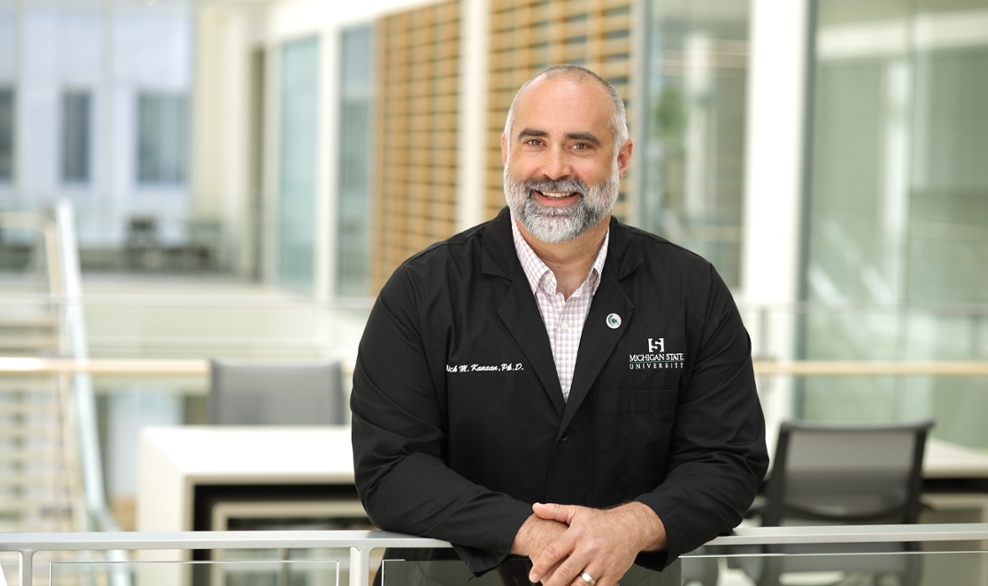
Nicholas M. Kanaan is a Professor of Translational Neuroscience and holds the Maibach Smiley Professorship of Alzheimer's Research at Michigan State University's College of Human Medicine. He serves as Director of Advanced Microscopy and is faculty in both the MSU Neuroscience Program and the MSU BioMolecular Science Gateway. His research is centered at the Grand Rapids Research Center where he leads the Kanaan Laboratory. Dr. Kanaan received his B.S. in Neuroscience, Psychology, and Sociology from Central Michigan University in 2001, followed by a Ph.D. in Neurological Sciences from Rush University Medical Center in 2007. He completed postdoctoral training at Northwestern University from 2007-2010 under Dr. Lester Binder. His research focuses on neurodegenerative diseases, particularly Alzheimer's disease (AD) and Parkinson's disease (PD), with emphasis on tau protein pathology. The Kanaan Lab investigates mechanisms underlying degenerative diseases using a combination of in vitro and in vivo model systems. A major focus is understanding how disease-related alterations in tau cause neuronal dysfunction through disruption of axonal transport. His lab has identified a phosphatase-activating domain (PAD) in tau that inhibits anterograde fast axonal transport. Analysis of Dr. Kanaan's publication record reveals a consistent focus on tau protein biology, with recent work emphasizing iPSC models, CRISPR screening, tau proteostasis, and therapeutic interventions targeting tau phosphorylation and oligomerization. His research spans basic molecular mechanisms to translational applications, with increasing use of primate models and advanced screening technologies in recent years. Scientific Awards and Recognition: Maibach Smiley Alzheimer's Research Professor Maibach Smiley Professor of Alzheimer's Research Dr. Kanaan mentors numerous students and postdoctoral fellows in his laboratory, with research supported by multiple grants focused on understanding and treating neurodegenerative diseases. His lab employs a wide range of technical expertise including recombinant protein purification, cell culture, monoclonal antibody production, various microscopy techniques, and behavioral testing in rodent models. Outside the lab, Dr. Kanaan enjoys photography, woodworking, and fishing.
Gary M. Shaw is the Rosemarie Hess Professor and Professor (Research) at Stanford University , with courtesy appointments in the Department of Epidemiology and Population Health and Department of Obstetrics & Gynecology - Maternal Fetal Medicine . He serves as Co-PI of the March of Dimes Prematurity Research Center at Stanford and PI of the California Center for Finding Causes and Preventives of Birth Defects . His research focuses on the Epidemiology of birth defects Gene-environment interactions in perinatal outcomes Nutritional factors in reproductive health . He has developed machine learning approaches for precision parenteral nutrition and predictive models for preterm birth, while investigating persistent metabolomic signatures following hypertensive pregnancy disorders. Shaw's recent work explores Climate change impacts on reproductive health Maternal-fetal immune interactions Epigenetic mechanisms in perinatal disease with applications of multiomics to neonatal intensive care units. As a member of Bio-X and the Maternal & Child Health Research Institute , he contributes to translational research networks while serving as Associate Editor for Birth Defects Research and American Journal of Medical Genetics . He supervises Med Scholar Project student Richard Liang Doctoral co-advisor for Saskia Comess and Richard Liang Master's advisor for Lenae Joe while leading the Division of Neonatology as Associate Chair for Clinical Research (2012-2025). His laboratory work integrates Metabolomic profiling Proteomic analysis Computational modeling Machine learning for biomedical data to advance neonatal care through precision medicine approaches.