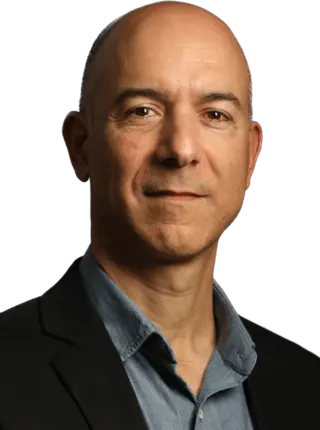
Rotem Karni, PhD, is an Associate Professor of Genetics at the Perelman School of Medicine, University of Pennsylvania, Philadelphia. He leads a research lab focused on understanding how alternative RNA splicing contributes to cancer and genetic diseases, with a strong emphasis on translating these findings into RNA-based therapies. Karni's lab develops decoy oligonucleotides, small molecules, and splice-switching technologies to modulate splicing factors and enhance immunotherapy. Education BSc in Biological Chemistry from The Hebrew University of Jerusalem (1997) PhD in Biological Chemistry from The Hebrew University of Jerusalem, Israel (2002) Postdoctoral Fellowship at Cold Spring Harbor Laboratory, NY (2002-2007) Karni's research explores the deregulation of alternative splicing in oncogenesis, particularly how splicing factors like RBFOX2 and S6K1 influence metastasis, DNA repair, and immune checkpoint modulation. His team investigates m6A RNA modifications for stabilizing mutant genes, with applications in Duchenne Muscular Dystrophy and pancreatic cancer. The lab's work is commercialized through biotech companies: SKIP Therapeutics, Andlit Therapeutics, and RNAble. Selected Research Trends RNA mis-splicing and neoantigen generation (2025) Splicing factor inhibition for tumor suppression (2023) Metastatic splicing signatures in pancreatic cancer (2023) Immune checkpoint splicing in cancer immunotherapy (2021) m6A modulation for mRNA stabilization (2023) Advising & Collaborations Karni has mentored numerous PhD and postdoctoral researchers, many of whom now hold leadership roles in academia, biotech, and medical institutions globally. His lab collaborates extensively on projects involving RNA innovation, including partnerships with the Institute for RNA Innovation. Contact Department of Genetics & Institute for RNA Innovation, One uCity Square, Room 4018, Philadelphia, PA 19104 Phone: 215-898-5072 Email: Rotem.Karni@Upenn.edu
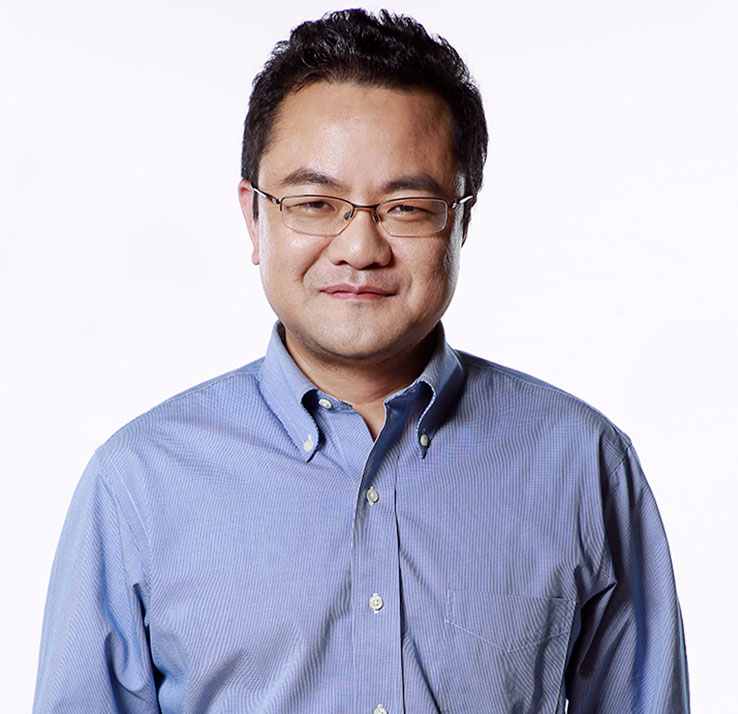
Dr. Hongtu Zhu is the Kenan Distinguished Professor of Biostatistics, Statistics, Radiology, Computer Science, and Genetics at the University of North Carolina at Chapel Hill (UNC). He holds affiliations with the Gillings School of Global Public Health and leads the Biostatistics and Imaging Genomics Analysis Lab. His expertise spans statistical learning, medical imaging, AI, and big data integration, with a focus on precision medicine and biomedicine. Dr. Zhu earned his PhD in Statistics from The Chinese University of Hong Kong (2000) and has held prior roles including DiDi Fellow/Chief Scientist (2018-2020) and Bao-Shan Jing Endowed Professor at MD Anderson Cancer Center (2016-2018). He has published over 345 peer-reviewed articles in top-tier journals like Nature, Science, and JASA, and actively contributes to editorial roles including Coordinating Editor of JASA. His research interests include neuroimaging analysis, knowledge graphs, and AI applications in healthcare. Notable awards include the COPSS Snedecor Award (2025), IEEE Fellowship (2025), and IMS Medallion (2027). He has mentored over 80 PhD students/postdoctoral fellows and serves on NIH grant review panels and professional organizations like the ASA's Section on Statistics in Imaging. Key Contributions: Imaging genomics, brain connectivity studies, ridesharing market optimization, medical AI frameworks Lab Innovations: Brain Imaging Genetics Knowledge Portal, Biomedical Knowledge Graph Interface Teaching: Advanced biostatistics courses (Generalized Linear Models, Deep Learning in Biomedicine) Recent work explores causal inference in healthcare, X chromosome's role in neurobiology, and AI ethics in medical vision-language models. His interdisciplinary projects bridge statistics, computer science, and clinical practice to address complex biomedical challenges.
Kristina Schoonjans is an Associate Professor at EPFL’s School of Life Sciences, where she leads the Laboratory of Metabolic Signaling (UPSCHOONJANS). Her research focuses on the molecular mechanisms of bile acid signaling, nutrient sensing, and intermediary metabolism, particularly in the context of metabolic disorders such as obesity, fatty liver disease, and cancer. She investigates how the liver-gut-brain axis integrates metabolic signals through nuclear receptors and mitochondrial dynamics. Her research interests include: Bile acid signaling and its role as a hormonal regulator Nutrient and metabolite sensing in energy homeostasis Intermediary metabolism and metabolic disorders Role of nuclear receptors (e.g., TGR5, LRH-1) in liver, gut, and adipose tissue Mitochondrial dynamics and fission in metabolic regulation Organoid models for studying liver and intestinal metabolism Systems genetics using BXD mouse populations The most recent articles highlight a strong focus on bile acid signaling, particularly through TGR5 and LRH-1, in regulating metabolic health. Themes include the conversion of white fat to beige fat (beiging), hepatic tumorigenesis, mitochondrial fission, and the use of organoid and genetically engineered mouse models. There is a consistent emphasis on translational applications for obesity, fatty liver disease, and cancer. Scientific honors include: Windaus Prize from the Dr. Falk Foundation (2010, shared with Johan Auwerx) for the discovery of the signaling/endocrine function of bile acids Prof. Schoonjans actively supervises PhD students and has advised numerous doctoral candidates who have since completed their theses. Her lab is supported by multiple grants from Swiss and international funding agencies, including the Swiss National Science Foundation, EPFL, CONACYT, and the Foundation for Health and Education. She teaches in several doctoral programs at EPFL, including Life Sciences Engineering, and contributes to education through the SSV and EDBB/EDCB/EDMS-ENS programs. The Schoonjans Lab brings together scientists, doctoral assistants, and technicians working on projects related to metabolic signaling. The team uses advanced techniques such as genetically modified mouse models, organoid cultures, and multi-omics (metabolomics, proteomics, transcriptomics) to study the liver-gut and brain-liver axes. The lab has a strong track record of high-impact publications and collaborations with institutions worldwide.
Iona Cheng is a Professor in the Department of Epidemiology and Biostatistics at the University of California, San Francisco (UCSF), where she conducts groundbreaking research in cancer epidemiology. She serves as co-Investigator of the SEER Greater Bay Area Cancer Registry and is Principal Investigator of multiple NIH- and foundation-funded projects examining genetics, lifestyle factors, and neighborhood characteristics in relation to cancer risk. Dr. Cheng has developed an extensive research program focused on racial/ethnic differences in cancer risk and leads population-based cancer surveillance studies that document variations in cancer incidence and mortality patterns across diverse racial and ethnic groups. University of California, Davis, BS, 1990–1994, Physiology Yale University, MPH, 1999–2001, Chronic Disease Epidemiology University of Southern California, PhD, 2001–2005, Epidemiology University of California, San Francisco, Postdoc, 2006–2008, Genetic and Molecular Epidemiology Dr. Cheng's research spans multiple disciplines within cancer epidemiology, with particular emphasis on understanding how environmental exposures, genetic factors, and social determinants interact to influence cancer risk and outcomes across different racial and ethnic populations. Her work frequently examines the impact of air pollution, endocrine-disrupting chemicals, and neighborhood characteristics on cancer development and survival. She has made significant contributions to understanding cancer disparities among Asian American, Native Hawaiian, and Pacific Islander populations, bringing attention to the unique cancer risks and outcomes within these understudied groups. Her research often leverages the Multiethnic Cohort Study, one of the largest prospective studies of cancer incidence and mortality across diverse racial/ethnic populations. Analysis of Dr. Cheng's recent publications reveals a consistent focus on environmental and social determinants of cancer risk across multiple organ sites. Her work demonstrates a sophisticated integration of epidemiological methods with environmental exposure assessment, genetic analysis, and health disparities research. Many of her studies examine the intersection of environmental exposures and racial/ethnic disparities in cancer outcomes, particularly regarding breast cancer, lung cancer, and other malignancies. She has published extensively on the impact of air pollution on cancer risk and survival, as well as the effects of endocrine-disrupting chemicals like bisphenol A, parabens, and phthalates. American Association for Cancer Research Scholar-in-Training Award (2007) National Institutes of Health Loan Repayment Award (2007) National Institutes of Health Loan Repayment Renewal Award (2009) American Association for Cancer Research Faculty Scholar Award (2011) National Institutes of Health Loan Repayment Renewal Award (2011) National Institutes of Health Loan Repayment Renewal Award (2013) American Journal of Epidemiology/Society of Epidemiology Research Top 10 manuscripts (2014) Cancer Prevention Institute of California Mentoring Award (2015) American Society of Human Genetics Top poster As Principal Investigator of multiple NIH-funded projects, Dr. Cheng oversees substantial research grants focused on cancer epidemiology and health disparities. Her work often involves large interdisciplinary collaborations with researchers across multiple institutions, including the Multiethnic Cohort Study which follows over 200,000 participants from diverse racial/ethnic backgrounds. She has demonstrated leadership in mentoring junior researchers, particularly those from underrepresented backgrounds in science, as evidenced by her Cancer Prevention Institute of California Mentoring Award. Her research program integrates data from cancer registries, electronic health records, and geospatial information to provide comprehensive insights into cancer patterns and risk factors. Dr. Cheng's research is closely connected to the UCSF Helen Diller Family Comprehensive Cancer Center and leverages collaborations with Lawrence Berkeley National Laboratory, which provides advanced technological resources for cancer research. Her work benefits from access to extensive cohort data, sophisticated exposure assessment methods, and interdisciplinary expertise in genetics, environmental science, and computational biology available through these institutional partnerships. She frequently collaborates with researchers studying the genetic and environmental determinants of cancer across multiple organ systems, contributing to a more comprehensive understanding of cancer etiology and prevention strategies.
Angelica Lindén Hirschberg is a Professor of Obstetrics and Gynecology (specializing in reproductive medicine) at Karolinska Institutet and a Senior Consultant in gynecological endocrinology at Karolinska University Hospital. She holds dual roles in academic leadership and clinical practice, focusing on disorders of reproductive function, endocrine-metabolic dysfunction, and hormonal conditions in women. Her affiliations include the Department of Women’s and Children’s Health, Reproductive Endocrinology and Metabolism Research Group, and the Division for Neonatology, Obstetrics, Gynaecology, and Reproductive Health. Education and Career: MD (Karolinska Institutet, 1984) PhD (Karolinska Institutet, 1989) Professor in Obstetrics and Gynecology (2007) Board member of international societies (ISGE, EMAS) Research Focus: Her translational research spans PCOS, obesity-related reproductive dysfunction, premature ovarian insufficiency, and disorders of sex development. Projects include hormonal impacts on athletic performance, immune therapy for ovarian dysfunction, and endometrial cell biology. Collaborations involve national/international networks and clinical trials (e.g., PROBES trial). Publications: Recent work emphasizes PCOS pathophysiology, menopausal health, and hormonal interventions in athletes. Key trends include single-cell profiling of endometrium, immunomodulatory therapies for POI, and non-hormonal treatments for vasomotor symptoms. Awards: King’s Seraphim Medal (2018) 2016 Grand Prize in Sport Science Appointed Royal Gynecologist (2009) Teaching and Mentorship: Coordinates courses on reproductive endocrinology, supervises PhD students (e.g., Esin Ylmaz), and chairs the PhD Study Director at her department. Authored over 25 book chapters on women’s health and sports medicine. Grants and Labs: Secured Swedish Research Council funding for POI trials. Her lab integrates experimental (Bioclinicum) and clinical (Women’s Health Research Unit) research.
Martin Jastroch is a Professor at Stockholm University's Department of Molecular Biosciences, The Wenner-Gren Institute. His research focuses on the physiology and molecular mechanisms of energy metabolism from organism to molecule level. His primary research interests include: Energy metabolism physiology and molecular mechanisms Obesity and metabolic aspects Adipose tissue biology Mitochondrial mechanisms Thermogenesis and brown fat function Metabolic regulation in health and disease Professor Jastroch's research spans multiple disciplines, connecting molecular mechanisms with whole-organism physiology. His work on mitochondrial bioenergetics and thermogenesis has contributed significantly to understanding how energy metabolism is regulated across different biological scales. Recent publications show a growing interest in the evolutionary aspects of thermogenesis and the role of brown adipose tissue in metabolic diseases, with particular focus on UCP1 function, mitochondrial adaptations, and metabolic reprogramming in disease states. His scientific contributions include important findings on: UCP1 (Uncoupling Protein 1) function and regulation Mitochondrial bioenergetics in different tissue types Evolutionary aspects of mammalian thermogenesis Metabolic regulation in obesity and related disorders Links between mitochondrial dysfunction and neurodegenerative diseases Professor Jastroch leads 'Group Jastroch' at Stockholm University, where his team investigates the complex interplay between cellular energy metabolism and whole-body physiology, with implications for understanding and treating metabolic disorders.
Lloyd D. Petty, DO, MPH, is a Clinical Assistant Professor in the Department of Internal Medicine at the University of Utah School of Medicine. He specializes in Endocrinology, Diabetes & Metabolism, providing clinical care while contributing to academic research. Education: D.O. and M.P.H. from Nova Southeastern University College of Osteopathic Medicine; B.S. in Physiology from University of Arizona Training: Chief Residency at University of New Mexico School of Medicine; Fellowship in Endocrinology at University of Utah School of Medicine His research focuses on endocrine disorders, particularly diabetes, osteoporosis, and thyroid diseases. Recent publications explore hormonal-gastrointestinal interactions, bone health in oncology patients, and minimally invasive endocrine procedures. Key publications span bone metabolism in chronic lymphocytic leukemia (2024), adrenal gland ablation techniques (2022), and endocrine-gastrointestinal case studies (2017-2023). The work demonstrates expertise in clinical endocrinology applications.
Prof. Dr. med. Franz Lennard Ricklefs is a Senior Physician and Head of the Working Group at the Department of Neurosurgery, University of Hamburg Faculty of Medicine. He is a Medical Specialist in Neurosurgery with cross-disciplinary expertise in neuro-oncology, molecular pathology, and extracellular vesicle research. Affiliations: University Medical Center Hamburg-Eppendorf (UKE), European Liquid Biopsy Society (ELBS), International Consortium on Meningiomas (ICOM) Research Interests: His work focuses on neurosurgical oncology, particularly glioblastoma and meningioma pathobiology. He investigates DNA methylation patterns, extracellular vesicle biomarkers, and liquid biopsy implementation in clinical neuro-oncology. Additional interests include surgical outcomes for epilepsy and aneurysm management. Article Trends: Over the last decade, Dr. Ricklefs has published extensively on: Extracellular vesicle applications as liquid biopsy markers DNA methylation subclasses for glioblastoma and meningioma Multicenter surgical outcome benchmarking Immune evasion mechanisms in neuro-oncology Technological innovations in neurosurgical visualization Molecular characterization of rare CNS tumors Professional Contributions: He co-authored the MISEV2023 guidelines for extracellular vesicle studies and participates in international consensus reviews for meningioma classification. His collaborations span institutions across Europe and North America.
Yeonhwa Park is a Professor and holder of the Francis Chair in the Department of Food Science at the University of Massachusetts Amherst. Her research focuses on functional foods, bioactive components, and environmental contaminants' effects on obesity and aging. She investigates food bioactives like conjugated linoleic acid (CLA) and environmental pollutants like PFAS to understand their roles in metabolic disorders and aging mechanisms. Her work spans multiple models, including C. elegans, zebrafish, and rodent studies, emphasizing translational applications for human health. Teaching responsibilities include courses such as 'Science of Food' (FS150), 'Biology of Food in Human Health' (FS270), and 'Bioactive Food Components' (FS750). Awards include Clarivate Highly Cited Researcher (2017–2018), Faculty Convocation Award (2015), and the Timothy Mounts Award (2015). Her research has been published in over 150 peer-reviewed articles, with recent emphasis on environmental contaminants' impact on obesity and type 2 diabetes, and the use of C. elegans for screening bioactives. Key findings include CLA's role in fat reduction, PFAS-induced metabolic disruption, and the application of alternative models (e.g., C. elegans) to reduce animal testing. Her lab integrates molecular biology, toxicology, and food science to address global health challenges like the obesity epidemic and environmental toxin exposure.
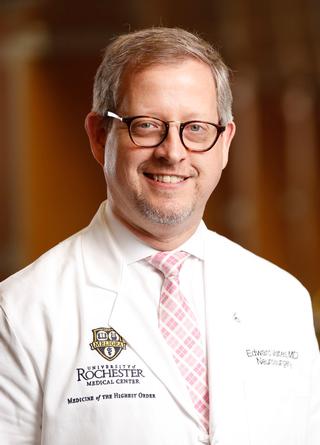
George E. Vates, MD, PhD, is a Professor in the Department of Neurosurgery and the Department of Medicine (Endocrine/Metabolism) at the University of Rochester Medical Center. He serves as neurosurgeon co-director of the University of Rochester Multidisciplinary Neuroendocrinology Clinic and is a key member of the University of Rochester Medical Faculty Group (URMFG), which comprises over 900 providers across 19 departments. Dr. Vates specializes in pituitary tumor surgery, cerebrovascular disorders, and skull base procedures, having performed over 120 transsphenoidal pituitary surgeries. Dr. Vates completed his academic training with exceptional distinction: Duke University: Bachelor's degree, summa cum laude (1988, Phi Beta Kappa) Rockefeller University: PhD in Neuroscience Weill Medical College of Cornell University: MD (1997, Alpha Omega Alpha) University of California, San Francisco: Neurosurgery Residency (1998-2003) Brigham and Women's Hospital, Harvard Medical School: Cerebrovascular/Skull Base Fellowship (2003-2004) His research focuses on pituitary tumor biology, neuroendocrinology, and surgical innovation. He established the Multidisciplinary Neuroendocrinology Clinic as a regional referral center for complex pituitary cases, integrating neurosurgical and endocrinological expertise. Current work emphasizes neuroprotective mechanisms in pituitary adenomas, surgical simulation technology, and optimizing outcomes for elderly glioma patients. Analysis of his 15 most recent publications reveals evolving research trajectories: contemporary studies (2019-2022) concentrate on pituitary tumor management, surgical simulation, and neurosurgical education, while earlier work (2002-2009) explored cerebrovascular anomalies, neural pathway mapping, and vascular malformations. Persistent themes include surgical technique refinement, tumor biology, and clinician training. Dr. Vates' scientific contributions have been recognized through: Phi Beta Kappa (1988) and Alpha Omega Alpha (1991) academic honors Neurosurgery Research and Education Foundation Fellowship (2006) Anspach Award for Cerebral Ischemia Research (2007) AANS Leadership Scholarship and Cone Pevehouse Award (2009) Ongoing service as St. Michael's Hospital Animal Care Committee reviewer As an educator, he mentors neurosurgery residents through clinical supervision and curriculum development, notably publishing on palliative care communication training. His research initiatives, including the 3D-printed cervical laminectomy simulator, demonstrate commitment to advancing surgical education. Current grants focus on neuroprotective strategies in pituitary tumors and resident training methodologies. Dr. Vates co-directs the Multidisciplinary Neuroendocrinology Clinic with endocrinologist Dr. Calvi, fostering collaboration between neurosurgery, endocrinology, and oncology. His clinical team manages complex pituitary cases across Rochester and Hornell campuses, while his research group develops surgical innovations and investigates tumor microenvironment interactions to improve patient outcomes.
Anne-Mette Hvas is Professor and Dean at the Faculty of Health, Aarhus University, Denmark, where she leads academic and administrative initiatives in health sciences. Her role places her at the forefront of institutional strategy, research development, and interdisciplinary collaboration within clinical and translational medicine. Research Interests: Her work spans hematology, coagulation, platelet biology, neonatal hemostasis, and endocrinology. She investigates thrombotic and bleeding disorders in clinical contexts such as nephrotic syndrome, pregnancy, cancer surgery, and stroke. Her research integrates physiological, pharmacological, and clinical perspectives to improve patient outcomes. The recent publications reflect a strong focus on thrombin generation, platelet reactivity, endothelial dysfunction, and red blood cell behavior in acute and chronic conditions. These studies often involve multicenter collaborations and contribute to evidence-based practices in thromboprophylaxis, surgical safety, and stroke management. Scientific Contributions: Active research in hemostasis and thrombosis across diverse patient populations Leadership in clinical studies on anticoagulation, HIPEC, and neonatal platelet function Investigations into hormonal and cardiovascular aspects of Turner syndrome Advising and Grants: While specific advisees are not listed, her leadership in multiple funded research projects suggests mentorship of junior researchers and clinicians. She has led projects on platelet function in preterm neonates and coagulation in surgical oncology, indicating grant acquisition and team coordination capabilities. Labs and Teams: Though specific lab names are not mentioned, her work implies collaboration with clinical research teams in hematology, neonatology, oncology, and obstetrics at Aarhus University Hospital and affiliated centers.
Krishnan Bhaskaran is a Professor of Statistical Epidemiology at the London School of Hygiene & Tropical Medicine (LSHTM) , affiliated with the Faculty of Epidemiology and Population Health and the Department of Non-communicable Disease Epidemiology . He leads the Beyond Cancer research group , supported by a Wellcome Senior Research Fellowship . He co-founded the OpenSAFELY platform for real-time pandemic data analysis. Education: Background in Mathematics and Medical Statistics Research Interests: Cancer survivorship, cardiovascular and mental health outcomes in cancer survivors, pharmacoepidemiology of drug interactions, and methodological advancements in electronic health records analysis Publication Trends: His recent work focuses on long-term health consequences of cancer and its treatments, drug interactions in cardiovascular therapies, and the impact of chronic conditions on cancer risk. Many studies utilize large UK datasets and the OpenSAFELY platform. Scientific Awards: Wellcome Senior Research Fellowship Grants & Leadership: He has secured major funding from Cancer Research UK , British Heart Foundation , and Wellcome Trust to investigate cardiovascular risks post-cancer, health inequalities in endocrine therapy adherence, and drug safety in anticoagulant use.
Dr Amin Ardestani , Senior Lecturer in Metabolic Signaling at the Biomedical Institute for Multimorbidity (BIM), Hull York Medical School (HYMS) , specializes in unraveling molecular mechanisms of pancreatic β-cell failure in diabetes. His research program identifies novel therapeutic targets through signal transduction studies in metabolic disorders. Bachelor's in Biology, Tarbiat Moalem University (2004) Master's in Biochemistry, Institute of Biochemistry and Biophysics (2007) PhD in Biology, University of Bremen (2013) Junior Group Leader at University of Bremen (2014-2023) Research focuses on Hippo and mTOR signaling pathways in β-cell biology, autoimmunity, and regeneration. His work bridges mechanistic biology with drug discovery for diabetes, with significant findings on PHLPP1/2 phosphatases and MST1/2 kinases. Recent publications highlight therapeutic strategies for β-cell protection , including small molecule inhibitors (e.g., MST1/2 inhibitors) and metabolic enzyme modulation (LDHA). Collaborative studies explore SARS-CoV-2 interactions with pancreatic cells and cross-talk between acinar and β-cells in diabetes. 2019 JDRF Advanced Postdoctoral Fellowship 2018 Impulse grant & Career Advancement Award 2017 Early Investigators awards (Endocrine Society, EFSD/Lilly Programme) 2014 Albert Renold Fellowship & Bremer Studienpreis Professional roles include Editorial Board Member at Scientific Reports and Associate Editor at Frontiers in Endocrinology . He reviews grants for DFG, Diabetes UK, and ISF, and evaluates manuscripts for top-tier journals like Cell Metabolism and Nature Communications.
Cheryl Walker, Ph.D., is a Professor in the Departments of Molecular and Cellular Biology, Medicine, and Molecular and Human Genetics at Baylor College of Medicine. She serves as Director of the Center for Precision Environmental Health and Co-Leader of the Chromatin Biology Program at the Dan L Duncan Comprehensive Cancer Center. Her research focuses on gene-environment interactions, epigenomics, and the molecular mechanisms underlying diseases such as cancer, fibroids, and non-alcoholic fatty liver disease (NAFLD). Key areas include the role of chromatin remodelers like SETD2 in genomic stability and their dual functions in cytoskeletal dynamics. She has pioneered studies on how early-life environmental exposures, such as endocrine-disrupting chemicals (EDCs), reprogram the epigenome to increase disease susceptibility later in life. Dr. Walker’s work is funded by NIH and DOD grants, including leadership of the TaRGET II Consortium for environmental epigenomics. Her lab employs cutting-edge technologies like ChIP-seq and RNA-seq to study epigenetic reprogramming. Notable contributions include discoveries linking SETD2 methylation to microtubule stability and genomic integrity, and identifying epigenetic signatures of environmental exposures in health disparities research. Education: Ph.D. in Molecular Biology Affiliations: Baylor College of Medicine, Gulf Coast Center for Precision Environmental Health Her awards include election to the National Academy of Medicine and fellowships in the American Association for the Advancement of Science (AAAS) and American Thoracic Society (ATS). The lab actively collaborates on translational projects, including biomarker development and disaster-related health studies following events like Hurricane Harvey. Key Research Themes: Epigenetic drivers of cancer and fibrosis Environmental epigenomics and disease risk Chromatin-cytoskeleton cross-talk in disease
Kimberly Keil Stietz is an Assistant Professor in the Department of Comparative Biosciences at the University of Wisconsin-Madison School of Veterinary Medicine. Her research focuses on environmental toxicology, neurotoxicology, and urology, particularly examining how developmental exposure to polychlorinated biphenyls (PCBs) affects urinary function. Education: B.S. in Biology, St. Norbert College (2010) Ph.D. in Comparative Biosciences, University of Wisconsin-Madison (2014) Postdoctoral research in neurotoxicology, University of California-Davis (2015-2019) Stietz's lab investigates the effects of environmental contaminants on the lower urinary tract, emphasizing PCB exposure during development. Using in vitro and in vivo mouse models, the lab studies disruptions in bladder epithelium organization, nerve fiber patterning, inflammation, and peripheral-central nervous system crosstalk. Key projects include analyzing PCB impacts on bladder barrier function, innervation patterns, inflammatory responses, and dorsal root ganglia signaling. Recent publications highlight her work on PCB effects across multiple domains: adult female bladder contractility (2023), prostatic collagen changes (2023), machine learning-aided metabolite analysis (2023, 2022), and developmental PCB exposure links to voiding physiology (2022). Her 2021 studies explored behavioral phenotypes in PCB-exposed mice, dendritic effects, and bladder inflammation, while 2019 work included host-microbe interactions and open-source uroflowmetry tools.