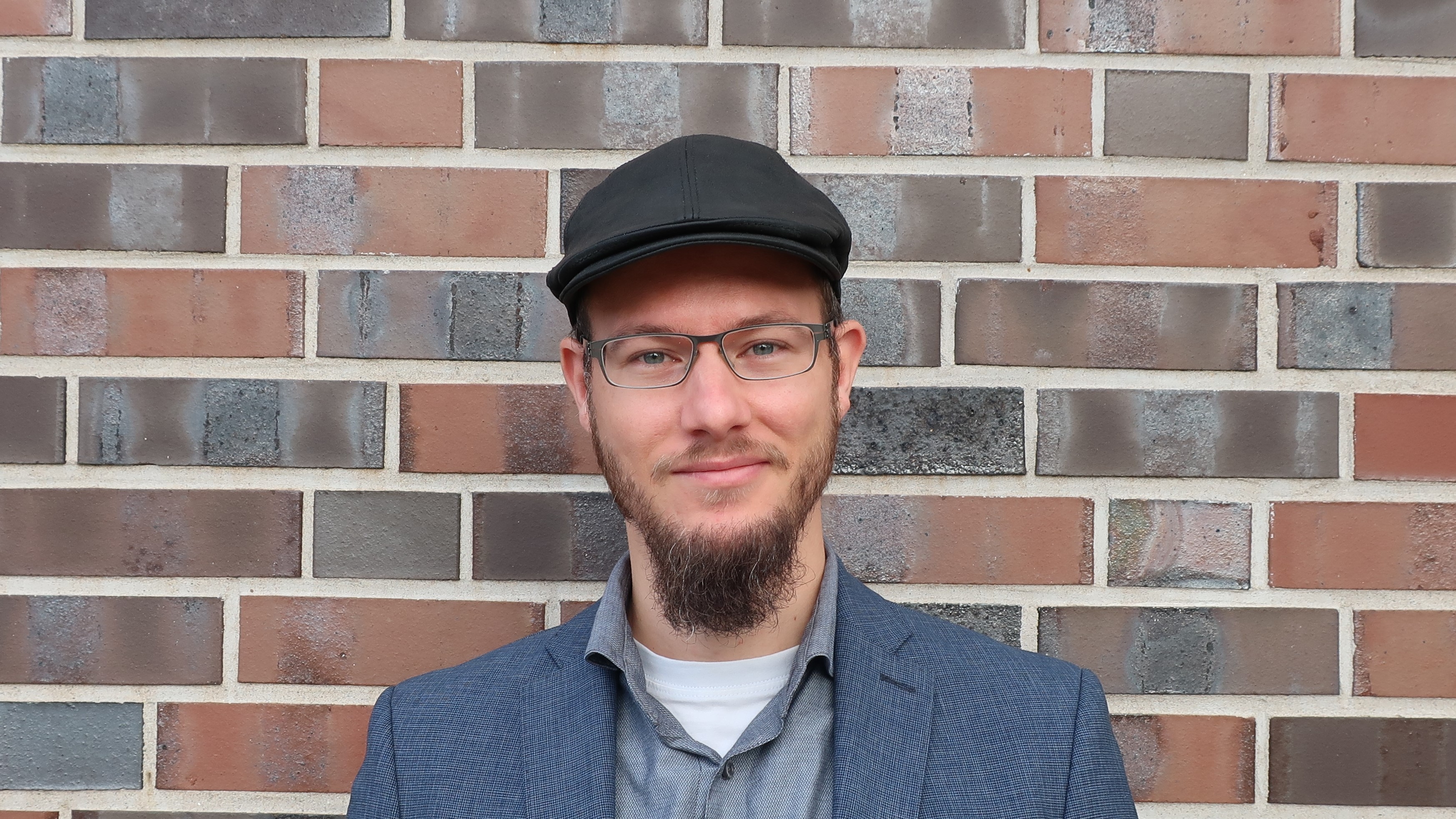
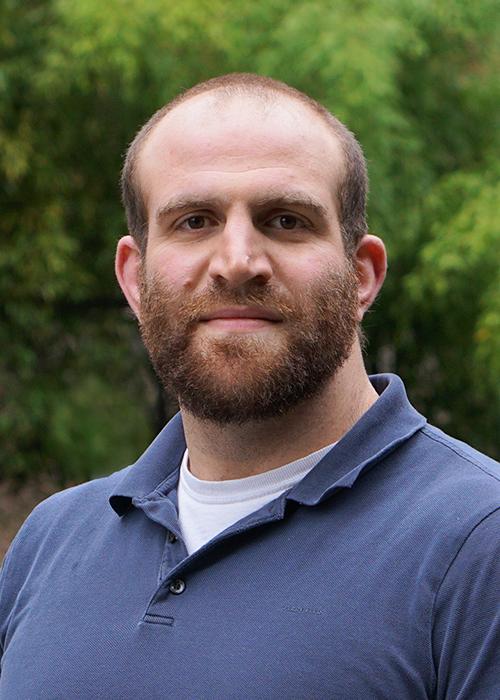
Dr. Kit Yan Chan is a Senior Lecturer at the School of Electrical Engineering, Computing and Mathematical Sciences (EECMS) at Curtin University. His research focuses on Artificial Intelligence, Machine Learning, Deep Learning, and Optimization, with applications in wireless communications, signal processing, and power systems. He has held editorial roles in journals such as Neurocomputing, Sensors, and the International Journal of Ad Hoc and Ubiquitous Computing. His teaching spans courses like Transmission and Interface Design, Advanced Research in AI, and Mobile Cloud Computing. Dr. Chan's work emphasizes interdisciplinary approaches, combining computational intelligence with engineering challenges. He has contributed to over 100 publications in areas such as resource allocation in heterogeneous networks, deep learning for load forecasting, and underwater acoustic communication systems. His research bridges theoretical advancements and practical implementations, addressing real-world problems in telecommunications, energy systems, and smart technologies. His recent projects include optimizing energy efficiency in 5G networks, developing robust power control strategies, and advancing neural network architectures for real-time applications. Collaborations with industry and global institutions underscore his commitment to impactful research.
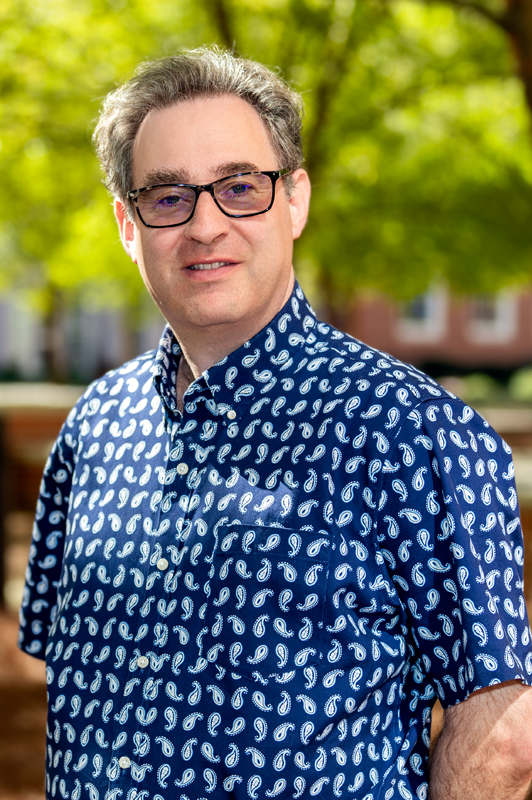
Gareth McKay is a Reader at Queen's University Belfast's School of Medicine, Dentistry and Biomedical Sciences, affiliated with the Centre for Public Health. He leads projects using multiomic approaches to study diabetic kidney disease and renal transplant outcomes, integrating genomic, epigenetic, and metabolomic data. He chairs the Data Access Committee for the Northern Ireland Cohort for Longitudinal Ageing (NICOLA) and advises organizations like the Northern Ireland Kidney Research Fund. His research also involves collaborations with institutions in Thailand, Europe, and the Americas. Dr. McKay's teaching spans clinical genetics and bioinformatics modules, having supervised 9 PhD and 5 Master's students. He has held external examiner roles at universities worldwide. His administrative roles include managing the University’s Human Tissue Act license and serving on EU Horizon research panels. His research focuses on biomarkers for microvascular decline in chronic diseases, leveraging UK Biobank and international cohorts. Key interests include nutrigenomics, carotenoid impacts, and socioeconomic factors influencing health outcomes. Notable awards include Fellow of the Higher Education Academy and multiple research grants from the MRC, EU Horizon programs, and Diabetes UK. His 271+ publications span biomarker discovery, AI in healthcare, and systematic reviews on drug efficacy.
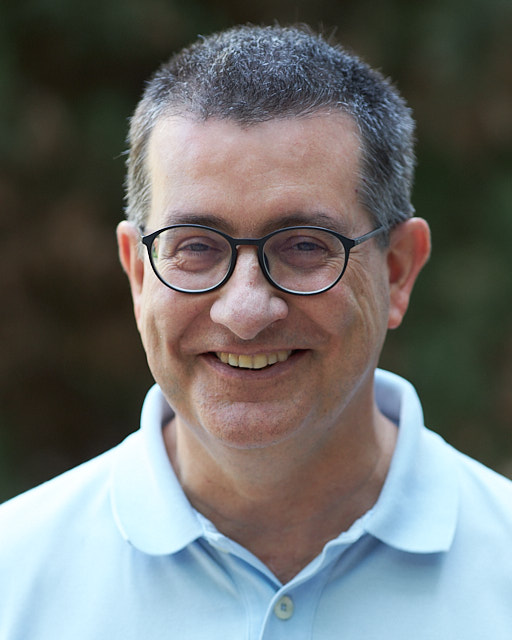
Summary Prof. Tim Kacprowski is a Professor and Head of Data Science in Biomedicine at the Peter L. Reichertz Institute for Medical Informatics (PLRI), jointly affiliated with TU Braunschweig and Hannover Medical School. His research focuses on integrating computational methods with biomedical challenges, particularly in network medicine, federated learning, and alternative splicing analysis. Key projects include the development of the NeDRex platform for drug repurposing and the FeatureCloud framework for privacy-preserving federated learning in healthcare. Research Interests His work spans multiple domains: Network Medicine: Leveraging molecular networks for disease module identification and drug discovery. Data Science: Advanced analytics for biomedical data, including ECG monitoring, microbiome studies, and flow cytometry. Federated Learning: Developing decentralized AI systems to protect patient data while enabling collaborative research. Alternative Splicing: Investigating splicing patterns in diseases like cancer and kidney disorders. Publications Trends Recent publications emphasize tools for drug repurposing (NeDRex-Web), ethical AI in clinical decision-making, and microbiome dynamics in chronic diseases. His work bridges computational methods with clinical applications, addressing challenges in precision medicine and healthcare technology. Labs & Collaborations As head of the Data Science group at PLRI, he leads interdisciplinary teams advancing biomedical informatics. Collaborations span institutions in Germany and internationally, focusing on translational research and AI-driven healthcare solutions.
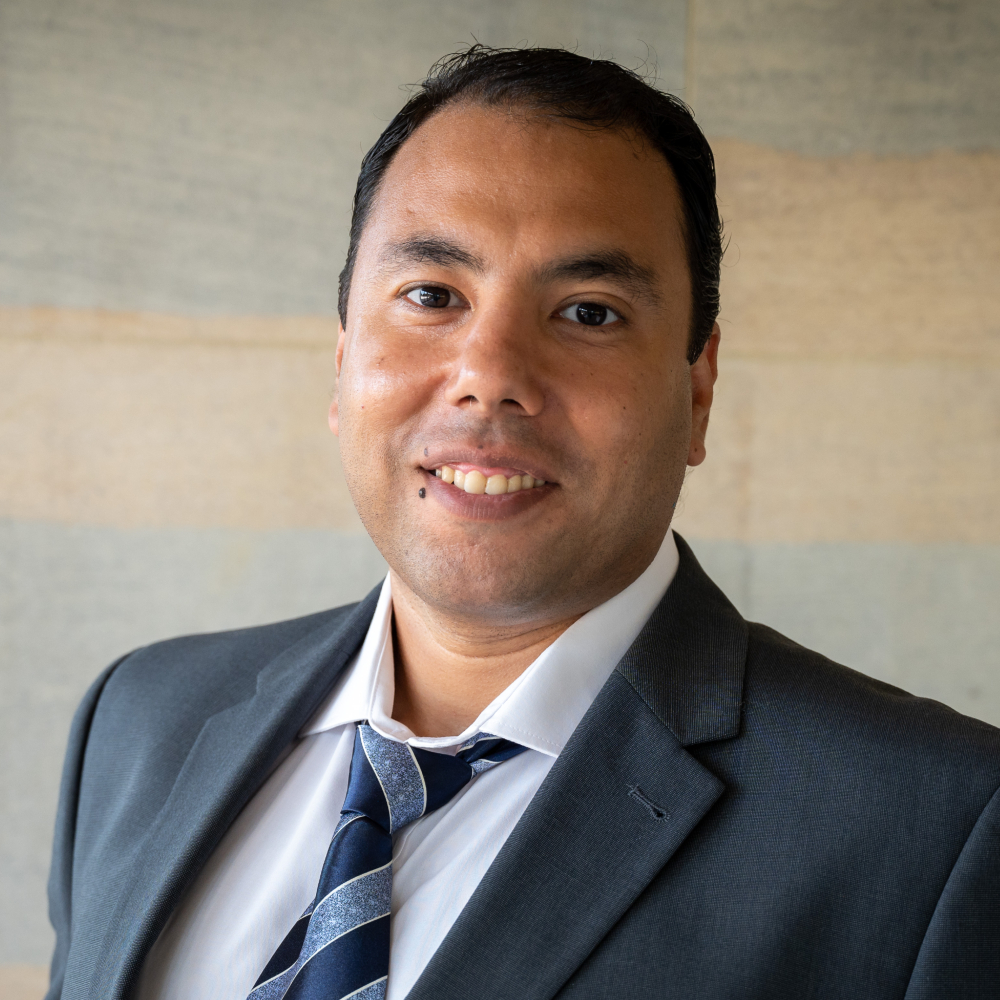
Subhra Patra is Clinical Assistant Professor in Information Systems at UT Arlington. PhD in Computer Science from Homi Bhabha National Institute (2013) with thesis on computational intelligence for nuclear reactors. Applies machine learning to diverse domains including sentiment analysis, economic forecasting, and environmental modeling. Educational background: Ph.D. Computer Science, Homi Bhabha National Institute (2013) M.S. Electronic Science, Berhampur University (2006) M.S. Physics, Khallikote Unitary University (2004) Research spans business analytics applications and computational methods, including NLP for fake news detection, time series forecasting, and neural network architectures. Recent work focuses on operationalizing analytics in business contexts. Teaching responsibilities include Python programming, database systems, and data visualization. Previously held positions at VIT Chennai and KL University.
Daniel Tauritz is a Professor in the Department of Computer Science and Software Engineering at Auburn University and serves as Director for National Laboratory Relationships. He holds a Ph.D. and M.S. in Computer Science from Leiden University, along with propaedeutic studies in Computer Science and Mathematics. His research focuses on AI-driven cybersecurity, automated algorithm design using hyper-heuristics, computational game theory, and evolutionary computation. Tauritz leads initiatives such as the Auburn Cyber Research Center and collaborates with institutions like Los Alamos National Laboratory on critical infrastructure protection and satellite network security. His work bridges academia and national security through projects like the Cyber Fire Puzzles competition and the Satellite Tycoon economic simulation game. His educational background includes advanced studies at Leiden University, with a strong foundation in computer science and mathematics. Research contributions span evolutionary algorithms for molecular evolution, coevolutionary defense strategies, and generative hyper-heuristics. Tauritz has secured grants including an NSF award for AI-cybersecurity education and contributed to Auburn’s partnerships with national laboratories. He is actively involved in fostering student engagement through ethical hacking clubs and experiential learning programs. Notable achievements include moderating panels on AI in cybersecurity and AI workforce development, as well as developing frameworks like Galaxy for network emulation and DCAFE for automated cyber experiments. His publications emphasize applying evolutionary computation to real-world challenges, including satellite constellation economics and adversarial network defense strategies.
Sergio Gómez Jiménez is an Associate Professor in the Department of Computer Engineering and Mathematics at Rovira i Virgili University (URV), Tarragona, Spain. He joined URV in 1995 and has held his current position since 1997. He obtained degrees in Physics (1990) and Mathematics (1995) and a PhD in Physics (1994) from the Universitat de Barcelona. His research focuses on complex networks, including community structure analysis, epidemic spreading, urban congestion, and applications to biology, medicine, and social systems. He has authored over 100 publications in high-impact journals like Nature Methods and Physical Review Letters. He coordinates the interuniversity Master's in Biomedical Data Science and the PhD Program in Bioinformatics. His editorial roles include Associate Editor of Complexity and Review Editor of Frontiers in Physics. Notable awards include the American Physical Society's Outstanding Referee (2015) and the Web Science Trust's Test of Time Award (2024). His work on modeling the spatiotemporal spread of epidemics, such as the 2020 COVID-19 pandemic, has received significant attention. He also contributed to urban traffic congestion analysis and developed algorithms for hierarchical clustering (e.g., MultiDendrograms). Collaborations span institutions like the University of Oxford and CERN, reflecting his interdisciplinary approach to complex systems.
Dr. Osama Mahmoud is a Lecturer (Assistant Professor) in Data Science and Statistics at the University of Essex, affiliated with the School of Mathematics, Statistics and Actuarial Science (SMSAS) and the Department of Mathematical Sciences. He holds dual roles as the Director of the BSc Data Science and Analytics programme and Deputy Director of Research at SMSAS. His academic journey includes a PhD in Statistics from the University of Essex and an Honorary Senior Researcher position at the University of Bristol Medical School (2020–2024). Dr. Mahmoud's research focuses on Predictive Modelling, Health Data Science, Machine Learning, Bio and Medical Statistics, and Explainable AI. He pioneered the Slope-Hunter method (Nature Communications, 2022) for bias correction in genome-wide studies and developed tools like the Proportion Overlapping Score (POS) and open-source packages on CRAN/GitHub. His work bridges statistical methodology with applications in healthcare, environmental epidemiology, and industrial collaboration. Key contributions include studies on sleep-breast cancer mortality linkages (2025), lung function-cardiovascular risk relationships (2024), and smoking's role in depression recovery (2022). He has secured grants supporting collaborations with UNDP, Rolls Royce, and Recruitment Smart. Teaching innovations include pioneering programming and text analytics modules. Education: PhD in Statistics, University of Essex Affiliations: UK Reproducibility Network (UKRN) Institutional Lead, British Data Science Society Member Grants: Projects in Data Science, theoretical/applied Statistics, and industrial partnerships Tools: ESKNN, OTE, propOverlap packages on CRAN His work emphasizes reproducibility, with over 50 peer-reviewed publications and international teaching engagements at ICTP (Italy), EuADS (Luxembourg), and UK institutions.
Dr. Andrew McCarren is an Associate Professor and Head of the School of Computing at Dublin City University (DCU). He holds a PhD and BSc from DCU and is a funded investigator in the Insight Centre for Data Analytics. His research focuses on applying data analytics to Fintech, Agriculture, Health, and Sports Performance. As a former industry professional with 20+ years experience in Agri, Engineering, and Pharmaceuticals, he bridges academic and industrial collaboration. Professional Affiliations: Fellow of Royal Statistical Society and Advance HE Key Roles: PI on SFI/EI projects, Visiting Professor at Princess Nourah bint Abdulrahman University Research spans software engineering (microservices architecture), health informatics (exercise interventions), and agri-tech (automated food processing). Over 100 publications across data science, sports analytics, and engineering.
Joel E. Cohen is the Abby Rockefeller Mauzé Professor at The Rockefeller University, where he leads the Laboratory of Populations. With over five decades of research experience, Cohen has pioneered innovative mathematical approaches to study biological populations and variability. His work bridges mathematics, biology, and environmental science, fundamentally changing how scientists understand population dynamics and the significance of biological variability. Dr. Cohen's research focuses on developing new mathematical tools to address population problems in demography, epidemiology, and ecology. He has made seminal contributions to the understanding of heavy-tailed distributions that describe extreme events like hurricanes and disease outbreaks, challenging traditional statistical approaches. His laboratory has conducted groundbreaking research on the spatial distribution of human populations in relation to geophysical factors, with unexpected practical applications ranging from soap formulation to semiconductor manufacturing. Cohen has also developed mathematical models for Chagas disease control in rural Argentina and created algorithms to predict international migration patterns. Analysis of Cohen's recent publications reveals a sustained focus on Taylor's law of fluctuation scaling, population dynamics, and ecological statistics. His work consistently demonstrates how abstract mathematical concepts can transform our understanding of biological systems, from cellular processes to global population trends. The research spans theoretical mathematics to practical applications in disease control, conservation biology, and environmental management. Olivia Schieffelin Nordberg Prize for excellence in writing in the population sciences (March 1997) Gheorghe Lazar Prize of Romanian Academy (December 2000) As director of the Laboratory of Populations, Cohen has led research on human population growth, infectious diseases, food webs, and international migration. His methods for assessing the uncertainty of population projections have been applied in court cases for predicting future claimants of asbestos-related diseases. Cohen's laboratory has collaborated with the United Nations Population Division on migration studies and developed mathematical models that account for more than half of the variability in annual migration numbers among 229 countries. Current research directions include understanding how demographic, economic, and cultural changes interact with Earth's physical, chemical, and biological environments. The Laboratory of Populations employs a multidisciplinary approach that combines mathematical modeling, statistical analysis, and field studies to address complex population issues. Their work exemplifies how basic quantitative research on populations frequently yields unexpected practical applications, demonstrating the profound connections between theoretical mathematics and real-world challenges in public health, environmental science, and resource management.
Prof. Robert Grass is a Lecturer at the Department of Chemistry and Applied Biosciences at ETH Zurich, affiliated with the Institute for Chemical and Bioengineering Sciences. His research focuses on innovative applications of nanotechnology, DNA-based storage systems, and sustainable catalytic processes for CO2 valorization. Grass has pioneered silica-encapsulated DNA technologies for traceability in healthcare, environmental monitoring, and anti-counterfeiting measures. His work bridges chemical engineering with information technology, addressing challenges in long-term data preservation and molecular-level security. Current projects include developing compostable DNA storage materials and designing catalysts for methanol synthesis from CO2, contributing to both environmental sustainability and energy systems. Grass's interdisciplinary approach integrates nanomaterials design, enzymatic processes, and machine learning to advance next-generation storage and sensing technologies. Research Interests: Development of DNA-based storage systems with error-correction mechanisms Nanoparticle engineering for medical and environmental applications Catalytic materials for CO2 conversion and green chemistry Bio-inspired security systems using molecular randomness Sustainable materials for long-term data preservation His recent work highlights advancements in silica-encapsulated DNA tracers for tracking pathogen transmission dynamics, as well as low-nuclearity catalysts enabling efficient methanol synthesis from CO2. Grass actively explores the intersection of nanotechnology and digital information, including cryptographic applications leveraging DNA's inherent complexity.
Dr. Angela Shahbazian is an Assistant Clinical Professor at the UC Berkeley School of Optometry, where she teaches courses such as Optometry 200E and 200F, focusing on clinical examination, ophthalmic procedures, and systemic disease management. She completed her OD at UC Berkeley in 2016 and a residency in Primary Care/Community Health at the same institution in 2017. Her clinical expertise includes glaucoma, diabetes-related eye complications, and urgent care, with a special interest in community health equity. She mentors residents in the Primary Care/Community Health Residency program and serves as a Fellow of the American Academy of Optometry. Education: OD: UC Berkeley School of Optometry, 2016 Residency: Primary Care/Community Health, UC Berkeley, 2017 Her research focuses on systemic diseases' ocular manifestations, vitamin deficiencies, and glaucoma management, with publications in Clinical Insights in Eyecare and presentations at the American Academy of Optometry annual meetings. She has authored invited lectures on optic neuropathies, Parkinson’s-related vision changes, and ocular nutrition, emphasizing evidence-based practices and public health advocacy. Her work bridges clinical care and community outreach, aiming to improve equitable access to eye care. Dr. Shahbazian has delivered over 20 peer-reviewed and non-peer-reviewed talks, posters, and articles since 2016, covering topics from retinal detachment in genetic syndromes to tattoo-associated uveitis. Her presentations often highlight case studies and innovative diagnostic approaches in optometry. Beyond academia, she enjoys outdoor activities with her family. Awards: Fellow of the American Academy of Optometry Grants/Advising: Mentor for Primary Care/Community Health Residency Program Her involvement in the UC Berkeley Optometry community includes roles in curriculum development, clinical training, and alumni events, reflecting her commitment to advancing optometric education and practice.
Noah Simon is an Associate Professor in the Department of Biostatistics at the University of Washington School of Public Health. His research focuses on high-dimensional statistical methods, machine learning, and their applications in biomedicine. He develops computational tools for genomic and clinical data analysis, including penalized regression techniques and adaptive clinical trial designs. Education: B.A. Mathematics, Pomona College (2008) Ph.D. Statistics, Stanford University (2013), advised by Robert Tibshirani Research Interests: Dr. Simon specializes in high-dimensional estimation, algorithm optimization, and clinical trial methodology. His work addresses challenges in biomarker discovery, imaging-based diagnostics, and genomic data analysis. Key areas include sparse-group lasso regularization, adaptive enrichment designs for personalized medicine, and scalable computational methods for big data. Grants & Funding: NIH Director's Early Independence Award ($250k/year, 2014–2019) Amazon and Google Cloud Computing Grants for biomarker research Awards: Forbes 30 Under 30 in Science (2015) NSF Graduate Research Fellowship Honorable Mention (2010) Weiland Fellowship (2011–2013) Advising: He mentors PhD and MS students in biostatistical methodology and data science, with current advisees including Jean Feng, Brayan Ortiz, and Jeremy Roth. Notable collaborations include work on neural activity detection via calcium imaging (SCALPEL) and nonparametric variable importance assessment using neural networks. Lab & Affiliations: Based at the Hans Rosling Center for Population Health, his group develops open-source software (e.g., sgl , standGL ) and contributes to biomedical data science initiatives at UW.
Dr. Andrew Lin is a Senior Lecturer and School Director of One University at the University of Sheffield's School of Biosciences. He holds a PhD from the University of Cambridge and a BA in Biology from Harvard University. His career includes roles as a Lecturer (2019-2022), Vice-Chancellor’s Fellow (2015-2019), and Postdoctoral Fellow at the University of Oxford (2009-2015). Research focuses on how the brain encodes sensory information for memory formation, using Drosophila's olfactory system as a model. Key areas include sparse coding in Kenyon cells, synaptic inhibition/excitation balance, and neural circuit dysfunction links to epilepsy. Teaching includes modules like BMS11004 Introduction to Neuroscience and BMS248 Neural Circuits, Behaviour and Memory. He has secured grants from the European Research Council, BBSRC, and Wellcome Trust. Professional memberships include the FENS-Kavli Network and BBSRC Pool of Experts. Lab research employs techniques like in vivo two-photon imaging, electrophysiology, and genetic manipulation. PhD opportunities are available in neural circuitry and sensory processing.
Micael Derelöv is an Associate Professor at Linköping University's Department of Management and Engineering (IEI), specializing in Product Realisation (PROD). His work focuses on optimizing safety, reliability, and efficiency in industrial and aerospace systems. He contributes to sustainable product development through advanced methodologies in design optimization and failure analysis. His research integrates robotics, manufacturing systems, and systems engineering to address challenges in collaborative assembly, aircraft design, and risk management. Dr. Derelöv’s research interests include multi-objective optimization for balancing safety and weight in aircraft systems, industrial safety demonstrators, and reliability-centric design processes. He has developed frameworks for evaluating design concepts and identifying potential failures in early-stage engineering projects. His work also explores the application of genetic algorithms in concept synthesis and the use of qualitative modeling for risk assessment. His publications highlight trends in industrial safety, systems reliability, and aerospace engineering. Recent work includes advancements in safe collaborative robotics on assembly lines and methodologies for industrial safety demonstrators. Earlier contributions address cost optimization in reliability-focused design and bio-mechatronic product development. While no specific scientific awards are listed, his active research and academic role reflect a commitment to advancing engineering practices. He collaborates on student projects, such as a recent initiative designing a pressure-resistant device for space exploration, demonstrating engagement in applied and interdisciplinary research. Micael Derelöv’s affiliation with the Department of Management and Engineering positions him at the intersection of academic research and industrial innovation, particularly within the Product Realisation group. His work emphasizes sustainable, integrated approaches to product development, blending theoretical insights with practical applications in manufacturing and aerospace sectors.
Thao (Vicky) Nguyen is a Professor of Mechanical Engineering at Johns Hopkins University, with a secondary appointment in the Department of Materials Science and Engineering. She is co-Deputy Director of the Hopkins Extreme Materials Institute (HEMI). Her research focuses on biomechanics of soft engineering and biological materials, including adaptive polymers, fracture mechanics, and ocular biomechanics related to glaucoma. Key collaborators include the National Eye Institute and National Science Foundation. Nguyen holds a B.S. from MIT (1998), and M.S. and Ph.D. from Stanford (2000, 2004). She previously worked at Sandia National Laboratories. Awards include the James R. Rice Medal (2025), NSF CAREER Award, and multiple ASME honors. Her lab integrates experimental and computational approaches, with notable work on shape-memory polymers and scleral biomechanics. Research interests include collagen growth, liquid crystal elastomers, and architected materials. She leads studies on optic nerve head mechanics, funded by DOD, NEI, and BrightFocus. Nguyen serves on editorial boards for ASME journals and professional societies.