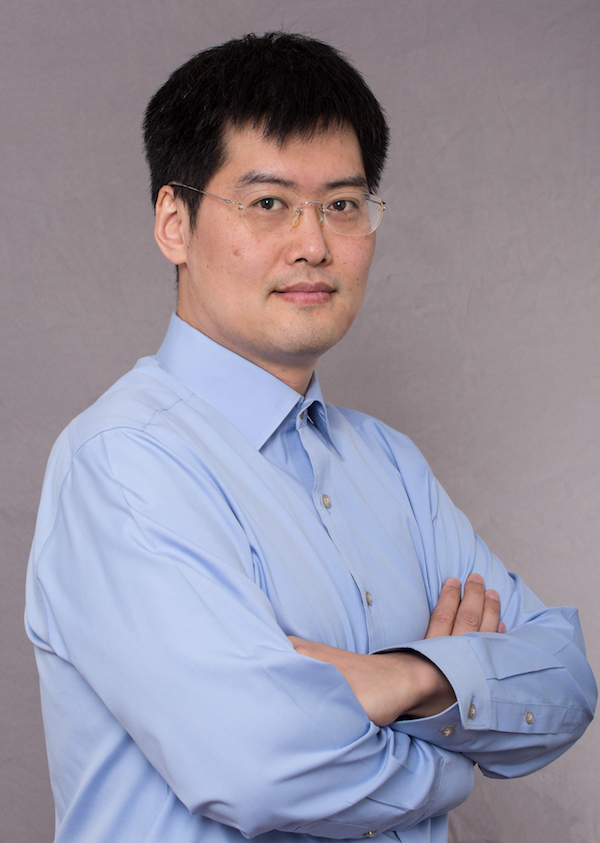
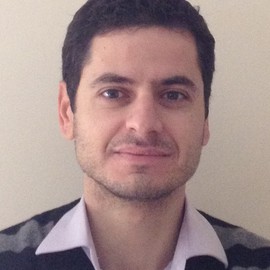
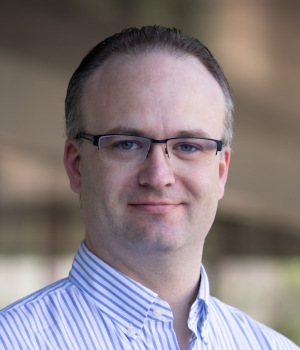
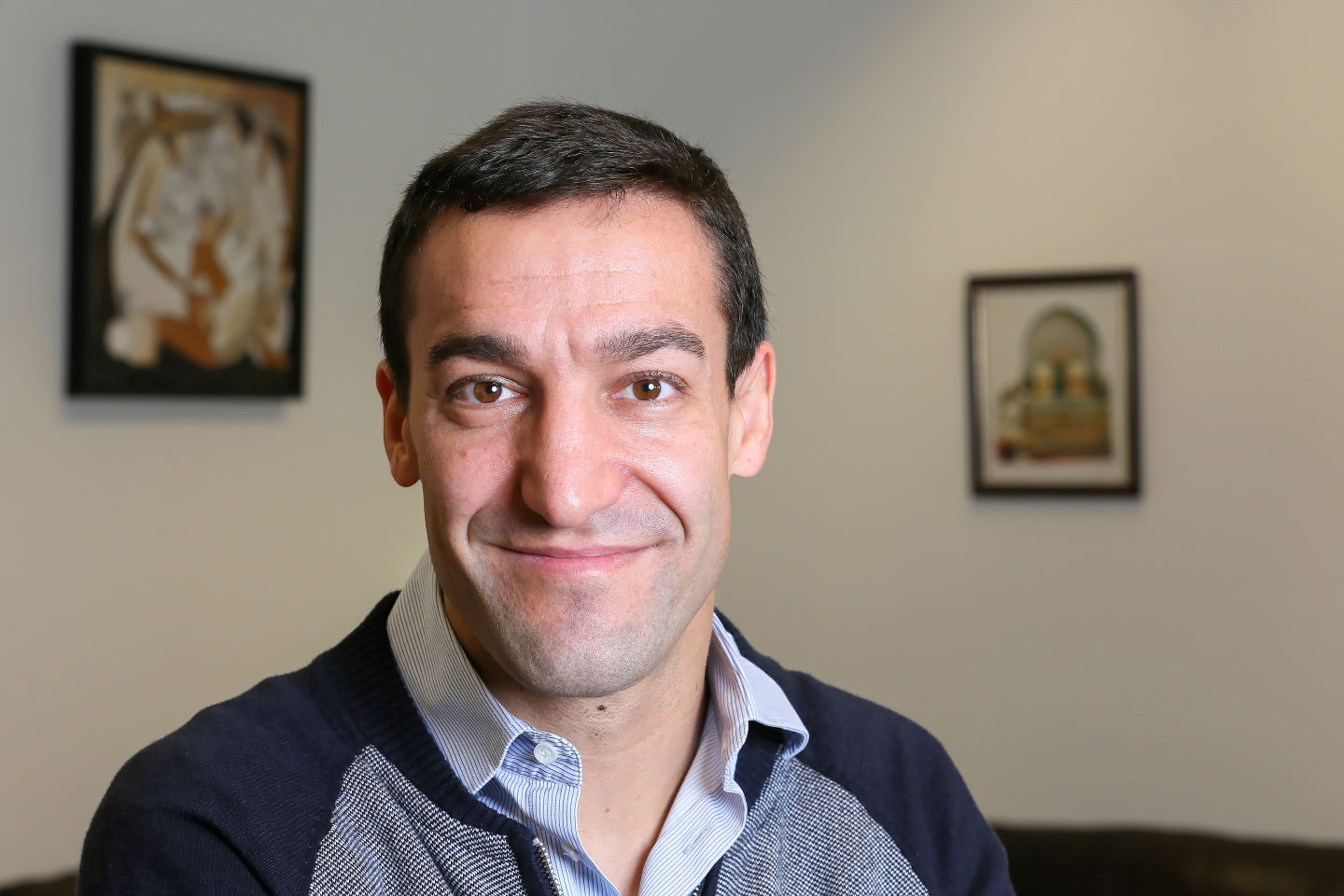
Nicolas Chiaruttini is a Lecturer and Scientist at École Polytechnique Fédérale de Lausanne (EPFL), affiliated with the School of Life Sciences. He serves in the BioImaging and Optics Core Facility (PTBIOP) and contributes to doctoral education through the EDMS - Teaching program. Institution: École Polytechnique Fédérale de Lausanne (EPFL) School: School of Life Sciences Department: BioImaging and Optics Core Facility Roles: Scientist, Lecturer Office: AI 0140, Building AI, Station 15, 1015 Lausanne, Switzerland Contact: +41 21 693 96 29 | nicolas.chiaruttini@epfl.ch ORCID: 0000-0003-4722-6245 Unit Websites: BioImaging and Optics Core Facility , EDMS Program His research and professional interests center on bioimaging, optics, and image processing, particularly in the context of life sciences and micro/nano-sciences. These areas are reflected in his dual role supporting advanced imaging technologies and teaching in doctoral programs. He teaches the course Image Processing for Life Science , which integrates computational techniques with biological imaging applications. While no recent publications or awards are listed in the provided text, his work is aligned with interdisciplinary research at the intersection of engineering, physics, and biology. Nicolas Chiaruttini is actively contributing to both research infrastructure and academic education at EPFL, demonstrating a commitment to advancing scientific methodology and training the next generation of researchers in quantitative imaging and analysis.
Michihiro Yasunaga is an Assistant Professor in the Department of Computer Science at Stanford University's School of Engineering. He received his PhD in Computer Science from Stanford, advised by Percy Liang, Jure Leskovec, and Chris Manning. Prior to his faculty position, he worked as a researcher at Google DeepMind and Meta. His research focuses on building LLMs and agents that assist humans in diverse tasks, with particular expertise in post-training techniques (RL, reward models, and evaluation), reasoning systems (AnalogicalReasoner), retrieval and tool use for LLMs (LinkBERT, QAGNN, DRAGON, REPLUG, HippoRAG), and multimodality (RA-CM3, Med-Flamingo, Transfusion). His work spans both theoretical foundations and practical applications of large language models. Yasunaga's publication record demonstrates significant contributions to the field of AI, with 15 recent articles (2023-2025) covering diverse aspects of language model development, evaluation, and application. His research shows a clear trajectory toward building more capable, efficient, and reliable multimodal AI systems, with particular emphasis on knowledge integration and robust evaluation frameworks. Among his notable achievements is the Best Paper Award at AAAI 2023 Deep Learning on Graphs Workshop for the DRAGON paper. He has also been deeply involved in major benchmarking efforts including HELM and HEIM, which provide comprehensive evaluation frameworks for language and vision-language models. Yasunaga actively contributes to the research community through service roles including Organizing Committee for the Workshop on Knowledge-Augmented Methods for NLP (ACL 2024), Workshop on Structured and Unstructured Knowledge Integration (NAACL 2022), and the Workshop on Scientific Document Summarization (SIGIR 2017-2020). He has also served on program committees for top conferences including NeurIPS, ICML, ICLR, ACL, EMNLP, CVPR, and ICCV from 2020-2025.
Xuming He is an Associate Professor at the School of Information Science and Technology (SIST), ShanghaiTech University, where he leads the PLUS Lab. His research spans computer vision and machine learning with a focus on developing algorithms that operate effectively under limited supervision and evolving data conditions. His core research interests include weakly-supervised and few-shot learning for scenarios with sparse annotations, continual learning frameworks for knowledge retention during sequential task acquisition, semantic segmentation techniques for scene understanding, and multimodal vision-language representations. He emphasizes interpretable machine learning to build transparent AI systems capable of human-understandable reasoning, addressing critical challenges in model trustworthiness and deployment reliability. Recent publications reveal strong trends toward novel class discovery in long-tailed recognition scenarios, physics-informed generative modeling for scientific applications, and robust segmentation under distribution shifts. His work increasingly integrates large language models for multimodal reasoning while maintaining focus on efficiency in resource-constrained environments like robotic grasping and medical imaging analysis. He actively mentors students, having supervised Qian He to PhD completion and Chuanyang Hu to Master's degree in 2023. He welcomes prospective graduate students through ShanghaiTech's Computer Science & Technology program and offers undergraduate research projects requiring minimum six-month commitments. The PLUS Lab under his direction drives innovation in learning under supervision constraints, with recent work spanning medical tumor analysis, cross-view geolocation, photonic computing, and semiconductor design verification. The lab's research bridges theoretical advances with practical applications across healthcare, robotics, and scientific discovery domains.
Dr. Alexander Artikis is an Associate Professor of Artificial Intelligence at the University of Piraeus and a Research Associate at the National Centre for Scientific Research (NCSR) "Demokritos". He leads the Complex Event Recognition (CER) group , focusing on symbolic and probabilistic approaches to event recognition and forecasting. University of Piraeus (2025–present) NCSR Demokritos (2017–present) Complex Event Recognition Group (2017–present) His research spans Artificial Intelligence and Distributed Systems , with a focus on: Complex Event Recognition (CER) : Developing logic-based systems for detecting events in real-time data streams Event Calculus : Creating probabilistic and incremental versions for runtime reasoning Multi-Agent Systems : Modeling norm-governed interactions Maritime Informatics : Applying CER to vessel trajectory analysis and fleet management Key publications reveal trends in: Neuro-symbolic forecasting models combining deep learning and logic-based reasoning Symbolic automata with memory for pattern detection Online learning techniques for dynamic event rule generation Tensor-based formalizations for efficient temporal reasoning Handling uncertainty in real-time maritime data streams Optimizing memory usage for scalable stream processing He contributes to open-source tools like RTEC (Run-Time Event Calculus) and holds a European patent on complex event forecasting. His work addresses challenges in: Proactive decision-making systems Knowledge Graph consistency Hybrid human-machine discovery of movement patterns Big Data analytics for time-critical applications
Andrea Del Prete is an Associate Professor in the Industrial Engineering Department at the University of Trento (Italy) since 2022. His research focuses on robot control, reinforcement learning, trajectory optimization, and numerical algorithms for dynamic systems. He leads the Interdepartmental Robotics Lab (IDRA) and has previously held roles as a tenure-track assistant professor at the University of Trento (2019-2021), a research scientist at the Max-Planck Institute for Intelligent Systems (2018), and an associated researcher at LAAS-CNRS (2014-2017) working with the HRP-2 humanoid robot. Earlier, he conducted PhD and post-doc research at the Italian Institute of Technology (2010-2013) on iCub robot control. PhD in Robotics (2013) - Italian Institute of Technology MEng in Computer Engineering (2009) - University of Bologna BSc in Computer Engineering (2006) - University of Bologna Dr. Del Prete specializes in merging learning and model-based techniques for safe robot control, particularly in legged systems. His work bridges trajectory optimization (TO) with reinforcement learning (RL) to overcome local minima challenges (CACTO/CACTO-SL algorithms) and develops robust controllers for humanoid and quadrupedal robots in unstructured environments. He explores viability kernels in MPC, safety certificates, and bi-level optimization for co-designing hardware/control policies. Key application areas include mountain rescue robotics (ALPINE platform), aerial maneuver recovery, and energy-efficient legged locomotion. His recent publications (2023-2025) emphasize numerical optimization algorithms, multi-contact locomotion, and hybrid control frameworks. Topics span from analytical integral optimization (2025) to climbing robots for mountain operations (2025), demonstrating a trajectory from theoretical algorithm development to real-world robotic applications. Research keywords include robotics, numerical optimization, and machine learning, with sub-fields like MPC for dynamic systems, humanoid control, and terrain adaptation. As an educator, he teaches advanced courses on: Optimization and Learning for Robot Control (48-hour master's course) Optimization-based Control of Legged Robots (12-hour PhD course) Task-Space Inverse Dynamics (3-hour PhD course) Current PhD advisees include Mohammad Hasan Yeganegi (generalization bounds for imitation learning), Pietro Noah Crestaz (numerically-efficient RL), Veronica Campana (ergodic control for defect detection), Elisa Alboni (data-efficient model-based RL), and Gianni Lunardi (MPC for legged locomotion).
Mauro Pezzè is a Full Professor of Software Engineering at the Università della Svizzera italiana (USI) and Università di Milano Bicocca, leading the STAR research group since 2006. He holds a laurea from the University of Pisa and a PhD from Politecnico di Milano. His research focuses on software testing, analysis, self-adaptive systems, and cloud systems. He has held editorial roles, including Editor-in-Chief of ACM Transactions on Software Engineering and Methodologies (TOSEM), and served on numerous program committees. Education: Laurea (Pisa), PhD (Politecnico di Milano). Professional roles include Dean of the Faculty of Informatics at USI (2009-2013), visiting scientist at UC Irvine and Edinburgh, and technical lead for international projects. He co-authored a seminal book on software testing (Wiley, 2007), with over 670 citations. Research Interests: Software Testing, Self-Adaptive Systems, Cloud Computing, AI in SE, Sustainable Software. Projects include work on field-based testing, failure prediction in distributed systems, and neuro-symbolic approaches for test oracles. Grants and Advising: Led STAR Lab projects in self-healing systems, GUI testing, and semantic matching. Advised numerous PhD/postdoc students (e.g., Ciniselli, Di Grazia, Qiu). Collaborations with European tech firms on R&D initiatives. Labs/Teams: STAR Group at USI/Constructor Institute, Bicocca, and Politecnico di Milano. Current members include postdocs and PhD students working on AI-driven testing and cloud reliability.
Nikita Kavokine serves as Tenure Track Assistant Professor at École Polytechnique Fédérale de Lausanne (EPFL) within the School of Basic Sciences . His dual appointments span the Institute of Chemical Sciences and Engineering (ISIC) and the School of Chemical Sciences and Engineering (SCGC) , where he leads the Quantum Plumbing Lab (LNQ) and contributes to graduate teaching. Based at Building CH A2 398 in Lausanne, he maintains active research and instructional roles across EPFL's chemistry and chemical engineering programs. His research pioneers quantum nanofluidics and nanoscale transport phenomena , focusing on electron-ion coupling mechanisms in confined geometries. Key investigations include quantum friction in water-carbon interfaces, hydroelectric energy conversion through nanochannels, and plasmon-hydron resonances in two-dimensional materials. His work bridges condensed matter physics, electrochemistry, and fluid dynamics to develop fundamental principles for next-generation nanofluidic devices and quantum sensors. Analysis of his 15 most recent publications (2023-2025) reveals three dominant research thrusts: quantum-enhanced energy conversion (evident in hydroelectric drag and electron cooling studies), non-classical ion transport (including ionic Coulomb blockade and interaction confinement), and emergent quantum hydrodynamics (momentum tunneling, collective modes). These publications consistently integrate advanced numerical methods with nanoscale experimental systems, establishing new paradigms for solid-liquid quantum interactions. Kavokine currently supervises three PhD students: Gispert Peter , Lu Hao , and Rigaux Killian David . His teaching portfolio includes graduate courses in Statistical Mechanics for Chemistry and Nanofluidics , emphasizing theoretical frameworks for many-particle systems and nanoscale fluid dynamics. Research funding supports his laboratory's exploration of quantum effects in nanofluidic channels, though specific grant details are not provided in source materials. The Quantum Plumbing Lab (LNQ) operates at the forefront of nanoscale quantum transport research, utilizing advanced nanofabrication and characterization techniques to probe electron-ion coupling phenomena. The lab's interdisciplinary team combines expertise in quantum physics, electrochemistry, and fluid dynamics to investigate fundamental limits of energy conversion and transport at atomic scales, with particular focus on graphene-based systems and angstrom-scale confinement.
Isabelle Stadelmann-Steffen is a Professor of Comparative Politics at the University of Bern's Institute of Political Science. Her research focuses on public policy, direct democracy, and political behavior. University of Bern Institute of Political Science Her research examines how policy content in family policy and energy policy influences political preferences, with current projects including EDGE (Enabling Decentralized renewable Generation), SURE (Sustainable and Resilient Energy), and SOTES (Sociotechnological Breakthrough of Thermal Energy Storage). She has published extensively on renewable energy acceptance, welfare state configurations, and political behavior. Her recent publications analyze: Energy policy communication strategies Carbon tax acceptance mechanisms Gendered leadership and crisis response Policy feedback effects on social behavior Direct democracy's impact on climate policy Household work patterns across policy regimes Her work is supported by Swiss Federal Office of Energy and Swiss National Science Foundation grants. She leads a research team including PostDocs (Dr. Gracia Brückmann, Dr. Meret Lütolf, Dr. Dominique Oehrli, Dr. Sophie Ruprecht, Dr. Jonas Schmid, Dr. Guillaume Zumofen) and doctoral assistants Walid El-Ajou, Jana Föcker, and Rebeka Sträter. Swiss National Science Foundation grants SWEET funding programme support Interdisciplinary collaboration with engineering institutions
Christian Weber serves as a Senior Lecturer & Researcher at the Institute of Business Information Technology within the Zurich University of Applied Sciences (ZHAW) School of Management and Law. He directs the CAS Cyber Security program and contributes to the ZHAW Digital Health Lab, focusing on sustainable digital ecosystems and security frameworks. His educational background includes an Executive MBA in General and Entrepreneurial Management from Johannes Gutenberg-Universität Mainz/McCombs School of Business and a Dipl.-Ing in Industrial Electronics & Electrical Power Engineering from RheinMain University of Applied Sciences. His continuing education spans numerous certifications in AI, sustainability, and digital health from institutions including Hasso Plattner Institute. Weber's research centers on sustainable smart solutions for digital ecosystems, including digital health, ambient assisted living, and smart environments. His work explores computer-supported cooperative working scenarios, applications of open source systems in SMEs, and data protection, cybersecurity, compliance, and forensics as enablers for digital ecosystems. His teaching portfolio spans multiple modules in IT Security, Emerging Technologies, IoT-Data Streaming & Analytics, and Digital Transformation across BSc and MSc Business Informatics programs. His recent publications demonstrate strong interdisciplinary connections between cybersecurity, digital health, and organizational transformation, with particular emphasis on practical applications in real-world settings. His work bridges technical implementations with organizational and societal impacts of digital technologies. Best Paper Award at SMART 2018 for "Citizens as Sensors" research "Educate to lead" award from Soroptimist International Europe for STEM outreach Weber's professional experience combines academic leadership with industry expertise, having served as Managing Director of the Cisco Networking Academy since 2012 and holding previous positions as Administrative Professor and Lecturer at University of Applied Sciences Braunschweig/Wolfenbüttel. His industry background includes executive roles as CIO/CTO and IT management consulting. He contributes to the ZHAW Digital Health Lab and has led projects including the ZHAW Digital Culture Assessment and Digital Health Hackathon, focusing on practical implementations of digital health solutions and organizational transformation.
Laurent Condat is a Senior Research Scientist at King Abdullah University of Science and Technology (KAUST) in Saudi Arabia, where he conducts research in optimization algorithms and their applications. He is affiliated with the College of Engineering, Department of Computer Science, and has previously held research positions at CNRS in France, working at GREYC in Caen and GIPSA-Lab in Grenoble. Dr. Condat received his PhD in 2006 from Grenoble Institute of Technology, followed by a 2-year postdoc in Munich, Germany. He was recruited as a permanent researcher by CNRS in 2008 and has been on leave from CNRS since November 2019 to work at KAUST. In February 2025, he was promoted to 'chargé de recherche hors classe' (senior research scientist) by CNRS. His research focuses on deterministic and stochastic optimization algorithms, convex relaxations, and applications to machine learning, signal and image processing. His work spans theoretical foundations of optimization methods to practical implementations for distributed and federated learning systems. He has developed several influential algorithms including RandProx, TAMUNA, and LoCoDL that address communication efficiency in distributed optimization. His recent publications demonstrate strong trends in communication-efficient distributed optimization, with particular emphasis on federated learning, compression techniques, and local training methods. His work bridges theoretical optimization with practical machine learning applications, showing consistent innovation in algorithmic design for large-scale problems. Best reviewer award at AISTATS 2025 Meritorious Service Award from Mathematical Programming Stanford's list of world's top 2% most influential scientists Dr. Condat has co-supervised PhD students including Daniele Picone and Julien Baderot. He serves as an Associate Editor for IEEE Transactions on Signal Processing and has presented his work at numerous international conferences including plenary talks at major optimization workshops. His research is supported through KAUST funding and collaborative projects with researchers worldwide.
David Atienza is a Professor in the Department of Electrical Engineering at the School of Engineering, Swiss Federal Institute of Technology in Lausanne (EPFL), renowned for pioneering embedded systems education and research in ultra-low power computing. His innovative teaching methods, including using Nintendo DS consoles and smartphones to teach embedded systems, earned him the 2015 EPFL Teaching Award in Electrical Engineering. His research focuses on Embedded Systems , Edge AI , and Wearable Healthcare , with breakthroughs in energy-efficient hardware-software co-design for biomedical applications. Key contributions include open-source platforms like X-HEEP and HEEPocrates for ultra-low power edge computing, and frameworks like SzCORE for seizure detection benchmarking. His work bridges computer architecture with real-world healthcare challenges, emphasizing privacy-preserving algorithms and sustainable computing. Recent publications (2023-2025) reveal a dominant trend toward biomedical edge AI and sustainable computing , with 70% of articles targeting healthcare wearables (seizure detection, cough monitoring) and 30% addressing energy efficiency in data centers and edge devices. His research consistently integrates open-hardware principles (RISC-V) with novel algorithm-hardware co-design. Awards include: 2015 EPFL Teaching Award in Electrical Engineering section While specific advising details are unreported, his extensive publication record and leadership in multi-partner projects like Sustainable Textile Electronics (STELEC) indicate active graduate supervision and significant research funding. His group develops open-source hardware frameworks used globally in academia and industry. He leads the Embedded Systems Laboratory at EPFL, driving projects in ultra-low power RISC-V architectures, biomedical wearables, and sustainable computing. Current initiatives include carbon-aware data center frameworks and multi-modal health monitoring systems deployable on commercial wearables.
Flurin Condrau serves as a Full Professor at the University of Zurich within the History of Medicine department. His academic focus centers on 20th-century medical history with particular expertise in tuberculosis, public health campaigns, and pharmaceutical developments across German, English, and Swiss contexts. Condrau's research examines tuberculosis sanatoriums, antibiotic impacts on hospital governance, and psychopharmacological experimentation ethics. His work reveals how social structures shaped disease management through comparative analysis of institutional practices and patient experiences during critical medical transitions. Analysis of his 2009-2019 publications shows consistent investigation into infectious disease history, psychiatric medicine evolution, and therapeutic revolutions. Key trends include ethical scrutiny of drug trials, reinterpretation of medical institutions, and cross-national comparisons of public health responses to epidemics. No specific scientific awards or prizes are documented in the provided materials. While explicit details about student supervision remain undisclosed, Condrau's extensive editorial work and collaborative publications indicate significant academic mentorship. His research has likely attracted competitive grants supporting historical investigations into medical institutions and therapeutic practices. As a core member of Zurich's History of Medicine team, Condrau contributes to preserving medical heritage through museum studies and archival research, examining how historical medical practices inform contemporary healthcare challenges.
Joel Waldfogel is a Professor and Frederick R. Kappel Chair in Applied Economics at the University of Minnesota's Carlson School of Management . He previously held positions at the Wharton School (University of Pennsylvania) and Yale University, and served as Associate Dean for MBA and MS programs at the Carlson School from 2017–2023. His academic journey began with a BA in Economics from Brandeis University (1984) and a PhD in Economics from Stanford University (1990). Education : PhD in Economics, Stanford University (1990) BA in Economics, Brandeis University (1984) Research Interests span industrial organization, law and economics, digital markets, intellectual property, and media economics. He focuses on platform economics, market efficiency in digital environments, and welfare implications of technological change, particularly in creative industries. Recent research trends include: Platform bias and regulatory frameworks (e.g., Digital Markets Act) Welfare impacts of gender-inclusive intellectual property creation Legal challenges from AI-generated content and copyright adaptation Consumer welfare in digital product markets Market structure in media and cultural industries Scientific Awards : Kaminstein Scholar at U.S. Copyright Office (2021–2022) Publications include over 80 articles in top journals like the American Economic Review and Journal of Political Economy , as well as books such as Digital Renaissance and The Tyranny of the Market . His work addresses platform power, digital regulation, and the economics of cultural goods.
Aleksandra Radenovic is a Full Professor at École Polytechnique Fédérale de Lausanne (EPFL) holding multiple positions across the institution. She is a Full Professor at the Laboratory of Nanoscale Biology (LBEN) within the School of Engineering (STI), a Full Professor in Teaching at the School of Life Sciences (SV), and a Full Professor in Teaching at the School of Engineering (STI). Additionally, she serves as Co-Director of both the IBI-STI and IBI-SV administrative units, and is a Member of both the STI School direction and SV School direction. Dr. Radenovic received her PhD from the University of Lausanne in 2003, where she worked with Prof. Dietler in the Laboratory of Physics of Living Matter. Prior to that, she studied physics at the University of Zagreb from 1994-1999, and completed her baccalaureate at a Classical gymnasium in 1994. She conducted postdoctoral research at the University of California, Berkeley from 2004-2007 in the group of Prof. Liphardt. Her research focuses on single molecule biophysics, with particular emphasis on developing techniques and methodologies based on optical imaging, biosensing, and single molecule manipulation. Her laboratory works on three major research directions: (i) developing and using nanopores as platforms for molecular sensing and manipulation, particularly solid-state nanopores in glass nanocapillaries and 2D-material membranes; (ii) studying biomolecular function, especially protein and nucleic acid interactions, using force-based manipulation techniques like optical tweezers and Anti-Brownian Electrokinetic traps; and (iii) developing super-resolution optical microscopy based on single molecule localizations for quantitative cellular imaging. Her work bridges physics, engineering, and biology to create innovative tools for understanding molecular processes at the nanoscale. Analysis of her recent publications reveals a strong focus on nanofluidics, 2D materials (particularly MoS 2 and hBN), nanopore sensing, super-resolution microscopy, and the development of novel instrumentation for biophysical applications. Her research demonstrates increasing interdisciplinary collaboration, integrating materials science, nanotechnology, and biological applications to address fundamental questions in molecular biophysics. Dr. Radenovic has received numerous prestigious awards and grants, including: 2021: ERC Advanced Grant 2021: Optica Fellow 2016: CCMX Materials challenge award 2015: SNSF-ERC Consolidator Grant 2010: ERC Starting Grant 2003: SNSF Fellowship She has successfully advised numerous PhD students whose research spans single molecule biophysics, nanofluidics, and optical techniques. Her laboratory, the Laboratory of Nanoscale Biology (LBEN), is well-equipped for advanced biophysical research, with capabilities in nanopore fabrication, optical trapping, super-resolution microscopy, and 2D materials characterization. Dr. Radenovic has secured significant research funding through competitive grants, including multiple ERC grants, which have supported her innovative research program at the intersection of physics, engineering, and biology.
Manos Athanassoulis is an Associate Professor in the Department of Computer Science at the College of Arts and Sciences, Boston University. He is the Founder and Director of the BU Data-intensive Systems and Computing (DiSC) lab and a member of the BU MiDAS group. His research focuses on data systems, particularly cloud data management, hybrid transactional/analytical workloads, and integration with emerging hardware such as non-volatile memory and heterogeneous computing. His educational background includes a PhD from EPFL (2014), an MSc in Computer Systems Technology, and a BSc in Informatics and Telecommunications from the University of Athens, Greece. Prior to BU, he was a Postdoctoral Researcher and Research Associate at Harvard University, supported by a SNSF Postdoc Mobility Fellowship. His research interests span data systems, database architectures, LSM trees, indexing, storage systems, and performance optimization. He explores how novel hardware can be leveraged to improve data management efficiency and scalability, especially in cloud environments. His recent publications (2021–2025) predominantly focus on LSM trees, covering topics such as compaction policies, Bloom filter tuning, DPU offloading, adversarial resilience, and sustainable caching. Earlier works include foundational contributions on access methods (RUM Conjecture) and optimal key-value stores (Monkey). The trend shows a consistent focus on data system efficiency, adaptability, and robustness under varying workloads and hardware constraints. Scientific Awards: NSF CAREER Award (2022) Facebook Faculty Research Award (2020) NSF CRII Award (2019) Best of VLDB 2017 and Best of SIGMOD 2017 SIGMOD Most Reproducible Paper Award (2017) Multiple ACM SIGMOD Distinguished PC Member recognitions (2018–2025) VLDB 2023 Best Demo Award RedHat Collaboratory Research Incubation Awards (multiple, 2021–2023) SNSF Postdoc Mobility Fellowship (2015–16) IBM PhD Fellowship (2011–12) Dr. Athanassoulis has advised numerous students and collaborators, evident from his co-authorship on works with researchers such as Niv Dayan, Stratos Idreos, and A. Ailamaki. His grants include major awards from NSF, Facebook, and RedHat, supporting research in robust data systems, hardware-software co-design, and learned cost models. He has also been recognized for teaching excellence at Harvard University. He leads the DiSC lab at Boston University, which focuses on data-intensive computing and systems research. The lab explores next-generation data architectures, particularly in cloud and hardware-aware environments. Collaborations with the BU MiDAS group enhance interdisciplinary research in data science and AI.