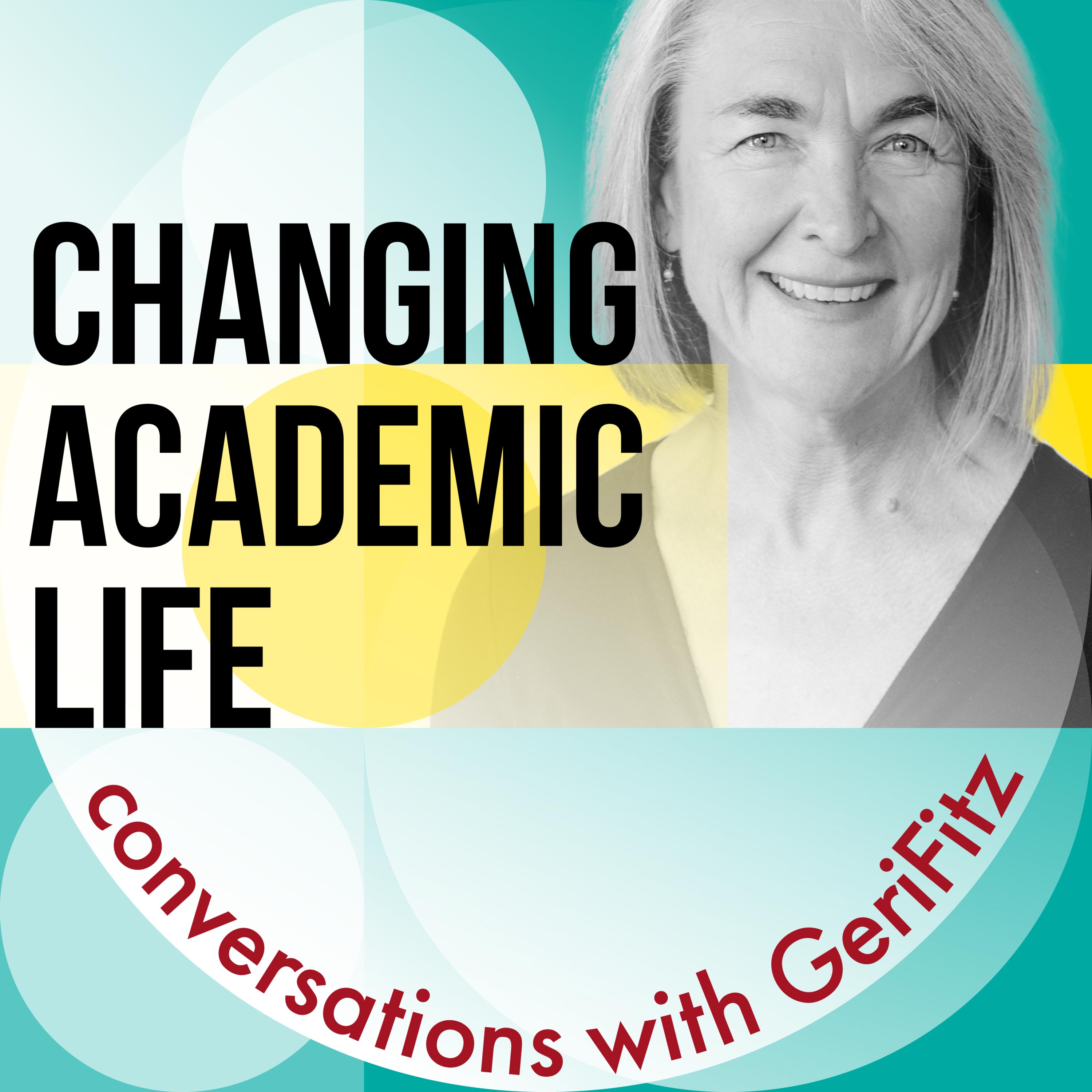
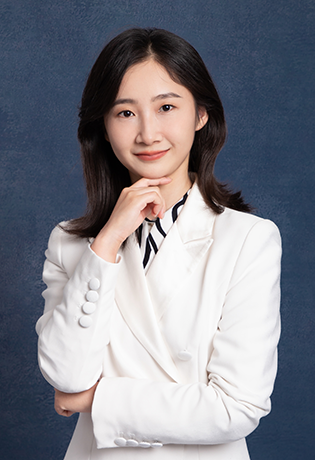
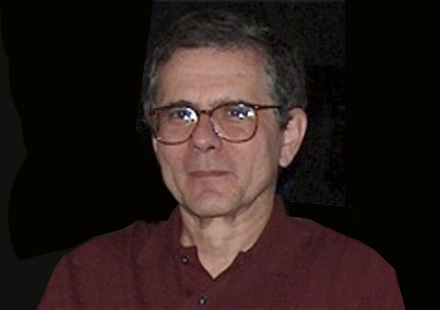
Rosa I. Arriaga is an Associate Professor and Associate Chair of Graduate Studies at the School of Interactive Computing , Georgia Institute of Technology. As director of the Ubicomp Health and Wellness Lab , she pioneers technology solutions for chronic disease management and mental health support through human-computer interaction principles. NSF grant recipient for PTSD treatment systems ReplicCHI award winner Google Scholar profile: https://scholar.google.com Her research bridges mHealth systems with behavioral intervention frameworks, creating scalable solutions for asthma management , diabetes care , and autism support . With over 140 publications, her work emphasizes user-centered design and real-world implementation challenges. Recent publications demonstrate growing focus on AI integration in mental health, including synthetic therapy datasets and explainable AI frameworks. Her administrative work involves improving graduate student wellness programs and career navigation structures. NSF Grant : $1.2M for PTSD treatment systems ReplicCHI Award : Methodological validation of asthma SMS interventions Academic Leadership : Graduate Affairs policy frameworks Arriaga's lab explores medical making practices, particularly during pandemic responses, and develops ubiquitous computing solutions for low-resource settings . She teaches user experience design through Georgia Tech's Coursera platform, which has reached over 50,000 learners globally.
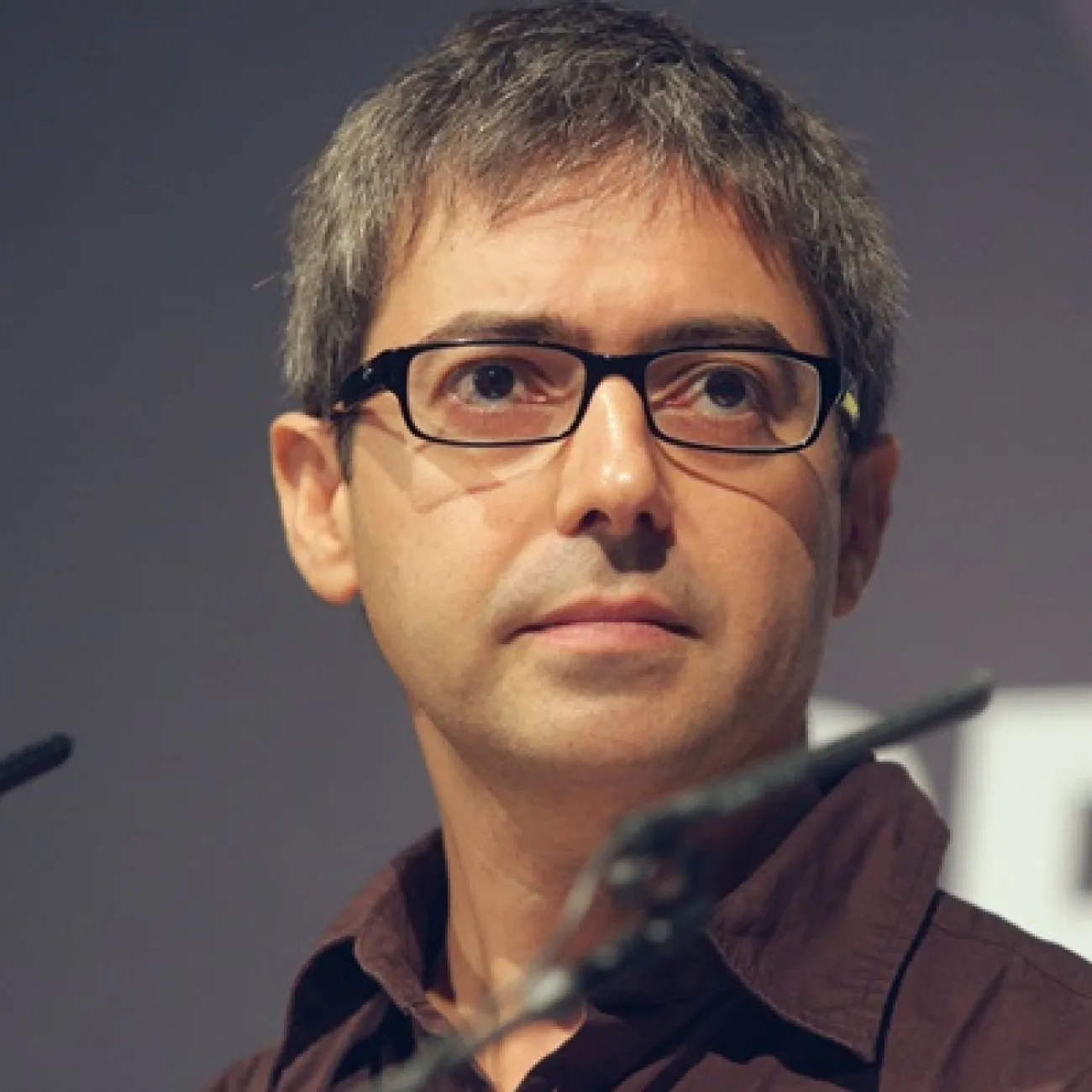
Paolo Monti is a Professor and Head of the Optical Networks Unit at Chalmers University of Technology's Department of Communications, Antennas and Optical Networks. With extensive expertise in optical communication infrastructures, he leads research focusing on energy efficiency, network resiliency, programmability, automation, and techno-economics of optical networks. His work spans multiple international collaborations with funding from major research bodies across EU, USA, and Asia. Professor Monti's research interests center around next-generation optical networking technologies. His work explores the integration of artificial intelligence and machine learning with optical networks, quantum-classical network convergence, 6G infrastructure development, and network automation. His research addresses critical challenges in network energy consumption, reliability under failure conditions, and cost-effective deployment strategies for emerging communication technologies. The research group under his leadership develops frameworks for optical network monitoring, security, and resource optimization using advanced computational techniques. Analysis of his recent publications reveals a strong trend toward AI/ML integration with optical networking, with significant focus on quality of transmission estimation, network automation, and 6G readiness. His work increasingly combines quantum technologies with classical optical networks while addressing practical implementation challenges in multi-band elastic optical networks. The publications demonstrate a progression from theoretical network design to practical implementations with real-world validation. Professor Monti has received recognition as a Senior Member of IEEE, highlighting his contributions to the field of communications and networking. As an academic leader, Professor Monti has been involved as Principal Investigator, co-PI, and main technical leader in numerous national and international projects. His educational contributions include teaching courses at undergraduate, Master's, and PhD levels, as well as developing ICT-focused education programs. His research has been supported by major funding bodies including the European Commission, VINNOVA, and Wallenberg Centre for Quantum Technology. The Optical Networks Unit under Professor Monti's leadership operates as a vibrant research environment focusing on both theoretical and experimental aspects of next-generation optical communications. The unit maintains strong collaborations with industry partners and academic institutions worldwide, participating in multiple EU-funded projects and national initiatives focused on quantum communications and 6G infrastructure.
Nicolas Labroche serves as a Researcher in the Department of Computer Science at the Polytechnic School of the University of Tours. He is affiliated with the Fundamental and Applied Computer Science Laboratory of Tours (LIFAT) within the UFR of Sciences and Technology. His academic work spans multiple research domains with significant contributions to machine learning methodology and applications. His primary research focuses on Explainable Artificial Intelligence , particularly for medical applications where model interpretability is critical. He has pioneered methods in clustering of local attributive explanations and discernibility in medical ML models . Additional expertise includes exploratory data analysis through mathematical programming for comparison queries, time series forecasting for environmental monitoring, and preference-based explanations in recommender systems. His work bridges theoretical computer science with practical applications in healthcare, environmental science, and business intelligence. Analysis of his publication trends reveals consistent innovation in making data exploration more efficient and interpretable. Recent work emphasizes user-centric explainability (2024-2025), mathematical optimization for analytics (2022-2023), and synthetic data generation (2022). His research demonstrates strong interdisciplinary connections between computer science, medicine, and environmental science. His laboratory affiliation with LIFAT provides the infrastructure for his computational research. While specific grant details aren't public, his publication record indicates sustained research productivity across multiple European-funded projects focused on data science applications.
Dr Luke Pearson is an Associate Professor at University College London's Bartlett School of Architecture and Co-Director of the Cinematic and Videogame Architecture MArch programme. He founded the Videogame Urbanism studio and co-founded the You+Pea design research practice with Sandra Youkhana. His work focuses on the intersection of architecture, game design, and media studies. Current roles: Associate Professor, Co-Director of Cinematic and Videogame Architecture MArch, Chair of undergraduate Board of Examiners Teaching experience: Expanded design studio scopes since 2009, coordinated Videogame Urbanism studio since 2016, and led international workshops Research explores how videogame technologies can transform architectural design through participatory and speculative approaches. His work bridges architectural history with contemporary virtual world-building practices, examining media representation and digital design methodologies. Recent publications and exhibitions demonstrate expertise in game engine culture, digital spatial protocols, and interactive environments. Luke's collaborative projects with You+Pea have been exhibited internationally at venues including the Royal Institute of British Architects and EGX games expo. RIBA Eyeline Competition Winner (2016, 2013) Multiple Royal Academy Summer Exhibition selections UCL Graduate Research Scholarship Leverhulme Trust Bursary
Christophe Hurter is a Researcher at the National School of Civil Aviation , specializing in Artificial Intelligence , Data Visualization , and Human-Computer Interaction . His work bridges Aviation Technology , Neuroscience , and Extended Reality (XR) , focusing on enhancing human performance through AI-driven systems. Affiliation: National School of Civil Aviation (Faculty Member, AI axis) Research Interests include: Explainable AI for aviation systems Neurophysiological monitoring using thermal imaging Eye tracking and cognitive processes in memory retrieval Graph and trajectory visualization for air traffic control Augmented/Virtual Reality interfaces for remote collaboration Event-based vision systems for spiking neural networks Recent article trends highlight his expertise in machine learning for medical diagnostics , XR applications in aviation , and visual analytics for human factors research . His work often addresses real-world challenges in air traffic control, piloting training, and biomedical data interpretation.
Julia Eisner serves as a Research Fellow at the Institute of Marketing within the School of Business at the University of Applied Sciences Wiener Neustadt (FHWN), specifically based at the Wieselburg Campus. Her research is primarily conducted through the Institute for Sustainability and Department of Consumer Science, focusing on cutting-edge intersections between artificial intelligence and marketing applications. Her primary research interests center on Artificial Intelligence applications in consumer contexts , examining how AI-generated content influences purchasing decisions, consumer trust, and brand perception. Additional research areas include sustainable marketing practices, energy community development, and the psychological aspects of consumer decision-making processes. Her work frequently investigates the tension between technological efficiency and ethical considerations in marketing communications. Analysis of Eisner's recent publications reveals a strong trend toward understanding consumer responses to AI-generated marketing content , particularly how labeling of AI-created product descriptions affects purchase intentions. Her research spans multiple contexts including e-commerce platforms, sustainable product marketing, and youth consumer behavior, consistently applying social science methodologies to technology-driven marketing scenarios. Eisner actively contributes to academic and public discourse through numerous speaking engagements, with 18 recorded activities between 2023-2025 including invited lectures on AI ethics, social impacts of artificial intelligence, and sustainability considerations in technology. Her research has been supported through the NETSE project (2021-2024), which investigated energy community communication interfaces and organizational structures. Her laboratory and team affiliations include the Institute for Sustainability and Department of Consumer Science at FHWN's Wieselburg Campus, where she collaborates with researchers from multiple disciplines to examine photovoltaic integration, battery storage systems, and electric charging infrastructure within community energy frameworks. Current work appears focused on expanding AI literacy initiatives within academic settings.
Alessandro Ludovico is an Associate Professor at the Winchester School of Art, University of Southampton. His research focuses on publishing studies, new media art, media archaeology, and post-digital practices, exploring experimental approaches to print and digital media, art-science intersections, and the history of telematic networks. Dr. Ludovico holds a Ph.D. in English and Media from Anglia Ruskin University. He is also a researcher, artist, and chief editor of Neural magazine since 1993. Critical media art Media archaeology Post-digital publishing His recent publications examine networked archives, tactical publishing, AI-generated content, and the materiality of print. These works span keywords like publishing, digital humanities, media studies, and computational creativity. Scientific Awards Hacking Monopolism trilogy of artworks (Google Will Eat Itself, Amazon Noir, Face to Facebook) Dr. Ludovico supervises PhD student Ana Cavic in Fine Art. He serves on the International Scientific Committee of xCoAx (Computation, Communication, Aesthetics & X) since 2012.
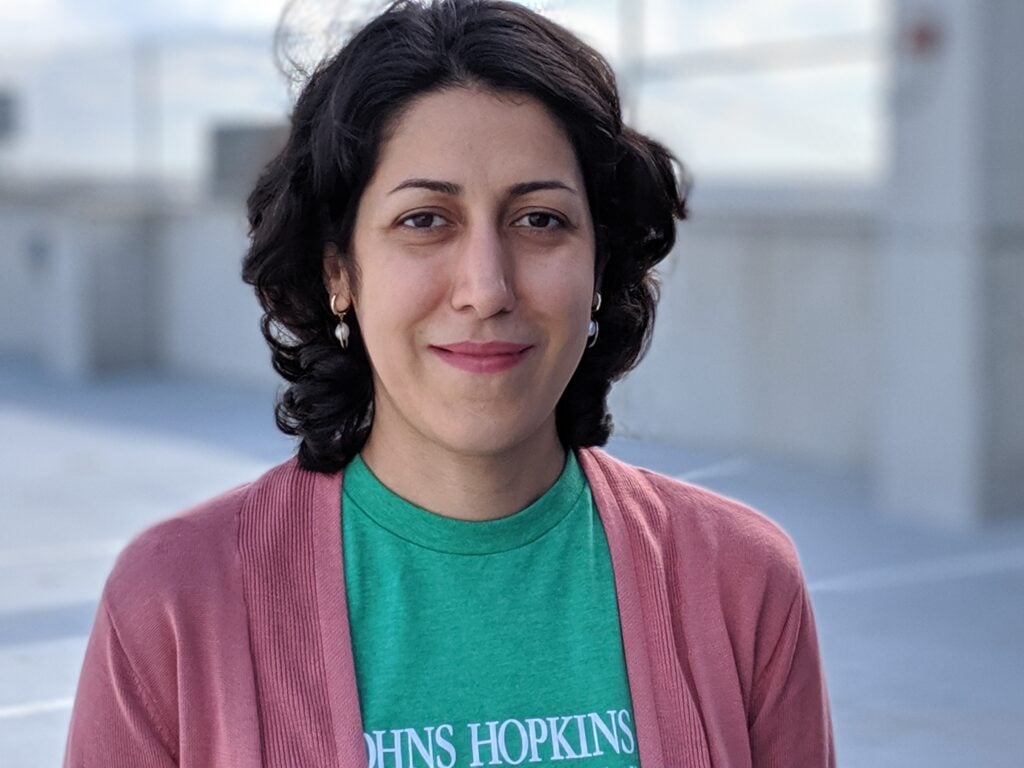
Mahsa Yarmohammadi is an Assistant Research Scientist at the Center for Language and Speech Processing (CLSP), where she leads research in cross-lingual language and speech applications. Her work focuses on deep learning techniques for multilingual data representation, automatic speech recognition (ASR), and speech translation. She develops novel algorithms for ASR decoders and explores interfaces between ASR and machine translation systems. Education: PhD in Computer Science and Engineering, Oregon Health & Science University (2016) Master’s in Computer (Software) Engineering, Shahid Beheshti University, Iran (2007) Undergraduate degree in Computer (Software) Engineering, Amirkabir University of Technology (Tehran Polytechnic) (2004) Research Interests: Her expertise spans Natural Language Processing (syntactic/semantic parsing, information extraction), multilingual systems, deep learning, and ASR. She specializes in resource transfer across languages, neural lattice embeddings, and end-to-end system integration for speech and language technologies. Publication Trends: Recent articles (2019–2025) emphasize multilingual challenges: cross-lingual retrieval, contextual ASR, coreference resolution in dialogue, and zero-shot information extraction. Her work frequently addresses low-resource settings, neural algorithm design, and real-world dataset creation (e.g., earnings call analysis, COVID-19 QA pairs). Grants & Teams: As a prime researcher in multi-site programs, she collaborates on large-scale multilingual projects. She was mentored by Benjamin Van Durme (Johns Hopkins CS) and Sanjeev Khudanpur (Johns Hopkins ECE) during her CLSP post-doctoral fellowship (2021).
Jonas Vinther is a Research Fellow at the Department of Computer Science , University of Copenhagen, specializing in Machine Learning and its intersections with quantum computing, medical data analysis, and sustainability. He is also an external PhD student in the Quantum Information Science & Technology program at the Niels Bohr Institute. Email: jonas.vinther@nbi.ku.dk , jonas.vinther@di.ku.dk Location: Universitetsparken 1, 2100 København Ø His research spans quantum machine learning , AI ethics , medical imaging , and environmentally sustainable AI , with recent publications on topics ranging from quantum neural networks to fairness in recommender systems . He contributes to the SCIENCE AI Centre and collaborates on initiatives like TreeSense for global tree resource monitoring.
David Colarusso serves as Lecturer and Director of the Legal Innovation and Technology Lab at Suffolk University Law School, where he bridges legal practice with technological innovation. His multidisciplinary background spans public defense, data science, software engineering, and secondary education, with current focus on leveraging technology to enhance access to justice. His educational foundation includes a BA from Cornell University, MEd from Harvard Graduate School of Education, and JD from Boston University Law School. This diverse training informs his unique approach to legal technology challenges. Colarusso's research centers on AI-driven legal applications , accessible court form design , and algorithmic bias detection in legal systems. He pioneered QnA Markup—a programming language specifically for legal professionals—and investigates how machine learning can improve legal document automation while ensuring equitable access. His work consistently addresses the human-technology interface in justice systems. Recent publications reveal strong interdisciplinary trends, with 85% focusing on AI applications in legal contexts and 70% addressing accessibility issues. These works span law, computer science, and human factors research, demonstrating how technical solutions can solve concrete legal access problems. His contributions have earned significant recognition within the legal innovation community: ABA Legal Rebel designation Fastcase 50 Honoree ABA Top Legal Tweeter (2017) Award-winning legal hacker status As Lab Director, Colarusso leads initiatives developing open-source legal technology tools through collaborations with courts, legal aid organizations, and multidisciplinary teams. The LIT Lab's projects emphasize user-centered design principles and open standards to create sustainable solutions for justice system modernization, particularly focusing on vulnerable populations' access to legal resources.
Luca Settineri is a Full Professor in the Department of Management and Production Engineering (DIGEP) at the Polytechnic University of Turin. He serves as Vicerector for Planning at the university since 2018 and acts as Advisor to the Rector for the University's building and infrastructure development plan. He is also a Member of the Interdepartmental Center J-Tech@PoliTO and Scientific Advisor of the European Association EFFRA and European Partnership EIT Manufacturing. His research focuses on Additive manufacturing (AM), Joining, Machining, Manufacturing technology, Sustainable manufacturing, and Cutting tools materials and coatings. Professor Settineri has published extensively on sustainable manufacturing approaches, with recent work emphasizing the integration of AI in manufacturing processes to enhance inclusivity and efficiency. His research output shows a clear progression toward human-centered manufacturing systems that accommodate cognitive diversity while maintaining production efficiency. His publications from 2023-2025 demonstrate a strong focus on AI-assisted assembly systems, sustainable additive manufacturing processes (particularly WAAM), and the environmental-economic tradeoffs in manufacturing technologies. The interdisciplinary nature of his work bridges mechanical engineering, sustainability science, and human factors engineering. His scientific recognitions include: Fellow of AITEM (Italian Association of Manufacturing Technologies), 2018-2022 Vice-President of AITEM, 2017-2018 Steering Committee member of AITEM, 2013-2018 Fellow of CIRP (International Academy for Production Engineering), 2012-present Effective member of CIRP, 2006-2012 Professor Settineri has supervised PhD students including Salvatore Mafrici and Marta Ceroni, whose research focuses on sustainable manufacturing approaches. He has secured numerous research grants, including FACILE (2024-2026) on agile and sustainable hybrid manufacturing, GREENER (2023-2025) on reducing environmental impact of metal forming processes, and 3A-ITALY Spoke 5 (2023-2025) on circular and sustainable Made-in-Italy initiatives. His leadership extends to the Interdepartmental Center J-Tech@PoliTO where he contributes to advancing manufacturing technology research at the university.
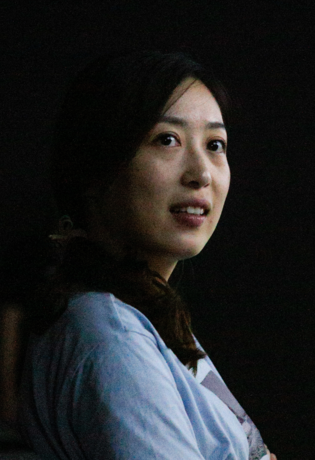
Dr. Can Liu is an Assistant Professor at the School of Creative Media, City University of Hong Kong, where she leads the ERFI Lab (Laboratory of Empirical Research for Future Interfaces). Her research focuses on designing future interfaces for ubiquitous technologies through empirical understanding of human cognition and behavior, with emphasis on multimodal interaction combining physical and digital elements. Education: PhD in Human-Computer Interaction, Université Paris-Sud (France), INRIA labs ex)situ and ILDA MSc in Media Informatics, RWTH Aachen University (Germany) Dr. Liu's research spans three primary domains: AI-assisted Input (using LLMs/NLP to enhance text manipulation and speech interfaces), Spatial Computing (multimodal interfaces for AR/VR and large displays), and Hybrid/Remote Collaboration (supporting intuitive remote interaction through understanding collocated collaboration). Her work integrates empirical user studies with real-world system deployments in public spaces. Recent publications demonstrate strong trends toward LLM-integrated interfaces, wearable computing applications, and novel interaction techniques for foldable devices. Her team consistently publishes at top venues including CHI, UIST, and CSCW, with increasing focus on practical AI integration for everyday tasks. Awards and Recognition: Best Paper Award at ACM CHI 2014 (top 1%) Honourable Mention at ACM CHI 2012 (top 5%) Dr. Liu actively mentors PhD students and researchers while securing substantial research funding including Google Faculty Research Awards, National Natural Science Foundation grants, and RGC Early Career Schemes. She serves on numerous program committees including ACM CHI (Associate Chair 2024, 2022, 2021, 2020, 2019, 2017) and co-organizes research initiatives like the HCIX Summer Research Program. Her laboratory ecosystem includes the ERFI Lab, affiliation with the Augmented Materiality Lab and Kowloon Interaction Center, and active participation in the Greater Bay HCI community, supporting both fundamental research and industry collaboration with partners including Google, Huawei, and Lenovo.
Xiaoyu Zhang is a tenure-track Assistant Professor at the School of Creative Media, City University of Hong Kong , where she conducts research at the intersection of computer science and art design. Her work focuses on integrating data visualization and artificial intelligence (particularly natural language processing ) for applications in education , smart manufacturing , and human well-being . She previously held a Postdoc Research Fellow position at the ETH AI Center , Zurich, and earned her Ph.D. in Computer Science from University of California, Davis under Prof. Kwan-Liu Ma, a Master’s from Zhejiang University, and a dual bachelor’s in Digital Media Art/Advertising from Xiamen University. Ph.D. in Computer Science, University of California, Davis M.Sc. in Computer Science, Zhejiang University B.Sc. in Digital Media Art, Xiamen University Her research bridges visual analytics , human-AI collaboration , and explainable AI through interdisciplinary methods. Key application domains include education technology, industrial AI, and health informatics. Recent publications (2021-2025) span venues like IEEE TVCG, IEEE VIS, ACM CHI, and ACL, with a 2022 Honorable Mention Best Paper Award at IEEE VIS. She has also secured multiple US patents and received recognition as UC Davis' Best Graduate Researcher in 2022. She has served as Associate Chair at ACM CHI (2025, 2026), organized the 6th Workshop on Visualization for AI Explainability at IEEE VIS 2023, and contributed to the AI House Davos 2024 committee. Industrial experience includes internships at Meta , Microsoft Research Asia , and Bosch Research . Her teaching portfolio spans courses in Information Visualization , Creative Coding , and Media Computing at CityU, ETH Zurich, and UC Davis.
Marco Antonio Casanova is a Full Professor at the Department of Informatics and Coordinator of the Central Planning and Evaluation Office of the Pontifical Catholic University of Rio de Janeiro (PUC-Rio). He has held significant leadership positions at PUC-Rio including Graduate Program Coordinator (2005-2007) and Director of the Department of Informatics (2007-2011). His research interests concentrate on database conceptual modeling, construction of database management systems, and applications of Large Language Models. Dr. Casanova's work focuses on technologies that facilitate the dissemination and interpretation of data on the Web, with particular emphasis on techniques for designing databases to facilitate interoperability. His academic journey began with a degree in Electronic Engineering from the Military Institute of Engineering (1974), followed by an M.Sc. in Informatics from PUC-Rio (1976), and culminated with an M.Sc. (1978) and Ph.D. (1979) in Applied Mathematics from Harvard University. His recent publications (2023-2025) demonstrate a strong focus on the intersection of Large Language Models with database technologies, particularly in developing advanced Text-to-SQL and Text-to-SPARQL systems. His research spans both theoretical database concepts and practical applications across various domains including engineering, healthcare, and cultural heritage. Dr. Casanova has been particularly active in exploring how LLMs can enhance traditional database query interfaces while addressing real-world challenges in complex database environments. Scientific Recognition: Recipient of the Scientific Merit Award from the Brazilian Computer Society (2012) CNPq Level 1B Productivity Grant recipient Dr. Casanova maintains an active research program with numerous collaborations across Brazil and internationally. His work bridges theoretical database research with practical applications, particularly in the evolving landscape of AI-enhanced database systems. He has contributed significantly to the field of semantic technologies, knowledge graphs, and natural language interfaces to databases, with a recent emphasis on leveraging Large Language Models to solve longstanding database interoperability challenges. His laboratory and research team at PUC-Rio focus on developing innovative approaches to database management that incorporate cutting-edge AI techniques while maintaining strong theoretical foundations in database systems.