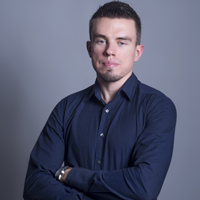
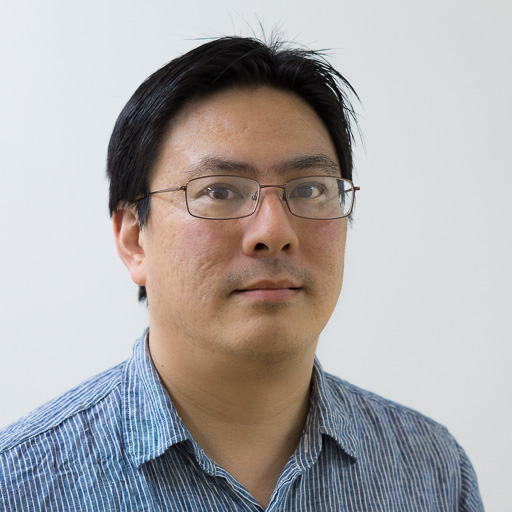
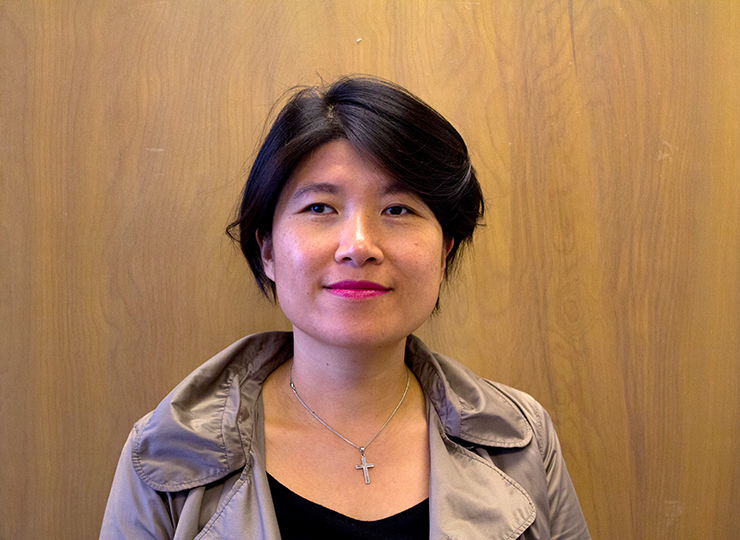
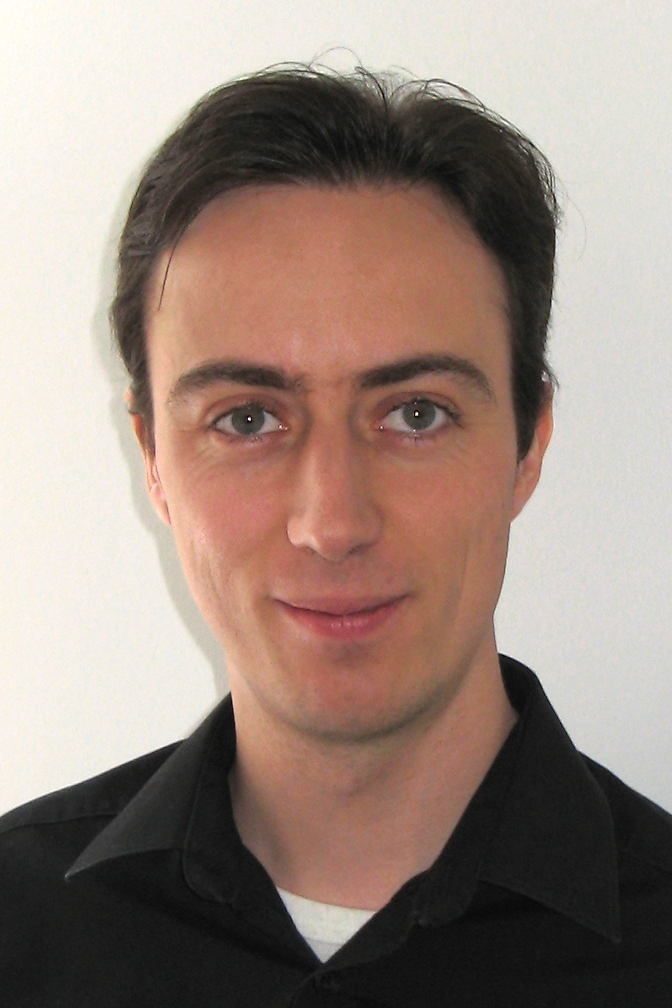
Dr. Julius Vainora is an Assistant Professor at the University of Cambridge , affiliated with the Faculty of Economics and Department of Economics. His research focuses on Econometrics , Network Econometrics , and Machine Learning , with applications in microfinance and financial networks. Diploma Paper 3 - Econometrics MPhil E300 - Econometric Methods Recent publications include: Asymptotic Theory Under Network Stationarity (2024): Developing network stationarity theory for Indian microfinance data analysis Conditional Distribution Model Specification Testing (with Miguel Delgado, 2024): Novel chi-square goodness-of-fit tests for econometric models Latent Position-Based Modeling of Parameter Heterogeneity (2024): Network-based approaches to heterogeneity in S&P 500 stock data Current research includes network dependence counterfactuals and machine learning-based nonparametric estimation of graphons.
Dr. Justin Conroy is a Professor at the State University of New York at Fredonia. His research focuses on theoretical physics, statistical mechanics, and mathematical physics, with emphasis on entropy techniques, transport phenomena, and nonextensive thermostatics. He has contributed to topics like Tsallis statistics, quantum Hamiltonians, and grand unified theories. Dr. Conroy holds a Ph.D. from the College of William & Mary. His academic work includes presentations such as "What is Entropy?" at Georgia Southern University (2022) and publications in journals like Physica A and Springer. He administers scholarships such as the Computer Science, Mathematics, and Physics Scholarships (CSMAPS) since 2017. His research trends span from entropy-based modeling in environmental systems to high-energy physics applications of nonextensive statistics. Over 20 years, his work explores both foundational theories (e.g., transport equations) and applied problems (e.g., plume dispersion models). Dr. Conroy has no listed academic awards but maintains active grants related to STEM scholarships. His advising record and lab affiliations are not detailed in the provided texts.
Jennifer Listgarten is a Professor in the Electrical Engineering and Computer Science (EECS) Department, the Center for Computational Biology, and the Bioengineering program at the University of California, Berkeley. She serves as a member of the steering committee for the Berkeley AI Research (BAIR) Lab and holds the Jeffrey Huber and Angel Vossough Chancellor's Chair in Computational Biomedicine. Her multidisciplinary appointments reflect her work at the intersection of computer science, statistics, and biological sciences. Professor Listgarten completed her Ph.D. in Computer Science from the University of Toronto in 2007, following undergraduate degrees in Physics and Computer Science from Queen's University in Canada. Prior to joining UC Berkeley, she spent a decade (2007-2017) at Microsoft Research with positions in Cambridge, MA, Los Angeles, and Redmond, WA. Her research focuses on developing and applying machine learning methods to solve problems in biology and medicine, with current emphasis on protein design, optimization, and engineering for properties such as expression, fluorescence, binding, and stability. She also works on computational chemistry methods, drug repositioning, and machine learning methodology at the intersection of graphical models, neural networks, and variational inference. Her earlier work addressed statistical genetics methods for correcting confounding factors in GWAS, epigenome-WAS, and eQTL studies, as well as immunoinformatics problems including HLA class I epitope prediction. Her recent publications demonstrate a strong trajectory in applying machine learning to protein engineering, with numerous high-impact papers in Nature Biotechnology, Science Advances, and top machine learning conferences. Her work shows increasing integration of computational methods with experimental validation, particularly in CRISPR technology and protein design applications. Bakar Fellows Spark Award (2024) Professor Listgarten actively mentors PhD students through EECS, the Center for Computational Biology, and Bioengineering programs. She maintains scientific advisory roles with several biotechnology companies including Dayzero Diagnostics, Deep Apple Therapeutics, Inscripta, and Fable Therapeutics (where she serves as Academic co-founder). Her research group collaborates with prominent scientists including Chris Garcia (Stanford), Phil Romero (U Wisconsin), David Savage (UC Berkeley), and David Schaffer (UC Berkeley). The Listgarten lab operates within the Berkeley Artificial Intelligence Research Lab (BAIR) and the Center for Computational Biology (CCB), focusing on developing computational methods that enable new biological insights and therapeutic applications, particularly in the areas of protein engineering and CRISPR technology.
Daniel Oi is a Reader in the Computational Nonlinear and Quantum Optics (CNQO) group at the Department of Physics, University of Strathclyde, under the Faculty of Science. He is also affiliated with SUPA (Scottish Universities Physics Alliance), Ocean, Air and Space, and StrathCyber. He holds an honorary Senior Lecturer position at the University of Bristol's Merchant Venturers School of Engineering (2020–2023). He is actively involved in quantum research and is accepting PhD students. BSc Hons Physics, University of Western Australia (1995) BEng Hons Mechanical Engineering, University of Western Australia (1997) MASt (Part III Mathematics), University of Cambridge (1999) PhD in Quantum Channels, Mixed States, and Interferometry, University of Oxford (2002) Daniel Oi's research spans fundamental quantum theory, quantum engineering, quantum computation, and quantum space technologies. His work emphasizes quantum communication, quantum optics, and quantum information, with applications in space-based quantum key distribution and satellite quantum networks. He explores quantum retrodiction, entanglement, and quantum metrology, bridging theoretical models with experimental implementations. His research contributes to UN Sustainable Development Goals, particularly in education and technological innovation. His recent publications (2020–2025) show a strong focus on space quantum communication, including satellite QKD, quantum repeaters, atom interferometry, and radiation-hardened photodetectors. His work combines theoretical advances with practical engineering for space deployment, emphasizing performance under finite resources and real-world constraints. Key themes include quantum networking, entanglement distribution, and quantum-enhanced sensing using interferometric techniques. He received the recognition of being a founding member of QUISCO (Quantum Information Scotland Network) in 2008. Daniel Oi has been a principal or co-investigator on multiple research projects, including EPSRC-funded CASE accounts, the DTP 2224 studentship, NPL iCASE on quantum transduction, the Integrated Quantum Networks Hub, and ESA’s VOLT Mission. He has hosted academic visitors, organized workshops, and delivered invited talks globally. He supervises research students and contributes to datasets in quantum scheduling and state amplification. He is actively involved in professional activities, including organizing the INSQT Workshop 5, speaking at the Satellite Quantum Key Distribution event, and participating in quantum networks and gravity workshops. His lab, the CNQO group, focuses on computational and theoretical aspects of nonlinear and quantum optics, supporting satellite quantum technologies and foundational quantum research.
Dr. Duc Phuc Nguyen is a Research Fellow at Flinders University's College of Medicine and Public Health and a Full Member of both the Flinders Health and Medical Research Institute and the Medical Device Research Institute at the College of Science and Engineering. Based at the Adelaide Institute for Sleep Health (FHMRI Sleep Health), Dr. Nguyen is an early career researcher with a strong focus on applying machine learning and mathematical modeling to sleep and respiratory medicine. Dr. Nguyen completed a PhD in Acoustics, specializing in Machine Learning and signal processing, within a remarkably brief period of 2.5 years. His academic journey reflects rapid progression in interdisciplinary research bridging engineering, data science, and medical applications. Dr. Nguyen's research interests span multiple domains of medical data science and sleep physiology: Machine learning applications in sleep medicine Mathematical modeling of circadian rhythms and core body temperature Signal processing techniques for respiratory system analysis Data-driven approaches to quantify breathing effort Development of low-cost medical monitoring systems Time series analysis of physiological data His publication record shows strong emphasis on translational research connecting computational methods with clinical applications. Recent work demonstrates expertise in analyzing sleep disorders, circadian timing, respiratory function, and connections between sleep apnea and metabolic conditions like diabetes. The research combines sophisticated mathematical techniques with practical clinical applications, particularly in developing accessible monitoring technologies. Dr. Nguyen has built an impressive publication record with 16 peer-reviewed papers and five peer-reviewed full-length conference papers, achieving an h-index of 8 with 331 citations. His work has attracted significant attention, with research being picked up by numerous news outlets and academic platforms, including coverage by 76 news outlets for some publications. As a mentor, Dr. Nguyen supervises students in areas of machine learning, time series modeling, and complex system analysis. His team has successfully prototyped a low-cost under-mattress system that provides highly accurate assessments of sleep disorders, movement, and vital signs. This work exemplifies his commitment to developing practical, accessible medical technologies through interdisciplinary collaboration. Dr. Nguyen is actively involved with the Medical Device Research Institute, where his work contributes to advancing medical technology solutions for sleep and respiratory conditions. His research aligns with several UN Sustainable Development Goals, particularly those related to good health and well-being, demonstrating the broader societal impact of his work.
Dr. Matteo Bo is a researcher at the Turbulence & Instabilities team within the Laboratory of Fluid Mechanics and Acoustics (LMFA - UMR 5509) at École Normale Supérieure de Lyon, France. His research focuses on fundamental fluid dynamics, particularly turbulence modeling, wave propagation in rotating-stratified flows, and magnetohydrodynamic (MHD) turbulence. Specializes in hydrodynamic instabilities and rotating-stratified flows Active in geophysical fluid dynamics and MHD turbulence studies Collaborates on helium plume dynamics and passive scalar mixing mechanisms Publications reveal expertise in inertial wave focusing, Lagrangian irreversibility, and stratified MHD turbulence, with a strong emphasis on numerical simulations and theoretical modeling. Collaborations span institutions including UC Berkeley, CU Boulder, and CERN. Current affiliations include the LMFA's Turbulence & Instabilities group, where he contributes to understanding energy exchanges in complex turbulent systems and develops advanced simulation techniques for rotating and stratified environments.
Francisco Alberto Campos Fernández is a Research Associate Professor at the Institute for Technological Research (IIT) and a professor in the Department of Industrial Organization at the School of Engineering (ICAI) of Comillas Pontifical University. Accredited by ANECA and ACAP for all teaching roles, he holds three six-year research terms in operations research. His work bridges theoretical optimization methods with practical energy market applications, focusing on electricity and emerging hydrogen markets. He earned his degree in Mathematical Sciences from Complutense University of Madrid (1999) with specialization in Operations Research, followed by a PhD in Industrial Engineering from Pontifical Comillas University (2006). His research spans mathematical optimization techniques applied to energy systems, with particular expertise in stochastic optimization, market equilibrium modeling, and integration of renewable resources. Recent work has increasingly focused on hydrogen markets, distributed generation, and energy communities, reflecting the evolving energy transition landscape. Analysis of his publication record reveals a clear evolution from foundational work in optimization theory and electricity market modeling toward increasingly complex multi-market integration problems. His recent publications demonstrate a strategic shift toward addressing the challenges of hydrogen-electricity market coupling, renewable integration, and distributed energy resources. This progression reflects both his theoretical depth in operations research and his practical understanding of evolving energy systems. Director of prizewinning work in Chair of Hydrogen Studies Prize for the best Final Master Project 2021-22 Director of prizewinning work in Iberdrola Prize for the best Final Year Project 2017-18 Director of prizewinning work in Iberdrola Prize for the best Final Year Project 2016-17 Fellowship Mobility stays abroad José Castillejo Professor Campos Fernández has supervised multiple PhD students and master's theses, with several currently in progress. His extensive project portfolio includes 91 research projects, primarily conducted for Endesa and other energy companies, focusing on market modeling, strategic analysis, and optimization tools for power system planning. The CODEX project series represents his most sustained research effort, evolving over more than a decade to address increasingly complex energy system challenges. He maintains active collaborations with international research institutions and has served on the Management Committee of the COST Action TD1207 from 2013-2024. As a core member of the IIT research team, he contributes to the institute's mission of developing advanced analytical tools for the energy sector. His work sits at the intersection of theoretical operations research and practical energy market applications, with significant contributions to modeling frameworks used by industry partners. The integration of his research with teaching activities ensures that students benefit from cutting-edge industry-relevant knowledge.
Rolf Harald Baayen is a Professor of Quantitative Linguistics at the University of Tübingen, where he holds the Alexander von Humboldt Professorship and leads a research group on discriminative learning in language processing. He has held academic positions at Radboud University Nijmegen, the University of Alberta, and the Max Planck Institute for Psycholinguistics. Baayen has had a long-standing collaboration with the University of Tartu, where he was awarded an honorary doctorate in linguistics in 2023 for his contributions to quantitative methods in linguistics and mentorship of Estonian scholars. His research interests center on quantitative linguistics , psycholinguistics , and statistical modeling of language . He is particularly known for his work on morphological productivity , language processing , and discriminative learning models . His methodological contributions, especially through the textbook Analyzing Linguistic Data , have revolutionized how linguists apply statistical techniques using R. His recent projects, such as WIDE and SUBLIMINAL, funded by the European Research Council, explore word production and comprehension in spontaneous speech and cross-linguistic processing, especially in Asian languages. Baayen's recent publications reflect a strong focus on computational and statistical approaches to linguistic theory, integrating corpus data, cognitive modeling, and machine learning. His work consistently bridges theoretical linguistics with empirical, data-driven analysis, influencing both cognitive science and computational linguistics. His scientific awards include: Alexander von Humboldt Professorship Two ERC Advanced Grants (WIDE and SUBLIMINAL) Pionier Career Advancement Award (Netherlands Research Council) Membership in the Academia Europaea Honorary Doctorate from the University of Tartu Muller Chair from the Royal Netherlands Academy of Arts and Sciences Baayen has supervised 32 doctoral dissertations (25 completed), significantly contributing to the training of next-generation linguists in quantitative methods. He has organized numerous workshops at institutions like the University of Tartu and has been instrumental in advancing research infrastructure in quantitative linguistics. He is currently the editor-in-chief of The Mental Lexicon and continues to lead cutting-edge research in language modeling and cognitive processing. He is affiliated with research groups at the University of Tübingen and maintains active collaborations with linguists across North America, Europe, and Asia, particularly in Estonia and the Netherlands. His work with Estonian language data has helped position Estonia as a hub for innovative linguistic research.
Jordi Domingo-Pascual is a Full Professor at the Universitat Politècnica de Catalunya - BarcelonaTech (UPC), affiliated with the Department of Computer Architecture within the Faculty of Informatics of Barcelona (FIB). He is a member of the UPC CBA - Broadband Communications Systems and the IDEAI-UPC - Intelligent Data Science and Artificial Intelligence Research Group. His research spans networking, telecommunications, and ethical aspects of technology design. Research Interests: His primary areas of expertise include 5G network architectures, software-defined networking (SDN), Locator/Identifier Separation Protocol (LISP), traffic engineering, quality of service (QoS), network monitoring, and ethics in engineering education. He investigates both technical and societal dimensions of emerging network technologies. Publication Trends: His recent scholarly output (2020–2022) emphasizes SDN controller placement optimization, open-source traffic engineering tools, and the integration of ethical considerations in engineering curricula—particularly in the context of AI and pandemic-era digital tracing applications. Earlier works focus on ATM multicasting, QoS, and broadband network characterization. Scientific Awards: Premi o reconeixement Advising and Grants: While specific advisees are not listed, his extensive research activity—including participation in European projects—suggests involvement in supervising students and securing competitive R&D funding. His work on traffic engineering, SDN, and LISP indicates leadership in national and international collaborative grants. Labs and Research Groups: He is actively involved in the UPC CBA research group focused on broadband and communication systems and the IDEAI-UPC group advancing data science and AI. These affiliations reflect a strong interdisciplinary research profile bridging networking and intelligent systems.
David Kribs is a full Professor in the Department of Mathematics and Statistics at the University of Guelph, holding a University Research Chair in Quantum Information. His research focuses on the mathematics of quantum information, including quantum error correction, entanglement theory, and operator algebras. He is affiliated with the Quantum Information Group at the University of Guelph, the Institute for Quantum Computing (IQC), and the Perimeter Institute for Theoretical Physics as an Associate and Affiliate Member, respectively. Education: Dr. Kribs earned his Ph.D. in Pure Mathematics from the University of Waterloo in 2000. His postdoctoral work included positions at the University of Iowa, Lancaster University, Purdue University, and the IQC. Research Interests: Kribs explores quantum error correction mechanisms, operator structures (e.g., operator systems and algebras), and quantum entanglement theory. His work bridges theoretical concepts with experimental quantum information science, leveraging tools from matrix theory, functional analysis, and mathematical physics. Key themes include protecting quantum information from noise, identifying quantum states via local operations, and understanding entanglement's role as a resource. Scientific Achievements: He has received awards such as the Ontario Early Researcher Award and NSERC grants. His recent work emphasizes hybrid quantum error correction, entanglement-assisted protocols, and operator algebra generalizations of quantum channel theory. Media highlights include coverage in *Untangling the Mysteries of Quantum Theory* and *Guelph Mercury Tribune*. Advising & Grants: Kribs has supervised numerous students and secured funding through NSERC and Mitacs. He is an International Academic Advisor at the African Institute for Mathematical Sciences, promoting global education in mathematical sciences. Labs & Collaborations: His affiliations include the Fields Institute (as a Visiting Researcher) and collaborations with institutions like the IQC and Perimeter Institute, focusing on interdisciplinary quantum research.
Lei Sun is a Professor in the Department of Statistical Sciences at the Faculty of Arts and Science, University of Toronto. She holds a cross-appointment in the Division of Biostatistics, Dalla Lana School of Public Health. Her research lies at the intersection of statistics and genetics, with a focus on developing robust and scalable methods for analyzing complex human traits. Her educational background includes a B.Sc. in Mathematics from Fudan University and a Ph.D. in Statistics from the University of Chicago (2001). Since then, she has remained at the University of Toronto, contributing significantly to statistical genetics methodology. Lei Sun's research interests include statistical genetics and genomics, multiple hypothesis testing, selective inference, robust association methods, and multivariate analysis. Her work emphasizes open-source implementation and reproducible research, with tools and materials shared via GitHub. She actively develops statistical methodologies to address challenges in genetic studies, particularly in high-dimensional and correlated data settings. The trend in her recent scholarly outputs shows a strong emphasis on education, method dissemination, and open science. Her publications and materials focus on teaching statistical genetics, guiding GWAS practices, and promoting polygenic risk score applications, reflecting both methodological innovation and a commitment to training the next generation of researchers. CRM-SSC Prize in Statistics (2017) NSERC Discovery Accelerator Supplement (2018) Lei Sun has been continuously funded by major Canadian agencies including NSERC and CIHR, supporting her research program in statistical genetics. She mentors students and early-career researchers through direct supervision and leadership in the CANSSI-Ontario STAGE training program. Her grants support the development of novel statistical tools for genetic epidemiology and genomic data analysis. She leads the Statistical Methods for Genetics and Genomics (SMG) seminar series and is involved in the CANSSI-Ontario Strategic Training for Advanced Genetic Epidemiology (STAGE) program, fostering collaborative research and training in statistical genetics across Ontario.
Fabian Bastin is a Full Professor in the Department of Computer Science and Operational Research (IRO) at Université de Montréal. He holds a prestigious academic position within the university's research and teaching community. His work focuses on optimization, stochastic programming, simulation, and their applications in transportation, energy systems, and finance. Teaching Responsibilities: Bastin teaches advanced courses such as IFT-2505 (Linear Optimization), IFT-3515 (Nonlinear Programming), and IFT-6512 (Stochastic Programming). He also contributes to graduate-level courses on dynamic programming and simulation techniques. His courses emphasize theoretical foundations alongside practical applications, often using tools like MATLAB and the ORATIO library he helped develop. Research Interests: Bastin's research spans stochastic optimization, simulation methodologies, and decision-making under uncertainty. Key areas include air traffic management optimization, hydroelectric reservoir scheduling, and synthetic population generation using copula-based models. He has pioneered work on scenario tree generation for multistage stochastic programming and developed algorithms for efficient mixed logit model estimation. Research Contributions: His publications highlight advancements in stochastic models for transportation systems, energy planning, and financial engineering. Notable works include contributions to the progressive hedging algorithm, recursive logit models for route choice analysis, and Monte Carlo methods for option pricing. Bastin is also actively involved in software development, notably the ORATIO simulation library used in discrete-event modeling. Professional Engagements: He has co-organized conferences on optimization and simulation, and his work has been supported by grants from NSERC and other funding bodies. Despite no explicit mention of awards in the text, his extensive publication record and methodological innovations suggest significant recognition in his field.
Peggy Chi is a Staff Research Scientist at Google DeepMind and a Visiting Associate Professor at National Taiwan University's Department of Computer Science and Information Engineering. She holds a Ph.D. in Computer Science from UC Berkeley and an M.S. from MIT Media Lab. Her research focuses on interactive systems, accessibility technologies, and AI-driven interfaces to enhance creativity and user experience in areas like video creation, non-visual access for visually impaired users, and cross-device interaction. Key research interests include Human-Computer Interaction (HCI), accessibility, and the application of AI in user-facing technologies. She has pioneered projects such as TacNote (tactile/audio note-taking for BVI users), Slide Gestalt (non-visual slide structure extraction), and Bespoke (LLM-based interface generation). Her work bridges theory and practice, with contributions to top venues like ACM CHI, UIST, and CVPR. Received a Best Paper Award at ACM CHI and a Google PhD Fellowship . Published over 20+ papers in HCI and AI, focusing on accessibility, video technology, and cross-device systems. Her research also extends to educational tools (e.g., MixT for mixed-media tutorials) and ubicomp systems for health and daily life, such as calorie-aware smart kitchens. Peggy collaborates with industry and academia to advance interactive technologies that empower users through innovation and inclusivity.
Chaithanya Bandi is an Associate Professor at the National University of Singapore (NUS) in the Analytics and Operations Department of the NUS Business School, with a joint appointment in the Department of Mathematics. His research focuses on decision-making under uncertainty, robust optimization, and their applications in operations management, healthcare, e-commerce, and energy systems. He develops robust optimization models for queueing control, risk optimization, and mechanism design. Key research areas include robust queue inference, two-stage distributionally robust optimization, and multi-item auction mechanisms. He has contributed to operational challenges in healthcare (e.g., patient re-entry scheduling), energy systems (electricity generation optimization), and e-commerce (price optimization for fashion products). His work integrates theoretical advancements with practical implementations in large-scale systems. Recent publications emphasize adversarial evaluation of large language models, dynamic scheduling algorithms, and robust policies for uncertain environments. His methodologies often involve novel optimization frameworks and scalable computational approaches. Dr. Bandi holds a PhD in Operations Research and has collaborated with industry leaders like Flipkart and healthcare providers to apply his models in real-world settings. His contributions bridge theoretical rigor and practical applicability in complex operational systems.
Χατζηκωνσταντινίδης Ευστάθιος is a Professor at the University of Piraeus in the Department of Statistics and Actuarial Science. His academic career spans decades with significant contributions to actuarial mathematics and statistical theory. He teaches undergraduate courses in Actuarial Mathematics, Risk Theory, and Reliability Theory, and postgraduate courses in Generalized Linear Models and Risk Management. Education: PhD in Mathematics (1990) - Aristotle University of Thessaloniki (Grade: Excellent) BSc in Mathematics (1985) - Aristotle University of Thessaloniki (Grade: Excellent) Research Focus: His work centers on risk theory, bankruptcy modeling, compound Poisson processes, and optimal experimental designs. He has developed innovative approaches to: Perturbed risk models with diffusion processes Copula-based dependence modeling in insurance Gerber-Shiu function analysis for dividend strategies Recursive methods for compound distributions His research bridges theoretical mathematics with practical actuarial applications. Publication Trends: Analytical studies of stochastic processes dominate his recent work, focusing on: Ruin probabilities and deficit distributions Dependence modeling using copulas Optimal dividend strategies Computational methods for risk models Earlier publications emphasize experimental design optimization and reliability theory. Administrative Leadership: Chair of Department of Statistics and Actuarial Science (2007-2009) Director of Postgraduate Program in Actuarial Science & Risk Management Member of Senate of University of Piraeus Deputy Chair of Ministry of Finance's Actuarial Examination Committee Research Projects: Has participated in multiple funded projects including: 'Optimal Experimental Designs' (Greek Ministry of Education) 'Modern Model for Actuarial Studies Preparation' (University of Piraeus) EPEAEK programs on statistical applications