- Frontotemporal dementia (FTD)
- Amyotrophic lateral sclerosis (ALS)
- Alzheimer's disease (AD)
- +۷ مورد دیگر
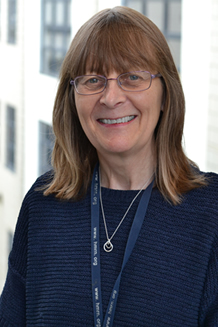
Sandra Cristina Vicente Almeida is an Assistant Professor in the Department of Neurology at UMass Chan Medical School, with additional appointments in the T.H. Chan School of Medicine, NeuroNexus Institute, and Morningside Graduate School of Biomedical Sciences (Departments of Interdisciplinary Graduate Program, Neuroscience, and Translational Science). Education: BS in Biochemistry from University of Coimbra, Coimbra, Portugal PhD in Cell Biology from University of Coimbra, Coimbra, Portugal Dr. Almeida's primary research focuses on elucidating the molecular mechanisms of frontotemporal dementia (FTD), amyotrophic lateral sclerosis (ALS), and Alzheimer's disease (AD). Her laboratory employs patient-derived induced pluripotent stem cell (iPSC) lines to generate disease-relevant neuronal cells. She has developed iPSC lines from FTD and ALS/FTD patients carrying mutations in progranulin, C9ORF72, TDP-43, and MAPT, as well as healthy controls. These iPSCs are differentiated into post-mitotic cortical and motor neurons to uncover underlying molecular and cellular defects. Her work also involves gene editing approaches to create CHMP2B mutant iPSCs for studying AD cellular pathogenesis. Analysis of Dr. Almeida's publication record from 2012 to 2024 reveals a strong focus on C9ORF72-related mechanisms in ALS/FTD, with particular emphasis on dipeptide repeat proteins, RNA toxicity, and cellular models using iPSC technology. Her research spans molecular biology, cellular neuroscience, and translational approaches to neurodegenerative diseases, with a consistent emphasis on understanding pathogenic mechanisms and identifying potential therapeutic interventions. The most cited works focus on poly(GR) toxicity, mitochondrial dysfunction, and nucleocytoplasmic transport defects in ALS/FTD. Dr. Almeida collaborates extensively with Dr. Fen-Biao Gao and other researchers in the field, as evidenced by her numerous co-authored publications. While specific grant information isn't detailed in the provided text, her extensive publication record in high-impact journals suggests significant research funding support. Her laboratory appears to focus on cellular models of neurodegeneration, particularly using iPSC technology to study patient-specific mechanisms of disease. The research emphasizes both basic molecular mechanisms and potential therapeutic approaches for ALS, FTD, and related neurodegenerative disorders.