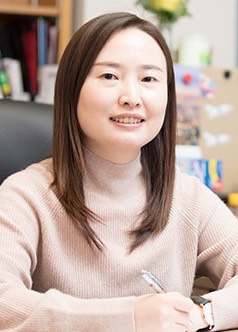
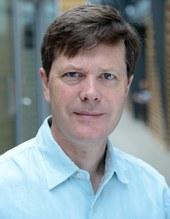
Dr. Beibei Ren is an Assistant Professor in the Department of Mechanical Engineering at Texas Tech University. She earned her Ph.D. in Electrical and Computer Engineering from the National University of Singapore (NUS) in 2010, followed by postdoctoral work at UCSD and a research fellowship at NUS. Education: Ph.D. in Electrical and Computer Engineering (NUS, 2010) Previous Positions: Postdoctoral Scholar (UCSD, 2010-2013), Research Fellow (NUS, 2009-2010) Her research focuses on dynamic systems and control with applications in renewable energy integration, microgrids, UAVs, MEMS, marine systems, and manufacturing. At Texas Tech, she directs the Dynamic Intelligent Systems, Control and Optimization (DISCO) Group , emphasizing robust control strategies for uncertain systems. The 15 most recent publications highlight her expertise in uncertainty and disturbance estimator (UDE)-based control , with applications in smart grid technologies, wind and solar energy systems, quadrotor robotics, and power electronics. Her work bridges theoretical control theory with practical implementations in renewable energy and autonomous systems. STEM Outreach: Actively promotes diversity in engineering through Texas Tech's STEM CORE programs.
Yasushi Sakurai is a Professor in the Department of Translational Datability at Osaka University's Institute of Scientific and Industrial Research, co-leading the Sakurai and Matsubara Laboratory within the Center for Industrial Science and AI. His research mission focuses on transforming society through real-time prediction of natural and social phenomena using large-scale data analytics, with emphasis on practical technological implementation. His research spans time-series big data analysis, dynamic learning systems, and real-time information provision. Key areas include tensor stream mining, EEG-based healthcare applications, cybersecurity anomaly detection, and multi-omics cancer subtyping. The lab specializes in developing deployable technologies that optimize social activities through predictive modeling of evolving data streams. Recent publications (2023-2025) reveal concentrated innovation in time-series data stream processing, with dominant themes in tensor analytics, frequency-domain forecasting, and causal modeling. His team produces high-impact work accepted at premier AI venues (ICLR, AAAI, KDD, WWW), consistently featuring oral presentations that highlight technical novelty and societal relevance. Scientific Awards: FY2024 Minister of Education, Culture, Sports, Science and Technology Award for Science and Technology (Research Category) for dynamic learning and real-time data stream analysis Professor Sakurai mentors graduate students including Naoki Chihara (DEIM2024 Outstanding Paper Award winner), Yuka Tamura (DEIM2024 Student Presentation Award winner), and Ren Fujiwara. His lab maintains active industry-academia partnerships focused on practical technology deployment, with research directly addressing real-world challenges in healthcare monitoring and cybersecurity. The Sakurai and Matsubara Laboratory operates as a dynamic research unit within Osaka University's Center for Industrial Science and AI, structured around specialized teams for tensor stream analysis, medical data mining, and network dynamics. Current projects emphasize real-time prediction systems with immediate societal applications, supported by strong industry collaboration frameworks.
Dist. Professor Leslie Yeo is a distinguished faculty member at RMIT University's School of Engineering, where he leads the Micro/Nanophysics Research Laboratory (MNRL). With a PhD from Imperial College London (2002), he has held positions at Monash University and the University of Notre Dame before joining RMIT. His research focuses on the interactions between high-frequency sound waves and matter at micro and nanoscales. Leslie Yeo's educational background includes a PhD from Imperial College London (2002), where he received the Dudley Newitt prize for outstanding computational/theoretical work. Prior to his academic career, he worked as a Mathematical Modeller at Det Norske Veritas UK. He held prestigious Australian Research Fellowships (2009-2017) that supported his groundbreaking work in micro and nanophysics. Professor Yeo's research interests center around high-frequency (MHz order) sound waves interacting with various materials including fluids, two-dimensional and bulk crystals, biomolecules, cells and microorganisms. His work explores both fundamental physicochemical phenomena and practical applications in microfluidics, drug delivery, diagnostics, tissue engineering, and materials synthesis. His research has significant implications for health technologies, environmental applications, and sustainable energy solutions, aligning with UN Sustainable Development Goals 3 (Good Health and Well-Being) and 7 (Affordable and Clean Energy). Analysis of Professor Yeo's recent publications reveals a strong focus on acoustofluidics and its diverse applications. His work demonstrates expertise in using surface acoustic waves for bacterial inactivation, synthesis of metal-organic frameworks, cell membrane manipulation, and energy conversion technologies. The research spans multiple disciplines including biomedical engineering, materials science, and environmental technology, with particular emphasis on practical applications that address real-world challenges. 2023: Fellowship of the Institution of Engineering & Technology (FIET) 2021: RMIT University Science, Technology, Engineering & Medicine College Research Impact Award 2019: RMIT University Distinguished Professorship 2018: RMIT University Vice-Chancellor's Award for Research Excellence 2016: Johnson & Johnson World Without Disease Quickfire Challenge Award 2007: Young Tall Poppy Science Award Professor Yeo has supervised numerous research students across engineering and science disciplines, with current projects focusing on acoustomicrofluidic synthesis of nanomaterials, high-frequency mechanobiology applications, and diagnostic technologies. His editorial roles include Editor-in-Chief of the American Institute of Physics journal Biomicrofluidics and Associate Editor of Frontiers in Bioengineering & Biotechnology. His work has been widely featured in media outlets including ABC's Catalyst, The Economist, and Nature. The Micro/Nanophysics Research Laboratory under Professor Yeo's leadership is at the forefront of fundamental and applied research on nonlinear high-frequency electroacoustic interactions. The laboratory has discovered novel physicochemical phenomena and actively develops theories to explain the fundamental mechanisms behind these discoveries, with applications ranging from medical diagnostics to sustainable energy solutions.
Steven N. Evans is a Distinguished Professor at the University of California, Berkeley , affiliated with the Department of Statistics and the Center for Computational Biology . With over three decades of service since 1987, his work bridges probability theory , stochastic processes , and their applications in mathematical biology , computational genetics , and phylogenetics . His research spans: Probability on Algebraic Structures , including random matrices and local fields. Measure-Valued Processes and coalescent models in population genetics. Phylogenetic Inference in historical linguistics and ecology. Stochastic Models for gene expression, fitness landscapes, and mutation-selection balance. Markov Processes and their applications in phylodynamics. Recent publications highlight his contributions to phylogenetic networks , Frechet mean sets , and Levy process analysis , with keywords spanning Probability , Computational Biology , and Population Genetics . He has mentored 10 PhD students, including Boyan Xu (2024) and Nicholas Bhattacharya (2022). His email is evans@stat.berkeley.edu .
Professor Arcot Sowmya is a distinguished academic at the University of New South Wales, serving as Professor in the School of Computer Science and Engineering. With a strong background in both computer science and mathematics, she has established herself as a leading researcher in machine learning and computer vision applications, particularly in medical imaging and diagnostics. Dr. Sowmya earned her PhD in Computer Science from the Indian Institute of Technology, Bombay, along with an MTech in Computer Science, MSc in Mathematics, and BSc in Mathematics from the same institution. Her academic journey has positioned her at the intersection of theoretical computer science and practical medical applications. Her research interests span multiple domains with a primary focus on Machine Learning for Computer Vision . She has made significant contributions to learning object models, feature extraction, segmentation, and recognition techniques. Her work extends into medical image analysis, computer-aided diagnostics, high-resolution remote sensing, and biomedical informatics. More recently, she has applied similar techniques to social sciences domains, developing improved forecasting models for genocide and politicide. Her earlier work also includes contributions to real-time, concurrent, and embedded systems. Analyzing her recent publications reveals a strong trend toward medical applications of computer vision and deep learning. Her work spans from OCT-based glaucoma diagnosis to tumor segmentation, lung disease detection, and breast cancer prognosis. She has successfully bridged computer science with clinical medicine, developing practical tools for disease diagnosis and prediction that incorporate explainable AI approaches. Professor Sowmya's collaborative approach is evident in her extensive publication record across multiple journals and conferences. She has worked with researchers from diverse fields including ophthalmology, oncology, neurology, and public health, demonstrating the interdisciplinary nature of her research. Her laboratory work focuses on developing robust deep learning architectures for medical image analysis, with particular attention to segmentation networks, transformer models, and multimodal data fusion techniques. Her team has developed specialized networks for lung segmentation, tumor detection, and disease classification that address specific challenges in medical imaging.
Toomas Laarits is an Assistant Professor of Finance at the Leonard N. Stern School of Business, New York University, where he joined in 2019. His research lies at the intersection of asset pricing, financial intermediation, and monetary policy, with a focus on investor behavior, safe assets, and macroeconomic announcements. Education: PhD in Financial Economics, Yale University, 2019 MPhil in Financial Economics, Yale University, 2017 MA in Financial Economics, Yale University, 2016 AB in Mathematics, Harvard University, 2010 His research investigates puzzles in financial markets, such as the pre-FOMC announcement drift, retail investor behavior, and the role of safe assets in times of crisis. By combining empirical analysis with theoretical modeling, he explores how investors interpret public information, the hedging demand for Treasuries, and the impact of fiscal stimulus on equity markets. His interdisciplinary work also extends into financial history, examining the 1930 downturn and the evolution of financial architecture. The most recent research articles show a strong trend toward understanding decision-making under uncertainty, the role of information in asset pricing, and the behavior of retail investors using novel datasets such as browser activity. His work frequently appears in top finance journals and receives media attention from outlets like the Financial Times, Wall Street Journal, and The Economist. Scientific Awards: No awards mentioned in the text. Professor Laarits has advised or collaborated with researchers such as Marco Sammon and has been involved in multiple high-impact projects with leading scholars including Gary Gorton, Viral Acharya, and Robin Greenwood. While no formal grants are listed, the scope and publication record suggest active funding. He teaches Foundations of Finance at the undergraduate level and contributes to the academic life at NYU Stern through research and mentorship. Labs and Research Teams: No formal lab is mentioned. However, his extensive co-authorship network indicates active participation in collaborative research groups focused on financial economics, macro-finance, and market microstructure.
Ana Maria Velez is an Associate Professor at the Department of Entomology, University of Nebraska-Lincoln. Her research focuses on insect responses to chemical stressors, particularly RNA interference (RNAi) and Bt toxins for pest management. With a 80% research and 20% teaching appointment, she leads the Insect Toxicology Lab and teaches courses like 'Toxins in the Environment' and 'Insecticide Toxicology.' Education: Ph.D. in Entomology, University of Nebraska-Lincoln, 2013 M.S. in Entomology, Universidad Nacional de Colombia, 2009 B.S. in Biology, Pontificia Universidad Javeriana, Colombia, 2006 Her research spans molecular, organismal, and population levels to evaluate transgenic crops and RNAi technologies. Key areas include resistance mechanisms, non-target effects, and risk assessment frameworks. She has extensive publications on western corn rootworm and fall armyworm, emphasizing sustainable pest control. Her work also addresses sublethal impacts on non-target species like monarch butterflies and honeybees. Recent articles highlight RNAi delivery optimization, Bt resistance dynamics, and ecological impacts of insecticides. Her lab collaborates on patents for RNAi-based pest suppression methods targeting chromatin remodeling and developmental genes. Scientific Awards Distinguished Multicultural Alumni (2019) DuPont Young Professor Award (2016) International Congress of Entomology Travel Awards (2016) Widaman Trust Distinguished Graduate Assistant (2011) Milton E. Mohr Teaching Fellowship (2012) The Vélez Arango Lab investigates durability and safety of insect control technologies, with emphasis on RNAi and Bt crops. Their work informs integrated pest management (IPM) systems and regulatory frameworks.
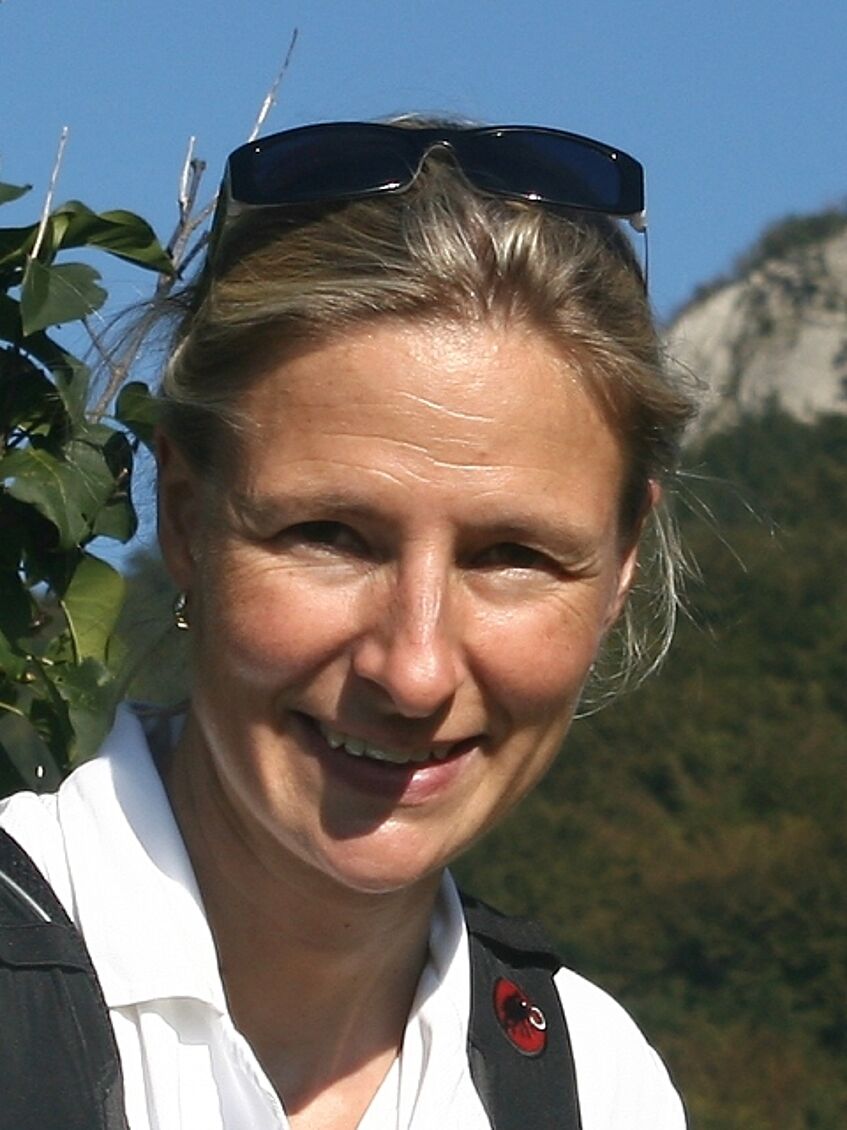
Sabine Glasl-Tazreiter is a Lecturer at the University of Vienna's Faculty of Life Sciences , specifically within the Department of Pharmaceutical Sciences and its Division of Pharmacognosy . Her office is located in room 2E 412 on the 4th floor at Josef-Holaubek-Platz 2, Vienna, Austria (1090). Contact details include telephone number +43-1-4277-55207 and email sabine.glasl@univie.ac.at . Principal research focus: Phytochemistry & Biodiscovery Specialization: Secondary metabolites from ethnomedicinally used plants across Europe, Mongolia, and Latin America Key techniques: Isolation of bioactive compounds, structural elucidation, pharmacological evaluation Quality control expertise: Macroscopic/microscopic identification, chemical analytics Recent publications highlight her work in: 2024 - Development of the VOLKSMED Database for Austrian folk medicine wound healing plants 2025 - Advanced mucociliary clearance research in respiratory systems 2023 - Innovations in optoacoustic imaging technology 2019 - Structure-function analysis of phycobiliproteins for medical imaging 2017 - Phytochemical characterization of Latin American antidiabetic plants
Lorin D. Warnick is currently serving as the Austin O. Hooey Dean of Veterinary Medicine at Cornell University College of Veterinary Medicine. He is a tenured Professor in the Department of Population Medicine and Diagnostic Sciences, where his research focuses on the epidemiology of Salmonella infections and antimicrobial resistance in enteric bacteria affecting both domestic animals and humans. A key contributor to Cornell's response to the COVID-19 pandemic, he has led research on SARS-CoV-2 diagnostic testing and campus outbreak dynamics. Education : B.S. in Microbiology (1984) from Brigham Young University DVM (1988) from Colorado State University Ph.D. in Veterinary Medicine (Epidemiology) and Statistics from Cornell University (1994) Professional Experience : Assistant Professor (1994-1996) at Virginia-Maryland Regional College of Veterinary Medicine Assistant/Associate Professor (1996-2008) and Professor (2008-present) at Cornell University Section Chief in Ambulatory and Production Medicine (1997-1999) Research Interests span veterinary epidemiology, antimicrobial resistance, foodborne pathogens, and public health. His work connects animal and human health through One Health frameworks, particularly in Salmonella transmission dynamics between dairy cattle and humans. He has pioneered surveillance systems for infectious diseases, including the model used during Cornell's COVID-19 response. Scientific Awards include: Phi Zeta Veterinary Honor Society (1987) Phi Kappa Phi Honor Society (1988) Honorary Diploma from American Veterinary Epidemiology Society (2018) One Cornell Award for Leadership in Pandemic Testing (2021) Advising and Grants highlight his role in mentoring students and leading interdisciplinary research teams. His grants focus on antimicrobial resistance mitigation, dairy calf health, and pandemic response infrastructure. He has collaborated extensively with institutions like USDA and CDC on foodborne disease research. Labs and Collaborations include leadership in Cornell's Veterinary Diagnostic Laboratories and contributions to the American College of Veterinary Preventive Medicine. His work integrates epidemiological modeling, microbiome analysis, and policy development for sustainable agricultural practices.
Mario A. Svirsky is the Noel L. Cohen Professor of Hearing Science and Professor of Neuroscience at NYU Grossman School of Medicine. He leads the Laboratory for Translational Auditory Research, focusing on auditory neural prostheses like cochlear implants and their impact on speech perception and neuroplasticity. His work bridges clinical care and scientific discovery, addressing how the brain adapts to sensory deprivation and degraded auditory input. Education: PhD in Biomedical Engineering from Tulane University (1988). Postdoctoral training at MIT and prior academic appointments at Indiana University and Purdue University before joining NYU in 2005. Research: Explores cochlear implant performance optimization, speech perception in hearing-impaired individuals, and neuroplasticity mechanisms. Collaborates with the Froemke Lab on animal models of cochlear implantation. Active in developing computational models and signal processing techniques to improve implant efficacy. Funding: Principal investigator on multiple NIH grants (e.g., R01 DC016839, R01 DC016834) and industry partnerships. His lab’s work has advanced clinical management strategies for cochlear implant users, including those with contralateral hearing aids. Labs/Teams: Directs the Laboratory for Translational Auditory Research, collaborating with multidisciplinary teams including engineers, neuroscientists, and clinical audiologists. Mentors postdocs, audiologists, and medical students in auditory research.
Professor Richard Durbin (FRS) is a computational biologist at the Department of Genetics , University of Cambridge, and Associate Faculty member at the Wellcome Trust Sanger Institute . His work spans computational methods development, large-scale genomics projects, and evolutionary studies. Academic Affiliation: Professor of Genetics (University of Cambridge) Research Institute: Associate Faculty (Wellcome Sanger Institute) Key Projects: 1000 Genomes Project, UK10K Project, Gorilla Genome Sequencing Research Interests Durbin's group focuses on: Evolutionary Genomics: Human population history through modern and ancient DNA, Malawi cichlid fish speciation with adaptive introgression Computational Methods: Burrows-Wheeler transform algorithms (BWA), variant call format (VCF), variation graph mapping (vg package) Genome Assembly: Long-read sequencing techniques for high-contiguity reference genomes across vertebrates Scientific Contributions Co-author of Biological Sequence Analysis (HMM methods for gene finding) Co-developer of ACeDB software and founding contributor to WormBase, Pfam, TreeFam, Ensembl Scientific Awards Fellow of the Royal Society (FRS) - Recognized for outstanding contributions to computational biology
Marylyn D Ritchie, PhD, is the Edward Rose, M.D. and Elizabeth Kirk Rose, M.D. Professor at the Perelman School of Medicine, University of Pennsylvania. She concurrently serves as Director of the Institute for Biomedical Informatics, Vice President for Research Informatics for the University of Pennsylvania Health System, Director of the Division of Informatics in the Department of Biostatistics, Epidemiology, and Informatics, and Vice Dean of Artificial Intelligence and Computing. Education: BS in Biology, University of Pittsburgh at Johnstown, 1999 MS in Applied Statistics, Vanderbilt University, 2002 PhD in Statistical Genetics, Vanderbilt University, 2004 Research Interests Dr Ritchie’s work integrates computational genomics , bioinformatics , pharmacogenomics , and systems genomics to advance precision medicine. She develops statistical and machine-learning approaches to dissect epistasis , genetic epidemiology , and evolutionary computation in large-scale biobanks, with a special focus on cardiovascular disease and Alzheimer’s disease . Her group is also pioneering translational informatics methods that incorporate social determinants of health and fairness metrics into AI-driven clinical decision support. Publication Trends In 2025 alone, Dr Ritchie co-authored more than fifteen high-impact studies spanning vision-language models for 3D CT , multi-omics Alzheimer’s risk prediction , fairness in neuroimaging AI , ancestry-specific pharmacogenomics , and cloud-based polygenic risk score platforms . The collective work highlights a shift from single-omics discovery to integrative, equitable, and clinically actionable models across diverse ancestries. Awards & Honors While specific named awards were not detailed in the text, Dr Ritchie’s endowed professorship and multi-institutional leadership roles signify sustained recognition. Grants & Advising Dr Ritchie leads large NIH, foundation, and industry-funded initiatives that support interdisciplinary teams of postdocs, graduate students, and data scientists. Her lab actively mentors trainees from UPenn’s Cell and Molecular Biology and Genomics and Computational Biology graduate groups. Laboratories & Teams She directs the Ritchie Lab (ritchielab.org), which develops open-source visualization tools such as PhenoGram , PheWAS-View , and Synthesis-View for genome-wide and phenome-wide data exploration. The lab operates within the Institute for Biomedical Informatics and collaborates closely with the Penn Medicine BioBank and multiple clinical departments to translate big-data discoveries into precision medicine workflows.
Adilson Motter is the Charles E. and Emma H. Morrison Professor of Physics and Astronomy and (by courtesy) Engineering Sciences and Applied Mathematics at Northwestern University. He serves as Director of the Center for Network Dynamics (CND) and has been a faculty member since March 2006. His academic appointments include affiliations with the Chemistry of Life Processes Institute (CLP), Molecular Biophysics Program, NSF-Simons National Institute for Theory and Mathematics in Biology (NITMB), Paula M. Trienens Institute for Sustainability and Energy, Graduate Program in Applied Physics, Center for Interdisciplinary Exploration and Research in Astrophysics (CIERA), Institute for Quantum Information Research and Engineering (INQUIRE), and Northwestern Institute on Complex Systems (NICO). Professor Motter received his Ph.D. in 2002 from UNICAMP (University of Campinas), Brazil, where he worked with Professor Patricio S. Letelier. Prior to joining Northwestern, he held positions as Guest Scientist at the Max Planck Institute for the Physics of Complex Systems in Germany and as Director's Funded Postdoctoral Fellow at the Center for Nonlinear Studies at Los Alamos National Laboratory. Professor Motter's research focuses on the dynamical behavior and control of complex systems and networks. His work spans theoretical and computational approaches to understanding phenomena in physical, biological, and engineered systems. Key research areas include: Cascading dynamics and network resilience Spontaneous synchronization and symmetry phenomena Network control theory and applications Quantum networks and information transfer Machine learning applications to network science Data-driven discovery in complex systems Applications to quantitative biology, biomedical research, renewable energy, smart power grids, microfluidics, and metamaterials Analysis of Professor Motter's recent publications reveals a strong interdisciplinary focus spanning physics, engineering, biology, and computer science. His work demonstrates consistent innovation in network science, with recent contributions advancing quantum networking architectures, understanding power grid limitations for electric vehicle integration, developing machine learning approaches for genetic analysis, and exploring fundamental synchronization phenomena. A notable trend is the increasing application of his theoretical frameworks to real-world challenges in energy systems, biomedical research, and quantum information technology. Professor Motter has received numerous prestigious awards and honors: Alfred P. Sloan Research Fellowship (2009) Weinberg Award for Excellence in Mentoring Undergraduate Research (2009) Northwestern-Argonne Early Career Investigator Award for Energy Research (2010) NSF Faculty Early Career Development (CAREER) Award (2011) Erdös-Rényi Prize in Network Science (2013) Fellow of the American Physical Society (2013) Simons Foundation Fellowship in Theoretical Physics (2015) Fellow of the American Association for the Advancement of Science (2015) Scialog Fellow (2015) Outstanding Referee, American Physical Society (2016) Fellow of the Network Science Society (2020) Senior Scientific Award, Complex Systems Society (2022) Professor Motter has demonstrated exceptional commitment to mentoring, as evidenced by the Weinberg Award for Excellence in Mentoring Undergraduate Research. His research group has received significant funding through multiple NSF grants, including his CAREER award, and collaborations with Argonne National Laboratory. Current research directions include mechanical metamaterial networks, quantum network science, and other areas of complex systems. The group has been actively recruiting postdoctoral researchers and has seen students recognized with awards and research grants. As Director of the Center for Network Dynamics (established September 2023), Professor Motter leads a multidisciplinary team exploring network phenomena across various domains. The Center has hosted significant events including the 'Brain Architecture and Computing 2024' workshop and is organizing the 2025 CDC Workshop on Neurocomputation and Dynamics in Rio de Janeiro. The Motter Group maintains active collaborations with experimentalists and researchers from diverse disciplines, facilitating the translation of theoretical insights into practical applications.
Professor Tomasz Kapitaniak is a distinguished academic in the field of nonlinear dynamics and theoretical mechanics. He serves as a Professor of Theoretical and Applied Mechanics and Head of the Division of Dynamics at the Faculty of Mechanical Engineering, Technical University of Lodz, Poland. His career spans over three decades at the university, where he has made significant contributions to the understanding of nonlinear systems, chaos theory, and mechanical oscillations. Professor Kapitaniak holds advanced degrees in both mechanics and applied mathematics from the Technical University of Lodz and the University of Lodz. His educational background includes: M.Sc. in mechanics, Faculty of Mechanical Engineering, Technical University of Lodz (1982) M.Sc. in applied mathematics, Faculty of Mathematics, Physics and Chemistry, University of Lodz (1985) Ph.D. in mechanics, Faculty of Mechanical Engineering, Technical University of Lodz (1985) D.Sc. in mechanics, Faculty of Mechanical Engineering, Technical University of Lodz (1988) Professor of technical science, title given by the President of Poland (1995) His research focuses on nonlinear dynamics, with particular emphasis on mechanical oscillations, stability, bifurcations and chaos, stochastic dynamics, and applications of nonlinear dynamics in mechanical engineering. Professor Kapitaniak is renowned for his work on the development of methods for controlling chaos without feedback, identification of new types of bifurcations, synchronization mechanisms in coupled mechanical oscillators, and explaining the origin of randomness in mechanical systems. His research has evolved from fundamental theoretical work to increasingly applied studies involving complex networks, biological systems, and engineering applications. Professor Kapitaniak has published over 300 scientific papers in renowned journals, cited over 8,000 times. His work exhibits a consistent focus on understanding complex nonlinear phenomena across various physical systems. The trend in his recent publications shows continued exploration of synchronization phenomena, extreme events in dynamical systems, and applications of nonlinear dynamics to biological, mechanical, and physical systems. His most recent work demonstrates a growing interest in multistability, chimera states, and the prediction of tipping phenomena in complex systems. Among his notable scientific achievements and distinctions are: Election as a member of the Polish Academy of Sciences (corresponding member in 2013, ordinary member in 2019) Election to Academia Europaea in 2021 Honorary doctorates from Saratov State University (Russia, 2001) and Lublin University of Technology (Poland, 2014) Multiple prestigious fellowships including the British Council Fellowship (1989), King Abdul Aziz Award Fellowship (1990), and Fulbright Fellowship (1997) Editorial roles including Associate editor of Chaos, Solitons and Fractals since 1990 and member of editorial boards of several other prestigious journals Throughout his career, Professor Kapitaniak has been actively involved in mentoring the next generation of researchers, having supervised numerous PhD students including Jerzy Wojewoda, Anton van Wyk, Barbara Błażejczyk-Okolewska, Andrzej Stefański, Andrzej Kozłowski, and Przemysław Szumiński. He has secured significant research funding from various national and international sources including the Ministry of Science and Higher Education (Poland), Deutscher Akademischer Austauschdienst, The Royal Society of London, and others. His research team has maintained strong international collaborations with institutions worldwide, including universities in the United States, United Kingdom, Germany, Brazil, Russia, and Ukraine. He leads the Division of Dynamics at the Technical University of Lodz, which serves as a hub for research in nonlinear dynamics, mechanical oscillations, and related fields. The division maintains strong international collaborations with institutions worldwide and continues to produce cutting-edge research in the field of nonlinear dynamics and its applications.
University of California, Los AngelesUnited States
Mario Dipoppa is an Assistant Professor in the Department of Neurobiology at the University of California, Los Angeles. His research focuses on computational neuroscience, cortical adaptation, and neural circuit dynamics. Position: Assistant Professor, Neurobiology Email: mdipoppa@g.ucla.edu Research Interests: Mario's work explores how neural populations in the visual cortex adapt to sensory input, with a particular emphasis on the interplay between neural oscillations, synchrony, and cognitive functions like working memory. His recent studies investigate optimal coding strategies in visual adaptation, contextual modulation mechanisms, and the role of transcriptomic diversity in cortical interneuron function. Publications Trends: His research spans computational modeling of cortical networks, visual neuroscience, and neurogenetic analyses of brain circuits. Early work (2013-2016) focused on working memory mechanisms and neural oscillations, while recent studies (2022-2025) emphasize visual cortex adaptation, population coding, and cross-species circuit comparisons.