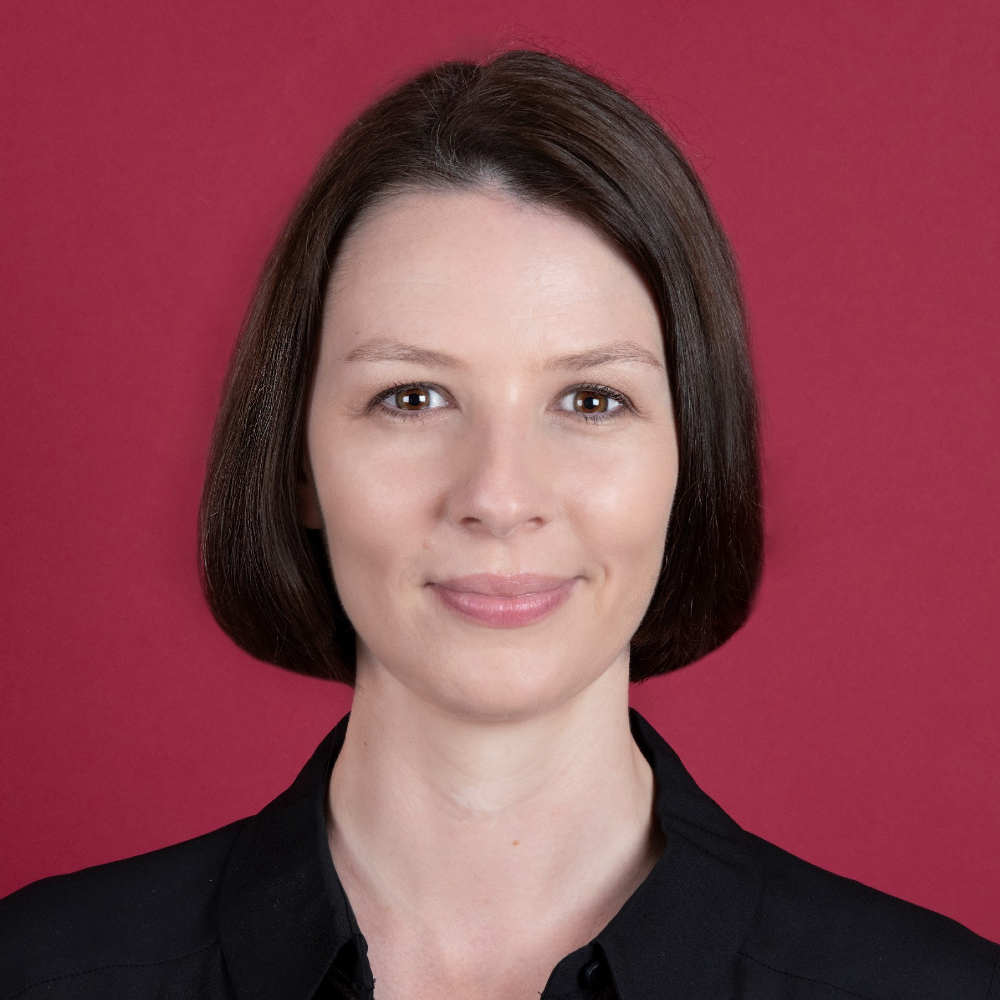
Jingyi Jessica Li is a Professor at the University of California Los Angeles (UCLA), holding joint appointments in the Departments of Statistics and Data Science, Human Genetics, Computational Medicine, and Biostatistics. Her research focuses on developing statistical and computational methods for analyzing high-throughput genomic data, with applications in transcriptomics, single-cell analysis, and epigenetics. She earned her B.S. in Biological Sciences from Tsinghua University (2007) and her Ph.D. in Biostatistics from UC Berkeley (2013). Her work emphasizes methodological advancements in bioinformatics, including tools for single-cell RNA-seq analysis (e.g., scDesign, scImpute), contamination detection (scCDC), and differential expression (PseudotimeDE). She has contributed significantly to understanding transcriptional regulation, epigenetic mechanisms, and translational control in biological systems. Research Themes: Single-cell genomics, statistical methodology, computational biology, epigenomics, and systems biology Labs/Teams: jsb_ucla Lab Dr. Li has received numerous accolades, including the COPSS Emerging Leader Award (2023), ISCB Overton Prize (2023), and a Radcliffe Fellowship (2022–2023). Her work bridges statistical rigor and biological insight, addressing challenges in large-scale genomic data interpretation.
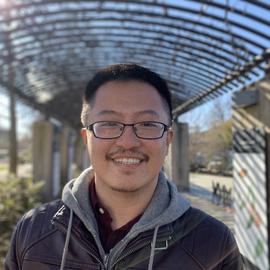
Dr. George Philipp Franz is a researcher at the Research Institute for Farm Animal Biology (FBN), specializing in fish growth physiology with a focus on pikeperch (Sander lucioperca) and other aquaculture species. He works in the Working group Fish Growth Physiology, investigating developmental biology, gene expression, and environmental adaptation. Institution: Research Institute for Farm Animal Biology (FBN) Department: Fish Growth Physiology Research Interests include: Fish muscle development and quality analysis Gene regulatory networks during ontogenesis Comparative physiology of wild and farmed fish Climate change adaptation in aquatic species Development of in vitro fish models for stress and toxin analysis Scientific Contributions span publications on: Muscle tissue composition differences in wild vs. farmed pikeperch (2024) Larval size-dependent gene expression patterns (2024) Myogenic gene dynamics during early development (2022) Temperature and exotoxin responses in fish cells (2021) Advanced larval monitoring systems (2021) His work bridges aquaculture optimization with fundamental biological research, contributing to sustainable fish farming practices through physiological and molecular insights.
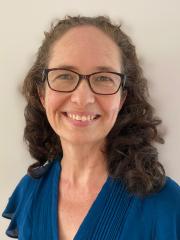
Dr Jennifer Hoyal Cuthill is a Lecturer at the School of Life Sciences, University of Essex , with a UKRI Future Leaders Fellowship. She holds a PhD in Palaeobiology from the University of Cambridge (2011), an MSc in Palaeobiology (University of Bristol, 2007), and a BSc in Zoology (University of Bristol, 2005). Her research focuses on: Biological machine learning : Applying computational methods to life sciences Computational palaeobiology : Quantifying evolutionary history Evolutionary convergence : Measuring repeated evolutionary patterns Ediacaran palaeoecology : Studying Earth's earliest macro-organisms Her current projects include machine learning on butterfly phenotypes and computational analysis of the fossil record . She has received the UKRI Future Leaders Fellowship and presented at conferences including the Palaeontological Association Annual Meeting and Open University Geological Society AGM . She supervises PhD student Benjamin James Calvert and collaborates with institutions like the Earth Life Science Institute at Tokyo Institute of Technology .
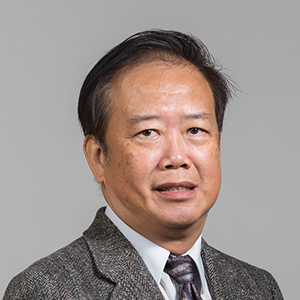
Rudy Setiono is an Associate Professor and Assistant Dean of Graduate Studies at the School of Computing, National University of Singapore (NUS). He has been with NUS since August 1990, following the completion of his Ph.D. in Computer Science from the University of Wisconsin-Madison. Previously, he served as Vice Dean (Undergraduate Affairs) from November 2001 to July 2005 at the School of Computing. B.Sc. in Computer Science from Eastern Michigan University (1984) M.Sc. in Computer Science from University of Wisconsin-Madison (1986) Ph.D. in Computer Science from University of Wisconsin-Madison (1990) Professor Setiono's research focuses on neural networks, particularly in rule extraction, neural network construction and pruning, and applications in optimization. His work spans theoretical foundations to practical implementations in credit scoring, poverty analysis, and business intelligence. He has made significant contributions to making neural networks more interpretable through rule extraction techniques, bridging the gap between black-box models and transparent decision systems. His recent publications show a strong trend toward practical applications of neural network rule extraction in credit scoring, poverty analysis, and document processing. The research demonstrates consistent evolution from theoretical neural network construction to real-world applications across finance, social sciences, and business analytics, with an emphasis on model interpretability and practical implementation. Senior Member of IEEE Associate Editor of IEEE Transactions on Neural Networks (2000-2005) Professor Setiono has supervised numerous research projects and taught courses including BT4103 Business Analytics Capstone Project, BT4240 Machine Learning for Predictive Data Analytics, IS5152 Data-Driven Decision Making, and IS4240 Business Intelligence Systems. His work has been published in reputable journals including IEEE Transactions on Neural Networks, IEEE Transactions on Data and Knowledge Engineering, and Neurocomputing.
Patrick Ruch is a Professor at the Geneva School of Economics and Management (HES-SO), specializing in bioinformatics, text mining, and computational methods for health sciences. He leads research in areas such as machine learning applications in biomedical research, research data management, and natural language processing for scientific literature triage. His work emphasizes improving reproducibility, equity in publishing, and the integration of AI in healthcare. Key affiliations include the SIB Swiss Institute of Bioinformatics and the ArODES initiative. Research interests focus on leveraging AI to enhance data-driven decision-making in medicine, addressing systemic biases in academic publishing, and developing tools for genomic variant curation. He has collaborated extensively on international projects like BiCIKL and DOME, advancing FAIR data principles and open science practices.
Christopher Potter is a Professor of Neuroscience at the Johns Hopkins University School of Medicine and serves as Co-Director of the Neuroscience Training Program. He is based in the Solomon H. Snyder Department of Neuroscience and affiliated with the Center for Sensory Biology. His research focuses on the olfactory systems of Anopheles mosquitoes and how they detect human hosts, with the goal of developing novel strategies to prevent mosquito bites and malaria transmission. Institution: Johns Hopkins University School: School of Medicine Department: Department of Neuroscience Role: Professor, Co-Director of Neuroscience Training Program Contact: cpotter@jhmi.edu Dr. Potter's research centers on insect olfaction, particularly the molecular and neural mechanisms underlying mosquito host-seeking behavior. His lab employs advanced neurogenetic tools, including the Q-system, to label and manipulate sensory neurons in Anopheles mosquitoes. Key areas include the function of odorant and ionotropic receptors, the effects of repellents on olfactory perception, and the genetic regulation of chemosensory gene expression. His work bridges molecular neuroscience, genetics, and vector biology to understand and disrupt disease transmission. The recent publications (2020–2023) highlight a strong focus on mosquito olfactory neurogenetics, functional imaging, receptor mapping, and genetic tool development. Articles appear in high-impact journals such as Cell Reports, eLife, and Nature Communications, reflecting expertise in neural circuits, chemosensory biology, and transgenic methodologies. The research spans from molecular mechanisms (e.g., base editing, receptor expression) to organismal behavior (e.g., host-seeking, biting decisions). While no specific scientific awards are listed in the provided text, Dr. Potter's leadership in developing genetic tools for mosquitoes and his influential publications indicate significant recognition in the field of sensory neuroscience and vector biology. Dr. Potter mentors graduate students through the Neuroscience Training Program and the Biochemistry, Cellular and Molecular Biology (BCMB) program. His lab actively recruits motivated students and researchers. He has secured research grants supporting work on mosquito neurogenetics and sensory biology, though specific grant details are not listed. His lab develops and applies innovative techniques such as the Q-system and GCaMP-based calcium imaging to study mosquito olfaction at the neural level. The Potter Lab is part of the Center for Sensory Biology at Johns Hopkins, where it contributes to a collaborative environment focused on understanding sensory systems. The lab specializes in mosquito neurogenetics, using transgenic Anopheles strains to investigate olfactory circuits and behaviors. Current projects include studying how repellents affect mosquito smell, characterizing olfactory receptor mutants, and exploring the neural basis of biting decisions.
Marie Stenmark Askmalm is a Researcher at Lund University Cancer Centre (LUCC) , a Supervisor in Paediatrics at Lund University, and a Consultant in Cancerepidemiology and Radiation. Her work focuses on hereditary cancer syndromes, particularly TP53-related disorders, BRCA1/BRCA2 mutations, and cancer risk assessment through genetic testing and imaging. She is affiliated with the Swedish Clinical TP53 Study Group (SweClinTP53) and contributes to national genomic medicine initiatives.
David Morrison is a Visiting Researcher at the Department of Organismal Biology, Systematic Biology at Uppsala University, Sweden. His contact information lists the Evolutionary Biology Centre at Norbyvägen 18D, 752 36 Uppsala, with email David.Morrison@ebc.uu.se. Morrison's research focuses on advanced phylogenetic methods, particularly the development and application of phylogenetic networks as alternatives to traditional tree-based representations of evolutionary relationships. His work explores reticulate evolution , multiple sequence alignment , and the theoretical foundations of systematics. Morrison has published extensively on the limitations of the "tree of life" metaphor and advocates for network-based approaches that better represent complex evolutionary processes like hybridization and horizontal gene transfer. His research bridges computational biology, evolutionary theory, and systematic practice, with applications ranging from pathogen evolution to botanical systematics. Analysis of Morrison's recent publications reveals a clear trajectory toward more sophisticated representations of evolutionary history. His work increasingly emphasizes phylogenetic networks over traditional trees, recognizing that evolutionary processes are often reticulate rather than strictly divergent. This shift reflects broader trends in evolutionary biology toward more complex models that account for horizontal gene transfer, hybridization, and other non-treelike phenomena. Morrison's publications show strong engagement with both theoretical foundations and practical applications, particularly in the areas of sequence alignment methodology and data visualization for evolutionary relationships. Morrison has served as a reviewer and contributor to numerous publications in systematic biology, including book reviews for significant works in the field. His review of Multiple Sequence Alignment Methods highlighted the critical importance of alignment techniques in modern biology, noting that alignment methods are actually more cited than tree-building programs in scientific literature. This work underscores his expertise in foundational bioinformatics methods that underpin evolutionary analysis. As a Visiting Researcher at Uppsala University's Evolutionary Biology Centre, Morrison contributes to one of Scandinavia's leading institutions for evolutionary research. His work appears to intersect with multiple research groups focused on phylogenetics, systematics, and evolutionary genomics, though specific laboratory affiliations are not detailed in the available information.
Maximilian Miller is a Research Fellow at the BrombergLab , affiliated with the School of Environmental and Biological Sciences and Department of Biochemistry and Microbiology. He focuses on variant effect prediction , metagenome analysis , and high-performance computing infrastructure. PhD in Bioinformatics (2018) from Technical University Munich MSc and BSc in Bioinformatics (2012, 2009) from Ludwig-Maximilians-University Munich / Technical University Munich His research employs machine learning to understand how protein mutations relate to disease , with applications in precision medicine and microbiome studies . He develops tools like clubber for cluster computing and funtrp for functional tuning analysis. The most recent 15 articles span variant interpretation , metagenomic pipelines , and computational method assessment across bioinformatics , protein science , and environmental microbiology . Scientific recognition includes the CAMDA Fellowship for ISMB/ECCB 2019. His work addresses challenges in metagenome recovery (e.g., Deepwater Horizon oil-spill study), taxonomic vs. functional shifts , and predictor performance benchmarks through the Critical Assessment of Genome Interpretation (CAGI) framework.
Chengsheng Zhu serves as a Research Fellow in the Department of Biochemistry and Microbiology at Rutgers University's School of Environmental and Biological Sciences, conducting computational microbiome research within the BrombergLab. His work focuses on developing analytical tools for large-scale microbial genomic data to understand microbe-environment interactions with applications in bioremediation, human health, and climate science. His academic background includes: Ph.D. in Microbiology and Molecular Genetics (2017), Rutgers, the State University of New Jersey M.Sc. in Biology (2010), Central Michigan University B.Sc. in Biology (2006), Fudan University Research centers on microbiome dynamics, machine learning applications for function prediction, and computational genomics. He investigates how microbes reshape environments ranging from human guts to extraterrestrial samples, with emphasis on detoxification processes and health implications. Current work develops high-precision tools for microbial community analysis at massive scales. Publications reveal strong computational focus across diverse environments—human gut, urban subways, snowpacks, and waste treatment systems—with recurring themes in functional annotation, microbial diversity assessment, and bioinformatics tool development for big data challenges. No scientific awards were documented in the source materials. Advising and grant activities aren't specified in available information, though his BrombergLab affiliation indicates active participation in collaborative research projects. He contributes to the BrombergLab's mission of advancing computational approaches to microbiome analysis, particularly for environmental and biomedical applications requiring large-scale data processing.
Professor Ruiting Lan is a Professor of Medical Microbiology at the School of Biotechnology and Biomolecular Sciences, UNSW Sydney. He teaches medical microbiology to science and medical students. His research focuses on pathogen evolution, genomic epidemiology, and host-pathogen interactions, particularly concerning gastrointestinal and respiratory bacterial pathogens. Education: Undergraduate degree in China PhD (1992) and postdoctoral training at the University of Sydney Research interests span bacterial pathogenesis, genomic adaptation in response to vaccines/antibiotics, and developing molecular typing tools like Multilevel Genome Typing (MGT). His lab studies Bordetella pertussis , Salmonella , Shigella , and Escherichia coli , emphasizing real-time outbreak surveillance and pathogenomics. His publications predominantly explore genomic epidemiology, microbial evolution, and host-microbe interactions. Recent work highlights trends in antimicrobial resistance, probiotic therapeutics for metabolic disorders, and high-resolution pathogen tracking using whole-genome sequencing and AI-driven outbreak detection tools. Awards and Honors: Fellow of Australian Society for Microbiology Guest Professor, Chinese Centre for Disease Control and Prevention He leads a research team developing the MGTdb platform for global pathogen surveillance and collaborates internationally on cholera, pertussis, and enteric pathogen genomics. His lab focuses on translating genomic insights into public health interventions.
Dr. Lisa Pope is a researcher at the School of Chemical Engineering , The University of Queensland, serving as Centre Manager for the ARC Training Centre for Bioplastics and Biocomposites. Her work integrates population genetics, phylogeography, and conservation biology to address ecological and evolutionary challenges. PhD in Population Genetics (2001), The University of Queensland Member, Australasian Research Management Society Her research focuses on applied population genetics , examining dispersal patterns in endangered species like the northern bettong and Brazilian tanager. She investigates how human activities, such as translocation, impact invasive species spread (e.g., tilapia) and wildlife disease dynamics (e.g., bovine tuberculosis in badgers). Recent publications highlight trends in conservation genetics , phylogeographic analysis , and reproductive strategies . Her work on tiger sharks revealed single-paternity systems , while studies on badgers demonstrated culling-induced movement and genetic isolation mechanisms. Scientific contributions are recognized through grants like the UQ Postdoctoral Fellowship for Women (2012-2015). She has supervised 20+ students, including Ambrocio Matias (2016) and Andrew Mather (2009), across topics in marine ecology , conservation genetics , and evolutionary biology .
Elior Rahmani is an Adjunct Assistant Professor in the Department of Computational Medicine at the University of California, Los Angeles (UCLA) . He develops novel machine-learning methods and statistical models for analyzing high-dimensional genomic and clinical data, focusing on robustness against unknown confounding effects. Education: BSc in Computer Science and Biology, Tel Aviv University MSc in Computer Science, Tel Aviv University PhD in Computer Science, UCLA Rahmani’s research spans computational biology , machine learning , and AI/ML in healthcare . His work enables cell-type-specific analysis of genomic data without requiring reference panels, advancing applications in epigenetics and single-cell biology. His software tools include Keris (single-cell variation analysis), TCA (tensor decomposition for heterogeneous data), BayesCCE (Bayesian cell-type estimation), GLINT (DNA methylation analysis), and ReFACTor (reference-free correction methods). Scientific Awards: Travel fellowship, RECOMB 2022 Charles J. Epstein Trainee Award, ASHG 2021 LSRF Fellowship finalist, 2021 Google outstanding graduate research award, UCLA 2019 Best poster award, UCLA Human Genetics Retreat 2019 Northrop-Grumman award, UCLA 2018 Edmond J. Safra prizes, Tel Aviv University 2013-2017
Carolyn R Houser is a Professor in the Department of Neurobiology at the School of Medicine, University of California, Los Angeles (UCLA) . Her research focuses on neurological disorders , particularly epilepsy , GABA receptor plasticity , and neuronal inhibition mechanisms . Research Grants: NIH R01NS102608 (Role: Principal Investigator) Fields of Interest: Neuroscience, Neurology, Molecular Biology, Cell Biology, Brain Research Research Trends (2003–2024): Dr. Houser's work investigates GABAergic circuits in epilepsy, including δ subunit dynamics , neuronal loss , and tonic inhibition alterations . Her publications span Alzheimer's disease models , fragile X syndrome , and hippocampal neuroanatomy .
Alice Davidson serves as Associate Professor of Molecular Genetics at University College London's Institute of Ophthalmology, holding a UKRI Future Leaders Fellowship (2020-2027) and serving as Deputy Chair of the Ophthalmology Basic & Applied Science Interim Exam Board. Her research program focuses on inherited corneal diseases with emphasis on Fuchs endothelial corneal dystrophy (FECD), supported by £3.5 million in research funding since 2015. Her educational background includes a PhD in Molecular Genetics and Cell Biology (2010) and BSc (2006), both from the University of Manchester. She completed postdoctoral training at UCL Institute of Ophthalmology investigating genetic causes of retinal and corneal diseases. Davidson's research integrates molecular genetics, bioinformatics, and cellular models to elucidate disease mechanisms in corneal disorders. Her work establishes international leadership in FECD research through development of patient-derived cellular systems and interdisciplinary collaborations spanning academic, clinical, and industrial partners. Current projects address triplet repeat expansion disorders with implications for neurological conditions. Recent publications demonstrate strong output in corneal genetics, with 2024-2025 articles focusing on AI applications for FECD diagnosis, TCF4 repeat expansion mechanisms, and novel gene discoveries for corneal dystrophies. Her work shows consistent translational impact through development of diagnostic frameworks and therapeutic approaches. UKRI Future Leaders Fellowship (2020-2024, renewed 2024-2027) Fight for Sight Early Career Investigator Award (2015) Davidson actively supervises PhD students, having successfully guided two to completion and currently mentoring three primary supervisees plus secondary students. Her leadership extends to directing UCL's corneal disease bio-resource and cellular model systems. Current research emphasizes gene-directed therapeutic strategies with potential applications across multiple repeat expansion disorders.