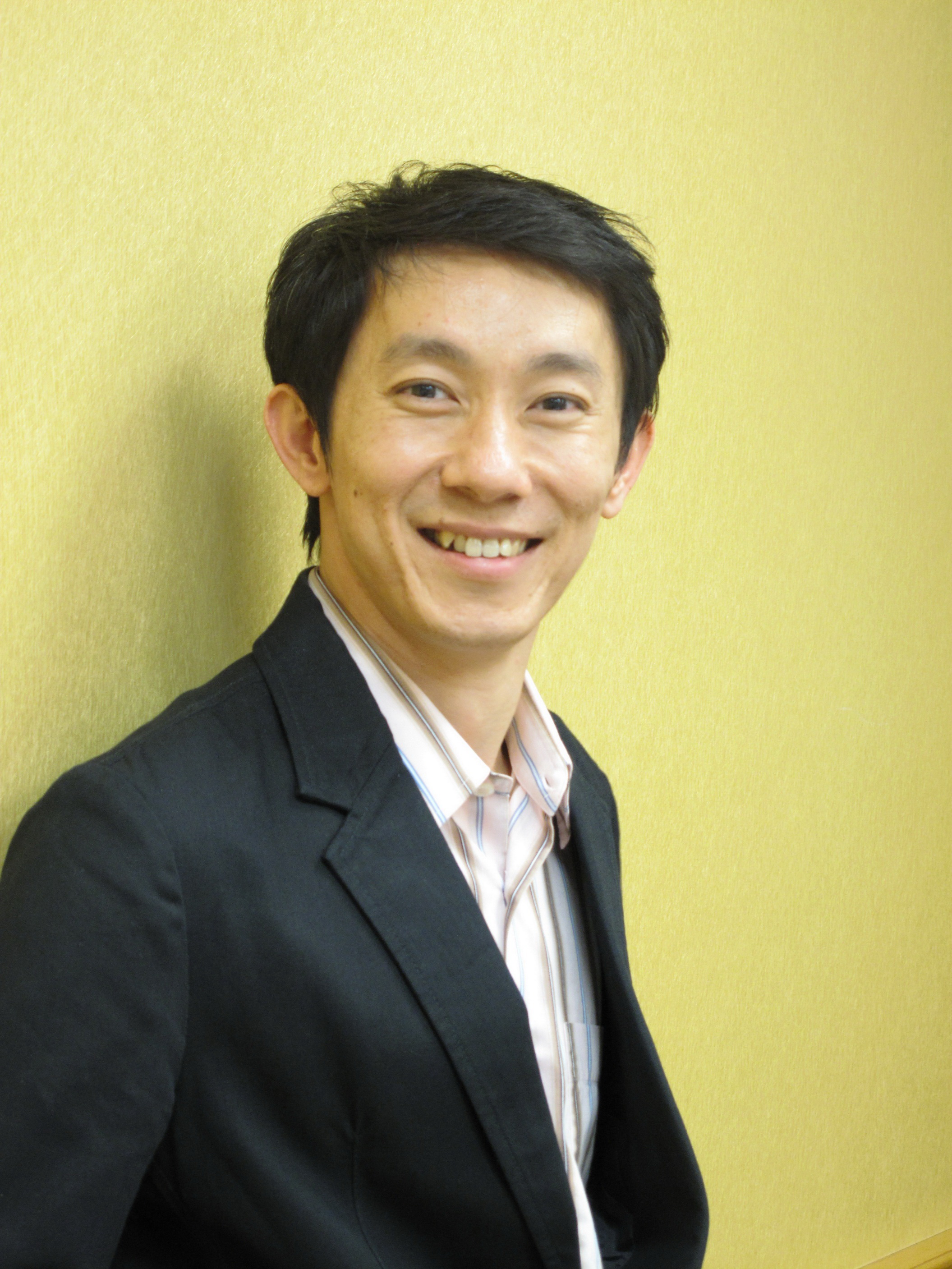
Sakari Melander is a Professor at the Faculty of Law , University of Helsinki, specializing in Criminal Law , with a focus on constitutionalization, Europeanization, and sentencing policies. His work bridges theoretical criminal law with practical legislative and policy challenges. Key research areas include EU criminal law, constitutional constraints on criminal legislation, and general doctrines of criminal law. He has extensive experience in parliamentary legal consultation, providing expert opinions to Finland’s Legislative Committees (e.g., on immigration control, anti-corruption directives, and digital evidence handling). Recent publications address topics like EU corporate sanction policies, constitutionalization of criminal law, and reforms in Finnish sentencing systems. His 2025 article in the New Journal of European Criminal Law explores balancing administrative and criminal sanctions in the EU. Scientific awards include: Hilkka ja Otto Brusiin Foundation Thesis Prize (2001) Magister Bonus – Good Teacher Award (2014) Primustohtori Award (2010) Year’s Teacher (2010) Year’s Opponent (2008) He leads research projects such as Criminal Law Under Pressure: Differentiation and Harmonization (2012-2015) and Assessment of Human Trafficking Sanction Practices (2021-2022), and supervises doctoral theses on criminal law topics.
Stephen Brown is a Full Professor at the School of Political Studies , part of the Faculty of Social Sciences at the University of Ottawa . His research focuses on democracy, democratization, conflict, foreign aid, and LGBT rights, particularly in Sub-Saharan Africa and Mongolia. He also analyzes Canadian foreign aid policies under recent governments. Email: brown@uottawa.ca Office: 613-562-5800 (1896) Languages: English, French, Spanish, Portuguese His work bridges international development, political science, and human rights, examining how foreign aid intersects with democratic ownership, gender equality, and conflict resolution. Recent publications highlight tensions between donor priorities and local contexts, as well as Canada's evolving role in global development. Key trends in his 15 most recent articles (2025–2020) include: Canadian foreign aid policy under Harper and Trudeau governments LGBTQI+ rights advocacy in Africa and Asia Impact of global crises (e.g., COVID-19) on development cooperation Political economy of extractive industries in developing economies Debates on aid effectiveness, policy coherence, and donor alignment Transitional justice and electoral conflict management in post-crisis states
Professor Philip Birch is a distinguished academic in Criminology at the University of Technology Sydney (UTS), Faculty of Design & Society, School of International Studies & Education. With over 15 years of academic experience across British, American, and Australian university systems, he has established himself as a leading expert in policing, community safety, and criminal justice. His extensive practical background in criminology, including roles as a Specialist Crime Team Manager, Community Safety Research Manager, and Through Care Worker in UK correctional facilities, informs his applied research approach. Professor Birch's educational background includes a BSocSci. (Hons) in Social Policy (Crime & Justice) from the University of Manchester, multiple postgraduate qualifications from the Open University (including an MSc. in Social & Criminological Research Methods), a Post Graduate Certificate in Higher Education Practice from the University of Huddersfield, and a PhD in Criminology from the University of New South Wales. He also holds a Fellowship with the Higher Education Academy. His research centers on six key areas: Police & Policing; Community Safety & Crime Prevention; Prisons, Probation & Parole Policy & Practice; Assessment, Treatment & Management of Offenders; Gender & sexuality inclusive Domestic and Family Violence; and Sex Work, Sex Workers and Procurement. His work emphasizes the practical application of criminological research to real-world justice issues, with strong industry engagement across law enforcement and correctional services. Recent publications reveal a clear trend toward police mental health, aging in policing, hate crime identification, trauma-informed policing approaches, and digital community safety initiatives. His research employs diverse methodologies including qualitative case studies, Delphi methods, rapid evidence assessments, and comparative analyses across multiple jurisdictions. Teaching award (2019) from Australian College of Educators for outstanding contribution to education Literati Award (2019) for published work Fellowship of the Higher Education Academy Professor Birch has supervised numerous Honours, Masters by Coursework, Masters by Research and PhD students in Criminology, Criminal Justice and Policing, with several completions to date. He has secured over $1.3 million in research funding, including an ARC Linkage grant, and has acted as an external assessor for domestic and international funding bodies. His research projects address critical issues in criminology and policing, often with direct policy implications. He established the Crime & Security Science (CaSS) Research Group at UTS in 2022, a cross-faculty initiative connecting academia with industry to advance evidence-based criminology, criminal justice, policing, and community safety research. This group serves as a hub for collaborative projects addressing contemporary security challenges through translational research.
Hadrian Geri Djajadikerta is a Professor and Accounting Discipline Lead at Curtin University's School of Accounting, Economics and Finance, part of the Faculty of Business and Law. He holds leadership roles such as Research Dean (Business and Law) and has previously held positions at UNSW, UTS, Lincoln University, and Edith Cowan University. His academic background includes a PhD from UTS, MBA from Montana State, and qualifications from ITB and UNPAR, alongside professional certifications like CA, CMA, and SCPM. Education: PhD(UTS), MBA(Montana), MSc(ITB), Drs(UNPAR). Additional training includes Business Analytics at the University of Cambridge. Research focuses on sustainability, corporate governance, and management accounting. Key areas include sustainability reporting, environmental disclosures, and interdisciplinary studies in supply chain, finance, and digital technology. Recent work explores climate resilience in higher education, digital competencies in energy industries, and freight transport sustainability. Awards include VC Excellence in Research Supervision and Teaching, AFAANZ Best Paper, and Wiley’s Top Cited Paper. Over 30 PhD students supervised and numerous grant investigations (e.g., Australia Africa Universities Network, Future Energy Exports CRC). Active in global collaborations and policy engagements, including parliamentary inquiries on short-stay accommodation. Grants include projects on climate change resilience ($20,000), digital competencies in energy ($219,375), and freight transport networks ($193,680). Engaged in not-for-profit social initiatives and corporate consulting in Indonesia and Australia. Led the Sustainability and Corporate Governance Research Cluster and contributes to industry partnerships through research clusters and advisory roles.
Jennifer Spindel is an Assistant Professor in the Political Science Department at the University of New Hampshire , where she directs the International Affairs Program . Her research focuses on international security , arms trade dynamics , and civil-military relations , analyzing how weapons transfers function as strategic signals and shape global power structures. She contributes policy analysis to Foreign Affairs , War on the Rocks , and Defense One , and holds a non-resident fellowship at the Institute for Future Conflict (US Air Force Academy, 2024–2025). Education: Ph.D. in Political Science (University of Minnesota), BA in Peace and Conflict Studies (Colgate University) Research Themes: Arms trade as political signaling, diffuse power structures, public attitudes toward military diversity, civil-military relationship dynamics Policy Engagement: Regularly contributes to national/international media, addressing defense strategy and arms trade implications. 2025 work explores mid-tier weapons’ strategic importance through Ukraine’s conflict experience. Collaborates with Stanton Foundation , Lyndon B. Johnson Foundation , and Global Racial and Social Inequality Lab . Scientific Awards: 2019 Kenneth Waltz Prize (Best Dissertation in International Security) Course Development Grant (Stanton Foundation, 2021–2022) Advocacy: Breast cancer survivor and volunteer Patient Advocate with Dana Farber/Harvard Cancer Center
Francesca Marazzi is an Assistant Professor at the University of Rome Tor Vergata's Department of Economics and Finance. She holds affiliations with the CESifo Research Network (as an affiliate), the CESIEG research centre at LUISS Guido Carli University (Deputy Director), and the DEMA P research cluster at Middlesex University, London. Her research focuses on behavioral and experimental economics, particularly exploring dishonest behavior, responsibility avoidance, and health economics issues like women's health and obesity interventions. She teaches courses such as 'Coding for Economic Applications' and 'Research Methods for Social Sciences' at both bachelor's and master's levels. Her work bridges theoretical models with empirical experimentation, addressing topics like corruption, public goods provision, and policy design. Notable contributions include studies on transparency's impact on bribery, pandemic-related behavioral changes, and the effects of soft drink taxation on adolescent health. She actively participates in interdisciplinary projects, such as the CREA initiative integrating AI and mathematics for fairness assertions, and the LongITools exposome analysis in chronic disease research. Marazzi's academic output emphasizes experimental methodologies, with recent focus on pandemic-driven behavioral shifts, financial stability mechanisms, and innovative governance metrics leveraging earth observation data post-wildfires. Her research portfolio reflects a commitment to applied microeconomic analysis with direct societal relevance.
Professor Sarah Lauwo is a faculty member at the Aberdeen Business School, Robert Gordon University, specializing in social accounting, corporate social responsibility (CSR), and accountability mechanisms. Her research explores sociological theories applied to accounting dynamics, particularly in resource-rich regions and developing economies. She has held teaching positions at institutions in the UK and Africa, including the University of Dar es Salaam and the University of Essex. Qualifications : Doctor of Philosophy (PhD) in Accounting, University of Essex (2006–2011) Master of Business Administration (MBA), University of Dar es Salaam (2000–2002) Bachelor's Degree in Accounting, University of Dar es Salaam (1997–2000) Research Interests : Corporate social responsibility (CSR) and environmental accounting Accountability in sustainable development goals Transparency in extractive industries and public governance Her articles focus on topics such as anti-corruption in public procurement, CSR reporting in stigmatized industries, and fiscal discipline reforms. She has contributed to journals like the Accounting, Auditing and Accountability Journal and Critical Perspectives on Accounting . Awards : Associate Fellow, Higher Education Academy (2009) Certified Public Accountant (CPA), Tanzania (2004) Teaching involves advanced modules on literature reviews and PhD supervision. She advises on topics like accountability in public sectors and corporate governance.
Christina D. Tvarnø is a Professor at the Department of Business Humanities and Law (CBS Law) at Copenhagen Business School (CBS). She holds academic leadership roles including Chair of the Study Board for HA(jur) and cand.merc.(jur) programs, Head of Studies for legal programs, and subject responsibility for legal methodology, contract law, and social science methods. Her research focuses on climate law, public-private partnerships (PPP), contract law, and legal philosophy. She co-founded a climate law research group at CBS and authored seminal works on PPP and climate legal frameworks. Her administrative roles include membership in the Ministry of Climate, Energy and Utilities' expert panel (2020–present), Censor at University College London (2021–present), and upcoming Climate Council membership (2025–2029). She has published widely in climate law, PPP governance, and legal theory, including books like Climate Law (2022) and New Frontiers of PPP Law (2022). Her work bridges legal positivism and realism through the European realistic legal positivism framework. Key research themes: International/EU/Danish climate law, infrastructure PPP contracts, legal methodology, and interdisciplinary project frameworks. Her recent publications address climate negotiation challenges, PPP legal frameworks, and climate policy instruments.
TEERAWATTANANON Yot is a medical doctor and health economist with significant contributions to global health policy. He currently serves as a Visiting Professor at the Saw Swee Hock School of Public Health , National University of Singapore, while maintaining primary affiliation with Thailand's Health Intervention and Technology Assessment Program (HITAP) . He is also a Non-resident Fellow at the Center for Global Development (2020-present) and co-founder of both HTAsiaLink and the international Decision Support Initiative (iDSI) . Research Focus: His work centers on health economic evaluation , health technology assessment (HTA) , and health systems research , with particular emphasis on equitable resource allocation, universal health coverage, and vaccine policy optimization. He has led capacity-building initiatives in HTA across Bhutan, China, Ethiopia, Ghana, India, Indonesia, Japan, Kenya, Korea, Laos, Myanmar, Nepal, the Philippines, South Africa, Sri Lanka, Tanzania, Timor-Leste, and Vietnam. Scientific Awards The Thailand Research Fund’s Outstanding Researcher of the Year (2015) Thailand Ministry of Public Health’s Best Research Award (2008) Best Podium Presentation, Asia-Pacific ISPOR Conference (2006)
Rosanna Cole is a Senior Lecturer in Sustainable Supply Chain Management at the Department of Business Analytics and Operations, Surrey Business School, University of Surrey. She holds roles as Deputy Head of the Department of Business Analytics and Operations, Sustainability Fellow at the Institute for Sustainability, and Deputy Head of Business Transformation (2019-2020). Her research focuses on sustainable supply chain management, socially responsible purchasing, modern slavery eradication, and blockchain applications in supply chains. Previously, Cole worked at Roehampton Business School (2008-2016) and Deloitte LLP. She is a Senior Fellow of the HEA, Sustainability Fellow, and completed the Advanced Management Programme (2024). Her awards include Surrey Business School’s EC Researcher of the Year (2019). Research interests include supply chain intermediary roles, blockchain adoption, labor exploitation mitigation, and sustainable procurement practices. She collaborates with institutions like the University of Manchester, Lancaster University, and Cranfield University. Her work addresses global challenges such as refugee integration into supply chains and supply chain turbulence linked to geopolitical issues. Teaching includes modules on sustainable operations, supply chain governance, and ethics. She has advised PhD students at institutions like Deusto Business School and the University of Gloucestershire. Key projects include ROADS UK (asphalt sustainability), Syrian refugee workforce integration, and blockchain in healthcare device reverse logistics. Her articles span risk matrix improvements, labor exploitation governance, and temporal production dynamics.
Kim Hoque is Professor of Human Resource Management and Vice Dean (People and Culture) at King's Business School, King's College London. He previously held professorial positions at Warwick Business School, the University of Nottingham, and Birkbeck, University of London. He is a leading scholar in human resource management, employment relations, and equality, diversity, and inclusion (EDI), with a specific focus on disability employment. King's College London (2022–present) Warwick Business School (prior to 2022) University of Nottingham Birkbeck, University of London His research centers on human resource management, employment relations, and EDI, with a strong emphasis on disability inclusion in the workplace. He investigates how organizational practices, trade unions, and public policy affect disabled workers’ employment outcomes. His work explores topics such as flexible work arrangements (e.g., Flex Plus), high-performance work practices, agency work, and the role of union representation in promoting equity. Recent publications reflect a consistent focus on disability inclusion, workplace flexibility, job quality, and the intersection of financialization and HRM. His research often analyzes large-scale datasets and policy interventions, contributing to both academic discourse and real-world reforms. He frequently collaborates with colleagues such as Nick Bacon, Ian Kirkpatrick, and others on long-standing research projects. Kim Hoque is actively engaged in policy impact. He co-founded the Disability@Work research group (2013) and the Disability Employment Charter (2021), which has been endorsed by over 100 organizations. His research has influenced government policy, including revisions to the Disability Confident scheme and the inclusion of disabled apprenticeship targets in the Industrial Strategy. He advises governmental and non-governmental bodies, including NHS Scotland and the All-Party Parliamentary Group on Disability. He serves on the editorial boards of Human Relations , Journal of Management , and Industrial Relations Journal , and has previously advised the UK Commission for Employment and Skills and the Chartered Institute of Personnel and Development. He is the Principal Investigator on an active ESRC-funded project (2024–2025) focused on new government funding mechanisms. Kim Hoque leads and co-leads several research initiatives, including the Disability@Work group and King's Business School’s role in the secretariat of the All-Party Parliamentary Group on Disability. He collaborates extensively with trade unions, charities, and public sector organizations to co-produce research with practical impact.
Dr. Jared Dmello is a Senior Lecturer in Criminology at the University of Adelaide, affiliated with the School of Social Sciences within the Faculty of Arts, Business, Law and Economics. He serves as Postgraduate Research Coordinator and Co-Lead of the Aboriginal and Torres Strait Islander Knowledges Workstream. His research focuses on illicit networks, violent extremism, and pedagogical innovation, with a $2 million externally funded portfolio. He testified before the Australian Senate on right-wing extremism and is a globally recognized expert featured in media like Rolling Stone and National Geographic . His research explores topics such as climate change’s impact on terrorism, LGBTQ+ victimization by extremist groups, and the role of social media in organized crime. He actively engages stakeholders to translate research into policy and operational strategies. Dr. Dmello holds editorial roles at journals like Crime & Delinquency and serves on international committees for criminology and extremism studies. Key areas of focus include: Global violent extremism prevention strategies Methodological innovations in criminology Climate-induced security challenges Historical and contemporary organized crime networks
M. Azizul Islam is a Professor in Sustainability Accounting & Transparency and holds the Chair in Accountancy at the University of Aberdeen Business School , where he also serves as Director of Research for the Accounting Discipline. He is a Chartered Accountant (CAANZ) and was awarded the Fellowship of the Academy of Social Sciences (FAcSS) in 2025 for his outstanding contributions to the social sciences. His research centers on sustainability accounting, transparency, and corporate accountability , with a focus on modern slavery disclosures, human rights in supply chains, climate change accounting, anti-bribery measures, and social audits . He investigates how transparency mechanisms can drive ethical corporate behavior, particularly in global fashion supply chains and developing economies like Bangladesh. His recent publications reveal a strong trend in analyzing modern slavery regulations, NGO activism, corporate disclosure practices, and the impact of global crises like Covid-19 on vulnerable workers. His work often employs critical and political perspectives, examining power dynamics, legitimacy, and institutional change in corporate reporting. Fellowship of the Academy of Social Sciences (FAcSS), 2025 Vice-Chancellor Excellence Award: Research Project of the Year, 2022 Vice-Chancellor Excellence Award: Research Impact, 2023 Scottish Fair-Trade Award, 2022 Finalist, Green Gown Award (2022, 2023) Finalist, Times Higher Education Awards – Project of the Year, 2023 School's Award for Excellence in Administration and Support, 2011 Dean's Award for Team Teaching Excellence, 2011 Islam has secured research funding from ACCA, CPA Australia, CAANZ, UKRI-AHRC, and GCRF-SFC , supporting projects on corporate accountability in global fashion chains. He has advised governments and NGOs, producing policy briefs for the UK and Bangladesh, and contributed to legislative reviews in New Zealand. He supervises postgraduate researchers and contributes to academic leadership as a member of the University Senate. He is affiliated with key research initiatives including the Africa-Asia Centre for Sustainability and leads projects such as Modern Slavery Transparency and Accountability Policy Projects , focusing on gender and unfair purchasing practices in global supply chains.
Professor Donna Marshall is a Full Professor and Vice-Principal for Research & Innovation at the College of Business, University College Dublin (UCD). She serves as the Executive Director of the UCD Earth Institute: People, Work, Society initiative and is a multi-award-winning Sustainable Supply Chain scholar. Professor Marshall is ranked among the top supply chain researchers globally, with over one hundred research outputs in prestigious journals including MIT Sloan Management Review, Journal of Business Ethics, and Production and Operations Management. Her educational background includes a BSc and PhD from the University of Bath, UK. Professor Marshall has extensive experience in academic leadership, having served as Head (Vice Principal) of Research, Innovation and Impact for the UCD College of Business from September 2018 to June 2021. Professor Marshall's research focuses on sustainable supply chains, with particular emphasis on climate crisis response, ethical sourcing, supply chain transparency, and the bio-circular economy. She is passionate about bringing systemic change to broken supply chains and addressing the world's biggest crises of climate chaos and exploitation of people and planet. Her current research projects include sustainable supply chains in fashion with Fashion's Responsible Supply Chain Hub (FReSCH), sustainable bio-circular economy initiatives, and transparency in complex supply chains including controversial industries. She has secured research funding with multiple national and international teams amounting to over €30 million. Her recent publications reveal a strong trend toward examining power dynamics, justice issues, and transparency in supply chains, particularly in the fashion industry. She has also made significant contributions to understanding issue-washing (including greenwashing and biowashing) and developing frameworks for sustainable biocircularity. Her work increasingly focuses on just transitions and ensuring that sustainability efforts authentically address social and environmental challenges rather than merely creating the appearance of progress. Harold E. Fearon Award for Best Paper in Journal of Supply Chain Management (2014) Nevi Healthcare Best Paper Award Runner up at IPSERA Conference (2015) Multiple teaching awards for her innovative approaches to supply chain education Former President of the International Purchasing and Supply Education and Research Association (IPSERA) Professor Marshall has extensive teaching experience across undergraduate, Masters, and PhD levels. She created and directed the QS-world ranked UCD MSc in Supply Chain Management, which evolved into the MSc in Sustainable Supply Chain Management in 2023. She serves on the editorial boards of multiple high-ranking journals and provides pro bono advisory services to international organizations, companies, NGOs, and government bodies. Her teaching philosophy emphasizes individualized learning, inclusivity, and life-long learning, with a focus on creating safe, encouraging environments for her diverse international student body. She leads several research teams and initiatives including Fashion's Responsible Supply Chain Hub (FReSCH) and works closely with industry partners to translate research into practical applications for more sustainable and just supply chains.
Dr Matthew Anderson is a Senior Lecturer in Business Ethics at the University of Portsmouth's Portsmouth Business School, part of the Faculty of Business and Law. He teaches organisational behaviour, human resource management, and international business, coordinating a core second-year module on Leadership, Ethics, Governance and Sustainability. His research focuses on civil society-business intersections, particularly Fair Trade advocacy and Circular Economy policy. Anderson collaborates with Fairtrade Foundation, Fair Trade Advocacy Office, and Fashion Revolution on ethical purchasing initiatives. Previously, he worked in the UK Civil Service as a Strategic Analyst, translating behavioural science into evidence-based policy. Key research outputs include work on Fair Trade mainstreaming, EU SME supply chain practices, and Fair Trade Town campaigns' spatial impact. His affiliations include the Food Cultures in Transition research cluster and the Centre for Blue Governance. Research themes include consumer activism, regulatory change drivers, and hybrid movement dynamics. He co-convened the 2018 Fair Trade International Symposium and currently investigates civil society's role in driving regulatory frameworks for sustainability. As a PhD supervisor, he guides students in business ethics and organisational studies.