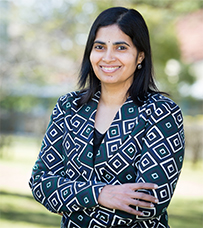
Michelle Fitts is a Senior Research Fellow in the Wellbeing and Preventable Chronic Disease group, focusing on public health research related to Aboriginal and Torres Strait Islander communities, women’s health, and remote healthcare systems. Her work contributes to UN Sustainable Development Goals (SDGs) 3 (Good Health), 5 (Gender Equality), and 8 (Decent Work). Research Interests : Health equity for Indigenous populations Workforce dynamics in remote health services Digital health interventions for substance use Trauma and concussion management Gender-based violence in healthcare contexts Publication Trends : Her recent articles (2024–2025) emphasize qualitative methodologies, workforce retention in Aboriginal-controlled clinics, AI-driven health tools, and trauma-related healthcare disparities. Topics span SDG-aligned areas like chronic disease prevention and gender justice. Network & Collaborations : Collaborates with institutions in Australia’s Northern Territory and Western Australia, focusing on Indigenous health and rural service delivery. Key partnerships include academic teams in public health and emergency medicine.
Libertad González is an Associate Professor of Economics at Universitat Pompeu Fabra and a researcher at the Barcelona School of Economics (Barcelona GSE). She is affiliated with the Department of Economics and Business, located at the Ciutadella Campus in Barcelona. She holds prestigious research grants, including an ICREA Academia Award and an ERC Consolidator Grant, underscoring her leadership in economic research. Research Interests: Her work spans Labor Economics, Public Economics, and Health Economics, with a strong focus on policy-relevant issues such as reproductive rights, parental leave, gender equality, and the socioeconomic impacts of health policies and pandemics. She uses rigorous empirical methods to evaluate long-term outcomes of social and health interventions. Her recent publications analyze the effects of abortion legalization, paternity leave reforms, and the impact of the Covid-19 pandemic on reproductive health. These studies reflect a consistent theme of evaluating how institutional and policy changes affect individual behavior and long-term socioeconomic and health outcomes, particularly for women and families. Scientific Awards: ICREA Academia Award ERC Consolidator Grant Advising and Grants: While specific students are not listed, she leads major funded research projects, including an ERC Consolidator Grant, which supports independent, high-impact research. Her ICREA Academia award recognizes excellence in both research and teaching, suggesting active mentorship and academic leadership. Labs and Research Teams: She collaborates with leading institutions and researchers across Europe, including the Centre for Economic Performance (LSE) and Nada Es Gratis. She is actively engaged in policy communication, presenting her findings through videos, interviews, and public blogs.
Susan Hopkins is a Senior Lecturer in Education (Curriculum and Pedagogy) and Associate Dean (Learning and Teaching) at the School of Education and Tertiary Access , University of the Sunshine Coast , Queensland, Australia. She earned her PhD from Queensland University of Technology and has also served as a Lecturer in Communication at the University of Southern Queensland. Institution: University of the Sunshine Coast School: School of Education and Tertiary Access Rank: Senior Lecturer Leadership Role: Associate Dean (Learning and Teaching) Her research centers on curriculum and pedagogy , with strong interdisciplinary interests in gender studies, media, cultural studies, and feminist theory . She critically examines representations of women, motherhood, sexuality, and power in film and television, often linking popular narratives to broader social and ethical issues such as animal welfare, digital abuse, and environmentalism. Her work frequently appears in public-facing platforms like The Conversation , where she bridges academic insight with accessible commentary. The trends in her recent articles reflect a consistent focus on popular culture as a site of ideological struggle , particularly how gender, power, and identity are constructed and challenged in media. She analyzes genres ranging from horror and documentary to romantic comedy and animated features, often highlighting feminist and postfeminist themes. Her writing reveals a deep engagement with cinematic history, celebrity culture, and the emotional dimensions of storytelling. Susan Hopkins has not been publicly recognized with scientific awards based on available information. She is actively involved in research supervision, consulting, speaking engagements, and media collaborations . Her institutional roles suggest leadership in academic program development and pedagogical innovation. Though no formal lab or research team is mentioned, her public scholarship indicates an influential voice in education and cultural critique.
Miriam Stock is Professor of Cultural Studies at the Institute of Humanities at Pädagogische Hochschule Schwäbisch Gmünd, where she also serves as Director of the Cultural Studies Department and Spokesperson for the Master's program 'Interkultur und Integration.' She is a founding member of the Center for Migration and Integration Studies 'Migration – Society – School.' Dr. Stock holds a PhD in Geography from Europa-Universität Viadrina Frankfurt (Oder) and completed her diploma in Geography at Ludwig-Maximilians-Universität München. Her academic journey includes research fellowships, organizational roles in international projects, and advisory work with refugee communities. Her research focuses on migration geographies, cultural theories, postcolonial approaches, urban development from post-migrant perspectives, and qualitative research methodologies. She examines migration and flight between the Arab region and Europe, urban development and consumption, rural perspectives on migration society, anti-discrimination in schools, critical masculinity and family studies, and theoretical-practical approaches. Dr. Stock's recent publications reveal a strong emphasis on transnational migration experiences, particularly Syrian refugee families, with attention to emotional dimensions, gender dynamics, and educational contexts. Her work frequently bridges theoretical frameworks with practical applications through projects like Erasmus Mundus Joint Master Program 'Education, Migration, and Diversity' (2024-2030). Success Story 2020 award for the Enable project As an advisor, Dr. Stock has supervised PhD candidates like Sara Mazzei (University of Calabria/PH Schwäbisch Gmünd) working on Arab-Islamic education systems in migrant experiences. Her grant portfolio includes significant Erasmus+ projects such as Enable (Self-learning for Arab refugee children) and PARENTable (Communicating with parents of newly migrated children), alongside research funded by the Werner-Zeller Foundation. Dr. Stock leads the Institute for Humanities and directs Cultural Studies department activities, including organizing lecture series on topics like 'Right Established - How the New Right Changes Education and Society,' 'Migration and Body,' and 'Emotions in Migration Society.'
Jennifer Schwartz is the James F. Short Distinguished Professor in the Department of Sociology at Washington State University (WSU). Her research focuses on criminology, stratification/inequalities, communities, and substance use/health. She holds a Ph.D. from Pennsylvania State University (2003). Her work examines crime trends, gender disparities in offending, and the societal implications of criminal justice policies. Key areas include patterns of violence across genders and ages, rural-urban crime dynamics, and corporate financial fraud. Dr. Schwartz has conducted extensive research on drunk driving prevalence, gendered participation in environmental and corporate crimes, and cross-national variations in offending. Her projects often involve data triangulation across multiple sources (arrest records, self-reports, victim data). Notable grants include a National Institute of Justice-funded study on recreational cannabis in Washington State (2018-2019) and collaborative work on 21st-century corporate financial crime (2014-2019). Education: Ph.D., Sociology, Pennsylvania State University, 2003 Her research highlights how societal structures influence criminal behavior, particularly through gendered opportunities and risk preferences. She has published widely in top journals like Criminology and American Sociological Review , analyzing topics such as age-crime curves, rural justice systems, and environmental harm. Grants/Advising: Co-PI on NIJ studies on cannabis policy and corporate fraud; advisor on multiple doctoral projects Labs/Teams: Collaborates with WSU's Criminology Research Group on interdisciplinary projects
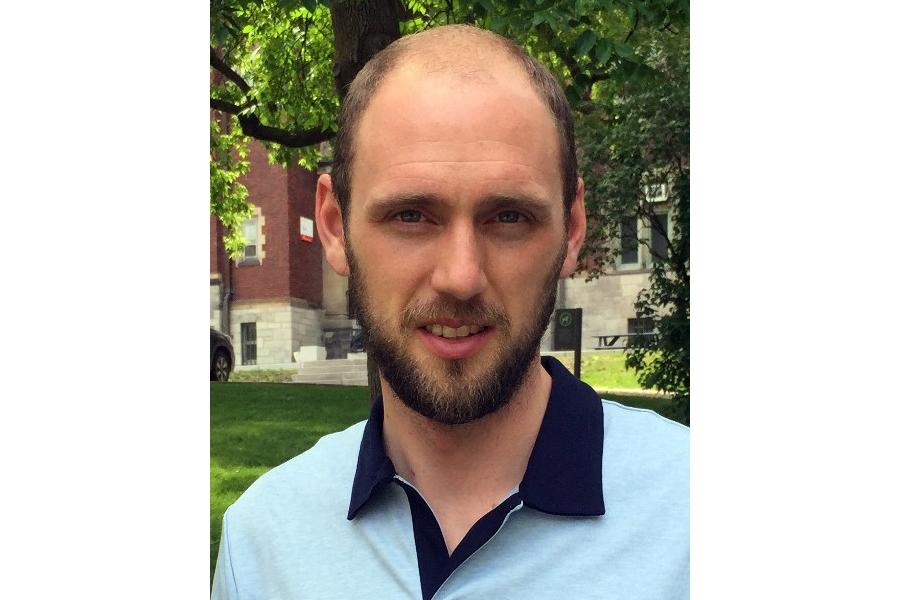
John Aloysius Zinda is an Associate Professor in the Department of Global Development at Cornell University and Director of the Polson Institute for Global Development. His research focuses on socio-environmental interactions, particularly flood risk management in the U.S. and rural development/conservation in China. He is affiliated with the East Asia Program and the Cornell Atkinson Center for Sustainability. Educated at Vanderbilt University (B.A.), Johns Hopkins-Nanjing (Certificate), University of Michigan (M.S.), and the University of Wisconsin-Madison (Ph.D.), Zinda teaches courses on environmental sociology, disaster risk, and GIS methods. His work bridges conceptual frameworks with empirical analyses of social-environmental systems, emphasizing equity and policy impact. Research emphasizes how marginalized communities navigate environmental risks and policies, including flood mitigation in New York and reforestation in China. Recent studies highlight racial disparities in flood preparedness and the tensions between authoritarian governance and ecological conservation. His publications span journals like Environmental Sociology , Society & Natural Resources , and World Development . Teaching includes GDEV 3240: Environmental Sociology and DSOC 6340: Risk and Disaster , fostering analytical skills for social-environmental advocacy. His research teams collaborate with governments and NGOs, producing actionable insights for sustainable development. Zinda's work addresses global challenges through interdisciplinary approaches, linking local practices to macro-level policies.
Jose Antonio Gomez Hernandez is a Professor at the University of Murcia , affiliated with the Faculty of Communication and Documentation and the Department of Library and Documentation Science . He holds a Doctorate from the University of Murcia (2006), completing his thesis on the role of libraries in higher education. His research focuses on public libraries' societal roles, digital literacy, transparency in governance, and social inclusion. Key projects include the IRIS Program , which educates students on transparency and participatory governance. His work emphasizes libraries as hubs for digital empowerment, particularly for marginalized groups like migrant women and vulnerable populations. He has collaborated on projects funded by grants like OTRI 34820, addressing digital competencies and public library innovation. His publications explore topics such as public library functionality, citizen engagement, and the intersection of technology with civic rights. He is part of the Libraries, Archives and Information Culture research group. Recent articles highlight his contributions to understanding digital skills programs, social capital creation in libraries, and the alignment of libraries with UN Sustainable Development Goals. His work bridges academic research with practical initiatives, advocating for libraries as essential institutions in fostering equitable societies.
Margaret Burnett is a Distinguished Professor at Oregon State University's School of Electrical Engineering and Computer Science (EECS). She specializes in software engineering, human-computer interaction (HCI), and inclusive design. Her research focuses on end-user programming, gender-inclusive software (via the GenderMag method), and improving accessibility in AI systems. She leads the EUSES Consortium and the AgAID Institute, fostering collaboration between academia and industry. Education: Ph.D., Computer Science (with honors), University of Kansas (1987–1991) M.S., Computer Science, University of Kansas (1979–1981) B.A. Mathematics, Cum Laude, Phi Beta Kappa, Miami University (1967–1970) Research & Awards: Recipient of the 2023 AnitaB.org Technical Leadership Abie Award, ACM Fellow, IEEE Fellow, and numerous university awards. Her work has been recognized for advancing inclusive design methodologies and mentoring students in computing. Teaching & Mentorship: Teaches courses like Inclusive Design with Personas (CS 468/568). Mentored over 50 graduate students, many of whom became professors, researchers, or UX professionals. Current students include Sadia Afroz, Alec Busteed, and Fatima Moussaoui. Labs & Collaborations: Leads the EUSES Consortium (multi-institution collaboration on end-user software engineering) and the AgAID Institute (AI for agriculture). Active in developing the GenderMag and InclusiveMag methodologies to address gender and socioeconomic biases in software.
James O'Malley is a Professor at The Dartmouth Institute for Health Policy and Clinical Practice and Professor of Biomedical Data Science at the Geisel School of Medicine, Dartmouth College. He holds the prestigious Peggy Y. Thomson Professorship in the Evaluative Clinical Sciences and serves as an Adjunct Professor of Computer Science, demonstrating his interdisciplinary expertise spanning statistics, healthcare policy, and computer science. Dr. O'Malley earned his B.Sc. (Hons) in Statistics from the University of Canterbury, New Zealand (1994), M.S. in Applied Statistics from Purdue University (1999), and Ph.D. in Statistics from the University of Canterbury (1999), followed by a Postdoctoral Fellowship in Biostatistics at Harvard Medical School (2001). His research spans statistical methodology and healthcare applications, with methodological contributions in statistical inference for social networks , multivariate hierarchical models , comparative effectiveness research , and Bayesian analysis . These methods address critical healthcare problems including health-social network relationships , healthcare quality measurement , medical technology diffusion , and comparative effectiveness in vascular surgery, cardiology, and mental health . His work bridges theoretical statistics with practical healthcare challenges through collaborations with physicians, epidemiologists, and health services researchers. Dr. O'Malley's recent publications reveal a strong emphasis on healthcare network analysis, comparative effectiveness research, and methodological innovations. His work examines physician networks and patient outcomes, evaluates surgical interventions, identifies healthcare disparities, and develops novel statistical approaches for complex healthcare data, with significant contributions appearing in high-impact journals across multiple disciplines. Mid-career Excellence award from the Health Policy Section of the ASA Elected fellow of the ASA (2012) ISPOR Award for Excellence in Methodology (2019) Peggy Y. Thomson Professorship (2021) 2025 Research Excellence Award for Senior Faculty in the Foundational Sciences As a dedicated mentor, Dr. O'Malley has supervised numerous post-doctoral fellows and PhD students across multiple programs. He currently leads major research initiatives including NIH/NLM R01LM014233 on Geographic Variations in Health Care, serves as PI for cores in NIH/NIA projects on healthcare inequity in Alzheimer's Disease and Rural Health Care Delivery Science, and contributes to multiple substantial grants totaling millions of dollars. He previously chaired the Health Policy Statistics Section of the ASA and co-chaired the 2011 International Conference on Health Policy Statistics. Dr. O'Malley co-organized the Dartmouth Interdisciplinary Network Research (DINR) seminar series (2014-2020) and serves as an Associate Editor for Statistics in Medicine and Observational Studies, demonstrating his commitment to advancing methodological research and fostering interdisciplinary collaboration in health services research.
Dr. Andrea M. Brown is an Associate Professor in the Department of Political Science at Wilfrid Laurier University's Faculty of Arts. Her research focuses on urban food security, governance in East Africa (Uganda, Kenya, Tanzania), migration dynamics, and co-productive governance models. She examines how policy frameworks address urban poverty, women's political inclusion, and informal settlement challenges in African cities. Her work emphasizes participatory governance approaches and their implications for marginalized urban populations. Notable projects include analyses of Uganda's urban policies, refugee food security in Kampala, and women's rights in African urban contexts. Dr. Brown’s research bridges political theory, development studies, and urban sociology to address pressing challenges in African urbanization. She teaches courses on African politics, urban governance, and development studies. Her office is located in DAWB 4-128, with weekly office hours on Mondays 1:30-2:30pm. She speaks English professionally and is actively involved in mentoring students exploring urban development and African governance topics.
Dr. Andrew Hatala is an Associate Professor in the Department of Community Health Sciences at the Max Rady College of Medicine, University of Manitoba. His research focuses on arts-based methodologies, community psychology, Indigenous knowledge systems, and health equity. He examines social and cultural determinants of health, particularly among Indigenous communities in Canada and Belize. Education: PhD in Psychology (Culture, Health, and Human Development), University of Saskatchewan (2014) CIHR Post-Doctorate Fellowship in Community Health and Epidemiology, University of Saskatchewan (2016) Bachelor of Arts (Psychology), University of Saskatchewan (2008) Research Interests: Youth resilience and mental wellness Indigenous healing practices and epistemology Photovoice and ethnographic methodologies Health equity in urban and rural contexts Affiliations: Research Scientist at Children’s Hospital Research Institute of Manitoba (CHRIM) Research Affiliate at Ongomiizwin Indigenous Health Research Institute Member of CIHR College of Reviewers Editorial Board Member of BMC Public Health Awards: CIHR New Investigator Award (2017–2021) Advising & Grants: He currently advises master’s and PhD students in community health sciences. His work emphasizes decolonizing methodologies and systemic equity in healthcare. Labs/Teams: Engages with Indigenous-led research teams and collaborates with CHRIM to address health disparities through participatory approaches.
Professor Sujana Adapa is a Professor and Head of the UNE Business School at the University of New England. She specializes in Management (Strategy & Marketing) and teaches courses such as Strategic Marketing and Consumer Behaviour. Her research focuses on SMEs, corporate social responsibility (CSR), technology adoption, and gender diversity. She holds a BSc (Ag), MSc (Ag), MBA (India), and PhD (UNE). **Education**: BSc (Agriculture) MSc (Agriculture) MBA (India) PhD (University of New England) **Research Interests**: Consumer studies, gender research, technology adoption, regional entrepreneurship, SMEs, sustainability, and CSR. Current projects include studies on women’s career progression in accounting firms and CSR practices in SMEs across Australia, Malaysia, and India. **Awards**: 2016 ANZAM Educator of the Year 2016 Australian Awards for University Teaching Citation 2016 HEA Senior Fellowship (UK) Multiple LearnX Awards (2015–2016) **Grants and Roles**: Grants totaling over $1M in areas like workplace safety, innovation ecosystems, and inclusive workplaces. Deputy Head of School (2019), Course Coordinator (2017–2019), and equity committee roles. Editorial roles for journals like Small Enterprise Research . **Teaching and Leadership**: Awards include the 2017 UNE Teaching Excellence Award for multimedia-enhanced teaching. She supervises HDR students in marketing, consumer behavior, and SME innovation.
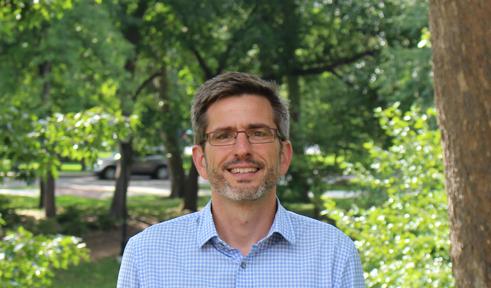
Thomas Smucker is a Professor and Graduate Chair in the Department of Geography at Ohio University's College of Arts and Sciences. He is based in Clippinger Hall on the Athens Campus and is affiliated with International Studies, African Studies, and International Development Studies programs. His research centers on human-environment interactions in East Africa, with a focus on climate change adaptation, food security, rural livelihoods, and environmental governance. He integrates local knowledge systems and political economy frameworks to understand vulnerability and resilience in African drylands. His interdisciplinary work is supported by NSF-funded projects including EACLIPSE and LKCCAP. Dr. Smucker teaches courses in human geography, development, food security, and environmental change. His recent publications reflect a strong emphasis on gender, governance, and community-based adaptation. He has contributed to the IPCC's Sixth Assessment Report as a Contributing Author and currently serves as Editor of the Research in International Studies, Africa Series at Ohio University Press. Advising and Mentoring Award, Center for International Studies, 2021 Grasselli Brown Outstanding Teacher Award, College of Arts and Sciences, 2021 He mentors master’s students conducting field research in Ghana, the Gambia, Kenya, Tanzania, India, and Brazil. His advising emphasizes field-based, interdisciplinary inquiry into development and environmental challenges. He has been involved in projects supported by the National Science Foundation and other international research initiatives. Dr. Smucker’s research is deeply collaborative, often involving multi-institutional teams and local stakeholders. His work on the convergence of climate adaptation, disaster risk reduction, and land restoration highlights institutional innovation under devolved governance in Kenya. He is committed to centering non-climatic drivers in vulnerability analysis and advancing social justice in environmental policy.
Maree Higgins is a Senior Lecturer at the University of New South Wales (UNSW) , affiliated with the Faculty of Arts and Social Sciences and the School of Social Work . She serves as the Social Work Honours Program Convenor and is an Associate of the Australian Institute of Human Rights , with links to the Forced Migration Research Network , Kaldor Centre , and Gendered Violence Research Network . Education : Doctor of Philosophy (Social Work), Australian Catholic University (ACU National) Bachelor of Social Work (Hons First Class), UNSW Research Interests : Maree’s work centers on social justice , human rights , and contextualized lived experience , with a focus on refugee and migrant populations , disability studies , aged care , criminal justice reform , and participatory research methods . Her recent publications emphasize lived experience-led knowledge , co-design practices , and trauma-informed approaches . Grants : She has secured funding for projects like Missing Girls: from childhood runaway to criminalised woman (2022–2025; $204,307) and Ethics and community-based participatory research in refugee studies (2019; $5,000). Supervision : Maree supervises PhD candidates in areas such as intellectual disability and support needs , intimate partner violence , and border policy impacts on asylum seekers . Her completions include honors and master’s theses on autonomy in eating disorder treatment , technology-facilitated abuse , and Aboriginal women in maternity care . Professional Engagement : She collaborates with organizations including STARTTS , Foundation House , Black Dog Institute , and Prince of Wales Hospital , while actively participating in Australian Heads of Schools of Social Work , National Field Educational Network , and African Studies Association of Australasia and the Pacific .
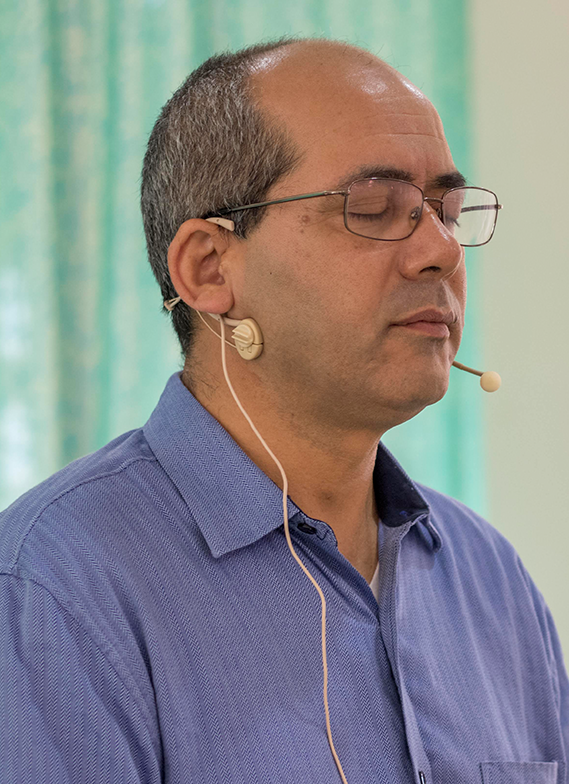
Lobsang Tenzin Negi is a Teaching Professor in Emory University’s Department of Religion and Executive Director of the Center for Contemplative Science and Compassion-Based Ethics (Emory Compassion Center). He leads initiatives integrating Tibetan Buddhist contemplative practices with modern scientific research, including developing programs like Cognitively-Based Compassion Training (CBCT®), the Emory-Tibet Science Initiative (ETSI), and the SEE Learning® framework. Born in a Himalayan region, he holds a PhD from Emory University and a Geshe Lharampa degree from Drepung Loseling Monastery. His work bridges contemplative science, education, and global ethics, emphasizing compassion as essential for human flourishing. Education: PhD, Emory University, 1999 (interdisciplinary dissertation on Buddhist and Western approaches to emotions) Geshe Lharampa, Drepung Loseling Monastic University, 1994 (highest Tibetan monastic degree) MA, Institute for Buddhist Dialectics, 1984 Research & Programs: Compassion Science: Examines compassion’s effects on mental/physical health and social well-being through CBCT®. ETSI: Develops modern science curricula for Tibetan monastics, training them as educators and researchers. SEE Learning®: Global K-12/Higher Ed framework for social, emotional, and ethical education. Mind-Body Sciences Program: Offers study abroad courses in India, integrating Tibetan Buddhism with Western science. Recent Article Trends: Focus on compassion’s applications in healthcare (PTSD, depression, HIV), education (SEL frameworks), and interdisciplinary mind-body research. Studies emphasize measurable impacts on neurology, immune response, and behavioral outcomes. Awards & Honors: While no specific prizes are listed, his leadership roles and global partnerships (e.g., with His Holiness the Dalai Lama) reflect recognition in contemplative science and intercultural education. Grants & Advising: Oversees multi-year initiatives like Tibet Week and the Emory-Tibet Partnership renewal. Advises on global compassion programs and collaborates with institutions like the Piramal Foundation in India. Labs/Teams: Directs the Emory Compassion Center and collaborates with Drepung Loseling Monastery, Emory’s Institute of Tibetan Studies, and international partners to advance compassion-based research and education.