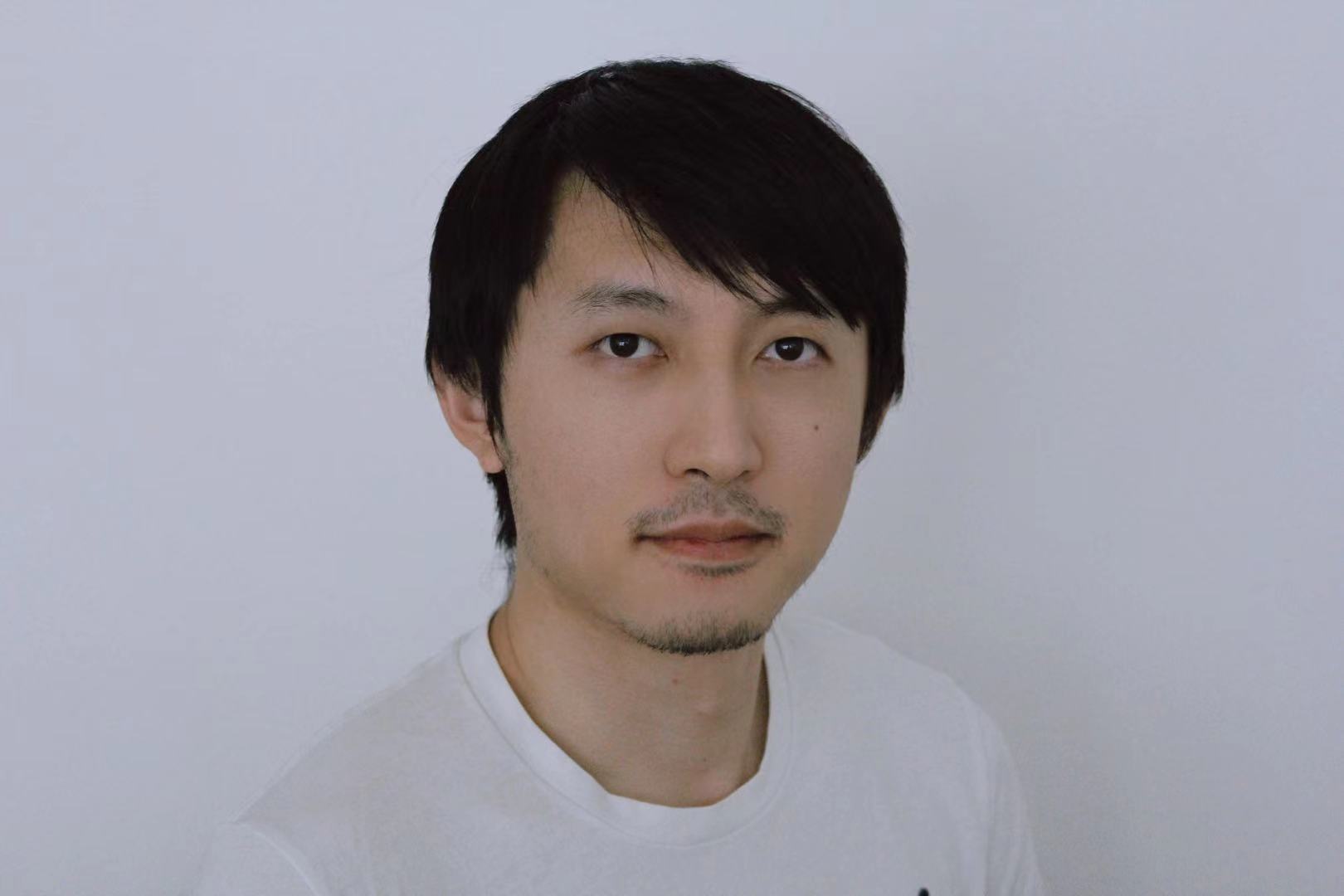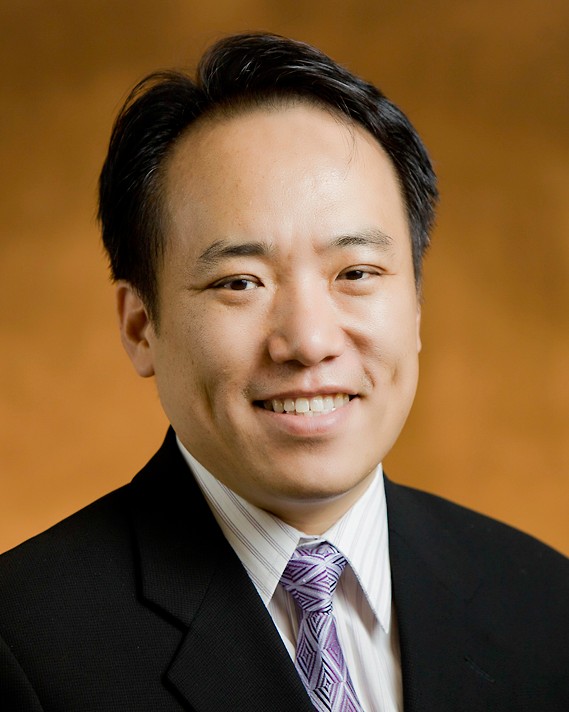
Youngjoong Joo serves as a Professor in the Department of Electrical and Computer Engineering at the University of Texas at San Antonio (UTSA), housed within the Margie and Bill Klesse College of Engineering and Integrated Design. His academic foundation includes a Ph.D. from the Georgia Institute of Technology (1999), which anchors his technical expertise in integrated circuit design and sensor systems. Ph.D., Georgia Institute of Technology, 1999 Joo's research spans CMOS analog and mixed-signal circuits, low-power systems, smart camera architectures, optical/UWB transceivers, RFID, and smart sensor networks. His work consistently bridges theoretical circuit design with practical applications in imaging, wireless communications, and biomedical sensing. Notable contributions include self-reset CMOS image sensors achieving >105dB dynamic range, gold nanorod-enhanced SPR biosensors, and energy-efficient UWB transceivers for sub-GHz applications. His methodologies emphasize noise reduction, dynamic range optimization, and nanoscale integration for real-world deployment. Analysis of Joo's 15 most recent publications reveals a strong focus on CMOS-based sensor and transceiver systems , with 60% targeting imaging applications (e.g., high-dynamic-range sensors) and 40% addressing wireless communications (UWB/RFID). Key trends include nanomaterial integration for biosensing (2010-2013), precision pulse-shaping for UWB (2006-2012), and architectural innovations for low-power operation. His work consistently appears in IEEE journals and conferences, demonstrating sustained impact in circuit design. While no formal advising relationships or grant details are explicitly documented in the source material, Joo's extensive publication record (12+ peer-reviewed journal articles and 20+ conference papers since 2000) indicates active research leadership. His collaborations span institutions including Georgia Tech and industry partners, focusing on heterogeneous integration of optical/electronic systems. Joo maintains laboratory facilities for CMOS sensor development and UWB transceiver prototyping, with documented work on focal-plane arrays, optical interconnects, and nanoscale biosensors. His lab bridges VLSI design, electromagnetic modeling, and system-level validation for applications ranging from emergency response RFID to medical diagnostics.