Prof. Adrian Fassbind is a faculty member at the Zurich University of Applied Sciences School of Engineering , specializing in product development and mechanical systems. His research focuses on innovative engineering solutions for industrial applications. Location: Lagerplatz 22, 8400 Winterthur Contact: +41 (0) 58 934 76 00 Email: adrian.fassbind@zhaw.ch Research Interests span product development, electrification of transport vehicles, automatic testing systems, and additive manufacturing. Current projects include next-generation high-pressure pumps for sewer cleaning and hybrid precision load cells. Recent Publications highlight his work in thermo-chemical simulation models for biomass gasification and ceramic microextrusion techniques. These contributions reflect interdisciplinary applications in energy systems and advanced manufacturing. Industry Collaborations involve partnerships on bobbin winder/coater systems, excavator locking mechanisms, and smart infrastructure technologies like parking guidance systems and silicone mixers.
Deepu J Babu is an Assistant Professor in the Department of Materials Science And Metallurgical Engineering at the Indian Institute of Technology Hyderabad . He leads the NanoPorous Materials Lab (NPML) , focusing on interdisciplinary research at the intersection of materials science , chemistry , and climate change mitigation . Research Interests : Nanoporous materials, carbon nanomaterials (CNT, graphene), metal-organic frameworks (MOFs), chemical vapor deposition, CO2 capture, and membrane technologies. Teaching : Courses include Carbon Capture Utilization and Storage , Soft and Porous Materials , Introduction to Climate Change , and Research Methodology , co-taught with colleagues. Nanoporous Materials Research : Dr. Babu’s work centers on synthesizing and characterizing nanoporous materials for gas separation and carbon capture. His lab explores carbon nanomaterials (e.g., CNT, graphene) and MOFs, emphasizing scalable methods like chemical vapor deposition and electrophoretic crystallization. Applications include CO2 sieving, direct air capture, and environmental remediation. Publication Trends : His research spans materials synthesis , gas separation mechanisms , and environmental applications , with a focus on graphene membranes , MOF thin films , and conjugated porous polymers . Recent studies address scalable manufacturing, lattice engineering, and wettability patterning. Notable Collaborations : Dr. Babu collaborates with institutions in Germany (Technische Universität Darmstadt) and Switzerland (École Polytechnique Fédérale de Lausanne) on advanced materials for energy and environmental challenges.
Luca Fiori is a Full Professor at the Department of Civil, Environmental and Mechanical Engineering, University of Trento. His work integrates chemical engineering principles with environmental applications, focusing on sustainable technologies for biomass conversion and waste valorization. Education: Laurea in Chemical Engineering (1998), PhD in Chemical Engineering (2003) Academic Career: Researcher (2004), confirmed faculty (2007) Research Interests: Specializing in two key areas: (1) Supercritical fluid extraction for food industry byproducts valorization, particularly grape seeds and agricultural waste; (2) Thermochemical conversion of biomass through pyrolysis and gasification. His work includes experimental setup of supercritical extraction labs and development of solid-gas equilibrium models for biomass conversion. Recent Research Trends: Focus on hydrothermal carbonization (HTC) for bioplastic disposal, wastewater treatment materials, and biofuel production. Collaborative projects bridge pulp&paper, waste treatment, and chemical industries through HTC integration. Scientific Awards: PAT-CRS 2007 funding for supercritical CO2 extraction research Labs & Infrastructure: Developed ex novo supercritical fluid extraction laboratory and experimental gasification/pyrolysis apparatus. Specialized in MATLAB/Cantera modeling and CFD simulations for reactor design.
Rajan Kumar Thapa serves as Professor in the Department of Process, Energy and Environmental Technology at the Faculty of Technology, Natural Sciences and Maritime Sciences, University of South-Eastern Norway. Based at the Porsgrunn campus, he holds dual responsibilities in advanced structural engineering education and cutting-edge renewable energy research. His research portfolio centers on sustainable energy systems with emphasis on: Biomass gasification optimization in fluidized bed reactors Computational modeling of multiphase fluid-particle interactions Thermochemical conversion processes for waste valorization Structural integrity analysis of industrial piping systems Professor Thapa's work bridges theoretical modeling with practical engineering applications, targeting efficiency improvements in renewable energy infrastructure. His doctoral research established foundational methodologies for flow behavior optimization in biomass conversion systems. He actively mentors PhD, Master's and Bachelor's students while teaching specialized courses in Pipe and Structure Material Engineering. Current supervision focuses on computational energy systems and structural reliability projects within Norway's sustainable technology framework.
Jean-François LARGEAU is a Teacher-researcher at IMT Atlantique Nantes, affiliated with the GREEN team and the Department of Energy Systems and Environment (Département Systèmes Énergétiques et Environnement) at Institut Mines-Télécom. He has been an associate researcher at GEPEA since 2014 and maintains strong connections with Icam where he began his academic career in 2011. His educational background includes a Master's degree in Fluid Mechanics and Turbulence from the University of Poitiers, followed by a doctorate in Acoustics and Dynamics of Unsteady Flows in 2004. Prior to entering academia, Dr. LARGEAU gained valuable industry experience working for R&D support companies serving major industrial groups and later with the Trelleborg/Tristone group in the automotive plastics industry. Dr. LARGEAU's research focuses on the energy recovery of waste through thermochemical processes, particularly pyrolysis and gasification to produce alternative fuels. His work aims to optimize the pyro-gasification process through both experimental studies on prototypes and comprehensive modeling approaches. His recent publications demonstrate a strong emphasis on converting various biomass wastes and challenging materials like used tires and petroleum sludge into valuable energy products. His research output shows a clear progression toward more sustainable waste-to-energy solutions, with particular attention to orange peels, agro-food wastes, and other abundant biomass resources. The work often combines experimental characterization with advanced modeling techniques to understand the fundamental processes and optimize conversion efficiency. 31 publications with 10,386 reads and 464 citations Active research in biomass energy, biofuels, biogasification, and biogas production Focus on practical applications of waste-to-energy technologies Dr. LARGEAU's advisory work appears to focus on graduate students involved in energy systems research, particularly those working on waste conversion technologies. His collaborations span multiple institutions, with strong ties to Mohand Tazerout's research group. His laboratory work centers on experimental studies of pyrolysis and gasification processes, with facilities for prototype testing and material characterization. The research group appears to have active projects on various waste streams including biomass wastes, used tires, and petroleum sludge.
Khaled Loubar serves as a Senior Lecturer at IMT Atlantique (Nantes, France) since 2009, previously affiliated with École des Mines de Nantes prior to its integration into IMT Atlantique. He is an active researcher within the GEPEA (Génie des Procédés, Environnement, Agroalimentaire) unit, specifically contributing to the GREEN research team focused on sustainable energy systems. His academic credentials include: Engineering degree in Energy from INGM, Algeria Master's degree in Energy Systems from EMP, Algeria PhD in Energy Systems from the University of Nantes (2006) Dr. Loubar's research program centers on thermochemical conversion technologies for waste-derived fuels, with significant expertise in pyrolysis, gasification, and hydroliquefaction processes. His work systematically addresses the critical interface between alternative fuel production and engine adaptation requirements, developing practical solutions for integrating waste-derived energy carriers into existing thermal machine infrastructure while maximizing energy recovery efficiency from residual streams. His research maintains strong industry connections forged during his tenure at Veolia Environnement (2006-2009), ensuring practical relevance to real-world waste valorization challenges. As a member of the GREEN team at GEPEA, he contributes to IMT Atlantique's strategic focus on sustainable process engineering and environmental technology development.
Massimo Migliori serves as Associate Professor in Industrial and Technological Chemistry at the University of Calabria's Department of Environmental Engineering (DIAm), where he leads research in sustainable chemical processes and green chemistry. His institutional roles include membership in ANVUR's national evaluation body (GEV09) and prior service on the University Academic Senate (2012-2021). Research focuses on biomass valorization through supercritical water gasification, nanomaterial development for bio-fuel production, biogas purification via membrane separation, and waste plastic upcycling . Key methodologies integrate pilot-scale process engineering with nanomaterials characterization, emphasizing circular economy applications. His work targets industrial implementation through strong industry partnerships. Recent publications (2024-2026) demonstrate concentrated expertise in zeolite catalysis for biomass conversion, with 60% of output addressing acidity control in ZSM-5 for olefin production and biogas upgrading. Trends show increasing integration of techno-economic analysis using industrial data and advanced materials characterization for gas storage applications. Active funding includes EU M-ERA.NET project BIOVALUE (2019-present) and industry collaboration with TECHFEM S.p.A. Current projects span biogas upgrading (SYNREATTORE), PVC recycling (PVC UpCycling), and Italy-China biowaste conversion (B2CLIF). These provide substantial resources for graduate research and industrial technology transfer. The Chemical Engineering Catalysis and Sustainable Processes laboratory operates pilot-scale facilities for supercritical water gasification and membrane separation, enabling direct validation of research concepts for biogas grid injection and waste plastic recycling. This infrastructure supports strong industry-academia collaboration on implementable green chemistry solutions.
Dr. Herman Haustein is a Senior Lecturer at Tel Aviv University's School of Mechanical Engineering, where he heads the Micro Phase & Heat Transfer Laboratory . His research focuses on thermal management challenges in microelectronics through advanced heat transfer mechanisms. Education: B.Sc. with highest honors and direct Ph.D. from Technion Postdoctoral research at RWTH Aachen University, Germany Research Focus: Dr. Haustein investigates multiphase flow dynamics and phase-change phenomena, specializing in: Boiling mechanisms (nucleate pool, droplet) Impinging jet heat transfer (free-surface/submerged) Microscale convective enhancement Wavy film dynamics for cooling applications His work bridges experimental thermofluid dynamics with predictive modeling for electronic thermal management. Publication Trends: Recent articles (2012-2018) demonstrate consistent focus on experimental and theoretical analysis of boiling dynamics, jet impingement cooling, and reactive flows. Dominant methodologies include high-speed flow visualization, kinetic modeling of phase transitions, and optimization of thermal transport in constrained geometries.
Joakim Lundgren is a Professor in Energy Engineering at Luleå University of Technology, specifically within the Division of Energy Science in the Department of Engineering Sciences and Mathematics. He holds additional prestigious positions as a Guest Professor at the Department of Chemical Engineering at KTH Royal Institute of Technology in Stockholm and as a Guest Senior Research Scholar at the Agriculture, Forestry, and Ecosystem Services Research Group at the Institute of Applied Systems Analysis (IIASA) in Austria. His research interests focus on energy systems analysis with special emphasis on bioenergy applications, fossil-free hydrogen production, and the efficient integration of biorefinery pathways into existing industrial infrastructures. His work particularly explores thermochemical biomass conversion processes and their integration with industrial systems. Lundgren's research has significant implications for decarbonizing hard-to-abate sectors through innovative energy solutions. Analysis of his recent publications reveals a strong focus on biomass gasification for hydrogen production, carbon capture technologies, and the integration of renewable energy systems with industrial processes. His work demonstrates a consistent trajectory toward developing economically viable and environmentally sustainable energy solutions, with particular attention to techno-economic assessments and life cycle analyses of emerging energy technologies. Lundgren serves as the Deputy Director of CH 2 ESS (Center for Hydrogen Energy Systems Sweden), a research initiative at Luleå University of Technology focused on fossil-free hydrogen production and utilization. Since 2019, he has represented Sweden in IEA Bioenergy, Task 33 (Thermal gasification of biomass and waste), where he leads the sub-task on gasification-based hydrogen production. His teaching responsibilities include the course F7040T Renewable transportation fuels, reflecting his expertise in sustainable energy systems. Outside his academic work, Lundgren has personal interests in food and drinks, cooking, travel, and socializing with friends and family.
Jan Pettersson is a Professor in the Department of Chemistry and Molecular Biology at the University of Gothenburg, where he leads research on atmospheric aerosols and their dual impact on human health and Earth's climate system. His work bridges laboratory experiments, theoretical modeling, and global field studies to address critical environmental challenges. His research focuses on: Atmospheric aerosol formation and transformation processes Cloud-aerosol interactions affecting climate Chemical analysis of airborne nanoparticles using advanced mass spectrometry Health and climate impacts of combustion and marine aerosols Field characterization of particles across diverse global environments Recent publications (2023-2025) reveal a strong emphasis on chemical speciation of atmospheric particles, particularly salt aerosols and combustion emissions. His work combines cutting-edge analytical techniques (XPS, surface ionization) with climate-relevant studies, often through international collaborations. Key themes include surface composition dynamics, alkali release mechanisms in energy systems, and planetary atmospheric processes. Professor Pettersson teaches core courses including Aerosols (KEM720) and Environmental Chemistry (KEM490), where he integrates his research on air pollution and climate science. His active publication record indicates ongoing research funding, though specific grants aren't detailed. Students benefit from opportunities in instrument development, laboratory experimentation, and field studies addressing urgent environmental questions. His research group develops specialized analytical systems for nanoparticle characterization, enabling unique insights into atmospheric processes. Current projects examine particle surface chemistry under environmentally relevant conditions, with implications for both climate modeling and air quality management worldwide.
apl. Prof. Dr.-Ing. Jörg Matthes is an Associate Professor at the Karlsruhe Institute of Technology (KIT), affiliated with the Institute for Automation and Applied Informatics (IAI). His research focuses on developing advanced measurement systems for industrial applications under extreme conditions, particularly high-temperature and high-pressure environments. His primary research interests include: Automation systems and applied informatics High-speed imaging and optical measurement technology Image processing for industrial flame characterization Gasification technology and energy systems Industrial process monitoring under extreme conditions Prof. Matthes has developed innovative camera-based measurement systems capable of operating under harsh conditions (up to 1200°C and 40 bar pressure) to monitor and characterize flame properties in industrial gasifiers. His recent work demonstrates the application of these systems in the bioliq® process for synthetic fuel production from biomass residues and waste materials, addressing critical challenges in flame stability monitoring for fluctuating fuel specifications. His notable contributions include: Development of a high-speed camera-based measurement system for high-pressure entrained-flow gasification Advanced image processing techniques for determining flame parameters like lift-off distance and flame angle Methods for analyzing flame size dynamics to detect instabilities at early stages Validation of measurement reproducibility over extended operation periods (29+ hours) Prof. Matthes' research has direct applications in optimizing energy conversion processes, particularly for sustainable fuel production. His work bridges the gap between theoretical image processing and practical industrial implementation in challenging environments, providing valuable tools for process optimization and stability monitoring in energy technology.
Reinhard Rauch is a Professor at the Karlsruhe Institute of Technology (KIT), affiliated with the Engler-Bunte-Institut's department of Chemical Energy Carriers – Fuel Technology. His research centers on sustainable energy solutions, particularly Fischer-Tropsch synthesis, biomass gasification, hydrogen production, and catalytic biofuel refinement. He maintains active collaborations, including international projects in Thailand focused on dual fluidized bed gasification systems. His work addresses critical challenges in renewable energy, such as optimizing gasification parameters, developing Fe-based catalysts for hydrocarbon synthesis, and integrating renewable fuels into existing refinery infrastructures. Recent publications emphasize process efficiency, waste valorization (e.g., plastic pyrolysis), and scalable biofuel production. Research interests include: Renewable hydrocarbon production via Fischer-Tropsch Biomass and waste gasification for hydrogen/syngas Catalytic upgrading of biofuels to meet industrial standards Hybrid processing of fossil and renewable feedstocks No awards, lab-specific details, or active student advisees are documented. For collaboration, contact reinhard.rauch@does-not-exist.kit.edu.
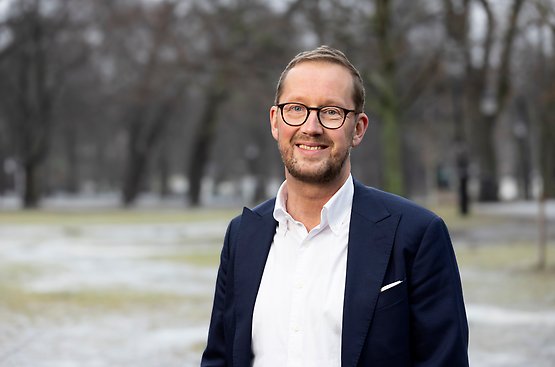
Ali Valizadeh is a Postdoctoral Researcher in the Energy Science division of the Department of Engineering Sciences and Mathematics at Luleå University of Technology, Sweden, focusing on sustainable energy conversion technologies. His academic foundation includes: B.Sc. in Chemical Engineering from Shiraz University, Iran Master's degree in Chemical Engineering from Shiraz University, Iran Dr. Valizadeh's research centers on fluidized bed gasification and combustion of biomass, with specialization in bed particle agglomeration mechanisms, ash chemistry, and alternative fuel utilization. His work bridges fundamental thermodynamics with industrial process optimization, addressing critical challenges in biomass energy conversion systems through experimental and computational approaches. Recent publications (2024-2025) demonstrate consistent focus on bed material behavior across diverse biomass feedstocks, revealing how fuel composition (particularly P-rich chicken litter and cashew shells) influences layer formation, particle integrity, and system performance. This research employs advanced characterization techniques to develop predictive models for industrial-scale applications.
Andrea Toffolo is a Professor in the Department of Engineering Sciences and Mathematics at Luleå University of Technology, specializing in Energy Engineering within the Energy Science division. His academic work spans thermal energy systems, biomass conversion, and sustainable fuel production technologies. Professor Toffolo's research focuses on innovative energy solutions including Fischer-Tropsch liquid production, waste heat recovery using supercritical CO2 cycles, and integration of renewable electricity with biomass conversion processes. His work combines technical engineering analysis with economic evaluation to assess the viability of emerging energy technologies for decarbonization. His recent publications (2022-2025) demonstrate a strong focus on sustainable energy systems, with particular attention to carbon efficiency in biofuel production, heat reuse applications, and policy implications for energy transitions. The research shows increasing integration of electrification with traditional thermal processes to improve sustainability metrics. Professor Toffolo teaches advanced courses in thermal turbomachinery, aircraft engine technology, internal combustion engines, and process integration and optimization, reflecting his expertise across multiple energy conversion domains. His collaborative research approach is evident through partnerships with institutions like RISE Research Institutes of Sweden, particularly on projects related to advanced biofuels and energy system analysis. His work addresses critical challenges in energy transition, with practical applications for industrial decarbonization and sustainable fuel production.
Dr. Scott Adams serves as a Senior Lecturer at Deakin University within the Faculty of Science Engineering and Built Environment, School of Engineering, and is affiliated with the Centre for Sustainable Bio-Products. His research spans multiple engineering disciplines with a strong emphasis on sustainable technologies, artificial intelligence applications, and biomedical device development. Dr. Adams earned his Doctor of Philosophy and dual Bachelor degrees (Engineering with Honours and Information Technology with Distinction) from Deakin University. His academic journey progressed from Postdoctoral Research Fellow (2019-2022) to his current Senior Lecturer position. His research interests focus on data management and data science, electronics and sensor technology, control engineering, mechatronics, robotics, and biomedical engineering . His work demonstrates particular expertise in sustainable waste management systems, AI-driven monitoring solutions, and neural interface technologies. Dr. Adams has developed innovative approaches to tyre recycling, solar panel inspection, greenhouse monitoring, and neural microprobes with adaptive stiffness. An analysis of his recent publications reveals a strong trend toward sustainable engineering solutions with applications in waste recycling (particularly end-of-life tyres and solar panels), AI-enhanced monitoring systems for environmental and agricultural applications, and advanced biomedical devices featuring novel materials and control systems. His interdisciplinary approach bridges mechanical engineering, computer science, and environmental science. Dr. Adams actively supervises numerous doctoral students across diverse engineering projects and has secured substantial research funding through multiple industry collaborations. His grants portfolio includes significant projects such as the Commercialisation of an Automated Mobile EOL Solar PV Panel Recovery Plant ($345,925), End of Life Tyres to Green Hydrogen ($23,745,206), and various contracts with rail companies, energy firms, and agricultural technology developers. His teaching responsibilities include units such as SEE216 - Analogue and Digital Electronics, SEJ102 - Electrical Systems Engineering Project, and SEE711 - Sensor Networks. Dr. Adams has developed several innovative devices including the SmartStim AI-enabled deep brain stimulation device, AgriGlow IoT multi-spectral light sensing system, and automated soil gas monitoring technology, demonstrating his commitment to translating research into practical applications.


 (2) Ali3.jpg)