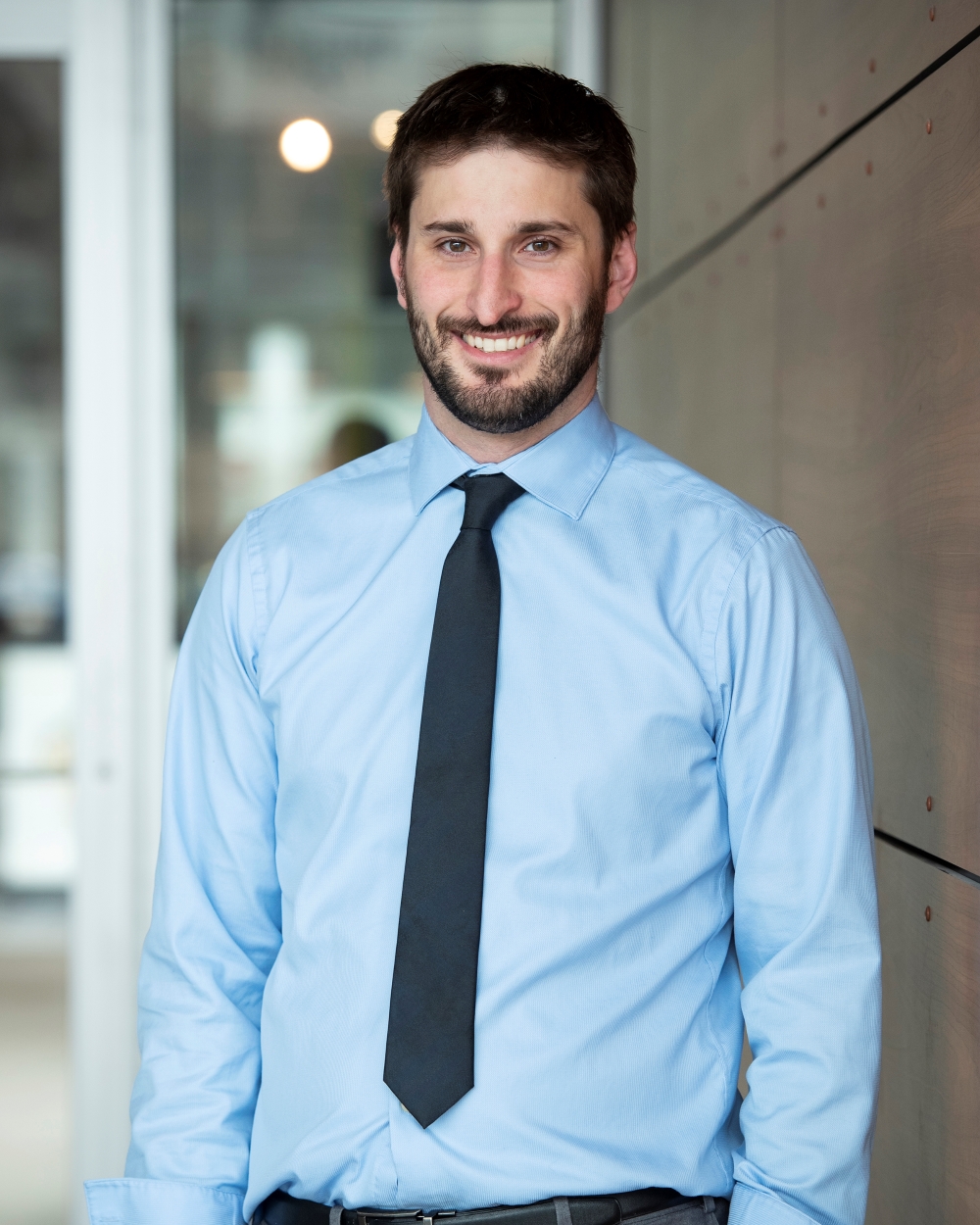
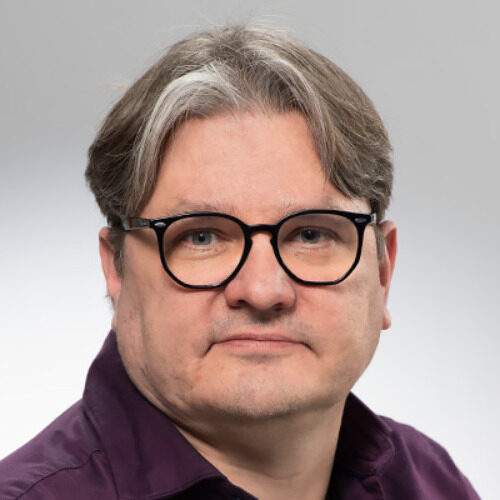
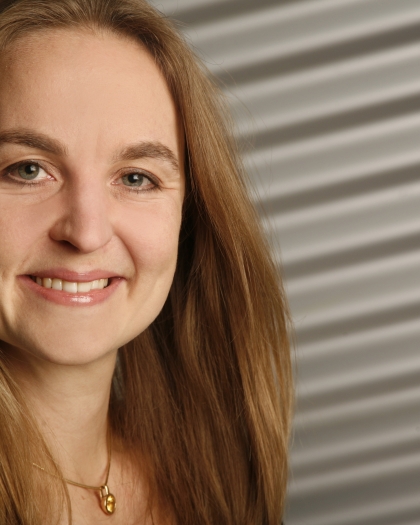
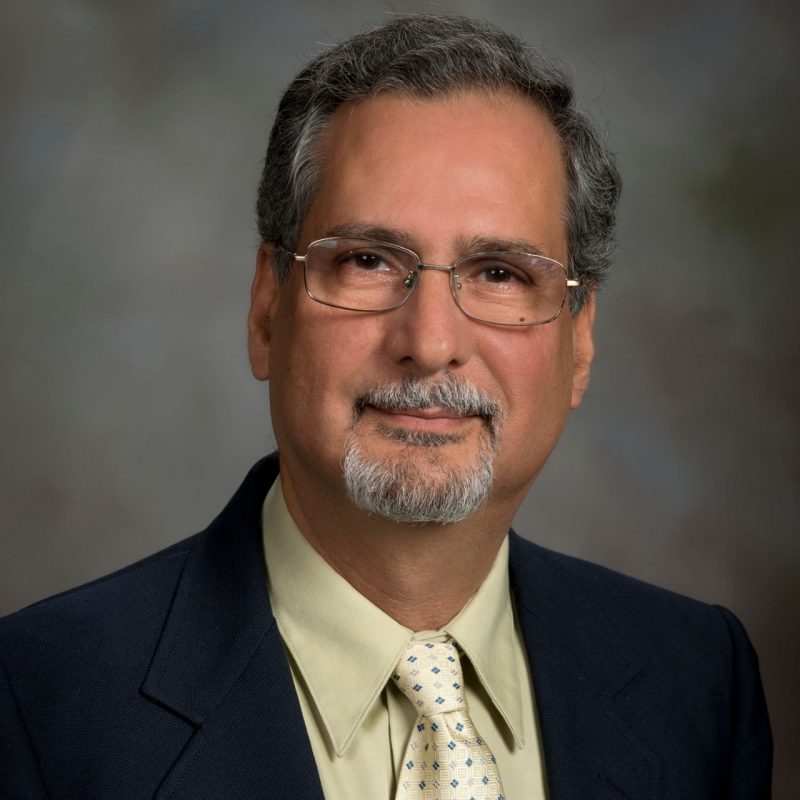
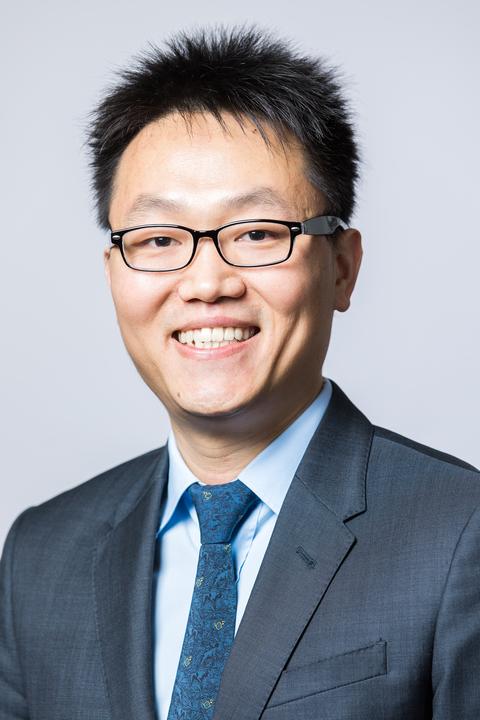
Dr. Mehdi Jafarian is a Senior Lecturer in the School of Chemical Engineering at the University of Adelaide . His work focuses on hydrogen production , CO2 capture , solar thermal energy , and chemical looping combustion . Key research areas include: Solar thermal integration in industrial processes Hydrogen generation via methane pyrolysis CO2 sequestration technologies Advanced water treatment systems Thermochemical energy storage Research Trends : Recent publications emphasize hydrogen production optimization , PFAS removal , and molten metal reactor systems . Sub-fields span flash reactor modeling , hydrodynamic cavitation , and membrane-free electrolysis . Contact : mehdi.jafarian@adelaide.edu.au
Andrew Sowinski serves as Associate Professor and Vice-dean of Programs at the School of Engineering Design and Teaching Innovation within the Faculty of Engineering at the University of Ottawa. Holding a Ph.D. from the University of Ottawa, his office is located in STE 1024Q with contact details including phone 613-562-5800 ext. 6288 and email sowinski@uOttawa.ca. Education: Ph.D. from University of Ottawa His research spans two primary domains: electrostatic phenomena in gas-solid systems and engineering education innovation. In electrostatics, he investigates contact electrification mechanisms in polyethylene fluidized beds, particle charging dynamics, reactor wall fouling, and pneumatic conveying systems, employing both experimental and computational (CFD) approaches. His education research focuses on developing non-traditional multidisciplinary design programs within conventional engineering faculties, addressing curriculum design, student recruitment, and assessment methodologies. Analysis of his 2021-2025 publications reveals consistent dual-focus work: electrostatics research emphasizes charge generation/mitigation in industrial polymerization processes, while education studies explore structural and implementation challenges of cross-disciplinary programs. His electrostatics work frequently combines particle-level charging experiments with system-level CFD modeling, while education publications document practical frameworks for program development amid traditional faculty structures. Scientific Awards: No scientific awards were documented in provided materials Advising and Grants: Specific details regarding graduate students, research grants, or funding sources were not disclosed in the source documentation, though his program leadership role as Vice-dean of Programs suggests significant administrative responsibilities in curriculum development and resource allocation.
Lasse Heikkinen is a Senior Lecturer at the Department of Technical Physics, Faculty of Science, Forestry and Technology, University of Eastern Finland. His work spans applied physics, process tomography, and educational technology, with a focus on innovative teaching methods like flipped classrooms during the pandemic. Current Role: Deputy Head of Department, Senior University Lecturer Research Themes: Electrical impedance tomography for industrial processes, flipped teaching frameworks, and physics education adaptation to remote learning. Recent publications highlight his dual expertise in process tomography (gas-solid flows, pharmaceutical monitoring) and pedagogical innovation (learning analytics, flipped classrooms). He has contributed to educational manuals and toolkits for teacher training. Key Projects: Technology education infrastructure development (2015–2024), pandemic-era teaching adjustments (2022). Collaborations: Active in international process tomography conferences and multidisciplinary teams like the Ameba project.
Jean Lachaud is a researcher at the Institute of Mechanics and Engineering (I2M) affiliated with the TREFLE - Transfers, Fluids and Energy department at the University of Bordeaux. His work focuses on thermal and mechanical behavior of porous and reactive materials, particularly in high-temperature environments. Research Interests : Porous media physics, pyrolysis modeling, thermal protection systems, acoustic wave propagation, multiscale simulations. Projects : Involved in ANR, PEPR, and European initiatives related to energy efficiency, material durability, and environmental engineering. His recent publications emphasize thermal non-equilibrium models , biomass pyrolysis , and ablative material response for aerospace applications. He develops computational tools like PATO and integrates experimental data with numerical simulations to study gasification, oxidation, and heat transfer phenomena. Contact : jean.lachaud@u-bordeaux.fr
Dr. Rajesh Sathiyamoorthy is an Associate Professor in the Department of Civil Engineering at the Indian Institute of Technology Kanpur (IIT Kanpur), specialising in Geotechnical Engineering. Since joining IIT Kanpur in 2011, he has built a strong research portfolio, secured competitive funding, and received numerous accolades for his contributions to environmental geotechnology and unsaturated soil mechanics. Education PhD, Indian Institute of Technology Bombay, India (2010) M.E., College of Engineering Guindy, Anna University, India (2002) B.E., Vellore Engineering College, University of Madras, India (2000) Research Interests Dr. Sathiyamoorthy’s research is centred on the behaviour of unsaturated soils, environmental geotechnics, and innovative ground-improvement techniques. His work employs advanced numerical and physical modelling to address challenges in landfill barrier design, soil–structure interaction, and performance of geosynthetically reinforced systems. A distinctive feature of his investigations is the integration of field-scale problems with controlled laboratory and centrifuge testing, coupled with state-of-the-art computational tools. Scientific Awards & Fellowships IEI Young Engineers Award 2013-2014 (Civil Engineering) – The Institution of Engineers (India) Talented Young Scientist Fellowship 2019 – Ministry of Science and Technology, China Distinguished Alumni Award 2019 (Academic & Research) – VIT University Best Paper Awards (Environmental Geotechnology) – Indian Geotechnical Society, 2019 & 2015 Best Paper Award – International Geotechnical Engineering Conference on Sustainability 2016 IGS Prof. A.V. Shroff Biannual Award 2013 – Indian Geotechnical Society International Geosynthetics Society Student Award 2012 – IGS, USA Best Paper Award 2010 – Geotextiles and Geomembranes Research Funding & Collaborations Dr. Sathiyamoorthy has successfully led multiple sponsored projects worth several crores of rupees from agencies such as SERB-DST, BRNS-DAE, Shanghai Council of Science & Technology, RDSO Lucknow, and PAAB-MHRD. These projects span centrifuge modelling of embankments on encased stone columns, hydro-mechanical behaviour of compacted soils, reliability-based assessment of landfill slopes, and field validation of stabilised subgrade materials for pavements. His international collaboration includes joint research at Tongji University, Shanghai, under the Talented Young Scientist Fellowship. Laboratories & Teams He heads experimental activities in the Geotechnical Engineering Laboratory at IIT Kanpur, where his group maintains specialised equipment for unsaturated soil testing, geosynthetic evaluation, and centrifuge modelling. The research team comprises doctoral scholars, master’s students, and project staff working on inter-related themes of environmental geotechnology and ground improvement.
Hubert Chanson is Professor of Civil Engineering at the University of Queensland, Australia, where he has held a faculty position since 1990 after six years in industry. His work focuses on environmental fluid mechanics and hydraulic engineering through theoretical, experimental, and numerical approaches. His research centers on environmental fluid mechanics and hydraulic engineering , particularly flows around hydraulic structures, gas-liquid/solid-liquid two-phase free-surface flows, and turbulence in steady/unsteady open channels. He integrates computational modeling, laboratory experiments, and field observations to study natural disasters like tsunamis and thunderstorms, emphasizing forensic analysis of real-world events. Professor Chanson leads a research group of 5–10 members and has published over 1,250 peer-reviewed works, including two dozen books. He serves as Senior Editor for Environmental Fluid Mechanics and on editorial boards of International Journal of Multiphase Flow and Flow Measurement and Instrumentation . His conference leadership includes chairing the 34th IAHR World Congress (2011) and 22nd Australasian Fluid Mechanics Conference (2020).
Professor Yiu-Wing Mai is a University Chair and Professor of Mechanical Engineering at The University of Sydney, affiliated with the School of Aerospace, Mechanical and Mechatronic Engineering. He is a globally recognized authority in fracture mechanics and advanced materials science, with contributions spanning four decades. His research focuses on nanocomposites, electromagnetic materials, and fracture mechanics models for composites and ceramics. Mai has pioneered methods for strengthening and toughening materials, including the crack-wake bridging model and essential work of fracture framework. His academic distinctions include Fellowships from the Royal Society, Australian Academy of Science, and Chinese Academy of Engineering. He has received prestigious awards such as the AA Griffith Medal (2016), AGM Michell Medal (2016), and ICCM21 Scala Award (2017). Mai’s work has practical applications in industries like green manufacturing and battery technology. Research interests include polymer nanocomposites, multifunctional materials (e.g., fire-retardant composites), and energy storage systems. His recent studies emphasize nanotechnology-driven advancements in Li-ion batteries and thermal management materials. Mai has authored over 500 publications and holds honorary professorships at institutions worldwide.
Ashwani Gupta is a distinguished University Professor of Mechanical Engineering at the University of Maryland. His research focuses on combustion science, pyrolysis, and waste-to-energy technologies. Key areas include swirl flows, fuel sprays, high-temperature combustion, and environmental pollution mitigation. He has pioneered studies on catalytic pyrolysis of biomass/plastics and CO2-assisted gasification. Education details are not explicitly stated, but his academic role suggests advanced qualifications in mechanical engineering. Research interests span thermal sciences, renewable energy, and sustainable processes. Over 50 peer-reviewed articles (2022–2024) highlight work on co-pyrolysis of biomass/plastics, hydrogen-enriched combustion, and distributed combustion regimes. Notable contributions include thermal barrier coating advancements and wastewater toxicity studies in Pisum sativum. Publications frequently address synergistic effects in thermochemical processes, waste valorization, and energy recovery from expired food/industrial waste. His work integrates experimental and computational methods, with applications in micro-combustor design and carbon-neutral technologies. No listed awards, but his high citation count reflects academic impact. Advising and grants details are not provided. Research teams likely focus on combustion dynamics and environmental engineering. Active in interdisciplinary projects, including clinical trials on yoga for diabetes prevention and Ayurvedic dietary interventions.
Dr. Lintong Hou is a Researcher at Hamburg University of Technology (TUHH) in the Department of Geo-Hydroinformatics since July 2024. He holds a BSc in Civil Engineering from China University of Mining and Technology-Beijing (2018) and a PhD in Mechanical Engineering from the Institute of Mechanics, Chinese Academy of Sciences (2024), followed by postdoctoral research there. His expertise lies in multiphase flow dynamics, focusing on gas-liquid-solid phase interactions, phase separation under extreme conditions, and experimental methodologies for mass/energy transfer challenges. His current research at TUHH addresses river evaporation losses, aiming to quantify global fluvial network evaporation through multi-factor analysis. Prior work includes studies on oil-water emulsification, polymer rheology, and electrical resistance tomography applications. Key research interests include multiphase flow behavior, rheological modeling, and flow regime transitions in complex systems. Publications span Chemical Engineering Science, Industrial & Engineering Chemistry Research, and Ocean Engineering, emphasizing experimental and computational analyses of flow phenomena. His work bridges fundamental fluid mechanics with practical applications in environmental and energy sectors.
Hamid Emami-Meybodi is an Associate Professor at the Pennsylvania State University within the Department of Energy & Mineral Engineering (College of Earth and Mineral Sciences). His research focuses on unconventional reservoirs, hydrocarbon recovery, and carbon dioxide sequestration in geological formations. Research Themes : Climate and Natural Systems, Integrated Energy Systems Affiliations : Affiliate Researcher, International Energy Agency (IEE) Research Interests include hydraulic fracturing, gas transport in nanoporous media, diffusion coefficients, and enhanced oil recovery techniques. His work often integrates machine learning with energy systems analysis. Recent Publications emphasize binary gas transport modeling, CO₂ storage optimization, and unconventional reservoir dynamics, with applications to shale gas, hydrogen storage, and climate impact assessments. Collaborations span institutions in China, Canada, and Kazakhstan, including projects on CCUS (Carbon Capture, Utilization, and Storage) and AI applications in energy industries. Laboratory Focus : His research involves advanced modeling of fluid transport in dual-scale porous media and surface diffusion mechanisms in unconventional reservoirs.
Bodil Holst is a Professor at the University of Bergen's Department of Physics and Technology , specializing in surface science and scientific instrumentation development . Her research spans 2D materials , helium atom scattering , and archaeometry applications. She leads projects like Nanometer-Resolution Matter-Wave Lithography (FET-Open), 2D Material Properties (NFR FRIPRO), and Wind Turbine Erosion Prevention (Equinor). Her Nanophysics Group has produced groundbreaking work on graphene's temperature-dependent rigidity and icephobic surfaces . First neutral helium microscope images (2008) Recorded bending rigidity of 2D materials (2018-2021) Developed solid-state conversion techniques for sapphire (2017-2021) Her teaching innovations in classical mechanics explore retrieval practice and digital learning structure , documented in Physics Education and Physical Review Physics Education Research .
Danesh Tafti is the William S. Cross Professor and Associate Department Head for Graduate Studies in the Department of Mechanical Engineering at Virginia Tech. He holds a PhD from Pennsylvania State University (1989) and has held roles at institutions including the University of Illinois at Urbana-Champaign and West Virginia Institute of Technology. His research focuses on computational fluid dynamics (CFD) and heat transfer, with applications in gas turbines, biomedical systems, and renewable energy. Key research areas include turbulence modeling, fluid-structure interaction, and biofluid mechanics, leveraging high-performance computing. His work spans aerodynamics of flapping flight, cardiovascular flows, and particle-laden flows. Tafti leads the High Performance Computational Fluid-Thermal Science and Engineering Lab, developing tools like GenIDLEST software for complex fluid-thermal systems analysis. Education: PhD (Penn State, 1989), MS (Texas Tech, 1983), BE (Bombay University, 1980) Awards: ASME Fellow (2014), Virginia Tech Dean’s Research Award (2012) Labs: High Performance Computational Fluid-Thermal Science and Engineering Lab Publications emphasize CFD advancements, machine learning integration, and multiphase flow modeling. Tafti’s work bridges computational methods with real-world applications in energy systems, aerospace, and biomedicine.
Dr. Wei Sun is a Chancellor's Fellow (equivalent to Assistant Professor) in Energy Systems Integration at the University of Edinburgh's School of Engineering. His research specializes in low-carbon energy systems with high renewable penetration, utilizing data science and optimization techniques. He contributes to major initiatives like the National Centre for Energy Systems Integration (CESI) and Hydrogen’s Value in Energy Systems (HYVE). Research encompasses network integration of distributed energy resources, climate impacts on renewables, and multi-vector energy systems. Recent publications focus on hybrid energy storage, hydrogen integration, and machine learning applications for system optimization. He holds professional credentials as a Chartered Engineer (CEng) with memberships in IET and IEEE. Teaching includes Hydropower Design Projects and Renewable Energy Fundamentals. Visiting research affiliations include University College London, enhancing collaborative networks in energy systems research.
Professor Daniel Blankschtein is the Herman P. Meissner (1929) Professor in the Department of Chemical Engineering at MIT. His research focuses on colloid and interface science, with applications in energy, nanotechnology, and biomedical engineering. He has pioneered studies on surfactant systems, 2D nanomaterials (e.g., graphene, carbon nanotubes), and interfacial phenomena involving electronic polarization effects. Blankschtein has authored over 230 publications and 15 patents, and his textbook Lectures in Classical Thermodynamics with an Introduction to Statistical Mechanics (2021) synthesizes decades of teaching expertise. Education: PhD (1983), MSc (1979), BSc (1977) in Chemical Engineering from Tel-Aviv University. His awards include the Capers and Marion McDonald Award (2015) and multiple MIT Outstanding Faculty Awards. He leads the DB Group, which develops theoretical and experimental frameworks for nanomaterials and surfactant systems, with applications in water desalination, drug delivery, and energy storage. Research highlights include molecular simulations of water slip flow in carbon nanotubes, ion adsorption at solid-water interfaces, and surfactant-mediated stabilization of nanomaterials. His work bridges fundamental thermodynamics with practical engineering solutions, emphasizing pedagogy and mentorship. Recent projects explore polarization-driven interfacial effects and nanoconfined fluid behavior. Lab Group: DB Group at MIT ChemE Key Collaborations: MIT Energy Initiative, National Science Foundation Grants: Seed grants for energy storage and nanomaterials research
Peter Martin is a Senior Lecturer in Chemical Engineering at the School of Chemical Engineering and Analytical Science, The University of Manchester. He leads the Multiphase Processing Group, which has secured over £4.1M in public and industrial funding. Current affiliation: The University of Manchester (2012–present) Prior roles: Lecturer (2007–2012), fixed-term Lecturer at University of Oxford (2004–2007) Education: PhD in Chemical Engineering, University of Cambridge (2002) MEng in Engineering Science, University of Oxford (1998) His research spans three themes: biosurfactant production/characterization, structured liquids/soft solids, and multiphase processes for MEG reclamation in oil/gas industries. He utilizes advanced techniques like Electrical Resistance Tomography and collaborates with Unilever and Cameron on industrial projects. Recent publications focus on membrane distillation for desalination, high-viscosity mixing analysis, and laser spectroscopy applications. He received the EPSRC Challenging Engineering award in 2011.