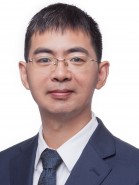
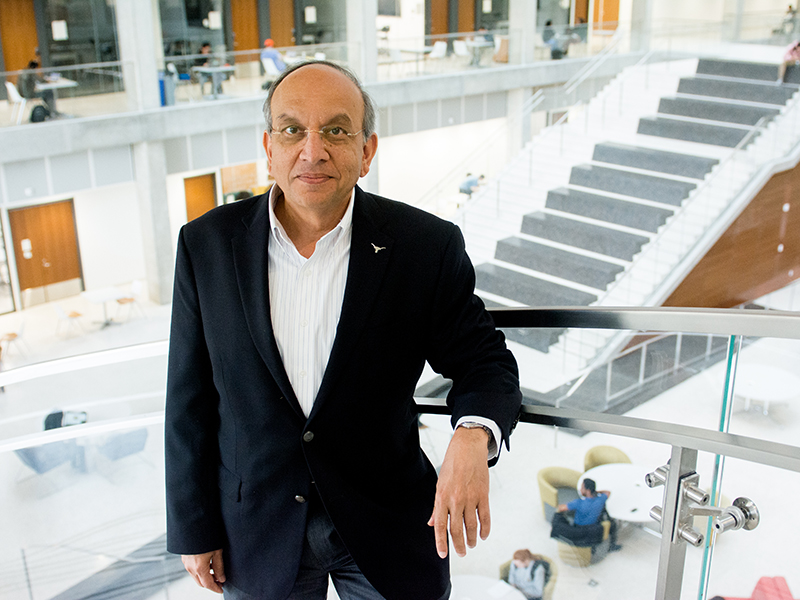
Professor Mamdud Hossain is a Professor of Future Energy at the School of Engineering, Robert Gordon University, where he leads the Energy Research Group comprising 10 academic staff and 35 PhD students. His academic appointments include membership on the Science Board of the EPSRC Hydrogen and Fuel Cell Supergen Hub and the EPSRC Reviewer College, along with serving as an Academic Adviser to the Commonwealth Scholarship Commission. Professor Hossain's research spans computational modeling of energy systems with a focus on hydrogen fuel cells, tidal and wave energy, multiphase flows for the oil and gas industry, and thermal management systems. His work combines advanced Computational Fluid Dynamics with practical energy applications, addressing challenges in hydrogen production, geothermal energy, and carbon capture technologies. His recent publications (2024-2025) demonstrate a strong focus on solid oxide electrolysis cells, hydrogen production technologies, and machine learning applications in energy systems. These works show a clear trend toward integrating advanced computational methods with practical energy solutions, particularly in the areas of hydrogen economy and carbon management. Senior Fellow of the Higher Education Academy Chartered Engineer Science Board member of EPSRC Hydrogen and Fuel Cell Supergen Hub Member of EPSRC Reviewer College Academic Adviser to the Commonwealth Scholarship Commission Professor Hossain has secured substantial research funding from Oil and Gas Technology Centre, Net Zero Technology Centre, Scottish Funding Council, Innovate UK, and the Carnegie Trust, along with numerous industry partners. He has supervised 15 PhD students to completion and currently supervises 10 PhD students across diverse energy research topics. His research group maintains strong industry connections, providing students with practical experience alongside academic training. As leader of the Energy Research Group, Professor Hossain oversees a vibrant research environment focused on sustainable energy solutions. The group's work spans from fundamental computational modeling to applied research with direct industry relevance, particularly in the transition to net-zero energy systems.