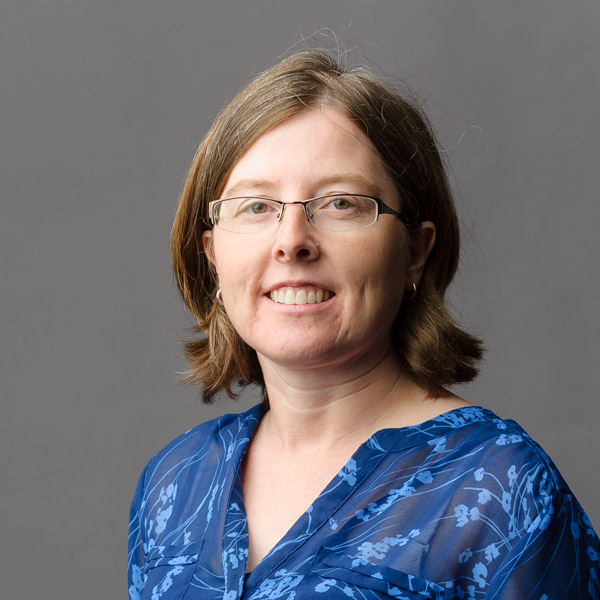
Niharika Baruah is a Researcher in the Department of Electrical and Electronic Engineering at the University of Manchester. Her work focuses on dielectric materials, electrical insulation systems, and nanotechnology applications in energy systems. She contributes to UN Sustainable Development Goals related to affordable and clean energy (SDG 7) and industry innovation. Her research expertise includes: Transformer insulation systems Dielectric breakdown mechanisms Nanoparticle-enhanced insulating fluids Thermal/oxidative aging effects Gas insulation systems Machine learning for dielectric analysis Recent work emphasizes: DC conductivity of natural ester oils for HVDC applications Moisture extraction using metal-organic frameworks C4-FN/CO₂ insulating gas mixtures First-principles modeling of metal/oil interfaces Publications (2021-2024) explore: Nanofluid dielectric behavior under frequency variations Machine learning predictive models for insulation health Thermal gravimetric analysis of aged insulation
Carsten Mehring is affiliated with the University of Stuttgart as part of the Institute team, holding a contact address at Böblinger Str. 72 in Stuttgart. His academic career includes roles such as Adjunct Associate Professor (2013–2018) at the University of California, Irvine, and Adjunct Professor (2005–2006) at the University of San Diego. He has extensive industry experience, including Engineering Manager positions at Parker Aerospace and UTC Aerospace Systems, focusing on combustion and CFD/thermal analysis. Education highlights include a Ph.D. in Mechanical and Aerospace Engineering from UC Irvine (1999), an M.Sc. in Mechanical Engineering from UC Irvine (1995), and a Dipl.-Ing. in Aerospace Engineering from Universität Stuttgart (1993). He also holds management certifications from MIT and UC San Diego. His research interests span fluid dynamics, combustion, multiphase flows, and thermal systems. Notable contributions include studies on liquid sheet instability, aerosol dispersion, and heat exchanger optimization. Recent publications (2020–2025) emphasize CFD modeling, aerosol dynamics, and advanced atomization techniques. Dr. Mehring has been recognized with eight US patents, the Artur Fischer Inventor Prize, and multiple industry awards. His work bridges academia and industry, with patents addressing inerting systems, fuel injectors, and microfluidic devices.
E. Harriet Åhlgren is an Academy Research Fellow in the Department of Physics at the University of Helsinki. She holds an external position as Research Fellow at the University of Vienna. Her research focuses on nanomaterials, particularly exploring graphene-based systems, 2D materials, and atomic-scale manipulation using advanced microscopy techniques. She leads the Active Metal atoms on functional nanoplatforms (Minos) project funded by the Research Council of Finland (2023–2027). Her work integrates computational simulations and experimental methods like scanning transmission electron microscopy (STEM) to study defect engineering, nanocluster formation, and ion implantation effects in materials. Key projects involve creating nanoporous graphene structures, studying noble gas encapsulation, and analyzing impurity atom configurations in diamond. Åhlgren has actively participated in international conferences, organizing workshops on atomic structure analysis and delivering invited talks on topics such as ultra-low energy ion implantation and in-situ material manipulation. Her research outputs span over 14 peer-reviewed articles since 2011, covering topics from graphene growth to quantum center imaging in diamond. Her lab employs integrated vacuum setups for material growth and manipulation, enabling real-time STEM analysis. Current research emphasizes functional nanoplatforms for next-generation materials, with a focus on applications in electronics and catalysis.
Nobuo Maeda, Ph.D., P.Eng., is an Associate Professor in the Department of Civil and Environmental Engineering at the University of Alberta. His research focuses on phase transitions, nucleation phenomena, gas hydrates, and flow assurance in petroleum systems. He holds professional affiliations with the American Chemical Society, Society of Petroleum Engineers, and other industry organizations. Maeda earned his Ph.D. in Physical Sciences and Engineering from the Australian National University (2001), MSc in Materials Science from JAIST (1997), and BEng in Applied Physics from Tohoku University (1992). His honors include an Australian Research Council Future Fellowship (2010) and an Honorary Fellowship from the University of Melbourne (2012). Research interests span nucleation of ice and gas hydrates, wax deposition, surface interactions, and colloidal systems. Current projects investigate nucleation mechanisms in clathrate hydrates and ice, with applications in energy systems and environmental engineering. His work integrates experimental methods like high-pressure calorimetry and microfluidic systems to study hydrate formation dynamics. Teaching responsibilities include PET E 484 (Oil and Gas Property Evaluation) and PET E 668 (Flow Assurance), emphasizing investment decision-making, flowline risk factors, and multiphase flow analysis. Recent publications explore microbubble-enhanced water treatment, adsorption mechanisms at oil-water interfaces, and CO₂ hydrate dissociation in electrolytes. Maeda's expertise is reflected in over 150 peer-reviewed articles and collaborations across academia and industry. His lab develops novel inhibitors for flow assurance and studies nanobubble stability in confined geometries, contributing to both theoretical and applied energy solutions.
Kenneth Kiger is a Professor and Associate Dean of Undergraduate Programs in the Department of Mechanical Engineering at the University of Maryland, College Park. He holds the endowed Keystone Professor title and is affiliated with the Maryland Energy Innovation Institute and Brain and Behavior Institute. His research focuses on fluid mechanics and experimental techniques, with emphasis on multi-phase flows, particle-turbulence interaction, turbulent mixing in complex geometries, and applications in nuclear reactor safety, spray cooling, and sediment transport. Dr. Kiger earned his Ph.D. in Mechanical Engineering from the University of California, San Diego (1995). He has received the National Science Foundation CAREER Award (1997) and the Distinguished Scholar-Teacher award from the University of Maryland. His work has advanced fluid dynamics education and curriculum development, particularly in hands-on engineering pedagogy. His research employs advanced experimental methods like Particle Image Velocimetry (PIV) and Laser Induced Fluorescence (LIF). Notable projects include studying air entrainment by plunging jets, boron mixing in nuclear reactors, and the dynamics of sediment-laden flows. He has contributed to biomimetic fluid dynamics, exploring gill kinematics in mayfly nymphs, and developed novel measurement techniques for two-phase flows. Prof. Kiger actively engages in academic service, serving on the organizing committee for the APS Division of Fluid Dynamics Annual Meeting (2000) and as a reviewer for journals including Physics of Fluids and Journal of Fluid Mechanics. He has mentored numerous students and pioneered educational initiatives such as mastery-based assessment approaches in engineering education. His lab work involves fluid-structure interaction studies, particularly flexible plate impacts on water surfaces, and high-fidelity simulations of complex fluid dynamics phenomena. Recent contributions address environmental fluid mechanics (e.g., foundry physics modeling) and energy-related applications (e.g., spray cooling for electronics).
Tomer Duman is a Research Assistant Professor at the University of New Mexico's Department of Biology, focusing on ecosystem-atmosphere interactions. His research examines how environmental changes—including extreme drought, wildfires, and land cover shifts—affect carbon, water, and energy fluxes in semiarid ecosystems. Using numerical modeling and high-frequency atmospheric measurements, he studies turbulence, flux footprints, and vegetation resilience. Duman holds a PhD in Agricultural Engineering from Technion – Israel Institute of Technology (2012) and a bachelor's degree from the same institution (2006). He completed postdoctoral work at Duke University and Rutgers University before joining UNM in 2018. His publications emphasize climate impacts on ecosystems, carbon flux quantification, and turbulence modeling. Recent work analyzes drought-induced productivity losses, land cover feedbacks on surface temperatures, and eddy-covariance techniques. Collaborative projects include AmeriFlux network studies and rangeland carbon dynamics modeling.
Martin Magnusson is a Senior Lecturer in the Department of Physics at Lund University, Faculty of Engineering (LTH). He is a Principal Investigator at NanoLund: Centre for Nanoscience and Deputy Head of Department. His roles include Director of Studies for the National Resource Centre for Physics Education, teaching the course FAFA45 (Thermodynamics and Electricity) for civil engineering students. Research Interests: His work centers on nanowire growth (particularly Aerotaxy technology), semiconductor nanoparticles, aerosol-based manufacturing, and laser diagnostics. His research aligns with UN Sustainable Development Goals in Condensed Matter Physics, Nano-technology, and biophysics applications. Article Trends: His recent publications focus on nanowire biosensing, laser diagnostics for nanoparticle growth, and stability of aerosol-generated nanoparticles. Keywords include Nanowires Optical Diagnostics Bayesian Modeling Photolysis Aerosol-Liquid Interactions
Professor Eva Gutheil is a distinguished academic at the Interdisciplinary Center for Scientific Computing (IWR) at the University of Heidelberg, where she leads a prominent research group focused on multiphase flows and combustion processes. Her work spans technical combustion systems, atmospheric processes, and biofluid mechanical applications, making significant contributions to both fundamental understanding and practical engineering solutions. Her research interests encompass multiphase flows , combustion processes , droplet vaporization , laminar spray flames , PDF methods , and flamelet modeling . Professor Gutheil's work addresses critical challenges in energy production efficiency, stability, safety, and pollutant emissions across various technical combustion systems including internal engine combustion, industrial furnaces, and gas turbine combustion. Her research extends to atmospheric processes like ozone depletion and biofluid mechanical applications such as particle dispersion in human airways and blood flow in cerebral aneurysms. Analysis of her recent publications reveals a strong focus on computational modeling of complex flow phenomena, with increasing attention to bioreactor hydrodynamics, atmospheric chemistry applications, and advanced nanoparticle synthesis techniques. Her work demonstrates a consistent trajectory toward more sophisticated modeling approaches that integrate multiple physical phenomena across different scales. Professor Gutheil has mentored numerous PhD students and research assistants, as evidenced by the extensive list of current and former group members. Her research group includes specialists in computational fluid dynamics, combustion modeling, and atmospheric chemistry applications. The research group operates within the Interdisciplinary Center for Scientific Computing at the University of Heidelberg, utilizing advanced computational resources for modeling and simulation of complex flow phenomena. Their work bridges fundamental fluid dynamics with practical applications across energy systems, environmental science, and biomedical engineering.
Dr. Thomas George Woodcock is a Research Fellow at the Leibniz Institute for Solid State and Materials Research Dresden (IFW Dresden) within the Magnetic Materials Group. His work focuses on the interplay between material microstructure and functional properties, particularly in magnetic materials. Education : Master's in Materials Science and Engineering from the University of Sheffield, PhD in Materials Science from the University of Birmingham. Employing multi-scale characterization techniques such as aberration-corrected TEM/STEM, EBSD, and synchrotron diffraction, he investigates atomic-scale interfaces, grain-level phenomena, and magnetic domain structures. His recent publications emphasize permanent magnet development, computational data analysis, and phase stability in MnAl-C and Ni-Mn-Ga systems. Scientific contributions include: Marie Curie Postdoctoral Fellowship Editorial Assistant for Journal of Alloys and Compounds (2010-2020) Co-organizer of nanomagnetism symposia Program committee member for major magnetism conferences He actively contributes to Python-based data analysis tools and micromagnetic modeling, advancing sustainable magnet technologies without rare-earth elements.
Michael McLachlan is a Professor at the Department of Environmental Science, Stockholm University, with over 30 years of expertise in environmental contaminant dynamics. His research focuses on understanding the relationship between chemical emissions and human/wildlife exposure through processes like phase partitioning, intercompartmental transport, and bioaccumulation. Develops novel analytical methods for environmental monitoring Conducts laboratory and field studies on contaminant behavior Leads mathematical modeling of chemical fate Pioneering work on chemical persistence assessment Recent publications demonstrate his leadership in improving OECD testing protocols, establishing environmental persistence metrics, and elucidating surfactant bioaccumulation mechanisms. His work provides critical insights for regulatory frameworks like the Stockholm Convention. Teaching responsibilities include program leadership for the Miljö- och hälsoskydd masters program and courses on contaminant degradation. Active projects focus on optimizing persistence testing and enhancing environmental relevance in biotransformation assessments.
Prof. Nurten VARDAR serves as Professor at Yıldız Technical University's Naval Architecture and Maritime Faculty, Department of Naval Architecture and Marine Engineering since 2013, having previously held the position of Associate Professor from 2005-2013. She holds significant administrative roles including University Executive Board Member (2021-Present) and Rector's Advisor (2020-Present), demonstrating leadership beyond her academic responsibilities. Her academic journey shows progressive advancement through departmental and faculty leadership positions since joining the university in 1999. Prof. VARDAR's research spans Marine Sciences and Technology, Mechanical Engineering, Energy, and Fluid Mechanics with particular expertise in Ship Hydromechanics and Ship Machines. Her scholarly work demonstrates a clear progression from fundamental fluid dynamics research to applied environmental solutions for maritime operations. She has made substantial contributions to understanding ship wastewater management, emissions from maritime transportation, and fluid flow phenomena critical to marine engineering applications. Her publication portfolio reveals a strategic shift toward sustainable maritime practices, with recent research focusing on energy analysis for passenger transport in the Istanbul Strait, advanced pollution monitoring systems, and wastewater treatment technologies for cruise ships. The SMARTPOL project represents her cutting-edge approach to environmental monitoring using autonomous sensor networks, addressing critical challenges in Mediterranean maritime operations. With 17 theses supervised across doctoral and master's levels, Prof. VARDAR has mentored numerous students investigating topics ranging from Taylor-Couette-Poiseuille flow to ship machinery and environmental impacts. Her research funding portfolio includes significant projects like the TÜBİTAK International Multi-Cooperation Project on marine pollution monitoring (2022-2025) and BMC POWER torque converter design studies (2019-2020), demonstrating her ability to secure competitive research funding. Prof. VARDAR's peer review activities for prestigious journals including ENERGY and Atmospheric Environment highlight her standing in the academic community. Her extensive publication record (102 WoS-indexed publications) with strong citation metrics (266 H-Index in WoS) underscores the impact and relevance of her research in addressing contemporary challenges in maritime engineering and environmental protection.
Tanja McKay is Professor of Entomology and Department Chair of Biological Sciences within the College of Agriculture at Arkansas State University. Her work bridges agricultural and medical entomology, focusing on practical pest management solutions for food security and public health through innovative research and academic leadership. Her educational background includes: B.S. in Biology, Acadia University (1995) M.S. in Entomology, University of Manitoba (1998) Ph.D. in Entomology, Kansas State University (2002) Dr. McKay's research integrates integrated pest management for stored rice systems, vector biology for canine heartworm transmission, biodiversity studies of Arkansas dung beetles, and biological control of muscid flies. Her methodologies combine field ecology, computational modeling, and novel physical treatments to develop sustainable pest control strategies that address real-world agricultural and veterinary challenges. Analysis of her recent publications reveals a strong emphasis on technological innovation in pest management, including long-lasting insecticide netting, computational fluid dynamics for fumigation, and infrared/microwave treatments for grain protection. These studies predominantly advance stored product entomology and medical entomology, reflecting dual commitments to food safety and zoonotic disease prevention. No specific scientific awards were documented in the provided materials, though her sustained publication record indicates professional recognition within entomological communities. Dr. McKay teaches undergraduate and graduate courses including General Entomology, Insect Taxonomy, and Medical/Veterinary Entomology. She leads the McKay Lab, which conducts collaborative research with agricultural stakeholders. While grant details are unspecified, her continuous publication output suggests consistent research funding supporting her lab's mission. The McKay Lab (accessible via mckaylab.wixsite.com) serves as a hub for applied entomological research, focusing on stored product pests, vector mosquitoes, and dung beetle ecology through field studies and industry partnerships across Arkansas.
Tamara Grava is an Associate Professor at the International School for Advanced Studies (SISSA) in Trieste, Italy, and a Professor at the University of Bristol, UK. Her research focuses on mathematical physics, particularly integrable systems, nonlinear waves, and random matrix theory. She maintains active collaborations between these two prestigious institutions, contributing significantly to both theoretical developments and interdisciplinary applications. Her educational background includes a PhD in Mathematical Physics from SISSA, completed on October 5, 1998, with a thesis titled "On the Cauchy problem for the Whitham equations" under the supervision of Boris Dubrovin. Professor Grava's research spans several interconnected areas in mathematical physics. She investigates integrable systems with random initial data, developing probabilistic Riemann-Hilbert methods to analyze soliton gases and their connections to statistical mechanics. Her work on dispersive nonlinear partial differential equations examines long-time and small-dispersion asymptotics, with particular attention to dispersive shock waves and rogue waves. She also makes significant contributions to random matrix theory, studying special functions, orthogonal polynomials, and their connections to Painlevé equations. Her research often bridges pure mathematics with applications in physics, revealing deep connections between seemingly disparate fields. Analysis of Professor Grava's recent publications (2021-2024) reveals a strong focus on the intersection of integrable systems, random matrix theory, and nonlinear wave phenomena. Her work increasingly explores soliton gases and their statistical properties, connecting microscopic soliton dynamics to macroscopic hydrodynamic descriptions. There's a clear progression toward more complex systems involving random initial conditions and the development of rigorous mathematical frameworks to handle these problems. Her research shows strong interdisciplinary connections between mathematical physics, statistical mechanics, and quantum field theory. Professor Grava actively supervises PhD students including Sacha Grover (Bristol), Dmitrii Rachenkov (SISSA), Xiao-Fan Zhang, Xiaodong Zhu, and Zechuan Zhang. Her editorial work includes service on the boards of Nonlinearity (since 2012), SIAM Journal of Mathematical Analysis (since 2022), Constructive Approximation (since 2023), and the Bulletin and Journal of the London Mathematical Society (starting 2025). She participates in numerous international conferences and workshops, with upcoming engagements in 2025 including events on enumerative combinatorics, integrable systems, and statistical physics at institutions including CIRM, Harvard University, and the MATRIX Institute.
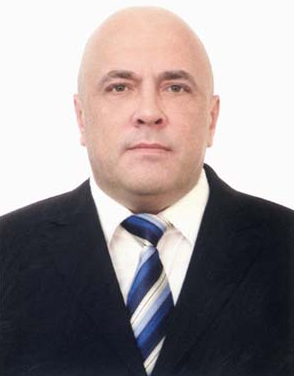
Morin Andrey Stepanovich is a Doctor of Technical Sciences and Professor at the Department of Mining Machines and Complexes within the Institute of Mining, Geology and Geotechnology at Siberian Federal University. He was born in 1966 and has over 30 years of experience in mining engineering, specializing in open geotechnology and mine aerology. He has served as Head of the Department of Engineering Graphics (2003) and concurrently as Professor of Mining Machines and Complexes (2005). Born: September 25, 1966, Krasnoyarsk Education: Krasnoyarsk Institute of Non-Ferrous Metals (1988), PhD (1993), Doctoral Dissertation (2011) Key Roles: Head of Department of Mining Machines and Complexes, Chairman of student Olympiads in graphical disciplines (2003–2017) Research Interests span geotechnology (open mining), theoretical foundations of mining engineering systems design, and mine aerology. His work focuses on energy-efficient ventilation for deep open-pits, aerostatic transport systems, and environmental safety in mining operations. He also contributes to pedagogical innovations in engineering graphics and geological drawing. Recent Publications (23 in 5 years) highlight advancements in pipeline ventilation systems , aerostatic transport , and thermal air regulation for deep open-pits. Patents address methods for frost rock preparation, dust-gas suppression, and flexible duct designs, emphasizing ecological optimization and resource conservation. Students under his supervision include postgraduates and applicants working on topics like mine ventilation , dewatering systems , and gas emission control . His collaborations with researchers such as Butkin V.D. , Korzukhin I.V. , and Brovina T.A. demonstrate interdisciplinary efforts in mining and environmental engineering. Labs/Teams: Involved in R&D at Siberian Federal University’s Institute of Mining, Geology and Geotechnology, leading projects on aerostatic transport and ventilation systems. Education: Specialized in 'Technology and integrated mechanization of development of placer mineral deposits' (1988), with postgraduate training in 'Open mining of mineral deposits' (PhD 1993) and 'Geotechnology (underground, open and construction)' (Doctoral 2011).
Ulrike Diebold is a University Professor at the Institute of Applied Physics, Vienna University of Technology, where she leads the Research Unit of Surface Physics. She concurrently serves as Vice President (part-time) of the Austrian Academy of Sciences (ÖAW). Her research focuses on atomic-scale investigations of oxide surfaces, catalysis, and water-oxide interactions using scanning probe microscopy and surface science techniques. Research interests span surface physics, chemical physics, and solid-state phenomena, with emphasis on TiO₂, Fe₃O₄, and perovskite oxides. Key themes include surface defects, polaron dynamics, water adsorption, and catalytic mechanisms. Her group develops advanced methodologies for surface characterization and collaborates extensively on computational modeling. She has received prestigious awards including the Wittgenstein Prize, ERC Advanced Grants (twice), and the Arthur W. Adamson Award. Major honors include memberships in the German Academy of Sciences (Leopoldina), Academia Europaea, and the American Academy of Arts and Sciences. Her laboratory utilizes STM, AFM, LEED, and PLD systems for surface synthesis and analysis. Current projects investigate single-atom catalysis, electrochemical interfaces, and oxide thin-film growth. She leads an active research group with international collaborations and extensive third-party funding.