- Active Displacement
- Physical Condition Assessment
- Muscle Strength Training for Young People
- +۵ مورد دیگر
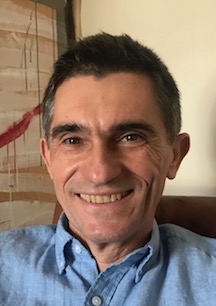
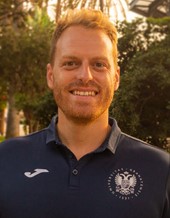
Emilio Villa González serves as a Professor at the University of Granada, Spain, within the Faculty of Sports Sciences and Department of Physical Education and Sports since 2017. As a founding member of the PROFITH research group (established 2013), he bridges academic expertise with a decade of prior professional experience in fitness centers as a personal training specialist. His academic credentials include a Bachelor's in Physical Activity and Sports Sciences from Alfonso X el Sabio University (2004-2009), followed by a Master's and Doctoral Program in Biomedicine at the University of Granada. He earned the Extraordinary Doctorate Award in the health area and holds two additional master's degrees plus four postgraduate expert qualifications. Professor Villa González's research centers on active displacement , physical condition assessment , muscle strength training for youth , physical activity promotion in educational contexts , sports initiation/specialization , and health-oriented fitness trends . His interdisciplinary approach integrates exercise science, public health, and educational theory to develop evidence-based interventions for youth health improvement. Analysis of his 2023-2025 publications reveals consistent focus on school-based interventions, particularly active commuting and muscular fitness. His work employs systematic reviews, meta-analyses, and RCTs with international collaborations, showing significant policy impact—such as influencing U.S. National Institute for Health guidelines through his 2018 active transport review. Emerging trends include gamified resistance training (RETRAGAM protocol) and physical literacy assessment within 24-hour movement frameworks. His scientific recognition includes: Extraordinary Doctorate Award for the health area While specific grant details aren't provided, his international research stays (Ecuador, Chile, New Zealand, Porto) and high-impact publications indicate active involvement in funded projects. His mentorship likely extends through PROFITH group initiatives, though student names aren't specified in source materials. The PROFITH research group forms his primary collaborative environment, uniting exercise scientists, public health experts, and educators to advance physical activity promotion through rigorous, policy-relevant research.