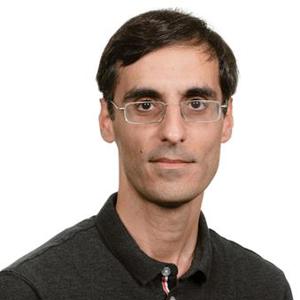
Matthew Heins is an Associate Professor of Instruction in Electrical Engineering at The University of Texas at Dallas, affiliated with the Erik Jonsson School of Engineering and Computer Science. He holds an office in ECSN 4.608 and can be reached via email at Matthew.Heins@utdallas.edu or phone at +1 (972) 883-3846. His research interests focus on high-speed electronics, semiconductor device applications, and advanced amplifier design for optical and microwave systems. Key areas include transimpedance amplifiers, GaAs-based HEMT technologies, and millimeter-wave systems. Matthew has contributed to the development of high-performance integrated circuits for fiber-optic communications, coherent optical receivers, and low-noise amplifiers operating at Ka-band and beyond. His publications highlight advancements in SiGe BiCMOS technology for optical receivers (2017), quad-channel transimpedance amplifiers (2016), and X-band GaAs mHEMT LNAs (2004). Earlier work includes pioneering contributions to metamorphic HEMT applications (2003), 40-Gb/s optical driver amplifiers (2002), and W-band HBT frequency sources (1999). Matthew’s research emphasizes practical implementations of semiconductor devices in high-frequency systems, blending theoretical analysis with hands-on circuit design. No awards or grants are explicitly mentioned in the text, though his extensive publication record reflects sustained contributions to the field.
Alireza Saberkari is an Associate Professor and Docent at Linköping University, affiliated with the Department of Electrical Engineering and the Division of Electronics and Computer Engineering (ELDA). His work bridges analog, digital, and mixed-signal electronics with applications in biomedical systems, wireless power, and energy-efficient integrated circuits. Research Interests: His research spans low-power analog and mixed-signal IC design, energy harvesting, RF circuits, and the miniaturization of Nuclear Magnetic Resonance (NMR) systems for portable spectroscopy. He is actively involved in developing integrated solutions for wireless cell fluorescence detection and intelligent surfaces for mid-range wireless power transfer. Recent Publication Trends: His recent publications (2024–2025) emphasize circuit-level innovations in switched-capacitor amplifiers, RF-DC rectifiers, and NMR front-ends, reflecting a strong focus on energy efficiency, integration, and system co-design for portable and biomedical applications. Scientific Projects: Nuclear Magnetic Resonance (NMR) Miniaturization for Spectroscopy (VR, 2023–2026) Efficient Mid-Range Wireless Power Transfer with Intelligent Surfaces (EMPTIS, ELLIIT, 2023–2027) ENGINED - Efficient Organic Energy Module (Vinnova, Phase I, 2023–2024) Micrometer-Scale Wireless Cell Fluorescence Detection Device (SSF Med-X, 2020–2024) Advising and Grants: While no formal students are listed, his leadership in multiple externally funded projects indicates active supervision and mentorship. He has secured funding from major Swedish research agencies including VR, ELLIIT, Vinnova, and SSF, demonstrating strong grant acquisition and collaborative research capabilities. Labs and Research Teams: He is a core member of the Electronics and Computer Engineering (ELDA) division at Linköping University, contributing to a multidisciplinary team focused on advancing electronics for real-world applications in healthcare, energy, and communication systems.
Dawson Kidgell is an Associate Professor in the Department of Physiotherapy at Monash University, Faculty of Medicine. He is an active researcher and PhD supervisor with a strong focus on the neurophysiology of exercise, particularly neuroplasticity and motor cortex responses to strength training and non-invasive brain stimulation techniques such as Transcranial Magnetic Stimulation (TMS) and transcranial direct current stimulation (tDCS). His research interests include understanding how the nervous system adapts to exercise, rehabilitation, and neuromodulation. He employs advanced electrophysiological methods—TMS, tDCS, EMG, and spinal reflex testing—to explore corticospinal excitability, intracortical inhibition, and motor learning. His work has significant implications for sports science, rehabilitation of neuromuscular injuries, and aging populations. Recent publications (2020–2024) highlight a strong trend in systematic reviews and meta-analyses on tDCS, corticospinal responses to training, and clinical applications in tendinopathy, concussion, and aging. His research frequently investigates bilateral transfer, cross-education of strength, and the neural mechanisms underlying rehabilitation interventions. Scientific Awards: University of Jyväskylä Visiting Fellow grant (2023) Research Funding and Supervision: Associate Professor Kidgell has secured over $2.5 million in research funding. He has successfully supervised 11 PhD students to completion and currently mentors 5 additional PhD candidates. His research projects include NHMRC-funded studies on neurophysiological markers of balance and equipment grants for advanced neurostimulation tools. Laboratories and Research Teams: His work is conducted within neurophysiology and exercise neuroscience labs at Monash, often in collaboration with interdisciplinary teams focusing on motor control, rehabilitation, and sports medicine.
Mario Dipoppa is an Assistant Professor in the Department of Neurobiology at the University of California, Los Angeles. His research focuses on computational neuroscience, cortical adaptation, and neural circuit dynamics. Position: Assistant Professor, Neurobiology Email: mdipoppa@g.ucla.edu Research Interests: Mario's work explores how neural populations in the visual cortex adapt to sensory input, with a particular emphasis on the interplay between neural oscillations, synchrony, and cognitive functions like working memory. His recent studies investigate optimal coding strategies in visual adaptation, contextual modulation mechanisms, and the role of transcriptomic diversity in cortical interneuron function. Publications Trends: His research spans computational modeling of cortical networks, visual neuroscience, and neurogenetic analyses of brain circuits. Early work (2013-2016) focused on working memory mechanisms and neural oscillations, while recent studies (2022-2025) emphasize visual cortex adaptation, population coding, and cross-species circuit comparisons.
Professor Irene Schneider is a distinguished scholar of Arabic and Islamic Studies at the University of Göttingen, currently on sabbatical as a Distinguished Fellow at the Max Weber Institute/University of Erfurt since October 2024. She leads the ERC Advanced Grant project '(De)Colonizing Sharia?' focused on tracing transformation, change and continuity in Islamic Law in the Middle East and North Africa during the 19th and 20th centuries. Her research spans Islamic law (particularly family, criminal, and public law), gender studies with emphasis on gender constructions in law, legal history, and contemporary Muslim societies in Morocco, Egypt, Palestine, Iran, and Afghanistan. She has made significant contributions to understanding the relationship between international law and national legislation in Palestine, as detailed in her influential book 'Debating the Law, Creating Gender: Sharia and Lawmaking in Palestine, 2012-2018.' Professor Schneider's scholarly work demonstrates a remarkable historical depth, examining issues from Islam's formative period to contemporary contexts. Her publications span multiple languages including German, English, French, and Farsi, reflecting her interdisciplinary approach that combines historical analysis with contemporary legal and social issues. Her recent research particularly focuses on conceptual history, civil society development, and the translation of global legal concepts into local Islamic contexts. Among her notable achievements is the establishment of the 'Islamic Law' specialization in the Master's program at Göttingen in 2011, which allows students to gain intensive insight into Islamic legal language while simultaneously taking modules from the Faculty of Law. She has also established the research and teaching focus 'Palestine and the Middle East Conflict' in 2014. ERC Advanced Grant recipient (2024) Deputy Chair of the German Working Group on the Middle East (DAVO) since 2022 Director of SAI II since 2021 Former Chair of Gender Studies Working Group at University of Göttingen (2010-2013) Professor Schneider has supervised numerous academic projects and collaborations, including work with Judge Somoud al-Damiri on Palestinian women's legal status, and has been instrumental in fostering academic dialogue between German and Palestinian institutions. Her research methodology uniquely combines socio-legal analysis with detailed linguistic examination of legal terminology evolution, particularly examining how terms like 'moussab' (equality) transform during legal discourse.
Dr. Liang Cui is an Associate Professor at the University of Surrey , affiliated with the School of Sustainability, Civil and Environmental Engineering and Institute for Sustainability . With a PhD from University College Dublin (2006) and BE (1st honor) from Tsinghua University (2002) , his career spans geotechnical research and education since joining Surrey in 2009. Key roles: Undergraduate Programme Leader (2020-2022, 2023-on), MSc Programme Leader for Advanced Geotechnical/Civil/Structural Engineering (2022-2023) Professional memberships: Chartered Engineer (CEng), Member of Institution of Civil Engineers (MICE), Fellow of Higher Education Academy (FHEA) His primary research focuses on numerical modeling (DEM/FEM) for geotechnical applications including offshore wind foundations , geothermal energy systems , methane hydrate exploitation , and extra-terrestrial soil mechanics . Secondary interests involve material characterization of polymeric foams , porous media , and biological tissues . Recent 15 publications (2023-2025) demonstrate expertise in soil-structure interaction for renewable energy infrastructure, thermal feedback in groundwater heat pumps, and hypothesis-driven DEM simulations for lunar/martian environments. Collaborative projects span institutions including Tsinghua University , University of Bristol , and Indian Institute of Technology Bhubaneswar . Scientific Awards: Sustainability Fellow (University of Surrey, 2023) Chartered Engineer (CEng) and MICE FHEA for educational contributions Dr. Cui supervises 7 postgraduate researchers and contributes to teaching modules in soil mechanics and energy geotechnics. His work addresses challenges in hybrid marine energy systems , needleless drug delivery , and seismic resilience of critical infrastructure.
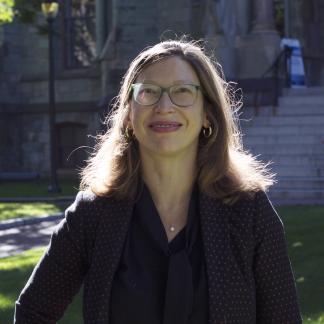
Maria Neimark Geffen is a Professor at the Perelman School of Medicine , University of Pennsylvania , with appointments in the Department of Otorhinolaryngology, Neuroscience, and Neurology . She directs the Lab for Auditory Coding since 2010, focusing on how the brain encodes auditory information and how perception is shaped by experience and emotion. Her work combines two-photon imaging , optogenetics , electrophysiology , and behavioral experiments . Dr. Geffen earned her A.B. in Molecular Biology from Princeton University and a Ph.D. in Biophysics from Harvard, where she discovered a novel retinal circuit. After a postdoc at Rockefeller University, she joined UPenn, uncovering mechanisms like inhibitory neuron roles in sensory acuity and emotional learning links to auditory perception . Her recent publications highlight computational models of auditory cortex circuits , inhibitory neuron subtypes in adaptation , and cross-modal integration , reflecting her interdisciplinary approach. Scientific awards include the Burroughs Wellcome Career Award and Klingenstein Fellowship . Burroughs Wellcome Career Award at the Scientific Interface Klingenstein Foundation Award in Neurosciences Human Frontiers Young Investigator Award Auditory Neurophysiology Spotlight Award Kaufman Foundation New Initiative Grant Dr. Geffen mentors extensively, with trainees winning NIH Ruth L. Kirschstein NRSA and Brain Research Foundation Awards . Her lab collaborates across Computational Neuroscience Initiative , Hearing Sciences Center , and international institutions.
Professor Mary Collins is a Professor of Pharmaceutical Neuroscience at the University of Sydney , affiliated with the Sydney School of Medical Sciences . She serves as Interim Associate Dean, Research and Head of School . Member of the Centre for Drug Discovery Innovation Member of the Brain and Mind Centre Research Interests GABA Receptors : Focus on subtype-selective modulators, binding site identification, and roles in anxiety, sleep disorders, and epilepsy. Nicotinic Acetylcholine Receptors : Structure-function studies using site-directed mutagenesis and reactive probes to understand ligand binding. Drug Discovery : SAR studies for selective agents targeting Cys-loop receptors, including flavonoids and cannabinoids. Scientific Contributions Her 15 most recent articles (2020-2024) span epilepsy genetics , receptor stoichiometry , neuroprotective flavonoids , and cannabinoid interactions . Key themes include precision medicine for receptor variants and neurotransmitter modulation in disorders. ASCEPT Young Investigator Award RACI Biota Award Fellow of RACI (2006) Supervision Award (University of Sydney, 2008) Advising Current students: Jacinda HOLTSMARK (epilepsy neurophysiology), Sze Hon KAN (genetic epilepsies), Fiona WANG (neurological mechanisms).
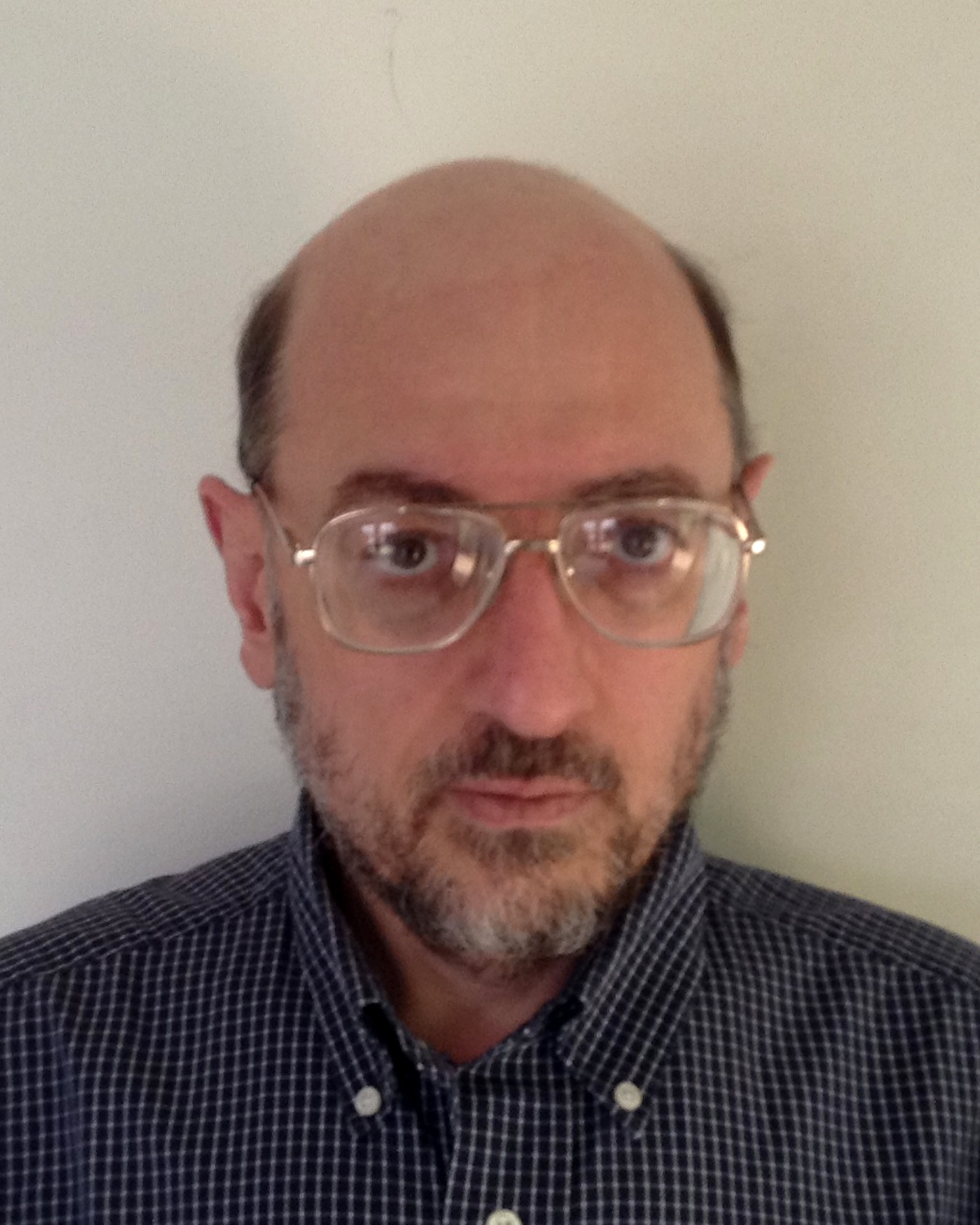
Omar B Karakchi is a Lecturer in the Department of Computing at Goldsmiths, University of London. His research focuses on applied mathematics and nonlinear differential equations, particularly soliton dynamics in PT-symmetric and charge-parity (CP) systems. He holds a PhD in Applied Mathematics from the University of Essex (2017). Research interests include the existence and stability of solitons in PT-symmetric oligomers, charge-parity dimers, and discrete nonlinear Schrödinger equations with gain/loss terms. He has published extensively on topics like soliton behavior in PT-symmetric chains and optimization algorithms for engineering problems. Publications span journals such as Nonlinear Dynamics and Physical Review A , with notable contributions to soliton dynamics and mathematical modeling of complex systems. His work bridges theoretical mathematics and applied engineering contexts. Teaching responsibilities include module leadership for Discrete Mathematics, Computational Mathematics, and Mathematics for Computer Science. No awards or grants are explicitly listed in the provided materials. No specific lab affiliations or team details are mentioned beyond his departmental role.
T V Raziman is a Researcher in the Department of Mathematics at Imperial College London within the Faculty of Natural Sciences. He specializes in nanophotonics, focusing on light-matter interactions through theoretical models and simulations. His academic journey includes postdoctoral roles at Eindhoven University of Technology (2017–2021) and École Polytechnique Fédérale de Lausanne (2016–2017), and holds a PhD from EPFL and an Integrated MSc in Physics from IIT Kanpur. Raziman's research spans Optical Physics , Applied Mathematics , and Artificial Intelligence , with a strong emphasis on Nanophotonics . He explores cutting-edge topics like synthetic optical motion, retinomorphic machine vision, and topological optimization of nanostructures. His work bridges theoretical frameworks with practical applications in photonics and materials science. Key contributions include studies on semiconductor network lasers, surface lattice resonance lasers, and neural network-driven laser mode control. He collaborates within the Complex Nanophotonics Group , advancing interdisciplinary projects at the intersection of photonics and machine learning. No scientific awards are explicitly mentioned, but his prolific publication record highlights sustained innovation in photonics research. He has advised no recorded students, focusing primarily on independent and collaborative research efforts.
Dr. Alexey Gorn is a Lecturer in Economics at the University of Liverpool Management School's Department of Economics. He holds a Ph.D. in Economics and Finance from Bocconi University and completed postdoctoral research at the Cambridge-INET Institute and Trinity College, Cambridge. His research focuses on Macroeconomics and Labour Economics, examining inequality, labour market dynamics, and policy impacts. He teaches modules such as Applied International Macroeconomics and Principles of Economics. Education: Ph.D. in Economics and Finance, Bocconi University Postdoctoral Research Fellow, Cambridge-INET Institute Postdoctoral Teaching Assistant, Trinity College, Cambridge Research Interests: Labour Market Dynamics: Analyzes unemployment dynamics and jobless recoveries. Policy Evaluation: Studies unemployment benefit extensions and their stabilizing/de-stabilizing effects. Wage Inequality: Explores headhunters' role in wage disparities via labor market matching mechanisms. Trade Theory: Investigates trade liberalization's economic impacts and comparative advantage dynamics. Ongoing Work: Household heterogeneity and credit channels in monetary policy. His publications span journals like the American Economic Journal: Macroeconomics and the Review of Economic Dynamics. Current research emphasizes policy design for economic stabilization and labor market efficiency.
Dr. Levon Asryan is an Associate Professor in the Department of Materials Science and Engineering at the Virginia Polytechnic Institute and State University , with a research focus on semiconductor laser theory , quantum dot systems , and optoelectronic device physics . His work spans quantum dot lasers , quantum well heterostructures , and nanostructured optoelectronic devices . Dr. Asryan holds a Ph.D. in Physics and Mathematics and a Doctor of Sciences degree, both from the Ioffe Institute in St. Petersburg, Russia. He has made significant contributions to the theoretical modeling of semiconductor laser dynamics , particularly in carrier capture processes , modulation bandwidth limitations , and temperature stability mechanisms . With over 90 publications, his recent work focuses on asymmetric barrier layer designs for improved quantum dot laser performance , addressing challenges in carrier leakage , parasitic recombination , and thermal management . He has pioneered models for double tunneling-injection architectures and electroneutrality violation analysis in semiconductor lasers. Scientific recognition includes the 2001 Russian Federation State Prize and the 2001 IEEE Best Paper Award . He is a Senior Member of SPIE (2019) and IEEE (2005) , with patents and book chapters on quantum dot laser theory . His research continues to shape next-generation optoelectronic devices through fundamental and applied investigations.
Stefan Treue is a Professor and Director at the German Primate Center (DPZ) in Göttingen, Germany, where he heads the Cognitive Neuroscience Laboratory. He is affiliated with the Department of Cognitive Neurosciences and contributes to the Göttingen Graduate School for Neurosciences (GGNB) in programs including Neurosciences (IMPRS), Sensory and Motor Neuroscience, Systems Neuroscience, and Theoretical and Computational Neuroscience. His research focuses on the neural basis of visual perception, particularly how attention modulates sensory processing in the primate brain. Using electrophysiological recordings in macaque monkeys, human psychophysics, and functional brain imaging, his lab investigates attentional mechanisms in cortical area MT, especially in motion processing and perceptual accuracy. Key themes include attentional gain, receptive field dynamics, saccade-locked attention shifts, and multifocal attention. The recent publications reflect a consistent focus on attentional modulation in visual cortex, with a strong emphasis on neurophysiological and behavioral evidence from non-human primates. His work bridges cognitive theory and neural mechanisms, contributing significantly to systems and computational neuroscience. Scientific Awards: None explicitly mentioned in the text. Advising and Grants: Prof. Treue mentors students through the GGNB and IMPRS programs, indicating active graduate student supervision. While specific grants are not listed, his long-standing research program and high-impact publications suggest sustained funding from major research agencies. Labs and Teams: He leads the Cognitive Neuroscience Laboratory at DPZ, a multidisciplinary team employing electrophysiology, psychophysics, and theoretical modeling to study attention and perception in primates.
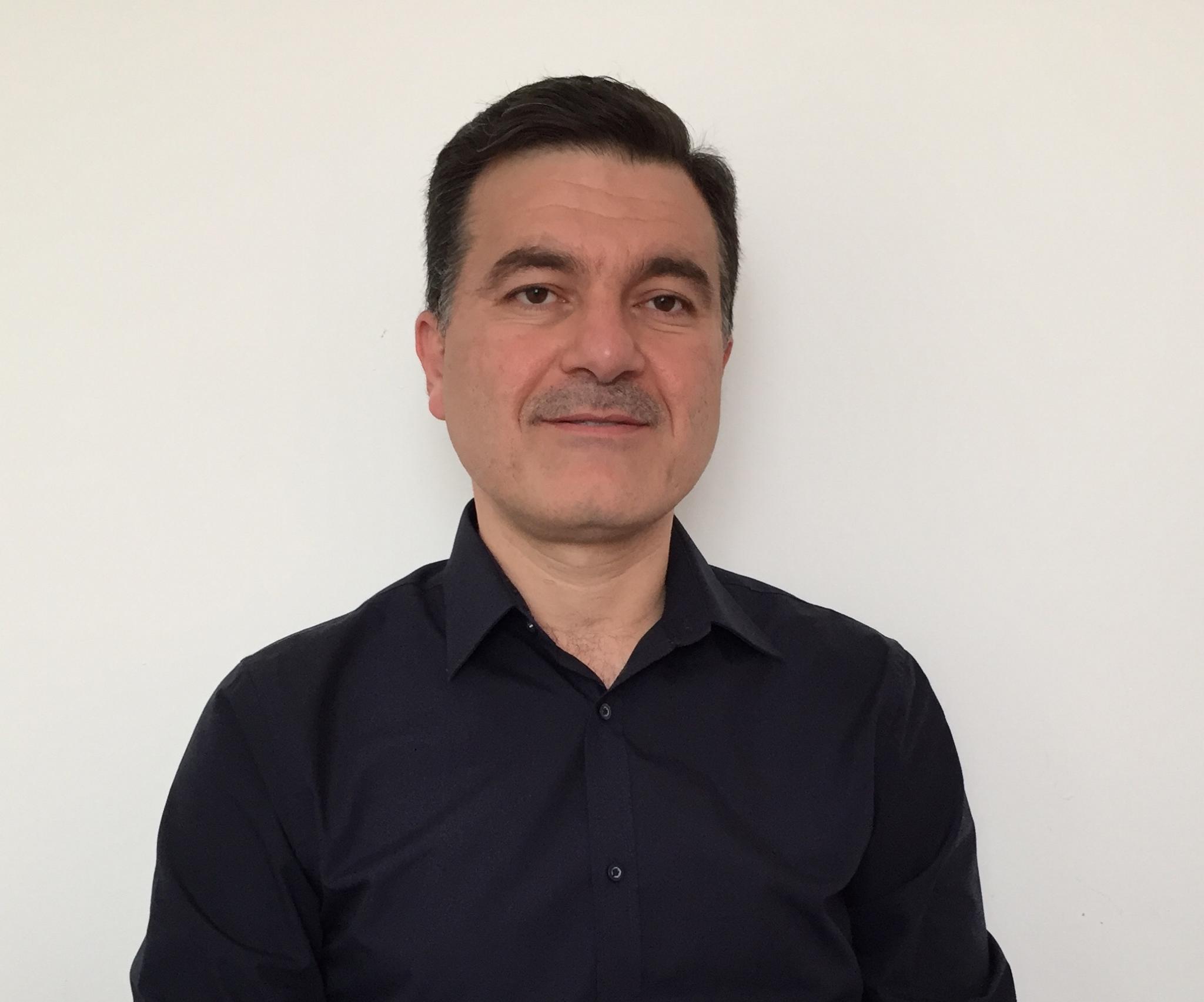
Dr. Mohammed Elamassie is an Assistant Professor at Özyeğin University's Graduate School of Science and Engineering, Department of Electrical and Electronics Engineering. He co-directs the Centre of Excellence in Optical Wireless Communication Technologies (OKATEM) and holds senior memberships in IEEE and Optica. PhD in Electrical and Electronics Engineering (Özyeğin University, 2020) MSc in Electrical and Electronics Engineering (Islamic University of Gaza, 2011) BSc in Electrical and Electronics Engineering (Islamic University of Gaza, 2006) Dr. Elamassie's research focuses on optical wireless communication systems, with specific expertise in underwater visible light communication (UVLC), vehicular visible light communication (V2V), airborne free space optical (FSO) networks, and turbulence mitigation techniques. His work addresses atmospheric channel modeling, diversity techniques, and MIMO communication challenges across multiple mediums. Analysis of his 15 most recent publications reveals critical trends in UVLC turbulence modeling, FSO UAV optimization, RIS-aided systems, and vehicular communication reliability. These works demonstrate his leadership in developing practical solutions for channel degradation and mobility-induced challenges. Best Paper Award, IEEE Black Sea Conference (2019) IEEE Turkey PhD Thesis Award (2020) Senior Member, IEEE Senior Member, Optica Optica Traveling Lecturer/Speaker Dr. Elamassie serves as Review Editor for Frontiers in Communications and Networks, covering 'Non-Conventional Communications' and 'Wireless Communications' sections. He contributes to OKATEM's research on optical wireless technologies, focusing on practical implementations across underwater, vehicular, and airborne domains.
Dr. Robin Tucker is an Associate Professor in the Department of Food Science and Human Nutrition at Michigan State University’s College of Agriculture and Natural Resources. Since 2016 she has led an interdisciplinary research program that explores how insufficient or poor-quality sleep influences nutrition-related health outcomes, sensory perception, and eating behaviors. She teaches courses such as Medical Nutrition Therapy I and Advanced Clinical Nutrition and co-directs community outreach initiatives including the SLeep Education for Everyone Program (SLEEP) with MSU Extension. Education PhD, Nutrition Science (concentration: Ingestive Behavior), Purdue University (2014) MS, Nutritional Science, California State University, Los Angeles (2005) BA, Political Science, Creighton University Research Focus Dr. Tucker’s work sits at the intersection of sleep science, sensory physiology, and behavioral nutrition. Her primary research agenda investigates: How chronic short sleep or poor sleep quality alters taste perception (sweet, salt) and subsequent dietary choices. The mediating role of sleep in the relationship between stress, financial hardship, and diet quality among college students. Development and testing of scalable, behavior-based sleep education interventions for diverse populations ranging from university students to older adults. Methodologically, her team combines controlled laboratory studies of taste function, large-scale multinational surveys, community-based intervention trials, and systematic reviews. Publications at a Glance Over the past five years Dr. Tucker has published more than 40 peer-reviewed articles and book chapters. Her recent work clusters into three thematic areas: (1) systematic reviews and meta-analyses linking taste function, dietary intake, and chronic disease; (2) multi-country studies examining sleep–diet interactions among higher-education students during the COVID-19 pandemic; and (3) translational intervention research evaluating the efficacy of sleep education programs for older adults. These studies consistently highlight how even modest sleep curtailment can modulate chemosensory function, appetite regulation, and ultimately dietary risk. Honors & Awards 2022 – Senior-authored paper featured in Wiley’s Research Headlines 2020 – Teacher-Scholar Award, MSU Department of Food Science and Human Nutrition 2020 – Undergraduate Research Mentor of the Year nominee, Michigan State University 2020 – You Belong Here Champion nominee, MSU College of Agriculture and Natural Resources 2020 – Outstanding Dietetic Educator nominee, Michigan Academy of Nutrition and Dietetics 2018 – Fellow of the Academy of Nutrition and Dietetics (FAND) Advising & Community Outreach Dr. Tucker mentors a vibrant team of graduate and undergraduate researchers, many of whom appear as co-authors on her publications. She collaborates with MSU Extension to deliver the evidence-based SLEEP program to community groups, and her lab regularly engages campus and public stakeholders through workshops, webinars, and continuing-education events for dietitians. Facilities & Collaborations Her research leverages the MSU Sensory Evaluation Center , Experimental Foods Laboratory , and institutional partnerships with the Center for Research on Ingredient Safety and the Institute for Integrative Toxicology , enabling cutting-edge studies on taste physiology, dietary assessment, and community intervention delivery.