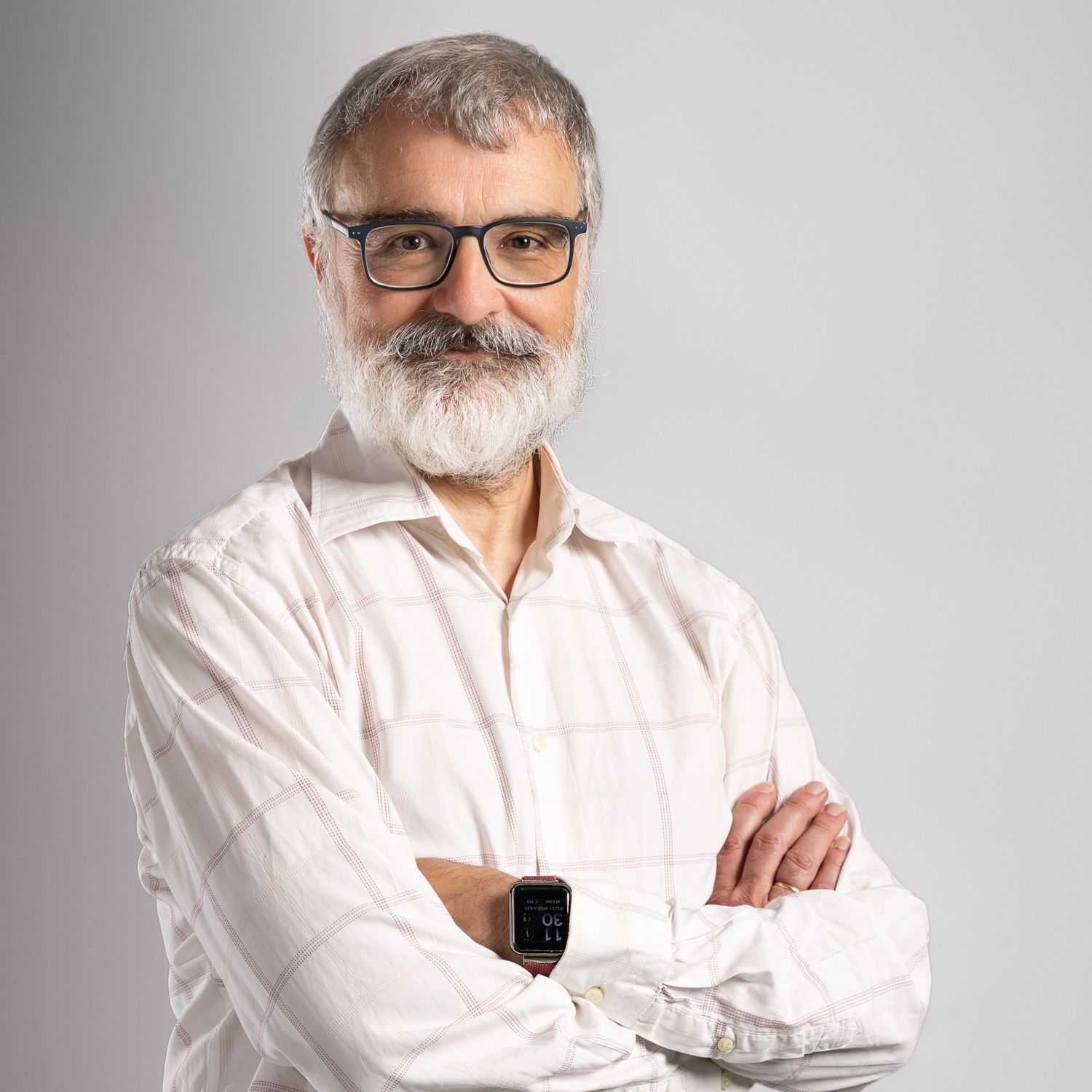
Dr. Katarzyna Świderek is an Associate Professor at Universitat Jaume I (UJI) in Castelló, Spain, where she leads research at the Institute of Advanced Materials (INAM) within the Department of Physical and Analytical Chemistry. She serves as Senior Researcher in Computational Biochemistry group (RG9) and Project Leader for the DeProtCa initiative focused on enzyme design principles. Dr. Świderek earned her Master's (2007) and PhD (2011) degrees in Physical Chemistry from Lodz University of Technology, Poland, under Prof. P. Paneth. Her academic journey includes postdoctoral positions at University of Valencia (2011-2014), University Jaume I (2015 onward), and a visiting position at University of Bath (2017). In December 2024, she was promoted from Ramon y Cajal fellow to Associate Professor (Profesor Titular). Her research focuses on theoretical studies of reactivity in cellular processes , with three main interconnected areas: Origin of biocatalysis Inhibition and drug design Design of biocatalysts Most of her work employs molecular dynamics (MD) simulations with hybrid QM/MM potentials to investigate enzymatic mechanisms, with applications spanning pharmaceutical, medical, and industrial domains. Analysis of her recent publications reveals a strong emphasis on computational enzymology, particularly studying proteases (including SARS-CoV-2 Mpro), proteasome inhibition mechanisms, and enzyme design strategies. Her work increasingly integrates AI approaches with traditional computational methods, demonstrating evolution in the field toward more sophisticated predictive models for enzyme behavior. Dr. Świderek has secured multiple competitive research grants, including a recent Spanish Ministry of Science project (2025-2027) titled 'Deciphering the structural and kinetic principles of enzymes to design advanced protein-based catalysts for enhanced biocatalysis.' One of her studies on SARS-CoV-2 Mpro inhibition ranked in the top 5% of highly cited works from Royal Society of Chemistry Journals. She actively mentors graduate students including Carmen Ramos, Álvaro Serrano López de la Vieja, and Adrián Fernández de la Pradilla Ibáñez. Her research group collaborates internationally with institutions across Spain, Poland, USA, UK, Canada, and Italy, utilizing the T∙R∙I∙N∙I∙T∙Y computational cluster with 320 CPUs and multiple GPUs for their demanding simulations.