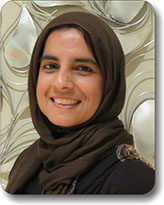
Blanca I. Aldana is an Associate Professor and Group leader of the NeuroMetabolism Research Group at the University of Copenhagen's Faculty of Health and Medical Sciences, Department of Drug Design and Pharmacology. Since 2024, she has served as Head of the Research Section in Molecular and Cellular Pharmacology. Her research focuses on unraveling central disease mechanisms to identify novel metabolic therapeutic targets in neurodegenerative disorders. Dr. Aldana's primary research areas include energy metabolism in the brain centered on glial cells (microglia and astrocytes) and their impact on neurological disorders such as epilepsy, Alzheimer's disease, and Frontotemporal dementia. She specializes in neuropharmacology targeting microglia and astrocyte receptors, with expertise in brain cell lines, primary cultures, transgenic animal models, and human induced pluripotent stem cells. Her laboratory employs advanced analytical methods including mass spectrometry, liquid chromatography, and live-cell bioenergetics. Her recent publications demonstrate a strong focus on brain energy metabolism, particularly examining glial cell function in neurodegenerative conditions. The research spans molecular and cellular mechanisms of brain energy and amino acid metabolism, pathophysiology of glial energy metabolism in neurodegeneration, and mechanistic insights into the effects of short-chain and medium-chain fatty acids on brain metabolism. This work has significant implications for developing novel therapeutic strategies for neurodegenerative diseases. 2024: Alzheimer-forskningsfonden Research Prize 2023: Nominated as Teacher of the Year, University of Copenhagen 2023: Emerging Investigator Award, International Society for Neurochemistry 2020: IBRO Early Career Award Dr. Aldana has supervised and mentored numerous Postdocs, PhD students, MSc students, and BSc students. She serves as course director for Farmaceutisk biologi and teaches in 'In-Vitro Techniques in Biochemistry and Pharmacology,' 'Principles of Pharmacology' for the MSc Neuroscience Program, and Physiology. She is also a member of the Drug Research Academy and Neuroscience Academy Denmark's Neuroinflammation column, and serves as communication responsible for the Metabolism and Inflammation Research Cluster.