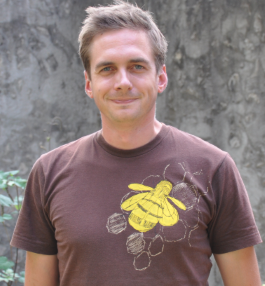
Marcel Dorken is a Professor in the Department of Biology at Trent University. He holds a B.Sc. from the University of Guelph, M.Sc. from Queen's University, Ph.D. from the University of Toronto, and postdoctoral training at Oxford University. His research focuses on the evolution and ecology of plant reproduction, particularly transitions from hermaphroditism to dioecy, clonality, and plant-pollinator interactions. He investigates these topics through field experiments, genetic analysis, and modeling. Current projects include studying the ecological impacts of invasive hybrid cattails and the role of spatial structure in plant fitness. Teaching responsibilities include BIOL 1020H (Foundations of Biodiversity), BIOL 3170H (Plants and their Ancestors), BIOL 3190H (Wild Plants of Ontario), and BIOL 4610H (Evolutionary Ecology). His lab actively mentors graduate and undergraduate students in field and lab-based research. Contact: marceldorken@trentu.ca, Office DNA C250.
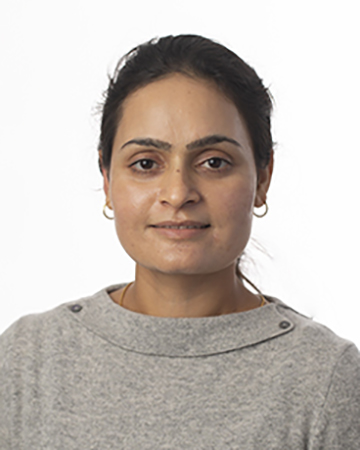
Jaspreet Kaur is an Assistant Professor in the Biology department at the University of Wisconsin-La Crosse . Her research focuses on plant-microbial interactions and population genetics in rare plant species, particularly orchids. She holds a Ph.D. (2018) in Plant and Soil Science from Texas Tech University and a B.S. (2014) in Plant Breeding and Genetics from Punjab Agricultural University, India, where she was honored Summa Cum Laude. Education: Ph.D., Plant and Soil Science, Texas Tech University, Lubbock, TX (2018) B.S. (Honors), Plant Breeding and Genetics, Punjab Agricultural University, Punjab, India (2014) Research Interests: Dr. Kaur’s work investigates plant ecology, plant-microbial symbiosis, conservation strategies for rare species, and population genetics. She uses orchids as model organisms to study tripartite associations between plants, fungi, and bacteria, emphasizing molecular mechanisms and ecological adaptation. Her research bridges theoretical and applied aspects, aiming to inform species recovery and management through microbial and genetic insights. Publications: Recent studies explore orchid diversification drivers (habitat instability, founder events), fungal specificity in Vanilla species, and bacterial communities linked to host phenology. Her work consistently highlights symbiotic relationships, spatial heterogeneity effects, and microbial contributions to plant survival and evolution. Awards and Honors: No scientific awards or fellowships are listed in the provided information. Advising and Grants: Dr. Kaur advises students in her courses BIO 203 and BIO 307. While specific grants are not detailed, her research program indicates active engagement in funding initiatives. Her studies on rare plant species recovery likely involve collaborative grants and conservation partnerships. Labs and Teams: No specific laboratory or team affiliations are mentioned in the provided text.
Lee Ferguson is a Professor of Civil and Environmental Engineering at Duke University, with additional appointments as Associate Professor in the Division of Marine Science and Policy. His research focuses on environmental analytical chemistry, particularly using high-resolution mass spectrometry to study per- and polyfluoroalkyl substances (PFAS) , microplastics , and endocrine disruptors . Ferguson Lab develops methods for contaminant detection in water systems and investigates chemical leaching from polymers. Ph.D. in Chemistry from Stony Brook University (2002) Former Assistant Professor at University of South Carolina (2003-2009) Recent work includes PFAS analysis in lithium-ion batteries, glyphosate detection in hard waters, and microplastic dye toxicity studies. Key publications explore urban watershed contamination, Sri Lankan drinking water CKDu links, and novel analytical methods for environmental pollutants. Applied Research Fellowship (2022), Kavli Frontiers of Science Fellow (2011) Testified before U.S. Senate on nanotechnology risks Co-founder of NC PFAS Testing Network As an advisor, he mentors Doctoral Candidates Patrick Faught and Anna Lewis , who investigate microplastic dyes and polymer additives. Lab research spans environmental fate of nanomaterials, contaminant bioavailability, and exposomics for health outcomes.
Mary Catherine Aime is a Professor of Botany & Plant Pathology at Purdue University's College of Agriculture, where she serves as Director of the Purdue University Herbaria (Arthur Fungarium and Kriebel Herbarium). Her research program focuses on the systematics, biodiversity, and evolution of Fungi, with particular emphasis on the earliest diverging lineages of Basidiomycota, rust fungi, fungi in tropical ecosystems, and fungal diseases of tropical tree crops. Dr. Aime's research interests span fungal systematics, biodiversity, and evolution. Her lab employs diverse methodologies from genomics to field studies in remote regions to investigate vastly underexplored fungal lineages. She has made significant contributions to the understanding of rust fungi (Pucciniales) taxonomy, establishing a comprehensive higher-rank classification based on molecular, morphological, and ecological data. Her work has important implications for plant pathology, agriculture, and biodiversity conservation. Dr. Aime's publication record demonstrates consistent contributions to fungal systematics, particularly in rust fungi research. Her work spans taxonomic revisions, molecular phylogenetics, biodiversity documentation, and the development of practical identification tools like Rust HUBB. Her research shows a clear progression from foundational taxonomic work to the development of molecular resources that benefit the broader plant pathology community. As Director of the Purdue University Herbaria, Dr. Aime oversees one of the most important collections of rust fungi (Pucciniales) in the world through the Arthur Fungarium (PUR). Her leadership in maintaining and expanding these critical research collections supports global mycological research efforts.
Ali Sarkhosh serves as an Associate Professor and Extension Specialist in the Department of Horticultural Sciences at the University of Florida's Institute of Food and Agricultural Sciences (UF/IFAS). His expertise focuses on specialty crop production for Florida's unique subtropical and tropical agricultural environment, with emphasis on stone fruits, persimmons, and alternative crops for small-scale farming operations. Dr. Sarkhosh's research interests span tropical and subtropical fruit cultivation, with particular specialization in peach and nectarine production systems adapted to Florida's climate. His work addresses critical challenges in persimmon horticulture, elderberry development as an alternative crop, passion fruit industry potential, and postharvest physiology of specialty fruits. His research bridges practical extension needs with scientific investigation to support Florida growers. Analysis of Dr. Sarkhosh's publication record reveals a strong focus on translating research into practical applications for growers. His work demonstrates expertise across multiple domains including crop physiology, pest management, irrigation scheduling, postharvest technology, and economic feasibility of alternative crops. The publications consistently target practical solutions for Florida's unique agricultural challenges, particularly for crops requiring low chill hours. As an Extension Specialist, Dr. Sarkhosh has produced numerous practical guides for Florida growers covering crop production techniques, pest management strategies, and postharvest handling procedures. His work supports the development of alternative agricultural enterprises for small farms throughout Florida. Dr. Sarkhosh's collaborative research network includes colleagues across UF/IFAS departments, with frequent collaborations with researchers in horticultural sciences, entomology, and agricultural engineering. His work demonstrates strong integration between research and extension missions of the land-grant university system.
Prof. Dr. Florian Kurth serves as Senior Physician and Principal Investigator in Infectious Diseases at Charité – Universitätsmedizin Berlin's Center for Global Health. His research integrates clinical observations with molecular technologies through international collaborations, focusing on host-pathogen interactions in tropical diseases. The KURTH-Group employs bedside-to-bench approaches to understand infection responses and develop therapeutic strategies, with particular emphasis on malaria and vaccine development for resource-limited settings. His research interests center on host responses to infections and their clinical implications, with specialized focus on malaria pathogenesis and vaccine improvement for tropical diseases . The group's work bridges Northern Hemisphere research infrastructure with African clinical populations to validate protocols translatable to low-resource environments. Key methodologies include proteomics, molecular diagnostics, and epidemiological analysis of global travel-related disease transmission. Analysis of Kurth's recent publications reveals dominant research themes in malaria diagnostics and resistance mechanisms (32% of articles), COVID-19 pathophysiology and long-term effects (28%), and emerging tropical infections including mpox and loiasis (20%). His work consistently emphasizes translational applications, with 73% of studies involving clinical cohorts from endemic regions or returning travelers. Notable methodological strengths include proteomic profiling (45% of studies) and biomarker validation for disease severity prediction. Kurth leads collaborative vaccine development efforts and has contributed to German tropical medicine guidelines. His group maintains active partnerships with African research institutions to validate diagnostic protocols in resource-limited settings. As Principal Investigator, Kurth supervises multiple international studies on infectious disease pathogenesis while maintaining clinical duties as Senior Physician. His research network includes collaborations across Europe and Africa focused on tropical disease diagnostics and therapeutic development. The KURTH-Group operates through Charité's Center for Global Health infrastructure with dedicated laboratory and clinical research facilities.
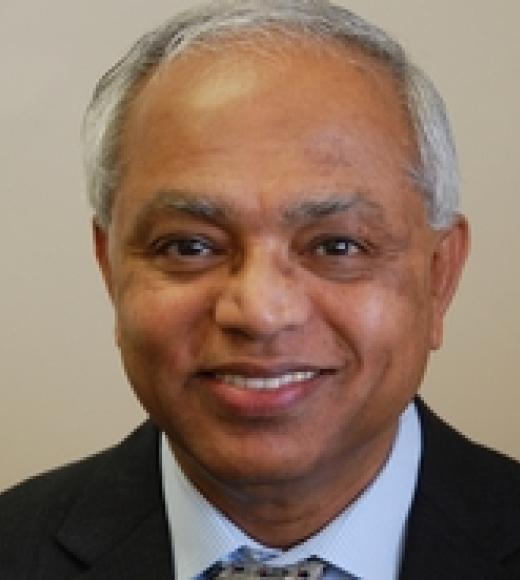
Krishna Subbarao is a Distinguished Professor in the Department of Plant Pathology at the University of California, Davis. He focuses on fungal diseases of vegetables, particularly Sclerotinia and Verticillium wilt pathogens. His research integrates ecology, epidemiology, and integrated pest management strategies to combat soilborne diseases. He is based in Salinas, CA, emphasizing practical solutions for agricultural challenges. Research Interests: Fungal disease ecology and epidemiology Genetic resistance breeding in lettuce and cotton Pathogen population genetics Development of diagnostic tools for Verticillium species Role of plant-microbe interactions in disease suppression Recent Research Trends: Recent work emphasizes molecular mechanisms of pathogen virulence, host resistance genetics, and biocontrol strategies. Key themes include Verticillium wilt's host specificity, Sclerotinia minor resistance in lettuce, and functional genomics of fungal effector proteins. Grants & Outreach: As a Cooperative Extension specialist, Subbarao collaborates with growers to implement disease management practices. His work bridges laboratory discoveries with field applications, including crop rotation strategies and biopesticide evaluations.
Mark van der Giezen is a Professor of Biological Chemistry at the University of South-Eastern Norway, affiliated with the Faculty of Science and Technology and the Department of Chemistry, Life Sciences and Environmental Technology. His research focuses on microbial interactions with hosts, particularly in gut environments, and their implications for human and animal health. Key areas include pathogen biology (e.g., Giardia, Entamoeba, Blastocystis), food security through livestock and fisheries pathogen studies (Aphanomyces, Fasciola hepatica), and collaborations with institutions like the National Lobster Hatchery and Cefas to study lobster microbiome health. He has published in high-impact journals such as Nature and Current Biology, with work on anaerobic adaptations and novel pathogens in crustaceans. Education details are not explicitly stated in the provided text. His research integrates biochemistry, genomics, and microbial ecology, addressing topics like anaerobic energy metabolism, host-microbe symbiosis, and the role of microbiomes in health and disease. Current projects include understanding microbial responses to low oxygen conditions and developing drug targets against gut pathogens. His work on crayfish plague (Aphanomyces astaci) and lobster pathogens has advanced diagnostic methods, while collaborations on microbiome influences on epigenetics and cardiovascular health highlight interdisciplinary approaches. He leads projects on the lobster gut microbiome and has discovered new pathogens affecting European lobster populations. Despite no explicitly listed awards, his contributions to microbial evolution and anaerobic biology are internationally recognized. Grant and advising details are not provided, but his lab’s focus on aquatic and terrestrial pathogen systems suggests active research funding. The lab collaborates globally, emphasizing applied microbiology for food security and environmental health.
Dr. Jennifer Gerke is a Researcher at the Institute of Organic Chemistry within the Faculty of Natural Sciences at Leibniz University Hannover. Her work focuses on microbial secondary metabolism, fungal development, and synthetic biology. She leads research in the Synthetic Biology Group and contributes to interdisciplinary projects in organic chemistry and molecular biology. Her research explores mechanisms of fungal adaptation, including secondary metabolite regulation, transcription factor networks, and plant-microbe interactions. Recent studies highlight novel biosynthetic pathways, pathogen virulence mechanisms, and applications in biotechnology such as fragrance production in yeast. Key contributions include discoveries in tropolone biosynthesis, velvet domain protein functions, and the role of Hülle cells in fungal survival. Her work bridges fundamental research with applied biotechnology, addressing topics from antibiotic discovery to metabolic engineering.
Martin Ryberg is a Professor at the Department of Organismal Biology, Uppsala University, specializing in systematic biology with a focus on Fungi. He holds academic merits of a PhD and Docent title. His research emphasizes fungal diversity, evolutionary biology, and bioinformatics, particularly studying ectomycorrhizal symbiosis and fungal phylogenetics. He leads the Ryberg group, contributing to global initiatives like the classification of fungi and the Outline of Fungi project. Education: PhD in Mycology, Docent (Associate Professor) qualification. Research interests include systematic mycology, fungal taxonomy, molecular evolution, and ecological genetics. His work spans fungal biodiversity in tropical regions, symbiotic relationships, and computational tools for phylogenetic analysis. He has co-developed software like ARBitR for genome assembly. Recent publications highlight topics such as microclimate effects on fungal production, evolutionary mechanisms in Marasmius species, and phylogenetic revisions of genera like Floccularia and Piloderma. He addresses challenges in fungal species discovery and DNA-based typification. Grants and collaborations involve global consortiums and studies on African ectomycorrhizal communities. His lab is based at the Evolutionary Biology Centre (EBC), Uppsala.
Katherine G. Quinn, PhD serves as Associate Professor and Director within the Department of Psychiatry and Behavioral Medicine at the Medical College of Wisconsin (MCW). Her leadership roles include Associate Director of the Center for AIDS Intervention Research and Co-Director of the Prevention and Implementation Sciences Training (PAIST) Lab, where she advances community-engaged public health research. Dr. Quinn's educational background includes a PhD in Public and Community Health from MCW, an AM in Social Service Administration from the University of Chicago, and a BA in Social Welfare and Justice from Marquette University. Her research critically examines how intersectional discrimination and stigma—particularly racism and anti-LGBTQ+ bias—impact health outcomes for Black sexual and gender minorities. Key focus areas include HIV treatment disparities, PrEP access, mental health, community violence, and resilience strategies. Analysis of her recent publications reveals a consistent emphasis on qualitative and mixed-methods approaches to understanding health inequities. Her work spans HIV prevention, telehealth adaptations for rural populations, vaccine hesitancy in Black communities, and the syndemic effects of structural violence. A distinctive thread across her scholarship is centering community voices to develop culturally responsive interventions. Through the PAIST Lab and Center for AIDS Intervention Research, Dr. Quinn mentors emerging researchers and implements training programs in prevention science. Her operational framework prioritizes community partnership in all research phases, from design to dissemination. Current projects address doula integration for birth equity, self-collected HIV monitoring tools, and navigating healthcare systems amid pervasive medical mistrust.
Bishwo Mainali is a Senior Research Fellow in Applied BioSciences at Macquarie University (2019–present). Previously held roles including Senior Research Officer at Macquarie University (2015–2019), Research Fellow at the National Institute of Crop Science in South Korea (2012–2015), and Research Assistant at Andong National University (2009–2012). Technical Officer at Nepal Agricultural Research Council (1998–2009). Education: PhD in Applied Entomology, Andong National University (2012) MS in Agricultural Biology, Andong National University (2008) BSc in Agriculture, Mahatma Phule Agricultural University (1998) Research Interests: Focus on biological control, applied insect chemical ecology, and sustainable pest management. Specializes in fruit flies (e.g., Queensland fruit fly), stink bugs, and development of benign pest control methods like traps and Sterile Insect Technique (SIT). Recent work includes optimizing larval diets, pheromone studies, and fungal biocontrol agents. Key Projects: Raising Qfly Sterile Insect Technique to World Standard (2015–ongoing) Enhancing fruit fly SIT via improved gel diets (2021–2026) Automated monitoring systems for crop pests (2024–2029) Media Contributions: Highlighted in press for pilot SIT programs reducing fruit fly populations in Australia (e.g., Cobram and Hillston initiatives). Labs/Teams: Collaborates on multidisciplinary teams addressing pest management challenges, including AI-driven monitoring and biological control strategies.
Prof Benjamin Schwessinger is a Professor at the Australian National University (ANU), affiliated with the Division of Plant Sciences. His research focuses on plant pathogens, fungal genomics, and the evolutionary dynamics of pathogen adaptation. Key areas include understanding rust fungi biology, host-pathogen interactions, and structural genomic variations in plants like Eucalyptus. He has pioneered methodologies for high-throughput protein secretion optimization in yeast and developed diagnostic tools for invasive pathogens such as Austropuccinia psidii (myrtle rust). Research Interests: Plant-microbe interactions and immunity Fungal genomics and sexual recombination mechanisms Evolving pathogen populations in agricultural systems Genomic tools for disease surveillance and biosecurity His recent work explores the genomic basis of pathogen adaptation, including studies on wheat stripe rust and myrtle rust. Collaborations span fungal pathogenomics, eucalyptus structural genomics, and yeast biotechnology. He leads multiple projects funded by ANU and ARC, including the Plant Biosecurity Training Centre. His lab emphasizes reproducible research practices and early career researcher development. Key projects include: Digital yeast bioprospecting for non-alcoholic beer production Surveillance of airborne pathogens in Australian Botanic Gardens Genome evolution of cereal rust fungi Labs/Teams: Core member of ANU's Plant Biosecurity Group and collaborator in the ARC Training Centre in Plant Biosecurity.
Catherine Bachewich is an Adjunct Associate Professor in the Department of Biology at Concordia University. Her research focuses on the regulation of the cell cycle, development, and virulence in fungi, particularly Candida albicans and Aspergillus nidulans. She investigates how cell cycle signals coordinate with differentiation and polar morphogenesis, aiming to identify novel drug targets for pathogen control. Her research programs include: Studying cell cycle control in Candida albicans, emphasizing the G1/S transition, mitosis, and hyphal development. Exploring the role of the polo-like kinase PLKA in mitotic regulation and sexual development in Aspergillus nidulans, revealing its evolutionary distinctness and novel functions. Bachewich's work has uncovered unique regulatory mechanisms in fungal pathogens, contributing to understanding their pathogenicity and potential therapeutic strategies. Her recent publications highlight interdisciplinary approaches in fungal genetics, cell cycle signaling, and morphogenesis.
Dr. Naomi Lee is an Associate Professor at Northern Arizona University in the Department of Chemistry and Biochemistry . Her research spans vaccinology , biochemistry , and STEM education with a focus on reducing health disparities in Native American communities . She leads the Lee Lab Research Group , which develops novel peptide-based therapeutics for HPV vaccines, cardiovascular disease prevention, and opioid addiction mitigation through methamphetamine hapten vaccines. Her work integrates Indigenous perspectives in public health research, particularly addressing vaginal microbiome variations contributing to cervical cancer disparities. She pioneers culturally relevant education programs to increase access for historically excluded students in STEM, evidenced by her Chemistry and Culture Workbook and collaborations with the Partnership for Native American Cancer Prevention . The 15 most recent publications demonstrate expertise in vaccinology , microbiome research , and health equity frameworks . Key subfields include virus-like particle engineering , opioid immunotherapy , Indigenous workforce development , and structural peptide optimization . Her team has received numerous scientific awards including the NIH NINDS Exceptional Summer Student Award , AISES Professional of the Year , and Barry Goldwater Scholarships for mentees. Student mentorship spans PhD candidates like Tawnjerae Joe at the University of Arizona, postdoctoral fellows such as Krystal Charley, and undergraduate researchers including Amaya Pablo working on silver nanocluster conjugation and Caleb Rice developing methamphetamine vaccines. Former students have pursued advanced degrees at institutions like Stanford , Johns Hopkins , and Kansas University . Lead researcher in NIH-funded HPV vaccine development Co-investigator in Community Health Representative programs for clinical trial trust-building Director of 4CSCC (Four Corners Science and Computing Club)