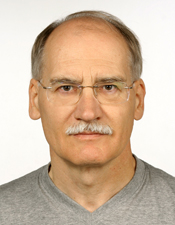
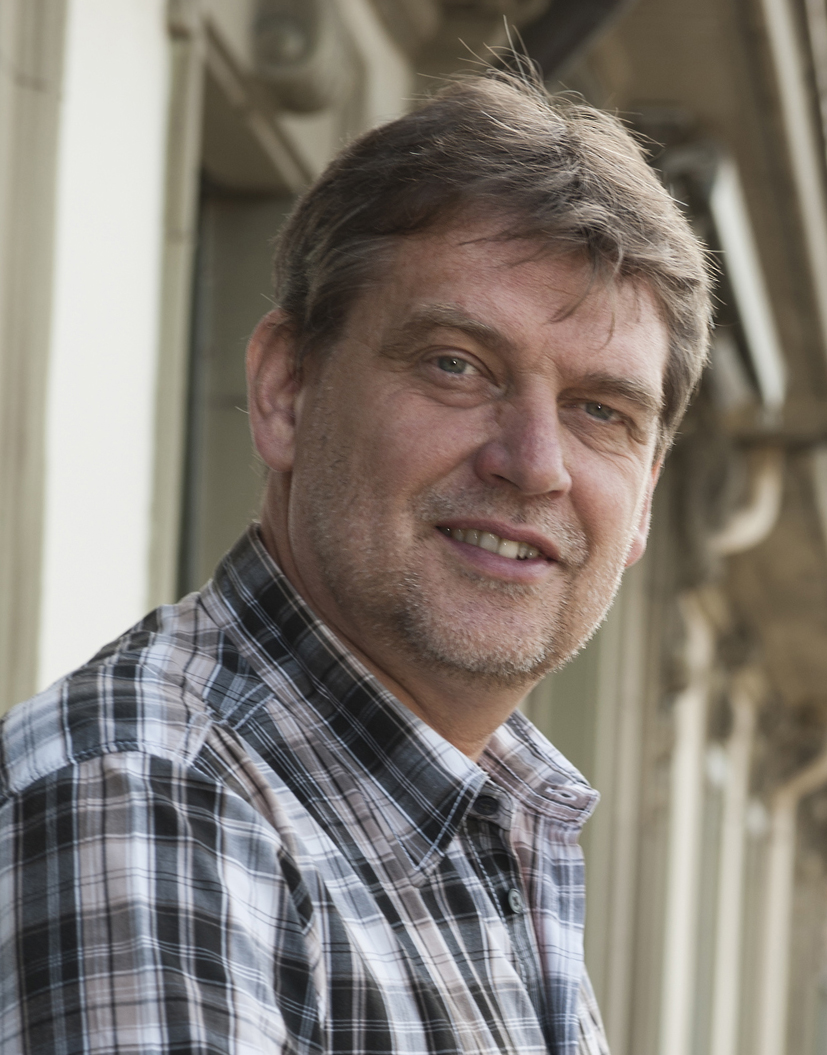
Dr. Heinrich Härke is a Visiting Research Fellow at the University of Reading (2007–2010, reappointed 2014–2017) and a professor at the University of Tübingen since 2010. His work focuses on migrations, ethnogenesis, early medieval burial rituals, and Eurasian nomadic archaeology. He leads international projects like the Dzhankent excavation in Kazakhstan, exploring Silk Road trade networks and urbanization. His research bridges archaeology with historical and interdisciplinary methods, emphasizing collaboration with geophysicists and historians. Key projects include the 2011 Wenner Gren-funded excavation at Dzhankent, challenging traditional narratives of nomadic state formation by revealing 7th-century sedentary origins. His DFG-funded project (2014–2017) investigates the town’s role in transcontinental trade. Collaborations involve Korkyt-Ata State University (Kazakhstan), Russian and German institutions, and British scholars. Publications include studies on Anglo-Saxon burial practices, Silk Road urbanization, and the social analysis of early medieval graves. His work addresses themes like ethnic identity, ritual symbolism, and the interplay between archaeology and politics.
Anna Stevens is a Lecturer in Archaeology & Ancient History at Monash University and Director of the Amarna Project at the McDonald Institute for Archaeological Research, University of Cambridge. Her research focuses on ancient Egypt, particularly urbanism, material culture, and non-elite life in Amarna during the reign of Akhenaten. She directs excavations at Akhetaten (Amarna), exploring topics such as health, burial practices, and urban heritage preservation. Stevens co-edits the Ancient Egypt in Context book series (Cambridge University Press), integrating Egyptology with broader social sciences. Education: PhD in Egyptian Archaeology, Monash University. Key Projects: Amarna Cemetery Project (2010–): Investigates non-elite burials, integrating archaeology and bioarchaeology to study health and funerary practices. Akhenaten's City: Protecting Amarna's Urban Heritage (2023–26): Creates photogrammetric models and conservation strategies for ancient housing areas. Research Interests: Urban archaeology, material culture analysis, lived religion, and cultural interaction in ancient Egypt, with emphasis on non-elite populations and Akhenaten's religious reforms. Grants & Funding: Supported by the National Endowment for the Humanities, British Academy, Egypt Exploration Society, and American Research Center in Egypt. Labs & Teams: Leads international teams at Amarna, collaborating with institutions like Southern Illinois University and CNRS. Engages in public outreach through lectures and the Journal of Egyptian Archaeology .
Dr. Juliette Calvarin is a researcher at the Institute for Art and Visual History (HU Berlin) since July 2021. She earned her BA in European and North-American history from Yale University (2013) and her PhD in Art History from Harvard University (2021), supervised by Jeffrey Hamburger and Evelin Wetter (Abegg-Stiftung). Her research focuses on East-Central Europe in the late Middle Ages, medieval textiles, liturgical symbolism, and material culture reuse. Supervised dissertation: Ornamenta Sacerdotum: Marian Chasubles for Priestly Bodies in pre-Hussite Prague Current role: Researcher in the Bildkulturen des Mittelalters group led by Prof. Kathrin Müller Her publications address topics like bishops’ rings, altarpieces, and textile semiotics, with fellowships from Munich’s Zentralinstitut für Kunstgeschichte and Mainz’s Institut für europäische Geschichte. She explores how liturgical objects shape clerical identity and medieval theological discourse.
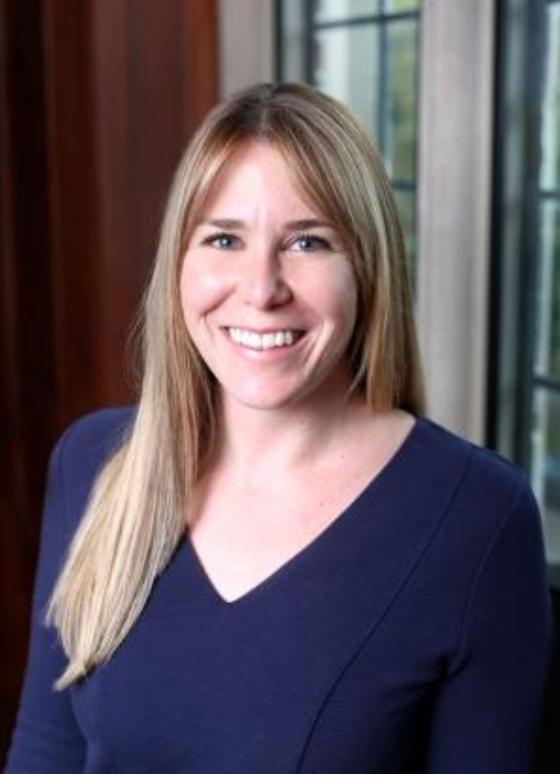
Sarah Newman is an Assistant Professor of Anthropology and Social Sciences at the University of Chicago's College and serves as Director of Undergraduate Studies. She holds a PhD from Brown University (2015). Her research integrates archaeological, historical, and art historical methods to examine themes such as waste, human-animal relationships, and long-term landscape transformations in Mesoamerica and beyond. Key projects include the Invisible Landscapes initiative, co-directed with Felipe Rojas and Eduardo Góes Neves, which explores anthropogenic landscapes through multidisciplinary collaboration. Newman’s fieldwork in Jordan investigates water management systems near Petra, while her Maya-focused studies address zooarchaeology, sensory experiences, and knowledge systems. Her monograph Unmaking Waste: New Histories of Old Things (2023) redefines waste as a culturally contingent concept, challenging Eurocentric narratives through cross-cultural comparisons. A current book project, Animal Archaeology , extends archaeological methodologies to non-human histories. Newman’s affiliations include the Committee on Environment, Geography, and Urbanization, the Institute for the Formation of Knowledge, and the Center for Latin American Studies. Publications span topics from Classic Maya animal categories to Neolithic sites in Jordan. Her work emphasizes interdisciplinary approaches, including remote sensing and 3D imaging technologies. Recent research explores sensory archaeology, particularly olfactory practices in Mesoamerica, and critiques traditional archaeological frameworks through comparative global perspectives.
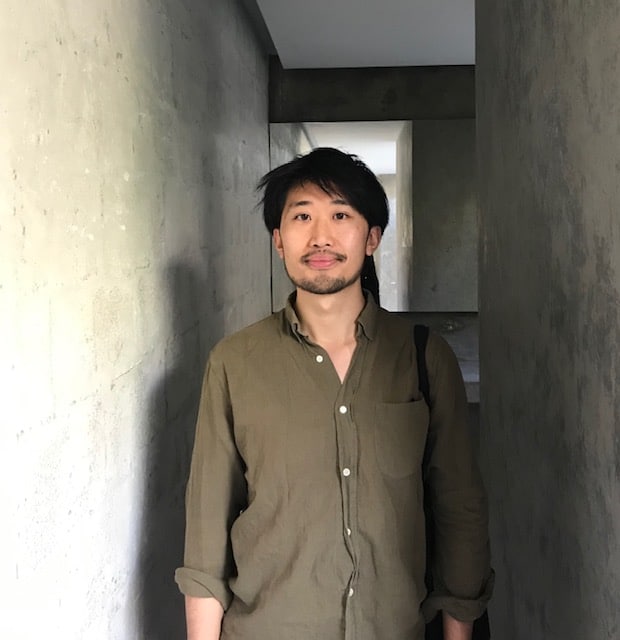
Kenneth Yu is an Assistant Professor in the Department of Classics at the University of Toronto, with additional affiliation to the Department for the Study of Religion. His research intersects Imperial Greek literature, ancient religious frameworks, and classical scholarship methodologies. University of Toronto (St. George Campus) Department of Classics & Department for the Study of Religion Academic rank: Assistant Professor Yu's scholarly focus spans three key areas: Analysis of Greek religious epistemology and its disciplinary history Commentary practices in antiquity across philosophical and literary texts Evolution of aetiological reasoning from Homeric hymns to Imperial ethnography His recent publications and projects include: Problems in Greek Religion: Constructing the Gods between Thauma and Philology (monograph) Co-edited volume The Oxford Handbook of Global Commentary (2020-25 SSHRC-funded) Titles in Ancient Greek Literature: Forms, Practices, and Theories (2022-25 SSHRC-funded) Yu has held distinguished fellowships at: Collège de France Hardt Foundation (Switzerland) Institute of Classical Studies (University of Leuven) Center for Hellenic Studies (2022-23) His academic credentials include: AB & PhD in Classics, University of Chicago
Anna Sun is an Associate Professor of Religious Studies and Sociology at Duke University, affiliated with the Trinity College of Arts & Sciences. Her research focuses on Confucianism as a world religion, gender dynamics in religious practices, and comparative studies of prayer and ritual. She holds a PhD and MA from Princeton University. Key awards include the 2014 Best First Book in the History of Religions and the 2014 Sociology of Religion Distinguished Book Award. Dr. Sun has served as Co-Chair of the Chinese Religions Unit at the American Academy of Religion (2016–2021) and Chair of AsiaNetwork’s Board of Directors (2015–2016). Her work interrogates East Asian religious traditions through sociological frameworks, emphasizing how Confucianism interacts with modernity and globalization. Education: PhD in Sociology, Princeton University (2008) MA in Sociology, Princeton University (2001) Research interests: Global Confucianism and its contemporary revival Gender and religious practice Ritual theory and comparative prayer studies Methodological challenges in East Asian religious studies Professional service includes leadership roles in the American Academy of Religion and AsiaNetwork, fostering interdisciplinary collaboration in Asian Studies. External partnerships with organizations like The Pew Research Center and The Fetzer Institute reflect her commitment to bridging academic and applied research in religion and society.
Lars E Fogelin is an Associate Professor at the University of Arizona specializing in the archaeology of Buddhism in South Asia. His research extends to the broader archaeology of religion, architectural studies, and the application of philosophy of science to archaeological reasoning, establishing him as a leading scholar in theoretical and material approaches to religious practice. Dr. Fogelin's work centers on material manifestations of Buddhist practice in early historic South Asia, particularly examining stupa architecture, monastic spatial organization, and ritual landscapes. He investigates how religious communities navigated social contradictions through spatial strategies and how material transformations reflected doctrinal shifts, such as the emergence of Mahayana Buddhism. His theoretical contributions emphasize inference to the best explanation and critical deconstruction of essentialist approaches in religious archaeology. His publication trajectory reveals consistent thematic focus across 20 years, with recurring exploration of Buddhist material culture, ritual practices, and methodological innovation. Early works established foundations in South Asian Buddhist archaeology, while later publications expanded into philosophical frameworks for interpreting religion. Key patterns include integration of ethnographic analogy with archaeological data, persistent attention to architectural evidence, and theoretical rigor in bridging anthropology, religious studies, and archaeological practice.
Stian Sundell Torjussen is an Associate Professor at the University of Innlandet , affiliated with the Department of Social Sciences, Religion and Ethics within the Faculty of Education . His primary research interests focus on ancient Greek religion, contemporary Paganism, reception studies, and the role of religion in popular culture. He actively contributes to teacher education programs in religion, philosophy, and ethics. Dr. Torjussen leads the Research Group Formation, Values and Cultural Heritage and serves as the Subject Manager for "Classical religion" at the Great Norwegian Encyclopedia . His work bridges classical religious studies with modern cultural phenomena, such as analyzing ancient myths in video games (e.g., Dungeons & Dragons: Mythic Odysseys of Theros ) and exploring contemporary Hellenic polytheistic practices in North America. His publications span over 15 years, addressing topics like Orphic gold tablets, Etruscan tomb iconography, and the reception of classical motifs in modern media. Recent work includes studies on teacher education ethics and transnational research collaboration through the TRANSPEER project. Though no formal awards are listed, his extensive scholarly output underscores his academic influence in religious and classical studies. Dr. Torjussen’s advising and grants focus on fostering interdisciplinary research and pedagogical innovation. He collaborates internationally, evident in projects like EMERGE (a European university alliance). His academic presence extends to platforms like Cristin , Academia.edu , and ResearchGate .
Eric Rebillard is the Avalon Foundation Professor in the Humanities at Cornell University, affiliated with the College of Arts and Sciences and departments/programs including Classics, History, Archaeology, Jewish Studies, Medieval Studies, and Religious Studies . His work bridges historical analysis with archaeological and literary approaches to Late Antiquity and early Christianity. Education: PhD in Classics from the Sorbonne (1993) Former affiliations: French CNRS (1996-2003), École française de Rome Research focuses on religious practices in Late Antiquity , particularly early Christian martyr narratives, burial customs, and the social dynamics of religious identity . His scholarship challenges conventional narratives about the exclusivity of Christian communities and emphasizes the fluidity of religious self-identification. Publications span monographs, edited volumes, and translated papers, with recurring themes of Roman Empire , Augustine of Hippo , and funerary archaeology . Key article trends include analysis of martyr texts , material culture , Augustinian theology , and Christianization processes in the Latin West. Awards include a Guggenheim Fellowship (2020-21) for his project on the triumph of Christianity. Grants supported interdisciplinary collaborations, such as the OpenURL citation project with Cornell University Library (2009).
Kurtis R. Schaeffer serves as the Frances Myers Ball Professor in the Department of Religious Studies at the University of Virginia. With over twenty-five years of specialized research experience, he has established himself as a leading scholar in Tibetan Buddhist literature and religious culture, with particular expertise in narrative and poetic traditions across Tibet, India, and Bhutan. BA, Department of Religious Studies, Lewis & Clark College BA, The Evergreen State College, Area of Emphasis: Buddhist Studies MA, Department of Asian Languages and Literatures, The University of Washington PhD, Department of Sanskrit and Indian Studies, Harvard University Schaeffer's research centers on the narrative and poetic literature of Buddhism across the Himalayan region, with extensive work on stories of the Buddha, Buddhist saints, and famous Buddhist masters. His scholarship examines how religious narratives function within cultural contexts, particularly focusing on the creation and transmission of Buddhist literary traditions. He has published groundbreaking work on the lives of Tibetan religious figures who compiled the Tibetan Buddhist Canons, the biography of a Himalayan Buddhist nun, and the evolution of stories about the Indian yogi Saraha through Tibetan history. More recently, he has expanded his research to explore the rich visual narratives of the Buddha in Tibet and Bhutan, integrating art historical approaches with textual analysis. Schaeffer's scholarly output reveals a consistent trajectory from textual analysis toward interdisciplinary approaches that bridge traditional religious studies with digital humanities. His publications include major monographs, edited volumes, and academic papers that demonstrate deep engagement with primary Tibetan sources while addressing broader theoretical questions about religious narrative, cultural transmission, and the materiality of religious texts. The progression from works like Himalayan Hermitess (2004) to his collaborative Life of the Buddha project shows an evolution toward multimodal scholarship that combines textual, visual, and digital elements. Schaeffer has held significant leadership positions including President of the Buddhist Digital Resource Center, the world's largest digital repository of Buddhist texts, and previously served as Chair of the Department of Religious Studies from 2012 to 2020. His work extends beyond traditional academic boundaries through public-facing initiatives that connect religious scholarship with contemporary social issues. Currently, Schaeffer co-directs the Religion, Race, & Democracy Lab with Martien Halvorson-Taylor, which produces the "Sacred & Profane" podcast exploring religion's role in daily life. He also co-directs The Sanctuary Lab with Halvorson-Taylor and Willis Jenkins, bringing together artists, humanists, and scientists to examine how religious connections to special places impact environmental perceptions and climate change understanding. His collaborative Life of the Buddha project combines art, literature, and digital humanities to make the largest narrative mural of the Buddha's life in Tibet accessible to the public.
Melanie Giles is a Professor in European Prehistory at the University of Manchester's Archaeology Department. Her research focuses on Iron Age studies, funerary archaeology, and bog bodies. She holds a BA/MA from the University of Sheffield and a PhD on East Yorkshire landscapes. Current projects include the AHRC-funded Grave Goods Project and Continuing Bonds: Creative Dissemination. She teaches modules like 'Dealing with the Dead' and supervises PhD students in Iron Age studies. Recognized with the 2022 Archaeology Book of the Year Award, her work explores material culture's role in understanding past communities. She is a Fellow of the British Academy and leads interdisciplinary research on mortuary rituals and heritage dissemination. Education: BA Archaeology, University of Sheffield MA Landscape Archaeology, University of Sheffield PhD: Iron Age Landscapes of East Yorkshire, University of Sheffield Key Projects: Grave Goods Project (Manchester/Reading/British Museum) Bog Body Network (Worsley Man studies) Whitworth Park Community Archaeology Project Awards: Archaeology Book of the Year Award 2022 Teaching & Supervision: UGPD for Classics, Archaeology & Heritage Studies Supervises PhDs on Iron Age populations, Celtic art, and mortuary practices External Roles: Fellow, The British Academy (2022–present) Membership: The Prehistoric Society (2017–2021)
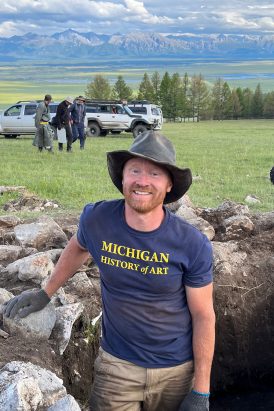
Bryan K. Miller is an Assistant Professor of Central Asian Art & Archaeology in the Department of History of Art at the University of Michigan, with affiliations to the International Institute, Center for Russian, East European, & Eurasian Studies (CREES), Lieberthal-Rogel Center for Chinese Studies, and the Weiser Center for Europe and Eurasia. He is also an Assistant Curator of Asian Archaeology at the Museum of Anthropological Archaeology. His research focuses on nomadic societies, steppe pastoralism, and empires in early East Asia, particularly the Xiongnu steppe empire. His work integrates textual analyses and material culture studies, including archaeological surveys in Mongolia and protein analyses of garment remains. Miller holds a PhD in East Asian Civilizations from the University of Pennsylvania (2009), an MA in Archaeology from UCLA (2000), and a BA in Archaeology & East Asian Studies from Washington University in St. Louis (1997). His recent publications include a monograph on the Xiongnu and a co-edited volume on ritual and economy in East Asia. His current research examines the roles of steppe societies in shaping Eurasian exchanges, particularly along the Silk Roads. He teaches courses such as HISTART 265 (Arts and Cultures of Star Wars), HISTART 393 (Undergraduate Seminar), and HISTART 689 (Special Topics in History of Art).
Prof. Mirko Novák is an Associate Professor of Near Eastern Archaeology at the University of Bern's Institute of Archaeological Sciences (IAW), holding this position since 2015. He serves as Managing Director of the institute. His academic career includes roles as a research associate, field director, and acting professor at multiple institutions, including the Universities of Tübingen, Heidelberg, and Munich. Novák specializes in the archaeology of Mesopotamia and the Levant, focusing on ancient Near Eastern social economy, architectural analysis, and the ideological underpinnings of archaeological remains. His research integrates urban planning, burial practices, and cultural interactions across ancient civilizations. Recent work emphasizes Neo-Hittite urbanism, Assyrian citadel dynamics, and the interplay between monumental architecture and writing systems in the Hittite Empire. His publications span edited volumes, excavation reports, and theoretical analyses, reflecting a commitment to both fieldwork and interdisciplinary scholarship. Novák has led major archaeological projects like the Tall Halaf excavations and contributed to initiatives exploring Central Asian cultural exchange. His academic trajectory includes a habilitation at Tübingen (2004), re-habilitation at Munich (2010), and editorial leadership in journals like Altorientalische Forschungen . Awards and honors are not explicitly listed in the provided materials, though his extensive publication record and research leadership indicate significant scholarly recognition.
Professor William O'Brien is Professor of Archaeology at University College Cork, specializing in Irish and European prehistory with expertise in Bronze Age copper mining, hillforts, and settlement landscapes. His fieldwork includes 30+ excavation projects across southwest Ireland, redefining understanding of prehistoric metallurgy and social structures. Research examines Chalcolithic/Bronze Age metal-using societies (2500-600 BC), particularly early copper mines like Ross Island and Mount Gabriel. Publications include seminal works on prehistoric mining in Europe and Irish hillfort societies. Recent projects analyze warfare in Late Bronze Age Ireland and coastal promontory forts. Honors: Elected Member, Royal Irish Academy Fellow of Society of Antiquaries of London Higher Doctorate (DLitt) Education: PhD Archaeology, University College Cork MA Archaeology, University College Cork
Adam T. Smith is Distinguished Professor of Arts and Sciences in Anthropology at Cornell University, where he holds appointments in the Department of Anthropology, the Archaeology Program, and the Milstein Program in Technology & Humanity. He is a leading scholar in Eurasian archaeology, specializing in the South Caucasus, with a focus on the emergence of complex societies and the materiality of political authority. Smith is a co-founder of Project ArAGATS and leads Caucasus Heritage Watch, a pioneering initiative using satellite technology to monitor cultural heritage at risk. His educational background includes a Ph.D. and M.A. in Anthropology from the University of Arizona, an M.Phil. from the University of Cambridge, and a B.A. in Anthropology & Political Science from Brown University. Smith's research interests span archaeology, material culture, political and legal anthropology, heritage and museums, and the archaeology of sovereignty. His work combines theoretical inquiry with empirical fieldwork, exploring how objects, landscapes, and built environments shape political life from the Bronze Age to the present. He is particularly known for his work on the Urartian state, Bronze Age metaphysics, and the long-term political dynamics of the Armenian Highland. His recent publications reveal a strong trend in using archaeology to address contemporary issues of heritage destruction, collective memory, and cultural erasure, especially in conflict zones like Nagorno-Karabakh. The articles show a deep engagement with remote sensing, geophysical survey, and interdisciplinary methods to reconstruct past societies and protect endangered heritage. Fellow, Milstein Program in Technology and Humanity, Cornell University (2023–2025) Finalist, Falling Walls Science Breakthrough of the Year, Social Sciences and Humanities (2023) Certificate of Communal Partnership, St. James AME Zion Church, Ithaca NY (2023) John Simon Guggenheim Memorial Foundation Fellow (2010–2011) Fellow, Cornell University Society for the Humanities (2010–2011) Fellow, Howard Foundation (2006–2007) Fellow, Franke Institute for the Humanities, University of Chicago (2003–2004) National Endowment for the Humanities/American Councils for International Education Collaborative Research Fellow (2003) Fellow, Michigan Society of Fellows, University of Michigan, Ann Arbor (1997–1999) Smith advises graduate students, leads the Landscapes and Objects Laboratory, and directs major research initiatives including Project ArAGATS and the St. James AME Zion Community Excavations. His work has been supported by grants from the National Science Foundation, Wenner-Gren Foundation, National Geographic Society, and other leading institutions. He is actively engaged in public archaeology, policy advocacy, and community-based research, bridging academic scholarship with real-world impact.