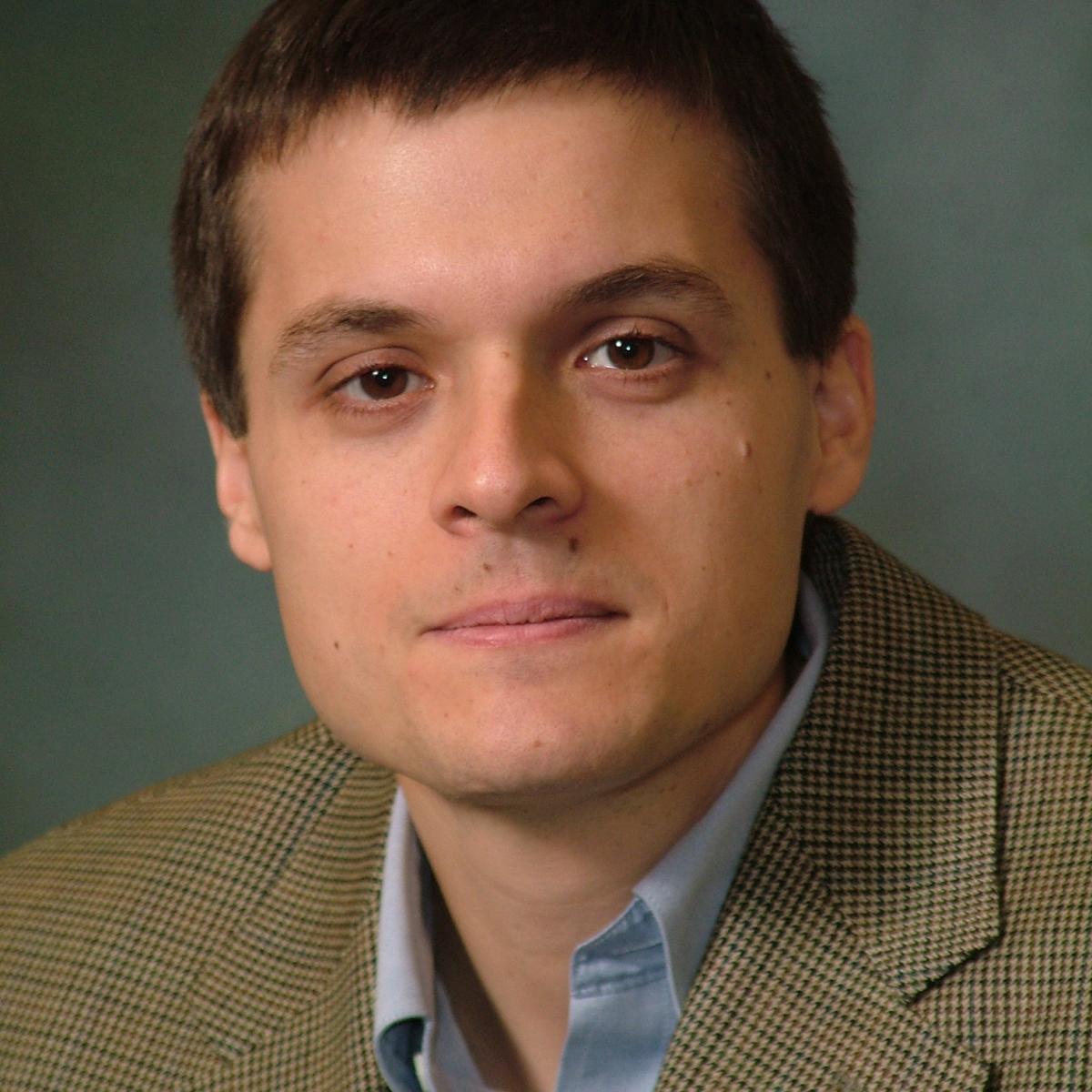
Professor Carsten Rudolph serves as Deputy Dean at Monash University's Faculty of Information Technology and directs the Oceania Cyber Security Centre (OCSC). He holds a PhD in Information Security from Queensland University of Technology (2002) and a Diplom in Computer Science from Goethe University Frankfurt (1997). His interdisciplinary research focuses on cybersecurity foundations, including cryptographic protocols, AI-driven security, human factors, and national cybersecurity policy. Key areas include securing smart grids, digital health systems, and transnational energy networks. Notable contributions include establishing the OCSC, leading Pacific region cybersecurity maturity reviews with Oxford University, and advancing frameworks for firmware security in virtual power plants. He chairs major projects like RAI4IoE (Responsible AI for Energy) and Post-Quantum Cryptography initiatives. Teaching responsibilities include cybersecurity modules like FIT3173 and FIT3168. Rudolph's research outputs (137+ publications) emphasize phishing detection via AI, blockchain-based energy trading, and resilient smart grid systems. He collaborates internationally on policy development and has advised 12 major research projects funded by agencies like the U.S. Bureau of East Asia and Pacific Affairs.
Maurizio Ramanzin is a Full Professor at the University of Padova , affiliated with the School of Animal Science and Department of Agronomy, Animals, Food and Natural Resources (DAFNAE) . His research focuses on Agricultural Sustainability , Environmental Impact Assessment , and Precision Livestock Farming . Academic Field : AGR/19 Email : maurizio.ramanzin@unipd.it Address : Agripolis - Viale dell'università, 16 - Legnaro (Padova) – ITALY His work explores the interactions between livestock systems and ecosystem services in mountainous regions, with emphasis on: Grazing Management and biodiversity conservation Life Cycle Assessment (LCA) of dairy and beef systems Climate Change Adaptation in Alpine ungulates Animal Welfare in small-scale farms Technological Tools (GPS, NIRS) for monitoring grazing behavior Key trends in his recent publications include: Quantifying environmental drivers of wolf predation on livestock Developing low-cost biologging systems for dairy cows Analyzing social-ecological trade-offs in mountain agriculture Assessing microbial dynamics in alpine soils
Caroline Ketcham is a Professor of Exercise Science and the Associate Dean of Elon College, the College of Arts and Sciences at Elon University. Her research focuses on movement neuroscience, neurodiversity, concussions, and mental health, with expertise in neuromusculoskeletal control and rehabilitative strategies across diverse populations including children, elderly, neurological patients, and athletes. Education: PhD in Exercise Science/Motor Control, Arizona State University (2003) MS in Exercise Science/Motor Control, Arizona State University (1999) BA in Biology/Psychology, Colby College (1996) Her work spans motor control, concussion management, and mental wellness, with over 87 undergraduate mentees and 65+ publications. She co-edited Concussion in Athletics and Cultivating Capstones , and co-directs the Elon BrainCARE Research Institute, which advocates for concussion awareness and mental health. Recent research trends include concussion baseline testing as mental health screening, dual-task gait analysis, and global mentoring frameworks. Scientific awards highlight her contributions: Distinguished Scholar (2023), Ward Family Mentoring Award (2017), and multiple teaching distinctions. Scientific Awards: Distinguished Scholar Award (2023), Elon University Ward Family Excellence in Mentoring Award (2017), Elon University Elon College Service Award (2014), Elon University School of Education Excellence in Scholarship Award (2010), Elon University Teacher of the Year (2007), Texas A&M University She actively mentors students in concussion advocacy and neurodiverse movement research, with hundreds advised in health professions. Her labs focus on neuromuscular control and mental wellness initiatives.
Ina Fichtner is a Professor at the Faculty of Digital Transformation of University of Applied Sciences HTWK Leipzig since 2022. Previously, she led the MINT department at the Institute for Applied Training Science (IAT) in Leipzig for 13 years (2009–2022), focusing on integrating mathematics, informatics, and natural sciences into sports research. Her work bridges computer science , biomechanics , and sports informatics , with extensive projects on athlete movement analysis, data systems (IDA), and digital tools for elite sports. PhD in Computer Science (2007) from TU Dresden and Leipzig University Diplom in Mathematics and Computer Science (2002) from Jena, Dresden, and Sheffield Her research spans data science , sports technology , and applied informatics , particularly in ski jumping , dive analysis , and athlete biomechanics . She has co-authored numerous publications in theoretical computer science and applied sports informatics , including studies on 3D body scanning , inertial sensors , and force-velocity profiling . She served as Alumni Representative and Treasurer of the Friends' Association at HTWK Leipzig, with memberships in German Mathematical Society and German Sports Science Association .
Timothy Baldwin is a Professor at the University of Melbourne, School of Computing and Information Systems, with additional affiliation at Mohamed bin Zayed University of Artificial Intelligence in UAE. His research spans natural language processing, large language models, and multilingual AI systems. His research interests focus on the safety, reliability, and ethical aspects of large language models. He investigates bias evaluation and debiasing techniques, uncertainty quantification methods, fact-checking systems, and multilingual model safety. His work addresses critical challenges in making AI systems more transparent, reliable, and culturally aware, with particular attention to low-resource languages and cross-cultural differences. Baldwin's recent publications demonstrate a strong focus on evaluating and improving the safety of language models across diverse linguistic contexts, developing tools for fact verification, and understanding the internal mechanisms of large language models. His research shows increasing emphasis on practical applications with real-world impact, particularly in multilingual settings and safety-critical domains. His scientific contributions include foundational work on multilingual NLP, bias mitigation techniques, and frameworks for evaluating LLM safety across different cultural contexts. His research has been published in top-tier venues including ACL, NAACL, EMNLP, and ICLR. Baldwin actively mentors students and junior researchers, with frequent collaborations with Haonan Li, Xudong Han, and Fajri Koto, among others. His research group appears to focus on practical applications of NLP with strong ethical considerations, particularly regarding model safety and cultural sensitivity.
Professor Wolfgang Fritzsche serves as Head of the Nanobiophotonics Department at the Leibniz Institute of Photonic Technology (Leibniz-IPHT) in Jena, Germany, where he leads cutting-edge research at the intersection of nanotechnology and photonics. His laboratory, located in HG 269, maintains active collaborations across multiple international institutions as evidenced by his extensive publication record. Dr. Fritzsche's research spans multiple nanotechnology domains with particular emphasis on plasmonic nanoparticles, nanozymes, and optical sensing platforms. His work demonstrates exceptional versatility across fundamental nanomaterial synthesis and practical biomedical applications. Recent projects include developing innovative antibiofilm agents using β-cyclodextrin inclusion complexes, engineering laccase-mimetic nanozymes for food safety monitoring, and creating plasmonic nanocomposites for antibacterial applications. His expertise in localized surface plasmon resonance (LSPR) sensing has led to significant advancements in real-time monitoring of nanomaterial interactions and biosensing platforms. Analysis of his recent publication trajectory reveals a strategic research focus on translating nanomaterial discoveries into practical diagnostic and therapeutic applications. His work demonstrates increasing integration of multiple nanotechnology approaches, particularly combining plasmonics with enzymatic mimetics and advanced imaging techniques. The consistent high-impact journal placements across chemistry, materials science, and biomedical engineering publications indicate strong cross-disciplinary recognition of his contributions to nanobiophotonics. While no specific awards are mentioned in the available documentation, Professor Fritzsche's leadership position at a Leibniz Association institute and his prolific publication record in top-tier journals represent significant professional recognition. His research program appears well-funded through the substantial output of collaborative papers spanning multiple application areas. Professor Fritzsche maintains an active research laboratory focused on nanobiophotonics, with particular expertise in plasmonic nanoparticle synthesis, surface functionalization techniques, and optical biosensing platforms. His team appears to specialize in bridging fundamental nanomaterial properties with practical biomedical applications, particularly in infection control, cancer therapy, and diagnostic technologies. The interdisciplinary nature of his publications suggests collaboration across chemistry, physics, biology, and medical research domains.
Luigi Bruno is an Associate Professor of Machine Design at the Department of Mechanical, Energy and Management Engineering (DIMEG), University of Calabria. He has held this position since 2014, following 12 years as an Assistant Professor at the same institution and Visiting Professorships at IIT Gandhinagar (2012), University of Alabama at Birmingham (2013-2017), and Free University of Bozen-Bolzano (2021). 1999 : Master's in Mechanical Engineering, University of Calabria (110/110 cum laude) 2003 : PhD in Mechanical Engineering, University of Pisa His research interests span: Experimental Mechanics : Pioneering speckle interferometry for micro-displacement measurement and residual stress analysis. Materials Science : Elastic characterization of anisotropic materials, biomedical applications of soft substrates, and 3D-printed composites. Biomedical Engineering : Mechanical behavior of biological tissues, ocular biomechanics, and dental implant material testing. Recent research trends focus on: Integrating artificial muscles into rehabilitation devices Advancing full-field optical measurement via microCT/DVC Optimizing 3D printed polymer adhesion for industrial components Exploring neuronal biomechanics on soft surfaces Scientific contributions include: CS2007A00010 patent for dual-focus speckle interferometers Deputy Editor of Optics and Lasers in Engineering (2019-present) Guest Editor for special issues on optical methods in experimental mechanics and nanobiotechnology Academic leadership extends to coordinating Mechanical Engineering committees (2021-present), serving on editorial boards, and organizing international conferences like AIAS National Conference (2018). He has secured multiple MIUR research grants and industry collaborations with Alfagomma, 3DNA, and Ferrovie della Calabria. His laboratory, Mechanics of Materials and Structures , supports both research and teaching activities with advanced optical measurement systems and computational tools for mechanical design.
Christopher Grainge is a Conjoint Associate Professor at the University of Newcastle's School of Medicine and Public Health, and a Staff Specialist in Respiratory and General Medicine at John Hunter Hospital. Previously, he served as a Consultant Physician and Senior Lecturer at the University of Southampton. His extensive clinical background includes service in the Royal Navy, specializing in diving and remote medicine, and deployments to Antarctica and Southern Iraq. Dr. Grainge maintains active research collaborations with institutions worldwide, focusing on respiratory medicine. Dr. Grainge completed his undergraduate training at Imperial College, University of London, with an intercalated BSc. He earned his PhD from the University of Southampton in 2011, with research published in the New England Journal of Medicine. His thesis examined the effect of repeated bronchoconstriction on airways in asthma. He also holds membership in the Royal College of Physicians and was awarded the Diploma in the Medical Care of Catastrophes, specializing in remote and refugee medicine. Dr. Grainge's research focuses on the role of mechanical forces in asthma pathophysiology, environmental dusts in lung disease development, and platelet antagonists' effects on allergen challenge. His work demonstrates that mechanical forces play a crucial role in determining long-term changes in human airways. He leads investigations into how environmental exposure to inhaled particles leads to conditions like constrictive bronchiolitis, and explores novel therapeutic pathways for asthma through platelet activation inhibition. His research has significant clinical implications for difficult asthma and interstitial lung disease management. Dr. Grainge's recent publications reflect strong trends in interstitial lung disease research, particularly idiopathic pulmonary fibrosis, and asthma mechanisms. His work increasingly incorporates advanced technologies like artificial intelligence for disease stratification and deep learning for predicting disease progression. Collaborative research with international teams examines biomarkers for disease progression and novel treatment approaches for fibrotic lung diseases, with a particular focus on quantitative CT analysis and patient-reported outcome measures. Leatherdale Prize for Clinical Teaching: Finalist (2013) Military and Civilian Health Partnership Awards Winner (2011) University of Southampton Translational Medicine Research Prize (2011) Michael Arthur Clinical Research Prize (2014) British Lung Foundation Travel Fellowship (2011) Gilbert Blane Medal (2010) Colt Foundation Prize: Finalist (2010) Asthma UK Travel Fellowship (2009) Dr. Grainge has received significant research funding from the British Lung Foundation, the Southampton Marine and Maritime Institute, the Institute for Life Sciences, and the Gerald Kerkut Foundation. His projects investigate the effects of physical and environmental stress on lung disease, mechanisms underlying lung disease development following environmental particle exposure, and potential therapies. He has collaborated extensively with research teams across Australia, the UK, the Netherlands, and South Africa, contributing to the training of numerous students and junior researchers through his supervision and mentorship roles. Dr. Grainge collaborates extensively with the Respiratory Research group at the University of Southampton, the Asthma and COPD Research Group at the University of Groningen in the Netherlands, and the Microbiome group at the South Australia Medical Research Institute. His current work at the Hunter Medical Research Institute (HMRI) focuses on mechanical forces within airways and their impact on acute and long-term lung changes in patients with airway diseases. He is also involved in the Australian IPF Registry, contributing to multicenter studies on idiopathic pulmonary fibrosis progression and treatment outcomes.
Dr. Aleona Swegen is an ARC DECRA Fellow at the School of Environmental and Life Sciences, University of Newcastle, Australia. A veterinarian and research fellow specializing in animal fertility, she applies cutting-edge reproductive biology techniques to benefit both endangered species and livestock. Her work focuses on developing novel approaches to preserve fertility, particularly through proteomic and molecular analyses of reproductive processes. Bachelor of Veterinary Science, University of Sydney (2010) PhD in Reproductive Science, University of Newcastle, Australia (completed under Laureate Professor John Aitken) Dr. Swegen's research spans multiple interconnected areas of reproductive biology. Her primary focus is on equine reproduction, particularly stallion sperm biology and fertility. She investigates how environmental factors like heat stress impact male fertility and offspring health. Her work also extends to endangered species conservation, notably her contributions to the Rhino Fertility Project aimed at rescuing the Northern White Rhino from extinction. Through proteomic, lipidomic, and molecular approaches, she explores embryo-maternal interactions, sperm metabolism, and novel fertility preservation techniques. Analysis of Dr. Swegen's recent publications reveals a strong emphasis on applying advanced 'omics technologies to reproductive challenges. Her work consistently bridges basic science with practical applications in both livestock breeding and endangered species conservation. A notable trend is her exploration of how environmental stressors, particularly heat stress, affect reproductive outcomes across species. Her research demonstrates increasing integration of multi-omics approaches (proteomics, lipidomics) to identify biomarkers and develop diagnostic tools for fertility assessment. ARC DECRA Fellowship (2022-2024) for research on heat stress effects on male fertility Dr. Swegen actively supervises multiple PhD and Masters students, focusing on topics related to equine reproduction, heat stress effects, and fertility preservation. She has secured significant research funding, including multiple ARC grants and AgriFutures Australia projects totaling over $3 million. Her current projects include 'Early pregnancy in the mare: mechanisms of immune recognition and novel assays for pregnancy testing' and 'Pioneering reproductive biotechnology innovations for equine breeding,' reflecting her dual focus on fundamental research and practical applications. As part of the Priority Research Centre for Reproductive Science at the University of Newcastle, Dr. Swegen collaborates with interdisciplinary teams working on reproductive challenges across species. Her work connects with conservation efforts globally, particularly through collaborations with institutions like the Smithsonian Conservation Biology Institute and the University of Oxford's Rhino Fertility Project.
James B. Orlin is the E. Pennell Brooks (1917) Professor in Management and a Professor of Operations Research at the MIT Sloan School of Management. He specializes in network and combinatorial optimization with applications spanning transportation, computer science, operations, and marketing. BA in Mathematics, University of Pennsylvania MA in Mathematics, California Institute of Technology MMath, University of Waterloo PhD in Operations Research, Stanford University His research focuses on designing efficient algorithms for network optimization problems, including shortest path, max flow, and min cost flow. He has contributed to algorithmic theory in logistics, telecommunications, and inventory management, with work on stochastic demand models and data-driven inventory policies. Recent publications include advancements in directed shortest path algorithms, robust submodular function maximization, and energy storage problem complexity. His seminal textbook Network Flows: Theory, Algorithms, and Applications (1993) remains a foundational reference. Leonard G. Abraham Prize Khachiyan Prize Test of Time Award As a mentor, he has advised numerous researchers through collaborative publications and teaching. His work addresses both theoretical algorithm development and practical implementation across diverse domains including airline scheduling, logistics, and network design.
Julien Chanal is a researcher at the Faculty of Psychology and Educational Sciences, University of Geneva, specializing in Methodology and Data Analysis (MAD group). His work bridges educational psychology, motivation theory, and neuropsychology through empirical studies on self-determination, physical activity, and cognitive function. Primary affiliation: University of Geneva Research focus: Motivation and executive function assessment Key areas: Physical education, materialism effects, neuropsychological testing His research spans two decades, producing 38 publications with over 19,000 views. Recent projects examine motivation multidimensionality (2025), aerobic fitness-cognition links (2024), and neural correlates of materialism (2018). Despite extensive publication history, specific student names remain unspecified. Methodological innovations include epoch-length analysis in physical education (2015), self-concept modeling (2009), and neuropsychological norm establishment in Cameroon (2009). His work remains actively cited across disciplines, though no scientific awards are explicitly documented in available sources.
Professor Kristopher Kilian is Director of the Laboratory for Advanced Biomaterials & Matrix Engineering (LAB&ME) with a joint position across the School of Chemistry and the School of Materials Science & Engineering in the Faculty of Science at UNSW Sydney. He serves as co-Director of the Australian Centre for NanoMedicine (ACN) and is a member of the Adult Cancer Program in the Prince of Wales Clinical School. His interdisciplinary research focuses on unraveling 'matrix structure-cell function' relationships through innovative biomaterial design. After completing his PhD at the University of New South Wales, Kilian pursued NIH postdoctoral training at the University of Chicago before faculty positions at the University of Illinois at Urbana-Champaign (2011-2018). He returned to UNSW in 2018 as a Scientia Fellow, establishing his current leadership roles. Research Focus: Design of model extracellular matrices and dynamic hydrogels for cell and tissue engineering Fundamental studies in cell plasticity and matrix-directed cell fate Development of synthetic tumor microenvironments for drug testing iPSC-derived organoid bioengineering 4D biofabrication techniques Tissue engineering approaches for lab-grown meat applications His extensive publication record demonstrates consistent focus on hydrogel mechanics, dynamic biomaterials, and the role of physical cues in directing cell behavior. Recent work emphasizes mechanochemistry, spatial control of cell differentiation, and the development of sophisticated tumor models that replicate the complexity of cancer microenvironments. Scientific Recognition: Cornforth Medal (2008) NIH Ruth L. Kirchstein Award (2008) Kavli Fellow (2014) NSF CAREER Award (2015) Australian Research Council Future Fellowship (2018) Eureka Prize finalist (2023) Kilian's research program bridges fundamental cell biology with translational applications, particularly in cancer modeling and regenerative medicine. His laboratory develops innovative biomaterial platforms that enable precise control over cellular microenvironments, facilitating discoveries in cell plasticity and tissue engineering. The group's work on dynamic hydrogels and mechanochemical systems represents a significant contribution to the field of biomaterials science. As Director of LAB&ME, Kilian leads a multidisciplinary team that integrates nano- and micro-fabrication techniques with synthetic chemistry to create biomimetic materials. The laboratory's approach centers on the concept that cell state and fate are governed by inherent cell plasticity within specific multivariate signaling contexts.
Rocco Servedio is a Professor in the Department of Computer Science at Columbia University. He earned his PhD from Harvard University under the supervision of Leslie Valiant, with a thesis on efficient algorithms in computational learning theory. Prior to joining Columbia, he was an NSF postdoctoral fellow at Harvard University. His research spans computational complexity theory, computational learning theory, property testing, analysis of Boolean functions, and randomness in computing. He has made significant contributions to the theoretical foundations of computer science, particularly in understanding the power and limitations of efficient algorithms for learning and testing. His work bridges theoretical computer science with practical applications in algorithm design and analysis. Professor Servedio has been recognized with numerous awards including: Alfred P. Sloan Research Fellowship NSF CAREER Award Columbia University Presidential Teaching Award Best paper or best student paper awards from STOC, FOCS, COLT, and CCC conferences His research has been supported by grants such as the NSF CAREER award, and he has served as a visiting scientist for programs including Sublinear Algorithms (Summer 2024), Analysis and TCS: New Frontiers (Summer 2023), and Real Analysis in Computer Science (Fall 2013). These appointments reflect his active engagement with the broader theoretical computer science community and ongoing contributions to cutting-edge research initiatives.
Jingrui He is a Professor and MSIM Program Director at the School of Information Sciences, University of Illinois Urbana-Champaign. She holds multiple faculty affiliate positions including with the Department of Computer Science, National Center for Supercomputing Applications (NCSA), Illinois Informatics, Center for Digital Agriculture (CDA), and Mayo Clinic Arizona. Her research spans machine learning with applications in diverse domains including healthcare, agriculture, security, and finance. Dr. He received her PhD in Machine Learning from Carnegie Mellon University in 2010. Her research focuses on heterogeneous machine learning, active learning, neural bandits, and self-supervised learning. She addresses complex data challenges where multiple types of heterogeneity coexist, developing methods for exploring, understanding, characterizing, and predicting real-world data through statistical machine learning techniques. Her recent publications demonstrate a strong focus on graph learning, federated learning, fairness in AI, and neural bandit algorithms. She has developed innovative approaches for class-imbalanced graph learning, Byzantine-robust federated learning, and privacy-preserving graph machine learning. Her work bridges theoretical foundations with practical applications across multiple domains. Her scientific awards include the Amazon Research Award (2025), ACM Distinguished Member (2023), AAAI Senior Member (2023), FAccT Distinguished Paper Award (2022), NSF CAREER award (2016), and multiple IBM Faculty Awards. She has been recognized as an excellent teacher and received Best Paper awards at major conferences including ICDM and SDM. Dr. He directs the iSAIL Lab and leads several major research projects including the AI Institute for Future Agricultural Resilience Management and Sustainability (AIFARMS). She has successfully mentored numerous doctoral students who have become co-authors on her publications. Her research has been funded through prestigious grants including the NSF CAREER award and IBM Faculty Awards.
Professor Oliver Johnson is a faculty member at the School of Mathematics, University of Bristol, UK, where he serves as Head of School and holds the Professor of Information Theory position. His research bridges information theory, probability, and statistics, focusing on entropy convergence, group testing, and fundamental limits in data analysis. Current PhD students: Kieran Morris, Conor Crilly Ex-PhD students: Matt Aldridge, Leonardo Baldassini, Dan Cowley, Vaia Kalokidou, Tom Kealy, Jennifer Chakravarty, Zichen Gui, Chrys Paschou Ex-postdoc: Erwan Hillion His work includes ORCiD profile and collaborations across information theory, cybersecurity, and ecological modeling.