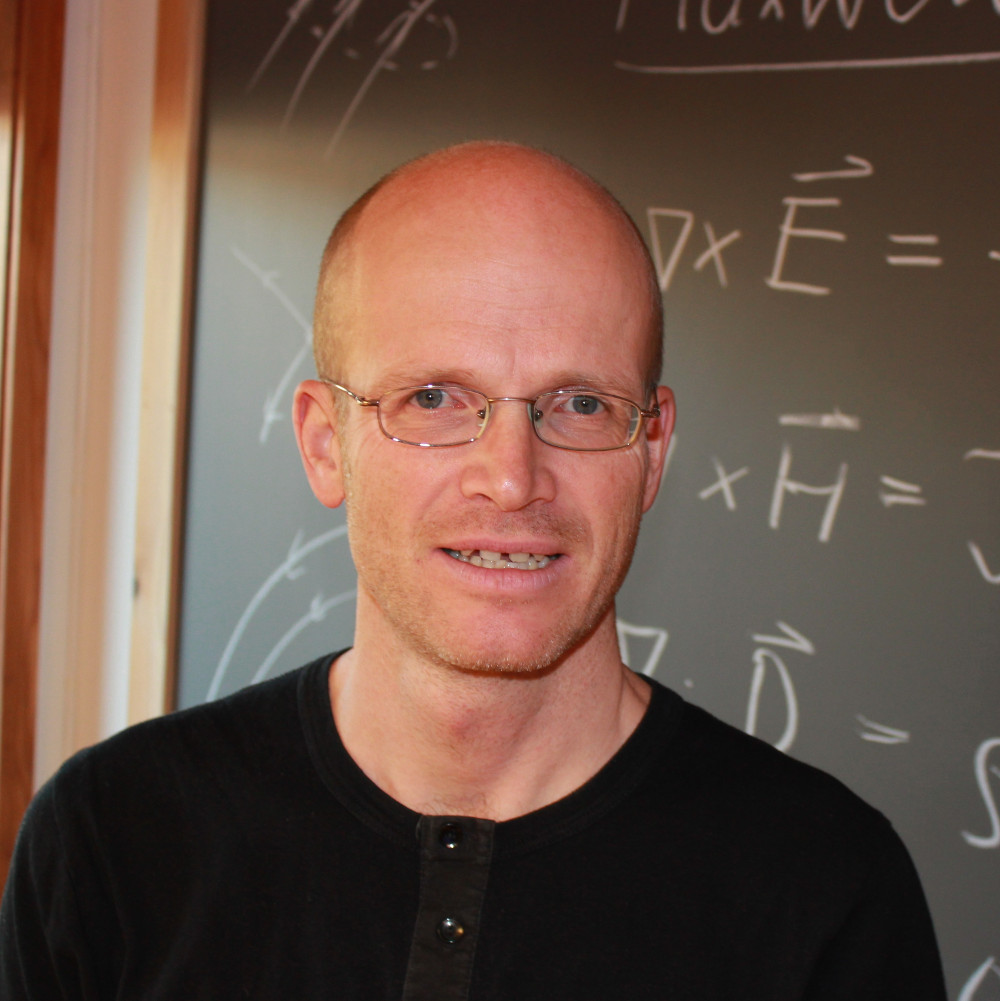
Johannes Skaar is a Professor at the Department of Physics, University of Oslo (UiO). He holds a 100% position there since 2017, previously at NTNU. His research focuses on quantum field theory, quantum optics, electromagnetics, metamaterials, photonics, and quantum information. He teaches advanced courses such as FYS4170 Relativistic Quantum Field Theory and FYS1005 Classical Mechanics. His work spans theoretical physics with notable contributions to single-photon states, metamaterial properties, and quantum cryptography security. Skaar’s research integrates foundational physics with applied technologies like metamaterials and quantum communication systems. His studies on Fresnel equations and magnetic permeability have advanced electromagnetic theory. He frequently publishes in top journals like Physical Review A and Physical Review Letters . Research groups: Theoretical Physics at UiO.
Mitra Taheri is a Professor in the Department of Materials Science and Engineering at Johns Hopkins University, serving as Director of the Materials Characterization and Processing (MCP) facility and a member of the Hopkins Extreme Materials Institute. She holds affiliations with the Pacific Northwest National Laboratory and the Ralph O’Connor Sustainable Energy Institute. Her research focuses on electron microscopy, particularly in-situ and operando techniques, combined with artificial intelligence to study materials under extreme conditions (e.g., high temperatures, radiation, and oxidation). She aims to accelerate materials discovery by integrating AI with microscopy for real-time analysis. Dr. Taheri earned her BS, MSE, and PhD in Materials Science and Engineering from Carnegie Mellon University. Her work spans corrosion-resistant alloys, additive manufacturing, quantum materials, and biomaterials. Research sponsors include PNNL, JHU, NSF, ARPA-E, and ONR. She leads the Dynamic Characterization Group (DCG), which develops autonomous platforms for materials analysis and explores applications in energy, aerospace, and medical systems. Key research areas include: Design of corrosion-resistant multi-principal element alloys AI-driven microscopy for real-time material behavior insights Additive manufacturing of soft magnetic composites for electric vehicles Biomedical hydrogels for tissue engineering Her team develops novel materials and tools to probe structural, functional, and biological systems across scales, with an emphasis on sustainability and extreme environment applications.
Prof. Walter Richtering is a Universitätsprofessor at RWTH Aachen University, affiliated with JARA-SOFT and the Institute of Physical Chemistry (IPC). His research focuses on soft matter physics, colloids, and polymer chemistry with emphasis on microgels, nanogels, and their applications in biomaterials and materials science. He leads the 'Physical Chemistry of Solids' group and contributes to the CRC 985 (Functional Microgels and Microgel Systems). Key interests include quantifying softness in colloids, interfacial phenomena, and developing educational tools like AFM-based microgel experiments for undergraduate labs. Position: Professor of Physical Chemistry Affiliations: JARA-SOFT, IPC RWTH Aachen, CRC 985 Research Groups: Physical Chemistry of Solids, Polymers and Colloids His work explores structure-property relationships in soft materials, including phase behavior under non-equilibrium conditions, thermoresponsive systems, and catalytic microgel applications. Recent studies address microgel mechanics, anisotropic architectures, and filtration technologies.
Johan Ulrik Lind is an Associate Professor and Groupleader at the Department of Health Technology, Technical University of Denmark. His research focuses on cutting-edge biomedical engineering solutions including tissue engineering, bioprinting, and microphysiological systems. He actively contributes to additive manufacturing and functional materials development. Current Affiliation: Department of Health Technology, DTU Research Areas: 3D bioprinting, hydrogel technologies, microsystems engineering Expertise: UN Sustainable Development Goals for health and well-being Lind's work spans additive manufacturing for tissue engineering, functionalized biomaterials , and dynamic microphysiological systems . His recent publications highlight innovations in hydrogel formulation, bioink development, and particulate drug delivery systems. Notably, he holds a patent for transparent bioink formulation. He supervises multiple PhD projects including: micro-perfused bioartificial ovaries, embedded bioprinting of perfusable vasculatures, and 3D printed microsystems for tissue actuation. His research portfolio demonstrates strong interdisciplinary collaboration across engineering, biology, and pharmaceutical sciences.
Roland Ludwig is an Associate Professor at the Institute of Food Technology, Department of Food Science and Technology, University of Natural Resources and Life Sciences, Vienna (BOKU). He is also the current Senate Chairman at BOKU, demonstrating strong institutional leadership. His research is centered on enzyme technology, biocatalysis, biosensors, and electrochemistry, with a particular focus on oxidoreductases such as cellobiose dehydrogenase (CDH) and lytic polysaccharide monooxygenases (LPMOs), which are crucial in biomass degradation and bioenergy applications. His research interests span food biotechnology, enzyme technology, biocatalysis, biosensors, process engineering, electrochemistry, and nanobiotechnology. He investigates the molecular mechanisms of electron transfer in redox enzymes, their application in biosensors and biofuel cells, and their role in the depolymerization of lignocellulosic biomass. His work integrates biochemical, electrochemical, and structural approaches to understand and engineer enzyme function. The recent publication trends highlight a strong focus on LPMOs and CDHs, with studies on their kinetics, substrate specificity, domain dynamics, electron transfer mechanisms, and engineering for improved stability and activity. These works frequently appear in high-impact journals such as ACS Catalysis and Bioelectrochemistry, reflecting the significance and innovation of his research in biocatalysis and bioelectrochemistry. International DropSens Award for Applied Electroanalytical Chemistry Medal of Honour, Faculty of Food Technology and Biotechnology, University of Zagreb RIZ Genius Award for Innovative Sensor Technology Austrian APART Fellowship INiTS Award 2007 (Life Science) Förderpreis der Österreichischen Gesellschaft für Biotechnologie Roland Ludwig actively supervises students and leads multiple externally funded research projects from FWF and EU, including grants focused on electron transfer in oxidoreductases and the kinetic analysis of oxidative biomass-degrading enzymes. He collaborates with international research groups and is a frequent speaker at major scientific conferences. His research contributes to sustainable bioprocesses, green chemistry, and the development of novel bio-based technologies. He is involved in research teams and collaborative projects such as the FWF-funded Doktoratskolleg "Biomolecular Technology of Proteins" and participates in interdisciplinary initiatives bridging food technology, biotechnology, and materials science. His lab focuses on enzyme characterization, protein engineering, and the development of bioelectrochemical devices.
Aryeh Kontorovich is a Professor in the Computer Science Department at Ben-Gurion University. His research primarily focuses on theoretical machine learning, with expertise in probability, statistics, Markov chains, and metric spaces. His research interests span theoretical machine learning, with particular emphasis on: Probability theory and concentration inequalities Statistical learning theory Markov chains and mixing time estimation Metric space learning Kernel methods Sample compression schemes Professor Kontorovich's recent publications (2021-2025) demonstrate a continued focus on theoretical foundations of machine learning. His work shows strong trends in statistical estimation for Markov processes, distribution learning, metric space analysis, and sample compression. Many papers explore the intersection of probability theory and machine learning, particularly examining concentration inequalities, minimax optimality, and theoretical guarantees for learning algorithms. His research consistently bridges abstract mathematical theory with practical machine learning applications. Scientific awards and recognitions: Distinguished contribution award at MLG 2007 for "A Universal Kernel for Learning Regular Languages" Professor Kontorovich has advised numerous students and collaborated extensively with researchers in theoretical machine learning. His work spans both theoretical foundations and practical applications, with significant contributions to understanding the mathematical limits of learning algorithms. While specific grant information isn't provided in the source material, his extensive publication record in top venues suggests successful funding for his research programs. He maintains active collaborations with researchers worldwide, including prominent names like L. Gottlieb, D. Berend, and S. Hanneke.
Mark MacLachlan is a distinguished Professor and currently serves as the Dean of the Faculty of Science at the University of British Columbia (UBC). He leads a vibrant research group in the Department of Chemistry focused on supramolecular materials, with expertise spanning organic, inorganic, and polymer chemistry. His work bridges fundamental molecular design with practical applications in energy, electronics, and sustainable materials. Dr. MacLachlan's research interests center on supramolecular chemistry and materials science, with emphasis on nanomaterials, porous structures, and cellulose-based systems. His group develops novel organic and inorganic molecules and materials with applications in electronics, photonics, catalysis, and environmental technologies. Key research areas include mesoporous materials for optics and catalysis, supramolecular chemistry with macrocycles, structurally interesting molecules, and self-assembled systems including gels. His work often addresses environmental challenges and alternative energy applications such as solar energy conversion and hydrogen fuel cells. Analysis of his recent publications reveals a strong focus on cellulose nanocrystals and their applications in photonic materials, energy storage, and responsive systems. His work integrates supramolecular chemistry with platinum-based systems for molecular machines and recognition. The research demonstrates interdisciplinary approaches combining chemistry, materials science, and nanotechnology to create functional materials with precisely controlled properties. Fellow of the Royal Society of Chemistry (UK) (2016) Tier 1 Canada Research Chair in Supramolecular Materials (2015-2029) Elected Fellow of the Royal Society of Canada (FRSC) (2014) Rutherford Memorial Medal (Royal Society of Canada) (2013) Killam Award for Excellence in Graduate Student Mentorship (UBC) (2013) NSERC Steacie Memorial Fellowship (2012-14) Dr. MacLachlan has mentored numerous graduate students and postdoctoral researchers, fostering a collaborative research environment that spans multiple disciplines. His group employs a wide range of characterization techniques including electron microscopy, spectroscopy, and X-ray crystallography. The MacLachlan research group maintains active collaborations with institutions worldwide, including the WPI Nano Life Science Institute at Kanazawa University where he serves as a Visiting Professor. The MacLachlan group operates state-of-the-art facilities for synthesizing and characterizing novel materials, with particular expertise in chiral nematic structures, mesoporous materials, and supramolecular assemblies. Their work on cellulose nanocrystals has led to innovative applications in photonic materials, energy storage devices, and responsive systems.
Dr. Anna Baldycheva is a Senior Lecturer in Electronic Engineering at the University of Exeter, within the College of Engineering, Mathematics and Physical Sciences. She leads the interdisciplinary STEMM Laboratory, focusing on applied R&D in smart materials, photonics, AI, and IoT. With prior research experience at MIT, Trinity College Dublin, and Tyndall National Institute, she has established herself as an internationally recognized innovator and entrepreneur in emerging technologies. PhD in Electronic and Electrical Engineering, Trinity College Dublin (2008–2012) BSc (Hons) in Physics, St. Petersburg State University (2003–2008) Postgraduate Certificate in Academic Practice, University of Exeter (2016–2017) Postgraduate Certificate in Technology Management, Smurfit Business School (2009–2010) Her research spans Nano-Engineering, Opto-Electronics, Photonics, AI, and IoT , with a strong emphasis on real-world applications. She pioneers work in fluid opto-electronics , graphene nanocoatings , and AI-driven emotion recognition and early cancer detection . Her lab develops smart composite materials for flexible electronics, e-textiles, and structural applications, integrating machine learning into healthcare, education, and communications systems. The recent publications highlight a strong trend toward applied interdisciplinary innovation , combining materials science with AI and photonics for healthcare diagnostics, energy-efficient computing, and educational technology. Her work frequently bridges fundamental physics with commercialization potential, as seen in spin-out technologies like GSurf and the Electronic-Nose for lung cancer detection. Fellow, Royal Microscopical Society (RMS) Fellow, Higher Education Academy (FHEA) Expert, Future and Emerging Technologies, European Commission Featured in Forbes and Forbes Tech Council Editor-in-Chief, InSTEMM Journal Associate Editor, Nature Scientific Reports and Discover Nano Trustee, Royal Microscopical Society Founder, STEMM Global Scientific Society Founder, It’s Her! Women in STEMM Initiative Dr. Baldycheva actively supervises PhD students and has secured industrial collaborations with organizations such as Qinetiq and Lumentum. She leads multiple outreach initiatives, including STEMM Junior for underprivileged children, and serves on the committee for the Jocelyn Bell Brunel PhD Scholarship. She has raised significant research funding through national and international grants, though specific grant names are not listed. She leads the STEMM Laboratory , a multidisciplinary research group with divisions in Smart Composite Materials, Machine Learning & AI, and Opto-Electronics & Photonics. The lab emphasizes industry collaboration and technology transfer, having produced a university spin-out (GSurf) and multiple media-highlighted innovations.
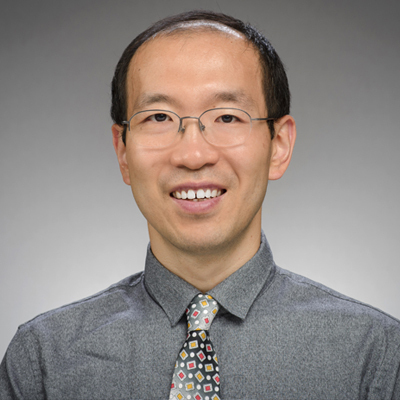
Xin Lu is the John M. and Mary Jo Boler Collegiate Associate Professor in the Department of Biological Sciences at the University of Notre Dame. She is a full member of the Harper Cancer Research Institute (HCRI), the Boler-Parseghian Center for Rare and Neglected Diseases (CRND), and the Tumor Microenvironment and Metastasis Program at the Indiana University Simon Comprehensive Cancer Center. Her research spans tumor immunology, immunotherapy, metastasis, and multi-omics, with a focus on prostate, breast, and rare cancers. Ph.D. in Molecular Biology, Princeton University (2004–2010) B.S. in Biological Sciences, Tsinghua University, China (2000–2004) Postdoctoral Fellow, Dana-Farber Cancer Institute and M.D. Anderson Cancer Center (2010–2016) Assistant to Associate Professor, University of Notre Dame (2017–Present) Dr. Lu's research investigates the molecular and cellular mechanisms of tumor-immune crosstalk, particularly the role of myeloid-derived suppressor cells (MDSCs) and neutrophils in promoting immunotherapy resistance. Her lab uses genetically engineered mouse models, functional genomics, single-cell and spatial transcriptomics, and high-throughput screening to uncover novel therapeutic targets. A major focus is on how cancer-cell-intrinsic oncogenic signaling shapes the immunosuppressive tumor microenvironment. Her recent publications reveal mechanisms such as Acod1-mediated ferroptosis resistance in neutrophils, Pygo2-driven immunosuppression in prostate cancer, and the efficacy of ketogenic diets in overcoming checkpoint blockade resistance. These studies span multiple disciplines including cancer biology, immunology, metabolism, epigenetics, and bioengineering, reflecting a highly integrative approach to immuno-oncology. Jane Coffin Childs Postdoctoral Fellow John M. and Mary Jo Boler Faculty Appointment Cluster Chair, Cellular & Molecular Biology, IBMS PhD Program Junior Chair, Boler-Parseghian Center for Rare and Neglected Diseases Dr. Lu mentors a diverse team of graduate students, postdoctoral fellows, and undergraduates. Her lab is actively recruiting and has secured funding from federal agencies and private foundations. She collaborates with chemists, bioengineers, and bioinformaticians to develop novel therapeutics, including antibody-drug conjugates, CAR-NK cells, and small-molecule inhibitors. Her lab also develops innovative platforms like mini-tumor chips for immunotherapy evaluation. Her lab maintains affiliations with multiple interdisciplinary centers including the Warren Family Center for Drug Discovery, Eck Institute for Global Health, and Berthiaume Institute for Precision Health, underscoring her collaborative and translational research vision.
Prof. Frieder W. Scheller is affiliated with the Institute of Biochemistry and Biology at the University of Potsdam, Germany. His work centers on advanced biosensing technologies, particularly molecularly imprinted polymers (MIPs), bioelectronics, and biomimetic recognition systems. Research Interests: His primary fields include Bioanalysis, Bioelectronics, Biosensors, Molecularly Imprinted Polymers, Electrochemical Sensing, and Plastibodies. His research bridges chemistry, materials science, and biotechnology to develop synthetic alternatives to biological receptors for medical and environmental applications. The recent publications (2019–2024) highlight a strong trend in designing MIP-based nanofilms for protein and virus recognition, including applications in SARS-CoV-2 detection and enzyme monitoring. These studies focus on improving selectivity, stability, and reliability of electrochemical biosensors using innovative polymer architectures. Scientific Contributions: Developed Strep-tag imprinted polymer platforms for bio(electro)catalysis. Explored ACE2-mimicking MIPs for viral epitope recognition. Investigated challenges in MIP sensor reliability and non-specific binding. Advanced the concept of plastibodies for biomacromolecules, viruses, and cells. Collaborations and Advising: Prof. Scheller has collaborated with over 145 co-authors globally, indicating strong network engagement. While no formal students are listed in the provided text, his collaborative output suggests mentorship and team leadership roles in multidisciplinary research projects involving materials, electrochemistry, and biotechnology. Laboratories and Research Teams: His work is conducted within the Institute of Biochemistry and Biology at the University of Potsdam, likely involving a research group focused on bioanalytical chemistry and sensor development. The frequent co-authorship with researchers like Aysu Yarman and Xiaorong Zhang indicates an active, interdisciplinary team working on next-generation biosensing platforms.
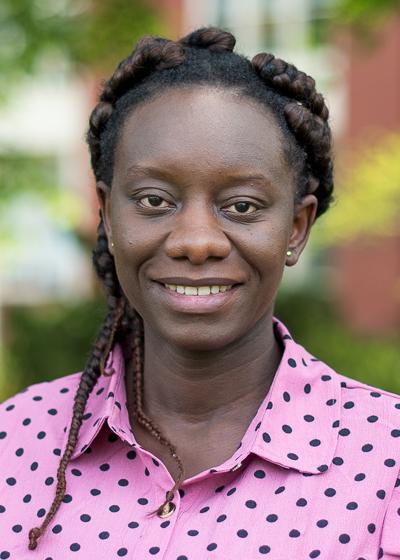
Ivy Mawusi Asuo is an Assistant Research Professor in the Department of Materials Science and Engineering at Pennsylvania State University , with an affiliation to the Alliance for Education, Science, Engineering and Design with Africa (AESEDA) . Ph.D. in Energy and Materials Science, INRS-EMT, QC, Canada MSc. in Functionalized Advanced Materials Engineering, Erasmus Mundus Program, France & Germany MSc. in Materials Science and Engineering, AUST, Nigeria BSc. in Physics, University of Cape Coast, Ghana Her research focuses on emerging photovoltaic and optoelectronic materials , particularly metal halide perovskites , using in-situ characterization to study film formation and stability. She explores scalable deposition techniques for perovskite solar cells and photodetectors. The analysis of her recent publications reveals a trend in ambient synthesis of energy materials and their application in outdoor and indoor devices . Her work emphasizes cost-effective materials , flexible electronics , and stability optimization for photovoltaic systems. INRS-Quebec Director's Medal of Honor, 2022 INRS-Quebec Best Thesis Award, 2022 Fonds de recherche du Québec scholarship, 2019-2021 Erasmus Mundus Scholarship, 2011-2013 Medal for overall best female graduating student at AUST, 2011 Ivy has engaged in mentorship through co-founding DAMINY EduNergy Ltd. , targeting leadership and education in Africa. Prior to Penn State, she worked at WattByWatt Inc. , a start-up from her PhD research, developing energy-saving materials.
Amir Farokh Payam is a Senior Lecturer in Electronics and Software at the School of Engineering, Ulster University, UK since 2019. He holds a PhD in Electronics Engineering-Nanotechnology and has previously worked at Instituto de Ciencia de Materiales de Madrid (2012–2015), Durham University (2016–2018), and University of Bristol (2018–2019). Education: B.Sc. and M.Sc. in Electrical and Electronics Engineering, PhD in Electronics Engineering-Nanotechnology His research focuses on dynamic Atomic Force Microscopy (AFM) , NEMS/MEMS , Surface Science , and Applied Nonlinear Control . Recent work explores nonlinear harmonics in AFM, solid-liquid interfacial dynamics, and single-cell biomechanical profiling. He leads projects on quantum sensor fabrication and cancer cell viscoelasticity analysis. Key trends in his 15 most recent publications (2025–2023) include advancements in nanoscale imaging , multifrequency AFM , viscoelastic material analysis , and biomedical applications such as viral protein sensing and corneal cell profiling. Collaborative projects span institutions in Ireland, Spain, and the UK. Scientific Awards: Editor's Highlights in Journal of Applied Physics (2018) and Nanotechnology (2015) Best Innovative Idea, Second International R&D Award of Iran (2012) Distinct Graduate Student, University of Tehran Visiting Study Scholarship, Instituto de Microelectronica de Madrid (2010) M.Sc. First Class Student (top among 15) He serves as Unit Director for Mechatronics II and Electronics II modules and supervises BEng/MEng research projects. Active research grants include Royal Society funding (2024–2026) for cancer cell biomechanics and an ongoing 2022–2026 project on solid-liquid interface dynamics.
Daniela Bleichmar serves as Professor of Art History and History at the University of Southern California, where she holds leadership positions as founding director of the Levan Institute for the Humanities and director of the USC Society of Fellows in the Humanities. Previously, she held the role of Associate Provost for Faculty and Student Initiatives in the Arts and Humanities (2015–2020), demonstrating sustained institutional commitment to humanities scholarship. Her academic foundation includes a Ph.D. in History from Princeton University (2005) and an A.B. in History of Science from Harvard University (1996), followed by a Mellon Post-Doctoral Fellowship at the USC-Huntington Early Modern Studies Institute (2004–2006). This interdisciplinary training underpins her distinctive research approach. Professor Bleichmar's scholarship centers on Early Modern Europe and the Spanish Empire , with particular expertise in visual and material culture , colonial science , and global knowledge exchange . Her work examines how images and objects functioned as instruments of imperial power while facilitating cross-cultural encounters. Current research explores the visual dimensions of natural history practices and the epistemological significance of collecting in colonial contexts, revealing how visual representation shaped European understanding of the Americas. Analysis of her recent publications (2015-2021) shows consistent engagement with the visual archive of imperialism, particularly through studies of the Codex Mendoza and early modern collecting practices. These works bridge art history, history of science, and colonial studies, demonstrating methodological innovation in analyzing visual evidence across disciplinary boundaries while maintaining focus on power dynamics in knowledge production. Her distinguished recognition includes: American Council of Learned Societies Fellowship (Frederick Burkhardt Residential Fellowship) Smithsonian America's Young Innovators in the Arts and Sciences (37 under 36) Getty Research Institute Scholar appointment Multiple awards for specific publications including the Jerry Stannard Memorial Award Professor Bleichmar has secured significant research funding including the USC Advancing Scholarship in the Humanities and Social Sciences Grant and Del Amo Research Grant. She actively contributes to scholarly discourse through editorial roles at Journal18 , Isis , and multiple book series, while mentoring emerging scholars through her leadership in the Society of Fellows. She maintains deep institutional connections through the USC-Huntington Early Modern Studies Institute, Visual Studies Research Institute, and USC-Getty Program in the History of Collecting and Display. These affiliations support her interdisciplinary approach while providing platforms for collaborative research on global visual culture and material exchanges in the early modern world.
Ying Wu is a Professor of Physics at Duke University within the Trinity College of Arts & Sciences . His research focuses on the nonlinear dynamics of charged particle beams , coherent radiation sources , and the development of novel accelerators and light sources using advanced mathematical frameworks like Lie Algebra, Differential Algebra, and Frequency Analysis. His work has significantly enhanced understanding of nonlinear phenomena in light source storage rings and collider rings, with applications in Gamma-ray source development Free-electron laser (FEL) technology Beam stability and diagnostics VUV mirror protection systems Polarization-controlled radiation sources High-reflectivity cavity design Recent publications highlight experimental and theoretical advances in Orbital angular momentum beam generation Photonuclear cross-section measurements Storage ring lattice optimization Multi-color FEL operation Longitudinal beam instability control Differential algebra for particle dynamics Current research programs include collaborations with the High Intensity Gamma-ray Source (HIγS) facility and the Triangle Universities Nuclear Laboratory , with active grants from the Department of Energy (1997–2027), National Institutes of Health (2024–2026), and Ian's Friends Foundation (2024–2025). Ying Wu's laboratory specializes in Free-electron laser cavity design Gamma-ray beam characterization Storage ring diagnostics systems High-current electron beam control Polarization-sensitive detection Next-generation light source development
Kieren Reed serves as Professor of Fine Art and Slade Professor at University College London's Slade School of Fine Art, where they hold multiple leadership roles including Director of Studies for Undergraduate Programmes and Head of Undergraduate Sculpture. Their academic career at UCL spans over a decade with continuous appointments since 2010. Reed's research explores the conceptual space between form and functionality through sculpture, performance, and installation art. Their practice investigates the duality of artworks serving both utilitarian purposes and aesthetic functions, creating dynamic negotiations between the real and fabricated. Key themes include situated practice in art and architecture, social sculpture, and the relationship between public engagement and artistic production. Reed's work consistently connects to specific sites and situations, transforming functional structures into platforms for discourse. Recent artistic output demonstrates significant engagement with public space and community interaction through projects like Gather , Raising the Sittingbourne Barn , and The Beautifullest Place On Earth . Their publications span performance documentation, exhibition catalogues, and theoretical explorations of nonhuman agency in art practice. Reed's work has been presented at major institutions including Tate Britain, Gasworks, Chisenhale Gallery, and Camden Arts Centre. As an educator, Reed has developed significant expertise in art pedagogy, holding a Postgraduate Certificate in Learning and Teaching in Higher Education. Their academic leadership includes shaping undergraduate programmes and contributing to research on art education transitions and widening participation in the arts.