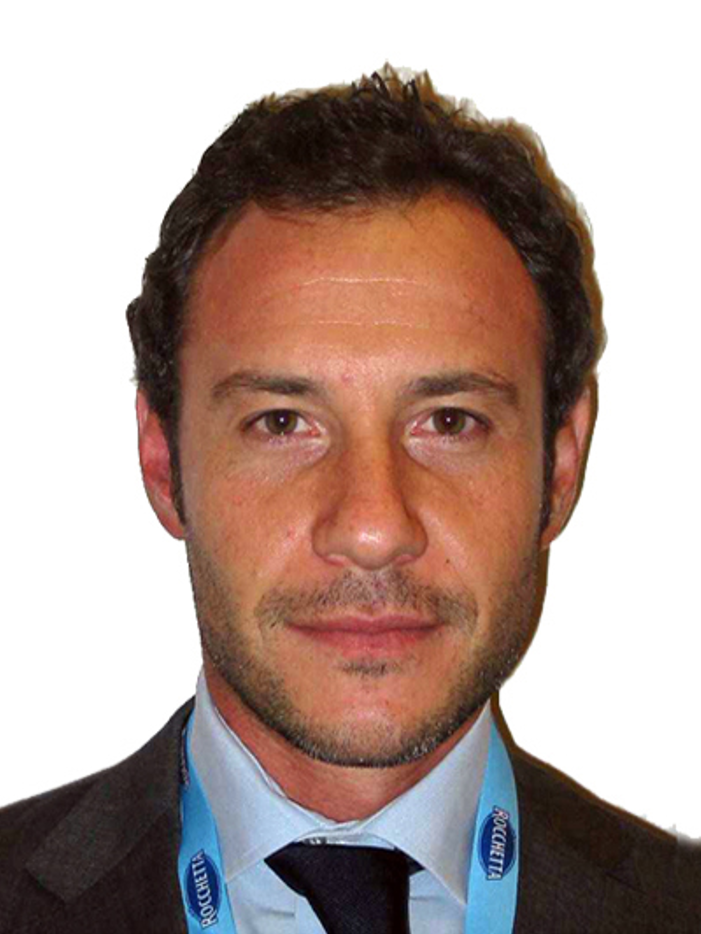
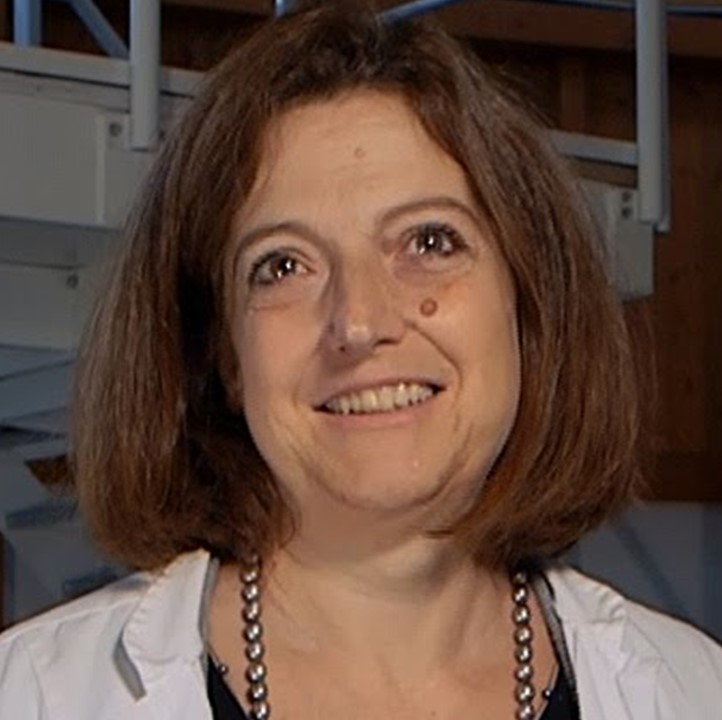
Danilo Carrozzino is an Associate Professor at the Department of Psychology 'Renzo Canestrari' of the University of Bologna. His work focuses on clinimetric evaluation of psychological assessment tools, particularly patient-reported outcome measures (PROMs) in clinical and psychosomatic contexts. He specializes in validating scales for mental health conditions such as depression, anxiety, stress, and well-being across diverse populations. Key research areas include: Clinimetric properties of psychometric instruments Cross-cultural validation of mental health measures Psychopathology of chronic medical conditions (e.g., Parkinson's disease, systemic sclerosis) Development of standardized outcome measures for clinical practice Recent work emphasizes Rasch analysis and item response theory methodologies to improve measurement precision in psychological assessments. His publications span journals in clinical psychology, psychosomatic medicine, and mental health epidemiology, with a strong focus on promoting evidence-based measurement practices.
Sara Giovagnoli is an Associate Professor at the University of Bologna's Department of Psychology 'Renzo Canestrari', specializing in psychometrics and cognitive psychology. Her research focuses on developmental disorders, sleep science, and educational technology. Key areas include emotion regulation in learning disabilities, motor sleep inertia mechanisms, and cognitive assessment tools like Bayesian networks for intelligence testing. Her work integrates behavioral neuroscience with digital innovation, exemplified by projects such as the PsycAssist AI system for neuropsychological assessment and the Eye-Riders game for neurodiverse children. She explores the intersection of chronobiology and mental health, analyzing circadian rhythms in adolescents and neurodegenerative patients through actigraphy. Recent studies address repetitive negative thinking in university students and the role of social support in adolescent internet use. Methodologically, she advances statistical frameworks like Bayesian informative hypotheses and comparative dimensionality reduction techniques. Her contributions span clinical applications (e.g., Multiple Sclerosis motor activity analysis) to educational interventions targeting early literacy and executive function enhancement through adaptive technologies. Collaborations emphasize cross-disciplinary approaches, linking neurophysiological metrics to psychosocial outcomes in diverse populations including teachers, parents of preterm infants, and young carers. Her research bridges theoretical cognitive science with practical tool development for clinical and educational settings.
Pierluigi Bove is an Associate Professor in Urology at the University of Rome Tor Vergata, specializing in minimally-invasive surgical oncology. He leads research on urologic cancers and novel surgical technologies, with over 4,500 major surgical procedures performed. His clinical expertise includes robotic surgery, laparoscopic techniques, and urologic oncology. His research program focuses on minimally-invasive surgical oncology for prostate, kidney, and bladder cancers. Current investigations include randomized clinical trials comparing surgical techniques and analyses of genetic/epigenetic biomarkers for urological cancers. Key research areas include surgical outcomes optimization, treatment efficacy studies, and diagnostic protocol development. Publications demonstrate a strong focus on urologic oncology innovations, with recent articles exploring surgical techniques, diagnostic imaging advances, and treatment efficacy studies. Trends show increasing specialization in robotic surgical applications and biomarker research for personalized urologic care. He maintains academic collaborations through multiple research groups including Torvergata Oncoscience Research (TOR) and serves on surgical advisory boards for medical device companies.
Fabio Carniato is an Associate Professor in the Department of Science and Technological Innovation at Università degli Studi del Piemonte Orientale. His research focuses on developing advanced materials for medical imaging and environmental applications, particularly MRI contrast agents and catalytic systems. Carniato's expertise spans coordination chemistry of lanthanides and transition metals, design of nanostructured materials for diagnostic imaging, and development of catalytic systems for environmental decontamination. His work integrates synthetic chemistry, materials characterization, and biomedical evaluation. Recent publications demonstrate sustained innovation in MRI probe design, particularly iron-based contrast agents and nanoplatforms, while expanding into environmental applications like pesticide degradation and water purification. His collaborative projects include 'STARS: Exploring Spin Dynamics of Earth Abundant Transition Metal Ion Complexes' (2023-2025) and nanogel-based MRI probes development.
Prof. Francesco Lopez is an Associate Professor at the School of Agriculture, Environment and Food at the University of Molise. His research focuses on advancing food science and biotechnology through interdisciplinary approaches, with an emphasis on biopolymer applications, food preservation, and sustainable agricultural practices. Key research interests include developing biodegradable edible coatings for extending food shelf life, optimizing nanocarrier systems for drug and nutrient delivery, and studying the rheological properties of food matrices. His work bridges material science and food technology, addressing challenges in both industrial and environmental contexts. Recent studies highlight innovative applications such as alginate-based hydrogels for fruit preservation, liposome-mediated drug delivery systems for medical use, and polymer blends for biomedical devices. These advancements underscore his commitment to translating fundamental research into practical solutions for food security and healthcare. Prof. Lopez's research trends reveal a strong focus on interdisciplinary methods, combining analytical chemistry, biomaterials engineering, and food processing techniques. His publications consistently explore novel formulations, material characterization, and functional ingredient integration, positioning him as a leader in sustainable food and biomedical technologies. His work has contributed to advancements in food preservation, pharmaceutical delivery systems, and environmental sustainability, with ongoing investigations into the optimization of biocompatible materials and functional food development.
Mattia Bellan is an Associate Professor at the Università degli Studi del Piemonte Orientale Amedeo Avogadro, affiliated with the Department of Translational Medicine. His research focuses on immunology, vascular dysfunction, and infectious diseases, with significant contributions to understanding COVID-19, hepatitis C, and autoimmune disorders like systemic sclerosis. His work spans molecular mechanisms of disease, diagnostic methodologies, and therapeutic interventions, emphasizing biomarker discovery and clinical applications. Recent studies investigate viral pathogenesis, vaccination efficacy in immunocompromised populations, and cardiovascular complications in autoimmune conditions. Dr. Bellan maintains collaborative networks across Europe and has authored over 150 research outputs since 2011, demonstrating consistent scholarly productivity in high-impact journals.
Carol IMBRIANO is an Associate Professor at the University of Modena and Reggio Emilia, Department of Life Sciences ex-Biology. She specializes in molecular genetics, epigenetics, and their applications in cancer biology and medical biotechnology. Her research focuses on transcription factors like NF-Y, particularly their roles in tumor progression, metabolic reprogramming, and epigenetic regulation. She also develops biosensor technologies using organic electrochemical transistors for DNA detection. Her teaching responsibilities include courses on molecular genetics and epigenetics for biosciences, genetics laboratory work for biotechnology students, and personalized therapy modules in medical biotechnology. These courses integrate theoretical and practical components, such as bioinformatics analysis and lab safety protocols. She emphasizes critical thinking and data interpretation through written and oral exams, often using international scientific literature. Research interests revolve around the molecular mechanisms underlying cancer aggressiveness, including NF-Y splicing dynamics in metastasis, estrogen receptor interactions in prostate cancer, and sigma-2 receptor targeting for melanoma therapy. She explores how epigenetic modifications (e.g., DNA methylation, histone variants) contribute to disease development and leverages nanomedicine for therapeutic delivery and diagnostic innovation. Her work bridges basic science with clinical applications in precision medicine and cancer stratification. Publications consistently highlight advanced topics in transcription factor biology, cancer metabolism, and nanosensor development. She collaborates with multidisciplinary teams on projects like EGOT biosensors and drug discovery for CRPC. Despite her extensive contributions, no scientific awards or grants are explicitly listed in the provided texts. She maintains an open-door policy for students via prior arrangement and uses digital platforms like Teams for course materials.
Paola Turano is a Full Professor at the University of Florence, affiliated with the Magnetic Resonance Center and Department of Chemistry. She holds roles as Chair of the Scientific Committee for the da Vinci European Biobank and member of the GIDRM Council. Her career includes positions as a researcher (1997), Associate Professor (2002), and Full Professor (current). She received a Ph.D. in Chemical Sciences from the University of Florence (1993). Research focuses on NMR methodologies for biomolecules, protein interactions in drug design, iron metabolism structural biology, and NMR-based metabolomics. Key contributions include advancements in solid-state NMR, PEGylated proteins, and ferritin-based drug delivery systems. She has authored ~110 peer-reviewed publications and contributed to international conferences and academic leadership roles. Her awards include the 2003 Raffaello Nasini Medal (Italian Chemical Society). Research highlights include metabolic profiling in Parkinson’s disease, COVID-19 biomarkers, and biobanking standards. She has organized numerous scientific events and chairs EuCheMS divisions. Her work bridges bioinorganic chemistry, structural biology, and clinical metabolomics. Publications span 1990s–2025, emphasizing NMR applications in drug discovery, disease biomarkers, and protein-mineral interfaces. Current research explores AI validation in precision medicine and metabolic robustness in extreme environments.
Claudia Meli is a Research Fellow and Tutor in the Department of Psychology and Cognitive Sciences at the University of Trento, affiliated with the Interdepartmental Center for Mind/Brain Sciences (CIMEC). Her work focuses on neurodegenerative disorders, particularly Parkinson’s disease and frontotemporal dementia, with an emphasis on social cognition, neuropsychological assessment, and clinical interventions. She develops tools like the FACE test to evaluate mental state recognition and leads initiatives such as the SCOT project, a digital intervention promoting socio-cognitive well-being in older adults. Her research integrates neuroimaging, functional connectivity analysis, and clinical trials, addressing both motor and cognitive impairments. Her studies explore barriers to socio-cognitive assessment in neurocognitive disorders, advocating for standardized practices through international collaborations like the SIGNATURE consortium. She investigates interventions such as Tango therapy for Parkinson’s patients and digital training programs to combat loneliness in aging populations. Her contributions span clinical, methodological, and interdisciplinary domains, aiming to improve diagnostic accuracy and patient outcomes in neurodegenerative conditions.
Maria Pennacchio serves as a Research Fellow at the Interdepartmental Center for Mind/Brain Sciences (CIMEC) within the University of Trento, Italy. Her position is based at the Rovereto campus (Corso Bettini, 31), where she conducts interdisciplinary research bridging neuroscience, psychology, and clinical medicine. Her research program centers on cognitive and emotional deficits in Parkinson's disease, with particular emphasis on emotion recognition (facial and bodily expressions), theory of mind , moral cognition , and diagnostic criteria for mild cognitive impairment . She employs neuropsychological assessments, behavioral experiments, and machine learning techniques to analyze clinical data, frequently exploring the relationship between motor symptoms and cognitive-emotional deficits. Her work extends to related conditions like Takotsubo Cardiomyopathy, investigating neural mechanisms of stress-induced cardiac events. Analysis of her 2022-2025 publications reveals a cohesive research trajectory focused on Parkinson's disease, with six publications demonstrating methodological evolution from traditional neuropsychological testing to machine learning applications. Her work consistently examines how non-motor symptoms impact patient quality of life, with recent studies addressing diagnostic gaps in PD-MCI and moral decision-making deficits. She maintains a core collaboration network led by Costanza Papagno, with regular contributions from Chiara Longo, Alessandra Dodich, and Luca Turella. No scientific awards or honors were documented in the provided source material. While the provided text does not list formal advisees, her role as Research Fellow suggests involvement in mentoring within CIMEC's training programs. Her publication record indicates active participation in research projects funded through University of Trento channels, though specific grants are not detailed. Dr. Pennacchio's work directly contributes to clinical applications through improved cognitive assessment protocols for Parkinson's patients. She operates within CIMEC's interdisciplinary ecosystem, which integrates psychology, neuroscience, and medicine to investigate mind-brain relationships. Her current projects appear focused on refining diagnostic criteria for cognitive impairment in movement disorders and expanding investigations into socio-cognitive deficits across neurological conditions.
Giovanni Stea is an Associate Professor at the Department of Information Engineering within the College of Engineering at the University of Pisa. His research focuses on Quality of Service, resource allocation in wireline and wireless networks, performance evaluation through simulation and analytical techniques, and traffic engineering. Dr. Stea's research spans network calculus, wireless systems, and telecommunications infrastructure. His recent work demonstrates strong emphasis on 5G/6G networks, AI integration in telecommunications, and optimization of network performance. Key trends include: Advancements in network calculus methodologies Innovations in mobile edge computing applications Development of trustworthy AI systems for next-generation networks Cross-disciplinary approaches combining telecommunications and machine learning His publications consistently address computational efficiency in network analysis and practical implementations of theoretical models in real-world telecommunications environments.
Paolo Girardi is an Associate Professor at Ca' Foscari University of Venice, affiliated with the Department of Environmental Sciences, Informatics and Statistics. His research focuses on statistical methodologies applied to environmental health, occupational epidemiology, and public health analytics. He teaches courses on statistical modeling, data analysis for tourism, and introductory statistics for climate change studies. Key research interests include asbestos exposure assessment, spatio-temporal statistical modeling, and the health impacts of environmental pollutants. His work combines advanced statistical techniques with real-world applications in occupational health and climate science. Recent studies involve retrospective exposure modeling for dockworkers, cancer mortality analysis in asbestos-exposed cohorts, and spatial clustering of climate data. Teaching responsibilities span undergraduate and graduate programs, including STATISTICS for Business Administration, DATA ANALYSIS FOR TOURISM, and SPATIO-TEMPORAL STATISTICAL MODELS for climate change studies. Office hours are conducted online via Zoom during academic terms. Publications emphasize methodological innovations (e.g., multiverse analysis frameworks) and applied epidemiology (e.g., cholangiocarcinoma risk from asbestos, vaccine hesitancy factors). No listed awards, but extensive contributions to occupational health research are evident through his prolific publication record.
Marco Bee is a Full Professor at the Department of Economics and Management, University of Trento. His expertise spans applied econometrics, computational statistics, finance, and risk modeling. He focuses on methodologies for handling heavy-tailed distributions, extreme value theory, and machine learning applications in financial risk assessment. Education details are available in his CV (CVeng.pdf). His research interests include developing statistical models for operational risk, volatility forecasting, and credit scoring, often employing mixture models, copula-based approaches, and indirect inference techniques. He has contributed significantly to the analysis of spatial econometrics and the application of extreme value theory to financial crises and insurance analytics. His recent work emphasizes tail risk estimation, with over 150 publications since 2006. Notable contributions include methodologies for Value-at-Risk (VaR) forecasting, distribution fitting for skewed data, and the use of machine learning to predict defaults in small businesses. His research bridges theoretical statistics and practical financial applications, with a focus on high-frequency data and scenario-based risk analysis. Awards and grants are not explicitly listed in the provided data, but his extensive publication record reflects recognition in quantitative finance and econometrics. He advises students on topics related to computational econometrics and risk modeling, though specific advisee names are not documented here.
Marianna Liparoti is a kinesiologist and Research Fellow who held a position at the University of Naples Parthenope from 2019 to 2021, specializing in movement analysis and magnetoencephalography (MEG) techniques for studying brain signals related to motor and cognitive functions. She earned a PhD in Motor and Sports Sciences, establishing her expertise in the physiological and neurological aspects of human movement. Her research agenda integrates kinesiology with neuroscience to address rehabilitation challenges, with core interests including: psychological well-being enhancement through exercise interventions; comparative analysis of perception-action coupling in typical and pathological populations; neural mechanisms of motor imagery; functional brain connectivity mapping; and gait modulation influenced by psychological factors. This multidisciplinary approach leverages technology-driven methodologies to develop ecological assessment tools. Dr. Liparoti contributed to the Jérôme Lejeune Foundation-funded project (Grant No. 1567/2016B) in 2019, titled "The role of gaming technology to improve spatial abilities in individuals with genetic syndromes," which pioneered gaming-based behavioral tests for spatial skill assessment and enhancement in genetic disorder populations. Her work demonstrates applied research translating neuroscience findings into therapeutic interventions through innovative technological solutions.
Francesca Federico is an Associate Professor at the Department of Psychology of Developmental Processes and Socialization at Sapienza University of Rome. She holds expertise in cognitive development, attention networks, and bilingualism effects. Her research focuses on social attention, executive functions, and the impact of environmental and social factors on cognitive processes. She has conducted studies on attentional networks in children, the role of socioeconomic status in bilingualism, and aging-related cognitive changes. Education: PhD in Psychobiology and Psychopharmacology (2004), PhD in Applied Neurological Sciences (2009), Specialist in Bioenergetic Analysis Research Projects: Investigates the influence of social factors and migration on children's attention systems Her work bridges cognitive neuroscience and developmental psychology, with notable contributions to understanding attention networks through the Attention Network Test. Recent studies explore how bilingualism impacts executive functions and how socioeconomic factors influence cognitive development in primary school children. Her articles analyze attentional mechanisms in diverse populations, including athletes and migrants, and address clinical topics like erectile dysfunction and diabetes. She emphasizes interdisciplinary approaches, combining experimental psychology with neuroscientific methods. Grants and advising are not explicitly detailed in the provided texts, though her extensive publication record reflects sustained research activity. She collaborates with interdisciplinary teams and contributes to educational psychology initiatives.