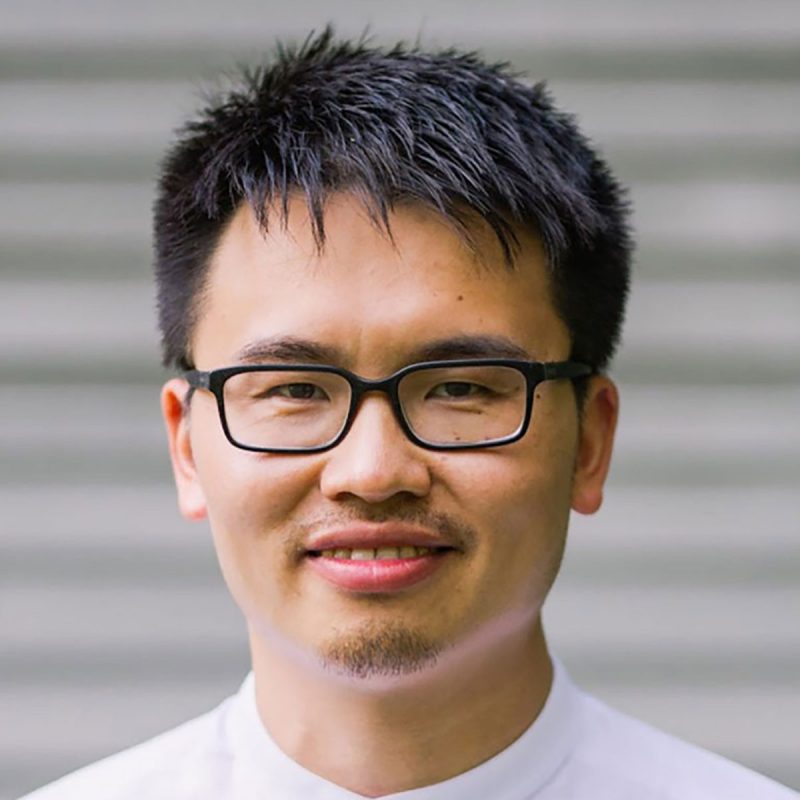
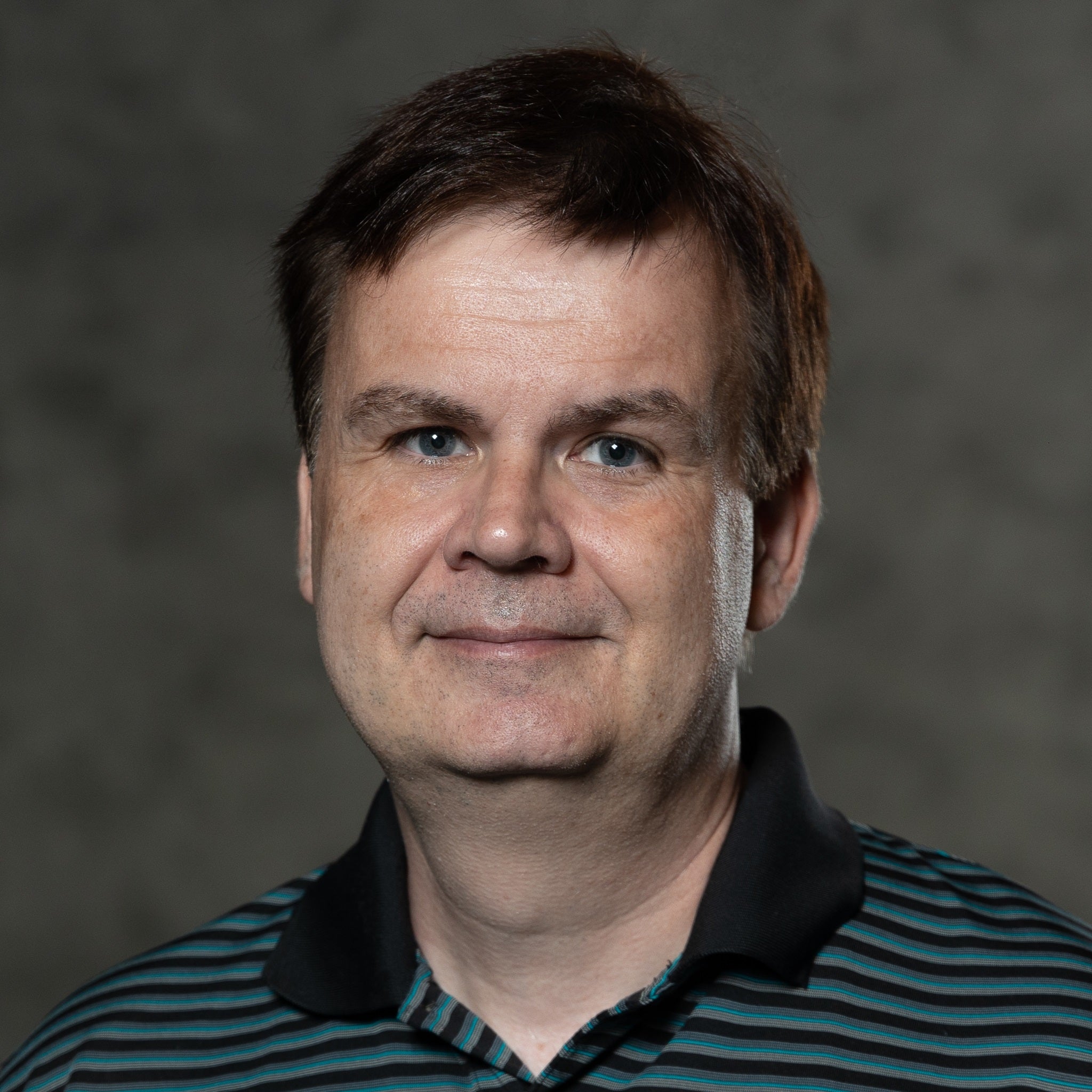
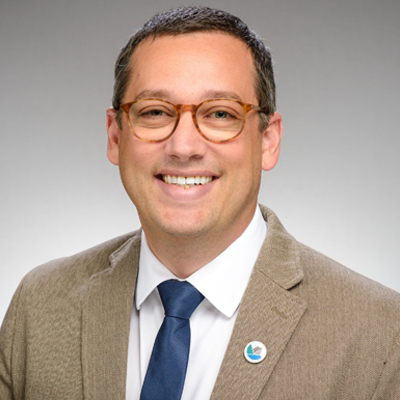
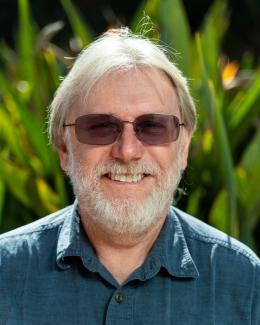
Henry Jäger is a Professor in Food Technology at the University of Natural Resources and Life Sciences, Vienna (BOKU) since 2014. Previously, he worked as a Project Manager at Nestlé (2012-2014) and Lecturer at TU Berlin (2012-2017), following his PhD/Postdoc at TU Berlin (2006-2012) and Diploma in Food Technology (2000-2006). His research focuses on electrotechnologies in food processing , particularly pulsed electric fields (PEF) and ohmic heating , for microbial inactivation, food preservation, and quality optimization. He explores applications in plant material processing , gluten-free baking , and novel food preservation methods . His work also addresses edible insect processing for allergenicity reduction and protein recovery. Recent publications (2025-2024) analyze synergies between PEF and ohmic heating, biofilm imitation systems for hygiene validation, and computational models for sterilization processes. These studies span food safety , sustainable processing , and functional food design . Henry Jäger actively contributes to scientific communities, serving on the EFFoST managing board , as scientific advisor for food conferences, and as reviewer for journals like Food Chemistry and Trends in Food Science & Technology . He has organized workshops on PEF applications and contributed to EU food technology initiatives.
Professor Ingrid Undeland leads the Marine research group at the Division of Food and Nutrition Science, Department of Life Sciences at Chalmers University of Technology. She is a distinguished researcher with expertise spanning marine food science, lipid chemistry, and blue biorefining, having established herself as a leading figure in sustainable seafood research and marine biotechnology. Her educational background includes food science studies from Linnaeus University and a PhD in bioscience from Chalmers University of Technology and SIK (now RISE). Between 1999-2002, she was a post-doctoral fellow at University of Massachusetts Marine Station, which significantly shaped her research trajectory in marine food science. Professor Undeland's research focuses on pioneering next-generation seafood through innovative value chains from seaweed, small pelagic fish, fish side streams, mussels, and microalgae. Her specialized expertise lies in marine lipids and proteins, particularly their stabilization, isolation from complex sources, and nutritional properties including digestibility. She has extensive experience with antioxidant strategies using plant-derived side streams or extracts and fundamental studies of fish hemoglobins as pro-oxidants. Her work also encompasses innovative technologies for biomass fractionation and nutrient recycling to build blue biorefineries, along with in vitro digestion models and general seafood analytics. Beyond marine research, she explores filamentous fungi as sustainable alternative food protein sources. The trends in her recent publications reveal a strong emphasis on valorizing marine resources through advanced processing techniques. Her work increasingly focuses on sustainable extraction methods for seaweed proteins, particularly Ulva fenestrata, and developing antioxidant strategies using berry side streams to stabilize fish proteins. There's a growing interest in understanding the nutritional properties and digestibility of alternative marine proteins, along with environmental assessments of processing technologies. Her research consistently bridges fundamental science with practical applications for creating sustainable seafood value chains. Swedish representative in Nordic Lipidforum, WEFTA, and EuCheMS Editorial board member of Journal of the Aquatic Food Product Technology Member of the National Committee for Nutrition and Food Science at the Royal Swedish Academy of Sciences Co-founder of the startup company AquaFood H-index of 47 according to Google Scholar Professor Undeland has an extensive record of academic mentorship, having supervised or currently supervising 23 PhD students, 14 postdoctoral researchers, and examining over 25 MSc students. Her research is supported by numerous grants, including the WaSeaBi Project which focuses on valorizing seafood side-streams through holistic value chain design. She collaborates with various industry partners and academic institutions across Europe. Her laboratory includes technicians Dr. Karin Larsson and Dr. Rikard Fristedt, and she leads a dynamic research team working on multiple projects related to marine biorefining and sustainable seafood development. Her research group operates within well-equipped facilities at Chalmers University, with specialized laboratories for marine food analysis, protein extraction, lipid oxidation studies, and in vitro digestion modeling. The team also maintains cultivation systems for seaweed and filamentous fungi, enabling integrated research from raw material production to final product development.
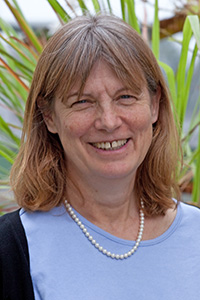
Venkatesan Guruswami is a Chancellor's Professor in the Department of EECS and a Senior Scientist at the Simons Institute for the Theory of Computing at UC Berkeley . He also holds a Professor position in the Department of Mathematics . His academic journey began with a B.Tech in Computer Science from the Indian Institute of Technology, Madras (1997) , followed by a Ph.D. in Computer Science from the Massachusetts Institute of Technology (2001) . After a Miller Research Fellowship at UC Berkeley (2001–02), he held faculty roles at the University of Washington and Carnegie Mellon University before returning to UC Berkeley in January 2022. Education : B.Tech, IIT Madras (1997) Ph.D., MIT (2001) Professional Affiliations : Chancellor's Professor, UC Berkeley (EECS) Senior Scientist & Interim Director, Simons Institute Professor, UC Berkeley (Mathematics) Guruswami's research spans multiple domains within Theoretical Computer Science , focusing on Error-Correcting Codes , Approximation Algorithms , Randomness in Computing , Probabilistically Checkable Proofs , and Computational Complexity . His groundbreaking work in List Decoding has enabled codes with minimal redundancy for correcting worst-case errors, while recent advancements include Polar Codes , Deletion-Correcting Codes , and Constraint Satisfaction Problems . He has also contributed to Quantum Coding Theory , Locally Recoverable Codes , and Approximation Hardness in various computational contexts. His publications reflect a deep engagement with interdisciplinary topics. Key trends include: Quantum Information Theory : Quantum LDPC codes, transversal gates, and quantum storage. Algebraic Coding : Reed-Solomon codes, AG codes, and polynomial-based constructions. Computational Complexity : Hardness of approximation, CSPs, and parameterized intractability. Data Transmission : Polar codes, deletion channels, and feedback mechanisms. Algorithmic Techniques : Spectral methods, semirandom models, and Lasserre hierarchy applications. Guruswami has received numerous accolades, including the Simons Investigator Award , Presburger Award , Packard Fellowship , Sloan Research Fellowship , ACM Doctoral Dissertation Award , and the IEEE Information Theory Society Paper Award . He is an ACM Fellow (2017) and IEEE Fellow (2019) , with recent honors like the Guggenheim Fellowship (2023) and AMS Fellow (2023) . As an advisor, he has mentored over 25 PhD and postdoctoral researchers , including Atri Rudra , Prasad Raghavendra , and Peter Manohar , whose work has won awards like the Edmund M. Clarke Doctoral Dissertation Award and CRA Outstanding Undergraduate Researcher Award . His research is supported by grants from the National Science Foundation , Packard Foundation , and Sloan Foundation . He also serves as Editor-in-Chief of the Journal of the ACM and holds leadership roles in IEEE and arXiv moderation. Guruswami is actively involved in Simons Institute programs and co-organized workshops on Coded Computation and Information Theory . His work bridges theoretical advancements with practical applications in Cloud Storage , Quantum Computing , and Group Testing , including pandemic-era contributions like AC-DC: Amplification Curve Diagnostics for SARS-CoV-2 .
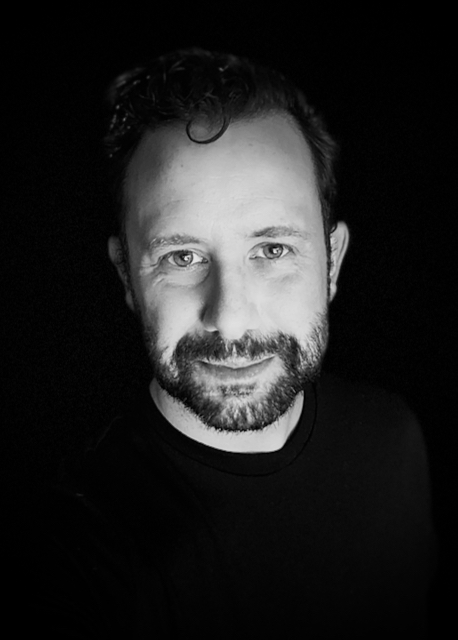
Suyi Li is an Associate Professor in the Department of Mechanical Engineering at Virginia Tech's College of Engineering, where he leads the Dynamic and Architected Robot and structurE (DARE) Lab. Previously, he served as an Assistant Professor at Clemson University from 2016-2022 after completing postdoctoral research at the University of Michigan. Ph.D. in Mechanical Engineering, University of Michigan, Ann Arbor (2014) M.Sc. in Mechanical Engineering, Pennsylvania State University (2008) B.S. Summa Cum Laude in Mechanical Engineering, University of Michigan, Ann Arbor (2006) Dr. Li's research focuses on pioneering new paradigms of intelligent robots and functional structures by exploiting the interplay between geometry, mechanics, actuation, and computation. His work spans origami-inspired morphing structures, physically computing materials that perform machine learning tasks without traditional electronics, and soft/reconfigurable robots that can move like animals or grow like plants. His innovative approach combines mechanical engineering principles with computational thinking to create systems with 'mechano-intelligence'. Analysis of Dr. Li's recent publications reveals a strong trajectory toward embodied intelligence and mechanical computing, where physical structures themselves perform computational tasks. His work increasingly integrates origami/kirigami principles with advanced materials to create systems that can sense, process information, and actuate without conventional electronics. The research shows progression from fundamental mechanics of adaptive structures to sophisticated applications in robotics and computing. Dean's Awards of Excellence – Faculty Fellow, Virginia Tech (2024) C.D. Mote Jr Early Career Award, ASME Design Engineering Division (2022) Gary Anderson Early Achievement Award, ASME Aerospace Division (2021) Junior Researcher of the Year Award, College of Engineering, Clemson University (2020) CECAS Dean's Faculty Fellow, Clemson University (2018) CAREER Award, National Science Foundation (2018) ASME Freudenstein Young Investigator Award Dr. Li has secured nearly two million dollars in research funding, including the prestigious NSF CAREER award and an NSF EFRI project to build mechano-bio hybrid reservoir computers. He advises multiple Ph.D. and Master's students in the DARE Lab, with recent successes including Vishrut Deshpande's Ph.D. defense. His research has generated close to 80 journal and conference papers, demonstrating significant impact in the fields of adaptive structures and materials systems. Dr. Li also serves on editorial boards for several prominent journals including Journal of Intelligent Material Systems and Structures and Philosophical Transactions of the Royal Society A. The DARE Lab at Virginia Tech comprises a multidisciplinary team of researchers working on origami-inspired meta-structures, physically computing materials, and soft robotics. Current projects include developing electronics-free crawling robots with mechanical central pattern generators, creating kirigami-based wearable medical devices, and engineering metamaterials with programmable mechanical properties. The lab actively collaborates with institutions across the country and has received recognition for its innovative approaches to combining mechanical design with computational capabilities.
Ferran Garcia-Pichel is a Regents Professor and Center Director at Arizona State University’s School of Life Sciences, affiliated with the Biodesign Center for Fundamental & Applied Microbiomics, Center for Biodiversity Outcomes, Water Institute, and Global Drylands Center. He holds a PhD in Microbiology from the University of Oregon (1999) and has been a faculty member at ASU since 1999. His research focuses on microbial adaptations in arid environments, including biogeochemical cycling, soil crust formation, and sustainable land restoration. Key interests include cyanobacterial sunscreen compounds (scytonemin), carbonate dissolution mechanisms, and hydrogen production. Teaching responsibilities include advanced microbiology, microbial ecology, and geomicrobiology courses such as MBB 495 Undergraduate Research and BIO 493 Honors Thesis. Awards span from the 2021 Regents Professor distinction to the 2023 Sperry Award for restoration science. His lab explores interdisciplinary approaches to study microbial communities in desert soils, marine intertidals, and atmospheric dust, with applications in climate resilience and biomedicine. Research highlights include biocrust restoration strategies, microbial nitrogen fixation networks, and the role of GABA/Glu signaling in spatial organization. Collaborations address global challenges like fugitive dust mitigation and carbon sequestration. The lab is based at the Biodesign Building B on ASU’s Tempe campus.
Prof. Dr. Ralph Bock serves as Director of Department 3: Organelle Biology, Biotechnology and Molecular Ecophysiology at the Max Planck Institute of Molecular Plant Physiology in Potsdam, Germany, where he also leads the Organelle Biology and Biotechnology research group. Previously, he held positions as C4 Professor for Plant Biochemistry and Biotechnology at the University of Münster (2001-2004) and Group Leader at the Institute of Biology III, University of Freiburg (1996-2001). His academic credentials include: Habilitation: University of Freiburg, 1999 Doctorate: University of Freiburg, 1996 Diploma: University of Halle, 1993 Prof. Bock's research focuses on plant molecular biology with particular emphasis on chloroplast biology, organelle biotechnology, and molecular ecophysiology. His work spans genetic engineering of plastids, photosynthesis research, plant biotechnology applications, and understanding organelle-nucleus communication. He has made significant contributions to developing chloroplast transformation systems and applying them to molecular farming, metabolic engineering, and understanding fundamental processes in plant cell biology. His research has important implications for sustainable agriculture, bioenergy, and pharmaceutical production, particularly through the development of plant-based systems for producing vaccines and therapeutic proteins. Analysis of Prof. Bock's recent publications (2023-2025) reveals a strong focus on chloroplast biology, genetic engineering, and molecular farming applications. His work spans fundamental research on organelle genetics, photosynthesis, and stress responses, as well as applied research on using plant and algal systems for biopharmaceutical production. A notable trend is the increasing use of advanced genetic engineering techniques, including CRISPR-based approaches, to manipulate organelle genomes. His research also shows growing interest in algal systems as alternative expression platforms for molecular farming, particularly red algae like Porphyridium for producing viral antigens and glycoproteins.
Fabian Pfrengle is a full Professor of Organic Chemistry at the Institute of Organic Chemistry , Department of Natural Sciences and Sustainable Resources , University of Natural Resources and Life Sciences Vienna (BOKU). He previously led research groups at the Max Planck Institute of Colloids and Interfaces (2013-2020) and worked at The Scripps Research Institute (2010-2013). Research Focus: His work bridges carbohydrate chemistry and plant biology , specializing in plant cell wall glycans and glycosyltransferases . He develops synthetic glycan arrays for enzyme characterization and investigates immune response triggering mechanisms in plants through oligosaccharide fragments . His projects include automated polysaccharide synthesis and liposome-based immune tolerance applications. Publication Trends: His 15 most recent articles emphasize chemical synthesis of sugar nucleotides , plant glycan arrays , and enzyme specificity analysis , reflecting his focus on carbohydrate engineering and plant immunity . Key subfields include UDP-sugar derivatization , Xylan structure-function relationships , and Glycosyltransferase profiling . Grants & Projects: Currently leads 5 major projects including Automated Algal Polysaccharide Synthesis (EU-funded, 2023-2028) and Synthetic Glycan Ligands for Plant Immune Receptors (FWF-funded, 2022-2026). His research also explores thrombocyte biology and Rhamnogalacturonan-II fragments with support from FWF and City of Vienna . Community Service: Serves on editorial boards ( Monatshefte für Chemie , 2021-present) and as reviewer for 12 journals including JACS Au , Nature Communications , and Angewandte Chemie . Member of professional societies: Gesellschaft Österreichischer Chemiker (2020), Deutscher Hochschulverband (2019), and Gesellschaft Deutscher Chemiker (2008).
Emine Ayaz is a Professor at Istanbul Technical University's Department of Electrical Engineering. Her research spans fault detection in electric motors, signal processing, and nuclear power plant monitoring, with recent work integrating deep learning (e.g., dual RNN architectures) and medical applications (e.g., parasitology, plant-based wound healing). Key Collaborations : International partnerships in motor diagnostics and nuclear engineering. Projects : Led grants on high-voltage training and predictive maintenance for TEİAŞ and industrial processes. Research Trends : Recent publications emphasize neural networks for motor fault classification, coherence analysis for insulation diagnostics, and interdisciplinary work in plant biotechnology and parasitology. Labs & Teams : Involved in projects analyzing vibration signals, wavelet transforms, and sensor fusion for industrial and nuclear systems.
Noel Michele Holbrook is the Charles Bullard Professor of Forestry at Harvard University, affiliated with the Department of Organismic and Evolutionary Biology and the Harvard University Center for the Environment. She directs the Harvard Forest, a Long-Term Ecological Research site. Her work focuses on plant vascular transport mechanisms, particularly the physics and physiology of water and solute movement in plants. Affiliations: Harvard Forest, Harvard University Center for the Environment, Environmental Science & Engineering (affiliate). Research Areas: Plant hydraulics, xylem and phloem transport, wood anatomy, cavitation resistance, and plant ecological adaptations. Her lab investigates how constraints on vascular transport influence ecological and evolutionary processes. Key projects include studying embolism propagation, stomatal mechanics, and the role of vascular networks in plant survival. Recent work involves analyzing conifer needle transfusion tissues and the structural basis of Carlquist’s Law in xylem anatomy. Notable contributions include discoveries about moss vascular function and the impact of environmental factors on plant water dynamics. Her team has also explored crop responses to elevated CO2 and agricultural climate effects. Advising & Grants: Supervises undergraduate researchers (e.g., Nya Nicholson and Addison Harris) and postdoctoral fellows (e.g., Cade Kane). Research is supported by grants from the National Science Foundation and other institutions. Labs/Teams: Holbrook Lab at Harvard and Harvard Forest, collaborating with interdisciplinary teams in plant biology and ecology.
Alexandre Poulain is a Full Professor in the Department of Biology at the University of Ottawa and Vice Dean for Research and Infrastructure in the Faculty of Science. His multidisciplinary research bridges biogeochemistry, microbial physiology, and environmental toxicology. Education: B.Sc. (Angers, France), M.Sc. (INRS, Canada), Ph.D. (Université de Montréal, Canada), Postdoc (MIT, USA) Research Interests: Mercury cycling in Arctic and temperate ecosystems, microbial metal transformations, biosensor development for contaminants, redox reaction dynamics, bioremediation using environmental microbes, and mercury-organic matter interactions. His lab (2017-2025) has produced 15 recent publications on mercury biogeochemistry in oil sands, rice paddies, and Arctic lakes, alongside arsenic speciation studies and pesticide impacts on pollinators. Current students explore archaeal mercury regulators, acidothermophilic biosensors, and microbial remediation. Scientific contributions include: NSERC Postdoctoral Fellowship (2007-2009) Co-PI on Microbright, a startup commercializing microbial water treatment Developed portable arsenic biosensor tested in Cambodia Co-edited mercury-climate synthesis in Nature Communications
Ronald Hedden is a Professor of Practice in the Department of Chemical and Biological Engineering at Rensselaer Polytechnic Institute (RPI), where he focuses on innovations in undergraduate education and polymer science. Previously, he served as an Associate Professor at Texas Tech University (2009–2017). His current research emphasizes Virtual Reality (VR) integration into chemical engineering education, including the development of a Virtual Chemical Plant (VCP) simulation to provide safe, cost-effective access to process equipment. His research interests span chemical engineering, polymer science, soft materials, and nanomaterials. Notable projects include applying VR for teaching process safety and dynamics, as well as exploring nanocomposite materials and membrane technologies. He also investigates polymer rheology and structure-property relationships using advanced characterization techniques like NMR and SANS. Hedden teaches both core chemical engineering courses and interdisciplinary engineering subjects. His work bridges academic research and practical applications, with contributions to biofuel refining, asphalt modification, and nanoparticle incorporation in polymers. While no specific awards are listed, his extensive publication record highlights impactful contributions to materials science and educational technology. His advisory work involves student projects on VR simulations and materials engineering. He collaborates on initiatives like the VCP platform, aimed at advancing safety training and process control education. Hedden’s career reflects a commitment to both cutting-edge research and transformative pedagogy in engineering education.
Professor Jing Meng is a leading academic at University College London's Bartlett School of Sustainable Construction, holding the position since 2023 after progressing from Lecturer (2019-2021) to Associate Professor (2021-2023). She concurrently serves as a fellow at the Cambridge Centre for Environment, Energy and Natural Resource Governance and maintains active editorial roles as Executive Editor of the Journal of Cleaner Production and Associate Editor for Journal of Geophysical Research: Atmospheres. Her research spans three interconnected domains: Energy Transitions and Technology Innovation (examining cost forecasts and structural emission declines in China), Climate Change Policies (analyzing South-South trade effects and multinational enterprise emissions), and Emission-Health-Socioeconomics Nexus (assessing air pollution impacts and integrated co-mitigation strategies). This interdisciplinary approach is reflected in her publication record across Nature family journals and PNAS. Analysis of her recent publications reveals a consistent focus on global carbon accounting methodologies, with increasing attention to subnational (city-level) analyses, health co-benefits of climate policies, and technological innovation pathways for hard-to-abate sectors. Her work frequently employs multi-regional input-output modeling to trace emissions through complex supply chains. AGU Global Environmental Change Early Career Award (2023) MIT Technology Review Innovators Under 35 Asia Pacific (2022) Clarivate Highly Cited Researcher (2020-2024) Nature Communications Top 50 Earth Sciences Article (2018) MDPI Emerging Sustainability Leader Award (2020) Environmental Research Letters Best Early Career Article (2017) Professor Meng has secured substantial funding from diverse sources including NERC, the British Council, Quadrature Climate Foundation, The Royal Society, and UCL internal grants. She leads an interdisciplinary research group focused on technology innovation and climate policy, with particular emphasis on China's role in global emissions systems. Her work directly supports Sustainable Development Goal 13 (Climate Action) through actionable policy insights.
Dr Jan Woudstra is an Honorary Professor at the University of Sheffield's School of Architecture and Landscape. With a PhD in Landscape Architecture from University College London and a background in landscape design, horticulture, and conservation, he has taught landscape architecture and history since 1995 and part-time at the Architectural Association School of Architecture from 1988-2005. Education: PhD, MA (Conservation), Dip Hort (Kew) Research Focus: History and theory of modern movement landscape architecture, planting design, hard landscape detailing, and international design trends Supervision: Claudia Leticia Martínez Velarde, Lei Gao, Kairan Li, Sang Jung Yoon, Vivienne Rose Parrott, Jijun Zhao, Manoochehr Salahi Moghadam, Hossein Donyavi, Sally O’Halloran Contact: j.woudstra@sheffield.ac.uk | Arts Tower, Floor 12, Western Bank, Sheffield, S10 2TN His research emphasizes landscape conservation, sustainability, and social equitability, with case studies on designers like Christopher Tunnard, Peter Shepheard, and Robert Marnock. He explores the tension between memory and innovation in historic landscapes. Recent publications address Buddhist pilgrimage sites, Scandinavian design, and historical planting techniques. Collaborations with Peter Blundell Jones and others analyze the interplay between architecture and landscape.
Nathan G. Swenson is a Professor in the Department of Biological Sciences at the University of Notre Dame and serves as the Gillen Director of the Environmental Research Center (UNDERC). He has held prior academic positions at the University of Maryland and Michigan State University, advancing from Assistant to full Professor. His research integrates genomics, ecology, and evolutionary biology to understand forest biodiversity and dynamics. Research Interests: Ecology and Environmental Biology Evolutionary Biology Genetics and Genomics Global Change Biology Forest Ecology Functional and Phylogenetic Ecology Tree Physiology and Demography His research focuses on leveraging intra- and interspecific variation in tree performance to predict forest biodiversity patterns. He employs integrative approaches from genomes to forest canopies and utilizes large-scale global datasets. Recent publications emphasize intraspecific trait variation, transcriptomic responses to drought, ecological forecasting, and functional group dynamics in tropical and temperate forests. Scientific Awards: Winner of 2017 British Ecological Society John Harper Prize (awarded to J. Zambrano; Swenson was senior author) Advising and Grants: Dr. Swenson has mentored numerous researchers, including M.N. Umana, S.J. Worthy, and J. Yang, who frequently co-author high-impact papers. His lab receives substantial research funding, evident from large collaborative projects and participation in global networks like ForestGEO and the TRY plant trait database. He has secured support for long-term ecological research, genomic studies, and international fieldwork. Labs and Teams: He leads the Swenson Lab, which conducts research on woody plant ecology in dynamic environments. The lab emphasizes community transcriptomics, functional trait analysis, and large-scale ecological modeling. It collaborates widely across institutions and is involved in major initiatives such as ForestGEO and NEON.
Dar Roberts is a Professor in the Department of Geography at the University of California, Santa Barbara, where he directs the Visualization & Image Processing for Environmental Research (VIPER) Lab. His research focuses on advanced remote sensing applications including: Imaging spectrometry for ecosystem analysis Wildfire fuel mapping and fire emissions modeling Drought impact assessment on vegetation Land use/land cover change detection Integration of remote sensing with climate modeling Roberts leads the Southern California Wildfire Hazard Center and has pioneered techniques for mapping wildfire fuels using remote sensing technologies. His work combines field measurements with satellite, airborne, and drone-based sensors to monitor environmental changes.