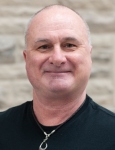
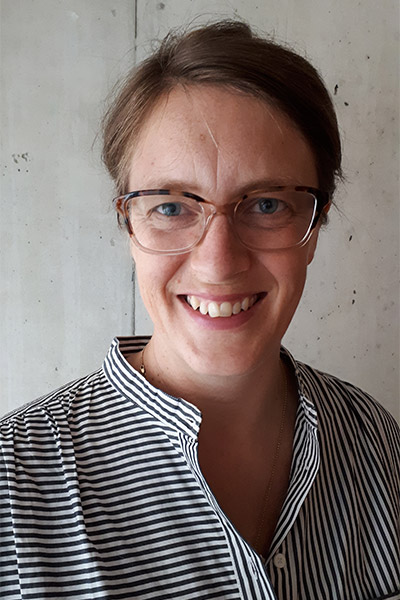
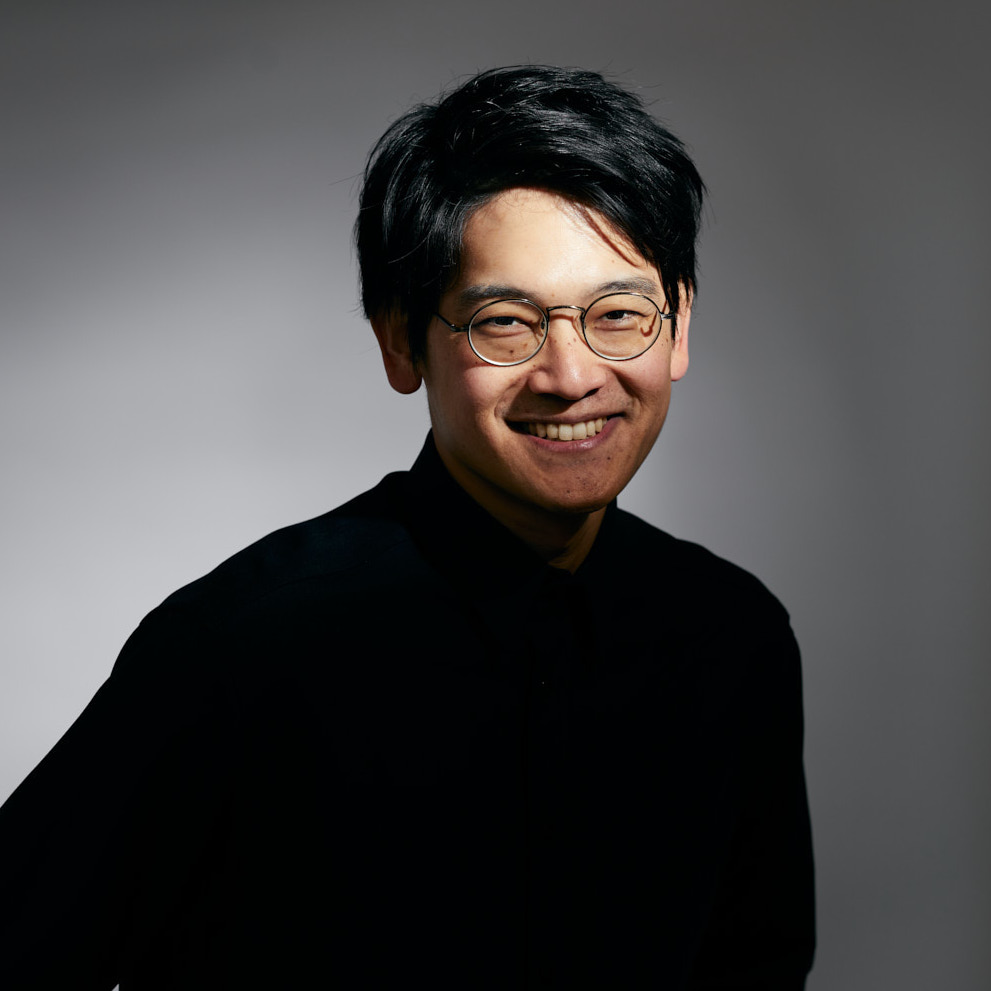
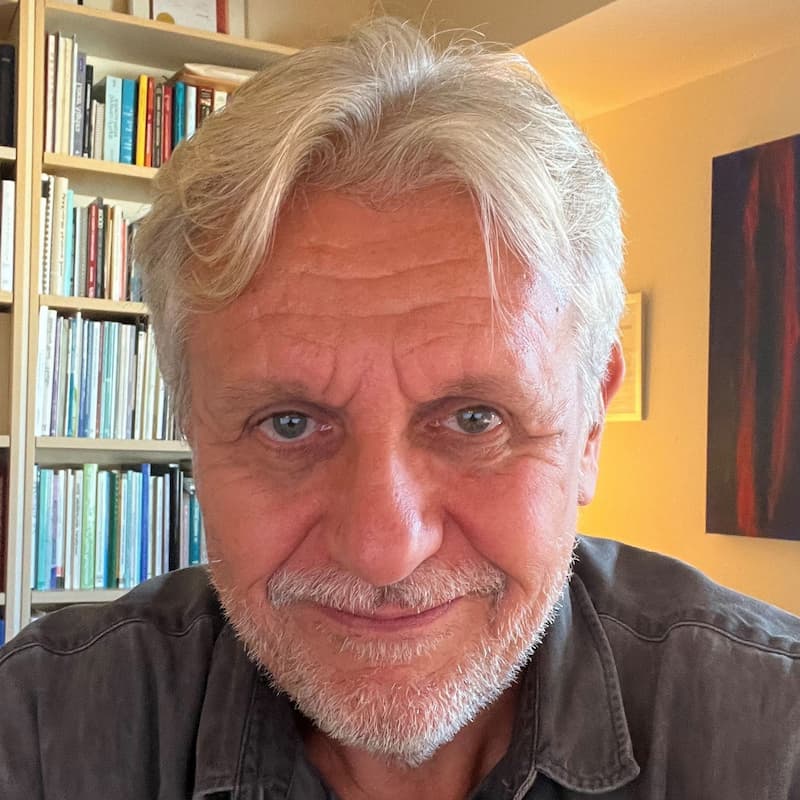
Linda Lee is an Associate Clinical Professor in the Department of Family Medicine at McMaster University’s Michael G. DeGroote School of Medicine. Her work focuses on optimizing dementia care through primary care-based memory clinics and frailty assessment in aging populations. Academic Affiliation: McMaster University Department: Family Medicine Primary Research: Dementia care models and frailty screening Her research explores person-centered dementia care, interprofessional collaboration in memory clinics, and pandemic impacts on geriatric populations. She has developed frameworks for frailty assessment and advance care planning in primary care settings. Recent publications highlight innovations in participant recruitment for dementia research, cost-effectiveness of interprofessional care teams, and pandemic-related challenges in community dementia support. Key themes include telehealth adaptation, caregiver burden, and evidence-based frailty interventions.
Eric Jan is a Professor in the Department of Biochemistry and Molecular Biology at the University of British Columbia's Faculty of Medicine. His research focuses on translational control mechanisms during cellular stress and viral infections, with a particular emphasis on internal ribosome entry sites (IRES) and their role in hijacking host translation machinery. He holds prestigious awards including the Michael Smith Scholar, CIHR New Investigator, and Killam Excellence for Mentoring Education, reflecting his contributions to both research and mentorship. Dr. Jan's lab explores how viruses like Cricket Paralysis Virus (CrPV) and SARS-CoV-2 manipulate ribosomes, and how these insights can be applied to mRNA-lipid nanoparticle (LNP) therapeutic technologies. Education: BSc (Queen’s University, 1994), PhD (Northwestern University, 1999), Postdoctoral Fellowship (Stanford University, 1999-2005). Research Interests: Dr. Jan investigates the noncanonical translation mechanisms of viruses, particularly how IRES elements bypass host initiation factors to drive protein synthesis. His work bridges fundamental gene expression studies with applications in antiviral therapies, diabetes research (via ER stress and eIF2A), and mRNA-LNP delivery systems. Recent projects include mining virome data for novel RNA elements, engineering platelets for therapeutic uses, and developing extrahepatic mRNA delivery strategies. Publications: His recent work (2023-2025) spans virome mining for IRES elements, mRNA-LNP formulation optimization, ER stress in beta cells, and viral protease impacts on host pathways. Key journals include Nature Communications , PLoS Pathogens , and Science Advances . Scientific Awards: Michael Smith Scholar CIHR New Investigator Killam Excellence for Mentoring Education Students and Lab Members: Current lab members include postdoctoral fellows, PhD and MSc students, and technicians working on viral translation, mRNA-LNP applications, and stress granule dynamics. His mentees have secured NSERC fellowships and co-supervised roles. Labs and Collaborations: The Jan Lab collaborates extensively on mRNA-LNP projects (e.g., with Cullis, Kastrup) and viral pathogenesis studies. They employ biochemical, virological, and high-throughput sequencing approaches to dissect host-virus interactions and RNA translation mechanisms.
Michael A. Kerr is a Professor in the Chemistry Department at the University of Western Ontario, where he leads an active research group focused on synthetic organic chemistry. His laboratory occupies multiple spaces in the Chemistry Building (rooms 211, 213, 217, and 218 ChB), equipped with specialized instrumentation for advanced organic synthesis including high-pressure reactors capable of generating pressures up to 200,000 psi (14 kbar). Dr. Kerr received his B.Sc. from Waterloo and his Ph.D. from the University of Hawaii at Manoa. His academic journey has positioned him as a leading researcher in synthetic methodology development, with particular expertise in cyclopropane chemistry and heterocyclic synthesis. Dr. Kerr's research program centers on the development of novel synthetic methods with emphasis on the application of ultra-high pressures to promote chemical reactions, Diels-Alder reactions of unusual dienophiles, synthesis and reactivity of heterocyclic systems (particularly indoles), chemical synthesis of complex target molecules (especially alkaloids), use of donor/acceptor cyclopropanes in organic synthesis, and development of new cycloadditions. His work bridges fundamental methodology development with practical applications in natural product synthesis. Analysis of his recent publications reveals a consistent focus on cyclopropane chemistry, particularly donor-acceptor cyclopropanes as versatile building blocks for complex molecule synthesis. His research has evolved to include innovative ring-opening strategies, multicomponent reactions, and the application of various catalytic systems to expand the synthetic utility of strained ring systems. The work demonstrates a sophisticated understanding of reaction mechanisms and a creative approach to solving synthetic challenges in heterocyclic chemistry. Alfred Bader Award (Awarded by the Chemical Institute of Canada) (2015) Western Faculty of Science Award for Excellence in Graduate Student Mentoring (2014) Boeringer Ingelheim Lectureship, UQAM (2012) Faculty Scholar Award (2008-2010) Annormed Named Lectureship (2007) Occupational Health and Safety Award (2004) Premier's Research Excellence Award (2001) Synlett Editor's Award for Outstanding Faculty (1999) Professor Kerr has mentored numerous graduate students and postdoctoral fellows, with many former group members becoming successful researchers in academia and industry. His research has been supported by various funding agencies that recognize the significance of his contributions to synthetic organic chemistry. He teaches advanced organic chemistry courses including Organic Chemistry II, Industrial Chemistry, Organic Chemistry III, Modern Chemical Synthesis, and specialized graduate courses on total synthesis and advanced synthetic methods. The Kerr Group maintains well-equipped laboratories with specialized instrumentation including multiple fume hoods, HPLC systems, rotovaps, microwave reactors, high-pressure reactors, and other equipment essential for modern organic synthesis. The research environment fosters collaboration and innovation, with group members working on diverse projects that collectively advance the field of synthetic methodology.
Nadine Wiper Bergeron is a Full Professor in the Department of Cellular and Molecular Medicine at the University of Ottawa, where she has been serving since May 2012. Her research focuses on understanding the transcriptional networks that regulate mesenchymal stem cell differentiation, with particular emphasis on myogenesis dysregulation during cancer cachexia. Education: PhD in Biochemistry, University of Ottawa (2004) BSc Honours in Immunology, McGill University (1998) Research Interests: Professor Bergeron's research delves deep into the molecular mechanisms governing mesenchymal stem cell differentiation, particularly focusing on myogenesis - the formation of muscular tissue. Her work examines how this process becomes dysregulated in pathological conditions, especially cancer cachexia , a devastating wasting syndrome affecting cancer patients. Her research spans multiple interconnected areas including skeletal muscle biology, neuromuscular diseases, apoptosis, cancer biology, and regenerative medicine approaches. The laboratory investigates fundamental questions about muscle stem cell quiescence and activation, exploring how transcriptional networks control the balance between dormancy and repair. This work has significant implications for understanding muscle wasting diseases and developing therapeutic strategies for muscle regeneration. Research Trends: Her recent publications demonstrate a consistent focus on transcriptional regulation in muscle biology, with particular emphasis on the role of C/EBPβ and SMAD2 in muscle stem cell function and differentiation. The research trajectory shows increasing sophistication in understanding cachexia mechanisms, moving from basic molecular characterization to potential therapeutic targets. Laboratory and Research Environment: Professor Bergeron leads an active research program at the University of Ottawa, with her laboratory located at 451 Smyth Rd, Ottawa, ON K1H 8L1, Canada. The research group focuses on translational approaches to muscle biology, combining molecular biology techniques with stem cell biology to address clinically relevant questions in muscle wasting diseases.
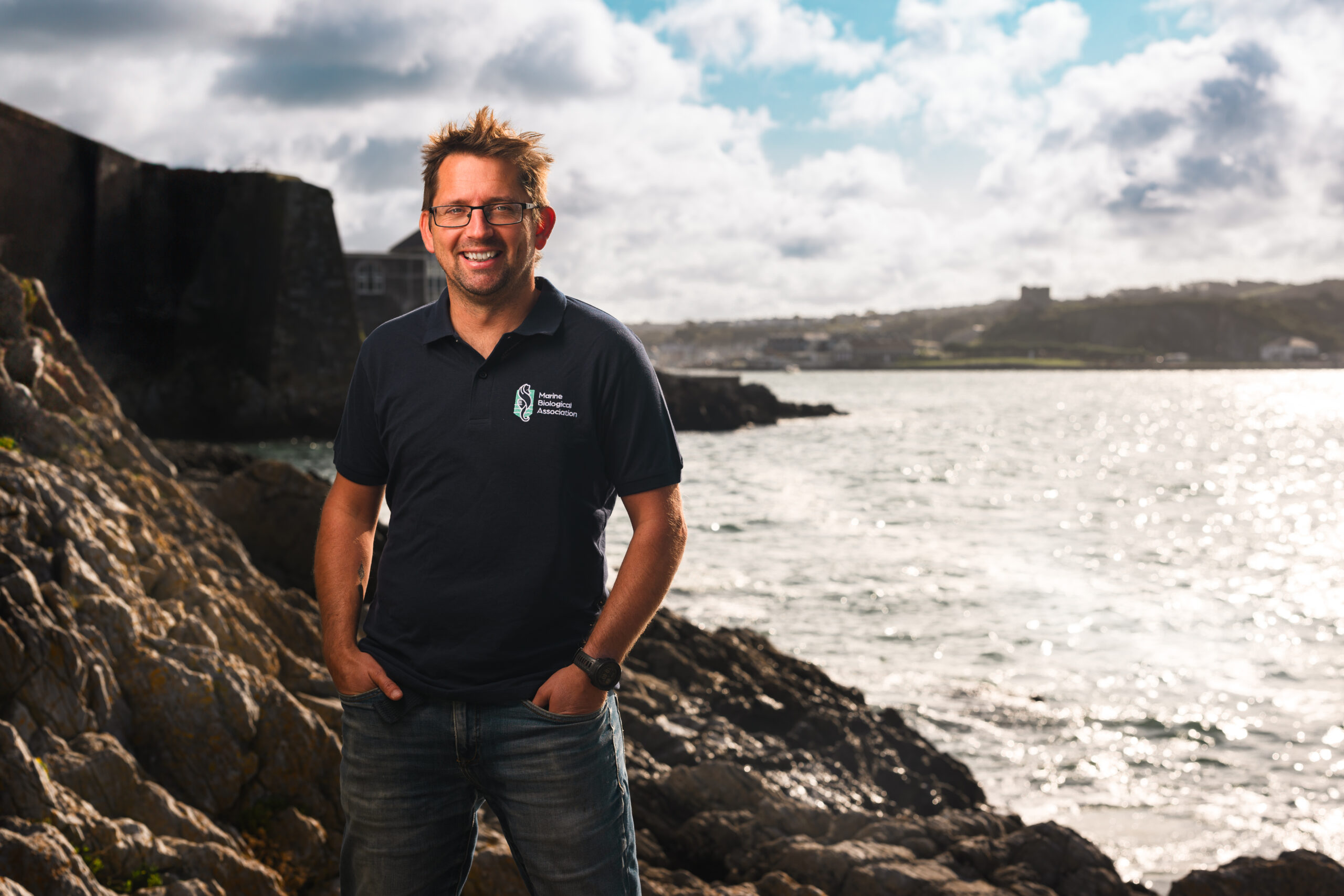
Dr Dan Smale is a Senior Research Fellow at the Marine Biological Association of the United Kingdom , focusing on marine community ecology and environmental change. His research examines global kelp forest ecosystems and marine heatwaves through field observations and experiments. Expertise in biodiversity, climate change impacts, and ecological functioning Leading research group on Benthic Ecosystems and Environmental Change Collaborates with industry and government for applied seaweed studies His work has quantified kelp forests' roles as habitat-forming species, documented ecosystem responses to gradual and extreme climate changes, and characterized marine heatwaves as critical drivers of biodiversity shifts. He currently holds a prestigious UKRI Future Leaders Fellowship to advance his research program.
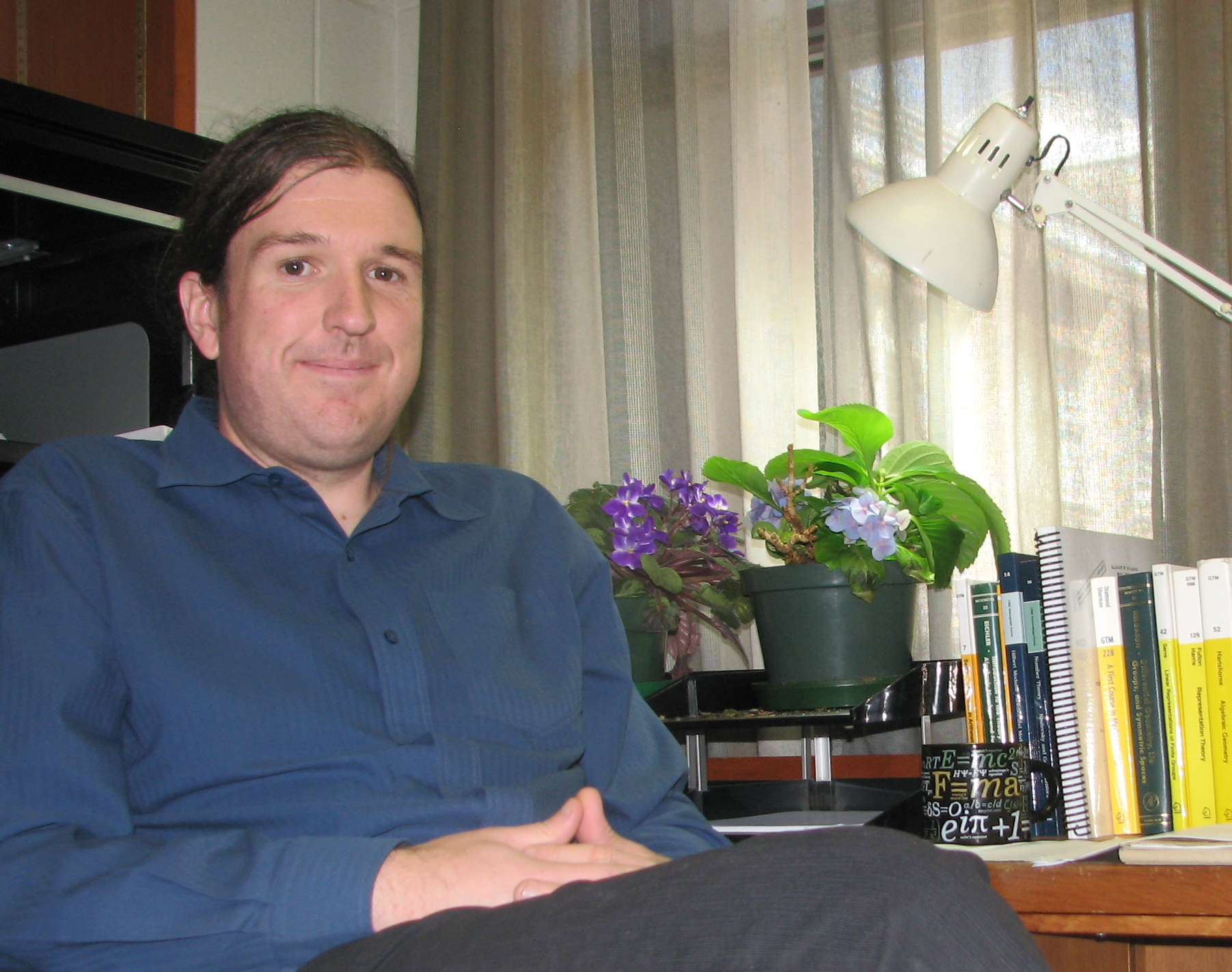
Andrew Fiori is an Associate Professor and Co-Chair of Mathematics at the University of Lethbridge, Faculty of Arts and Science, Department of Mathematics & Computer Science. He has been with the university since Fall 2017, becoming Associate Professor in July 2021 after serving as Assistant Professor. Prior to this, he held postdoctoral positions at the University of Calgary (2015-2017) and Queen's University (2013-2015). His academic background includes a Ph.D. (2013) and M.Sc. (2009) in Mathematics from McGill University, and a B.Math Honours in Computer Science and Pure Mathematics from the University of Waterloo (2007). He has approximately 24 months of work experience as a software developer. Fiori's research spans Algebraic Number Theory and Algebraic Geometry, with particular focus on Algebraic Groups, Shimura Varieties, Lattices, and their connections to each other and to broader mathematical fields. His most active research program concerns geometric and categorical approaches to the p-adic local Langlands correspondence, as part of the Automorphic Representations Research Group. He also investigates geometric interpretations of the local Langlands correspondence for p-adic groups, pseudo-primes, subgroup classifications of algebraic groups, and computational number theory problems. His publications from 2012-2017 demonstrate a consistent focus on advanced topics in number theory and algebraic geometry, particularly exploring structures related to p-adic rings, CM-elliptic curves, and symmetric spaces. The research shows progression from foundational work on orthogonal symmetric spaces to more specialized investigations of Hermitian lattices and Euler characteristics in algebraic contexts. PIMS Postdoctoral Fellow Professor Fiori actively supervises graduate students and postdoctoral researchers, with current and former students working on topics including zero-density bounds for zeta functions, Frobenius primality tests, and geometric approaches to the Langlands program. He has also supervised numerous undergraduate research projects, particularly through NSERC-USRA funding, focusing on prime counting functions and computational number theory. He is involved with the Automorphic Representations Research Group and maintains an active role in both teaching and research at the University of Lethbridge, where his office is located in C546.
Dr. John W. Schwieter is Professor of Psychology, Linguistics, and Spanish at Wilfrid Laurier University in Waterloo, Ontario, Canada. He holds cross-appointments across multiple departments and serves as Director of the Language Acquisition, Multilingualism, and Cognition Laboratory and Bilingualism Matters @ Laurier. Additionally, he maintains an adjunct position as Professor of Linguistics at McMaster University in Hamilton, Ontario. Dr. Schwieter earned his PhD from Florida State University, an MBA from the University of Wisconsin MBA Consortium, and both his MSEd and BA from Western Illinois University. His academic background reflects a distinctive interdisciplinary approach that bridges psychology, linguistics, and business perspectives to examine language cognition. His research program investigates how humans learn and process multiple languages and the resulting effects on general cognition and executive functioning. Key areas include bi-/multilingualism, language acquisition, neurolinguistics, psycholinguistics, and translation/interpreting cognition. His laboratory conducts psychological and behavioral experiments to understand how multiple language systems interact within a single mind, employing methodologies including EEG, fMRI, and computational modeling. Dr. Schwieter's recent publications demonstrate a sophisticated integration of theoretical frameworks across disciplines, with particular emphasis on bilingual language control mechanisms, cross-language activation phenomena, virtual reality applications in language learning, and the cultural dimensions of language acquisition. His work consistently advances methodological approaches in the field while addressing practical implications for language education. Significant research funding includes: Principal Investigator of Bilingualism Matters in the Waterloo Region and Canada (SSHRC Partnership Development Grant, 2019-2022, $199,678) Co-Principal Investigator of Language experience and linguistic skills among multilinguals in higher education (SSHRC Insight Development Grant, 2018-2020, $74,990) Collaborator on Words in the World (SSHRC Partnership Grant, 2016-2022, $2,499,832) Dr. Schwieter serves in prominent editorial roles as Executive Editor of Bilingual Processing and Acquisition (John Benjamins), Editor-in-Chief of Ampersand (Elsevier), and Co-Editor of Cambridge Elements in Second Language Acquisition (Cambridge University Press), significantly shaping scholarly discourse in the field. Through Bilingualism Matters @ Laurier, he actively engages with the community to translate research findings into practical applications that promote understanding of bilingualism and multilingualism across the lifespan.
Professor Ilya Parkins serves as Associate Department Head and Professor in the Gender, Women and Sexuality Studies department within the Irving K. Barber Faculty of Arts and Social Sciences at the University of British Columbia's Okanagan campus. With a PhD in Social and Political Thought from York University, Parkins holds multiple leadership roles including Undergraduate Program Advisor and Program Coordinator for GWST. Parkins' research focuses on feminist theories, particularly epistemologies; the history and theory of fashion; modernity studies; early twentieth-century cultural formations; femininities; and periodical media. Their current SSHRC-funded project (2020-2024) examines wedding apparel imaginaries and stories of feminist and queer individuals through the lens of political values and fashion, with a companion podcast series available at redressingweddings.com. Analysis of Parkins' recent publications reveals consistent engagement with feminist fashion theory, wedding culture, and the affective politics of dress. Their work explores how clothing functions as both political expression and emotional experience, particularly within queer and feminist contexts. Key themes include the commodification of feminism, the emotional economies of wedding culture, and the relationship between fashion and feminist epistemologies. Provost's Award for Teaching Excellence and Innovation (2013) Parkins teaches courses including Gender, Race, Sexuality and Power I; Women and Popular Culture; Critical Foundations: Feminism and Difference; Perspectives on Gendered Bodies; Feminist Research Methodologies; and Gender, Dress and Fashion: Histories and Theories. They supervise graduate students and have published extensively, including multiple books such as Fashion and Feeling: The Affective Politics of Dress (2023), Fashion, New Feminist Essays (2020), and Poiret, Dior and Schiaparelli: Fashion, Femininity and Modernity (2012).
Delphine Bouilly is an Associate Professor in the Department of Physics at the University of Montreal’s Faculty of Arts and Science. She holds the Canada Research Chair in Bionanoelectronics and is affiliated with the Institute of Research in Immunology and Cancer (IRIC). Her interdisciplinary research bridges biophysics, nanoelectronics, and biomedical engineering to develop graphene-based biosensors for single-molecule detection. Ph.D. in Physics (2013, University of Montreal) Postdoctoral Fellow (2016, Columbia University) Research focuses on: Graphene field-effect transistors for DNA/protein detection Single-molecule electronic sensing mechanisms Nanofabrication and functionalization of carbon-based devices Biomedical applications in cancer diagnostics Scientific awards include: Banting Fellowship Vanier Scholarship André Hamel Prize FRQNT Master’s Scholarship CGS-NSERC Alexander Graham Bell Award Her team has supervised multiple Ph.D. and master’s students. Current grants include: NSERC Discovery Grant Canada Foundation for Innovation (CFI) Infrastructure Fund FRQNT Strategic Groupings Program Canada Research Chair Renewal NOVA Emerging Researcher Program Laboratory initiatives include: Collaboration with TransMedTech Institute Development of lab-on-a-chip nanosensors Integration with biomedical institutions Focus on applications for pediatric leukemia diagnostics
Seiji Fujimoto is an Assistant Professor at the Department of Astronomy & Astrophysics, University of Toronto. His research focuses on the formation and evolution of galaxies and black holes in the early universe, utilizing multi-wavelength observational techniques and leading large programs with facilities like JWST and ALMA. PhD in Astronomy (University of Tokyo, 2019) Former NASA Hubble Fellow (2022-2025) Marie Skłodowska-Curie Fellow (2021-2022) Research interests include: High-redshift galaxies Supermassive black holes Stellar explosions Gas and dust evolution Gravitational lensing applications Multi-wavelength observational techniques Recent publications highlight his work on: Population III galaxy candidates Primordial rotating disks High-redshift AGN fractions Gravitational lensing [C II] emission in early galaxies Dusty galaxy identification Scientific achievements include: NASA JWST Cycle4 PI Award ($1.28M) ASJ Young Astronomer Award Springer Thesis Prize He leads the VENUS JWST program (300 hours) and collaborates on projects like Cosmic Grapes and GLIMPSE-D, using gravitational lensing to study cosmic dawn phenomena.
Jennifer Davis is an Associate Professor in the Faculty of Management at University of British Columbia Okanagan Campus , holding a Canada Research Chair (Tier 2, Applied Health Economics) . Her work focuses on applied health economic evaluation and outcomes research , particularly in healthy aging , falls prevention , and rehabilitation research . She co-directs the Falls Prevention Clinic at Vancouver General Hospital and serves as an associate editor for the British Journal of Sports Medicine . Education PhD, Experimental Medicine & Health Care and Epidemiology (Health Economic Stream), University of British Columbia (2010) MSc, Experimental Medicine (Clinical Research), University of British Columbia (2006) BSc (Hon), Physiology, University of British Columbia (2003) Research integrates cost-effectiveness analyses in clinical settings like falls , fracture , and cognition , with emphasis on patient-reported outcome measures . Articles span applied health economics , geriatrics , and biostatistics , analyzing mobility, cognitive impairment, and aging in relation to health outcomes. Teaching includes operations management, health economics, clinically applied economic evaluation, multiple imputation of missing data, and research methods at both undergraduate and graduate levels, with leadership in web-based education through the CIHR Training Program in Rehabilitation Research . Awards include CIHR Banting Canada Graduate Scholarship , VCHRI Top Graduating PhD Student Award , and CIHR Age+Prize , alongside CIHR and MSFHR postdoctoral awards. Collaborations involve CIHR grants as co-investigator, health policy development in British Columbia, and cross-institutional partnerships in rehabilitation research.
Dr. Stavros Avramidis is a Professor and Head of the Department of Wood Science at the University of British Columbia's Faculty of Forestry. His research focuses on advanced wood physics and drying technologies, integrating computational modeling, spectroscopic analysis, and machine learning applications. Wood-water relations and sorption thermodynamics Fluid flow and heat transfer mechanisms Fractal modeling of nano-pore networks Radio frequency vacuum drying optimization Machine learning for wood property prediction Recent publications demonstrate his leadership in applying data science to wood processing challenges, with emphasis on thermal modification, moisture dynamics, and multispectral identification. He actively supervises graduate research through thesis programs in Forestry (MSc, MASc, PhD) while collaborating on interdisciplinary projects related to wood technology and sustainability. Contact: stavros.avramidis@ubc.ca
Toby Susan Goldbach is an Assistant Professor at the Peter A. Allard School of Law, University of British Columbia. She holds a BA from McGill, JD, LLM in ADR from Osgoode Hall Law School, and an LLM and JSD from Cornell. Her research focuses on the intersection of legal procedure, law and development, and legal anthropology. Education: BA (McGill), JD (Osgoode), LLM in ADR (Osgoode), LLM, JSD (Cornell) Dr. Goldbach’s work examines transnational norms in court procedure and dispute resolution, informed by field research at institutions like the World Bank’s Law and Justice Reform Week and the Supreme Court of Israel. Her current research spans commercial courts in Ghana and U.S. District Court settlement procedures. Notable awards include the UBC Green College Leading Scholar designation (2018-2020) and the Rudolf B. Schlesinger Research Fellowship at Cornell. She is co-chair of the Law and Society Association’s Collaborative Research Network on Innovations in Judging. Scientific Awards: UBC Green College Leading Scholar, Rudolf B. Schlesinger Fellow Dr. Goldbach contributes to debates on Indigenous legal representation in Canadian judiciary and advocates for integrating Indigenous legal orders into mainstream legal systems. She is affiliated with the Centre for Feminist Legal Studies and has participated in global legal reform initiatives.
Dr. Philipp Lange is an Associate Professor at the University of British Columbia (UBC) in the Faculty of Medicine , Department of Pathology & Laboratory Medicine. He serves as a Canada Research Chair in Translational Proteogenomics of Pediatric Malignancies and as an Investigator in the Michael Cuccione Childhood Cancer Research Program at BC Children’s Hospital and BC Cancer Research Institute. His work bridges proteomics, genomics, and bioinformatics to advance pediatric precision oncology . Research Focus : Precision oncology, proteomics, post-translational protein modification, cell signaling in childhood cancers, and targeted therapeutics. Educational Background : PhD in Biochemistry (Free University Berlin), MSc in Molecular Biology, Microbiology, and Computer Sciences (University of Hamburg). Dr. Lange leads the Lange Lab , which develops proteomics platforms for molecular pathology in pediatric cancers. He co-leads Canada’s PROFYLE precision oncology consortium and chairs the Canadian Pediatric Cancer Consortium (ACCESS) Cancer Biology group. His work emphasizes translational research to reduce treatment side effects and improve survival. Scientific Awards CIHR Early Career Investigator in Cancer Award Great Canadian Innovation Award (Canadian Cancer Society) Recent Publications His research spans proteomics methodology (e.g., ASAP/SQuAPP for FFPE tissue analysis, positional proteomics), pediatric cancer proteoforms, and clinical translation of proteogenomics. Key studies include PDX models for therapy selection in progressive malignancies and proteome-wide analysis of drug resistance mechanisms. Graduate Student Supervision Dr. Lange mentors students in the Bioinformatics , Cell and Developmental Biology , and Genome Science and Technology programs at UBC. Lab members include graduate students, postdoctoral fellows, and senior research technicians working on proteomic tools, childhood cancer biology, and drug development.
Dr. Monika Fischer is an Assistant Professor in the Department of Botany at the University of British Columbia's Faculty of Science, with secondary affiliation in the Department of Forest & Conservation Sciences. She leads the Fischer Fire Fungi Lab, which investigates the role of fire-adapted fungi in post-fire ecosystem recovery. Her research program bridges field ecology with molecular genetics, utilizing both model and non-model fungi to understand ecological processes at multiple scales. Dr. Fischer completed her academic training with a PhD in Microbial Biology from the University of California, Berkeley (2012-2018), followed by postdoctoral work in the Department of Plant & Microbial Biology at UC Berkeley (2018-2024). Prior to her scientific career, she earned an A.O.S in Culinary Arts from the Culinary Institute of America (2004-2006), which informs her unique perspective on fungi and ecosystems. Her research focuses on understanding the biological mechanisms that drive ecological processes in fire-affected ecosystems. As a mycologist, she studies fire-loving fungi that become highly active within days following fire, with particular emphasis on the model organism Neurospora crassa. Her lab employs a breadth of techniques including classical genetics, cell biology, genomics, laboratory experiments with synthetic communities, and field surveys across various ecosystems. This multi-scale approach aims to build a holistic framework of fungal roles in post-fire recovery, examining how fire-adapted fungi interact with each other and their environment. Dr. Fischer's publication record demonstrates a clear progression from fundamental fungal genetics to ecological applications, with recent work focusing on pyrophilous soil communities, aromatic compound metabolism in post-fire fungi, and microbial community dynamics following prescribed fires. Her research bridges fundamental fungal biology with practical applications in forest ecology and land management, particularly relevant in the context of climate change and shifting fire regimes. As an educator and mentor, Dr. Fischer actively supervises undergraduate researchers including Ciara Foley and Sarah-Isabelle Radziszewski, and is recruiting additional motivated students. Her lab is affiliated with UBC's Biodiversity Research Center and the IBioS Collaboratory, reflecting the interdisciplinary nature of her work. She maintains extensive protocols for fungal research available through Google Drive, demonstrating her commitment to open science and methodological rigor. The Fischer Fire Fungi Lab operates on the traditional, ancestral, and unceded territory of the xwməθkwəy̓əm (Musqueam) People, and Dr. Fischer acknowledges this relationship as part of her commitment to being a respectful guest in this ecosystem. Outside her research, she enjoys dancing, exploring Vancouver's bakeries, and appreciating local landscapes through hiking and cycling, reflecting her deep connection to the environment she studies.