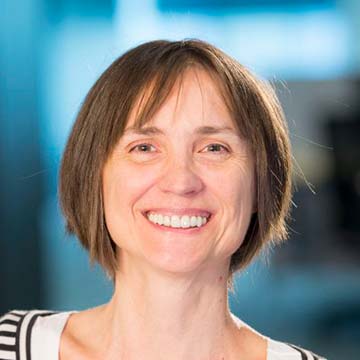
Dr. Alex Black is an Associate Professor in the School of Optometry & Vision Science at Queensland University of Technology (QUT), Faculty of Health. He serves as Course Coordinator for the Master of Optometry program and leads the Vision and Everyday Function research group within QUT's Centre for Vision and Eye Research. His expertise spans vision science, ageing-related vision decline, falls prevention, and driving safety. Dr. Black holds dual qualifications: a PhD in Vision Science (QUT, 2010) and a Masters of Public Health (University of Queensland, 2012). Teaching roles: Coordinates OP85 Master of Optometry program Research focus: Vision impairment impacts on mobility, driving safety, and academic performance Awards: FAAO (Fellow of American Academy of Optometry), FHEA (Fellow of Higher Education Academy) Research highlights include AUD $3.2 million in grants, over 100 publications, and contributions to international journals like Clinical & Experimental Optometry . His work bridges clinical practice and research, addressing real-world issues through innovative studies such as night-time pedestrian safety clothing design and advanced driver assistance system (ADAS) usability for older adults. Key collaborations include NHMRC-funded projects on injury prevention and Vision and Driving research laboratory studies. Dr. Black also serves editorial roles for Clinical & Experimental Optometry and peer review activities.
Professor Philip Wai Hong Chan holds a Chair in Chemistry at Monash University, leading research in organic and inorganic chemistry with a focus on sustainable catalytic methodologies. He earned a B.Sc.(Honours) from the University of Bristol (1995) and a D.Phil. from the University of Oxford (1998), followed by postdoctoral training at Tohoku University, University of Sydney, and University of Hong Kong. Since 2014, he has been a Professor in Monash's School of Chemistry, advancing studies in homogeneous catalysis, photoredox systems, and organocatalysis. His research integrates synthetic chemistry with applications in drug discovery and materials science, particularly targeting bioactive natural products and functional materials. Key areas include transition metal catalysis for complex molecule synthesis and development of green chemistry approaches. Chan leads major projects like the ARC Training Centre for Advanced Radiochemical Technologies and has authored over 157 publications. Recognition includes multiple Asian Core Program Lectureship Awards (2007, 2014), a SPMS Teaching Excellence Award (2012), and contributions to antimicrobial research through self-assembling nanoparticles. He collaborates globally on topics like sustainable catalysis and medical imaging, reflecting his commitment to UN Sustainable Development Goals in health and innovation.
Sri AravindaKrishnan Thyagarajan is a Lecturer at The University of Sydney's School of Computer Science, specializing in cryptography. He focuses on enhancing security and fairness in distributed systems, blockchains, and multi-party computations with applications in post-quantum cryptography. His work spans top-tier conferences like ACM CCS and IEEE SP. Education: B.Tech, Computer Science & Engineering, National Institute of Technology Trichy, India (2011–2015) M.Sc., Computer Science, Saarland University, Germany (2015–2016) Ph.D., Applied Cryptography, Friedrich Alexander Universität Erlangen-Nürnberg, Germany (2016–2021) Research Interests: Cryptography (classical and post-quantum), blockchain security, cryptocurrencies, fairness in multi-party computations, privacy-preserving protocols, and decentralized systems. Recent Articles: Focus on cryptographic protocols for blockchains, threshold cryptography, verifiable randomness, and secure atomic swaps. Recent work includes advancements in post-quantum signatures, distributed randomness generation, and privacy-preserving payment systems. Awards: Nominated for GI Dissertationspreis 2021 Advising & Grants: Advising Ankit Kapoor. Active in program committees for CCS, IEEE SP, and FC. Currently Program Chair for Crypto Valley Conference 2025. Labs/Teams: Part of the Sydney Blockchain Centre and cybersecurity cluster at the University of Sydney. Collaborates globally with institutions like NTT Research, Carnegie Mellon University, and Bocconi University.
Greg Haff is a Professor of Strength and Conditioning and Director of the Strength and Power Research Group at Edith Cowan University's School of Medical and Health Sciences. He holds a PhD from the United States (1999) and has extensive experience in strength and conditioning research, education, and professional practice. His work focuses on neuromuscular adaptations, training theory, velocity-based training methods, and recovery strategies. Haff has received numerous awards, including the National Strength and Conditioning Association’s Impact Award (2021) and the UK Strength and Conditioning Coach of the Year (2014). Affiliations: ECU School of Medical and Health Sciences, Strength and Power Research Group Education: PhD (1999), MS (1996), BS (1993) in Physical Education from the United States. Research Interests: Haff’s research explores optimal training methodologies, including periodization, eccentric loading, and velocity-based resistance training. He investigates how neuromuscular adaptations enhance athletic performance and reduce injury risk. His work spans sports science, biomechanics, and exercise physiology. Publications & Awards: Over 270 scientific papers, 9 books, and 28 book chapters. Notable awards include the William J. Kraemer Sport Scientist of the Year (2011) and the NSCA Young Investigator Award (2001). His research has been cited over 9,000 times (Scopus h-index 53). Grants & Labs: Leads the Strength and Power Research Group, focusing on applied strength training and performance optimization. Research spans athlete development, recovery strategies, and injury prevention.
Mike Climstein serves as a Lecturer in Human Sciences within the Faculty of Health at Southern Cross University (SCU), where he coordinates the Master of Clinical Exercise Physiology program and acts as Deputy Academic Integrity Officer. He concurrently holds an adjunct Associate Professor position in the Physical Activity, Lifestyle, Ageing and Well-being Research Group at the University of Sydney and directs SCU's Aquatic Based Research initiative. His academic credentials include a PhD in Exercise Science & Human Performance from Oregon State University (1990), an MSc in Exercise Science from Utah State University (1986), and a BSc in Biology from Utah State University (1982). Climstein's research spans clinical exercise physiology with emphases on master athletes' health, chronic disease rehabilitation, sports injury surveillance (particularly surfing), cardiac rehabilitation, smart textile monitoring, and osteoporosis. His work integrates technology-driven health solutions with population-specific exercise interventions, notably for aging populations and athletes. Analysis of his recent publications reveals three dominant trends: 1) AI applications in dermatological diagnostics (e.g., melanoma detection systems), 2) physiological adaptations in aging populations through martial arts and aquatic exercise, and 3) epidemiological studies of chronic conditions in master athletes and occupational groups. These reflect his dual focus on technological innovation and practical health interventions. His scientific recognition includes: Fellowship by Sports Medicine Australia (FASMF) Fellowship by American College of Sports Medicine (FACSM) Fellowship by Exercise and Sports Science Australia (FAAESS) Climstein actively supervises 4 PhD and 2 Master's students while co-supervising 6 Doctor of Physiotherapy candidates. His research program is supported by 38 grants totaling over $7.8 million AUD, including studies on aquatic rehabilitation and smart textile monitoring. As Director of Aquatic Based Research, he leads interdisciplinary teams investigating water-based exercise interventions for chronic disease management, with ongoing projects in cardiac rehabilitation and osteoporosis prevention.
Professor Byron Sharp is a Professor of Marketing Science and Director of the Ehrenberg-Bass Institute for Marketing Science at the University of South Australia. The institute is recognized as the world’s largest center for research into marketing, housing over 60 marketing scientists. He plays a pivotal role in advancing evidence-based marketing principles globally. Research Interests: Marketing Science and Empirical Generalizations Brand Growth and Customer Acquisition Advertising Effectiveness and Mental Availability Consumer Behavior and Loyalty Patterns Market Modeling (e.g., Dirichlet model) Evidence-Based Marketing Practice His recent publications reveal a consistent focus on quantifying brand performance, buyer behavior, and advertising impact. Trends in his articles emphasize the application of statistical models (e.g., NBD, Dirichlet) to understand consumer repertoires, loyalty, and the effects of advertising cessation. His work bridges academic rigor with practical marketing applications, particularly in brand strategy and media planning. Scientific Awards and Recognition: His book How Brands Grow was voted Marketing Book of the Year by AdAge readers. Recognized by Warc (2015) as one of the most influential marketing books of the past decade. Advising, Grants, and Collaborations: While specific student names are not listed, he leads a large research team and frequently collaborates with prominent scholars such as Jenni Romaniuk, John Dawes, and Robert Kennedy. His work is supported by industry partnerships and institutional funding through the Ehrenberg-Bass Institute, enabling large-scale empirical studies using real-world data. Labs and Teams: He directs the Ehrenberg-Bass Institute, which functions as a major research laboratory focused on marketing science, conducting longitudinal studies, empirical generalizations, and collaborative industry research.
Professor Ester Cerin is a leading academic at the Mary Mackillop Institute for Health Research, Australian Catholic University (ACU), where she leads the Behaviour, Environment and Cognition Research Program. She holds an adjunct professorship in Statistics at the Department of Community Medicine, UiT The Arctic University of Norway, and is an Honorary Professorial Fellow at both the Baker Heart & Diabetes Institute and the School of Public Health, University of Hong Kong. Her international career includes academic roles in Australia, the USA, and Hong Kong. Her research centers on the environmental and psychosocial determinants of lifestyle behaviors and health, with a focus on physical activity, cognitive health, and sustainable environments. She employs advanced statistical methods to study how urban design and neighborhood characteristics influence health across the lifespan. Her work bridges public health, urban planning, and behavioral science. The recent publications highlight a consistent focus on built environment impacts on physical activity and cognitive health across age groups and continents. Her studies frequently employ multi-country designs (e.g., IPEN, iMAP) and advanced methodologies including meta-analyses, cohort studies, and objective environmental assessments. Key themes include walkability, urban densification, aging, and mental health. Top 1% of scholars, University of Hong Kong, 2015 Clarivate Highly Cited Researcher, 2019 Professor Cerin has secured over $24 million in research funding from prestigious bodies including NHMRC, ARC, NIH, and World Cancer Research Fund. She has led 12 major grants as Lead Investigator and serves as Principal Investigator for the iMAP and EPOCH studies. She supervises HDR students and mentors early-career researchers. Her leadership extends to editorial roles as Deputy Editor-in-Chief of the International Journal of Behavioral Nutrition and Physical Activity and Associate Editor of Health & Place . She co-founded the International Cognitive Health and the Environment Network (ICHEN) to promote research and advocacy for environments that support cognitive health. Her work is embedded in large international collaborations, including multi-country cohort studies and systematic reviews under the IPEN and CEPA working groups.
Cathryn Crowle serves as a Clinical Senior Lecturer at the School of Health Sciences within the Faculty of Medicine and Health at The University of Sydney. Her clinical specialty is Paediatrics, with active roles spanning teaching, research, and clinical practice focused on infant and child health across the lifespan. Her research centers on Paediatrics and Child Health with specific emphases in Growth & Development, Infant care, and Translational Research. Key investigations include cerebral palsy early detection using General Movements Assessment and Motor Optimality Score-Revised (MOS-R), neurodevelopmental outcomes in neonatal surgical populations, and interventions for infants in Neonatal Intensive Care Units (NICU). Her work bridges clinical practice and research through knowledge translation initiatives. Analysis of her 14 publications (2015-2025) reveals consistent focus on predictive tools for neurodevelopmental disorders, particularly cerebral palsy in high-risk Australian infant cohorts. Her methodology combines longitudinal assessment (HINE, Bayley scales), clinical translation, and multidisciplinary collaboration to address gaps in early diagnosis and intervention. Dr. Crowle currently supervises Victoria Norris on music therapy applications in NICU settings. Her research involves extensive collaboration with cerebral palsy experts including Iona Novak, Nadia Badawi, and Catherine Morgan across institutions, with projects like the Knowledge Translation of Early Cerebral Palsy (KiTE CP) study demonstrating implementation science approaches. She contributes to teams focused on neonatal neurodevelopment through the Cerebral Palsy Alliance Research Institute, participating in prospective cohort studies examining autism risk in NICU graduates and neurodevelopmental outcomes in ECMO survivors. Her clinical work integrates assessment protocols for infants with congenital anomalies requiring surgery.
Dr. Hung Yew Mun is an Associate Professor and Interim Head of the Mechanical Engineering program at Monash University Malaysia’s Malaysia School of Engineering. His expertise spans heat transfer, thermodynamics, and fluid dynamics, with a focus on micro-scale phenomena, phase-change heat transfer, and graphene-based materials. He teaches courses including MEC3454/MEC4408 (Thermodynamics and Heat Transfer) and MEC4416 (Momentum, Energy & Mass Transport). Dr. Hung’s research addresses advanced cooling solutions for electronics, energy storage, and sustainable materials. Education: PhD in Mechanical Engineering from University of Multimedia, Malaysia (2010). Research Interests: Micro-scale heat transfer, phase-change mechanisms, graphene nanostructures, and applications in thermal management. His work contributes to UN SDG goals related to affordable and clean energy (SDG7) and industry innovation (SDG9). Recent Projects: Includes studies on MXene-biochar composites for energy storage, graphene-enhanced devices for electronics cooling, and multiscale modeling of postharvest fruit water transport. He has led/co-investigated 12 projects since 2013, emphasizing interdisciplinary collaboration. Publications: Over 100 peer-reviewed articles, with recent focus on graphene-mediated heat transfer enhancement, plasma-activated cooling, and nanofluid applications. His work addresses both fundamental mechanisms and industrial applications. Labs/Teams: Active in thermal engineering and nanomaterials research groups, collaborating with institutions globally on sustainable energy and advanced materials.
Fabio Zanini is an Associate Professor at the University of New South Wales (UNSW) , leading a research group focused on computational biology , single-cell approaches , and transcriptomic analysis across diseases like severe dengue , neonatal lung disease , cancer , and marine biology . He previously conducted postdoctoral research at Stanford University (2016-2019) and earned a PhD in Bioinformatics from the Max Planck Institute for Developmental Biology and the University of Tuebingen (2015). Current Affiliation: Group leader, UNSW Previous Training: Postdoc (Stanford), PhD (Max Planck/University of Tuebingen) His research spans single-cell RNA sequencing , computational virology , developmental cell biology , and bioinformatics tool development , with recent work on: Severe dengue progression (viral-host interactions, immune signatures) Lung development (endothelial cell diversity, hyperoxia-induced injury) Cancer genomics (mutant HSC clones, AZA therapy response) Marine biology (plankton transcriptomics, evolutionary analysis) Bioinformatics (HTSeq 2.0, northstar algorithm) Recent scientific awards include grants from the Chan Zuckerberg Initiative ($270,000), NIH R01 (multiple), ARC Discovery Grant , and NHMRC Ideas Grant . Notable contributions include: Northstar - Cell classification algorithm SpectralSeq - Hyperspectral-transcriptomic integration Tabula Muris - Mouse aging atlas He has supervised research into hematopoietic stem cell regulation , lung vascular development , and autophagy in viral infections , with collaborations across Stanford , University of Sydney , and Harvard .
Jacqui Webster is a Professor of Public Health at the University of Technology Sydney (UTS), leading the WHO Collaborating Centre on Nursing, Midwifery and Health Development. She serves as the Secretariat for the South Pacific Chief Nursing and Midwifery Officers Alliance (SPCNMOA) and continues collaborating with The George Institute for Global Health on salt reduction research. Key Grants: NHMRC Investigator Grant (Leadership 2), NHMRC IDEAS Grant, Global Alliance for Chronic Diseases grants Collaborations: Fiji National University, Deakin University, University of Sydney, UNSW, Northwestern University Her research focuses on reducing cardio-metabolic diseases through food/water security programs and salt reduction policies. Recent articles analyze potassium-enriched salt adoption barriers, global water sodium standards, ultra-processed food impacts in Fiji, and pandemic-related dietary shifts in Australia. She authored the public health-themed book Two Bugs on Bikes (Hembury Books 2025) based on her cycling journey across Europe and Africa. At UTS, she mentors early-career researchers and supports strategic operations for the WHO Collaborating Centre.
Professor Asgar Farahnaky is the Deputy Head of Food Technology and Nutrition at RMIT University's School of Science. He holds a PhD in Food Physics from the University of Nottingham and has extensive industry experience in food innovation and research. His academic roles include Deputy Head of Department (Research & Innovation), Program Manager for the Master of Food Science and Technology, and past leadership at Charles Sturt University and Shiraz University. He has secured significant research grants, including a $500k CRC grant and GRDC funding. His research focuses on food innovation, functional foods, and emerging technologies like ultrasound and ohmic processing. Collaborations with national and international industries highlight his emphasis on market-oriented solutions. Awards include research productivity recognitions at Shiraz University. Supervision spans projects on plant protein valorization, starch modification, and food packaging. He leads a dynamic lab exploring food physics, hydrocolloids, and sustainable processing.
Dr. Maryam Ghahramani is a Senior Lecturer in AI & Robotics at the Faculty of Science & Technology, University of Canberra, Australia. She holds a BSc in Electrical Engineering from Shiraz University, Iran, and a PhD in Biometric Gait Analysis from the University of Wollongong, Australia. Biomedical Engineering Researcher Machine Learning Specialist Human Motion Analysis Expert Her research focuses on applying machine learning to human motion analysis for rehabilitation purposes, particularly in three key areas: Parkinson's Disease: Using fNIRS and machine learning for disease detection and motor function assessment Fall Prevention: Analyzing postural sway and risk of falls in older adults Spatial Disorientation: Studying balance in hypoxic aviation environments Recent publications demonstrate her work at the intersection of biomedical engineering, machine learning, and clinical rehabilitation. Current projects include: Young Onset Dementia Detection with 12-week Home-Based Exercise Programs Mild Hypoxia Analysis for Aviation Safety Balancing Mat Performance Evaluation
Dr. Ghazal Bargshady is a Lecturer at the University of Canberra , with expertise in Affective Computing , Artificial Intelligence , and Healthcare Technology . Her roles include teaching units such as Computer Vision, Data Analytics, and Soft Computing, as well as supervising PhD and Master by Research students in AI-driven projects for healthcare and road safety. Education: She earned her PhD in Artificial Intelligence and Computer Vision from the University of Southern Queensland in 2020. Research Interests: Dr. Bargshady specializes in Computer Vision Deep Learning Biosignal Processing Facial Expression Analysis Human Factors in AI Wearable Sensors Multimodal Data Fusion Brain–Computer Interfaces Her work addresses real-world challenges in pain assessment, depression recognition, and driver safety using cutting-edge AI models. Article Trends: Her recent publications focus on Transformer architectures , fNIRS signal analysis , multimodal pain detection , and depression severity estimation via facial video data. These studies highlight her contributions to AI in healthcare , transportation safety , and biomedical signal processing . Teaching Activities: Dr. Bargshady has lectured units including Programming for Data Science , Computer Vision , and Soft Computing , emphasizing practical AI applications.
Professor Stuart Phinn is a distinguished academic at the University of Queensland, serving as Professor in the School of the Environment and Centre Director of the Remote Sensing Research Centre (Earth Observation Research Centre). He also maintains affiliations with the Centre for Marine Science. With a career spanning over two decades, Professor Phinn has established himself as a leading expert in earth observation and environmental monitoring, with over 559 publications including 295 journal articles. His educational background includes a Bachelor (Honours) of Science (Advanced) from The University of Queensland and a Doctor of Philosophy from San Diego State University. Professor Phinn's leadership extends to founding directorships of Australia's national earth observation coordination body (www.eoa.org.au) and collaborative research infrastructure (www.tern.org.au), as well as a world-leading research-to-operational program supporting government environmental monitoring (www.jrsrp.org.au). He also leads the Earth Observation for Government Network. Professor Phinn's research focuses on monitoring environmental change using earth observation and field data. His work primarily involves using images collected from satellites and aircraft, combined with field measurements, to map and monitor Earth's environments and how they change over time. This research is conducted in collaboration with environmental scientists, government agencies, NGOs, and private companies. A growing aspect of his work focuses on national coordination of earth observation activities and the collection, publishing, and sharing of ecosystem data. His work provides solutions to support sustainable development and resource use for governments, industries, and communities. His recent publications demonstrate a consistent focus on applying earth observation technologies to solve environmental challenges across multiple domains. The 15 most recent articles reveal strong themes in coral reef mapping and monitoring, land cover change detection, fire resilience analysis, and advanced remote sensing techniques including multi-sensor fusion and machine learning applications. His work spans terrestrial, coastal, and marine environments, with significant contributions to understanding environmental change in Australia and internationally, particularly in Indonesia. Professor Phinn has secured substantial research funding from diverse sources including government agencies (Queensland Government, Great Barrier Reef Marine Park Authority), industry partners (SmartSat CRC, Blue Economy CRC), and international organizations (Google Inc, Vulcan Inc). Current projects include evaluating impacts of threats to endangered reptiles, automating tree-scale vegetation structure monitoring, and continuing the Joint Remote Sensing Research Program. As an academic supervisor, Professor Phinn has mentored numerous PhD and Master's students, with current supervision spanning topics from forest disturbance analysis to kelp forest mapping and fire resilience of mine site rehabilitation. His extensive supervision history demonstrates his commitment to training the next generation of earth observation scientists. The Earth Observation Research Centre he directs fosters a collaborative research environment focused on transforming satellite and airborne images with field survey data into meaningful environmental information for decision-making.