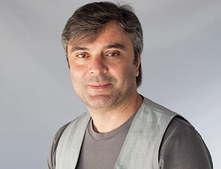
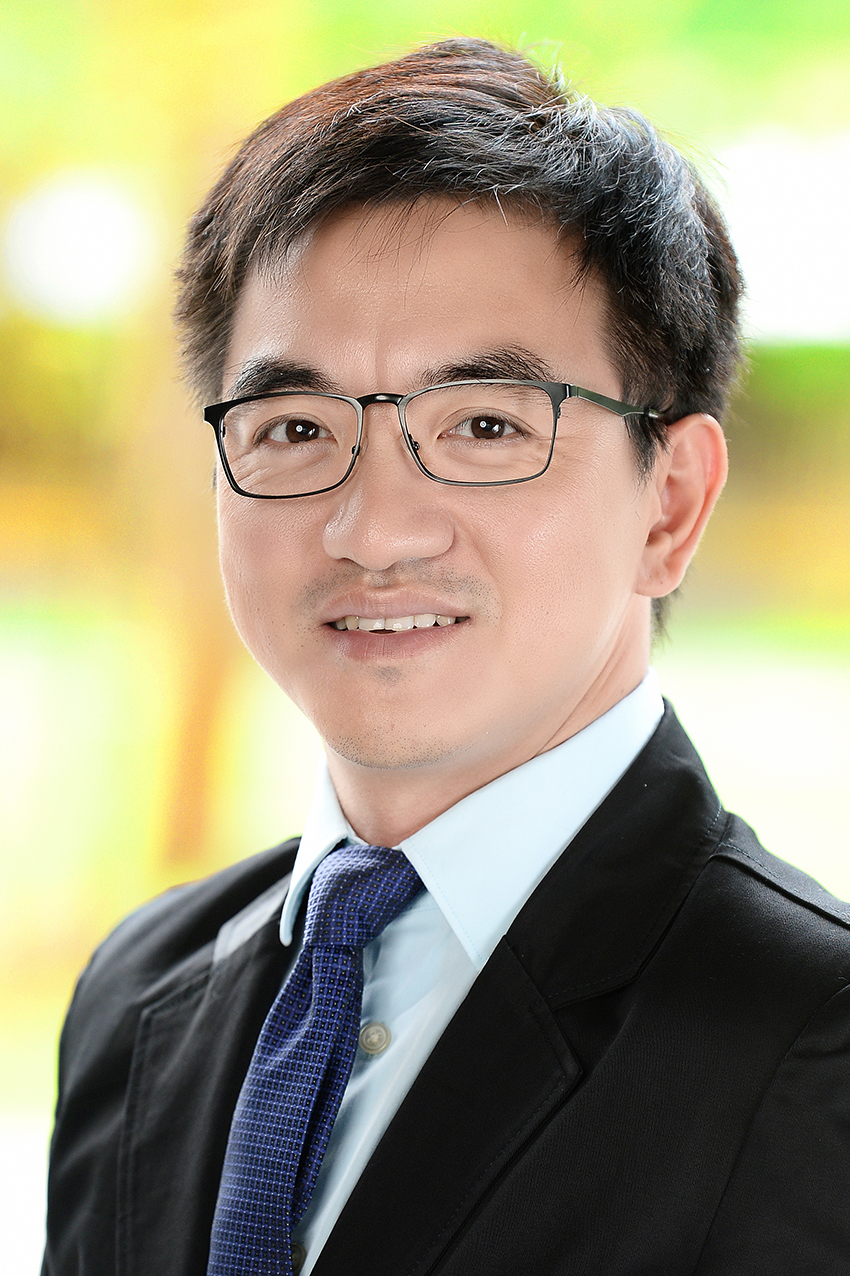
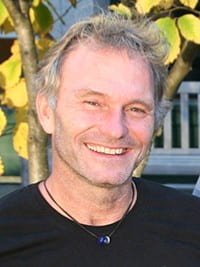
Dr. Siva Vanapalli is a Professor at Texas Tech University's Department of Chemical Engineering, holding the Bryan Pearce Bagley Regents Chair in Engineering. His research integrates microfluidics, biophysics, and healthspan studies in the C. elegans model organism, with applications in cancer diagnostics and space biology. Education : PhD (University of Michigan, 2006), MSc (Penn State, 2001), BTech (IIT Kharagpur, 1998) Key Research Areas : Microfluidic device development, tumor cell mechanics, aging research, and C. elegans phenotyping Commercialization : Holds patents in cancer cell detection and aging assays Recent publications demonstrate his leadership in microfluidic cancer diagnostics, aging pathways, and spaceflight biomedical research. His lab has produced 18+ peer-reviewed works since 2018, including 4 in 2023 alone. Notable awards include the 2020 Regents Chair distinction and multiple President's Awards for research excellence and commercialization. Dr. Vanapalli's group has mentored 8 graduate students to completion, with recent graduates like Leila Alizadeh (2020 PhD) and Shamim Ahmed (2020 PhD) making significant contributions to cancer cell mechanics and C. elegans aging studies. The lab maintains active collaborations with NASA for space biology experiments and the Benian Lab for muscle research.
Dr. Angelo Keramidas is a Senior Research Fellow at the University of Queensland , affiliated with the Institute for Molecular Bioscience. His research focuses on ion channels in health and disease, particularly GABA-A, glycine, and glutamate (NMDA) receptors implicated in neurological disorders like epilepsy, autism, and neurodevelopmental conditions. Projects: Investigating receptor variants in epilepsy/autism, glutamate receptors in developmental delay, and venom peptide modulation of sodium channels. Techniques: Patch-clamp electrophysiology, venom peptide analysis, and functional characterization of ion channel variants. He collaborates with biophysicists, clinicians, and geneticists across Australia, USA, and Europe. Current funding includes an ARC Discovery Project (2023-2026) and industry partnerships.
Professor Pamela McCombe is a leading neuroimmunology researcher at The University of Queensland's UQ Centre for Clinical Research. Her work focuses on immune mechanisms in neurological diseases, particularly multiple sclerosis (MS) and amyotrophic lateral sclerosis (ALS), with emphasis on inflammation regulation, disease progression, and the influence of sex/gender on pathogenesis. She collaborates internationally on MSBase and Big MS Data Network studies. Key Research Areas Neuroimmunology Multiple Sclerosis Amyotrophic Lateral Sclerosis Gender Differences in Autoimmune Diseases Metabolic Biomarkers in Neurodegeneration Her recent publications analyze immunomodulatory therapies in MS, metabolic alterations in ALS, and genetic risk factors for motor neuron disease. She contributes to clinical trial methodologies and disease-modifying treatment effectiveness. Scientific Contributions Co-developed predictive models for MS progression Identified novel biomarkers in ALS survival Explored sex-based immunological differences Investigated hypothalamic volume correlations in ALS Contributed to NMOSD treatment guidelines
Professor Martin Dichgans serves as the Founding Director of the Institute for Stroke and Dementia Research (ISD) and Chair of the Department of Translational Stroke and Dementia Research at Ludwig-Maximilians University Munich's Medical Center. He has held these positions since 2010 and has been a Professor of Neurology at LMU since 2006. Additionally, he serves as President of the European Stroke Organisation (since 2020) and President of the German Stroke Society (since 2016). Dr. Dichgans' research focuses on the molecular, cellular, and physiological mechanisms of stroke and cerebrovascular disease, with particular emphasis on cerebral small vessel disease and large artery atherosclerotic stroke. His laboratory employs genetic approaches to identify novel risk genes and explores their functional roles using genome-editing, proteomics, and imaging technology. His team has established genetic mouse models for cerebral small vessel disease derived from genetic discoveries (e.g., HtrA1, Col4A1, Foxf2) to identify key molecular pathways relevant to disease pathogenesis. Analysis of his recent publications reveals a strong focus on genetic determinants of stroke and vascular disease, with increasing attention to inflammatory pathways in atherosclerosis and cerebrovascular disease. His work spans basic molecular mechanisms, translational research, and large-scale genetic studies across diverse populations. Recent publications demonstrate growing interest in the intersection of vascular disease and neurodegeneration, particularly in vascular cognitive impairment and dementia. Professor Dichgans leads a substantial research team including postdoctoral researchers, PhD students, and technical staff, and has successfully secured numerous competitive grants including the Fondation Leducq Trans-Atlantic Network of Excellence on Brain Endothelium and the Horizon-EIC-2022-Pathfinder Challenges project. His laboratory is part of the Munich Cluster for Systems Neurology (SyNergy), reflecting its integration into a broader neuroscience research ecosystem.
Harald Luksch is Professor and Chair of Zoology at the Department of Animal Sciences, Technical University of Munich (TUM). He serves on the MCN advisory Board and holds full membership and Scientific Board positions within the Graduate School of Systemic Neurosciences (GSN). His research centers on sensory integration in the vertebrate midbrain, using chicken as a primary model. The midbrain functions as a central hub for sensorimotor integration, constructing multimodal sensory maps that enable rapid behavioral responses. Key investigations include bottom-up attention control, stimulus competition mechanisms, target detection processes, and network dynamics during self-movement, with specific emphasis on the tecto-isthmic circuitry. Analysis of his 2013-2018 publications reveals consistent focus on avian midbrain circuitry, particularly optic tectum organization and cross-modal sensory processing. The work integrates neuroanatomical mapping, electrophysiological recordings, and behavioral analysis to dissect how neural networks encode spatial information and mediate attentional selection in vertebrates. Professor Luksch has mentored doctoral researchers including: Hamed Yeganegi Maximilian Bothe His laboratory at TUM's Freising-Weihenstephan campus maintains active research programs investigating midbrain function in avian species, with particular expertise in tectal network dynamics and multisensory integration mechanisms.
Francesca ORSO is an Associate Professor at the Department of Translational Medicine , Universita' degli Studi del Piemonte Orientale 'Amedeo Avogadro'. Her research focuses on MicroRNA mechanisms in cancer progression, particularly in Melanoma , Breast Cancer , and Chronic Myeloid Leukemia . She explores how miRNAs regulate Tumor Metabolism , Metastasis , and Drug Resistance , with a strong emphasis on mTORC2 , Angiogenesis , and Tumor Microenvironment interactions. Key Research Areas : MicroRNA, Cancer Biology, Tumor Metabolism, Molecular Biology, Medical Biotechnology, Genetics Recent Trends : Her 2024 publications highlight miR-15a in Leukemia , RICTOR/mTORC2 in Melanoma Resistance , and miR-214 in Lung Cancer Metabolism . Earlier studies (2023-2008) address 3D Culture Systems , AXL-miRNA Sponges , and Transcription Factor Networks in tumor dissemination. Awards : Premio Chiara D'Onofrio Giovani Riercatori (2009)
John Rubenstein is a distinguished Professor of Psychiatry at the University of California, San Francisco (UCSF) Weill Institute for Neurosciences within the School of Medicine. His research focuses on the genetic regulation of brain development, particularly cortical development, GABAergic interneuron formation, and neurodevelopmental disorders including autism spectrum disorders and epilepsy. Stanford BS 1977 Chemistry Stanford Biophysics 1982 Membrane Structure and Biogenesis Stanford MD 1986 Pasteur Institute, Paris Postdoc 1986 Mouse Embryology Stanford Residency 1991 Psychiatry Rubenstein's research spans developmental neuroscience, investigating how genetic factors control the formation of neural circuits, particularly focusing on the role of DLX transcription factors in forebrain development. His work bridges molecular genetics with neurophysiology, examining how disruptions in developmental processes lead to neurodevelopmental disorders. He has pioneered research on GABAergic interneuron development and their role in conditions like autism and epilepsy. Analysis of Rubenstein's recent publications reveals a strong focus on transcriptional regulation of cortical development, particularly the role of DLX genes and enhancer elements in controlling neural cell fate. His work increasingly integrates advanced genomic techniques with traditional developmental biology approaches, examining both mouse models and human tissue to understand conserved mechanisms of brain development. Recent work has expanded into translational applications, including cell therapy approaches for epilepsy. W. Maxwell Cowan Award for Developmental Neuroscience (2021) National Academy of Sciences (2020) Ruane Prize for Outstanding Child and Adolescent Psychiatric Research (2016) National Academy of Medicine (2006) Cajal Club Krieg Cortical Discoverer Award (2004) Rubenstein has secured continuous NIH funding since 1992, currently leading multiple R01 grants focused on genetic studies of cortex structure and development, identification of enhancers defining cortical interneuron types, and genetic control of basal telencephalic development. His laboratory has trained numerous scientists who have gone on to establish independent research careers in neuroscience. The lab maintains strong collaborative relationships with other leading neuroscience institutions and has been instrumental in developing resources for the broader neuroscience community. The Rubenstein lab operates within the UCSF Weill Institute for Neurosciences, collaborating closely with other research groups focused on brain development and neurological disorders. The team employs a multidisciplinary approach combining molecular genetics, genomics, electrophysiology, and behavioral analysis to understand the mechanisms underlying proper brain development and how disruptions lead to neurodevelopmental conditions.
Sandra Siegert is a Professor in the Life Sciences Department at the Institute of Science and Technology Austria (ISTA). Her research focuses on understanding how microglia interact with neuronal networks in both healthy and diseased states, particularly in the context of neuropathological disorders. She integrates knowledge from virology, immunology, molecular biology, neuroscience, and applied mathematics to study microglia's role in brain maintenance and disease progression. Education Dr. phil. nat in Neurobiology from the University of Basel (2005-2010) Diploma in Biological Sciences from Goethe-Universität Frankfurt am Main (2000-2005) Research Interests Dr. Siegert's work emphasizes microglia's response to environmental cues, their epigenetic regulation, and their contribution to neurological disorders like schizophrenia and Alzheimer's disease. Key areas include: Microglia-neuron communication in retinal and cortical circuits Role of microRNAs (e.g., miR-137) in synaptic plasticity 60-Hz light entrainment effects on brain plasticity Applied topology for analyzing cellular networks Human iPSC-derived microglia modeling Publication Trends Her recent articles highlight interdisciplinary approaches to studying microglia in retinal organoids, mitochondrial dynamics in stress response, and chimeric GPCR tools for modulating neuroimmune activity. Collaborative work spans gene therapy vectors (AAV2/6), synaptic dysfunction in schizophrenia, and ketamine/light entrainment effects on perineuronal nets. Scientific Contributions EMBO short-term fellowship (2011) FWF Austrian Science Fund grant P 37131 (2023-2026) European Research Council grant 715571 (2017-2022) Human Frontiers Science Program grant (2012-2015) Multiple Swiss National Science Foundation grants (2011-2012)
Jeremy Willsey, PhD is an Associate Professor in the Department of Psychiatry at the University of California, San Francisco (UCSF) School of Medicine and a member of the UCSF Weill Institute for Neurosciences. He has over ten years of experience in genetics and bioinformatics, with expertise in gene discovery and systems biology focused on psychiatric disorders including autism spectrum disorder (ASD), Tourette disorder (TD), obsessive-compulsive disorder (OCD), and attention-deficit/hyperactivity disorder (ADHD). Dr. Willsey earned his PhD in Genetics from Yale University in 2014 and completed postdoctoral training in Genetics and Systems Biology at UCSF. His research focuses on identifying and leveraging rare mutations for gene discovery in psychiatric disorders, then applying systems biological approaches to understand the biological relevance of these genes and detect additional risk factors. He developed a novel approach to co-expression network analysis that identified deep layer cortical glutamatergic neurons in the midfetal prefrontal cortex as showing the strongest convergence of ASD genetic risk. His work has contributed to the identification of more than 100 ASD-associated genes and initial characterization of the non-coding architecture of ASD. His lab has expanded to Tourette disorder, where he led work establishing the contribution of de novo variants to TD risk and identified novel TD risk genes including WWC1 and CELSR3. More recently, he has focused on identifying risk genes on chromosome X that contribute to male susceptibility in ASD, TD, and ADHD. His group has also initiated gene discovery in OCD. Dr. Willsey co-founded the NIH-funded Psychiatric Cell Map Initiative (PCMI) at UCSF, which aims to characterize functional networks underlying psychiatric disorders. The PCMI has utilized Xenopus tropicalis to study ASD risk genes and generated protein-protein interaction networks for nearly one hundred high-confidence ASD genes. Autism Speaks 2015 Annual Top 10 Autism Research Papers UCSF 2015 CIHR Postdoctoral Fellowship Yale University 2014 Carolyn Slayman Prize in Genetics Simons Foundation 2013 SFARI Notable Papers of 2013 Autism Speaks 2013 Top Ten Advances in Autism Research Dr. Willsey has received significant research funding, including NIH support to recruit and genetically characterize 1,000 new Tourette disorder trios and private funding for OCD research. His work has resulted in specific testable hypotheses around prefrontal cortex development, neurogenesis, and functional convergence of ASD risk genes. His lab continues to expand its research into the molecular mechanisms underlying psychiatric disorders and their potential therapeutic implications.
Xinying Cai is an Associate Professor of Neural and Cognitive Sciences at NYU Shanghai and a Global Network Associate Professor at the Center for Neural Science, New York University. As Graduate Coordinator of Neuroscience and core faculty at the NYU-ECNU Institute of Brain and Cognitive Science, he bridges computational neuroscience with economic decision-making research through affiliations with NYU's College of Arts and Science and Institute for the Interdisciplinary Study of Decision Making. PhD in Bioengineering from Arizona State University BS from Zhejiang University His research focuses on the neural mechanisms of economic decision-making , particularly the prefrontal-basal ganglia pathways' role in value computation and action selection. Recent publications in Neuron and Nature Neuroscience reveal how primate brains encode subjective values and transform choices into action plans. Cai's work has been recognized with the IEEE Excellence in Neural Engineering Award. His research appears in top-tier journals including Science , Nature Neuroscience , and Journal of Neuroscience . Develops computational models of prefrontal cortex function Investigates reward processing and temporal discounting Studies neural encoding of economic variables
Betsy Schulman is an Associate Research Scientist in the Department of Neurology at Yale School of Medicine, where she has been conducting research since completing her PhD in 2006. She is affiliated with the Center for Neuroscience and Regeneration Research, focusing on the genetics of neuropathic pain conditions. Dr. Schulman earned her BFA in Ceramics from the University of Michigan (1997), followed by an MS in Basic Medical Science from Wayne State University School of Medicine (1999), and completed her PhD in Molecular, Cellular, and Developmental Biology at Yale University (2007). She also completed post-doctoral training at Yale University School of Medicine in 2010. Her research primarily investigates the genetic basis of neuropathic pain, with particular focus on sodium channel mutations associated with conditions like erythromelalgia and ocular pain disorders. She employs approaches including genomic analysis, electrophysiology, and functional profiling to understand pain mechanisms and identify potential therapeutic targets. Her work bridges basic science with clinical applications, exploring how genetic variants influence pain perception and treatment response. Analysis of Dr. Schulman's recent publications reveals a consistent focus on sodium channelopathies in pain disorders, particularly Nav1.7 and related channels. Her research spans from basic molecular mechanisms to clinical applications, with increasing emphasis on personalized approaches to pain management based on genetic profiling. A notable trend is her investigation of pain resilience mechanisms alongside pain susceptibility. Outside her primary research role, Dr. Schulman serves as Managing Editor of the scientific journal The Neuroscientist , contributing to scientific communication in the neuroscience field. Her collaborative work spans multiple institutions, with frequent co-authorship with prominent researchers including Stephen Waxman, Sulayman Dib-Hajj, and Mark Estacion. Her research is supported through various institutional mechanisms at Yale and the VA Connecticut Healthcare System.
Michael J. Gandal is the William & Noreen Heznecker Associate Professor in Psychiatry at the University of Pennsylvania. He holds secondary affiliations with the Lifespan Brain Institute (LIBI), Penn Epigenetics Institute, Center for Mitochondrial and Epigenomic Medicine (CHOP), and Institute for Biomedical Informatics. His research combines computational biology and functional genomics to investigate neurodevelopmental and psychiatric disorders , including Autism Spectrum Disorder (ASD) , ADHD , bipolar disorder , and schizophrenia . Education: BS in Biomedical Computation, Stanford University (2006) PhD in Bioengineering, University of Pennsylvania (2011) MD in Clinical Neuroscience, University of Pennsylvania (2013) Research Themes: His work focuses on genetic mechanisms , gene network biology , and single-cell genomics in the human brain. Key methodologies include GWAS , transcriptomics , and methylomics . Scientific Contributions: He has led major publications in Science , Nature Genetics , and Cell , particularly in single-cell analysis across 388 human brains and cross-ancestry gene regulation atlases. His team has uncovered cell-type shifts in neuropsychiatric conditions and novel isoform-level associations with disorders.
Florian Engert serves as Professor of Molecular and Cellular Biology at Harvard University, leading an active neuroscience laboratory focused on understanding neural circuit function using larval zebrafish as a model organism. His research program investigates how biological structures produce complex behaviors through comprehensive analysis of simple neural circuits. Engert teaches multiple advanced neuroscience courses including MCB 105 (Systems Neuroscience), MCB 366 (Synaptic Plasticity and Neuronal Networks), and specialized seminars on conscious perceptual experience. His primary research interests encompass: Movement Behavior and neural circuit dynamics Circuit Function and organization in the vertebrate brain Circuit Structure and connectivity patterns Systems neuroscience approaches to behavior Synaptic plasticity mechanisms Engert's laboratory employs cutting-edge methodologies including two-photon microscopy, calcium imaging, voltage imaging, and sophisticated behavioral assays to monitor neural activity throughout the brain during various behaviors in awake, intact zebrafish preparations. His team has developed quantitative learning assays and tools for in vivo monitoring and manipulation of neural activity during complex behaviors. Analysis of his recent publications reveals a strong trajectory toward understanding how neural circuits control behavior across multiple domains - from visually evoked escape responses and habituation to social interactions and decision-making processes. His 2024-2025 work shows increasing focus on astroglial signaling mechanisms, neuromodulation by norepinephrine, and pharmacological effects on neural circuits. Breakthrough of the year in neurosciences by Science magazine (1999) Extensive publication record in top journals including Nature, Science, and Neuron Recent perspective in Nature Neuroscience Reviews challenging traditional views of learning and memory Dr. Engert actively mentors a diverse research team including graduate students, postdoctoral researchers, and undergraduate students. His laboratory includes graduate student Alex Chen, clinician-scientist postdoc Farhana Akter, and several specialized student teams. Notably, Mariela Petkova leads the SCION (Summer Connectomics Internship for Outreach Neuroscience) program focused on fish connectomics. Other team members include Joana Avrami studying integration and decision making, Alina Hebling (visiting Master's student from Germany), Morgan Phillips (research fellow), and Hillary Jean-Gilles examining social interactions. Outside academia, Engert recently participated in the Clipper Around the World Race during 2023-2024, demonstrating his adventurous spirit through competitive sailing while maintaining laboratory operations through administrative support from Entela Nako.
Professor Paul R. Martin is a faculty member at the University of Sydney within the Faculty of Medicine and Health and the Clinical Ophthalmology and Eye Health department. He received his PhD in Physiology from the University of Sydney in 1986 and completed postdoctoral work in Germany. His research focuses on visual neuroscience , particularly the structure and function of the visual system, retinal circuits, and the processing of color, form, and motion signals through evolutionary pathways. Key Research Themes: Neurosciences, Mental Health Keywords: Nervous System, Ophthalmology, Vision His work employs immunohistochemistry , microscopy , and single-cell recording to study retinal and brain pathways. He has active collaborations with institutions in the United States (University of Washington, Vanderbilt) and Hungary (University of Pécs). Grant funding includes projects on retinal mapping and neural pathways related to vision.
Javier Márquez Ruiz is a Professor at the Universidad Pablo de Olavide within the Department of Physiology, Anatomy and Cell Biology. His work focuses on translational neuroscience with emphasis on transcranial electrical stimulation , cerebellar plasticity , and neurodegenerative disorders . He leads the tNeuro Translational Neuroscience Group and collaborates with the Neuroscience Laboratory. PhD in Neuroscience (2008) from the University of Seville His research explores electrophysiological mechanisms underlying brain stimulation techniques using in vivo animal models , particularly awake mice and behaving rabbits. Key areas include excitation-inhibition balance , Purkinje cell dynamics , and translational applications for conditions like Alzheimer's and autism. Recent publications examine gamma-tACS and tDCS effects across cortical and cerebellar regions. His work integrates computational modeling with experimental neurophysiology to understand how non-invasive stimulation modulates sensory processing and motor learning. Though no formal awards are listed, his publications demonstrate sustained contributions to neural plasticity and neurostimulation research . He participates in doctoral programs related to neuronal plasticity and cerebral cortex oscillations .