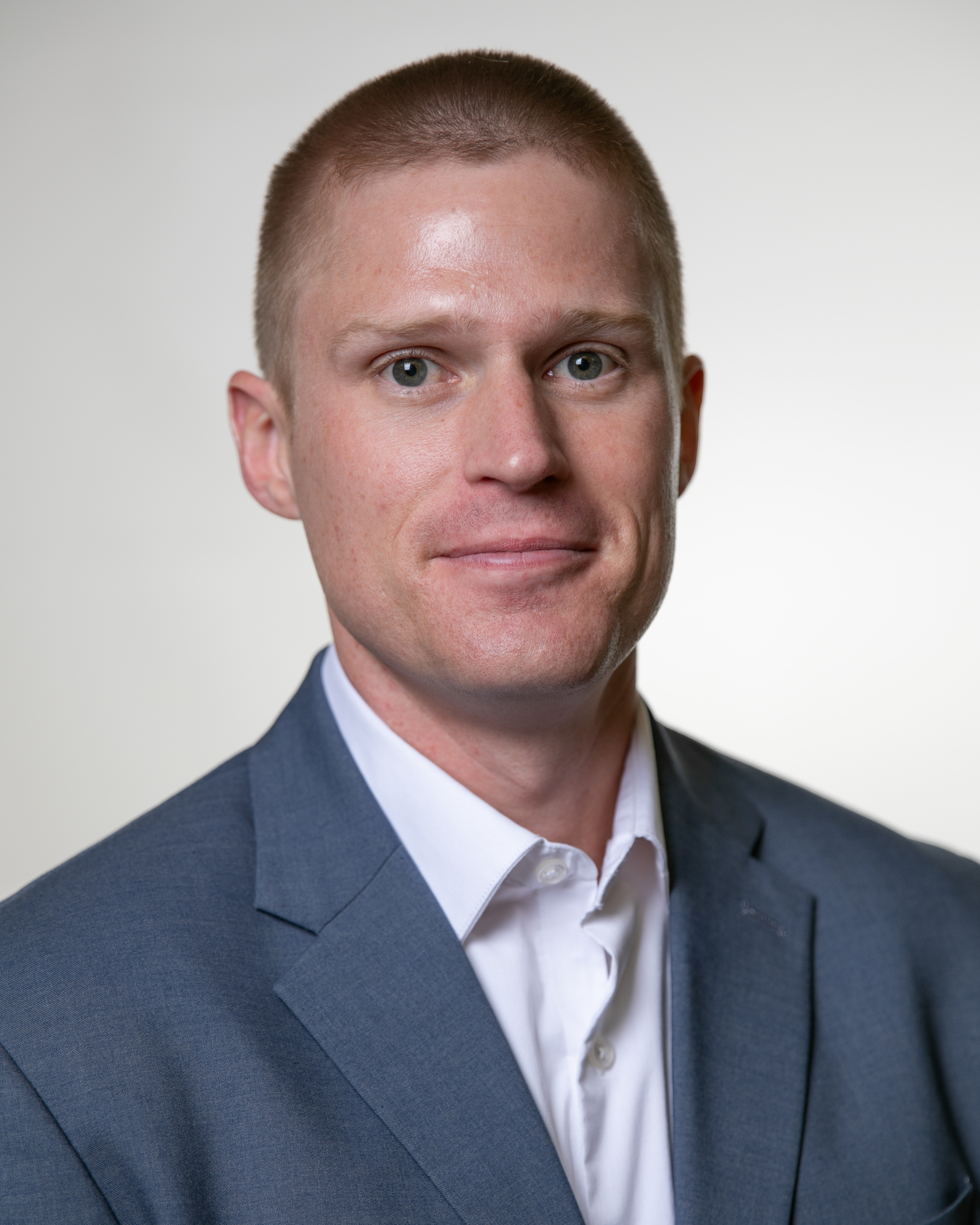
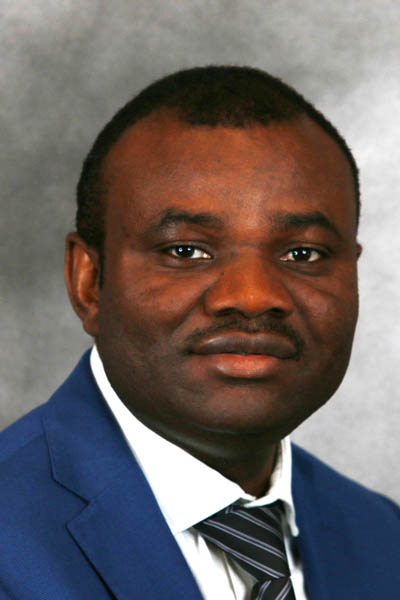
Timo Laaksonen is a Professor of Pharmaceutical Nanotechnology at the Faculty of Pharmacy, University of Helsinki , Finland. His research spans biomaterials, photo-activated systems, and controlled drug release mechanisms, with a focus on nanocellulose applications and photon upconversion technologies. Doctor of Science (Technology), Helsinki University of Technology (2007) Master of Science (Technology), Helsinki University of Technology (2002) Docent, University of Helsinki (2010) Research interests include: Utilizing nanofibrillar cellulose for sustained drug delivery Developing light-responsive hydrogels via triplet energy transfer Advancing photon upconversion for low-power drug release Modeling drug release kinetics from nanomaterials His recent publications highlight trends in DNA origami nanocarriers , liposomal photorelease , and 3D-printable hydrogels , blending nanophotonics and biomaterials engineering . Awards include the Young Researcher's Award 2012 and Gust. Komppa Prize 2008 for his doctoral thesis. He supervises doctoral research and leads projects like Bioblocks (Foundation for Pharmaceutical Sciences) and TARDIS (Academy of Finland).
Sean Meehan, PhD, serves as an Associate Professor in the Department of Kinesiology and Health Sciences, having joined the department in summer 2018 after previously holding an assistant professorship at the University of Michigan's School of Kinesiology from 2011 to 2018. His academic career focuses on elucidating neural mechanisms underlying skilled motor behavior and sensorimotor integration. Professor Meehan's research program investigates how the brain transforms sensory inputs into precise motor commands, with particular emphasis on circuit-level adaptations during skill acquisition and cognitive modulation through attention allocation. Utilizing transcranial magnetic stimulation (TMS) and electroencephalography (EEG), his work bridges fundamental neuroscience with clinical applications in brain injury rehabilitation, examining mechanistic changes in sensorimotor processing following acquired neurological damage. Analysis of his 2020-2025 publications reveals dominant research trajectories in concussion neurophysiology, neural plasticity in motor circuits, and attention-motor interactions. His studies consistently employ TMS to probe cortical excitability dynamics, with significant contributions to understanding sport-related concussion effects, cerebellar modulation of motor adaptation, and neurodevelopmental aspects of pediatric motor skills, demonstrating strong translational potential for rehabilitation protocols. Information regarding Professor Meehan's student advising responsibilities and external research grant funding was not available in the provided source material.
Michael Filler is Associate Professor at Georgia Tech's School of Materials Science and Engineering and Traylor Faculty Fellow in Chemical & Biomolecular Engineering. His Filler Lab specializes in nanoscale materials synthesis and deployment for electronic, photonic, and energy technologies. Research focuses on: Nanowire synthesis using in situ spectroscopy to understand atomic-level growth mechanisms Engineering nanowire structure via precursor design for heterostructures and doping control Semiconductor nanowire plasmonics for infrared light manipulation Scalable manufacturing through innovations like the Geode process for high-throughput production His work bridges fundamental chemical understanding with practical applications in energy and electronics. Research has been supported by NSF, DOE, DARPA, SRC, and Schmidt Futures.
Christine P. Hendon is an Associate Professor of Electrical Engineering at Columbia University's School of Engineering and Applied Science, where she also serves as Vice Dean for Engagement and Provost's Senior Faculty Teaching Scholar. She directs the Structure-Function Imaging Laboratory, which develops biomedical optics technologies for clinical applications. Her research focuses on developing optical coherence tomography (OCT) and near infrared spectroscopy (NIRS) systems for structure-function analysis of biological tissues, with particular emphasis on cardiac electrophysiology applications. The laboratory creates integrative optics and therapeutic probes to improve treatment of cardiac arrhythmias, developing platform optical imaging systems to enable structure-function analysis of biological organ systems. Professor Hendon's recent publications show expansion into women's health applications, with work on uterine tissue mechanics. Her research consistently bridges engineering innovation with clinical practice through collaborations with medical professionals. Presidential Early Career Award for Scientists and Engineers (PECASE) 2017 NSF CAREER Award NIH New Innovator Award Forbes' 30 under 30 in Science and Healthcare MIT Technology Review's 35 under 35 Innovators Fellow of Optica, SPIE, and AIMBE Elected to Optica Board of Directors (2025-2027) Professor Hendon maintains an active research program with multiple ongoing grants, as evidenced by her prestigious awards and recent patent issuances. She mentors a diverse group of students across electrical engineering, biomedical engineering, computer science, applied physics, and mechanical engineering disciplines. Her Structure-Function Imaging Laboratory provides students with opportunities to work on clinically relevant technologies from concept through to potential commercialization, with several patents recently issued from laboratory work. The laboratory maintains strong clinical partnerships that provide students with exposure to real-world medical challenges. Professor Hendon's laboratory develops optical imaging platforms that correlate tissue microstructure to electrical conduction and mechanical contraction, with the main clinical driver addressing unmet needs in cardiac electrophysiology. The lab has produced innovative therapeutic catheters and algorithms for improved guidance and monitoring of arrhythmia therapy.
Dr. Brian Schmit is a Professor and Hammes Family Chair in the Joint Department of Biomedical Engineering at Marquette University and Medical College of Wisconsin (MCW). He serves as Associate Dean of Research for the department, Professor in the MCW Department of Physical Medicine & Rehabilitation, and Professor and Director of the MCW Clinical & Translational Science Institute. His work integrates engineering principles with clinical applications to advance neurorehabilitation. Dr. Schmit received his educational training at prestigious institutions: Ph.D. in Biomedical Engineering from Case Western Reserve University (1995) M.S. in Biomedical Engineering from Case Western Reserve University (1992) B.S. in Biomedical Engineering from Marquette University (1988) Dr. Schmit's research focuses on Spinal Cord Injury, Neurorehabilitation, Human Neurophysiology, and Biomechanics . His work explores neural control of movement, develops rehabilitation technologies, and examines biomechanical aspects of gait and balance in patients with spinal cord injury, stroke, and multiple sclerosis. He integrates advanced technologies such as virtual reality, neuroimaging, and electrophysiological techniques to develop innovative rehabilitation approaches. His laboratory environment fosters collaboration between engineers, clinicians, and scientists to translate research findings into clinical practice. Analysis of Dr. Schmit's recent publications reveals a strong emphasis on neurorehabilitation technologies , particularly virtual reality applications for hand dexterity recovery after cervical myelopathy surgery. His work prominently features balance and gait analysis in multiple sclerosis and spinal cord injury populations, with studies examining whole body angular momentum and reactive balance adaptations. Significant research efforts focus on stroke rehabilitation , investigating cortical activity during finger movements and muscle oxygenation in chronic stroke survivors. His scholarly output demonstrates a consistent trajectory toward developing evidence-based, technology-enhanced rehabilitation protocols with strong clinical translation potential. Dr. Schmit has secured substantial research funding: National Institutes of Health grant as Principal Investigator for "High-Intensity, dynamic-stability gait training in people with multiple sclerosis" (September 2022–June 2027) Advancing a Healthier Wisconsin Endowment grant as Principal Investigator for "Virtual reality training paradigm to rehabilitate hand dexterity in degenerative cervical myelopathy" (July 1, 2022–June 30, 2024) National Institutes of Health grant as Co-PI for "High-density surface EMG based CMAP scan for motor unit number estimation" (July 1, 2021—September 30, 2022) National Institutes of Health grant as Co-Investigator for "Locomotion Recovery and Compensation Post-Stroke" (June 2021–May 2026) Dr. Schmit directs the Integrative Neural Engineering & Rehabilitation Laboratory (INERL) , which focuses on understanding neural control of movement and developing engineering solutions for neurorehabilitation. He also serves as Co-Director of the Falk Center for Neurorehabilitation Engineering Research , where interdisciplinary teams work to advance rehabilitation technologies and protocols. His leadership extends to teaching courses such as BIEN 3300 Signals & Systems for Biomedical Engineering, BIEN 6610 Rehabilitative Biosystems, and BIEN 6931 Topics in Biomedical Engineering.
Carolin Müller is a Juniorprofessor for the Theory of Electronically Excited States at the Friedrich-Alexander University Erlangen-Nuremberg since November 2023. Previously, she was a Feodor Lynen Postdoctoral Researcher at the University of Luxembourg (June 2022-October 2023) and a Postdoctoral Researcher at Friedrich Schiller University Jena (March 2021-May 2022). Dr. Müller received her B.Sc. (2016) and M.Sc. (2018) in Chemistry from Friedrich Schiller University Jena, followed by her Ph.D. (Dr. rer. nat) in 2021 from the same institution. Her doctoral research focused on "Towards Operando Spectroscopy of Supramolecular Photocatalysts – A Case Study on Ru-dppz-derived Systems" under the supervision of Prof. B. Dietzek-Ivanšić. Dr. Müller's research focuses on the theoretical understanding of photoinduced processes in molecules and materials. Her group (CPC Group) investigates electron transfer processes, isomerization reactions, and excited-state dynamics with the goal of controlling and optimizing light-driven processes for increased reactivity and efficiency. Her work combines computational chemistry, spectroscopy, and machine learning approaches, specifically utilizing methods like TD-DFT, CASSCF, molecular/quantum dynamics, and cheminformatics techniques including SVD, MCR, and global/target lifetime analysis. Her recent publications demonstrate a strong interdisciplinary approach spanning computational chemistry, spectroscopy, and machine learning. Key themes include nonadiabatic molecular dynamics, excited-state simulations, photoswitch design, photocatalysis, and the development of computational tools like KiMoPack for kinetic modeling. Her work often bridges theoretical predictions with experimental validation through close collaboration with spectroscopy research groups. Feodor Lynen Research Fellowship (Alexander von Humboldt Foundation) Thuringian Research Award 2023 for Applied Research Albert-Weller Award (German Chemical Society) Dissertation Award (Faculty of Chemistry and Earth Sciences) FCI Kekulé PhD fellowship As a Juniorprofessor, Dr. Müller leads the CPC Group at FAU, where she mentors students in computational chemistry research. She has developed expertise in combining spectroscopic techniques (resonance Raman, transient absorption, and time-resolved emission spectroscopy) with computational methods and cheminformatics approaches. She also actively contributes to the scientific community through service roles including co-organizing the ESTML 2023 Workshop and serving as an active member in the yPC organization of the German Bunsen Society. Dr. Müller is actively developing the CPC Group research program at the Computer Chemistry Center, focusing on light-induced physical processes and chemical reactions. Her group combines quantum chemistry, chemoinformatics, and experimental spectroscopy to reveal mechanisms behind photoinduced phenomena and optimize light-driven processes.
S. Anantha Ramakrishna is a Professor in the Department of Physics at the Indian Institute of Technology Kanpur. He has held regular faculty positions at IIT Kanpur since 2003, currently as full Professor since March 2012, with earlier visiting assignments at IISER Mohali, EPFL Switzerland, and Institut Fresnel, France. Education: Ph.D. Physics, 2001 – Raman Research Institute / JNU, Bangalore M.Sc. (Integrated 5-year) Physics, 1995 – IIT Kanpur Research Interests: Prof. Ramakrishna’s work straddles optics & photonics , focusing on metamaterials, plasmonics and nano-structured media . His group investigates photonic properties of micro- and nano-textured materials, develops negative-index and plasmonic surfaces for infrared to visible applications, and explores near-field imaging and surface-enhanced spectroscopies. Both theoretical electromagnetism and advanced nanofabrication experiments are pursued. Scientific Awards & Fellowships: Swarnajayanti Fellowship, DST India (2012) P.K. Kelkar Research Fellow, IIT Kanpur (2009-2012) Young Affiliate, The World Academy of Sciences (2007-2012) Young Scientist Medal, Indian National Science Academy (2007) Young Scientist, Indian Academy of Sciences (2004-2007) Grants & Advising: While specific grant amounts are not enumerated, the fellowships above and continuous publication output indicate sustained extramural funding. No explicit student lists are provided in the source. Laboratories & Facilities: He operates experimental labs in CL-104B, Department of Physics, IIT Kanpur, equipped for metamaterial fabrication and photonic characterisation, and accesses central facilities such as the Advanced Imaging Centre and Centre for Nanosciences on campus.
Manuela Reben serves as a Professor at AGH University of Science and Technology in Kraków, Poland, within the Faculty of Materials Science and Ceramics. Her primary appointment is in the Department of Glass Technology and Amorphous Coatings, with office space in building A-3, room 222. She holds the significant administrative role of Vice-Dean of the Faculty of Cooperation and participates in multiple governance bodies including the Chemical Engineering Discipline Council, Faculty College, University Senate, and Senate Committee on Science. Her research centers on advanced glass systems with specialization in optical materials , radiation shielding composites , and waste glass valorization . Key investigations include structural characterization of rare earth-doped tellurite and phosphate glasses, development of novel compositions for photonic applications, and utilization of industrial glass wastes in sustainable construction materials. Her work bridges fundamental materials science with practical engineering solutions for laser technology, nuclear shielding, and eco-friendly building products. Analysis of her recent publications (2022-2025) reveals dominant research trajectories in three interconnected domains: (1) Engineering phosphate/tellurite glass matrices doped with rare earth ions for broadband optical amplifiers and laser gain media; (2) Developing radiation-shielding glasses with optimized attenuation properties for medical and nuclear applications; (3) Transforming industrial glass wastes into functional construction materials through sintering process optimization. These efforts demonstrate consistent innovation in glass composition design and property tailoring. Scientific awards: No awards documented in available sources. Advising activities and research grants are not specified in current documentation, though her leadership roles suggest significant mentorship responsibilities. Her departmental affiliation indicates active participation in collaborative research teams focused on glass technology and amorphous materials development.
Professor Aoife Gowen is a leading academic at the UCD School of Biosystems & Food Engineering , specializing in hyperspectral imaging and its applications across medicine, food safety, and engineering. Her research, supported by prestigious European Research Council (ERC) funding, investigates water molecule interactions with surfaces to improve bone graft materials and develop innovative diagnostic tools for prostate cancer. She also leads Science Foundation Ireland (SFI)-funded projects on hyperspectral monitoring of bacterial growth for food safety. Beyond technical research, Professor Gowen has developed computational tools now integrated into commercial chemical analysis software. Her work spans interdisciplinary domains, including sustainable transport policy, critical thinking education, and promoting gender diversity in engineering. As a key figure in the Women on Walls initiative, she has enhanced visibility for women in STEM fields. Her recent publications focus on spectral technologies for food quality, microplastics characterization, and medical diagnostics, reflecting her commitment to addressing global challenges in health and sustainability. Scientific Awards: ERC Grant for water-surface interaction research Professor Gowen actively collaborates with European networks and industry partners, driving advancements in hyperspectral imaging applications. Her lab’s efforts to bridge computational science with real-world chemical analysis have positioned her as a pioneer in invisible chemistry visualization, impacting medicine, food, and environmental engineering.
Christopher Proppe is an Assistant Professor in the Department of Exercise Science at Wichita State University. His research focuses on neuromuscular adaptations, blood flow restriction (BFR) exercise, and rehabilitation applications in clinical populations such as Multiple Sclerosis (MS). He holds credentials including a PhD, ATC (Athletic Trainer), and CSCS (Certified Strength and Conditioning Specialist). His work explores BFR’s effects on muscle swelling, fatigue, and pain perception, with studies on low-load resistance training protocols, gas exchange kinetics during exercise, and neuromuscular responses in untrained populations and athletes. Key areas include optimizing BFR applications for functional recovery in MS patients and understanding mechanisms behind exercise-induced hypoalgesia. Publications emphasize BFR’s role in muscle damage (e.g., DOMS), neuromuscular efficiency, and perceptual responses. He has also investigated BFR’s impact on sprint performance, gender differences in exercise physiology, and biomechanical adaptations during fatiguing bouts. Dr. Proppe’s studies often combine experimental protocols with advanced metrics like mechanomyography (MMG), oxygen uptake analysis, and motor unit recruitment tracking. His research bridges clinical rehabilitation and exercise science, targeting both healthy populations and individuals with neurological disorders.
Ørjan Grøttem Martinsen is a Professor of Electronics at the Department of Physics, Faculty of Mathematics and Natural Sciences, University of Oslo. He also holds a temporary research position at the Medical Technology Business Area of Oslo University Hospital. With over three decades of experience, he has established himself as a leading expert in bioimpedance research and applications. Education: High-voltage engineer degree (1983) Cand. scient. in electronics/measurement technology (1990) Dr. scient. with thesis on skin's electrical properties (1995) Professor Martinsen's research centers on bioimpedance—the passive electrical properties of biological tissues that vary with anatomy and physiology. His work spans diverse applications including medical diagnostics (skin cancer detection), food quality assessment (fresh vs. thawed fish), skin condition monitoring (moisture levels), and stress level evaluation. His research bridges physics, engineering, and medical applications, creating practical diagnostic tools from fundamental electrical principles. He has pioneered methods to characterize tissue properties through impedance measurements, with particular focus on electrodermal activity and skin impedance. His recent publications (2022-2025) demonstrate a strong interdisciplinary approach combining bioimpedance with machine learning, robotics, and advanced signal processing. The work spans from fundamental biophysics (GABA detection, tissue characterization) to practical applications (dental anxiety assessment, ADHD treatment evaluation). Key trends include integration of AI with bioimpedance measurements, development of novel sensor systems, and expansion into new application areas like optogenetics and micro-robotics. Awards and Recognition: IEEE Senior Member (2006) CLABIO Award (2012) Fellow at Institute of Physics (FInstP) (2015) Dr. Honoris Causa, Tallinn University of Technology (2018) UiO Innovation Award (2019) Member of Norwegian Academy of Technical Sciences (2021) Professor Martinsen has served as Editor-in-Chief of the Journal of Electrical Bioimpedance since 2010 and was President of the International Society for Electrical Bioimpedance (2010-2016). His research has attracted significant funding, enabling collaborations across engineering, medical, and biological disciplines. He has supervised numerous students and researchers in the Bioimpedance Group at UiO, fostering a strong research environment that bridges theoretical and applied work. His work is conducted primarily through the Oslo Bioimpedance Group and Sensorama SmartSense research teams, which focus on developing innovative measurement techniques and applications of bioimpedance technology. These groups maintain strong collaborations with medical institutions and industry partners to translate research findings into practical healthcare solutions.
Valentina KRACHMALNICOFF is a CNRS Research Scientist at Institut Langevin, affiliated with ESPCI Paris and PSL University. She joined the institute in 2012 after completing her postdoctoral fellowship there in 2010. Her research focuses on experimental nanophotonics, particularly studying near-field interactions between fluorescent nano-emitters and nanostructured plasmonic or dielectric materials. Dr. KRACHMALNICOFF obtained her PhD from University Paris-Sud in 2009 with a thesis on quantum atom optics experiments supervised by Alain Aspect and Charles Westbrook. Her research interests span experimental nanophotonics with plasmonic and dielectric media, near-field optical microscopy with fluorescent nanoprobes, quantum optics applications, and the study of electromagnetic local density of states. She has developed expertise in fluorescence intensity and decay rate measurements of nano-objects grafted on scanning probe microscope tips, as well as nano-manipulation techniques. Her work bridges fundamental physics with potential applications in quantum technologies, biosensing, and thermal management at the nanoscale. She frequently employs super-resolution imaging techniques to overcome diffraction limits in optical measurements. Analysis of Dr. KRACHMALNICOFF's recent publications reveals a strong methodological evolution toward increasingly sophisticated combinations of experimental techniques with theoretical modeling. Her work consistently focuses on probing light-matter interactions at the nanoscale, with growing integration of biophysical approaches. The publications demonstrate expertise in thermal radiation at nanoscale distances, plasmonic and dielectric nanostructures, and super-resolution fluorescence lifetime imaging. Her research shows a trajectory from fundamental near-field optics toward applications in quantum information and biosensing. Dr. KRACHMALNICOFF has received notable scientific recognition: 2017: CNRS Bronze Medal for her pioneering work in nanophotonics 2007: L'Oréal France - UNESCO "For Women in Science" Prize Dr. KRACHMALNICOFF actively mentors doctoral students and postdoctoral researchers. Current advisees include Guillaume Blanquer and Dorian Bouchet (PhD candidates) and Vivien Loo (postdoctoral researcher). Former students include Da Cao and Etienne Castanié. Her research is supported by CNRS funding and collaborative grants with other institutions, evident from her extensive co-authorship network spanning theoretical physicists, materials scientists, and optical engineers. Dr. KRACHMALNICOFF leads an experimental research team at Institut Langevin specializing in nanophotonics. Her laboratory features advanced near-field optical microscopy capabilities, fluorescence lifetime imaging systems, and nano-manipulation setups. The team collaborates closely with other researchers at Institut Langevin, including Yannick De Wilde (CNRS Research Director) and Ignacio Izeddin (Associate Professor at ESPCI), forming a cohesive research group focused on light-matter interactions at the nanoscale.
Christopher Kucha is an Assistant Professor in the Department of Food Science & Technology at the University of Georgia's College of Agricultural and Environmental Sciences. His work focuses on integrating engineering principles with digital technologies to address challenges in agri-food production. Dr. Kucha's research centers on the development and application of sensing technologies, data analytics, and systems modeling to improve food quality, safety, and processing efficiency. His lab, the Precision Food Process Engineering Lab, aims to reduce food waste, conserve resources, and enhance sustainability in the food system through innovations such as machine vision, artificial intelligence, and non-destructive assessment techniques. Key research areas include machine vision systems for food analysis, AI and chemometrics for food safety, process analytical technologies, intelligent food design, and big data applications in food processing. He teaches courses such as Introduction to Food Science and Technology (FDST 3000) and Introduction to Artificial Intelligence in Food Systems (FDST 2001). His recent publications (2020-2025) demonstrate a strong focus on hyperspectral imaging and machine learning for food quality and safety assessment, with applications across meat, fruits, nuts, and protein products. The work emphasizes non-destructive, real-time monitoring and the integration of digital technologies like augmented reality and digital twins.
Filip Bouckaert is a Professor at the Faculty of Medicine, Department of Neurosciences, KU Leuven. His research focuses on neuropsychiatry, particularly late-life depression and the neurobiological effects of electroconvulsive therapy (ECT). Research areas include brain stimulation techniques, neuroimaging, and cognitive improvement in psychiatric disorders. He leads and co-promotes projects like From Stimulation to Restoration (2025-2028) and multimodal PET-MRI studies in late-life depression. His teaching includes courses like Advanced Psychopathology in Children and Adults and problem-solving modules in adult psychiatry.
Carlo U. Segre is the Duchossois Leadership Professor of Physics and Professor of Materials Science and Engineering at Illinois Institute of Technology. He holds leadership roles as Director of the Center for Synchrotron Radiation Research and Instrumentation (CSRRI), Deputy Director of the Materials Research Collaborative Access Team (MRCAT), and Deputy Director of BioCAT. His research focuses on structural and electronic properties of complex materials, including superconductors, catalysts, and energy storage systems, utilizing advanced synchrotron-based techniques like X-ray diffraction and spectroscopy. Segre has contributed significantly to battery materials, catalytic systems, and nuclear materials characterization. He is also actively involved in the International Bridge Building Committee, organizing educational competitions for high school students. Education: B.S., University of Illinois, Urbana-Champaign Ph.D., University of California, San Diego Research Interests: Segre’s work spans advanced battery materials , in-situ catalytic studies , magnetoelectric perovskites , nanostructured steels , and x-ray optics development . His experimental methods include material synthesis, X-ray absorption spectroscopy, and resistivity/magnetic susceptibility measurements. He leads efforts in structural materials for nuclear reactors and energy storage innovation. Lab & Affiliations: He directs CSRRI and oversees MRCAT at the Advanced Photon Source (APS), advancing synchrotron instrumentation. His contributions bridge fundamental materials science with applied engineering challenges.