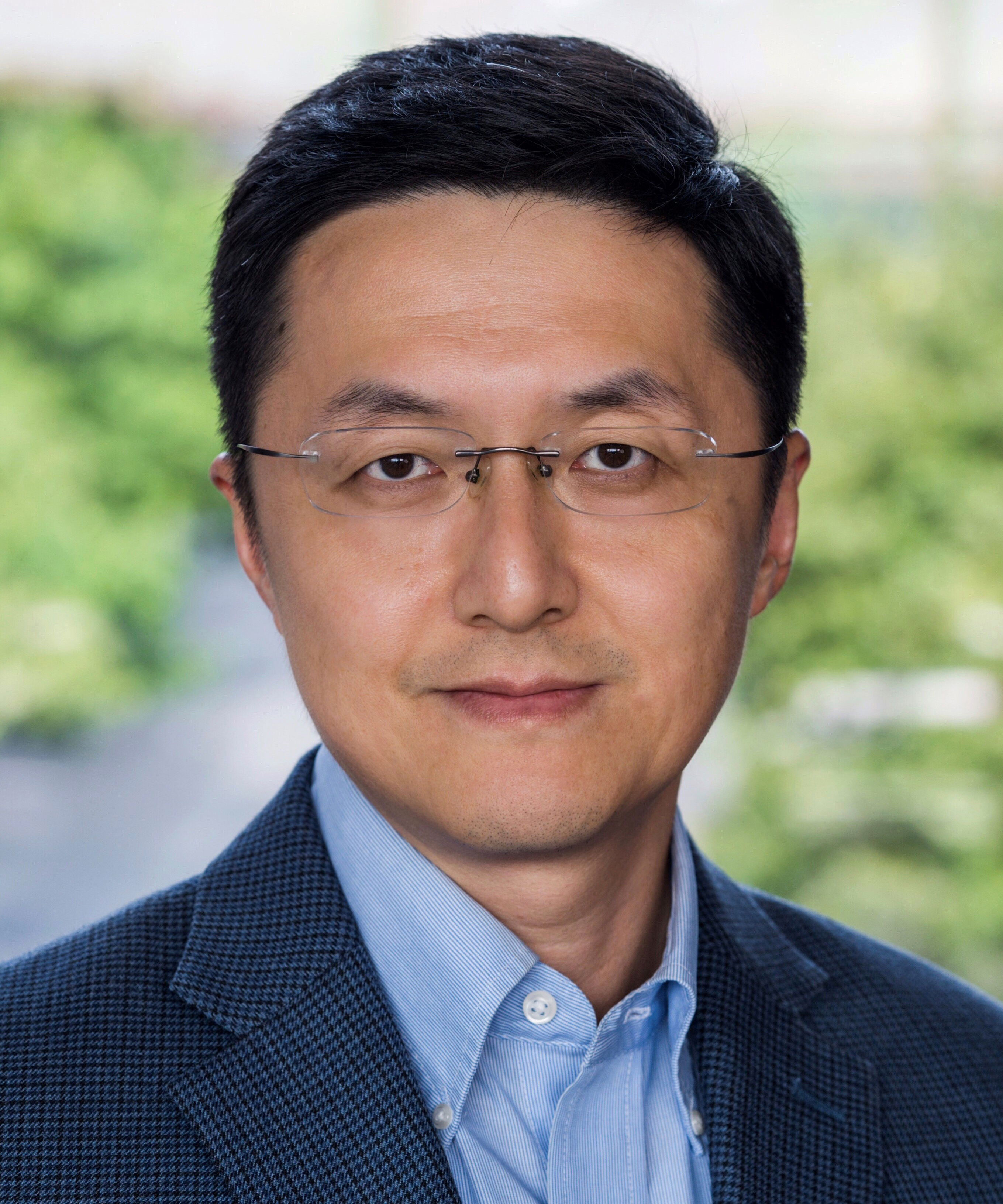
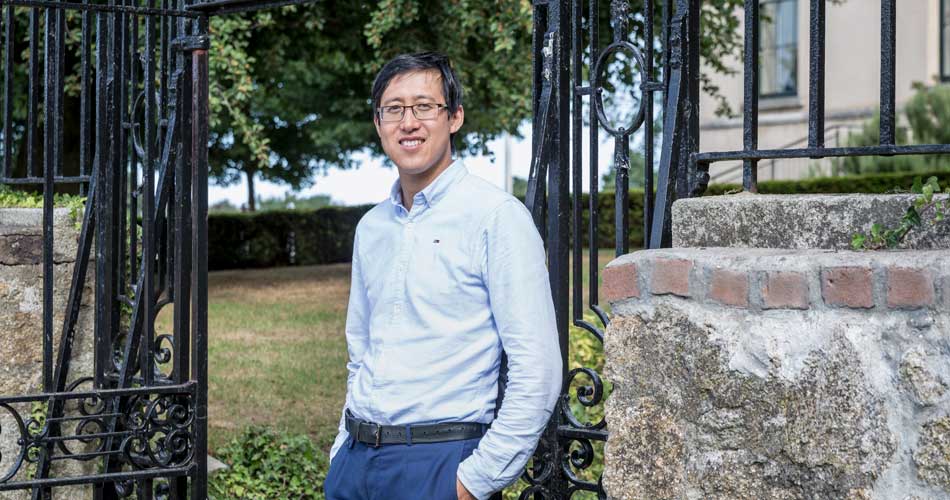
Michael McAlpine is a Professor in the Mechanical Engineering department at the University of Minnesota . He also holds affiliations with the Biomedical Engineering and Electrical and Computer Engineering departments. His research focuses on 3D printing functional materials & devices , Nanoscale inks , Biomedical devices , Bioelectronics , and Flexible Microsystems . Research Interests : 3D Printing, Biomedical Engineering, Nanotechnology, Flexible Electronics, Microfluidics Labs : ME 361/363 Contact : mcalpine@umn.edu , (612) 626-3303, ME 117 Recent Research Trends include 3D Printed Biomedical Devices , Flexible Electronics , and Bioprinting Applications . His work spans from Spinal Organoid Formation to Programmable Drug Release Capsules . Scientific Award : Circulation Research 2020 Best Manuscript Award
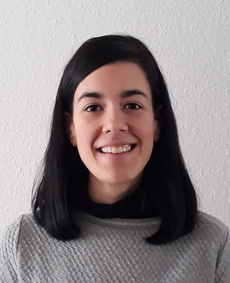
Dr. Igor V. Pivkin is a Full Professor at the Institute of Computing within the Faculty of Informatics at the Università della Svizzera italiana (USI) in Lugano, Switzerland. His academic journey includes degrees from Novosibirsk State University (B.Sc./M.Sc. Mathematics), Brown University (M.Sc. Computer Science and Ph.D. Applied Mathematics), and postdoctoral research at MIT's Department of Materials Science and Engineering. His research focuses on multiscale/multiphysics modeling , numerical methods , and large-scale simulations of biological and physical systems. Key areas include biophysics, cellular/molecular biomechanics, stochastic modeling, and coarse-grained molecular simulations. He leverages high-performance computing (HPC) and particle-based methods to address complex biological phenomena. His work spans diverse applications, from understanding cellular mechanosensitivity and biofilm engineering to modeling cancer cell behavior and red blood cell dynamics in the spleen. His contributions bridge computational science, biotechnology, and biomedical research. He has published extensively in top-tier journals, with recent work advancing automated biofilm analysis, deep learning for microbial classification, and systems biology approaches to metal bioleaching. His lab collaborates on interdisciplinary projects, emphasizing computational innovation for real-world biological challenges.
Steven A. Soper is a Foundation Distinguished Professor in the Department of Chemistry and Mechanical Engineering at the University of Kansas. He serves as Director of the NIH-funded Center for BioModular Multi-Scale Systems for Precision Medicine and leads international collaborations with institutions like UNIST in South Korea. His career spans faculty roles at LSU, UNC, and KU, with interdisciplinary research bridging chemistry, biomedical engineering, and materials science. Ph.D. in Bioanalytical Chemistry, University of Kansas (1989) Postdoctoral Fellow, Los Alamos National Laboratory (1991) B.S. in Chemistry and Psychology, University of Nebraska (1980-1982) Research Interests focus on micro-/nanofabricated biochemical analysis systems for clinical diagnostics, particularly circulating tumor cell analysis , cell-free DNA detection , and single-molecule fluorescence applications. His work integrates polymer microfabrication, FRET-based assays, and thermoplastic nanofluidics for cancer, stroke, and infectious disease diagnostics. Scientific Awards include: R&D 100 Award (2010) Shannon Award (NIH) (1994) Distinguished Research Master, LSU (2002) Fellow, AAAS/RSC/SAS (2010) Sutton Family Research Impact Award (2021) Teaching & Collaboration involves mentoring 39 professional-degree recipients, organizing multidisciplinary research teams, and co-teaching courses in Biofluid Mechanics and Nanotechnology . His lab partners with institutions in South Korea and UNC/NCSU, while hosting international students and professionals. Labs & Centers : Leads the Soper Research Group and the Center for BioModular Multi-Scale Systems , which provides access to state-of-the-art nanofabrication tools and collaborative expertise across 12 institutions.
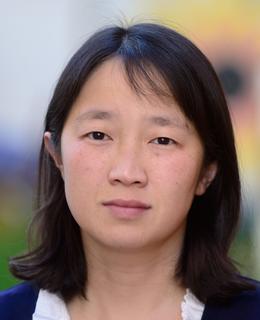
Dr. Siyang Zheng is a Professor at Carnegie Mellon University (CMU) in the Departments of Biomedical Engineering and Electrical and Computer Engineering. He leads the Micro & Nano Integrated Biosystem (MINIBio) Lab, focusing on developing micro/nano technologies for precision healthcare. His research bridges materials science, device engineering, and biomedicine, with key areas including liquid biopsy technologies for cancer diagnosis, nanomaterials for therapeutics, and virus detection platforms. Dr. Zheng holds over 50 peer-reviewed publications and 15 patents, and has been honored with the NIH Director's New Innovator Award and the American Cancer Society’s Research Scholar Award. Education: B.S., Biological Sciences and Biotechnology, Tsinghua University, China, 1996 M.S., Electrical Engineering, The Pennsylvania State University, 2000 Ph.D., Electrical Engineering, California Institute of Technology, 2007 Postdoctoral Research, Electrical Engineering, California Institute of Technology, 2008 Research Interests: Microfluidics/BioMEMS, nano-biotechnology, cancer diagnosis/treatment, infectious diseases, implantable devices. His lab pioneers technologies like lipid nanoprobes for EV isolation, flexible micro spring arrays for CTC enrichment, and carbon nanotube-based virus detection systems. Articles Trends: Recent work emphasizes liquid biopsy advancements, extracellular vesicle analysis, and nanomedicine innovations. Key themes include ultrafast protein digestion systems, drug delivery via nanomaterials, and point-of-care diagnostics for viral pathogens. Awards: NIH Director's New Innovator Award American Cancer Society (ACS) Research Scholar Award Advising & Grants: Supervised over 20 students (PhD, M.S., undergrad), with notable alumni in academia and industry. Active in translational research, including collaborations on clinical trials and device commercialization. Labs & Teams: MINIBio Lab at CMU fosters interdisciplinary projects with clinicians, engineers, and industrial partners. Current focus areas include thymus-on-chip models, metal-organic frameworks for drug delivery, and AI-driven biomarker discovery.
Dr. Shalini Prasad is the Cecil H. and Ida Green Professor in Systems Biology Science and Associate Professor of Bioengineering at the University of Texas at Dallas (UT Dallas), affiliated with the Erik Jonsson School of Engineering and Computer Science. She also holds an adjunct professorship in Physics at Portland State University. Her research focuses on developing nanomaterial-based biosensors for medical diagnostics, environmental monitoring, and public health applications. She leads the Biomedical Microdevices and Nanotechnology Lab, which has supported over 50 researchers across graduate and undergraduate levels. Dr. Prasad earned her PhD in Electrical Engineering from the University of California, Riverside (2004) and B.E. in Electronics and Communication Engineering from the University of Madras (2000). Her career includes roles at Portland State University, Arizona State University, and Wichita State University. She has received prestigious awards, including the Bomhoff Distinguished Professorship and the Cecil Green Professorship, and holds over 30 peer-reviewed publications. Her research interests emphasize interdisciplinary approaches to create affordable, portable diagnostic tools for diseases like cancer, neurodegeneration, and cardiovascular disorders, as well as environmental sensors for soil health and water quality. Recent work includes wearable devices for monitoring inflammatory bowel disease and asthma, saliva-based THC detection, and low-cost CO₂/humidity sensors. Awards: Graduate Student Research Award (2004) Bomhoff Distinguished Professor of Bioengineering Cecil H. and Ida Green Professorship Advising & Grants: Dr. Prasad’s lab has secured funding from federal agencies and corporate partners, supporting projects like the SWEAT wearable for chronic inflammation tracking and soil health sensors. Her work bridges engineering, biology, and clinical applications, with a focus on translational technologies. Labs/Teams: Director of the Biomedical Microdevices and Nanotechnology Lab, collaborating on interdisciplinary projects with industry and academic partners.
Ali Ansari is a Teaching Assistant Professor in the Department of Bioengineering at the University of Illinois Urbana-Champaign (UIUC), part of the Grainger College of Engineering. He previously served as a Visiting Assistant Professor at Bucknell University’s Bioengineering/Electrical and Computer Engineering departments (2021–2023). Ansari holds a B.S. in Electrical Engineering from Southern Methodist University (2012) and a Ph.D. and M.S. in Bioengineering from UIUC (2018 and 2016, respectively). Education: Bachelor of Science in Electrical Engineering, Southern Methodist University, 2012 Master of Science in Bioengineering, University of Illinois Urbana-Champaign, 2016 Doctor of Philosophy in Bioengineering, University of Illinois Urbana-Champaign, 2018 His primary research focus is in Biomedical Engineering Education, with scholarly contributions spanning biomaterials, microfluidics, and cell isolation technologies. Recent work includes studies on extracellular matrix microparticles for heart regeneration, microfluidic systems for cell co-culture, and surface functionalization techniques. Ansari’s research trajectory reflects advancements in translational biomedical engineering, balancing foundational studies with applied innovations. Ansari’s articles highlight trends in biomaterials for regenerative medicine, microfluidic device design, and cell isolation methodologies. His work emphasizes integrating engineering principles with biological systems to address challenges in tissue repair and biomedical device development. No scientific awards are listed in the provided information. Professional affiliations include membership in the American Society for Engineering Education (ASEE), Biomedical Engineering Society (BMES), and the Biomedical Engineering Education Council (BEEC). His academic roles suggest involvement in teaching, student mentorship, and educational program development. Details about grants or lab affiliations are not explicitly detailed, though his research interests align with UIUC’s bioengineering research ecosystem.
Michael Daniele is an Associate Professor at North Carolina State University, jointly appointed in the Department of Electrical & Computer Engineering and the Joint Department of Biomedical Engineering . His research focuses on bioelectronics engineering, particularly in developing microsystems for monitoring, mimicking, and augmenting biological functions. He leads the @BiointerfaceLab , exploring wearable/implantable biosensors, microphysiological systems, and process analytical technologies for biomanufacturing. Education : Ph.D. in Materials Science & Engineering (Clemson University, 2012) Bachelor's in Materials Science & Engineering (Rutgers University, 2009) Research Highlights : Developing "injury-on-a-chip" models for coagulation studies Pioneering hydrogel microneedles for diagnostic devices Advancing light-controlled peptide ligands for protein purification Collaborating with Novartis on viral vector manufacturing Award Recognition : 2024 William F. Lane Outstanding Teaching Award 2019 NSF CAREER Award 2022 University Faculty Scholar Grants & Initiatives : Co-leader of the NC-Viral Vector Initiative (2023–present) NSF-funded projects in biosensor integration and biomanufacturing His work bridges engineering and medicine, with applications in gene therapy, wearable diagnostics, and precision agriculture.
Kevin McHugh is an Assistant Professor of Bioengineering at Rice University and a CPRIT Scholar in Cancer Research. He leads the McHugh Lab, which focuses on developing biomaterial microdevices for drug delivery, cancer immunotherapy, and tissue engineering using advanced fabrication techniques like multi-photon 3D printing. His work bridges materials science, immunology, and global health, with a particular emphasis on single-injection vaccines and controlled-release systems. Education Ph.D., Biomedical Engineering, Boston University (2014) M.S., Biomedical Engineering, Boston University (2012) B.S., Biomedical Engineering, Case Western Reserve University (2009) Research Interests McHugh’s lab explores three core areas: Drug Delivery: Designing systems for targeted drug release to improve vaccine efficacy and chronic disease management. Cancer Immunotherapy: Developing localized immunostimulatory therapies to enhance anti-tumor responses. Tissue Engineering: Creating bioinstructive scaffolds for functional tissue regeneration. Recent projects include a $2M CPRIT grant for cancer immunotherapy and Gates Foundation funding to develop combination vaccines for the developing world. Grants & Awards CPRIT Scholar in Cancer Research NIH R21 Award (2024) NIH R25 Award (2024) Gates Foundation Grant (2024) Lab & Collaborations The McHugh Lab collaborates on translational research, with a focus on clinical feasibility. Notable achievements include microneedle-based vaccination record systems and heat-stable vaccine microparticles. The lab actively trains students in bioengineering, materials science, and immunology.
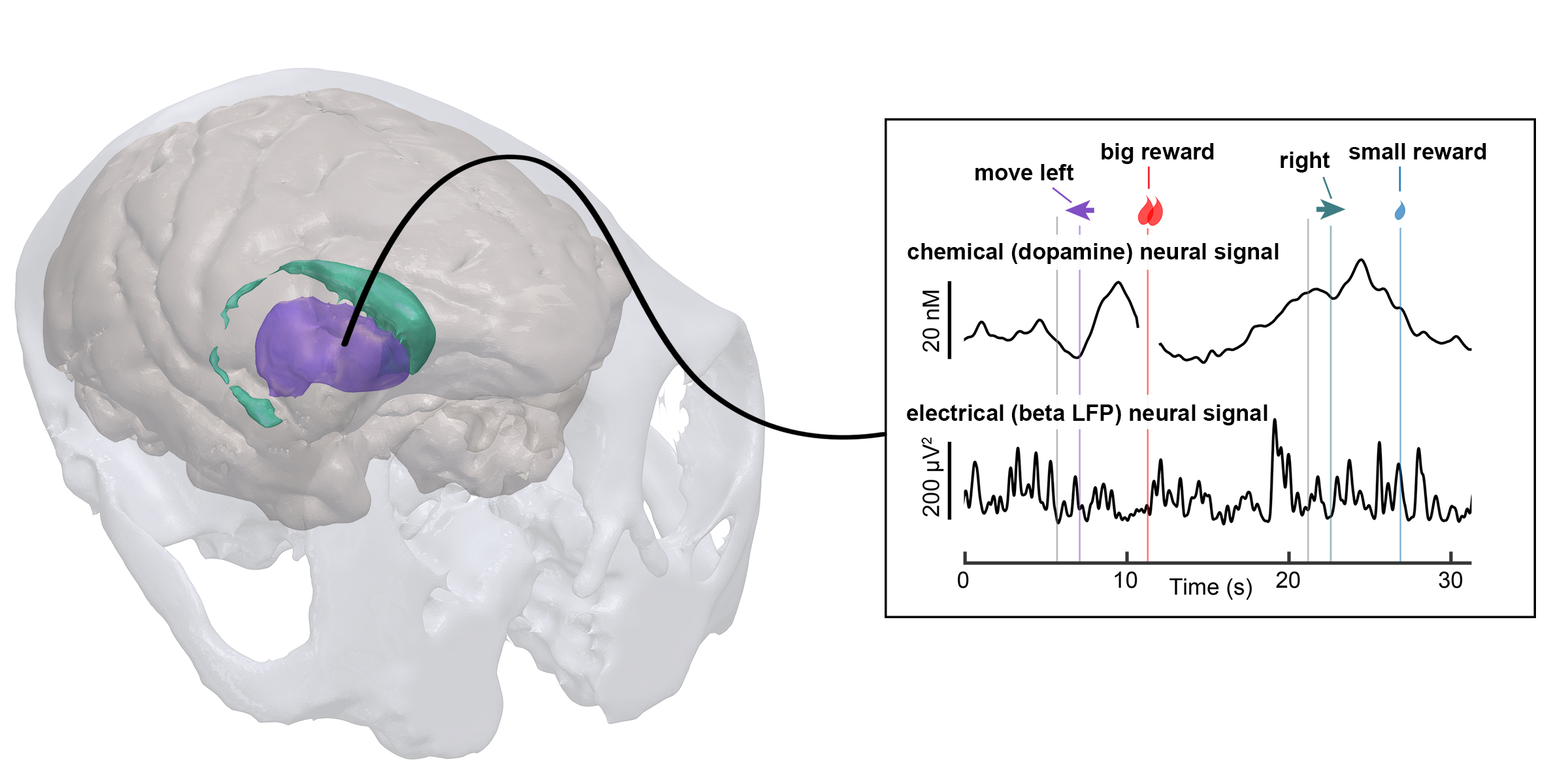
Helen N. Schwerdt is an Assistant Professor in the Department of Bioengineering at the University of Pittsburgh, affiliated with the Swanson School of Engineering and the Center for the Neural Basis of Cognition (CNBC). Her research focuses on developing implantable tools for probing electrical and chemical neural activity, with a particular emphasis on long-term monitoring in both rodents and primates. Key areas include dopamine signaling in Parkinson’s disease, neural interface design, and chronic neural recording systems. Her lab’s work spans interdisciplinary fields such as bioengineering, materials science, and neuroscience. Notable contributions include scalable carbon fiber electrode arrays for neurochemical monitoring and wireless passive neurorecording systems. Schwerdt’s team collaborates extensively, addressing challenges in neural prosthetics and translational neuroscience. Recent research highlights include the 2023 publication on rodent neurochemical arrays and 2020 studies on dopamine and motor control in primates. The lab actively recruits students and postdoctoral researchers across disciplines, emphasizing training in microfabrication, electrophysiology, and computational neuroscience.
Edwin Hwu is an Associate Professor at the Department of Health Technology, Technical University of Denmark (DTU), leading the MIDAS research group focused on Micro Medical Devices and hardware hacking-based technologies. His work spans Atomic Force Microscopy (AFM), 3D printing, and drug delivery systems. Research Focus: Skin barrier function assessment, liver fibrosis treatment using siRNA, and repurposing consumer electronics for biomedical sensing. Projects: Currently leads "Repurposing Microelectronics for Gut Sensing" (2025-2028) and previously completed "Rapid Clinical Assessment of Skin Barrier Function by Corneocytes Nanotexture" (2021-2023). His publications highlight interdisciplinary work in Atomic Force Microscopy , 3D Printing , and Nanoscale Engineering , with applications in dermatology and neglected tropical diseases. He actively engages in guest lectures on hacking consumer electronics for scientific research. Awards: VILLUM Experiment Grant for micro/nanoscale 3D printing projects. Hwu supervises PhD students and collaborates with researchers like Anja Boisen (DTU) and others, focusing on translating microelectronics into medical solutions. His lab develops compact, high-resolution devices for diagnostics and drug delivery.
Dr. Nan Zhang is a research leader at the UCD School of Mechanical and Materials Engineering , focusing on precision manufacturing technologies for micro/nano-scale devices. His work bridges lab-scale prototyping and industrial mass production, with applications in medical devices, microfluidics, and functional surfaces. Research Keywords : Precision Manufacturing, Microfluidics, Nanotechnology, Materials Science, Medical Devices, Advanced Manufacturing Research Trends : Recent publications highlight advancements in digital light processing (DLP) 3D printing, machine learning-optimized microfabrication, liquid metal antenna technologies, and scalable nanocomposite mold development. His work emphasizes industrial feasibility, biocompatibility, and surface engineering. Scientific Awards : Smurfit Kappa Newman Fellowship Award ERC Grants (contextual institutional affiliation) Labs & Collaborations : Based at the UCD Engineering and Materials Science Centre, Dr. Zhang’s research involves partnerships with industry and academic networks, focusing on precision tooling, microfluidic scale-up, and novel material applications (e.g., bulk metallic glasses, bio-plastics).
Eva Blasco is an Associated Group Leader at the Functional Polymeric Materials Research Unit under the Institute of Nanotechnology at Karlsruhe Institute of Technology (KIT), with affiliations to the University of Heidelberg. Her work bridges 3D printing , polymer chemistry , and nanophotonics , focusing on light-driven material design. Her research centers on photochemically activated 3D printing inks , light-stabilized dynamic materials , and multi-photon lithography . She explores how two-color light absorption , alkoxyamine chemistry , and visible light post-processing enable adaptable microstructures. Key trends include 4D printing , biodegradable inks , and temperature/light-responsive systems . Blasco's publications highlight collaborations with institutions like KIT, University of Heidelberg, and international teams. Her work spans photonic metamaterials , bio-inspired 3D scaffolds , and subtractive laser lithography , often involving interdisciplinary applications of light in material science.
Ning Cheng is an Assistant Professor (Teaching & Research) at the University of Calgary's Faculty of Veterinary Medicine, with affiliations to the Alberta Children's Hospital Research Institute (ACHRI) and Hotchkiss Brain Institute (HBI). Their research focuses on neurodevelopmental disorders, particularly autism and Fragile X Syndrome, using rodent models to investigate mechanisms and develop experimental therapeutics. PhD in neuroscience from Johns Hopkins School of Medicine Postdoctoral work on neurological disorders at NIH Research spans molecular mechanisms, neural circuitry, and translational approaches to address social, communication, and behavioral challenges in autism spectrum disorders. The lab utilizes in vivo recording/modulation of brain activity, biochemical analyses, and multidisciplinary collaborations. Recent publications highlight expertise in EEG biomarker discovery, auditory processing abnormalities, ketogenic diet interventions, and ERK pathway modulation in mouse models of neurodevelopmental conditions. Key technologies developed include wireless cortical hemodynamic monitoring systems (TinyIOMS) and open-source electrophysiology tools (OSERR). As part of ACHRI's Precision Medicine & Disease Mechanisms program and HBI's Neurodevelopment/SCNIP strategic initiatives, Cheng contributes to university-wide efforts in Brain and Mental Health (2015-2021) and Child Health and Wellness (2020-2025).
Alex Thompson is a Lecturer in the Department of Surgery and Cancer at Imperial College London, affiliated with the Hamlyn Centre. He specializes in Medical Robotics and Image-Guided Intervention, focusing on developing clinical diagnostic tools and wearable sensors for gastrointestinal and oncological applications. His teaching role includes leading the MRes in Medical Robotics and Image-Guided Intervention program, emphasizing hands-on laboratory research and interdisciplinary collaboration among students from diverse backgrounds. Research Interests: Dr. Thompson’s work spans medical robotics, spectroscopic techniques (e.g., Raman, fluorescence), and non-invasive diagnostic systems. Key areas include: Design of microgrippers and optothermal actuators for minimally invasive procedures Development of wearable sensors for gut function assessment in low-resource settings Application of AI-driven systems for gastrointestinal disease screening Quantification of hypoxia in tumors and its impact on cancer prognosis Publications: His recent work highlights trends in integrating AI with robotic systems, advancing fiber-optic spectroscopic tools for real-time diagnostics, and addressing global health challenges via portable sensors. Notable areas include label-free cell identification, breast cancer surgery guidance, and environmental enteropathy protocols in Zambia/Zimbabwe. Teaching & Mentorship: He supervises student projects, fostering independent research skills. His courses attract students from computer science, engineering, and medicine, creating a collaborative environment for innovation. Labs & Affiliations: Based in the Hamlyn Centre, he collaborates on projects blending robotics, photonics, and biomedical engineering to push frontiers in surgical and diagnostic technologies.
Sabrina Pacor is an Associate Professor in Applied Biology (BIO/13) at the University of Trieste , where she teaches Pharmacology in the Pharmacy LM and STB BSc programs. With over 30 years of research experience in experimental oncology and host defense peptides, she has made significant contributions to studying antimicrobial peptides (AMPs) and their interactions with bacterial membranes. Her research focuses on: Direct antimicrobial activity of AMPs against Gram-positive and Gram-negative bacteria Indirect immunomodulatory effects of host defense peptides Development of drug delivery systems using nanomaterials (carbon nanotubes, gold nanoparticles) Mechanistic studies of ruthenium-based antimetastatic drugs She leads extensive cytofluorimetry research using flow cytometry platforms, particularly for evaluating: Cytotoxicity (necrosis/apoptosis, proliferation index) Modulation of host biological responses (chemotaxis, phagocytosis, ROS production) Peptide-bacterial membrane interactions through fluorescent labeling Her recent work demonstrates trends in: Proline-rich antimicrobial peptides against ESKAPE pathogens Hybrid antibiotic design (peptide-aminoglycoside conjugates) Structure-activity relationships in membranolytic peptides Evolutionary insights into defensin and cathelicidin families Prof. Pacor has co-authored over 100 peer-reviewed publications and actively mentors students, having supervised: 70 experimental/thesis reviews for Pharmacy/CTF Master's students 20 Bachelor's degree theses