Edward S. Awh is a Professor in the Department of Psychology at the University of Chicago, affiliated with The Institute for Mind and Biology and the Grossman Institute for Neuroscience, Quantitative Biology and Human Behavior. His research focuses on behavioral and neural studies of memory and attention, employing psychophysics, EEG, and functional MRI. His lab investigates neural mechanisms underlying cognitive processes and their interrelationships. Research interests include tracking the contents of online memories and the locus of covert attention using neural decoding techniques. The lab collaborates on projects involving attention and memory studies, as detailed on their website: Awh/Vogel Lab . The lab currently seeks postdoctoral researchers to join ongoing projects using behavioral, EEG, and fMRI methodologies. Contact via awhvogellab@gmail.com .
Joseph Kable is the Jean-Marie Kneeley President's Distinguished Professor of Psychology at the University of Pennsylvania's Department of Psychology within the School of Arts and Sciences. His research integrates experimental economics, cognitive neuroscience, and personality psychology to investigate the neural and psychological mechanisms underlying decision-making. He explores how subjective value is represented in the brain, deviations from rational choice theory, and individual differences in decision processes. His lab employs fMRI and interdisciplinary methods to study topics like risk tolerance, impulsivity, and neural plasticity. Education: BS in Chemistry from Emory University (undergraduate), PhD in Neuroscience from the University of Pennsylvania (doctoral). Research focuses on behavioral and cognitive neuroscience mechanisms of choice, including studies on temporal predictions, value signals, and brain structure-function relationships. His recent work examines how neural markers correlate with decision-making variability across individuals. He currently advises graduate students in Psychology and has post-doctoral researchers in his lab. Associated with MindCORE, Penn's hub for integrative mind research. Lab activities include undergraduate research programs and active studies exploring decision neuroscience and neuroeconomics.
Professor Rebecca Lawson is a Professor of Neuroscience and Computational Psychiatry at the University of Cambridge, affiliated with the Department of Psychology and Bye-Fellow at Peterhouse College. Her research focuses on understanding how humans learn to make predictions under uncertainty, with applications to mental health conditions such as anxiety and depression. She leads the Prediction and Learning (PaL) Lab, which combines computational modeling, neuroimaging (e.g., 7T MRI), and behavioral experiments to study cognitive processes in typical and atypical populations. Key research interests include computational psychiatry, autism spectrum disorders, neuroimaging techniques, and the neurochemical basis of learning mechanisms. She has received significant funding, including a £4.3m Wellcome Mental Health Award and the Sir Henry Dale Fellowship. Notable contributions include advancing theories of neural gain and sensory expectations in autism, as well as studies on uncertainty processing in anxiety and depression. Professor Lawson holds academic awards such as the BNPA Lishmann Prize and the BAP Psychopharmacology Award. She actively contributes to public engagement, including initiatives like Knit-a-Neuron and involvement with PrideinSTEM. Her lab collaborates internationally, with projects like the CamRAA study investigating autism-anxiety overlaps and the Chemical and Brain Basis of Uncertainty (CBBU) study exploring pharmacological interventions. Education: PhD in Cognitive Neuroscience (University of Cambridge), BA (Hons) Psychology & Philosophy (University of Glasgow). Grants: £4.3m Wellcome Award, Parke-Davis Fellowship, Lister Institute Prize. Labs/Teams: Principal Investigator of the PaL Lab; collaborations with MRC Cognition and Brain Sciences Unit, Yale University, and Brown University.
Adrien Desjardins is a Professor at the University of British Columbia, jointly appointed in the Department of Mechanical Engineering and Department of Electrical and Computer Engineering within the Faculty of Applied Science. He joined UBC in 2024 after serving as a Full Professor at University College London from 2019-2024, following 13 years on faculty there. His educational background includes a B.Sc. from UBC (2001) and a Ph.D. from MIT and Harvard University (2007). Dr. Desjardins' research program focuses on interdisciplinary development of imaging and sensing modalities and autonomous robotics with marine and biomedical applications. His work integrates photonics, ultrasound, machine learning, and robotics to create innovative diagnostic tools and sensing systems, particularly in optical coherence tomography, diffuse optical spectroscopy, and photoacoustic imaging. His publication record reveals an evolution from foundational neuroimaging work (2001) toward increasingly sophisticated optical systems culminating in breakthroughs like ultrasensitive optical microresonators for ultrasound sensing (2017), demonstrating consistent innovation in biomedical optics with growing emphasis on machine learning integration and real-world applications. His scientific contributions have been recognized through prestigious awards: Research Chair from the Royal Academy of Engineering Healthcare Technologies Challenge Award from EPSRC Starting grants from ERC, EPSRC, and Royal Society World Economic Forum Young Scientist (2015) UCL Provost Teaching Prize (2013) Dr. Desjardins actively mentors graduate students and secures major research funding through competitive grants, with current openings for January/September 2025 intakes. His program involves close industry collaboration indicating strong translational focus, though specific lab names aren't mentioned. The interdisciplinary nature of his work suggests teams spanning engineering, computer science, and medical disciplines working on next-generation imaging systems for healthcare and marine exploration.
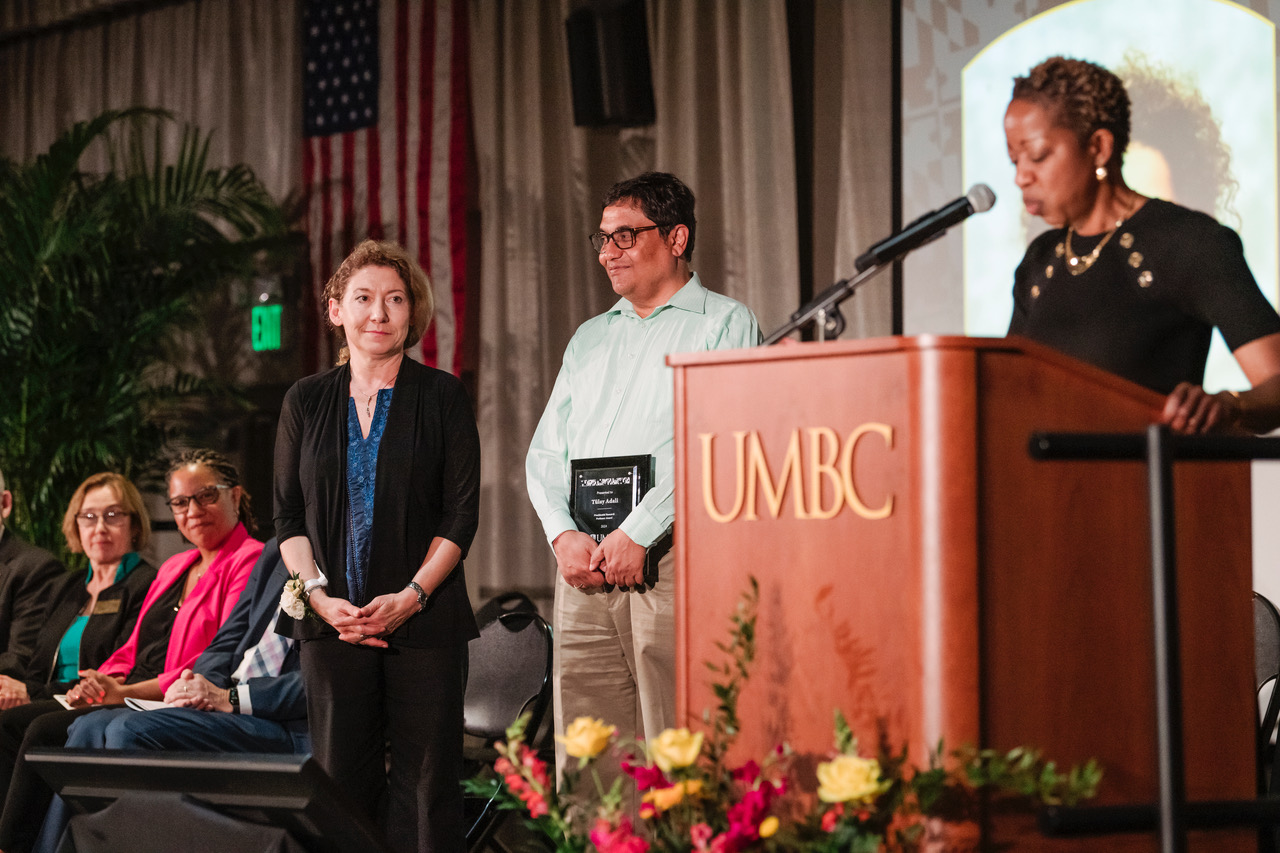
Tülay Adali is a Professor in the Department of Computer Science and Electrical Engineering at the University of Maryland, Baltimore County (UMBC). She has held this position since 1992 and was named a Distinguished University Professor in 2015 for her contributions to statistical signal processing and machine learning. Currently serving as Editor-in-Chief of the IEEE Signal Processing Magazine, she has also held leadership roles in IEEE committees and conferences. Her research focuses on statistical signal processing, machine learning, and their applications in medical imaging and data fusion. Dr. Adali earned her Ph.D. in Electrical Engineering from North Carolina State University in 1992. Her work integrates foundational signal processing techniques with biomedical applications, addressing challenges in neuroimaging analysis. She leads the Machine Learning for Signal Processing laboratory, supported by grants from NSF and NIH. Her lab develops algorithms for analyzing complex signals in medical contexts, emphasizing reproducibility and interdisciplinary collaboration. Recognition includes IEEE Fellow, AIMBE Fellow, AAIA Fellow, Humboldt Research Award, and NSF CAREER Award. She has authored numerous papers on fMRI analysis, independent component analysis, and multimodal data fusion. Her editorial leadership and service to technical communities reflect her commitment to advancing signal processing and education. Education: Ph.D. in Electrical Engineering, North Carolina State University (1992) Grants: NSF, NIH-funded projects on medical imaging and signal processing Awards: SPS Meritorious Service Award, SPIE Pioneer Award
Dr. Cassandra Sampaio Baptista is a Lecturer at the University of Glasgow's School of Psychology & Neuroscience. Her research focuses on brain plasticity in adulthood, particularly exploring how experiences like skill learning or rehabilitation influence structural and functional changes in the brain. She employs neuroimaging techniques such as fMRI neurofeedback and MRI to investigate mechanisms of myelin and white matter plasticity. Her work emphasizes translational applications, including stroke rehabilitation and promoting healthy aging. Key contributions include demonstrating myelin's role in motor learning and developing MRI protocols for white matter analysis. She collaborates on projects funded by the BIAL Foundation (2025–2026) and has supervised multiple postgraduate students. Recent publications highlight studies on oligodendrocyte dynamics, neurofeedback interventions for stroke survivors, and cross-species neuroscience approaches. While no specific awards are listed, her extensive publication record reflects her leadership in neuroplasticity research.
Susanne Weis is a Research Professor and Group Leader of the 'Variability of the Brain' group at the Department of Brain and Behavior (INM-7), part of the Institute of Neuroscience and Medicine (INM) at Research Center Jülich GmbH. Her work focuses on understanding brain variability through advanced neuroimaging techniques and machine learning, with particular emphasis on sex differences, hormonal influences, and clinical applications in mental health. Her research interests include neuroimaging methodologies, machine learning applications in cognitive neuroscience, and the structural-functional relationships underlying brain variability. She investigates how factors like sex hormones and naturalistic stimuli (e.g., movies) affect brain connectivity and cognitive performance, aiming to improve diagnostic and predictive tools for disorders such as schizophrenia and Alzheimer’s disease. Publications highlight her contributions to developing datasets (e.g., SpEx), analyzing confound leakage in ML models, and exploring meta-analytic networks during naturalistic viewing. Her work bridges basic science and clinical impact, addressing challenges in interpreting neuroimaging data and advancing personalized medicine approaches. In her role as a group leader, Weis oversees research projects and collaborates with interdisciplinary teams. She is affiliated with the Helmholtz Association and contributes to the broader scientific community through her research in neuroimaging and computational neuroscience.
Dr. Liam Mannion is a Senior Lecturer in Therapeutic Radiography and Oncology at City St George’s, University of London, where he leads key modules in radiotherapy techniques, oncology, and radiobiology. He is an HCPC-registered Therapeutic Radiographer with clinical experience in both NHS and private sectors. He also serves as the Practice Education Lead for Therapeutic Radiography and is a Senior Fellow of the Higher Education Academy. PhD, King's College London MSc, London South Bank University PGCert, City, University of London BSc (Hons), University College Dublin His research focuses on optimizing treatments for muscle-invasive bladder cancer, patient-centered care, and radiobiology. He employs methodologies such as discrete choice experiments to understand patient preferences in treatment decisions. His educational interests include gamification, debriefing, and student well-being in radiography training. His recent publications reveal a strong trend in patient-centered oncology research, particularly in bladder cancer decision-making, alongside innovations in radiotherapy education. He frequently collaborates with institutions like King's College London and Guy's and St Thomas' NHS Foundation Trust. Dr. Mannion is actively involved in peer review for the Journal of Radiotherapy in Practice and served as an External Examiner at Cardiff University. He has also held leadership roles such as Joint Programme Director at City, University of London. He has contributed to research on compassion fatigue among students, leadership in radiography during the pandemic, and functional imaging in glioblastoma. His work bridges clinical practice, education, and patient-centered outcomes. Dr. Mannion is affiliated with professional organizations including the Health and Care Professions Council (HCPC) and the Society of Radiographers. He teaches across undergraduate modules in radiotherapy and oncology, with a focus on practical and theoretical integration.
Tim Q. Duong, Ph.D., is a Professor at Albert Einstein College of Medicine, affiliated with the Departments of Radiology, Biochemistry, Ophthalmology & Visual Sciences, and Neuroscience. His research focuses on medical imaging, MRI, image analysis, machine learning, and predictive modeling for studying diseases like COVID-19 , neurodegeneration (Alzheimer's, multiple sclerosis), brain injuries , and breast cancer . Develops AI-driven MRI techniques for early disease detection Investigates neuroplasticity in glaucoma and diabetic retinopathy Leads grants from NIH and National Eye Institute Research Trends : Recent publications emphasize AI integration in medical imaging, long-term effects of SARS-CoV-2, and advanced MRI applications for ocular and neurological disorders. Grants include multiple R01 awards for diabetic retinopathy and glaucoma studies. Training Opportunities : Actively recruits postdocs, research coordinators, and faculty. Offers research positions for graduate, medical, and high school students, including Regeneron Scholar programs. Labs & Teams : Leads the Duong Lab at Montefiore Medical Center, focusing on translational research for clinical imaging solutions.
Professor Guy Williams is a leading academic at the University of Cambridge with a focus on imaging science and clinical neurosciences, affiliated with Downing College and the Wolfson Brain Imaging Centre . Holding a PhD in Physics from his initial Natural Sciences degree, he specializes in nuclear magnetic resonance (NMR) and MRI techniques for brain imaging. Education: BA, PhD in Physics His research centers on non-invasive imaging of brain structure and function, particularly in traumatic brain injury (TBI) and dementia. His work involves developing novel MRI pulse sequences and advanced data analysis algorithms, including AI-based diagnostic tools. He leads studies on white matter integrity post-trauma, longitudinal dementia assessment, and applications of MRI in disorders of consciousness and addiction. Recent publications highlight collaborations in traumatic brain injury outcomes, AI-guided dementia prediction, and neuroimaging of post-COVID cognitive deficits. His team's work on ultra-high field laminar fMRI and distortion correction methods has advanced clinical neuroscience applications. Key techniques include diffusion tensor imaging (DTI), 7 Tesla MRI, and positron emission tomography (PET/MR). His research spans from basic NMR physics to clinical translation, with a strong emphasis on multi-site studies and real-world diagnostic implementation.
Professor Ian Davidson is a faculty member in the Department of Computer Science at the University of California Davis, College of Engineering. His research focuses on machine learning, data mining, and constraint programming, with applications in neuroscience, healthcare, and social networks. He emphasizes rigorous algorithm design and human-in-the-loop learning paradigms. Editorial Board Member: ACM TKDD, IEEE TKDE, Springer DMKD Conference Leadership: PC Chair (SDM 2012), Vice/Area Chair (IEEE ICDM, ACM KDD, SIAM DM, ECML/PKDD 2013-2015) Research Interests: Human-in-the-loop learning (active, transfer, and transductive frameworks) Constraint programming and spectral methods for clustering and classification Applications in neuroimaging analysis, intelligent tutoring systems, and social impact domains Fairness in machine learning and clustering algorithms Tensor decomposition and matrix factorization techniques Interdisciplinary collaborations in neuroscience and healthcare Recent publications highlight his work on fairness-aware clustering with constraint programming, advanced spectral methods for brain connectivity analysis, and explainable AI frameworks. His research often combines theoretical rigor with practical applications in clinical domains. Scientific Awards: Best Paper Award, SIAM Data Mining Conference 2005 Best Paper Award, ECML/PKDD 2006 Best Paper Award, ICDM 2006 Students & Collaborators: Former students: Xiang Wang (IBM Watson), Buyue Qian (Xi'an Jiaotong University), Tom Kuo (Google), Sean Gilpin (Google) Current advisees: Aubrey Guess, Zilong Bai, Erin McGinnis, Zheng Fang, Hongjing Zhang
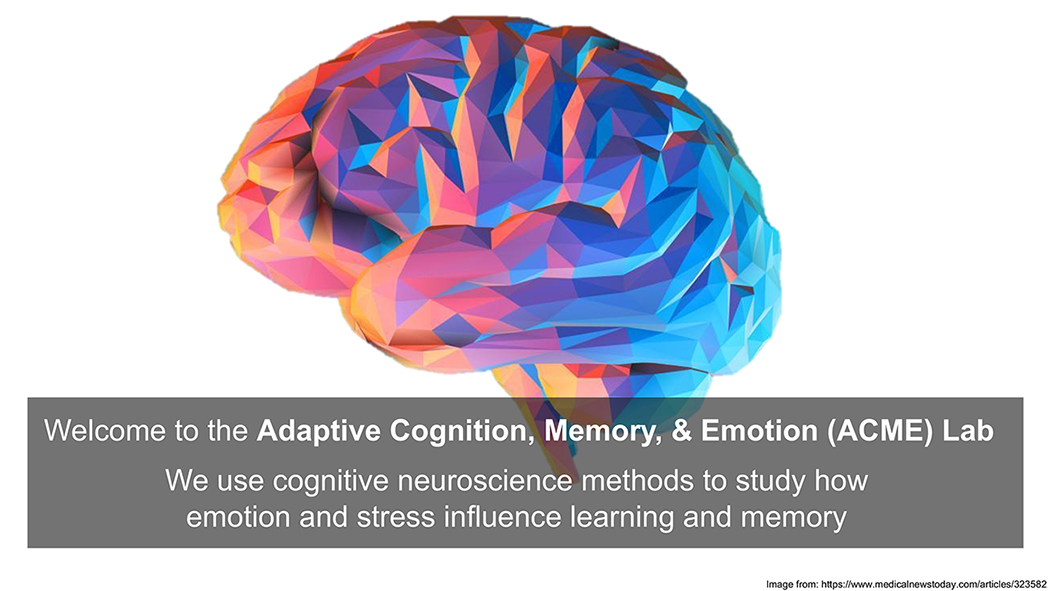
David Clewett, Ph.D. , is an Assistant Professor of Psychology at University of California, Los Angeles (UCLA) , where he leads the Dynamic Arousal and Memory Lab. His research explores how emotional arousal, stress, and neuromodulatory systems like norepinephrine and dopamine shape the way we encode, organize, and retrieve memories. He joined UCLA in July 2020 after completing his Ph.D. in Neuroscience at the University of Southern California and a postdoctoral fellowship at NYU and Columbia University. Education: Ph.D. in Neuroscience, University of Southern California (2016) B.S. in Biopsychology with minor in English, University of California, Santa Barbara Research Focus: Dr. Clewett’s lab investigates how physiological arousal influences attention and memory, using a multimodal approach that includes fMRI, pupillometry, eye-tracking, and pharmacological methods. His work spans four major themes: The role of emotion and arousal in selective memory enhancement or suppression. How contextual shifts and emotional states structure episodic memory into meaningful events. Techniques to weaken or update traumatic or unwanted memories. The dynamic effects of attention and arousal states on neural and memory representations. Publications and Impact: His work has been published in top-tier journals such as Nature Communications , Journal of Neuroscience , Hippocampus , and Trends in Cognitive Sciences . His research has contributed to understanding how neuromodulators like norepinephrine and dopamine interact with memory systems to prioritize salient information, and how these processes can be leveraged for therapeutic intervention in PTSD, depression, and aging-related memory decline. Students and Lab Team: Dr. Clewett mentors a diverse team of graduate students and research assistants. Current graduate students include Jacinda Taggett, Ringo Huang, Erin Morrow, Bailey Harris, and Brandon Katerman. Former lab members have gone on to Ph.D. programs at Harvard, UC Berkeley, and other top institutions. Lab and Facilities: The lab is located in Pritzker Hall at UCLA, and is equipped with tools for fMRI, pupillometry, eye-tracking, and behavioral testing. The lab also collaborates with researchers across UCLA and other institutions, including NYU, Columbia, and USC.
Evelyn Lake is an Associate Professor in the Department of Radiology and Biomedical Imaging at Yale University, with affiliations to the Wu Tsai Institute and Yale Biomedical Imaging Institute. Her research focuses on functional neuroimaging, particularly using rodent models to study brain connectivity, neurovascular coupling, and disorders like Alzheimer’s disease and autism spectrum disorder. PhD in Medical Biophysics, University of Toronto (2016) Postdoctoral Associate, Yale University (2019) BSc (Honors) in Biophysics, University of Guelph (2010) Her work spans multimodal imaging techniques (e.g., simultaneous Ca2+ and fMRI), examining how genetic mutations (e.g., PTEN, KATNAL2) affect cerebrospinal fluid dynamics and neuronal connectivity. She investigates longitudinal changes in Alzheimer’s models and methodological aspects of animal neuroimaging, such as sample size optimization and awake imaging protocols. Recent publications highlight her contributions to understanding autism-related white matter abnormalities, transdiagnostic connectome predictive modeling, and the impact of neurovascular uncoupling in awake mice. Collaborations include Todd Constable, Francesca Mandino, Xilin Shen, and Xenophon Papademetris.
Lawrence Staib is Professor of Radiology and Biomedical Imaging, Biomedical Engineering, and Electrical Engineering at Yale University. He serves as Director of Undergraduate Studies in Biomedical Engineering and is a member of Yale's Bioimaging Sciences division, Image Processing & Analysis Group, Yale Biomedical Imaging Institute, and Yale-BI Biomedical Data Science Fellowship program. Dr. Staib earned his A.B. in Physics from Cornell University (1982), followed by a Ph.D. in Engineering and Applied Science from Yale University (1990), and completed a postdoctoral fellowship at Yale School of Medicine (1991). His research focuses on developing advanced medical image analysis methods using machine learning and model-based approaches. Key research areas include neuroimaging applications for autism spectrum disorder classification, cardiac imaging analysis for strain and motion assessment, prostate cancer diagnosis and risk mapping, and innovative techniques for medical image segmentation with limited labeled data. Dr. Staib's work emphasizes uncertainty estimation in deep learning models, multi-modal image registration, and domain adaptation techniques to improve clinical decision support systems. His recent publications demonstrate a strong trend toward developing interpretable AI models for clinical applications, with particular emphasis on fMRI analysis for neurological conditions, cardiac motion analysis, and prostate cancer diagnosis. His work frequently addresses the challenge of limited labeled data in medical imaging through innovative self-supervised, semi-supervised, and few-shot learning approaches. Fellow of the American Institute for Medical and Biological Engineering (AIMBE) (2015) Distinguished Investigator Award from the Academy for Radiology & Biomedical Imaging Research (2017) MICCAI Fellow (2022) Medical Image Analysis Second Best MICCAI Paper Award (2005) ASNR Cum Laude Scientific Exhibit Award (2003) Dr. Staib serves on the editorial board of Medical Image Analysis and as Associate Editor of IEEE Transactions on Biomedical Engineering. His research is supported by NIH grants including the Autism Center of Excellence program. He leads the Image Processing & Analysis Group within Yale's Bioimaging Sciences division, collaborating extensively with James Duncan, John Onofrey, Xenophon Papademetris, and other Yale researchers on applications spanning neuroimaging, cardiology, and oncology. Current projects focus on developing robust AI models for clinical decision support with emphasis on uncertainty quantification and interpretability.
Carolyn Parkinson is an Associate Professor at the University of California, Los Angeles (UCLA), holding the Bernice Wenzel and Wendell Jeffrey Term Endowed Chair in Cognitive Neuroscience. Her research integrates social psychology with computational neuroscience to explore how the human brain represents, navigates, and shapes social environments. University: University of California, Los Angeles (UCLA) Academic Rank: Associate Professor Research Focus: Social and Affective Neuroscience, Social Network Analysis, Neural Mechanisms of Psychological Distance At the Computational Social Neuroscience Lab , Parkinson investigates: Neural encoding of social network structures Shared mechanisms for spatial, temporal, and social distance perception Computational modeling of social cognition Functional MRI analysis of social relationships Her work reveals that: Resting-state brain connectivity predicts social proximity Multivoxel patterns decode social knowledge representations Old cortical structures repurpose spatial processing for social cognition Neural population coding transcends historical phrenology-based approaches Notable awards include the Bernice Wenzel and Wendell Jeffrey Term Endowed Chair. She employs machine learning and social network theory to analyze distributed brain activity patterns, advancing understanding of human social behavior and cognition.