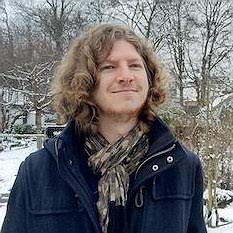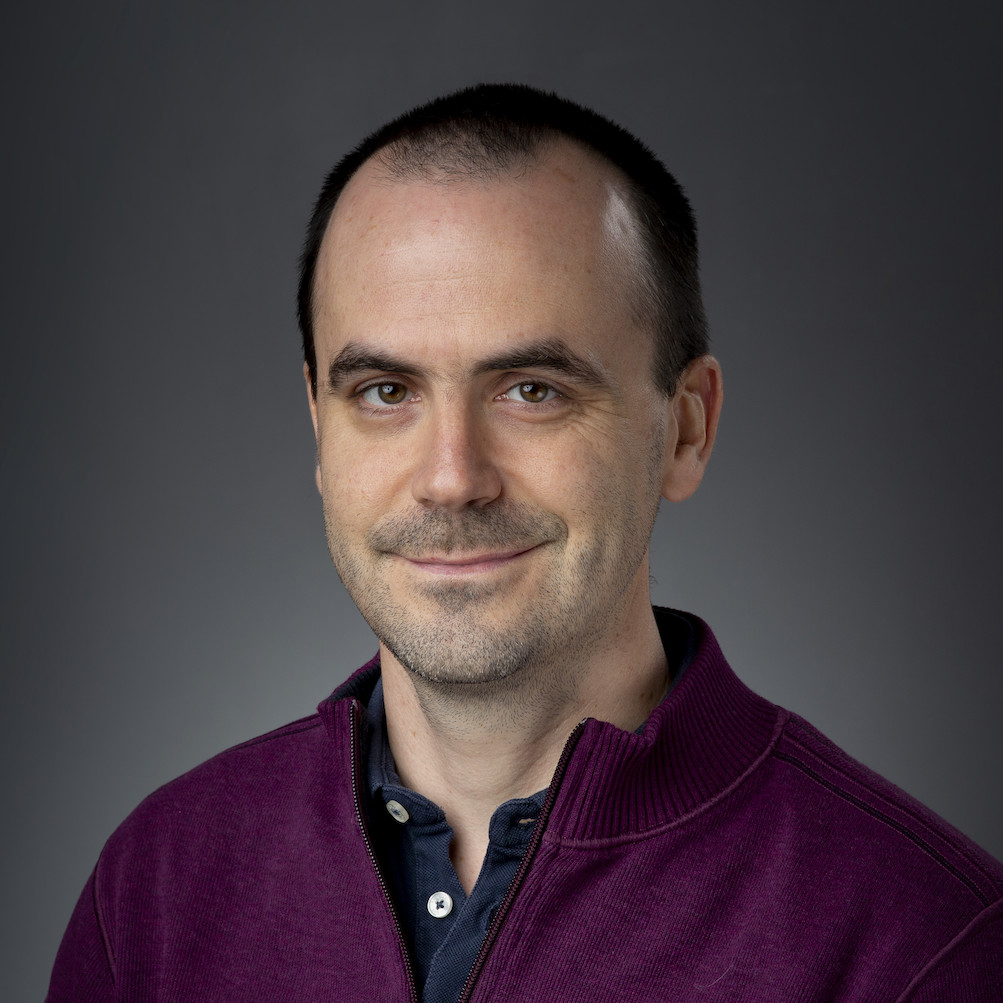
Éric Tanter is a Full Professor in the Computer Science Department (DCC) at the University of Chile, where he also leads the PLEIAD Lab. He holds an Inria International Chair (2025–2029) and is an Associate Researcher at the Millenium Institute for Foundational Research on Data (IMFD). His academic leadership includes prior roles as Director and Deputy Director of the DCC, and Coordinator of the PhD Program in Computer Science. His research centers on programming languages and software engineering, with a strong focus on gradual typing, type systems, program verification, and secure programming. He explores both theoretical foundations and empirical practices, aiming to bridge the gap between static and dynamic language paradigms. His recent work emphasizes gradual verification, refinement types, and applications in proof assistants and security. The trends in his recent publications show a deep engagement with foundational aspects of gradual and dependent typing, often aiming to enhance the reliability and security of software systems. These works frequently involve formalization in proof assistants like Coq and explore applications in differential privacy, secure interoperability, and symbolic execution. Inria International Chair (2025–2030) Best Paper Awards at POPL 2019, OOPSLA 2018, ICFP 2018, MSR 2011, AOSD 2010, SBLP 2008, DAIS 2006 Most Influential/Most Notable Paper Awards at DLS, Programming, DLS Facebook Research Testing and Verification Award (2018) Google Faculty Research Awards (2015, 2016) Best Professor Award, University of Chile (2011) Éric Tanter has advised numerous PhD and Master’s students, many of whom have gone on to publish influential work in top venues. He has led multiple research projects funded by FONDECYT, ANID, INRIA, and other national and international agencies. His service includes editorial roles in journals such as the Journal of Functional Programming and Science of Computer Programming, and extensive participation in program committees of major conferences like POPL, ICFP, and OOPSLA. He leads the PLEIAD Lab at the University of Chile, a research group focused on programming languages, software engineering, and formal methods. The lab fosters collaboration with international institutions and emphasizes both theoretical rigor and practical impact.