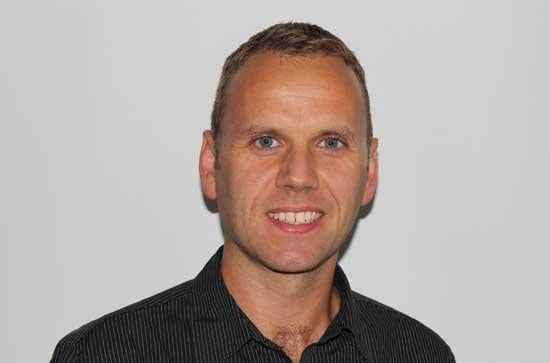
Paul O'Toole is a Professor of Microbial Genomics and Principal Investigator at the APC Microbiome Ireland, University College Cork. His research focuses on the gut microbiome's role in health, aging, and disease, particularly in the context of diet and probiotics. He leads projects like the ELDERMET study on elderly nutrition and the NU-AGE project exploring Mediterranean diets' anti-aging effects. He holds a BA (Mod.) from Trinity College Dublin and a PhD from Lund University, with postdoctoral training in Canada and New Zealand. Key grants include studies on dairy-derived microbiota, probiotic strain improvement, and microbiome analysis in aging populations. He has published extensively on Lactobacillus genomics, gut-brain interactions, and microbiome-driven health outcomes. His work bridges fundamental microbiology with clinical applications, emphasizing translational research. Scientific highlights include discovering microbiome links to cognitive decline, demonstrating dietary modulation of gut microbes to combat obesity, and identifying keystone species in healthy aging. He advocates for sustainability in conservation and food systems, reflecting his interdisciplinary approach to global health challenges.
Assoc. Prof. Paul Leonard is an Associate Professor in Biotherapeutics at Dublin City University (DCU), leading the Biomedical Innovation Group (BIG) within the School of Biotechnology. His research focuses on biomolecular interaction analysis, single-cell technologies, and biologics discovery, addressing challenges in oncology, cardiovascular disease, and infectious disease diagnostics. He has 20+ years of academic and industry experience, co-founding Remedy Biologics Ltd and securing over €15M in funding. His entrepreneurial roles include CSO/CTO, Lean Six Sigma process improvements, and advisory work for life sciences companies. Research interests span high-throughput antibody discovery, immunoassay development, and environmental sensing. He collaborates with academia and industry, including projects like AquaBioSens for aquatic pollutant detection. His lab employs multidisciplinary teams and holds patents in biotechnology. Paul also serves as an external examiner for Technical University Dublin’s Biomedical Diagnostics program. Key achievements include technology spin-outs, patent filings, and leadership in EU-funded projects. His work bridges academic innovation with commercial applications, emphasizing rapid diagnostic tools and therapeutic advancements.
Dr. F. Jerry Reen serves as a Senior Lecturer and Principal Investigator in the School of Microbiology at University College Cork (UCC), Ireland. With over two decades of academic experience since joining UCC's Department of Microbiology in 2002, he has established himself as a leading researcher in microbial communication systems and host-pathogen interactions. His research group operates within the BIOMERIT Research Centre, and he maintains active collaborations across multiple institutions in Ireland and internationally. Dr. Reen earned his BSc in Biochemistry at the National University of Ireland Galway (NUIG), followed by a PhD in the Molecular GlycoBiotechnology Group at NUIG, supported by an Enterprise Ireland Scholarship and an NUI Teaching Fellowship. His academic journey includes a postdoctoral position in the lab of Dr. E. Fidelma Boyd at UCC, during which he was a visiting scientist at the Sidney Kimmel Cancer Center in San Diego and received an IRCSET Postdoctoral Fellowship for bacteriophage-host interactions research. Dr. Reen's research focuses on deciphering communication systems underpinning polymicrobial-host interactions for human and ecosystem health, with particular emphasis on small molecule signaling in microbial communities. His work bridges fundamental microbiology with translational applications, targeting antimicrobial resistance through chemico-biological therapeutics and developing sustainable pharmaceutical production methods using marine biocatalysts. His research has evolved from early work on Vibrio species to current investigations of Pseudomonas aeruginosa signaling systems, bile acid interactions in cystic fibrosis, and marine enzyme applications in green chemistry. His laboratory's publication record demonstrates consistent productivity with over 80 peer-reviewed papers (h-index 26), spanning from foundational studies on LysR-type transcriptional regulators to recent innovations in virtual reality educational tools. The research trajectory reveals an expanding scope from molecular microbiology to systems-level understanding of microbial communities, with increasing emphasis on sustainable solutions for the pharmaceutical industry. Bronze LEAF Award (2022) - Green Campus University College Cork The Disciplinary Excellence in Learning, Teaching and Assessment (DELTA) Award (2021) - National Forum for the Enhancement of Teaching and Learning Purdy-Lucey UCC Life Sciences Invention of the Year 2015 (2016) Best Poster Exhibition (2012) - Royal Irish Academy National Researcher of the Year, Silver Medal (2011) - Roche BioSciences Researcher of the Year, Gold Medal (2011) - Roche Dr. Reen has successfully secured significant research funding from multiple sources including Science Foundation Ireland (SFI), Health Research Board (HRB), Enterprise Ireland, and Irish Research Council. His current projects include 'BioBloc' enhanced Contact LEns solutioNS (BBCLENS), HEACOVID19, SSPC3 Pharm5, and investigations into novel macrolides for cystic fibrosis management. He has mentored numerous graduate students, including Stephanie Flynn (PhD, 2019), Noelle McCarthy (PhD, 2009), and David Woods (MSc, 2008), with two doctoral students currently completing their research. His educational innovations, particularly student-partnered virtual reality simulations, have transformed how challenging molecular concepts are taught. Dr. Reen leads an interdisciplinary research group that combines microbiology, chemistry, bioinformatics, and education technology. His team collaborates with internal UCC colleagues including Dr. Gerard McGlacken and Prof. Anita Maguire, as well as external partners from institutions like the University of Warwick, Medical University of Graz, and University de Porto. The laboratory maintains strong connections with clinical researchers studying cystic fibrosis and has developed novel approaches for detecting bacterial signaling molecules using boron-doped diamond electrodes.
Paul O’Toole is Professor of Microbial Genomics and Head of the Department of Microbiology at University College Cork (UCC), Ireland. He is a Principal Investigator at APC Microbiome Ireland, a world-leading research center dedicated to understanding the human microbiome in health and disease. His research focuses on the functional genomics of gastrointestinal bacteria, particularly Lactobacillus genomics and phylogeny, and the role of the gut microbiota in ageing, colorectal cancer, and irritable bowel syndrome (IBS). He leads large-scale national and international projects examining how habitual diet shapes the microbiome and influences disease risk, with the ultimate goal of controlling host-microbiome interactions in multifactorial diseases. O’Toole’s lab is supported by major funding bodies including Science Foundation Ireland, the Department of Agriculture, Food and the Marine, the Health Research Board, and the European Union. His work integrates genomics, microbiology, and human health to advance precision medicine and microbiome-based therapeutics. He has a strong publication record and contributes significantly to the global understanding of the gut microbiome. His leadership in APC Microbiome Ireland positions him at the forefront of microbiome research. Scientific Awards: No specific awards listed in the provided text. Advising and Grants: O’Toole leads a major research program with sustained funding from national and international agencies. While specific student names are not listed, his role as a Principal Investigator and Professor indicates active supervision of PhD and postgraduate researchers. His grants support interdisciplinary projects on microbiome dynamics in ageing and disease. Labs and Teams: He leads a research group within APC Microbiome Ireland, based in the Biosciences Building at UCC. His team conducts cutting-edge research on microbial genomics and host interactions, contributing to one of the most influential microbiome research centers globally.
Professor Bill Watson is a Full Professor of Cancer Biology at the University College Dublin, School of Medicine , where he serves as Head of Pathology and Director of the Biomedical Health and Life Science BSc program. With a PhD in Biochemistry (University College Cork, 1995) and post-doctoral training at the University of Toronto, he has led translational research in prostate cancer since returning to UCD in 1997. His work focuses on biomarker discovery, therapy resistance mechanisms, and clinical decision tools through the Prostate Cancer Research Consortium and iPROSPECT collaborations. Education: BSc (University College Dublin), PhD (Royal College of Surgeons in Ireland), Post-Doctoral Research Fellow (Toronto General Hospital) His research integrates genomic, epigenetic, and proteomic biomarkers to improve prostate cancer stratification and treatment selection, as demonstrated in the Movember Global Action Plan and ToPCaP initiatives. Recent studies include validating a six-gene MCRS signature for biopsy-based prognostics (2025) and developing beta mixture models for DNA methylation analysis (2024). Scientific Awards include the Alton Prize (2000), Presidents Awards for Teaching (2000, 1998), and Young Investigator Award (1995). He has received grants such as the UCD Equip Scheme (2021) and Molecular Therapeutics for Cancer (2009-2015) . Professional Leadership: Irish Association for Cancer Research (President 2014-2017), Cancer Trials Ireland (Chair of Translational DSSG 2014-present), and Royal Academy of Medicine in Ireland (Fellow since 2006)
Professor Aideen Sullivan is Head of the Department of Anatomy and Neuroscience at University College Cork (UCC). With a career spanning over two decades at UCC, she leads research on neuroprotective therapies for Parkinson's disease, focusing on growth factors, stem cell applications, and epigenetic mechanisms. She established Ireland's first BSc in Neuroscience and co-developed the cross-College BSc in Medical and Health Sciences (CK707). BSc (First Class Honours) in Pharmacology, University College Dublin (1992) PhD in Neuropharmacology, University of Cambridge (1995) Her research program investigates Parkinson's disease through five key themes: viral vector delivery of neurotrophic factors, molecular mechanisms of neuroprotection, biomarker discovery, neuronal degeneration models, and stem cell-based treatments. She has secured significant grants from Health Research Board, Enterprise Ireland, and the Wellcome Trust. Recent publications (2022-2020) emphasize epigenetic regulation (HDAC inhibitors), microbiome-gut-brain axis interactions, and novel neurotrophic strategies. Articles highlight GDF5's neuroprotective effects, miRNA modulation, and molecular pathways like BMP-Smad and p38-MAPK. Scientific awards include: Postgraduate Certificate in Teaching and Learning (UCC, 2006) FETAC Certificate in Peer-Mentoring (2010) Leadership Foundation Aurora Programme Scholarship (2015) Over €2 million in research grants She mentors undergraduate and postgraduate students, chairs UCC's Athena SWAN 'Flexible Working' group, and serves as Editor-in-Chief of Neuronal Signaling . Her work spans laboratory research, public engagement, and educational innovation.
Tara McMorrow is an Associate Professor of Pharmacology and Toxicology at University College Dublin's School of Biomolecular and Biomedical Science and a Conway Research Fellow. She serves as Director of the UCD Centre for Toxicology and Academic Director of graduate programs in Toxicology and Regulatory Affairs. Previously, she was Associate Dean of Science (2019-2024) and Chair of the UCD Academic Council Committee on Student Appeals and Complaints. Dr. McMorrow earned her BSc and PhD in Science from NUI Galway, with her 1995 PhD focusing on molecular biology funded by Enterprise Ireland. She completed postdoctoral work at Erasmus University in Rotterdam and at UCD before being appointed Lecturer in Pharmacology in 2005. She was promoted to Senior Lecturer in 2014 and Associate Professor in 2016. She also earned a Graduate Diploma in University Teaching and Learning from UCD in 2013. Her research focuses on toxicology and the development of new approach methodologies (NAMs) in toxicity testing, with particular expertise in renal toxicology, chemical carcinogenesis, primary cilia biology, and biomarker discovery. Her work bridges basic science and clinical applications, examining mechanisms of kidney injury, diabetic nephropathy, and renal cancer. Analysis of her recent publications reveals strong emphasis on natural compounds like curcumin for cancer therapy, primary cilia as biomarkers for renal injury, and mechanisms of chemical-induced kidney damage. Dr. McMorrow has received numerous teaching awards including Teacher of the Year in 2013 and 2016, and has been recognized with UCD Seed Funding. She serves as an expert member of the Food Safety Authority of Ireland's Chemical Safety sub-committee and is active in professional organizations including the Irish Society of Toxicology (where she served as President 2016-2018) and the European Society of Toxicologists. She actively teaches across multiple disciplines including Science, Medicine, Nursing, and graduate programs in Toxicology, Regulatory Affairs, and Biotechnology. Her leadership extends to curriculum development as she was previously the Curriculum Review and Enhancement Project Champion for graduate taught programs in the College of Science (2015-2017).
Gianluca Pollastri is an Associate Professor in the School of Computer Science at University College Dublin (UCD). He leads a research group focused on machine learning applications in bioinformatics, particularly protein structure prediction and analysis. His academic roles include Associate Professor since 2016, Senior Lecturer from 2008, and Lecturer from 2003. He earned an MSc from the University of Florence and a PhD from the University of California, Irvine. His research integrates deep learning and neural networks to address challenges in protein subcellular localization, secondary structure prediction, and intrinsically disordered regions. Key tools developed include SCLpred, PaleAle, Porter, and PUNCH2. He has secured grants from Science Foundation Ireland, the Health Research Board, and UCD. Pollastri’s work emphasizes rigorous validation of machine learning methods in biology, as outlined in the DOME framework. His lab has produced over 100 peer-reviewed articles, with recent focus on leveraging pre-trained language models (PLMs) for protein analysis. Education: MSc, University of Florence PhD, University of California, Irvine Awards: Best M.Sc. Thesis in Artificial Intelligence (1999) Best Student Project in Artificial Intelligence (1997) His teaching includes modules on Bioinformatics, Connectionist Computing, and Programming. He coordinates research collaborations and maintains a lab with postdoctoral fellows and graduate students.
Prof Darran O'Connor is a Professor of Molecular Oncology at the Royal College of Surgeons in Ireland (RCSI), leading the School of Postgraduate Studies. His academic journey includes postdoctoral training at Columbia University and the University of Glasgow, followed by roles at UCD and RCSI. He specializes in molecular determinants of cancer progression, focusing on genomics, drug resistance, and therapeutic development. His lab is funded by SFI, EU, and cancer-focused foundations. Awards include the St Luke's Young Investigator Award and EMBO fellowships. Education: PhD in Cancer Biology, Trinity College Dublin/RCSI (1995–2000) MSc in Biological Sciences, Dublin City University (1994–1995) BA (Mod) Microbiology, Trinity College Dublin (1990–1994) Research Interests: Molecular oncology, cancer genomics, spatial transcriptomics, tumor microenvironment, and translational therapeutics. His work integrates functional genomics, in vitro/ex vivo models, and clinical translation using tissue microarrays. Grants & Awards: Science Foundation Ireland (SFI), EU, Susan G. Komen Foundation 9th St Luke's Young Investigator Award (2012) EMBO and Human Frontiers Science Programme Fellowships Labs & Teams: Leads a multidisciplinary team at RCSI's Molecular & Cellular Therapeutics department, focusing on cancer biology and precision medicine. Collaborates globally with institutes like Dana-Farber Cancer Institute and Netherlands Cancer Institute.
Dr. Hilary Browne is a Research Fellow at the School of Microbiology and APC Microbiome Ireland at University College Cork (UCC). He holds a PhD from the London School of Hygiene and Tropical Medicine, with prior roles at the Wellcome Sanger Institute including Staff Scientist and Senior Staff Scientist. His research focuses on gut microbiota adaptations, particularly the role of bacterial spore formation in transmission and colonization. He leads a team using anaerobic microbiology, genomics, and metagenomics to study spore-forming bacteria's metabolic properties and genetic architecture. Dr. Browne's academic journey includes a BSc in Agricultural Science (UCD) and MSc in Biotechnology (UCC). He was awarded the Garnham Award for doctoral research in basic laboratory science. In 2023, he secured an ERC Starter Grant to establish his independent research group, advancing translational microbiome research. His research explores mechanisms enabling gut bacteria to survive host transitions, with implications for probiotic development and therapeutic delivery. Key areas include spore-mediated survival strategies, microbiome assembly in infants, and antibiotic resistance dynamics in human microbiota. Dr. Browne contributes to global health initiatives through collaborations like the CHAIN network, focusing on child mortality in sub-Saharan Africa using multi-omics approaches. His work bridges fundamental microbiology with clinical applications, emphasizing the microbiome's role in health and disease.
Simon Furney is a researcher recruited through RCSI’s StAR (Studentship and Research) programme, specializing in Genomic Medicine and Cancer Bioinformatics. He holds advanced degrees from Trinity College Dublin, University of Manchester, and University College Dublin, and has conducted post-doctoral research at world-leading institutes. Research Focus: His work centers on next-generation sequencing (NGS) for cancer genome interpretation, with high-impact publications in Nature Methods , Molecular Psychiatry , and Nature . His interests span integrative genomics, cancer genetics, and computational biology. Education: B.A. from Trinity College Dublin M.Sc. from University of Manchester Ph.D. from University College Dublin Awards: He has received scientific awards for his contributions to genomic research, though specific details are not provided in the text.
David Fitzpatrick is a Professor and Principal Investigator (PI) of the Genome Evolution Laboratory at Maynooth University since 2024. He also holds a Visiting Professorship at Leeds Beckett University. Previously, he served as Associate Professor (2020–2024) and Lecturer (2009–2020) at Maynooth University. His academic journey includes postdoctoral fellowships at University College Dublin (2005–2009) and Maynooth University (2004–2005). Education: Fitzpatrick earned a B.Sc. (Hons) in Biology from NUI Maynooth (1996–2000), a Ph.D. in Bioinformatics (2000–2004), and a Postgraduate Diploma in Higher Education (2015–2016), all from Maynooth University. Research Interests: His laboratory focuses on the evolution of unicellular microorganisms, particularly fungal and oomycete species. Techniques include genome sequencing, transcriptomics, proteomics, comparative genomics, phylogenomics, and synteny analysis to study gene and genome evolution. Key projects involve analyzing hybrid pathogens like Phytophthora xalni, developing molecular diagnostics for mushroom strains, and exploring biocontrol agents against fungal pathogens. Scientific Awards: He received the Doctoral Student Prize of Achievement in Science and Engineering (2005) from Maynooth University, an IRC Postdoctoral Fellowship (2005–2007), and an HRB Postdoctoral Research Fellowship (2007–2009). Advising & Grants: Fitzpatrick has supervised seven PhD students, including Dr. Eoin O'Connor (2020) and Dr. Jamie McGowan (2021). His research has been funded through projects like the Biocontrol of Mushroom pathogens (€88,000), Analysis of Introgression in Prokaryotic Genomes (€96,000), and OMICs-based investigations of novel plant pathogens (€96,000). Labs & Teams: As PI of the Genome Evolution Laboratory, he collaborates on initiatives such as the Oomycete Gene Order Browser (OGOB) and the Pangloss pan-genome analysis tool. His work integrates genomic and proteomic data to address challenges in agriculture, forestry, and medical microbiology.
Dr. Gary Brennan is an Assistant Professor at the School of Biomolecular and Biomedical Science, University College Dublin, and a member of the Conway Institute. He is a Funded Investigator at the FutureNeuro Research Center and has held affiliations with institutions including the Royal College of Surgeons in Ireland (RCSI) and the University of California-Irvine. His research focuses on the molecular mechanisms of epilepsy, particularly epigenetic and epitranscriptomic regulation, RNA modifications, and neuroinflammatory pathways. Education: PhD in Physiology & Medical Physics from RCSI (2015) Postdoctoral Training: University of California-Irvine (2012-2015) under Prof. Tallie Z. Baram; RCSI (2016-2018) under Prof. David Henshall His research program addresses three critical challenges: (1) understanding molecular reprogramming after brain insults, (2) developing RNA-based therapies targeting epigenetic processes, and (3) identifying peripheral biomarkers for epilepsy prediction. Key contributions include studies on microRNA regulation of seizure networks, m6A RNA methylation in temporal lobe epilepsy, and systemic delivery of antagomirs timed with blood-brain barrier disruption. His work has been published in journals like Nature Reviews Neurology , JCI Insight , and Molecular Brain . Recent funding includes grants from Science Foundation Ireland (SFI), Health Research Board (HRB), and the European Union. He has received awards such as the CURE Taking Flight Award and Marie Curie Fellowship. Dr. Brennan also supervises PhD students and coordinates modules on CNS diseases and multicellular systems.
Marcus Claesson is a Lecturer in the Department of Microbiology at University College Cork (UCC), Ireland. He is also a Principal Investigator and Funded Investigator at the Alimentary Pharmabiotic Center, managing the BioIT platform. His research focuses on microbiota analysis, particularly in inflammatory bowel disease (IBD) and the gut microbiome of elderly Irish subjects via metagenomics and 'omics' methods. Education: BSc in Chemical Engineering, Chalmers University of Technology MSc in Bioinformatics, Chalmers University of Technology PhD in Bioinformatics, University College Cork Marcus specializes in bioinformatics method development for analyzing gut microbiota composition and function. His work includes the ELDERMET project (metagenomic analysis of elderly microbiomes) and sequencing Lactobacillus salivarius and Bifidobacteria to identify probiotic traits. He has explored the role of flagellin proteins in inflammation and the impact of antibiotics on elderly microbiota. His peer-reviewed publications (15 most recent) reflect a strong focus on microbiome analysis , metagenomics , and probiotic discovery , with applications in human health and microbial ecology . Scientific Awards: UCC Early Stage Researcher of the Year (2012) Alimentary Pharmabiotic Centre Young Scientist of the Year (2010) Bioscience Institute PhD Student of the Year (2007) Marcus supervises doctoral students in microbiome research and teaches modules including Computational Biology , Computational Systems Biology , and Genomic Data Analysis . He coordinates the MSc program in Bioinformatics and Computational Biology.
Andrew Simpkin is a Professor in Statistics at the School of Mathematics, Statistics and Applied Mathematics , University of Galway. He specializes in methodological and applied statistical research across diverse domains. His research interests include: Longitudinal and functional data analysis Genomics and biomedical applications Interdisciplinary collaborations in medicine, engineering, biology, sociology, and sports science Development of novel statistical tools for sensor data (e.g., wearables, smart manufacturing) Andrew leads projects with over €16m in grant funding and collaborates with industry partners such as Orreco, Connacht Rugby, Endotronix, Feeltect, and Johnson & Johnson.