Laura A Rice is an Associate Professor in the Department of Kinesiology and Community Health at the University of Illinois. She also serves as Associate Head for Graduate Studies and Associate Director of the Center on Health, Aging, and Disability (CHAD) within the College of Applied Health Sciences. Additionally, she holds affiliations with Disability Resources and Educational Services (DRES), the Beckman Institute for Advanced Science and Technology, and the Interdisciplinary Health Sciences Institute. Her research focuses on mobility device users, particularly wheelchair and scooter users, examining fall prevention, functional independence, and quality of life. Key areas include developing clinical assessment tools (e.g., the Fall Concerns Scale for Wheelchair/Scooter Users), investigating behavioral interventions via mHealth applications, and analyzing risk factors for falls among individuals with spinal cord injury and multiple sclerosis. Recent work emphasizes interdisciplinary collaboration, with studies on attentional demands during wheelchair operation, fire preparedness strategies, and the design of inclusive assistive technologies. Her research has been widely covered in media, including studies on fear of falling and fall-related injuries among wheelchair/scooter users. Rice’s contributions extend to academic leadership, including graduate program oversight and disability resource advocacy. She collaborates globally and has published over 90 peer-reviewed articles, systematically reviewing topics like mHealth strategies and seated postural control assessments. Lab and team affiliations include the Center on Health, Aging, and Disability (CHAD), where she leads projects addressing aging and disability intersections, and the Beckman Institute, focusing on advanced science and technology applications in health.
Lisa Westerberg is a Professor of Experimental Immunology at Karolinska Institutet's Department of Microbiology, Tumor and Cell Biology. Her research focuses on understanding how defects in actin cytoskeleton regulation lead to immunodeficiencies, autoimmunity, and hematological malignancies. She leads a team studying primary immunodeficiency diseases such as Wiskott-Aldrich Syndrome (WAS) and X-linked neutropenia (XLN), investigating molecular mechanisms underlying immune cell dysfunction. Education: PhD in Cell and Molecular Biology (Karolinska Institutet, 2003), postdoctoral training at Harvard Medical School (2009). Appointed Professor in 2024 after prior roles as Associate Professor (2013) and Assistant Professor (2009). Research interests include nuclear actin regulation in immune cells, clonal evolution in pediatric lymphomas, and space-induced immune changes. Her lab combines molecular biology, microscopy, and in vivo models to develop therapies targeting actin regulators. Awards: Ragnar Söderberg Fellowship, ERC Starting Grant (2019), Swedish Research Council grants. Collaborates internationally on space immunology via ESA experiments. Supervises PhD students in B cell biology and immune signaling. Labs/Teams: Immunodeficiency Diseases Group at MTC, WASPSTINGS network coordinator. Active in translational research bridging primary immunodeficiencies and cancer therapy.
Sita M.A. Bierma-Zeinstra is a Full Professor in the Department of General Practice at Erasmus MC, Erasmus University Rotterdam. Her academic work is deeply rooted in clinical and epidemiological research, particularly in the domain of musculoskeletal health and primary care. She is a leading figure in osteoarthritis research, focusing on knee and hip osteoarthritis, risk factors, and patient outcomes. Her research interests are centered on osteoarthritis epidemiology , primary health care interventions , biomechanics , and patient-centered outcomes . She employs advanced methodologies such as Mendelian randomization, cohort studies, and randomized controlled trials to investigate causal relationships and long-term disease trajectories. Her work emphasizes early diagnosis, prevention, and non-surgical management of joint disorders. The recent trend in her publications reveals a strong emphasis on large-scale collaborative studies , including meta-analyses from international consortia like World COACH. Her research spans clinical medicine, public health, and data-driven epidemiology, often integrating imaging, genetic, and patient-reported data. She frequently publishes in high-impact orthopedic and rheumatology journals such as Osteoarthritis and Cartilage . She has supervised over 60 research projects, including doctoral theses, indicating a strong commitment to academic mentorship and training the next generation of researchers in musculoskeletal medicine. Her work has been recognized through widespread academic engagement, with mentions in news outlets and discussions on social media platforms like X (formerly Twitter), as well as readership on Mendeley, indicating broad scholarly impact.
Dr. Adrian Owen is a Professor of Cognitive Neuroscience & Imaging at Western University's Brain and Mind Institute, holding the Canada Excellence Research Chair. His work focuses on consciousness disorders, neurodegenerative diseases, and functional neuroimaging applications. He pioneered techniques like detecting residual cognition in vegetative patients using fMRI and fNIRS. Research Focus: Owen's research bridges cognitive neuroscience and clinical practice, emphasizing disorders of consciousness, Alzheimer's/Parkinson's mechanisms, and neurorehabilitation. He develops brain-computer interfaces for communication in non-responsive patients and investigates anesthesia effects on neural connectivity. Key Contributions: Pioneered covert cognition detection in vegetative patients, advanced fNIRS applications in ICU settings, and established international clinical cohorts for consciousness assessment. His work has appeared in Nature , Science , and The Lancet . Labs/Teams: Leads the Owen Lab at Western University, collaborating with clinicians, engineers, and neuroscientists to translate neuroimaging innovations into clinical tools. Grants/Industry Links: Receives funding for interdisciplinary projects linking brain imaging, neurology, and biomedical engineering, fostering industry partnerships for neurotech development.
Jan Bergström is Assistant Professor of Clinical Psychology at Stockholm University's Department of Psychology, where he serves as Director of Studies for the Postgraduate Psychotherapist Program and Head of the Stockholm University Psychology Clinic. His research focuses on self-help based CBT and digital psychological interventions, with particular emphasis on clinical behavior analysis, psychotherapy supervision, Behavioral Activation for depression, exposure-based interventions for anxiety/OCD, and Functional Analytic Psychotherapy (FAP). He also investigates metatheoretical aspects of psychotherapy and mental health treatment mechanisms. Research group: Clinical psychology, neuroscience and health Key clinical interests: Mental health problems in neurodiverse populations (autism, ADHD) His publications demonstrate extensive work on internet-delivered therapies for panic disorder, OCD, and depression, including comparisons of blended vs full treatment modalities. He has developed non-heteronormative psychometric instruments like the revised Social Interaction Anxiety Scale (SIAS). Current projects include ZeroOCD smartphone app development for OCD treatment and iMERAT emotion recognition training for adolescents. The academic literature shows his focus on treatment efficacy, therapist time optimization (47% reduction in blended models), and functional analytic approaches to mental health classification. His cross-disciplinary work combines psychological theory with technology-mediated solutions, bridging clinical practice, neuroscience, and digital health innovations.
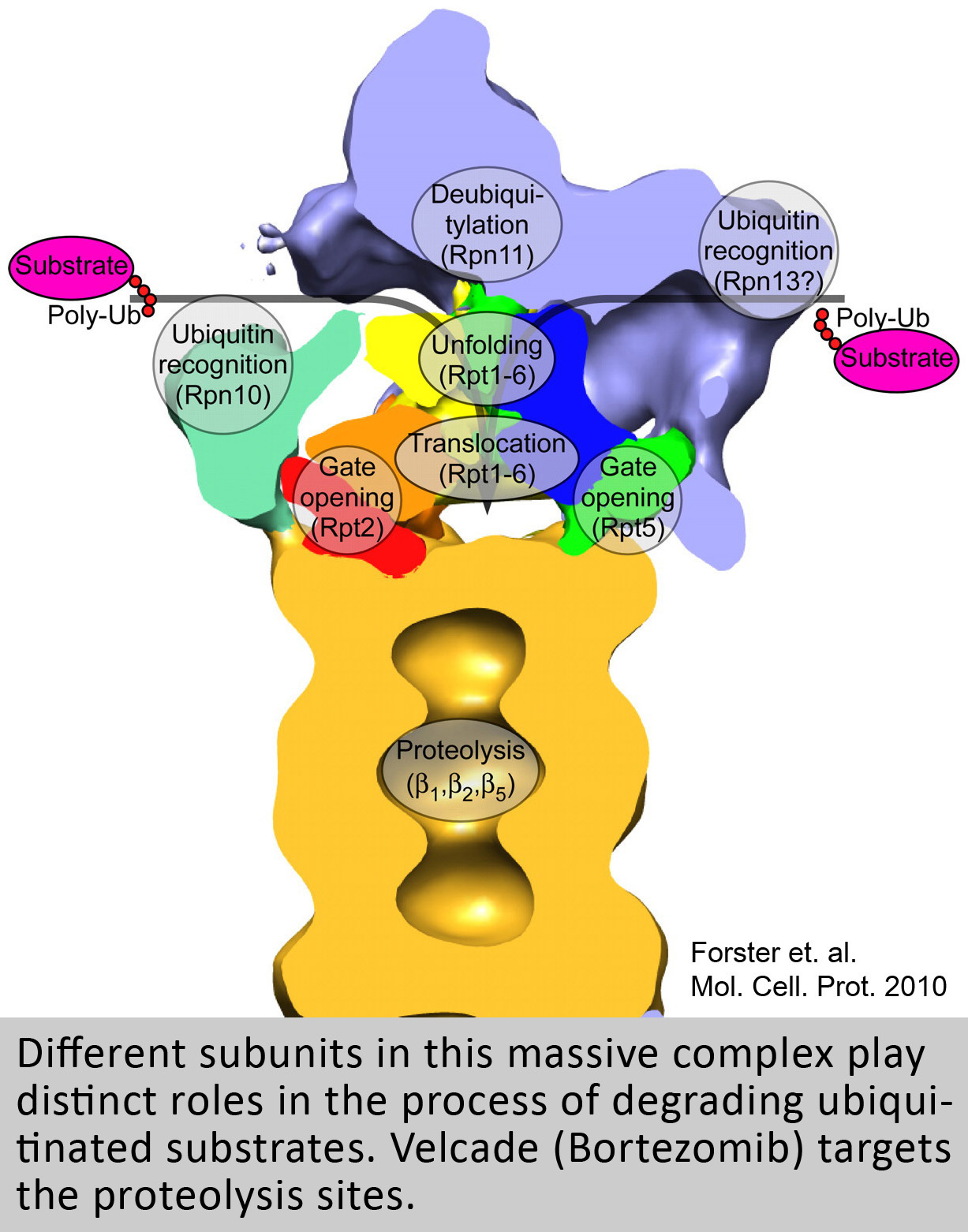
David M. Smith is a Professor at the West Virginia University School of Medicine , holding dual appointments in the Biochemistry and Molecular Medicine and Neuroscience departments. He is also a member of the WVU Cancer Institute and affiliated with the Rockefeller Neuroscience Institute . PhD from the University of South Florida School of Medicine Postdoctoral training at Harvard Medical School Research Focus : Molecular mechanisms of proteasome function, including substrate recognition, unfolding, and degradation. His work bridges fundamental enzymology with translational applications in cancer therapy and neurodegenerative diseases like Alzheimer's and Parkinson's. Key Article Trends : Recent publications emphasize proteasome activation mechanisms , neurodegenerative disease models , and structural insights into ATPase function . Grants : NIH R01 GM107129 (Mechanisms regulating proteasomal degradation), NIH R01 AG064188 (Proteasome function in Alzheimer's), and collaborations on projects like Protein-unfolding chaperones for blindness treatment . Lab Personnel : Includes graduate students Thomas Bradley, David Salcedo-Tacuma, Giovanni Howells, and Md Qamrul Islam, along with research technicians and undergraduates. Training emphasizes biochemical, biophysical, and computational techniques.
Caroline Ketcham is a Professor of Exercise Science and the Associate Dean of Elon College, the College of Arts and Sciences at Elon University. Her research focuses on movement neuroscience, neurodiversity, concussions, and mental health, with expertise in neuromusculoskeletal control and rehabilitative strategies across diverse populations including children, elderly, neurological patients, and athletes. Education: PhD in Exercise Science/Motor Control, Arizona State University (2003) MS in Exercise Science/Motor Control, Arizona State University (1999) BA in Biology/Psychology, Colby College (1996) Her work spans motor control, concussion management, and mental wellness, with over 87 undergraduate mentees and 65+ publications. She co-edited Concussion in Athletics and Cultivating Capstones , and co-directs the Elon BrainCARE Research Institute, which advocates for concussion awareness and mental health. Recent research trends include concussion baseline testing as mental health screening, dual-task gait analysis, and global mentoring frameworks. Scientific awards highlight her contributions: Distinguished Scholar (2023), Ward Family Mentoring Award (2017), and multiple teaching distinctions. Scientific Awards: Distinguished Scholar Award (2023), Elon University Ward Family Excellence in Mentoring Award (2017), Elon University Elon College Service Award (2014), Elon University School of Education Excellence in Scholarship Award (2010), Elon University Teacher of the Year (2007), Texas A&M University She actively mentors students in concussion advocacy and neurodiverse movement research, with hundreds advised in health professions. Her labs focus on neuromuscular control and mental wellness initiatives.
Maria Chiara Passolunghi is a Full Professor in Developmental and Educational Psychology (MPSI/04) at the University of Trieste's Department of Life Sciences. She serves as a member of the Department's Board, Boards of Studies, and multiple Doctoral Studies Boards for the Neural and Cognitive Sciences program across various cycles (XXVIII-XXXIX). She leads the Evolutivamente LAB research group focused on typical and atypical development during the lifespan within the Psychology research area. Her primary research interests center on developmental mathematics and mathematics learning disabilities in children, with particular focus on working memory and mathematical cognition. Her work spans five main research lines: precursors of mathematical learning and their training, math-gender stereotypes, the Approximate Number System and its relationship with mathematics, math anxiety, and Executive Functions in both typical and atypical development. She investigates cognitive and emotional aspects involved in mathematical learning, with emphasis on early identification of risk factors and development of intervention programs. Analysis of her recent publications reveals consistent focus on mathematical cognition, with particular attention to the intersection of cognitive and emotional factors in mathematical learning. Her work demonstrates strong emphasis on practical applications, including development of training programs for math anxiety, executive function interventions, and assessment tools for early identification of mathematical learning disabilities. The research spans diverse populations including typically developing children, those with mathematical learning disabilities, and children in highly deprived contexts such as Yazidi genocide survivors. Professor Passolunghi has secured significant research funding from multiple sources including A.B.C. Associazione per i Bambini Chirurgicos del Burlo Onlus, Auxilia Onlus, AIPD Associazione Italiana Persone Down, and Fondazione Beneficientia Stiftung. She also collaborates with institutional partners including Trieste Town Hall, Region FVG, and I.R.C.C.S. Burlo Garofolo of Trieste on various projects related to cognitive development, math learning, and interventions for at-risk populations. She leads the Evolutivamente LAB research group which includes Researcher Sandra Pellizzoni and PhD students Chiara De Vita, Martina Fontana, and Marjia Zivkovic. The lab focuses on exploring domain-specific and domain-general abilities involved in learning, with particular emphasis on precursors of mathematical ability and disability, working memory and number sense training, and emotional-motivational factors influencing learning disabilities. Current projects include studies on math anxiety in early primary school and development of specific training programs.
Edith C. H. Ngai is an Associate Professor in the Department of Information Technology at Uppsala University, Sweden. She leads the Smart City Arena initiative and serves as project leader for the national GreenIoT project on energy-efficient IoT for sustainable city development funded by Vinnova. Her academic career spans multiple prestigious institutions including Chinese University of Hong Kong, Imperial College London, Simon Fraser University, UCLA, and Tsinghua University. Dr. Ngai's research focuses on Internet-of-Things, mobile crowdsensing, network security and privacy, cloud computing, and data analytics, with particular applications in smart cities and healthcare. Her work bridges theoretical foundations with practical implementations for sustainable development. She has pioneered research in energy-efficient IoT systems, data privacy in participatory sensing, and mobile health monitoring applications. Her recent publications demonstrate strong trends in IoT for smart cities, privacy-preserving techniques in social sensing, and energy-efficient data collection systems. The research spans both theoretical contributions and practical implementations, with applications ranging from urban environmental monitoring to healthcare solutions. Her work consistently addresses the tension between functionality and privacy in connected systems. Professional recognition includes: ACM Senior Member (2016) IEEE Senior Member (2015) ACM/IEEE IPSN Best Paper Runner-Up (2013) IEEE IWQoS Best Paper Runner-Up (2010) VINNMER Fellow from Swedish government agency (2009) Dr. Ngai actively mentors PhD and Master's students, with numerous graduates working at leading technology companies including Google. She serves as Associate Editor for IEEE Access, IEEE Transactions on Industrial Informatics, and IEEE Internet-of-Things Journal. Her current research projects include EU SimpliCITY, EU CRUNCH, and the GreenIoT platform for sustainable development, with funding from European Commission, Swedish Research Council, and Vinnova. She leads the Uppsala Urban Computing Lab, which focuses on IoT and mobile crowdsensing for smart cities, network security and data privacy, and smart sensing for healthcare applications. The lab develops integrated decision support tools for smart cities and citizen engagement platforms.
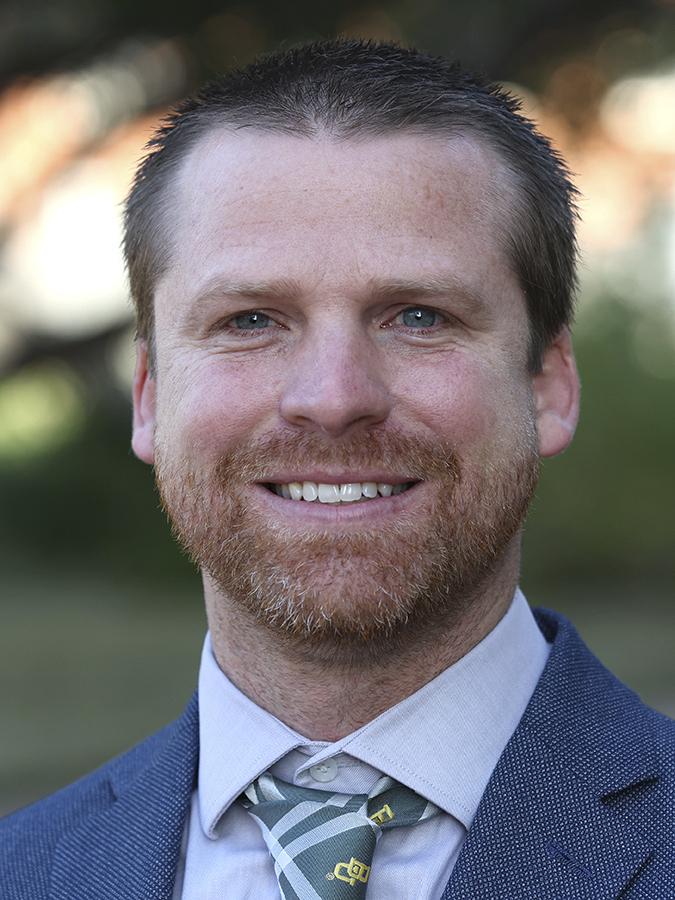
Dr. Cory Smith is an Assistant Professor in the Department of Health, Human Performance, and Recreation at Baylor University, where he directs the Human & Environmental Physiology Laboratory. His applied physiology research focuses on neurophysiological assessment methodologies, extreme environment adaptations, and sensor-based physiological monitoring systems. Current projects examine neuromuscular disease diagnostics, warfighter performance optimization, and cognitive-physiological responses in austere environments through translational research approaches. Primary research interests include: Aerospace/environmental physiology : Investigating human responses to hypoxia, cold, and gravitational stressors Neurophysiological monitoring : Developing fNIRS/EMG methodologies for clinical and tactical applications Sensor data fusion : Integrating multimodal physiological signals for performance assessment Muscle fatigue mechanisms : Studying neuromuscular adaptations during exertion under environmental constraints Analysis of recent publications (2022-2025) reveals dominant themes in neurophysiological monitoring techniques (particularly fNIRS applications), environmental stressor impacts on human performance, and rehabilitation physiology. Research consistently bridges clinical applications (neuromuscular diseases, cerebral palsy) with tactical performance optimization (marksmanship, combat fitness). Methodological innovations in EMG signal processing and hypoxia protocols form significant technical throughlines. Dr. Smith leads a research team collaborating with clinical practitioners to translate physiological insights into practical interventions for military personnel, occupational workers, and clinical populations.
Laura E. Martin, PhD, is a Professor in the Department of Population Health at the University of Kansas Medical Center (KUMC) and serves as the Executive Associate Director at Hoglund Biomedical Imaging Center. Her academic journey began with undergraduate training in psychology and dance at the University of Kansas, followed by a Ph.D. in psychology with an emphasis in cognitive neuroscience from Rice University, and a postdoctoral fellowship at KUMC. Dr. Martin is a cognitive neuroscientist whose research focuses on applying neuroimaging methods to understand health behaviors, particularly addictive behaviors such as smoking and eating. Her work examines self-regulation, impulsivity, reward processing, and decision making through functional neuroimaging techniques. As Executive Associate Director at Hoglund Biomedical Imaging Center, she provides technical expertise to investigators and trainees interested in incorporating neuroimaging into their research programs. Her collaborations span diverse areas including aging, depression, obesity, gambling, social neuroscience, decision-making, resting state fMRI, and neuroeconomics. Her research is currently funded by the National Institutes of Health, with a recent focus on using guided episodic future thinking to increase physical activity adherence and promote healthy brain aging among mid-life adults. Dr. Martin is passionate about mentoring students at all levels and sharing her enthusiasm for research methodology, critical evaluation of research, and appropriate method selection for specific research questions. Current research emphasizes health neuroscience examining how health behaviors change the brain and how the brain can be changed to change health behaviors Leads and contributes to team science approaches addressing complex research questions Helps conceptualize research projects and brings specialized data collection and analytic tools to interdisciplinary teams Dr. Martin has published extensively in high-impact journals, with recent work focusing on dementia prevention, neuroimaging methodology, eating disorders, addiction research, and physical activity interventions. Her approach combines cognitive neuroscience with practical applications for improving health behaviors across the lifespan. As an educator and mentor, Dr. Martin works with trainees from high school to faculty level, emphasizing the integration of neuroimaging research with broader research questions and training students in research methodology and critical thinking.
Chris Hammond serves as the Frost Professor of Ophthalmology at King's College London's Faculty of Life Sciences & Medicine, School of Life Course & Population Sciences, and has been Head of Section for Ophthalmology Research since 2011. He is also a Consultant Ophthalmologist specializing in pediatric ophthalmology and squint surgery at St Thomas' Hospital, demonstrating a strong clinical-academic integration in his career. Professor Hammond's research primarily focuses on the genetic basis of common eye diseases including glaucoma, myopia, dry eye disease, and age-related cataract. His work integrates twin research methodologies with advanced genomic approaches to understand the heritability and genetic factors underlying these conditions. He has established himself as one of the leading scientists in ophthalmic genetics through groundbreaking research showing that many age-related eye diseases have significant genetic components. His publication record reveals a strong emphasis on large-scale genetic studies, particularly utilizing the UK Biobank resource. His research spans from basic genetic discovery to clinical applications, with particular focus on dry eye disease mechanisms, myopia development pathways, and glaucoma genetics. The work consistently involves international collaborations across multiple institutions. Professor Hammond actively leads research teams focused on ophthalmic genetics, with his laboratory work centering on understanding the genetic architecture of eye diseases through twin studies and genome-wide association studies. His research has important implications for developing better prevention strategies and personalized treatment approaches for common eye conditions.
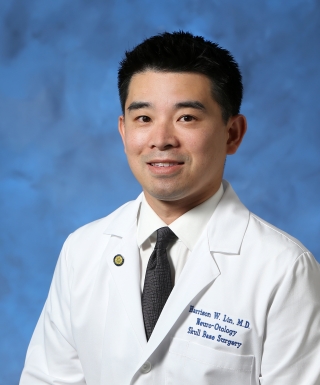
Harrison W Lin, MD is an Associate Professor in the Department of Otolaryngology-Head and Neck Surgery at the University of California, Irvine School of Medicine . He is a board-certified otolaryngologist with clinical expertise in hearing disorders, skull base surgery, and facial paralysis. Dr. Lin is a principal investigator at the UC Irvine Center for Hearing Research , focusing on translating basic science findings into clinical trials. Medical Education: Keck School of Medicine, University of Southern California Residency: Harvard Medical School Fellowship: UC San Diego School of Medicine Dr. Lin's research interests span hearing and balance disorders , neurotology , and skull base tumors . He investigates acoustic neuromas , meningiomas , cochlear implants , and facial nerve repair . His publications (over 50) focus on head and neck surgery , hearing loss , and ENT clinical case studies . Recent works include studies on sensorineural hearing loss , pediatric parapharyngeal tumors , and impact of dizziness on geriatric patients . Dr. Lin has received the Physicians of Excellence award from the Orange County Medical Association in 2019 and 2021-2023 . He leads clinical trials for auditory and vestibular disorders and contributes to medical education through pathology quiz case reports . As a principal investigator at the UC Irvine Center for Hearing Research , Dr. Lin's lab focuses on hearing restoration and balance disorder management . He also serves as a clinical mentor for otolaryngology trainees and contributes to pediatric ENT and head and neck oncology literature.
Andreas Fink serves as a University Professor at the Institute of Psychology within the Faculty of Natural Sciences at Karl-Franzens-University Graz, Austria. His research bridges cognitive neuroscience, psychology, and sports science with a particular emphasis on understanding the neurobiological foundations of creative thinking and emotional processing. As a leading figure in creativity neuroscience, Professor Fink employs advanced methodologies including EEG, fMRI, and ambulatory monitoring to investigate how physical activity influences brain function and cognitive performance. His work has significant implications for mental health interventions and cognitive enhancement strategies across various populations. Professor Fink's research interests center on three interconnected domains: biological mechanisms of cognitive and affective functions, creativity neuroscience, and the relationship between physical activity and brain health. His laboratory investigates how physical exercise influences neural processes related to creativity, emotion regulation, and cognitive performance through both basic neuroscience research and applied interventions. A hallmark of his approach is examining EEG alpha power during creative ideation tasks while simultaneously exploring how running, dance, and other physical activities can improve mental health outcomes and cognitive functioning. His work spans from laboratory-based experimental designs to real-world interventions with ecological validity. Analysis of Professor Fink's recent publication trajectory reveals a sophisticated evolution in his research focus, with increasing emphasis on the intersection of physical movement, brain function, and creative cognition. His work has progressively incorporated more ecologically valid approaches using ambulatory monitoring to study creativity in natural contexts, while maintaining rigorous neuroscience methodology. A consistent theme across his publications is neuroplasticity, particularly how physical exercise interventions induce structural and functional brain changes, with special attention to hippocampal volume and white matter integrity. His research has expanded to explore specialized forms of creativity including malevolent creativity and the nuanced relationship between everyday movement patterns and creative cognition. 2009 Psychology Prize for innovative scientific or practical work for his habilitation thesis 'The neuroscientific study of creative thinking' from the Professional Association of Austrian Psychologists (BÖP) and the Austrian Psychological Society (ÖGP) Professor Fink currently leads multiple significant research initiatives funded by the Austrian Science Fund (FWF), including 'Neuronal mechanisms underlying the generation of creative solutions in complex environments' (2016-2018), 'Running Away From Depression with Your Brain and Your Heart' (2022-2025), and 'Dance and Brain' (2024-2026). These projects demonstrate his commitment to translating basic neuroscience findings into practical interventions for mental health. While specific doctoral students aren't listed in the provided materials, his position as a full professor and principal investigator on multiple grants indicates active mentorship of junior researchers and graduate students. His collaborative approach is evident through interdisciplinary partnerships spanning psychology, neuroscience, sports science, and clinical practice. Professor Fink is an active member of the 'Complexity of Life' profile area at the University of Graz and participates in the 'Brain and Behavior' research network. His laboratory environment fosters interdisciplinary collaboration, bringing together researchers from diverse backgrounds to tackle complex questions about the brain-mind-body connection. Current projects suggest his team employs a multimodal approach combining neuroimaging, physiological monitoring, behavioral assessments, and intervention studies to comprehensively investigate how physical activity influences brain function and creative cognition. His 'Running Away From Depression' project exemplifies his translational research focus, directly connecting basic neuroscience findings to clinical applications for mental health improvement.
Eva Lindberg is a Professor at the Department of Medical Sciences , Uppsala University , specializing in Lung, Allergy, and Sleep Research . She has contributed extensively to understanding the interplay between sleep-related disorders and respiratory/cardiovascular health. Research Themes : Sleep apnea, COPD, asthma, cardiometabolic risks, population-based studies. Key Collaborations : RHINESSA, SCAPIS, MUSTACHE cohorts. Her 2025 publications focus on cardiovascular consequences of sleep apnea, proteomic associations in lung disease, and cancer risks linked to nocturnal breathing disorders. Earlier work (2024–2022) examines obesity, physical activity, and environmental factors in sleep and respiratory health. Eva Lindberg is actively involved in clinical trials for sleep apnea interventions, including behavioral medicine and device-based therapies. She emphasizes sex-specific differences in sleep disorder diagnosis and outcomes.