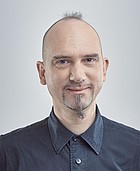
Xinqiao Jia is a Professor in the Department of Materials Science and Engineering at the University of Delaware. Her research focuses on designing advanced biomaterials for medical applications, including drug delivery systems, tissue engineering, and cancer therapy. She leads a research group developing functional biointerfaces, mechano-responsive hydrogels, and biomimetic matrices for regenerative medicine. Key research areas include salivary gland and vocal fold regeneration, cancer tissue modeling, and elastin-mimetic polymers. Notable achievements include the synthesis of hyaluronic acid-based hydrogels and the development of bioorthogonal chemistry techniques for dynamic material tuning. Awards include the NSF CAREER Award (2007), DuPont Young Professor Award (2010), and multiple accolades from the American Chemical Society. Grants & Funding: NSF CAREER Award, NCI grants, University of Delaware Research Foundation support. Labs/Teams: Jia Research Group focuses on biomaterials engineering, with collaborations in cancer biology, drug delivery, and regenerative medicine. Future Work: Advancing bioorthogonal materials for real-time in vivo modulation and scalable production of functional matrices.
Pedro Estrela is a Professor in the Department of Electronic & Electrical Engineering at the University of Bath, where he directs the Centre for Bioengineering & Biomedical Technologies (CBio). His research focuses on developing label-free electrical biosensors and chemical sensors for applications in medical diagnostics and environmental monitoring. Key areas include electrochemical impedance spectroscopy, nanobiosensors, microfluidics, and organ-on-chip technologies. Prof. Estrela holds a Doctor of Philosophy in Physics from the University of Amsterdam and a Master of Physics in Condensed Matter Physics from the University of Lisbon. His multidisciplinary work involves collaborations with engineers, chemists, biologists, and clinicians. Recent publications demonstrate strong emphasis on nanotechnology-enabled diagnostic platforms, including SARS-CoV-2 detection systems, sepsis biomarkers quantification, and transdermal microneedle devices. Research trends indicate increasing integration of nanomaterials, CRISPR technology, and additive manufacturing for developing point-of-care diagnostics. The work consistently addresses global health challenges through innovations in rapid testing and environmental surveillance. Prof. Estrela leads multiple collaborative projects in water monitoring and nanomedicine, supported by substantial research grants. His laboratory focuses on translating fundamental discoveries into practical biomedical solutions through industry partnerships.
Wenting Shao is a Research Fellow in the Department of Chemistry, specializing in advanced nanotechnology and biosensor development. Her work focuses on integrating carbon nanotubes and metal-organic frameworks into high-sensitivity detection systems for environmental monitoring, biomedical diagnostics, and drug analysis. Notable research includes fentanyl detection using machine learning-enhanced sensors, rapid SARS-CoV-2 antigen screening, and stress hormone analysis through nanoelectronic platforms. Her research interests span nanomaterials synthesis, electrochemical sensing mechanisms, and biomedical applications of nanotechnology. She has developed innovative sensor designs such as carbon nanotube-based field-effect transistors (FETs) and automated electrolyte-gate systems for multi-sensor screening. Publications highlight contributions to drug detection (e.g., fentanyl and norfentanyl), pathogen diagnostics (tuberculosis), and endocrine system monitoring (stress hormones). Her work bridges material science with clinical applications, emphasizing practical solutions for environmental and healthcare challenges.
Leonardo PUPPULIN is a Researcher at the Department of Molecular Sciences and Nanosystems, Ca' Foscari University of Venice. He specializes in Physical Chemistry, with a focus on nanoscale material characterization, biomaterials, and sustainable chemistry. His work includes advanced microscopy techniques such as high-speed atomic force microscopy (HS-AFM) to study biological systems, molecular dynamics, and material degradation mechanisms. He oversees laboratory safety and teaching activities, including courses in Physical Chemistry, Colloids and Interfaces, and Electron Microscopy techniques at both undergraduate and doctoral levels. Research interests span diverse areas: Dynamic imaging of proteins and channels (e.g., TRPV1, TMEM16F) using HS-AFM Development of protective silica-based coatings for cultural heritage artifacts Upcycling chitin into catalytic materials for green chemistry applications Biomedical materials analysis, particularly polyethylene and ceramic implants Optical properties of nanomaterials like NaBiF4 for photonics applications Teaching responsibilities include laboratory supervision and theoretical modules for Chemistry and Nanomaterials programs. He collaborates on interdisciplinary projects combining physical chemistry with biomedical and environmental applications. His 15 most recent articles (2023–2025) highlight advancements in HS-AFM imaging, nanomaterial synthesis, and biomaterial degradation studies, reflecting a strong emphasis on experimental techniques and interdisciplinary applications.
Dr. Candan Tamerler is a Professor in the Department of Mechanical Engineering at the University of Kansas and Track Director for the Biomaterials & Tissue Engineering graduate program. She also holds the Wesley G. Cramer Professorship and serves as the Associate Vice Chancellor for Research at KU. Current Affiliations Professor, Mechanical Engineering, University of Kansas (since 2013) Track Director, Biomaterials & Tissue Engineering, KU Graduate Program Associate Vice Chancellor for Research, University of Kansas Past Affiliations Research Professor, Materials Science & Engineering, University of Washington Assistant Director, Genetically-Engineered Materials Science & Engineering Center, University of Washington Full Professor, Molecular Biology & Genetics Department, Istanbul Technical University (2002-2010) Visiting Professor, Materials Science & Engineering, University of Washington Dr. Tamerler's research focuses on molecular biomimetics and bio-nanotechnology, developing bio-enabled materials for dental and biomedical applications. Her work bridges molecular biology with materials science to engineer peptide-based interfaces for tissue repair, antimicrobial surfaces, and enzyme immobilization systems. Recent publications highlight her innovations in dental biomaterials, collagen mineralization, and computational design of peptides. Key themes include autonomous strengthening adhesives, bio-nanoreactors, and machine learning approaches to antimicrobial peptide engineering. Scientific Awards Principal Member, Turkish Academy of Sciences Visiting Scientist, University of Westminster Visiting Professor, University of Nagoya Dr. Tamerler has organized international symposia for the American Chemical Society and TMS, and previously founded a multidisciplinary research center at Istanbul Technical University, securing funding for its 40,000 sq. ft. facility.
Devid Maniglio is an Associate Professor at the Department of Industrial Engineering, University of Trento. His research focuses on bioengineering, biomaterials, and tissue engineering, with a particular emphasis on bioprinting, surface modification, and functional materials. He has contributed to advancements in silk fibroin and hydrogel-based systems for medical applications. Research Interests Bioengineering for personalized medicine Biomaterials and surface engineering 3D bioprinting and tissue regeneration Molecular imprinting and biosensors Drug delivery and cell encapsulation Teaching Diagnostic and therapeutic technologies for personalized medicine Engineered materials for precision medicine Fundamentals of biomedical technologies Functional surfaces laboratory Labs & Collaborations Devid Maniglio is affiliated with the Functional Surfaces Laboratory at the University of Trento, collaborating with researchers such as Stefano Rossi and Flavio Deflorian. His work integrates interdisciplinary approaches in biomedical engineering and sustainable medical technologies.
Andrea D. Merg is an Assistant Professor in the Department of Chemistry and Biochemistry within the School of Natural Sciences at the University of California, Merced. He leads the Merg Lab, which focuses on the design and fabrication of nanoscale materials derived from the self-assembly of sequence-programmable biomolecules including peptides, proteins, and nucleic acids. Dr. Merg received his B.S. in Chemistry from Winthrop University in 2010, completed his Ph.D. at the University of Pittsburgh in 2017 working on peptide-based methods for directing gold nanoparticles, and conducted postdoctoral research at Emory University until 2020. His research spans multiple disciplines including peptide chemistry, materials chemistry, supramolecular chemistry, materials science, and bioengineering. The Merg Lab develops rational approaches for creating bionanomaterials with predetermined physical and chemical properties, with applications in biosensors, drug delivery, and catalysis. Their work addresses the outstanding challenge of developing supramolecular architectures with hierarchical physical and chemical control across length-scales. Analysis of Dr. Merg's recent publications reveals a strong focus on peptide-based nanomaterials, particularly collagen-mimetic structures and coiled coil peptide assemblies. His research demonstrates expertise in creating programmable biomolecular building blocks that enable precise control over nanoscale architecture formation. The work combines synthetic chemistry, biophysical characterization, and computational modeling to understand and design novel biomaterials. NSF grant CHE-2316870 for fundamental research ARO grant W911NF-23-1-0365 NSF grant for developing aCMP frameworks NSF-CREST fellowship supporting graduate student Anthony R. Perez Dr. Merg actively mentors graduate and undergraduate students, with Anthony R. Perez being the first Ph.D. student to successfully defend his dissertation in the Merg Lab. The lab maintains strong outreach efforts, including visits to local high schools to promote STEM careers. Current research directions include developing mesoporous peptide frameworks, expanding the coiled coil assembly toolkit, and engineering shape-shifting peptide nanomaterials with responsive properties.
Dr. Markus Klapper is a Project Leader in the Department of Synthetic Chemistry at the Max Planck Institute for Polymer Research. With over three decades of research experience since receiving his doctorate in 1990, he has established himself as a leading expert in polymer chemistry and materials science. His work bridges fundamental polymer science with practical applications in energy, nanotechnology, and biomedicine. Dr. Klapper received his chemistry education at the University of Mainz, where he completed his doctorate in 1990 under the supervision of Prof. R.C. Schulz. His doctoral research focused on the synthesis and topochemical polymerization of aminodiacetylenes. Following his doctoral studies, he joined the Max Planck Institute for Polymer Research, where he has remained throughout his career, advancing to his current position as Project Leader. Dr. Klapper's research program centers on innovative polymer synthesis methodologies and their applications. His primary interests include developing new polycondensation and polymerization processes, creating functional polymers and block copolymers through polymer-analogous reactions, and engineering materials for specific applications. Much of his recent work focuses on polymerization of olefins in heterogeneous phases, where he has developed novel organic supports and investigated their polymerization behavior. He has also pioneered the development of non-aqueous emulsions suitable for polymerizing water-sensitive monomers, opening new avenues for creating specialized polymer materials. His research on hydrophobization of inorganic nanoparticles has led to materials with applications in water-repellent coatings and surfaces. His recent publication record demonstrates a strong trajectory of impactful research, with publications spanning nanotechnology, polymer science, materials engineering, and biomedical applications. The research themes evident in his recent work include nanoparticle-polymer hybrid systems, advanced polymer architectures like bottlebrush polymers and triblock terpolymers, and the development of materials for energy applications such as fuel cells. His collaborative work extends across multiple disciplines, with publications in high-impact journals across chemistry, materials science, and nanotechnology. Dr. Klapper's research has significant implications for multiple fields, particularly in developing advanced materials for energy applications (particularly fuel cells), creating novel nanoparticle systems for biomedical applications, and advancing fundamental understanding of polymerization processes. His work on hydrophobization of inorganic nanoparticles has potential applications in creating water-repellent surfaces and coatings, while his research on non-aqueous emulsions opens new possibilities for synthesizing sensitive polymer systems.
Professor Daniel Simon is the Head of Unit and Principal Investigator in the Laboratory of Organic Electronics (LOE) at Linköping University (LiU). He leads research in organic bioelectronics, focusing on iontronics, conductive polymers, and bioelectronic interfaces. His work bridges electronics and biology, enabling applications in neural modulation, drug delivery, and plant electrophysiology. Simon holds a PhD in Physics from UC Santa Cruz (2007) and advanced through roles at LOE from postdoc (2007–2011) to Assistant (2013–2016), Associate (2016–2022), and full Professor (2022). He also oversees the Wallenberg Initiative Materials Science for Sustainability (WISE). His research spans iontronic pumps for targeted chemotherapy, electronic plant growth control, and neuroelectronic devices. Key projects include implantable ion pumps for brain tumor treatment, lipid membrane-integrated electronics, and biohybrid systems using conductive hydrogels. Collaborations involve Karolinska Institute, Umeå Plant Science Centre, and industry. Notable achievements include the first supercapacitor in plants, microfabricated ion pumps for epilepsy relief, and enzyme-mediated polymerization techniques. His work emphasizes translational bioelectronics, with applications in personalized medicine and sustainable materials.
Ashwin Natarajan is a doctoral candidate and researcher at the Department of Neuroscience and Biomedical Engineering (Aalto University). His work focuses on DNA/RNA nanostructures, self-assembly, and advanced microscopy techniques. Doctor of Technology (Tekn. toht.), Aalto University (2023) Master's in Engineering and Technology, Anna University (2017) Research spans DNA origami , RNA polyhedra , and nanostructure stability , with applications in biomolecular analysis and transmission electron microscopy . Articles highlight 3D nanofabrication , dynamic DNA systems , and protein-nanoparticle interactions . Received the NBE Best Paper Award (2022) for advances in DNA origami techniques. Collaborated with institutions including Max-Delbrück-Centrum , University of Würzburg , and INSERM U1184 .
Francesca Cecchet is a Researcher at the University of Namur, Belgium, affiliated with the Namur Institute of Structured Matter (NISM) and Namur Research Institute for Life Sciences. She manages the Technological Platform Morphology - Imaging and serves as Principal Investigator for multiple research projects including PHOENIX and the National Recovery and Resilience Plan's energy transition research platform. Dr. Cecchet earned her Doctor of Sciences degree in 2003 from the University of Namur with a thesis on ordered, functional, and switchable films of benzylic amide macrocycles and rotaxanes. She completed her DEA in Physics and Material Chemistry in 2000 and Master's in Chemistry in 1999, both at the University of Namur. Her research focuses on nonlinear optical spectroscopy , particularly sum-frequency generation techniques applied to biological interfaces. She investigates nanoparticle-lipid membrane interactions , interfacial water behavior , and biohazard detection methods. Her work bridges physics, chemistry, and life sciences with applications in nanotoxicology and biosensor development. Her fingerprint shows strong expertise in spectroscopy (100%), sum-frequency generation (93%), surfaces (65%), self-assembled monolayers (47%), and lipid-nanoparticle interactions. Analysis of her 15 most recent publications reveals a consistent trajectory in interface-sensitive vibrational spectroscopy with increasing focus on quantitative detection methods and real-world applications . Her 2024-2025 work demonstrates how optical responses can be leveraged for label-free detection of biohazards, while earlier publications established fundamental understanding of molecular organization at bio-interfaces. As a Principal Investigator, she leads significant research initiatives including PHOENIX (2024-2029), which explores how physics and computational intelligence can induce new historical paradigms, and the National Recovery and Resilience Plan's energy transition research platform (2022-2025). She has supervised multiple theses and managed research equipment including atomic force microscopy platforms. Dr. Cecchet actively contributes to the scientific community through numerous invited talks and conference participations, with recent presentations focusing on nano-bio-interfaces and vibrational spectroscopy applications. Her research platform serves as an expert resource for molecular system synthesis and nanostructured material characterization.
Prof. Dr. Andreas Herrmann is a Visiting Professor at the Freie Universität Berlin, affiliated with the Department of Biology, Chemistry and Pharmacy, and the Chemistry and Biochemistry division. He contributes to research in dynamic hydrogels, polymeric nanosystems, and biomedical materials. Research Interests: Development of sialylated nanogels for influenza A virus inhibition Design of heteromultivalent nanostructures for broad-spectrum antiviral activity Biocatalytic nanomaterials for bacterial disinfection Supramolecular carbohydrate-functionalized graphene derivatives for bacterial capture Thermoresponsive hydrogels for iPSC expansion and release StemGel technology for cartilage regeneration His work intersects polymer chemistry, virology, and biomedical engineering, focusing on creating sustainable solutions for disease treatment and diagnostics. Recent projects include tumor-targeting micelles and aqueous solubilization systems.
Gang Fan is an Assistant Professor in the Department of Chemical Engineering at the University of Rochester's Hajim School of Engineering and Applied Sciences. His research bridges microbial engineering and chemical engineering to develop sustainable polymer solutions, focusing on bio-inspired approaches to create environmentally friendly plastics and improve polymer industry sustainability through microbial systems. Research interests center on developing biohybrid systems for sustainable materials synthesis and environmental applications. Key areas include catalytic bio-nano interfaces for CO2 conversion, microbial synthesis of functional polymers, tunable nanocoatings for biological protection, and electrode design for electrochemical biosensing. The work combines synthetic biology with materials chemistry to create innovative solutions for plastic upcycling and environmental remediation. Publications demonstrate consistent focus on bio-electrochemical systems and functional nanomaterials, with recent advances in DNA-directed catalysis, microbial protection technologies, and sustainable polymer synthesis. The research trajectory shows increasing integration of biological systems with engineered materials for environmental applications. Awards and Honors: ACS PMSE Future Faculty Scholar (2022) Chemical Engineering Research Grant, MIT (2021-2022) Procter & Gamble Poster Competition Award: First Place, UT Austin (2019) Finalist for Excellence in Graduate Polymer Research, AIChE (2018) Paper of the Year Award, UT Austin (2018)
Jose Gabriel Martinez Gil is an Associate Professor at Linköping University, affiliated with the Department of Physics, Chemistry and Biology (IFM) and the Sensor and Actuator Systems (SAS) research unit. His work focuses on electroactive materials, particularly conducting polymers, for applications in soft robotics and multifunctional devices. Education: PhD in Electrochemistry from Universidad Politécnica de Cartagena (2015) Current Role: Research Fellow at Linköping University His research addresses the limitations of traditional rigid robotics by developing soft, lightweight actuators that mimic biological systems. These materials undergo reversible changes in volume, color, and porosity, enabling innovations like soft exoskeletons and glucose-powered artificial muscles , as highlighted in 2019 and 2022 news items. Recent publications emphasize double coiled yarn actuators , bioelectroactive surfaces , and 3D-printed textile actuators . These studies explore electro-chemo-mechanical processes and material optimization for soft robotics. Awards include recognition for his PhD dissertation as the best at Universidad Politécnica de Cartagena and the Antonio Aldaz award from the Spanish Royal Society of Chemistry. He is part of the Bionics and Transduction Science unit and the interdisciplinary Forum Scientium Graduate School , reflecting his multidisciplinary background in electronics, robotics, and electrochemistry.
Dr. Manfred Maitz serves as a Research Fellow and Group Leader at the Leibniz Institute of Polymer Research Dresden (IPF), specifically within the Max Bergmann Center of Biomaterials under the Division Polymer Biomaterials Science. He holds a secondary appointment as Guest Professor at Southwest Jiaotong University's School of Materials Science and Engineering in Chengdu, China, where he conducts annual research stays. His career spans institutions in Würzburg, Ulm, Magdeburg, Dresden, and Chengdu since the early 2000s. Dr. Maitz's research centers on hemocompatible surfaces for blood-contacting medical devices, with focus on feedback-responsive materials that regulate blood coagulation and inflammatory responses. His work targets critical applications including vascular stents, artificial heart valves, hemodialysis membranes, and extracorporeal circulation tubings. Recent publications demonstrate leadership in developing FXa-responsive hydrogels , heparin-releasing coatings , and platelet-mimetic surfaces that dynamically interact with blood components. Analysis of his 15 most recent articles (2023-2025) reveals dominant themes in stimuli-responsive anticoagulation , biomimetic surface engineering , and blood-material interaction mechanisms . His team frequently employs hydrogel-based delivery systems triggered by coagulation factors, with increasing focus on cancer-biomaterial interfaces and advanced in vitro blood models . Methodologically, his work bridges polymer chemistry, surface science, and translational hematology. As a recognized expert, he participates in the WTR (Working Group on Thrombosis and Hemostasis Research) at IPF and maintains active memberships in major societies including the Society for Biomaterials, German Society for Biomaterials, American Heart Association, and International Society on Thrombosis and Haemostasis. While specific awards aren't documented in the source material, his sustained leadership in high-impact journals like Nature Communications , Biomaterials , and Advanced Science underscores significant contributions to the field. Dr. Maitz's collaborative network spans Germany, China, and international institutions, with frequent co-authorship on vascular biomaterial projects. His group develops specialized in vitro blood flow models and hemocompatibility testing platforms that address limitations of static assays. Current work emphasizes clinical translation of responsive coatings for neurovascular implants and pancreatic cancer microenvironment modeling.