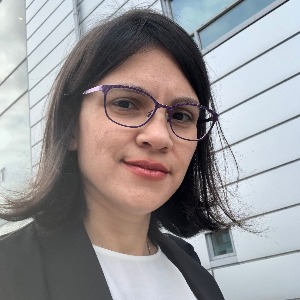
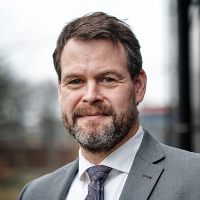
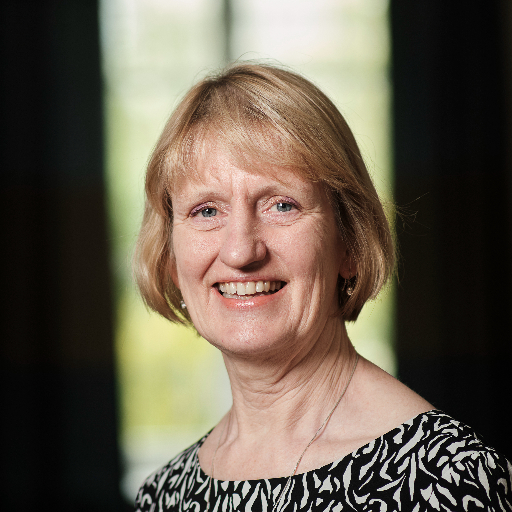
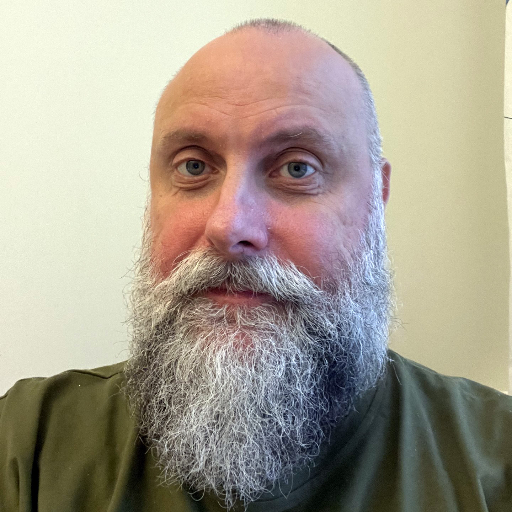
Kathryn Luker is a Researcher in the Department of Radiology at the University of Michigan Medical School, affiliated with the Biointerfaces Institute. She specializes in molecular imaging of cell signaling in cancer, developing fluorescence and bioluminescence tools for single-cell analysis of tumor microenvironments. BS in Chemistry (University of Kansas, 1987) PhD in Biochemistry & Molecular Biology (Washington University, 1993) Research Interests: Biochemical mechanisms of chemokine/growth factor signaling in cancer progression, autocrine/paracrine signaling, fluorescence/bioluminescence reporters, custom image analysis, and multiscale computational modeling of tumor environments. Her recent work focuses on CXCR4 inhibition in breast cancer immunotherapy, CX43 -mediated tumor-stroma interactions in bone marrow metastases, and machine learning approaches to decode cancer cell heterogeneity. She has received major grants from NIH, Army-DoD, and the W. M. Keck Foundation. Mentoring: Committed to team-based mentorship, she has co-mentored over 70 trainees across biology, medicine, engineering, and computational disciplines.
James Weiland is a Professor in Biomedical Engineering at the University of Michigan Medical School and holds a joint appointment as Professor in the Ophthalmology and Visual Sciences Center. He is also a Member of the Biosciences Initiative Center, Robotics Institute Center, and Biointerfaces Institute at the University of Michigan. His academic career spans multiple interdisciplinary fields bridging engineering and medicine. Weiland's primary research focuses on visual prosthetics and neural interfaces, particularly developing retinal and cortical prostheses to restore vision for individuals with retinal degenerative diseases. His work encompasses neural engineering, biomaterials, microfabrication of neural interfaces, computational modeling of neural responses to electrical stimulation, and clinical translation of visual prosthetic devices. He has made significant contributions to the development of carbon fiber microelectrodes, wireless neural stimulators, and patient-specific computational models for retinal prostheses. Analysis of Weiland's recent publications (2023-2025) reveals a strong emphasis on improving the spatial resolution and perceptual quality of visual prostheses through advanced electrode design, stimulation strategies, and computational modeling. His research spans from fundamental neural interface materials and fabrication techniques to clinical studies with Argus II retinal prosthesis users. Current work focuses on subcellular-scale carbon fiber electrodes, wireless neural stimulation systems, phosphene optimization, and understanding cortical plasticity in response to visual prosthetic use. Weiland has secured substantial research funding from NIH, NSF, and industry partners including Ford Motor Company. His active grants include projects on multi-modal navigation interfaces for the visually impaired, flexible carbon fiber neural interfaces, intraretinal stimulation for high acuity artificial vision, and brain-computer interfaces for speech restoration. His research program demonstrates a strong translational focus from basic neural engineering to clinical applications. Professor Weiland directs research in neural prosthetics and visual rehabilitation, with laboratory work spanning neural interface design, microfabrication, computational modeling, and clinical studies with visually impaired patients. His interdisciplinary team bridges engineering, neuroscience, and ophthalmology to advance visual prosthetic technology and understanding of the visual system in health and disease.
Anish Tuteja is a Professor of Materials Science and Engineering and Chemical Engineering at the University of Michigan. He is also a Center Member of the Biointerfaces Institute and the Weil Institute for Critical Care Research . His research focuses on surface engineering , icephobic coatings , antimicrobial materials , and fouling prevention . He has developed durable coatings for liquid/solid repellency, marine anti-fouling, and ice adhesion control, with applications in naval operations, solar energy, and biomedical devices. His recent publications highlight lubricant-infused surfaces , zwitterionic nanowires , and abrasion-resistant antifog coatings . Current projects include DARPA-funded work on biohybrid microrobots and Navy grants for ice-modulating materials in extreme environments.
Robert R. Johnson is a Senior Lecturer and Lab Coordinator in the Department of Physics and Astronomy at the University of Pennsylvania . His work combines undergraduate education with computational research on nanoscale and biophysical systems. He develops outreach programs promoting science education in Philadelphia and utilizes high-performance simulations to model molecular-scale phenomena with applications in nanotechnology, microbiology, and medicine. PhD in Physics (2009), University of Pennsylvania BS in Physics (2004), Pennsylvania State University Research focuses on computer modeling of nanoscale systems, particularly DNA-carbon nanotube hybrids and graphene-based biosensors . His simulations reveal structural and functional insights into these materials, enabling applications in electronic DNA sequencing , virus detection , and chemical sensing . Recent work explores 2D material transduction mechanisms and ultra-sensitive RNA diagnostics . Publications span nanoelectronics , biophysics , and computational nanotechnology , with notable contributions to understanding DNA-nanotube interactions and nanopore-based sensing. He is proficient in molecular dynamics and high-performance computing . Collaborations include the A.T. Charlie Johnson Group at UPenn and the Singh Center for Nanotechnology.
Xiao Huang is an Assistant Professor at the School of Biomedical Engineering, Science and Health Systems at Drexel University. He received his BS in Biological Sciences from Nanjing Agricultural University (2008), MS in Biochemical Engineering from East China University of Science and Technology (2011), and PhD in Chemistry and Materials from UC Santa Barbara (2016). His research focuses on engineering biomaterials to program immune cell fates for therapeutic applications. Education: PhD in Chemistry and Materials, UC Santa Barbara (2016) MS in Biochemical Engineering, East China University of Science and Technology (2011) BS in Biological Sciences, Nanjing Agricultural University (2008) His research develops innovative platforms using precision materials engineering to control immunotherapies. Projects include: Biomaterial toolkits for CAR-T cell phenotype programming Implantable "recharge stations" for T cell modulation Spatially precise in vitro tumor models to study immune infiltration His work integrates super-resolution imaging, gene editing, and synthetic biology to mimic natural cell-cell communication. Publications span top journals like Nature Nanotechnology and ACS Nano , with co-inventorship on two pending patents in biocompatible materials. Honors: 2022 BWF BioInterfaces Rising Star Award AAI Annual Meeting Abstract Award (2020-2021) UCSF-PBBR Fellowship (2017-2018) Li Foundation Fellowship (2017-2019) Dr. Huang advises graduate students and actively recruits trainees across academic levels. His lab pioneers implantable biomaterial systems and 3D tumor organoids for immune engineering breakthroughs.
Professor Kristina Hedfalk is a faculty member in the Department of Chemistry and Molecular Biology at the University of Gothenburg, where she leads research on membrane-bound proteins with particular focus on aquaporins. She serves as Mission Deputy Prefect at her department and heads the yeast expression node within Protein Production Sweden (PPS), a national research infrastructure established in 2022 that supports protein production for Swedish researchers. Her research group investigates the structure, function, and regulation of membrane proteins, with significant contributions to understanding aquaporin-mediated water and hydrogen peroxide transport. The laboratory specializes in overcoming the 'bottleneck' in eukaryotic membrane protein production through advanced expression systems, particularly in yeast platforms. Current research includes protein-protein interactions involving aquaporins, structural characterization of novel aquaporin folds, and development of quantitative transport assays. Analysis of recent publications (2025-2015) reveals consistent focus on membrane protein expression challenges, with particular emphasis on aquaporins and transporters. The work spans structural biology, biophysics, and cellular physiology, demonstrating strong methodological innovation in membrane protein production and characterization techniques. Publications frequently appear in high-impact journals including Scientific Reports , Biochimica et Biophysica Acta , and PLoS series journals. Professor Hedfalk's research is supported through the national Protein Production Sweden infrastructure, which provides comprehensive protein production services to the Swedish research community. Her laboratory maintains active collaborations across multiple disciplines including structural biology, neuroimmunology, and marine physiology. The laboratory currently comprises PhD student Johannes Panagiotidis and research engineer Ulrika Lind, focusing on specialized membrane protein research that bridges fundamental biochemistry with potential biomedical applications. Her work on aquaporin-calmodulin interactions and hydrogen peroxide transport mechanisms represents cutting-edge research with implications for understanding cellular signaling and disease mechanisms.
Marite Cardenas is a Professor at Malmö University's Faculty of Health and Society, Department of Biomedical Science. An expert in physical chemistry, she researches structure-function relationships in biological interfaces and colloids. Her work bridges biomedical science and nanotechnology with applications in biomaterials and drug delivery. Research interests include: Colloid and surface chemistry of biological systems Nanomaterial design inspired by biological structures Lipid membrane dynamics and stability Biophysical characterization techniques She leads projects like 'Lipoprotein structure and disease development' and is affiliated with the Biofilms Research Center for Biointerfaces. Recent publications focus on peptide coacervates, inhalable carriers, and cellulose-based nanomaterials, reflecting strong activity in soft matter biophysics.
Johan Engblom is Professor and Head of the Department of Biomedical Science at Malmö University's Faculty of Health and Society. His primary affiliations include leadership roles at the Biofilms Research Center for Biointerfaces (BRCB), the Skin and Wound Care research platform, and the Water Science Lab. Engblom's research focuses on three interconnected pillars: (1) Lipid and polymer biochemistry, (2) Biobarrier functionality (skin/mucosa) in pharmaceutical design, and (3) Translational pharmacy bridging molecular mechanisms with patient applications. Recent publications (2023-2025) demonstrate strong emphasis on dermatological biophysics, featuring studies on stratum corneum hydration mechanisms, antibacterial agents, and non-invasive biomarker sampling techniques. His team frequently employs X-ray diffraction and vapor sorption methodologies to analyze skin barrier properties. Research outputs consistently target clinical applications, particularly in diabetic skincare and early melanoma detection. Engblom leads several ongoing projects including HALRIC (Hanseatic research infrastructure), vitamin efficacy in skin formulations, and biobarrier healing mechanisms. The BRCB lab under his direction specializes in interdisciplinary biofilm research at biological interfaces.
Dr. Alice King is an Associate Professor in Applied Materials and Interfaces within the Department of Physics and Astronomy at the University of Sussex's School of Mathematical and Physical Sciences. Her research focuses on the interfaces between nanomaterials and biological systems, connecting physics, chemistry, and biology to deliver real-world impact including biosensors and advanced composites. Dr. King's educational background includes a PhD from the University of Sydney (2016) on biological molecule interactions with carbon nanostructures, an MPhil on nanocomposites, and a BSc in Physics from the University of Surrey. Her research centers on translating nanoscale discovery into scalable technologies through interdisciplinary collaboration. She investigates how synthesis, processing, and assembly define material behavior across scales, with particular interest in programmable and biomimetic fabrication systems that can adapt dynamically. Current projects include nanomaterial-based biosensors, dynamic tissue scaffolds, and quantum microscopy collaborations. Dr. King's publication record shows a strong trajectory in high-impact journals with research spanning conductive nanocomposites, biosensors, and 2D material interfaces. Her work demonstrates significant translational potential with applications in healthcare diagnostics and advanced materials. Dr. King leads active research programs supported by multiple grants including the EPSRC Doctoral Landscape Award (2025-27) and the Bose Einstein condensate microscopy project (2024-2027). She has collaborated with healthcare institutions like Guy's & St Thomas's Hospital on respiratory-sensor innovation and consulted with industry partners on colorimetric biosensors for early cancer detection. Her research group focuses on developing scalable, platform-based approaches to nanomaterial design that unite physics, chemical engineering, and biology, emphasizing real-world impact through cross-sector translation and public benefit.
Julia Davies serves as Professor of Oral Biology and Pro Dean at Malmö University's Faculty of Odontology, Division 1. She leads research at the intersection of microbiology and dental pathology with significant contributions to understanding oral biofilm mechanisms. Her primary research focuses on microbial biofilms (dental plaque) and their role in oral disease development. Key interests include: Oral streptococcal adhesins in early biofilm formation Bacterial adaptation to salivary proteins Proteolytic activity development in periodontitis and peri-implantitis biofilms Dr. Davies teaches dental students across multiple disciplines including cell biology, tooth development, mucosal biology, and salivary biochemistry. Her recent publications demonstrate strong international collaboration in dental education frameworks and biofilm research. She is affiliated with the Biofilms Research Centre for Biointerfaces and contributes to the Advancing Oral Health research profile, which aims to improve oral healthcare through interdisciplinary research and education. As a key contact for this research profile, she collaborates across multiple divisions within the Faculty of Odontology and maintains an active role in shaping dental education standards across Europe.
Claes Wickström is an Associate Professor and Head of Division at the Faculty of Odontology , Malmö University , Sweden. His research primarily focuses on oral microbiology and biofilm formation within the context of dental health and disease. He is affiliated with the Biofilms Research Centre for Biointerfaces, a multidisciplinary research center examining the interface between life and materials. Wickström's research interests center on oral biofilms , salivary proteins , and their role in maintaining oral health or contributing to dental diseases. His work investigates how salivary components like MUC5B influence bacterial adhesion, biofilm formation, and microbial metabolism in the oral cavity. He explores the complex interactions between host factors and oral microorganisms, particularly in relation to dental caries development and prevention. His recent publications reveal a strong focus on the metabolic interactions within early oral biofilms, particularly examining how salivary mucins modulate bacterial glucose metabolism. His research demonstrates how host-derived factors like MUC5B can regulate biofilm composition and function, potentially maintaining eubiosis and preventing dysbiosis that leads to dental caries. Wickström leads several significant research projects including Modulation of immune responses by biofilm-derived and niche-adapted oral streptococcal populations , Simultaneous Scattering and Tribological Investigations of Sheared Thin Soft Matter Films under Low Pressure , and the doctoral project Enzymatic activity in oral biofilms – biotechnological applications and putative predictive biomarkers for oral health and disease . He is actively involved with the Biofilms Research Centre for Biointerfaces , where his team employs advanced methodologies including NMR-based metabolomics, flow-cell biofilm models, and molecular characterization techniques to investigate oral microbial ecosystems. His collaborative work spans multiple disciplines, connecting dentistry with microbiology, biochemistry, and materials science to develop a comprehensive understanding of oral health mechanisms.
Serdar Niyazi Sariciftci is a Full Professor at the Institute of Physical Chemistry, Johannes Kepler University Linz, and leads the Linz Institute for Organic Solar Cells. His work centers on sustainable energy conversion and bioelectronic interfaces, with international recognition in organic semiconductor research. His research spans Organic Solar Cells, Bioelectronics, and Artificial Photosynthesis, focusing on biodegradable materials like algal polysaccharides and DNA-based conductors. Current projects emphasize eco-friendly electronics for medical and energy applications, integrating natural compounds with organic semiconductors to reduce environmental impact. Recent publications reveal a strong shift toward biocompatible organic electronics, with innovations in flexible transistors, biodegradable nanocomposites, and low-voltage medical sensors. Key trends include merging biological materials with electronic functions and developing sustainable alternatives to conventional semiconductors. No scientific awards were mentioned in the provided text. Professor Sariciftci has supervised 58 researchers and students while leading 65 funded projects, including the EU-backed EINSTEIN Excellence initiative (2024-2028) and CO2 utilization research (2025-2027). His grants target nutrifood theranostics, organic photovoltaics, and biocompatible polymers for medical applications. He directs the Linz Institute for Organic Solar Cells, coordinating international teams on 8 active projects. Current collaborations span Europe, with recent hosting of researchers from Turkey, Slovakia, and Ethiopia to advance organic semiconductor pigments and bioelectronic interfaces.
Professor Matthew I. Gibson holds a joint appointment between the University of Warwick's Department of Chemistry and Warwick Medical School . A Royal Society Industry Research Fellow and ERC Consolidator Grant recipient, he leads the iCASE Scheme at the MRC-funded Doctoral Training Center and co-founded CryoLogyx Ltd. Education MChem, 1st Class (2003), University of Durham PhD in Macromolecular Chemistry (2007), University of Durham Postdoc, EPFL (2007-2009) Research focuses on glycosciences and biomaterials for cryopreservation, infection detection, and cell surface modification. His group develops glycosylated nanomaterials and ice recrystallization inhibitors with applications in cell therapy storage and diagnostics. Current projects include the EU-funded Nanocarb and ICE_PACK (ERC) initiatives. Selected Publications address glycomaterial selectivity (2021, JACS Au), polymer-enhanced ice control (2021, JACS), cyclic ice-binding peptides (2021, Nature), and glycosylated nanoparticle diagnostics (2022, Chemical Society Reviews). Key keywords: Glycobiology, Biomimetic Materials, Polymer Nanotechnology, Antifreeze Proteins Scientific Awards include the McBain Medal , RSC Emerging Technology Prize , and multiple Young Investigator recognitions from Biomacromolecules and MacroGroupUK. Teaching includes modules on polymers, glycosciences, and living polymerization. He (co-)supervises 15+ PhD students in glyconanomaterials, cryoprotectants, and cell engineering projects.
Dr. Monica Enculescu is a Scientific Researcher I at the National Institute of Materials Physics (INFIM), Romania, working in the Laboratory of Functional Nanostructures. Her research spans multiple disciplines including nanomaterials, photocatalysis, perovskite solar cells, and biomaterials. Dr. Enculescu's research interests focus on: Nanomaterials and nanostructures for various applications Photocatalysis for environmental remediation Perovskite solar cells and optoelectronic devices Biomaterials and biointerfaces for medical applications Functional materials for energy applications Analysis of her recent publications reveals a strong focus on developing novel nanocomposites and functional materials with applications in environmental remediation, renewable energy, and biomedical fields. Her work often combines experimental approaches with theoretical modeling to understand structure-property relationships in advanced materials. Dr. Enculescu has received research funding for multiple projects including: Molecularly imprinted nanofluidic biosensors for the detection of human derived proteins (MANUNET project, 2020-2022) Plasmon enhancement of dye-doped polymer nanofibers' light emissions (IFA-CEA project, 2017-2019) Quasi one-dimensional photonic crystals based on refractive index control of polymer nanofibers (TE project, 2011-2014) Her laboratory work involves advanced materials characterization techniques including X-ray diffraction, electron microscopy, spectroscopy, and various electrochemical methods. She collaborates with researchers across multiple disciplines, as evidenced by her diverse publication record.