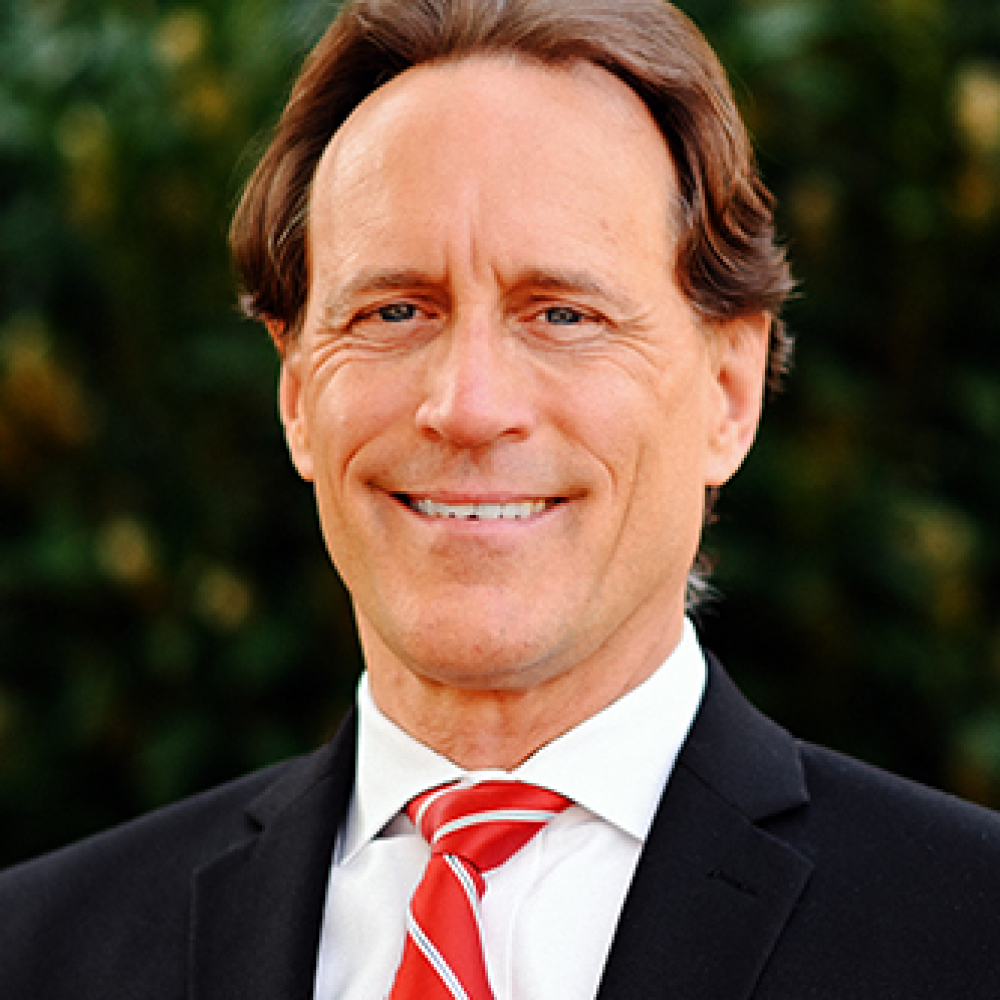
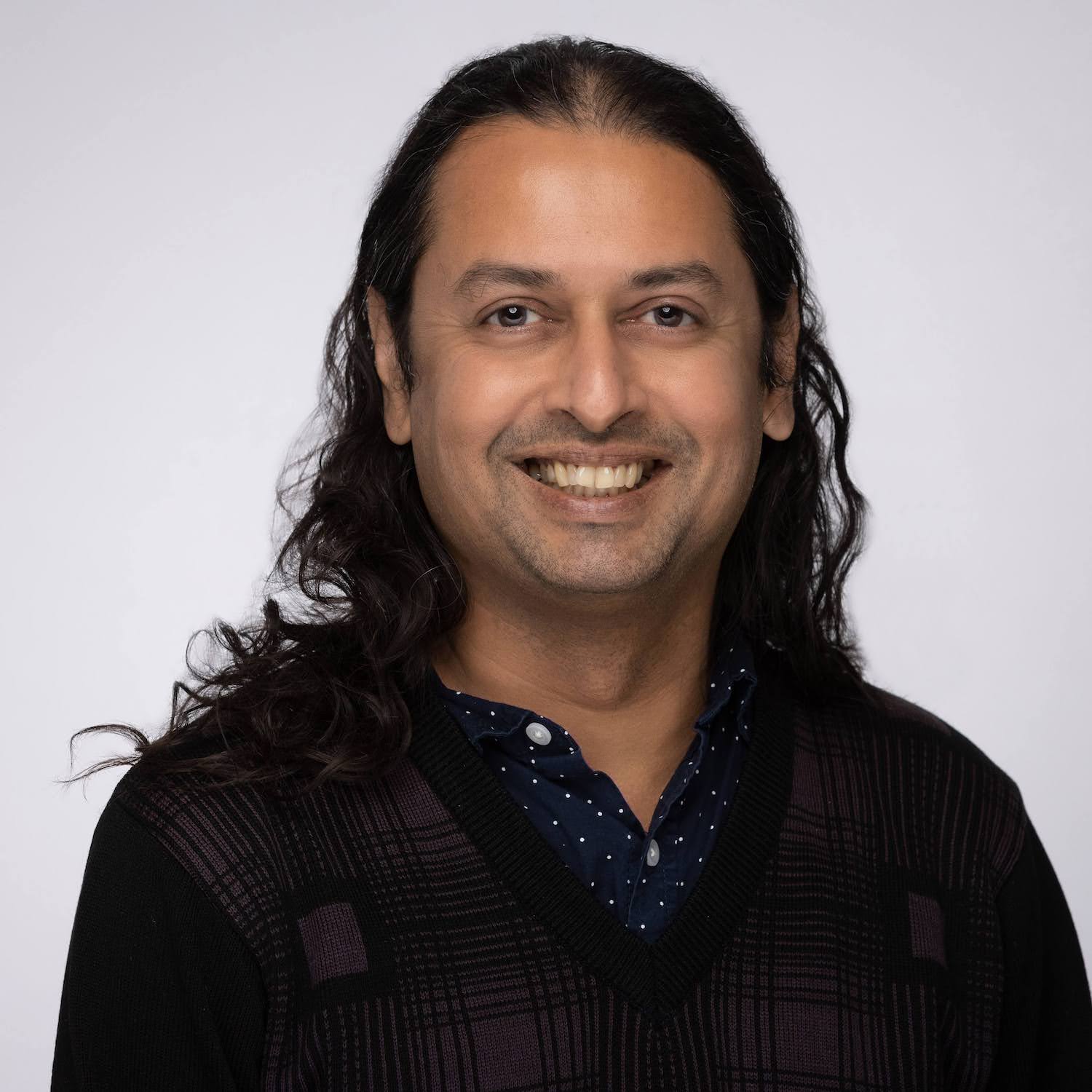
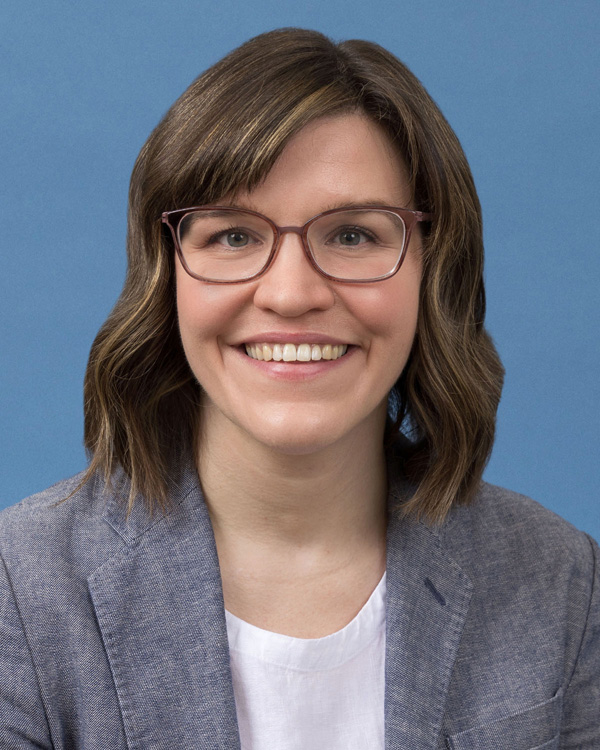
Jeffrey Schall is a Full Professor of Biology and Program Director of the Visual Neurophysiology Centre at York University. He holds the Canada Research Chair in Translating Neuroscience. His research focuses on neural mechanisms underlying behavior, integrating neurophysiological and computational approaches across multiple scales. Schall is a core member of the Centre for Vision Research and the Canada First Research Excellence Fund Connected Minds initiative. Education: PhD in Anatomy (University of Utah School of Medicine, 1986), postdoctoral training at MIT. Awards include the Troland Research Award, Sloan Foundation Fellowship, and AAAS Fellowship. He served as Vision Science Society President in 2019. Research interests include visual attention, executive control, error monitoring, and translational neuroscience applications in law. His work bridges basic science with applied studies in clinical populations like schizophrenia patients. Collaborative projects involve EEG/MEG analysis, cortical microcircuitry modeling, and neuromodulation techniques. Teaching: YU_NRSC 2100 Systems, Behavioral, and Cognitive Neuroscience. Active in interdisciplinary initiatives linking neuroscience with legal systems through scholarship and policy engagement.
Aylwyn Scally is a researcher at the Department of Genetics, University of Cambridge, specializing in human evolutionary genetics and ancestry. His work focuses on computational and mathematical models of genome evolution, leveraging population-scale datasets and archeogenetic evidence to explore ancient human populations and their spatial dynamics. University: University of Cambridge Department: Department of Genetics Fields of Interest: Human Evolutionary Genetics, Population Genetics, Ancestry Analysis, Paleobiology, Environmental Genomics, Genome Evolution Scally's research integrates spatial dynamics into genetic models, offering insights into demographic, social, and cultural factors in ancient populations. His methodologies have broader applications for studying other species as genomic data becomes available. Recent publications highlight his work on mutation rate analysis, historical migration patterns, and ancestral population structures. These studies often employ computational simulations and large-scale genomic datasets to address evolutionary questions. He is associated with the Cambridge NERC Doctoral Landscape Awards (CREATES) and C-CLEAR DTP, contributing to training and collaborative research in genetics and environmental genomics.
Suresh Krishna is an Associate Professor in the Department of Physiology at McGill University's Faculty of Medicine. His research focuses on the neurophysiological and computational basis of sensory processing, attention, and eye movements, with applications to brain-machine interfaces and human health. He works with human subjects, non-human primates, and open datasets using in-vivo electrophysiology, eye-tracking, and computational modeling. Research interests include visual attention mechanisms, saccadic eye movement control, neural coding of motion perception, and the interplay between attention and decision-making. His work bridges basic neuroscience with translational applications such as improving neural prosthetics and understanding perceptual disorders. Recent work highlights how neural remapping processes during saccades underlie spatial perception, and how attention modulates neural activity patterns in visual cortex. The lab's publications reveal critical insights into the temporal dynamics of attentional shifts and their neural substrates, particularly in areas MT and MST. Dr. Krishna's team also investigates auditory temporal processing in the inferior colliculus, exploring correlations between neuronal responses to sound modulation. Their findings contribute to understanding how sensory systems encode temporal information across modalities. Research is conducted in the M2B3 Lab (http://m2b3.lab.mcgill.ca), which integrates experimental and computational approaches to study brain mechanisms underlying perception and action. No specific awards are listed, but ongoing work involves major contributions to primate neurophysiology and translational neuroscience.
Mona Singh is a Professor of Computer Science at Princeton University, with affiliations to the Lewis-Sigler Institute for Integrative Genomics and the Department of Molecular Biology. She has been a faculty member since 1999. Ph.D., Massachusetts Institute of Technology, 1995 A.B. and S.M. degrees in Computer Science from Harvard University Her research focuses on computational molecular biology, integrating machine learning and algorithms to analyze biological networks, protein interactions, and mutational impacts. Key areas include DNA/RNA binding prediction, protein structure analysis, and network-based disease gene discovery. Her recent work highlights trends in protein language models, kinase-substrate prediction, and equitable MHC binding algorithms. These span sub-fields like structural bioinformatics, network biology, and functional genomics. Scientific Awards: Presidential Early Career Award for Scientists and Engineers (PECASE) Rheinstein Junior Faculty Award ACM Fellow (2019) ISCB Fellow (2018) She has taught an introductory computational biology course with Professor Coleen Murphy, covering sequence analysis, phylogenetics, and network reconstruction. Her group has developed tools like dPUC , nCOP , and DiffMut . Her lab collaborates with institutions including Carnegie Mellon, Duke University, and the Broad Institute, advancing applications in cancer genomics, metabolic disease, and precision medicine.
George Perry is a Professor of Anthropology at Pennsylvania State University, with research intersections in Biology, Evolutionary Medicine, and Genomics. He is affiliated with the Huck Institutes' Center for Infectious Disease Dynamics, Ecology, Molecular Cellular and Integrative Biosciences, and Bioinformatics and Genomics programs. Perry directs the Anthropological Genomics Lab , focusing on paleogenomics and evolutionary adaptation. Research areas: anthropological genomics, parasite evolution, human body size transitions, and evolutionary medicine Key collaborations: international teams in Madagascar, Europe, and Africa Leadership: Bioinformatics and Genomics Chair (2019–2023) His 2025–2022 publications span evolutionary responses to invasive species, human migration health impacts, chemosensory gene adaptation, and primate genomic diversity. Notable methodological contributions include ancient DNA recovery and comparative paleogenomics. Perry advises graduate students like Vanessa Garcia and Annette Mercedes, with grants including NIH support for Cuban health disparity studies. Scientific leadership includes tenure-line promotions (2023) and NASA Space Grant collaborations.
Carolyn Parkinson is an Associate Professor at the University of California, Los Angeles (UCLA), holding the Bernice Wenzel and Wendell Jeffrey Term Endowed Chair in Cognitive Neuroscience. Her research integrates social psychology with computational neuroscience to explore how the human brain represents, navigates, and shapes social environments. University: University of California, Los Angeles (UCLA) Academic Rank: Associate Professor Research Focus: Social and Affective Neuroscience, Social Network Analysis, Neural Mechanisms of Psychological Distance At the Computational Social Neuroscience Lab , Parkinson investigates: Neural encoding of social network structures Shared mechanisms for spatial, temporal, and social distance perception Computational modeling of social cognition Functional MRI analysis of social relationships Her work reveals that: Resting-state brain connectivity predicts social proximity Multivoxel patterns decode social knowledge representations Old cortical structures repurpose spatial processing for social cognition Neural population coding transcends historical phrenology-based approaches Notable awards include the Bernice Wenzel and Wendell Jeffrey Term Endowed Chair. She employs machine learning and social network theory to analyze distributed brain activity patterns, advancing understanding of human social behavior and cognition.
Daniel J. Field is Professor of Vertebrate Palaeontology in the Department of Earth Sciences and the Strickland Curator of Ornithology at the University of Cambridge Museum of Zoology. He is a Fellow of Christ's College, Cambridge, where Charles Darwin studied as an undergraduate, and serves as the founding director of the Darwin-Hamied Centre at Christ's College. Field also maintains research associate positions at the Denver Museum of Nature and Science and the Natural History Museum (London). Field is an evolutionary biologist and palaeontologist whose research focuses on deciphering the origins of modern avian biodiversity using fossil, anatomical, and molecular data. His work spans multiple themes including clarifying how birds survived and diversified following the mass extinction of non-avian dinosaurs, studying the evolutionary histories of major living bird groups, and understanding the evolutionary origins of distinctive biological features such as the modern bird skull. In 2020, his team announced the discovery of Asteriornis maastrichtensis (the 'Wonderchicken'), the oldest-known modern bird fossil and an early relative of the group that gave rise to living chickens and ducks. Field's publication record shows consistent research output across multiple areas of avian evolution, with recent work focusing on avian palate evolution, skeletal pneumaticity, developmental patterns in bird skulls, and the evolutionary relationships among major bird groups. His research integrates cutting-edge techniques including CT scanning, geometric morphometrics, and phylogenetic analysis to address fundamental questions about vertebrate evolution. Field leads an active research group comprising postdoctoral researchers, PhD students, and master's students from around the world. His lab has produced significant work on topics including the evolution of flightlessness in ratites, the developmental underpinnings of avian morphological diversity, and the phylogenetic relationships among major bird lineages. The lab maintains strong international collaborations and has been instrumental in training the next generation of evolutionary biologists and palaeontologists. Field is passionate about natural history and science outreach, and enjoys photographing Earth's vertebrate biodiversity in the field. His work bridges the gap between traditional palaeontology and modern evolutionary biology, contributing significantly to our understanding of how modern bird diversity arose from their dinosaurian ancestors.
Gunnar Blohm is an Assistant Professor in the Department of Biomedical and Molecular Sciences at Queen's University, affiliated with the School of Medicine and Faculty of Health Sciences. His research focuses on sensorimotor neuroscience, particularly 3D sensorimotor control, eye-hand coordination, and computational modeling of neural processes. He holds a Ph.D. from Université Catholique de Louvain and has held postdoctoral positions at York University and his alma mater. Cross-appointed to the School of Computing, Department of Psychology, and Department of Mathematics and Statistics, he is also Vice-Director of the Connected Minds initiative. His research integrates behavioral experiments, brain imaging (MEG/EEG), and patient studies to understand how sensory information is transformed into goal-directed actions. Key areas include visuomotor transformations, multisensory integration, and Bayesian processes in neural computations. Blohm leads the Computational Sensorimotor Neuroscience Lab, emphasizing collaborative projects like Neuromatch Academy and contributions to open science initiatives. Affiliated with Queen's Centre for Neuroscience Studies and Ingenuity Labs, his work bridges computational approaches with clinical applications, aiming to develop frameworks for understanding brain dysfunction and clinical tools. His recent articles explore topics like saccade dynamics, pupil responses, and generative adversarial collaborations in scientific discourse.
Dr. Teresa Puthussery is an Associate Professor in the School of Optometry & Vision Science at the University of California, Berkeley. Her research focuses on retinal neurobiology and neurophysiology, investigating how visual signals are encoded in healthy retinas and disrupted during degeneration. She uses advanced techniques like patch-clamp electrophysiology, immunohistochemistry, and microscopy to study retinal circuits, neurotransmitter receptors, and ion channels. Dr. Puthussery teaches courses on vision science anatomy, physiology, and problem-based learning, including VISION SCIENCE 206B/C and 260C. Her research explores questions such as how retinal neurons extract motion/spatial details, how photoreceptor mutations cause degeneration, and how inner retinal circuits adapt post-photoreceptor loss. Recent work includes studies on ON-type direction-selective ganglion cells, optogenetic therapy for vision restoration, and calcium dynamics in foveal ganglion cells post-degeneration. She collaborates on projects involving primate and rodent models, contributing to understanding retinal disease mechanisms and therapeutic targets. Dr. Puthussery’s lab (retinalab.berkeley.edu) emphasizes translational research, bridging basic science and clinical applications. Her work has been published in journals like Nature and Cell Reports , with a focus on retinal degeneration, synaptic plasticity, and optogenetic interventions. She actively participates in training future vision scientists through Berkeley’s Optometry program and oversees GSI affairs as a faculty advisor.
Dr. Alastair Key serves as Director of Studies in Archaeology and Official Fellow in Archaeology at Queens' College, University of Cambridge. His research bridges Paleolithic archaeology, stone tool technology, and hominin behavioral evolution through experimental and computational approaches. Director of Studies and Official Fellow at Queens' College, Cambridge Specializes in Paleolithic stone tool analysis, Acheulean technology, and hominin adaptation Conducts experimental archaeology and computational modelling to assess tool functionality Key's research focuses on Acheulean handaxe production , lithic microwear patterns , and ergonomic constraints in prehistoric tool use . He has extensively published on topics including glacial-stage hominin occupations , Oldowan toolmakers , and machine learning applications to archaeological analysis . His recent publications (2025-2023) span diverse subfields: Acheulean chronology , hominin tool use biomechanics , experimental projectile testing , and computational morphometric methods . The work often integrates multidisciplinary datasets and open-source analytical tools to address fundamental questions about human technological evolution. Current research directions include stone tool sharpness quantification , handaxe social signaling potential , and cross-species tool use comparisons through primate studies.
Kep Kee Loh is a Senior Tutor in the Department of Psychology at the National University of Singapore (NUS). Currently, he also holds an NUS Overseas Postdoctoral Fellowship position at both the Montreal Neurological Institute (McGill University) and the University of Oxford. His research focuses on comparative primate neuroanatomy, examining what makes the human brain special compared to other primates through multimodal MRI techniques. Ph.D. in Neuroscience from Université Claude Bernard Lyon I (2014-2018) M.Sc. in Cognitive Neuroscience from University College London (2011-2012) B.Soc.Sci. (Hons.) in Psychology from National University of Singapore (2007-2011) Dr. Loh's research primarily investigates the anatomical organization of brains across humans and various primate species including chimpanzees, baboons, and macaques. He employs different magnetic resonance imaging techniques (anatomical, resting-state, diffusion-weighted MRI) to compare brain organization across species, with particular focus on the medial frontal cortex, sulcal anatomy, and the evolution of speech and language in the human brain. His work adopts a multimodal approach to provide an integrative view of what sets human brains apart from other primates. His recent publications demonstrate a strong focus on comparative neuroanatomy across species, with particular emphasis on primate brain evolution, frontal cortex organization, and language-related neural pathways. The research spans multiple disciplines including neuroscience, cognitive science, and evolutionary biology, with increasing attention to methodological advancements in neuroimaging techniques for cross-species comparisons. NUS Overseas Postdoctoral Fellowship (2021) Institute of Language, Communications and the Brain (ILCB) Postdoctoral Fellowship (2019) Fondation Recherche Médicale (FRM) Fin de Thèse (PhD funding) (2017) BRAIN Student Travel Award, 6th Motivation and Cognitive Control Symposium (2016) Dr. Loh has been involved in numerous collaborative research projects across international institutions, including the French Institute of Health and Medical Research (Stem Cell and Brain Research Institute), Aix-Marseille Université, and currently McGill University and the University of Oxford. His work has received significant recognition with over 1,000 citations for his 33 publications. While specific grant information isn't detailed in the provided text, his postdoctoral fellowships indicate successful competitive funding. Dr. Loh collaborates with several research groups including the Montreal Neurological Institute at McGill University and research teams at the University of Oxford. His work connects with broader initiatives like the collaborative resource platform for non-human primate neuroimaging, indicating participation in larger research networks focused on advancing primate neuroscience through shared resources and methodologies.
Dr. Andrew Best is an Assistant Professor of Biology at Massachusetts College of Liberal Arts (MCLA), specializing in biological anthropology with a focus on human physiological evolution. His primary research examines the role of sweating in human evolution, contemporary human sweat characteristics, and the metabolic limits of endurance performance. He holds a Ph.D. from the University of Massachusetts (2021), an M.A. from the University of Massachusetts (2016), an M.A. from Quinnipiac University (2006), and a B.A. from Saint Michael’s College (2004). Dr. Best teaches courses including BIOL 101: Biology Seminar for Majors , BIOL 342/343: Anatomy and Physiology , BIOL 440: Exercise Physiology , and BIOL 484: Biomechanics . His research integrates evolutionary biology, thermal physiology, and exercise science to explore how human metabolic and thermoregulatory systems have evolved to support extreme endurance activities. Key projects include studying sweat gland density variation across populations and the physiological constraints of ultra-endurance events. His publications span topics such as ultramarathon energy expenditure, strength training’s impact on endurance, and primate sweat gland evolution. He actively participates in academic conferences and collaborates with researchers globally. No scientific awards are explicitly noted in the provided materials. Dr. Best’s work reflects interdisciplinary approaches to understanding human biological adaptation, with ongoing projects likely extending into nutritional strategies for endurance athletes and comparative analyses of primate thermoregulation systems.
Eduardo Mercado III is a Professor in the Department of Psychology at the University at Buffalo, College of Arts and Sciences. His research focuses on bioacoustics, cognitive psychology, and marine ecology, particularly the vocal behavior of humpback whales and its implications for understanding human impact on marine ecosystems. He is also known for his work in perceptual learning, autism spectrum disorder, and comparative cognition. Scientific Awards Guggenheim Fellowship Harvard Radcliffe Institute Fellowship Research Trends His recent publications emphasize bioacoustic analysis of humpback whale songs, including their spectral entropy, cyclical variations, and adaptive adjustments to anthropogenic noise. Additional work explores perceptual learning mechanisms in autism, neural network modeling for acoustic classification, and cognitive processes in canines and rodents. Projects Mercado’s “Singers as Sentinels” project combines acoustic analysis of humpback whale songs with public awareness initiatives about ocean noise pollution. The project will produce a book, Why Whales Sing and Dolphins Don’t , and a web-based interface for public engagement.
David R. Williams is the William G. Allyn Professor of Medical Optics at the University of Rochester's Institute of Optics. He holds joint appointments in Ophthalmology, Biomedical Engineering, and Brain & Cognitive Sciences. His research focuses on advancing retinal imaging techniques, particularly using adaptive optics, to study vision mechanisms and disorders. Williams directs the Center for Visual Science, an interdisciplinary initiative with over 40 faculty members. Education: B.S. from Denison University (1975), Ph.D. from University of California, San Diego (1979), postdoctoral fellowship at Bell Labs (1980). Research Interests: Adaptive optics for high-resolution retinal imaging Retinal physiology and photoreceptor function Optogenetic therapies for vision restoration Pathological mechanisms in macular diseases Publications Highlight: His work spans foundational studies in retinal ganglion cells, optogenetic therapies, and innovations in adaptive optics systems. Recent trends focus on in vivo imaging of photoreceptors and neural activity restoration. Scientific Awards: Champalimaud Vision Award (2012) National Academy of Sciences Membership (2014) David F. Weeks Award (2020) Advising & Grants: As director of the Center for Visual Science, he oversees interdisciplinary grants and mentorship in vision science. His lab collaborates with leading institutions globally to advance translational research in ophthalmology and neurobiology. Labs/Teams: Core leader of the Center for Visual Science, with teams specializing in adaptive optics, retinal imaging, and optogenetic therapies.
Lauren Schroeder serves as Associate Professor and Associate Chair of Graduate Anthropology in the Department of Anthropology at the University of Toronto Mississauga (UTM). A South African palaeoanthropologist specializing in hominin cranial and mandibular diversity, she employs quantitative methods including 3D morphological modeling and quantitative genetics. Dr. Schroeder maintains research affiliations with the Royal Ontario Museum, Human Evolutionary Research Institute, and Evolutionary Studies Institute at the University of the Witwatersrand. Her academic credentials include: PhD, University of Cape Town, 2015 BSc (Hons), University of Cape Town Dr. Schroeder's research spans Biological Anthropology, Palaeoanthropology, and Evolutionary Anthropology with emphasis on hominin variability, evolutionary theory, and quantitative genetics. Her work integrates statistical analyses of 3D morphological data with quantitative genetic approaches to investigate evolutionary processes underlying morphological variation. Current projects examine primate skeletal evolution, skeletal signatures of hybridization for detecting gene flow in fossil records, and the relative contributions of genetic drift versus natural selection in hominin evolution. Analysis of her 2016-2020 publications reveals consistent focus on paleoanthropological research centered on Homo naledi and other hominin fossils. Her scholarly output demonstrates integration of evolutionary theory, quantitative genetics, and morphological integration to explore hominin diversity and evolutionary mechanisms. Recurring themes include Bayesian phylogenetic methods, hybridization studies in human evolution, and critical reflections on ethics and decolonization within anthropological practice. No scientific awards were documented in the provided materials. Information regarding graduate student advising and research grant funding was not specified in available sources. The Schroeder Lab, situated in UTM's Terrence Donnelly Health Sciences Complex, advances morphological evolution research in humans and primates through innovative quantitative methodologies. Dr. Schroeder has contributed significantly to major paleoanthropological projects including the Malapa excavation (Australopithecus sediba) and Rising Star Cave (Homo naledi) as core research team member analyzing fossil hominins.